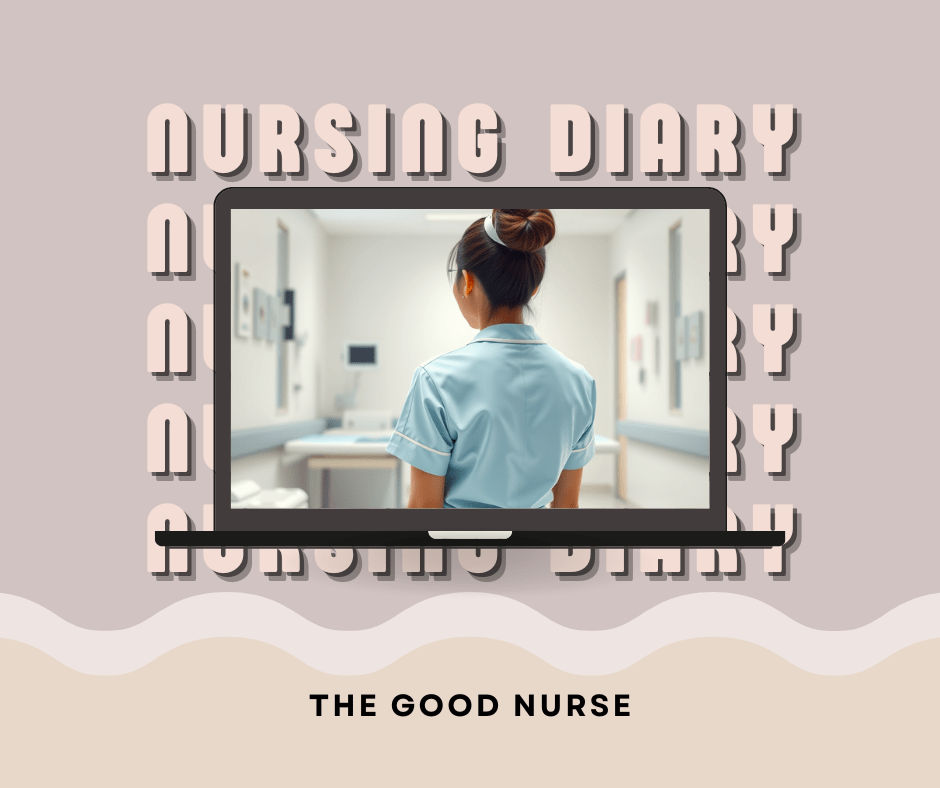
I still remember the smell of antiseptic mixed with humid afternoon air, the kind that clings to your uniform long after your shift ends. I was a new nurse then, back in the Philippines, my name badge still stiff against my chest, my hands careful with every movement. I double-checked everything—medications, IV rates, charting—afraid that someone would discover I didn’t know enough. I thought competence was something you earned after years. I did not yet trust myself.
She had cancer and was under my care for almost three months. Long enough for me to learn the rhythm of her good days and bad ones. Long enough for silence between us to feel familiar. Sometimes, while I adjusted her line or helped her sit up, she would look at me with steady eyes and say, “You’ll be the best nurse. You’ll work abroad one day.” I would smile politely, nod, and change the subject. Inside, I would quietly disagree. I was too new. Too unsure. Too conscious of my inexperience.
But she kept saying it.
And then other patients began saying similar things. Different backgrounds. Different stories. Some would tell me directly. Others would say it to their relatives within earshot, as if I wasn’t listening. Families would thank me for explaining procedures clearly, for staying a little longer during difficult nights, for treating their loved one with gentleness. I felt confused more than proud. Were they seeing something I couldn’t?
They would bring gifts too. Food mostly—dishes wrapped in foil, fruits from their farm, seafood fresh from their island. I would always try to refuse. We were taught to maintain boundaries. But gratitude, especially back home, does not take no easily. They would insist, pressing containers into my hands with warm smiles.
One of the funniest gifts I ever received was a neatly packed towel and underwear sets. I remember standing there, trying not to laugh, touched and slightly embarrassed at the same time. Another time, I was handed a huge banana—so big it barely fit inside my locker—along with fresh seafood still smelling of salt and sun. These were not extravagant presents. They were pieces of their everyday life, offered with sincerity.
But if I am honest, the best gifts I ever received were not those things.
Not the towel.
Not the underwear sets.
Not the giant banana.
Not even the seafood.
The best gifts were the people who believed I was a good nurse before I believed it myself.
They gave me something far more lasting than anything I could hold. They gave me confidence in its earliest form—fragile, trembling, but real. They spoke life into a version of me that I had not yet grown into. That cancer patient who told me I would be the best nurse and could work abroad—she planted a seed I kept trying to ignore. The families who trusted me with their most vulnerable moments watered it.
At that time, I thought being a good nurse meant knowing everything. Having all the answers. Never hesitating. Now I understand that what they were responding to was not perfection, but presence. It was the way I showed up. The way I listened. The way I tried.
Looking back, those early months in a Philippine hospital shaped me more than any formal training ever could. I was inexperienced, uncertain, and quietly doubting myself—but I was also learning, growing, and being seen.













 superanjventures
Leave a reply to AJ Gabriel Cancel reply