On Filipino Undas, British poppies, a Pixar film, and the peculiar way November remembers.
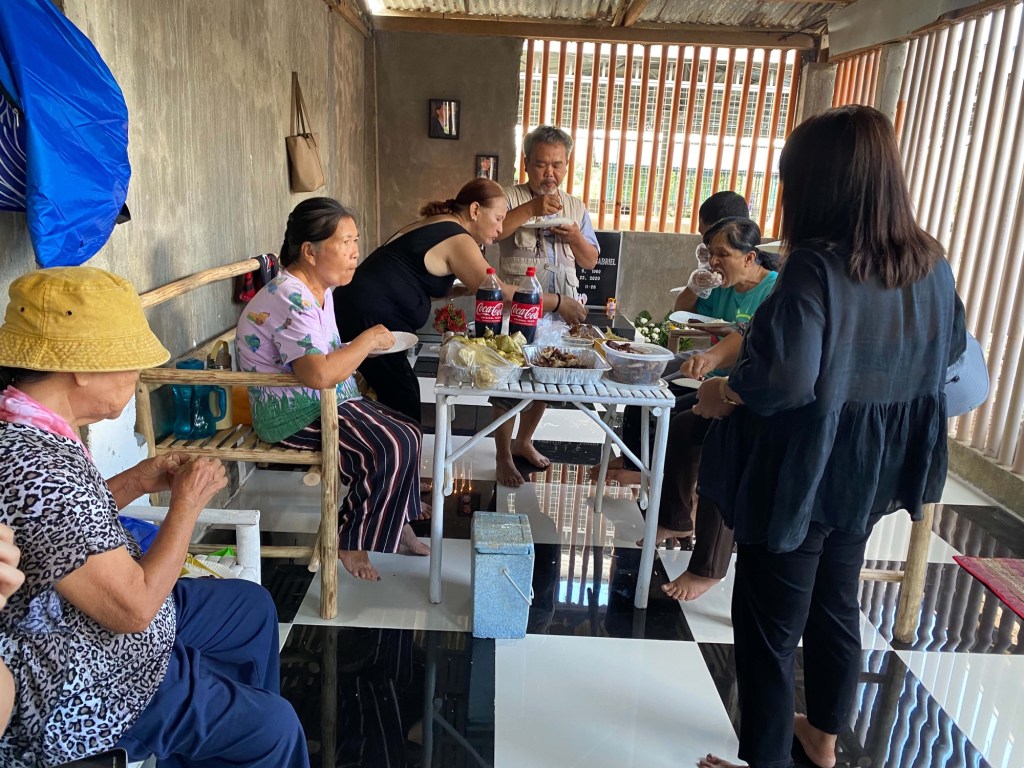
A Filipino cemetery on the first of November is a rather convincing argument that death does not necessarily put an end to family gatherings.
There are candles burning beside gravestones, flowers competing for space, children wandering between tombs, and relatives arriving with enough food to suggest that somebody has seriously underestimated the nature of the occasion. Conversations move comfortably between prayers and family updates. Someone is remembering a departed grandmother, somebody else is discussing the price of groceries, and an auntie has apparently decided that standing beside a grave is an appropriate opportunity to investigate why her niece remains unmarried. Even the dead, it seems, cannot guarantee protection from Filipino family inquiries.
I grew up knowing this peculiar mixture of reverence and ordinary life as Undas. There was nothing especially strange about spending hours in a cemetery with relatives, bringing flowers and candles, cleaning graves, praying, and occasionally hearing laughter travel between the tombs. As children, we understood that the occasion was important, although our attention sometimes wandered towards considerably less spiritual matters, particularly food and the question of how much longer the adults intended to stay. We were visiting people who had died, but the gathering itself felt very much alive. Only later did I begin to appreciate the contradiction.
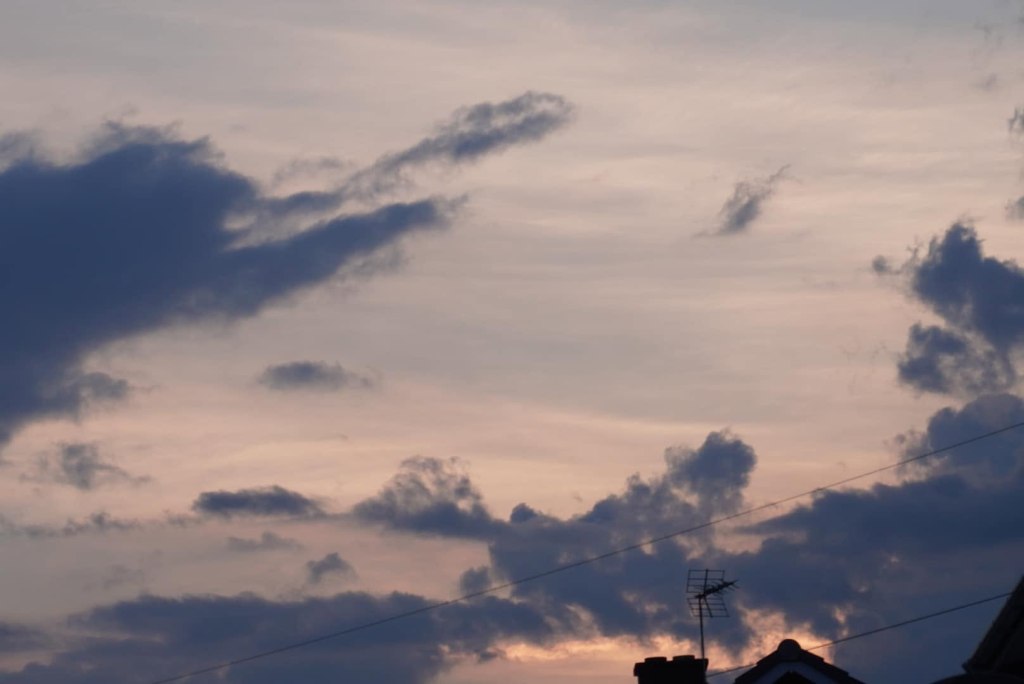
Now, living in England, I experience November rather differently. The trees have nearly finished their annual performance of shedding leaves, daylight retreats before most people have properly recovered from lunch, and the cold has perfected its ability to penetrate whatever clothing I optimistically considered sufficient. Old churchyards sit beneath branches stripped by autumn, their gravestones softened by moss and weather. A few flowers rest against the stone, and there may be someone standing quietly beside a grave, apparently conducting a conversation that requires no audible reply. Meanwhile, red poppies begin appearing on coats and shop counters, signalling Britain’s approach to its own season of remembrance.
I have lived here long enough to appreciate the dignity of these traditions, although the contrast initially fascinated me. Back home, remembrance often arrives with an extended family and a considerable amount of conversation. Here, I have encountered forms of remembrance that give silence an important place. Neither is a complete description of either country, of course. British families can be wonderfully expressive, and Filipino cemeteries can hold moments of profound stillness. Yet the difference in atmosphere has made me curious about something I rarely questioned as a child: why do people remember their dead in such different ways, and what do those differences reveal about the living?
The Christian calendar provides part of the explanation. November 1 is All Saints’ Day, when Western Christian traditions honour the saints, while November 2 is All Souls’ Day, associated particularly with Catholic prayers for the faithful departed. In the Philippines, the two dates are closely connected in everyday practice, and many families visit cemeteries on November 1 or throughout the surrounding days. Our observances have been shaped by centuries of Catholic influence alongside the archipelago’s much older and diverse traditions of honouring ancestors. Across different communities, beliefs and practices have developed in distinct ways, so it would be misleading to imagine that every Filipino family observes Undas identically.
What remains familiar, however, is the importance of making time for the people who came before us. Undas often involves returning to a home province, arranging visits with relatives, and revisiting graves that have become part of a family’s geography. In a country where families may be spread across different cities, islands, or continents, the occasion can reunite generations who rarely see one another. The dead provide the reason for gathering, but the living have plenty to catch up on.
I find something deeply human in that arrangement. We do not necessarily become solemn versions of ourselves simply because the occasion involves loss. We bring our personalities with us: the relative who talks too much, the cousin who arrives late, the auntie who insists everybody must eat, and the family historian who remembers an incident rather differently from everybody else. We laugh about the departed person’s habits, repeat the jokes they used to tell, and occasionally recall an embarrassing story that someone would probably have preferred to take to the grave. It is a curious form of affection, but perhaps it is also a remarkably honest one. We remember people not as polished monuments, but as complicated individuals who once occupied the same noisy family gatherings.
That particular thought always brings me back to Coco.
I have watched enough animated films to know that Pixar possesses an alarming ability to disguise an emotional ambush beneath beautiful colours and an apparently innocent storyline. Coco is no exception. It follows Miguel, a young boy whose fascination with music leads him into the Land of the Dead during Mexico’s Día de Muertos celebrations. The film is filled with marigolds, family photographs, music, and elaborate depictions of a world where remembrance has extraordinary significance. Beneath all that imagination, however, lies a question that becomes more uncomfortable the longer I think about it: what happens to a person’s story when nobody remains to tell it?
Mexican Día de Muertos and Filipino Undas are not the same celebration. Their histories, symbols, and particular customs deserve to be understood separately. The Mexican ofrenda, with its photographs and offerings to departed loved ones, belongs to a distinct cultural tradition shaped by Indigenous practices and Catholic influences. Filipino Undas has its own history and religious expressions, just as British commemorations have theirs. But the film reminded me of something recognisable across these differences. Families do not preserve memories merely by remembering that someone died. They preserve them by continuing to speak about how that person lived.
I was particularly moved by the importance Coco places on photographs and family stories. A photograph can appear almost absurdly inadequate when considered as a record of an entire human life. It preserves a face, perhaps a particular expression or moment, while leaving out practically everything that made the person who they were. We cannot hear their voice, ask what they were thinking, or see what happened five minutes after the picture was taken. Yet these small images often become some of our most treasured possessions, not because they tell the complete story, but because they give us somewhere to begin remembering it.
I think of the photographs we keep of people who have passed away. Sometimes I find myself examining their faces, noticing details that seemed entirely ordinary when they were still alive. A smile, a familiar expression, the way someone stood beside another relative. I may remember the circumstances surrounding a picture, or I may have forgotten the occasion altogether. But I recognise the person, and with that recognition comes an entire collection of experiences that the camera never captured.
There is a difference between knowing someone existed and remembering who they were. A name engraved on a gravestone establishes a life in dates and letters, but it cannot tell us whether the person enjoyed singing while cooking, possessed a terrible sense of direction, or had an impressive talent for telling the same story repeatedly. Those details survive through the people who remember them. They are the things we mention at family gatherings, the habits we unexpectedly recognise in ourselves, and the little stories we pass on to younger relatives who never had the opportunity to meet the person.
Perhaps that is why I have become increasingly interested in family history. Not necessarily the grand version involving ancestry charts, important surnames, or the discovery that somebody’s distant relative once occupied an impressive position. I am more interested in the ordinary material of a life. What made our grandparents laugh? What did our parents enjoy before responsibility occupied so much of their time? Which family recipes belonged to whom, and why does every relative appear convinced that their version is the original? These questions may seem small, but they contain a kind of history that disappears surprisingly easily when nobody thinks to preserve it.
November has made those questions especially personal because my Papa’s birthday falls on the fifth.
There is something peculiar about having a birthday to remember when the person whose birthday it is can no longer celebrate it with you. The calendar continues behaving exactly as it always has. November 5 arrives on schedule, showing no particular concern for the fact that someone important is missing. The date does not disappear because the person has died, nor does it become less recognisable simply because the celebrations have changed.
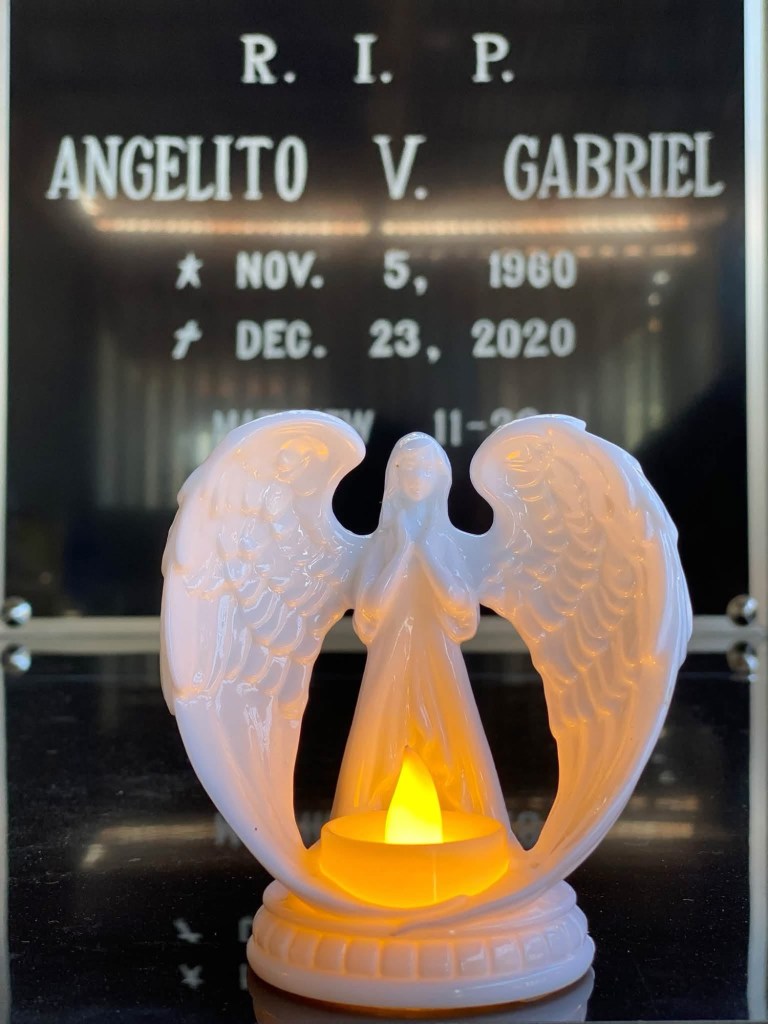
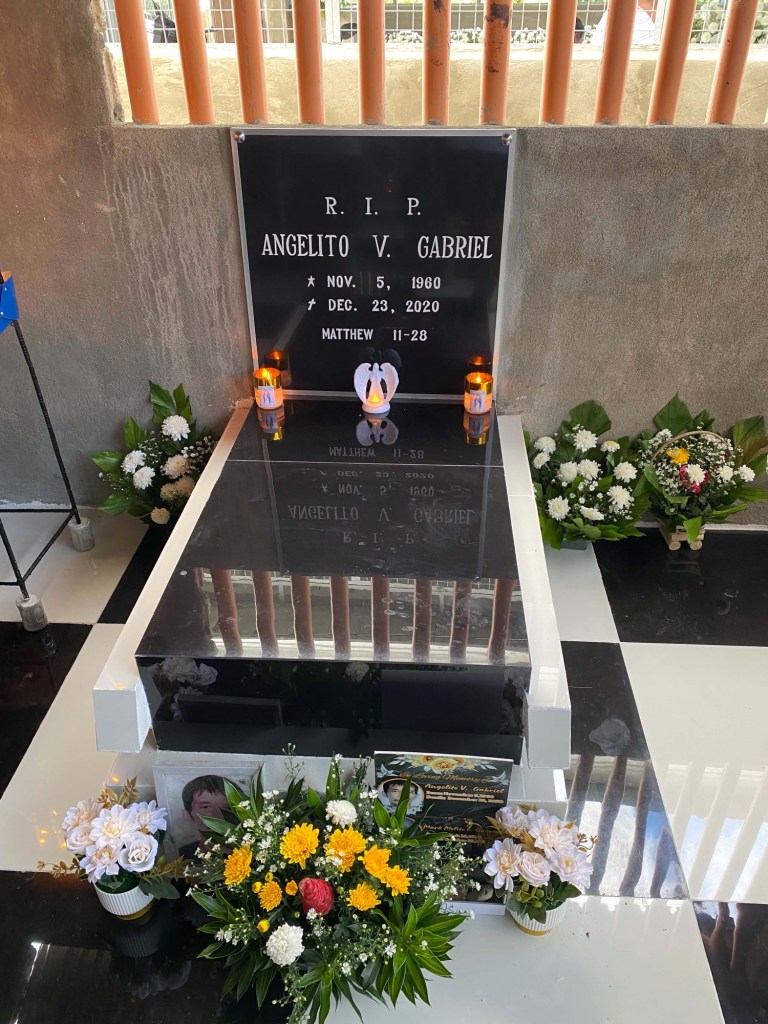
Papa died in 2020, but November 5 remains his birthday.
I find myself returning to that distinction because it matters more to me than I once realised. There is a tendency, after losing someone, to organise our memories around the loss itself. We remember the year, the difficult circumstances, and the date when life divided itself into a before and an after. Those memories naturally carry weight, and I would never suggest that they should be avoided. But I sometimes wonder whether grief can make the ending of a person’s life occupy so much space that we forget to celebrate everything that came before it.
My father had a birthday long before he had a death anniversary. He had a childhood, experiences, relationships, opinions, and an entire life that extended far beyond his role as somebody I would eventually lose. He was Papa before he became someone I had to remember in photographs. He occupied an ordinary place in our family, a presence that did not require an annual occasion to acknowledge it. There were conversations, familiar routines, and moments that probably seemed far too unremarkable to preserve carefully at the time.
I wish I had understood then how valuable some of those ordinary moments would become.
When someone is alive, we assume that there will be more opportunities. Another conversation, another visit, another photograph, another occasion to ask the questions we have been meaning to ask. There is rarely a sense of urgency about something as familiar as a parent’s presence. It belongs to the architecture of our everyday life, so naturally that we scarcely notice how much we rely upon it.
Only later do we discover how many questions we never thought to ask.
I do not mean that we should spend our lives anxiously collecting memories because everyone we love will eventually die. That would be a rather exhausting way to experience affection, and I suspect our relatives would become deeply suspicious if we suddenly began interviewing them about their entire personal history during Sunday lunch. But I have become more attentive to the stories people tell, especially the ones that seem unimportant to the person sharing them. Sometimes a casual remark about childhood, an old family disagreement, or a long-forgotten celebration reveals more about someone than a formal account of their achievements ever could.
And perhaps I have become more willing to take photographs without needing a particularly impressive reason. I already have an unreasonable number on my phone, which suggests that this particular lesson has been embraced with perhaps more enthusiasm than necessary. Still, I know how much an ordinary image can mean years later. A photograph taken during a meal may eventually remind us not only of the people sitting around the table, but also of a version of life we did not know was passing.
Living abroad complicates this further. My family remains connected to places in the Philippines that I cannot visit whenever I wish. There are anniversaries and occasions when relatives gather while I am in England, perhaps working a shift or simply continuing with the ordinary demands of the day. I see photographs, receive messages, and imagine the conversations taking place without me. Technology allows us to remain connected in remarkable ways, but it cannot entirely reproduce the feeling of being physically present.
During Undas, that distance can be particularly noticeable. Back home, families may be visiting graves, lighting candles, and spending time together. Here, I may be going about an otherwise ordinary November day, surrounded by a society whose public observances follow a different rhythm. Yet I have discovered that the meaning of remembrance does not depend entirely upon geography. I can pray for Papa while sitting in England. I can revisit old photographs, remember his birthday, and speak about him even when I cannot stand beside his resting place.
The fact that November 5 is also Bonfire Night in Britain gives the date another, rather unexpected dimension.
Britain remembers the failed Gunpowder Plot of 1605 with bonfires and fireworks, a tradition whose history is considerably more complicated than the cheerful displays many people enjoy today. For those unfamiliar with it, Guy Fawkes and the plot to blow up Parliament are woven into one of Britain’s most recognisable November customs. There are fireworks, organised displays, and the occasional neighbourhood explosion that makes me wonder whether somebody has decided to conduct an unscheduled military exercise outside my window.
It is a strange coincidence to live in a country where my father’s birthday is also associated with so much noise and colour.
I sometimes think about that when November 5 arrives. While Britain marks an episode from its political and religious history, I remember the birth of a man whose significance to me is entirely personal. The same date carries two different stories, neither cancelling out the other. One belongs to the history of the country where I now live; the other belongs to the family and country from which I came.
I like the thought that a date can carry more than one meaning. Perhaps that is part of what living between cultures teaches us. We do not abandon our earlier associations simply because our surroundings change. Instead, the calendar acquires additional layers. A familiar date may gain another celebration, a new historical meaning, or an unexpected connection to the life we are building elsewhere.
There is something almost absurdly appropriate about remembering Papa’s birthday while fireworks illuminate the British sky. I cannot pretend to know what he would have made of the coincidence, but I find it comforting that the fifth of November has become a meeting place between two parts of my life. It reminds me that my family history has travelled with me, even as my surroundings have changed considerably.
Britain has other November customs that I have grown to appreciate, particularly the observances surrounding Remembrance Day. Red poppies appear throughout the country in the weeks leading up to November 11, when the armistice ending the fighting in the First World War is commemorated. The two-minute silence at eleven o’clock has become a familiar expression of collective respect, while Remembrance Sunday brings ceremonies, wreath-laying, and reflection upon the lives affected by war and military service.
These traditions should not be mistaken for direct British equivalents of Undas. Their purposes and histories are different. One is associated with remembering departed loved ones within religious and family traditions, while the other has a particular connection to military remembrance and the consequences of conflict. Yet I find it interesting that both cultures dedicate time to lives whose absence continues to shape the present.
There is something powerful about a large group of people agreeing to remain silent together. In everyday life, silence can feel awkward, something we rush to fill with conversation or background noise. But during an act of remembrance, silence becomes deliberate. It asks people to stop what they are doing and acknowledge that certain lives and losses deserve attention beyond the demands of the immediate moment.
It is a different atmosphere from the Filipino cemetery gatherings I remember, but I have come to appreciate its significance. A shared meal beside a grave and a two-minute silence at a memorial are not interchangeable gestures. They belong to different traditions and express different kinds of remembrance. Still, both interrupt the usual pace of life and make space for stories that might otherwise be overshadowed by the present.
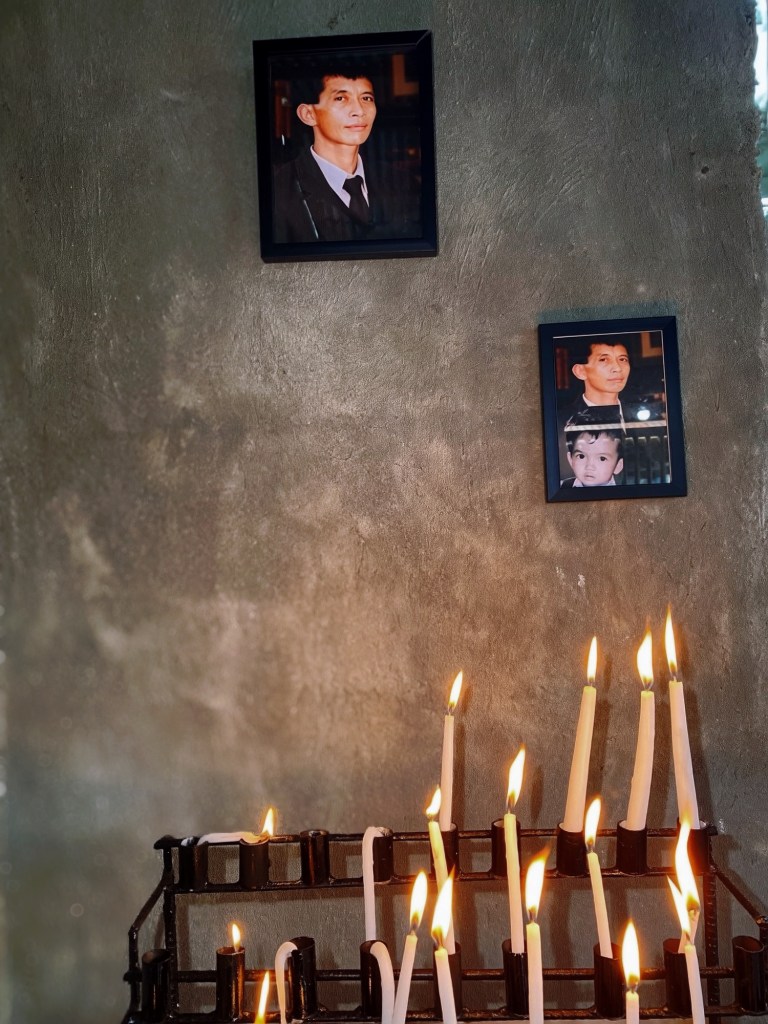
The Christian observances of All Saints’ and All Souls’ also exist in Britain, although they may be less publicly visible than Undas is in the Philippines. Some Church of England parishes hold services remembering the faithful departed, sometimes inviting people to light candles or hear the names of loved ones read aloud. Catholic communities observe All Souls’ Day through prayers and Masses, and individual families may visit cemeteries or remember relatives privately.
England also possesses an older history connecting the season to the dead. Halloween derives its name from All Hallows’ Eve, the evening before All Saints’ Day. In earlier centuries, customs such as souling involved people visiting households and receiving food, sometimes in exchange for prayers for departed souls. Religious changes altered many of these practices over time, and the Halloween familiar to us today has developed through several cultural influences.
I find these connections fascinating because they reveal how traditions that appear completely unrelated can share elements of history. The modern British Halloween, with its pumpkins, costumes, and sweets, may seem distant from the religious observances surrounding Undas. Yet both sit within a season whose history includes remembering the dead, even though their present-day forms and meanings have diverged considerably.
It also means that the beginning of November presents an impressive variety of activities depending upon where one happens to be. In the Philippines, a family may be preparing candles and flowers for a cemetery visit. In England, somebody may still be removing Halloween decorations while making plans for Bonfire Night. Elsewhere, Mexican families may be preparing ofrendas for Día de Muertos. The dates overlap, but the customs tell different stories about culture, history, faith, and belonging.
I do not think one way of remembering is necessarily better than another. Having grown up with Filipino traditions, I naturally feel a particular affection for Undas. I appreciate its warmth, its sense of family continuity, and the way it permits laughter to exist alongside sorrow. But I have also come to value the more structured and contemplative forms of remembrance I have encountered in Britain. They have taught me to appreciate the significance of pausing, whether in prayer, silence, or private reflection.
Perhaps the most important difference is not between countries at all, but between remembering someone as a symbol and remembering them as a person.
When people die, we sometimes become unusually careful about how we describe them. Their stories gradually lose their ordinary contradictions. We speak of their kindness, achievements, and the qualities we admired, while the less dignified details disappear from conversation. It is understandable. We want to honour those who are gone, and affection can make us reluctant to mention anything that seems insufficiently respectful.
But I sometimes think we lose something when we make our memories too polished.
The people we love were not solemn portraits moving through life with perfectly arranged expressions. They had habits, frustrations, opinions, preferences, and moments of extraordinary silliness. They could make mistakes, become impatient, complain about trivial things, and occasionally tell jokes that were considerably funnier to them than to everybody else. Those details are not necessarily distractions from their goodness. They are part of what made them recognisable.
I do not want Papa’s story reduced to the fact that he died in 2020. Nor do I want the stories of other relatives I have lost to become collections of dates and carefully chosen adjectives. I want to remember the people themselves, including the ordinary ways they occupied our lives. If we can still laugh about something they once did, perhaps that laughter is not disrespectful. Perhaps it is evidence that our memories have preserved more than the sadness of their absence.
This is where I return to Coco, although not because I believe remembrance can literally determine what happens to a person after death. The film’s imagined afterlife belongs to its fictional world. What I find valuable is its insistence that family stories deserve to be understood rather than merely repeated, and that remembering someone involves paying attention to who they actually were.
In the film, memory is not just a collection of sentimental objects. It can preserve love, but it can also carry misunderstandings and incomplete accounts of the past. That interests me because families are remarkable storytellers, though not always reliable historians. The same event can acquire several versions depending upon which relative is explaining it. Someone remembers an argument, another remembers the food, and a third insists that everybody has misunderstood what actually happened. By the time a story reaches the next generation, it may have developed an impressive collection of decorative details.
Perhaps honouring our ancestors also requires the humility to recognise that we may not know their entire story. We can preserve memories while remaining curious about what has been forgotten, what was misunderstood, and which experiences deserve to be heard from another perspective.
Perhaps the deepest form of remembrance is not simply refusing to forget someone, but refusing to let the ending of their life become the only story we tell about them.
I want to carry that thought beyond November, because remembrance should not be confined to the anniversaries we mark or the graves we visit. It can exist in ordinary conversation, in a recipe somebody still prepares, in a familiar expression repeated unconsciously, or in a story shared with someone too young to remember the person themselves.
There is also a lesson for how we treat the living, although I hesitate to turn every reflection on death into another reminder to appreciate people before it is too late. Such advice is familiar because it contains truth, but repeated too easily, it can begin sounding like an obligation to make every moment significant. Most of our lives are not composed of extraordinary occasions. They consist of ordinary meals, conversations, small disagreements, workdays, and routines that rarely seem important while they are happening.
I think what matters is not transforming every interaction into a memorable event, but recognising that ordinary life is already the material from which memories will eventually be made.
There are things I wish I had asked Papa while he was alive. I imagine many people who have lost someone feel similarly. We discover questions only after the opportunity to ask them has disappeared. But I do not want those unanswered questions to overshadow the years in which he was present. There were moments when he was simply Papa, and I was simply his daughter, without either of us considering how much significance those familiar roles would eventually carry.
I am grateful for that ordinary relationship, even while acknowledging everything I miss about it.
As another November arrives, I find myself thinking of the extraordinary range of ways people remember. Somewhere in Cebu, families will be gathering around graves with flowers, candles, food, and stories. In England, autumn leaves will settle over churchyards as churches offer prayers for the departed. Red poppies will appear in remembrance of lives affected by conflict, and on November 5, fireworks will brighten the sky above towns and neighbourhoods.
For me, the fifth will also remain Papa’s birthday.
I may not be able to return to the Philippines whenever these occasions arrive, but I can carry their meaning into the life I have built here. I can say a prayer, revisit photographs, write about memories, and share stories that might otherwise remain unspoken. I can appreciate the traditions of my adopted country without surrendering those of the place where I grew up.
I find myself increasingly grateful that the two cultures have given me different ways to think about absence. The Filipino gatherings remind me that remembering someone need not require us to abandon conversation and laughter. The British observances remind me that a moment of deliberate silence can carry profound respect. And Coco, with all its colour and imagination, reminds me to pay attention to the stories families choose to preserve, because those stories influence how future generations understand the people who came before them.
There is an old familiarity in the phrase dearly departed, so much so that I had rarely considered the meaning of its two words separately. Departed acknowledges what has changed. Someone is no longer here to answer the telephone, join a gathering, or grow another year older. But dearly asks us to remember the affection that existed before the absence. It suggests that the person had a particular place in somebody’s life, that their presence mattered, and that their story was worth knowing long before it became a memory.
Perhaps that is why I have placed a comma between the words in this title. It creates a small pause, something like the space between speaking a loved one’s name and remembering that they are gone. One word belongs to affection, the other to absence, and most of us who have lost somebody important understand how closely those two things can exist.
I cannot bring Papa back for another birthday. I cannot recover every conversation or discover the answers to all the questions I never thought to ask. But I can remember November 5 as the anniversary of his birth rather than merely another date shaped by his absence. I can remember that before he became someone I missed, he was someone I knew. His life consisted of far more than its final chapter, and I want the memories I preserve to reflect that.
Perhaps that is what I find most beautiful about remembrance, whether it happens in a crowded Filipino cemetery or a quiet English churchyard. It gives us an occasion to speak of people who can no longer speak for themselves, not to pretend they have never left, but to acknowledge that their lives extended beyond the moment they ended.
And if one November afternoon finds me looking at an old photograph, remembering a familiar expression, or telling another story about Papa, I hope I will allow myself to enjoy the memory without feeling that affection must always arrive dressed as sadness. There may be tears, certainly, but there may also be laughter. I suspect the people we remember were far too interesting to deserve only solemn conversations.
The dearly departed, after all, were dearly loved while they were here.
And that is the part of their story I hope we never stop telling.
— Anj,
remembering Papa beneath November skies, somewhere between Cebu’s candles and Britain’s fireworks.





















Leave a Reply