June 24–27, 2013 | Of Hospital Orientations, Career Ambitions, and a Canteen That Apparently Disapproves of Meat
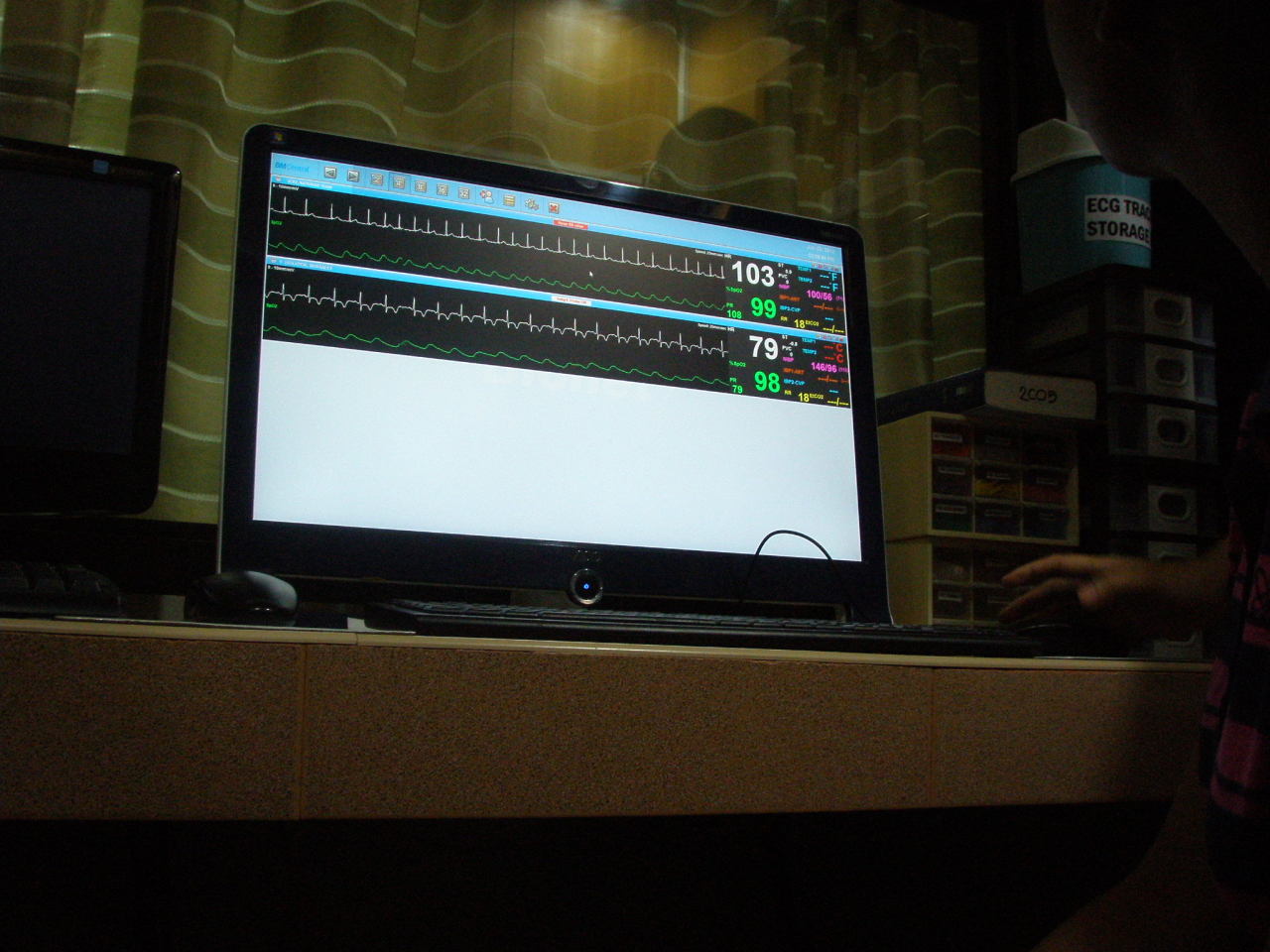
I have always believed that one of the most important questions to ask when entering a new workplace is whether the people are friendly, the environment is pleasant, and the facilities are reasonably comfortable. Of course, there are other considerations, such as professional development, clinical responsibilities, patient safety, and the opportunity to become a competent nurse. Those are all terribly important. But I must confess that during my recent hospital orientation, one particular feature managed to capture my attention almost immediately: the nurses’ station was fully air-conditioned. Yes, ladies and gentlemen, after years of nursing school, clinical rotations, and surviving the unpredictable tropical weather of the Philippines, I had apparently discovered a professional benefit capable of inspiring genuine admiration. Forget the complicated machinery for a moment. There was air-conditioning! And I, being a woman of exceptionally reasonable priorities, was impressed.
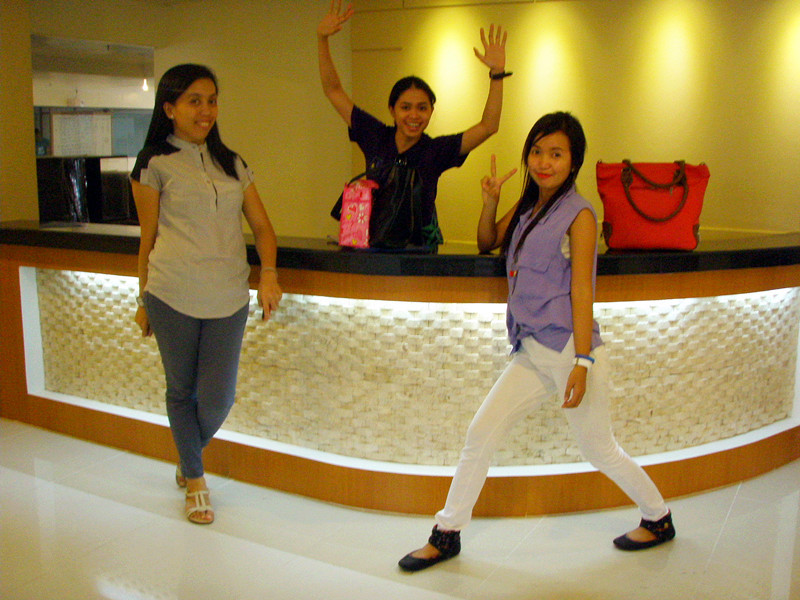
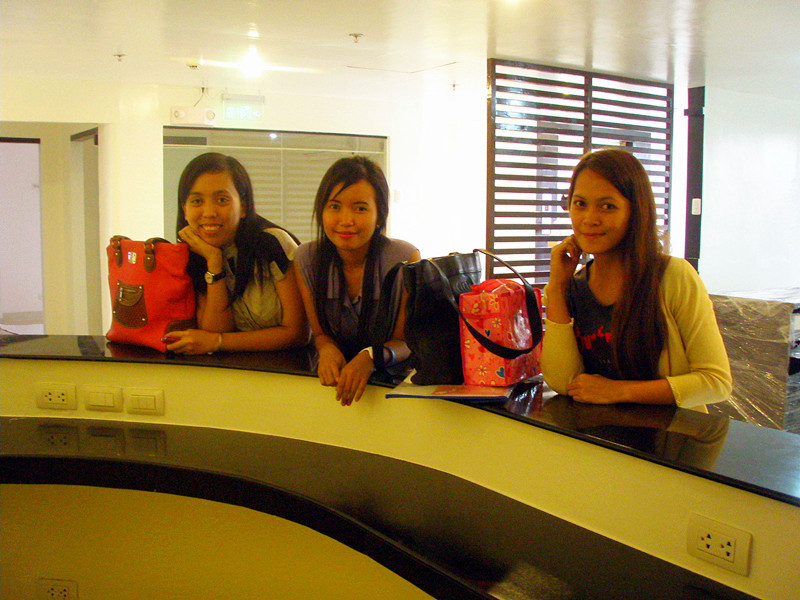
From June 24 to 27, we attended a four-day hospital orientation that introduced us to the different departments, facilities, and working environment. It was an exciting experience because, for the first time, I was looking around the hospital from a slightly different perspective. During my student-nurse years, clinical rotations had been arranged according to our Related Learning Experience requirements. We moved between departments, learned from our Clinical Instructors, completed assigned responsibilities, and tried our best to avoid appearing completely overwhelmed by unfamiliar situations. This time, however, I was already a Registered Nurse, looking towards the possibility of developing my own professional career. The hospital was becoming more than a place where I would complete clinical requirements. It represented the environment in which I might begin building the experience and confidence I had spent years hoping to acquire.
There is something rather exciting about entering a hospital with a professional licence and discovering that the familiar corridors suddenly carry a different meaning. The equipment is still there, the departments remain busy, and the clinical responsibilities are no less demanding. But the little letters after my name have changed the way I think about the future. I am no longer simply hoping to pass the Nursing Licensure Examination or complete another student placement. I am beginning to consider what kind of nurse I would like to become, which departments interest me most, and where I might eventually feel professionally at home. It is a wonderful thought, although slightly intimidating when I remember how much I still have to learn.
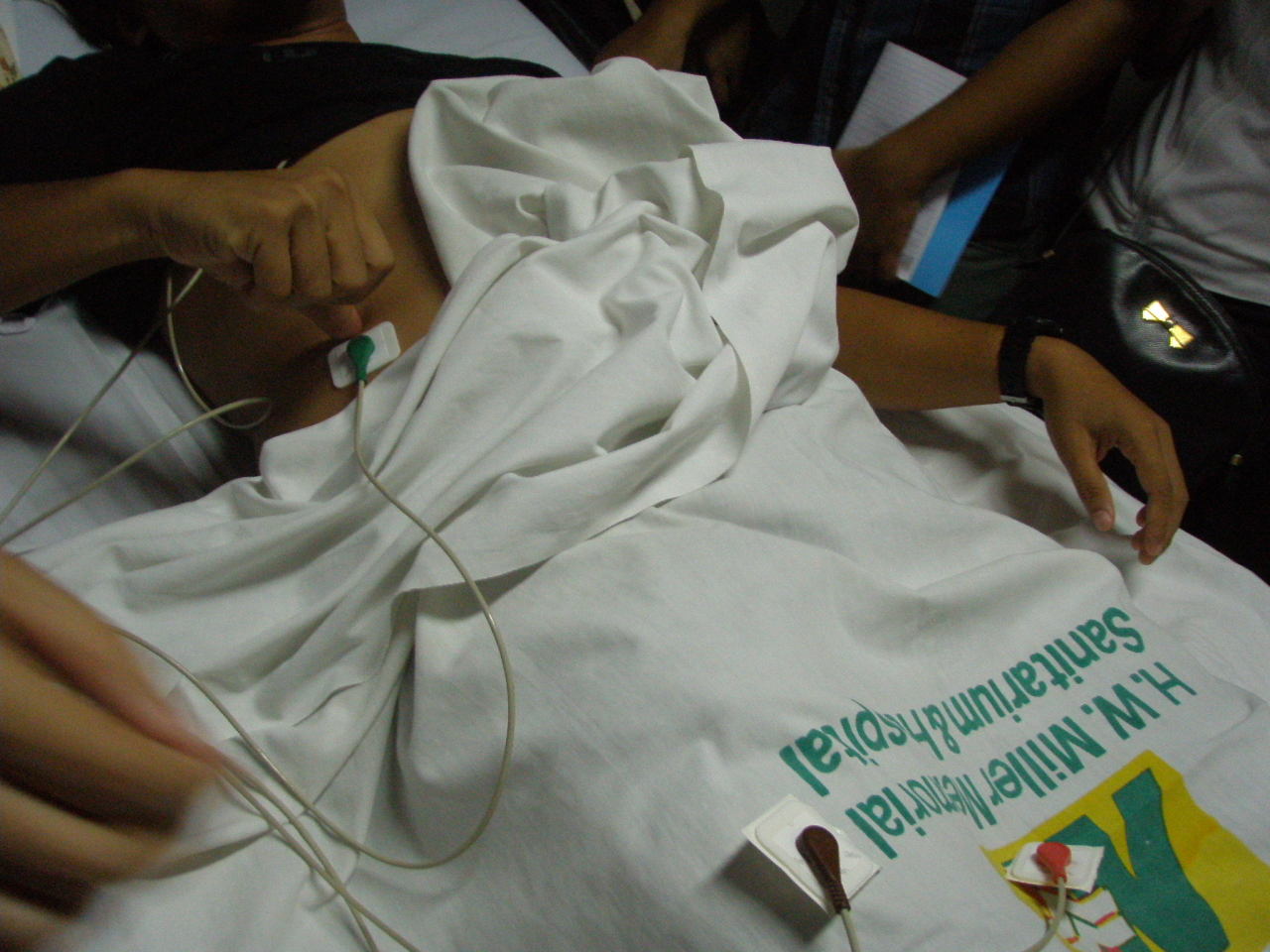
As we visited the different clinical areas, I found myself particularly interested in the Intensive Care Unit. I have always been fascinated by critical care, perhaps because of the complexity of the patients’ conditions and the level of clinical knowledge required of the nurses working there. I remember my earlier exposure to an ICU during nursing school, when caring for a critically ill paediatric patient made me question whether I possessed the confidence necessary for such a demanding environment. At the time, I was overwhelmed by the monitoring requirements, medical equipment, and seriousness of the responsibilities involved. Yet I was also impressed by the experienced nurses whose clinical judgement and composure made such difficult work possible.
That experience must have influenced me more than I realised, because here I am, looking at the ICU once again and imagining myself becoming one of those nurses. I know it would not be easy. Critical care requires close observation, accurate assessment, sound clinical judgement, and the ability to recognise changes in a patient’s condition. The work can be physically and emotionally demanding, and there is an enormous difference between admiring skilled ICU nurses and possessing the experience necessary to practise confidently alongside them. But perhaps that is what attracts me to the specialty. There would be so much to learn, and I rather like the thought of developing skills that would allow me to care for critically ill patients with greater competence.
Then again, I have discovered another department that interests me almost as much: haemodialysis.
I find the idea of becoming a dialysis nurse fascinating. The treatment involves specialised knowledge, careful monitoring, and a continuing relationship with patients who may require regular sessions over an extended period. There is something meaningful about the opportunity to understand not only the clinical aspects of kidney disease and dialysis treatment but also how ongoing healthcare affects a person’s everyday life. Unlike the rapidly changing circumstances often encountered in intensive care, haemodialysis can involve building familiarity with patients and recognising their individual needs over time. Both specialties require expertise, but the nature of their responsibilities offers different professional experiences.
And now I have a problem.
I want to become an ICU nurse, but I also want to become a haemodialysis nurse.
Apparently, obtaining my nursing licence has not made me any better at choosing between interesting opportunities.
I suppose there is no need to decide everything immediately. I am still at the beginning of my professional journey, and it would be rather ambitious to assume that four days of orientation should provide a complete answer about the direction of my career. There are many departments I have yet to understand properly, responsibilities I have not experienced, and skills I will need to develop before deciding where my interests and abilities might be most effectively applied. For now, I am pleased to have discovered two areas that genuinely attract my attention. Perhaps experience will eventually help me determine which one suits me best.
Aside from considering my future specialty, I was also impressed by the hospital’s facilities. The orientation gave us an opportunity to become familiar with different departments and appreciate the environment in which nurses and other healthcare professionals carry out their responsibilities. It is one thing to study hospital organisation in a textbook and quite another to walk through the actual departments, observe their arrangements, and imagine yourself working there. I found myself paying attention to the equipment, the layout, and the nursing stations, wondering how the different areas would function during an ordinary shift.
And yes, I must return to the air-conditioning.
I realise this may seem a rather trivial detail when compared with the sophisticated facilities and clinical opportunities available in a hospital. But anyone who has experienced the Philippine heat while wearing a nursing uniform may understand why I found it so appealing. There is something wonderfully reassuring about the thought of working in an environment where one does not have to negotiate constantly with the temperature. Of course, I am perfectly aware that a comfortable nurses’ station does not guarantee a comfortable shift. The work may still be exhausting, the responsibilities demanding, and the day considerably more complicated than expected. But surely a little cool air cannot hurt one’s professional enthusiasm.
I suspect Florence Nightingale would have appreciated a well-ventilated workplace, although I am not entirely certain what she would have thought about my excitement over an air-conditioned nurses’ station.
Perhaps she would have advised me to concentrate on patient care.
A fair point, Florence. A very fair point.
But the hospital had another surprise waiting for me, and this one involved a subject very close to my heart: food.
During our orientation, I discovered that the hospital canteen served a vegetarian selection. There were vegetables, water, lemon juice, and soya milk, but no meat dishes among the available options. As someone accustomed to Filipino meals in which meat often occupies a prominent position on the table, I found the arrangement rather interesting. In the Philippines, food is practically a language of its own. We discuss what we have eaten, what we intend to eat, what somebody else is cooking, and whether there is enough rice to accompany whatever happens to be served. A meal without meat is hardly unusual, but a canteen where meat is not offered at all was certainly something I noticed.
My first thought was that perhaps this workplace would encourage me to develop healthier eating habits.
My second thought was probably about whether I would eventually miss chicken.
I cannot help laughing at myself. Here I am, a healthcare professional who understands the importance of balanced nutrition, and one of my immediate concerns involves the absence of familiar food choices. But perhaps that is simply human nature. We can appreciate the benefits of vegetables while remaining emotionally attached to our favourite dishes. I have nothing against vegetables, of course. They are nutritious, versatile, and entirely capable of forming part of a satisfying meal. I merely believe they deserve to be introduced properly before taking over the entire menu.
Still, I rather like the idea of becoming more conscious of what I eat. A well-planned vegetarian diet can provide the nutrients necessary for good health, and there is certainly value in including a variety of vegetables and other nutritious foods in everyday meals. I cannot promise that a hospital canteen will transform my entire lifestyle, but it may encourage me to explore food choices I might otherwise overlook. Perhaps I will develop a genuine enthusiasm for vegetable dishes and discover that soya milk is more appealing than I currently imagine.
Or perhaps I will spend my days off dreaming about Jollibee.
We shall see.
What I find most interesting about these four days is how much they have encouraged me to think about the practical realities of becoming a nurse. During college, my attention was often directed towards completing academic requirements and preparing for examinations. I wanted to pass my subjects, perform procedures correctly under supervision, and eventually obtain my professional licence. Those goals seemed sufficiently demanding at the time, and I rarely considered the many ordinary decisions that would follow graduation.
Now, I am beginning to realise that becoming a Registered Nurse opens another set of questions. Where do I want to work? Which clinical area would best suit my interests? What additional knowledge and training will I need? How will I adjust to the routines and responsibilities of a professional workplace? And, perhaps most importantly, how do I become the kind of nurse patients can trust when they are unwell, frightened, or dependent on the care of others?
These questions are considerably more complicated than deciding whether to bring black, red, and blue ballpens to a clinical rotation.
Although I suspect I shall continue carrying several pens, just in case.
I have also begun to appreciate that professional development involves becoming comfortable with uncertainty. We often imagine that graduating and passing the board examination will provide a clear direction for the future. We picture ourselves obtaining a position, entering a department, and gradually becoming experts in our chosen field. It is a lovely arrangement, particularly when imagined from the comfort of a classroom. But real careers are influenced by opportunities, training, individual circumstances, and the interests we develop through experience. The specialty we admire today may not necessarily become the place where we spend the rest of our professional lives.
And perhaps that is perfectly reasonable.
I do not need to know the entirety of my nursing career before I have properly begun it. I need to remain willing to learn, recognise my limitations, seek guidance, and make thoughtful decisions as opportunities arise. There is something reassuring about accepting that a career can develop gradually rather than according to a plan established before we have encountered enough of the profession to understand its possibilities.
For now, intensive care and haemodialysis occupy rather prominent positions in my imagination. Both represent areas where I could develop specialised knowledge and contribute to patient care in meaningful ways. I admire the nurses who work in these departments, and I hope that one day I may acquire some of the competence and confidence that I currently associate with them.
There is still a considerable distance between wanting to become a specialist nurse and possessing the experience necessary to fulfil that responsibility. But at least I am beginning to identify the direction in which I would like to develop.
As the four-day orientation came to an end, I found myself thinking about how quickly my circumstances had changed since nursing school. I had once entered clinical departments as a student, carrying my RLE requirements and worrying about whether my Clinical Instructor would discover that I had forgotten a rationale. Now, I was walking through hospital departments as a Registered Nurse, imagining the responsibilities and opportunities that might eventually become part of my professional life.
I was still nervous about certain things. I still had questions, uncertainties, and a great deal to learn. But there was excitement in being able to consider the future from this new position.
The hospital had introduced me to its departments, facilities, and working environment. I had discovered two specialties that interested me, admired the nurses’ stations, and encountered a canteen whose menu suggested that my relationship with vegetables was about to become considerably more serious.
Not bad for four days, I suppose.
I wonder what my younger self would think if she could see me now. The student nurse who once complained about strict grooming regulations and missing ballpens would probably be delighted to know that she had finally obtained her licence. She might also be amused to discover that her professional ambitions had become divided between intensive care and haemodialysis.
But I suspect she would be most impressed by the air-conditioning.
After all, some achievements are best appreciated when one has spent enough time sweating through the journey towards them.
And perhaps, years from now, I will look back on this little entry and smile at how confidently I imagined my future career while knowing so little about the opportunities still waiting ahead. I may find myself working in one of these departments, or I may discover another clinical specialty that captures my interest in ways I cannot yet anticipate.
Whatever happens, I hope I remember the excitement of these four days, when the hospital corridors seemed filled with professional possibilities and I was beginning to imagine where my nursing career might take me.
For now, I have two dream departments, plenty of ambition, and a growing curiosity about what comes next.
And if the hospital canteen eventually succeeds in convincing me to become a devoted vegetable enthusiast, I shall consider that an additional professional achievement.
Although I make no promises about abandoning chicken permanently.
From my early nursing career archives, June 24–27, 2013 — four days of discovering hospital departments, considering future specialties, and developing an unexpected appreciation for air-conditioned nurses’ stations.
— Just Anj, RN


































Leave a Reply