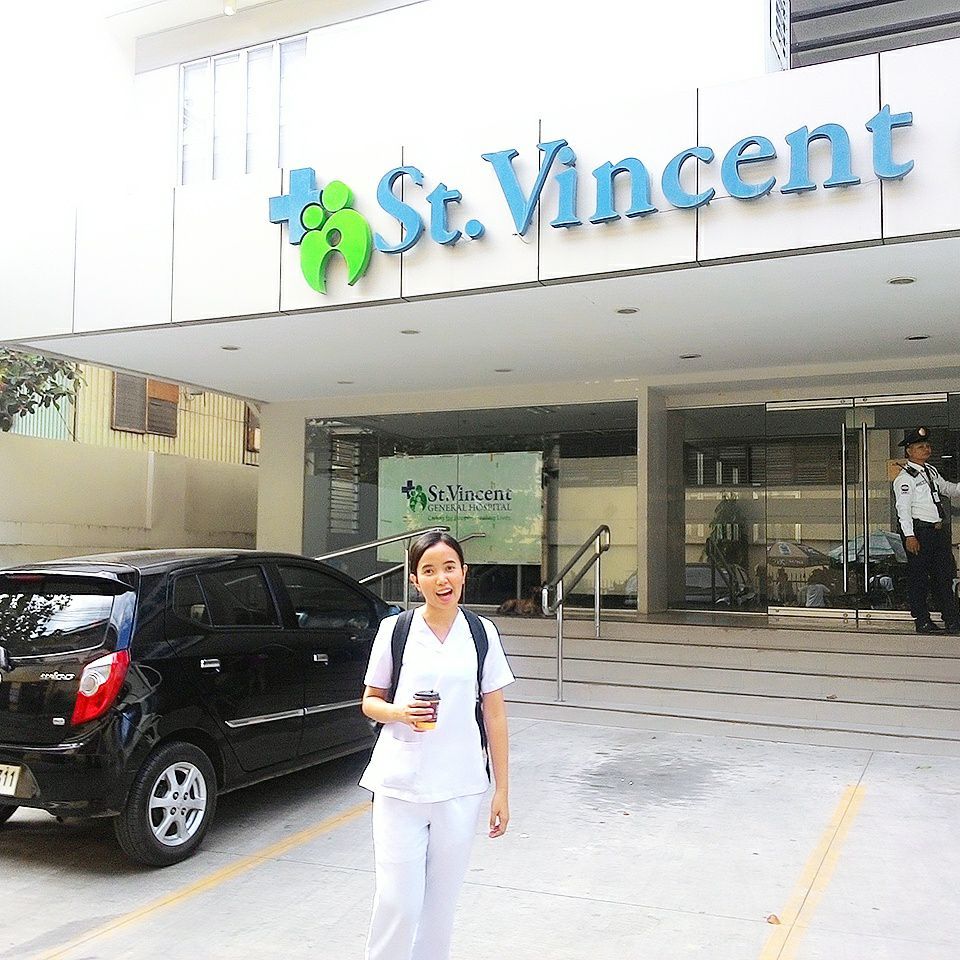
May 2017 | A New Home at St. Vincent General Hospital — Of Trembling Confidence, Clinical Assessments, and the Beautiful Agony of Waiting
I have come to believe that hospital administrators possess a very unusual understanding of suspense. They could easily organise a television programme in which aspiring nurses complete a series of increasingly demanding examinations, demonstrate complicated clinical procedures, survive unfamiliar hospital areas, and finally sit before a panel of interviewers who seem perfectly capable of examining every decision they have made since nursing school. Then, just when everybody expects the results to be announced, the organisers could disappear for three weeks and leave the applicants to reconsider their entire existence. I suspect the programme would attract an impressive audience, particularly among people who enjoy watching other human beings struggle with uncertainty. Unfortunately, I would not be watching from the comfort of my living room. I would be one of the unfortunate contestants, smiling nervously while wondering whether somebody had accidentally misplaced my examination papers.
For several weeks, that was more or less how my life felt.
After applying to St. Vincent General Hospital, I entered a period of assessment that tested more than my knowledge of nursing procedures. It challenged my patience, confidence, adaptability, and ability to remain reasonably cheerful while waiting for circumstances beyond my control. The Comprehensive Skills Assessment lasted almost a month and involved written and practical examinations, return demonstrations, exposure to different clinical areas, evaluations, and a panel interview. It was an extensive process, and although I understood the importance of assessing applicants before entrusting them with clinical responsibilities, I must admit that the experience occasionally made me wonder whether my brain had sufficient storage capacity for everything I was expected to remember.
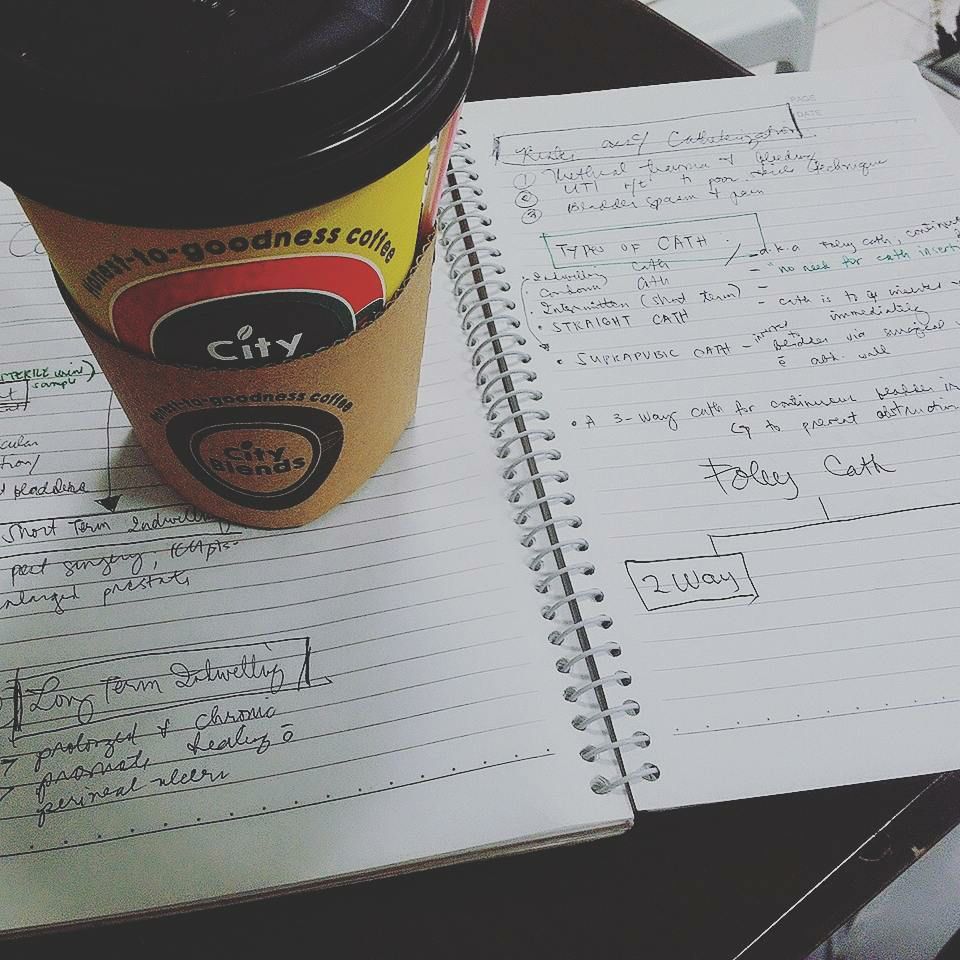
I had studied nursing, passed the licensure examination, and previously worked in a hospital. I knew how demanding the profession could be, particularly when responsibilities accumulated during a busy shift. Yet entering a new institution has a remarkable ability to make even familiar knowledge feel uncertain. Procedures that seemed perfectly straightforward while practising suddenly require considerably more concentration when somebody is observing your technique, evaluating your performance, and recording whether you have completed each essential step correctly. There is something deeply intimidating about knowing that your hands must cooperate with everything your brain has studied, especially when the examiner appears to have developed an extraordinary talent for noticing precisely the moment you begin questioning yourself.
I suppose that is the difference between remembering a procedure and demonstrating it under assessment conditions.
During an ordinary study session, I can review notes, repeat information, and return to a difficult subject whenever necessary. During a return demonstration, however, knowledge must become action. I have to organise the procedure mentally, prepare appropriately, maintain safe practice, and communicate what I am doing without allowing nervousness to interfere with my judgement. It sounds perfectly manageable when described in a calm paragraph. The actual experience can be rather different, particularly when the mind begins offering several competing explanations about what should happen next.
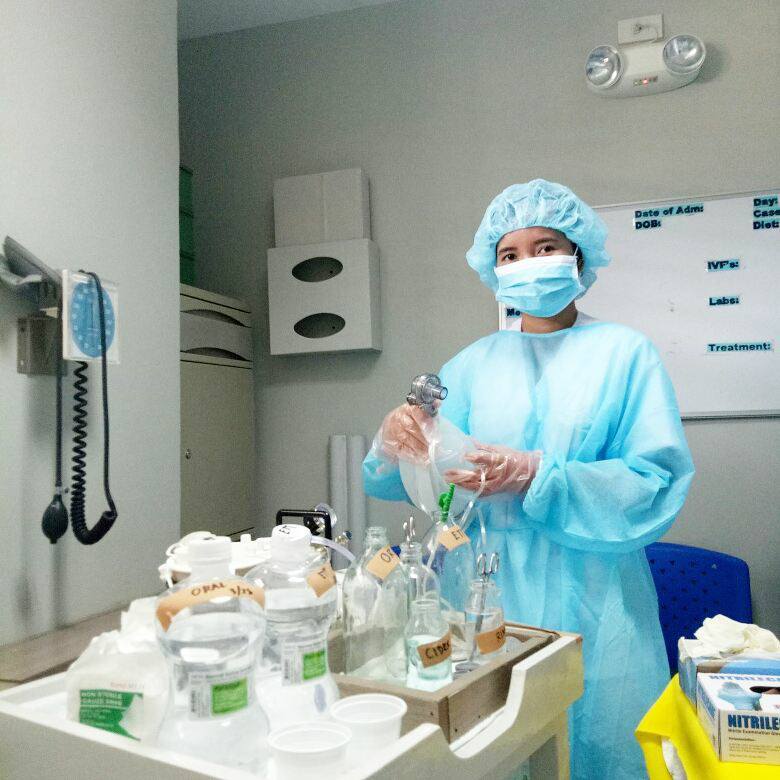
One of our assessed procedures involved endotracheal tube care and suctioning, responsibilities that require particular attention to patient safety, clinical indications, infection prevention, monitoring, and the correct technique according to institutional guidance. I understood why these skills needed careful assessment, especially because they concern patients who may be critically unwell and dependent upon advanced airway management. During the return demonstration, I was reminded that clinical procedures cannot be reduced to memorising a sequence of movements. They require understanding what the intervention is intended to accomplish, recognising potential complications, and knowing when something should be reassessed or escalated.
The experience also made me appreciate the importance of preparation. There are few things more unsettling than approaching an assessment while suspecting that a piece of information has escaped from your memory at precisely the wrong moment. I reviewed my notes, practised what I could, and tried to remember that the purpose of the exercise was to demonstrate safe knowledge and technique rather than simply survive the examiner’s attention. Even so, I would be lying if I claimed to have remained completely relaxed throughout the process. I suspect my internal monologue was far more dramatic than anything I allowed my face to reveal.
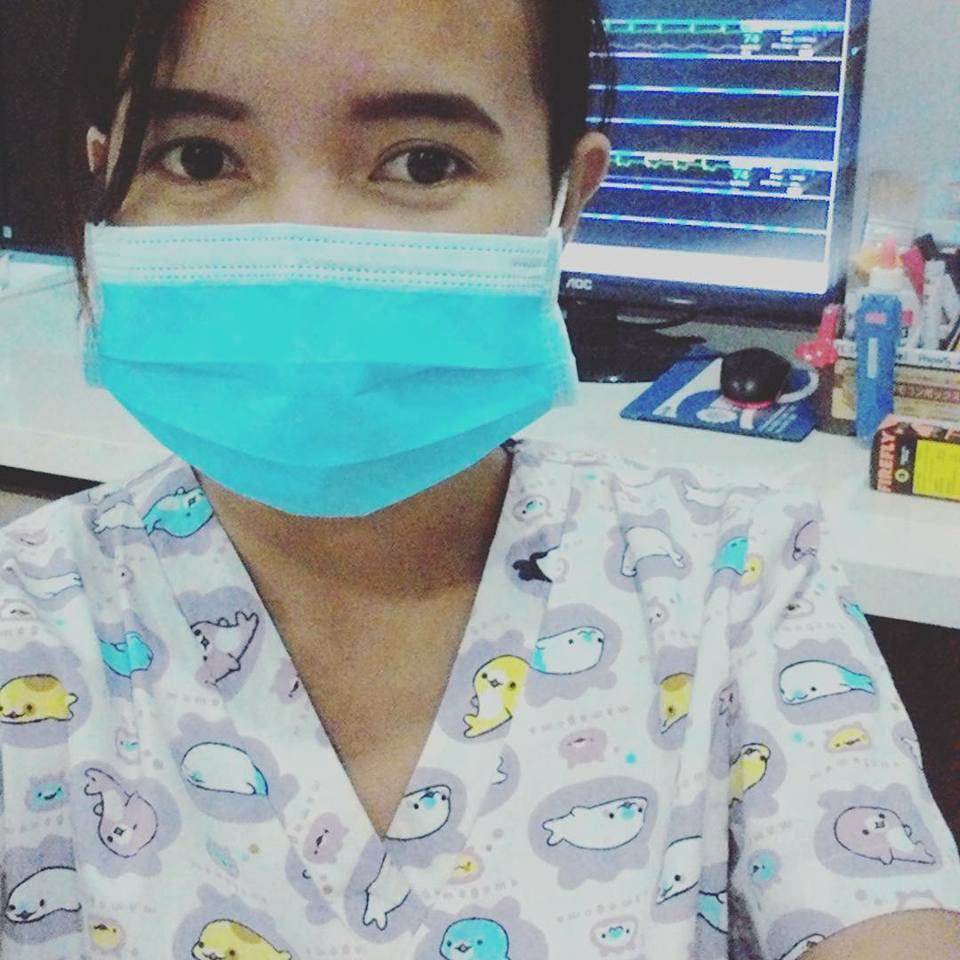
Alongside the practical assessments came opportunities to experience different clinical areas. Our exposure included the Intensive Care Unit and the wards, allowing us to become more familiar with the hospital environment, its expectations, and the responsibilities associated with different departments. I found those experiences valuable because each clinical setting possesses its own rhythm. The ICU requires close attention to patients with complex and potentially unstable conditions, while ward nursing involves managing several responsibilities, coordinating care, and responding to changing patient needs. Although I had encountered these environments during my earlier hospital experience, I knew that beginning work in a different institution would require me to learn its procedures, systems, and working culture.
I have always believed that experience should make a nurse more willing to learn rather than more determined to prove that there is nothing left to understand. A qualification provides an essential foundation, but professional development continues through supervised practice, reflection, clinical exposure, and collaboration with colleagues. Every hospital has its own arrangements, and becoming familiar with a new workplace requires humility. I may have previous nursing experience, but that does not mean I should assume that everything will function exactly as it did elsewhere. There are policies to review, expectations to understand, and new colleagues whose experience and knowledge can help me become a more effective member of the team.
The assessments reminded me of how much responsibility is attached to the profession. It is easy to become preoccupied with passing an examination, especially when employment depends upon the result. But beyond the assessment itself lies something much more significant: the safety and wellbeing of the people who will eventually be entrusted to our care. Nursing demands competence because patients depend upon us to recognise changes in their conditions, administer prescribed treatments appropriately, communicate important information, and respond responsibly when situations become complicated. I wanted to pass, certainly, but I also wanted to know that I was preparing myself properly for the responsibilities awaiting me.
That desire made the process meaningful, even during moments when I found it exhausting.
The panel interview introduced another kind of challenge. Practical examinations allow us to demonstrate clinical skills, while interviews require us to explain ourselves, discuss our understanding, and respond to questions without the comforting assistance of a prepared script. I have never particularly enjoyed situations where my thoughts must organise themselves into impressive sentences while several people are listening. I can be perfectly articulate during an ordinary conversation, but the moment an interview becomes important, my brain occasionally behaves as though somebody has rearranged its filing system without permission.
Nevertheless, I did my best. I answered the questions, reflected upon the experience, and reminded myself that I had prepared as carefully as I reasonably could. By the time the assessment period ended, I was exhausted but hopeful. I had completed the examinations, demonstrations, clinical exposures, and interview. All that remained was the result, which sounded like the simplest part of the entire process until I discovered that waiting could be an examination of its own.
Three weeks.
Twenty-one days during which I attempted to remain patient while privately conducting an extraordinary number of imaginary investigations into what the result might be. I wondered whether I had performed sufficiently well, whether I had overlooked something important, and whether the hospital would consider me suitable for the position. I revisited portions of the assessment in my thoughts, occasionally discovering entirely new reasons to question answers that had seemed reasonable at the time. Apparently, when left without new information, my imagination becomes an exceptionally productive manufacturer of unnecessary concerns.
Waiting for an important result is a peculiar experience because there is so little we can do once the decision is beyond our hands. We may prepare thoroughly, complete the requirements, and make every reasonable effort to perform well, but eventually the process reaches a stage where somebody else must evaluate the information. That lack of control can be frustrating, particularly for a person who prefers knowing what comes next. I wanted to make plans, organise my future, and understand whether another chapter of my nursing career was about to begin. Instead, I had to continue with ordinary life while recognising that an important question remained unanswered.
I suppose I could have approached the situation with the serene patience of a saint. Unfortunately, my personality has never demonstrated consistent qualifications for sainthood, particularly when the subject involves employment and a decision I have been hoping for. I prayed, tried to distract myself, and occasionally reminded my imagination that inventing disappointing outcomes would not persuade the hospital to release the results any faster. Some days I managed the uncertainty reasonably well. On others, I found myself checking for updates and wondering whether time had somehow begun moving more slowly than usual.
Then, finally, the answer came.
I passed.
Even writing those two words makes me smile. After almost a month of assessment and another three weeks of waiting, I had received the news I had been hoping for. The examinations, clinical demonstrations, area exposures, and interview had led to an opportunity to begin working at St. Vincent General Hospital. I was officially accepted as a probationary staff nurse, and the relief I felt was difficult to separate from the excitement of realising that another professional chapter was about to begin.
For a moment, all the worrying seemed rather ridiculous. I had spent weeks imagining different possibilities, and now the result was finally clear. Of course, I could not have known the outcome in advance, and my uncertainty had been understandable. But I was reminded once again that worrying extensively about a decision does not provide any additional control over it. I had completed what was required of me, and eventually the hospital had made its assessment. The answer happened to be favourable, and I was grateful.
I think what made the news particularly meaningful was everything that had brought me to this point. My nursing journey had not followed a perfectly predictable route. I had experienced different working environments, professional decisions, uncertainties, and opportunities that required me to reconsider my plans. There had been periods when I wondered whether I was progressing as quickly as I should, especially when comparing my circumstances with the future I once imagined. Yet each stage had contributed something to my understanding of the profession, and now I was being given another opportunity to practise the work I had trained for.
There is something special about entering a new hospital. The surroundings are unfamiliar, the faces are different, and the ordinary routines that experienced staff perform almost automatically are things you must gradually learn. Even the practical details of finding your way around a building can become mildly entertaining during the first few days. I suspect every new employee experiences a period when locating the correct department requires more concentration than they would care to admit. Fortunately, unfamiliar surroundings become less intimidating with time, and every question answered makes the workplace feel a little more recognisable.
St. Vincent General Hospital is becoming my new professional home, although I understand that belonging to a workplace involves more than being accepted into its staff. I will need to learn from colleagues, demonstrate reliability, become familiar with the hospital’s systems, and contribute responsibly to the care of patients. I am looking forward to building relationships with my new workmates, particularly because supportive colleagues can make an enormous difference in a demanding clinical environment. Nursing requires teamwork, and no individual can safely manage every responsibility without cooperation and appropriate communication.
I have already appreciated the opportunity to meet people during our assessment and clinical exposures. Beginning somewhere new can feel intimidating, but the presence of others who are learning the same environment provides a welcome sense of companionship. We understand the uncertainty of being assessed, the effort required to meet expectations, and the mixture of relief and excitement that accompanies favourable news. I hope we continue supporting one another as we move into the next stage, especially when the responsibilities become more demanding than they appeared during orientation.
Of course, passing the Comprehensive Skills Assessment does not mean that all the challenges have ended. In fact, I suspect the hospital has only completed the introductory chapter of its plans for us. My appointment is probationary, and the coming five months will involve further evaluation before a decision is made regarding regularisation. I understand the importance of assessing professional performance over time, particularly in a clinical setting where safe and reliable practice matters. Still, there is something amusing about finally celebrating the end of one assessment only to discover that another, much longer evaluation is already waiting politely around the corner.
Five months suddenly sounds like a very long time.
During this period, attendance, punctuality, professional conduct, and clinical performance will matter, alongside the responsibilities expected of a staff nurse. I know the hospital values reliability, and I intend to take those expectations seriously. At the same time, I hope to approach the probationary period with a sensible understanding that being a good nurse involves more than simply appearing for every shift. It also requires maintaining competence, seeking guidance when necessary, communicating responsibly, and recognising when illness or fatigue could affect safe practice. I want to become someone the team can depend upon, but I also want to remember that professional responsibility includes making appropriate decisions about health and fitness to work.
Perhaps the greatest challenge will be managing my own expectations. I have a tendency to become impatient with myself whenever I am learning something new. I want to perform well, understand procedures quickly, and become useful to the team without requiring constant guidance. Those ambitions can motivate me, but they can also create unnecessary pressure when I forget that becoming familiar with a new workplace takes time. I hope the next five months teach me to approach professional development with patience rather than treating every unfamiliar situation as evidence that I should already know more.
There are qualities I particularly want to strengthen during this period. I want to become more hardworking without confusing exhaustion with dedication, more patient when circumstances become demanding, and more flexible when clinical priorities change unexpectedly. Most importantly, I want to remain compassionate towards patients and their families. It can be easy to become absorbed in tasks during a busy shift, particularly when several responsibilities compete for attention. But the people receiving care deserve to be treated with dignity and consideration, even when the department is busy and the working day has become more complicated than anticipated.
My previous hospital experience has already taught me how important these qualities can be. I remember shifts when medication administration, documentation, monitoring, and patient needs required constant attention. There were moments when I felt satisfied with my ability to manage responsibilities and others when I recognised that I still had much to learn. Those experiences helped me appreciate the demands of nursing beyond the expectations I had formed while studying. They also reminded me that patients may be experiencing some of the most difficult moments of their lives while we are carrying out what, to us, may have become familiar clinical routines.
I hope I carry that awareness into St. Vincent General Hospital.
A hospital can become a familiar workplace to those employed within it, but for patients and relatives, it may represent uncertainty, discomfort, or fear. I want to remember that difference when communicating with people, particularly during busy periods when there may be pressure to move quickly between responsibilities. A clear explanation, a respectful response, or a moment of attentive listening can matter to someone who is unfamiliar with the environment. These actions cannot replace appropriate clinical care, but they are part of providing it in a humane and professional manner.
I also want to continue learning from the nurses who have more experience than I do. There are practical lessons that emerge through years of clinical work, and I would be foolish to ignore the knowledge of colleagues simply because I have previously held a nursing position. Every institution has its own systems, and the opportunity to work alongside experienced professionals can help me develop confidence and judgement. I hope to become the kind of colleague who asks appropriate questions, accepts constructive feedback, and remains willing to reconsider an approach when new information suggests a better one.
There is something reassuring about recognising that professional confidence does not require pretending to possess every answer. I have always admired nurses who remain calm during demanding situations, but I am beginning to understand that calmness often reflects preparation, experience, and a willingness to work collaboratively rather than some mysterious ability to know everything. I hope I gradually develop more of those qualities. Perhaps one day I will look back upon my current nervousness and recognise how much I have learned since beginning this new appointment.
For now, I am simply delighted to have been given the opportunity.
The past several weeks have been demanding, but they have reminded me how much I value my profession. Nursing has never been an effortless career, and I doubt that will change simply because I have joined another hospital. There will be difficult shifts, unfamiliar situations, and occasions when fatigue makes the end of the working day feel particularly welcome. But there will also be opportunities to develop my skills, contribute to patient care, and work alongside people who share the responsibilities of the profession.
I am prepared to approach those experiences with enthusiasm, although I reserve the right to develop a healthy appreciation for rest days.
There is something about hospital duty that makes ordinary comforts extraordinarily attractive. A quiet meal, uninterrupted sleep, and the simple pleasure of sitting down can become remarkably valuable after a demanding shift. I have previously joked about the relationship between nurses and their neglected sleeping hours, and I suspect St. Vincent will introduce its own memorable contributions to that continuing story. But I hope I manage my energy sensibly, recognising that adequate rest is part of maintaining the attention and judgement expected in clinical practice.
I also hope my workmates and I create good memories together. Professional relationships often develop through ordinary shared experiences: helping one another during demanding shifts, discussing unfamiliar procedures, offering encouragement after difficult days, and finding small opportunities to laugh when the workload allows. Some of my fondest memories from previous employment involve colleagues who made challenging circumstances more manageable through their support and companionship. I would love to develop that kind of teamwork in my new hospital.
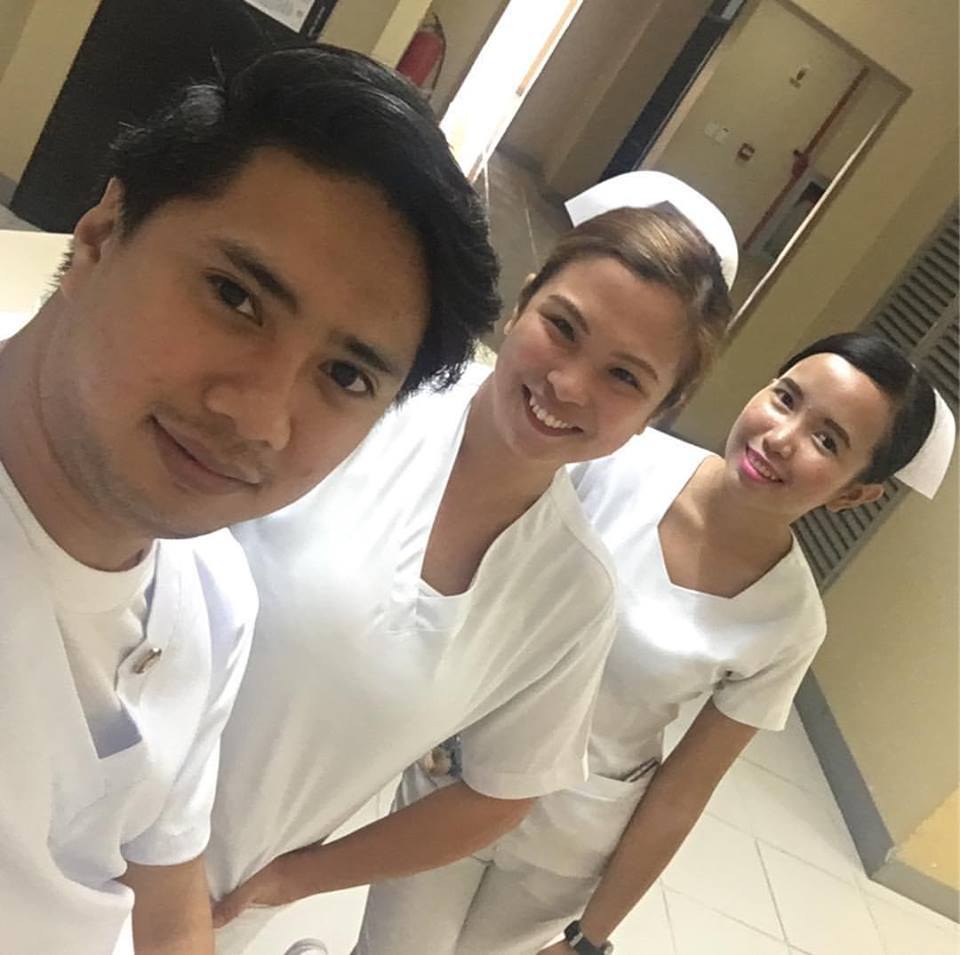
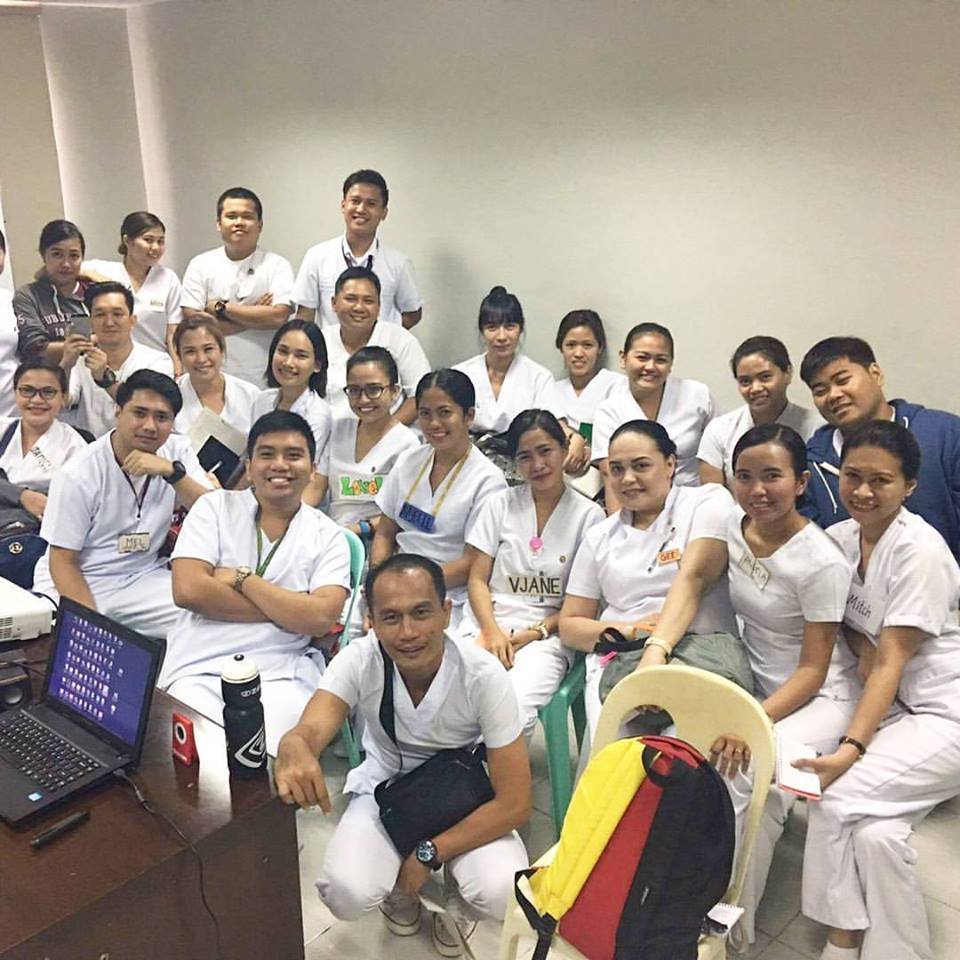
Perhaps the photographs from our assessment period will eventually become especially meaningful. At present, they remind me of taking notes, demonstrating clinical skills, and becoming familiar with different hospital areas. But years from now, I may look at them and remember the uncertainty of waiting for the result, the effort involved in preparing, and the excitement of finally learning that I had passed. Photographs sometimes preserve ordinary moments whose significance becomes clearer only after the circumstances surrounding them have changed.
I imagine that one day I will look back upon this entry and smile at how nervous I felt about beginning the probationary period. Perhaps I will have completed the five months successfully and become more confident in my responsibilities. Perhaps I will have encountered situations that challenged my assumptions and taught me lessons I cannot yet imagine. Whatever happens, I hope I will recognise that this was an important beginning, even if I did not possess every answer when I first walked through the hospital doors.
I have been thinking about the expression home is where our story begins. We usually associate it with family, childhood memories, and the places where we feel a sense of belonging. A hospital is not home in quite the same way, of course. It is a workplace with responsibilities, expectations, and professional boundaries that deserve respect. But I understand why people sometimes describe a workplace as a second home, particularly when they spend considerable time there and develop meaningful relationships with colleagues.
Perhaps St. Vincent will become that kind of place for me.
I hope it becomes somewhere I can develop professionally, learn from experiences, and contribute to patient care alongside people whose company I respect. I hope the environment encourages safe practice and constructive learning, allowing new staff to develop confidence without feeling that they must conceal uncertainty. Most of all, I hope that when I eventually look back upon my time here, I will remember a period of meaningful growth rather than simply a collection of demanding schedules.
There is still so much I want to accomplish in nursing. I have ambitions that extend beyond my present appointment, although I recognise that the most important responsibility for now is to become competent and reliable in the role I have been offered. I do not need to predict every stage of my professional future today. There is value in concentrating upon the work immediately before me, developing the skills required, and remaining attentive to opportunities as they arise.
That thought has been particularly helpful after the uncertainty of the application process. For several weeks, I could do little more than prepare, complete the assessments, and hope for a favourable result. Now that I have passed, my responsibilities have become more practical. I need to learn, work, communicate, and demonstrate that I can contribute safely to the team. I find that reassuring because effort can now be directed towards something tangible rather than exclusively towards wondering what might happen.
I am grateful to God for this opportunity. During the assessment and waiting period, I prayed for guidance and strength, particularly when uncertainty made it difficult to remain patient. I know that passing an examination is influenced by preparation, performance, and the evaluation process, and I appreciate the people who contributed to my learning along the way. My faith does not diminish those practical realities. It gives me another reason to express gratitude for the opportunity and to approach the responsibilities ahead with humility.
I have always believed that blessings should be accompanied by a willingness to use them responsibly. Receiving this appointment is wonderful, but I also recognise that it brings expectations. Patients and colleagues will depend upon me to perform my duties appropriately, and the probationary period will require continued effort. I hope I remain grateful even when the initial excitement gives way to ordinary working routines, particularly on days when the hospital becomes busy and the temptation to complain grows unusually strong.
I suspect there will be plenty of those days.
There may come a point when I find myself moving quickly between responsibilities, reviewing documentation, and wondering why the working day seems determined to contain more tasks than the available hours can reasonably accommodate. On such occasions, I hope I remember how much I wanted this opportunity while waiting for the assessment results. It might not eliminate the exhaustion, but it may help me maintain perspective when the challenges become familiar.
I also hope I never forget that gratitude and frustration can exist together. I can appreciate the opportunity to work at St. Vincent while recognising that some shifts will be difficult. I can enjoy nursing without pretending that every aspect of the profession is easy. And I can remain committed to professional development while accepting that I will occasionally need guidance, rest, and time to reflect upon unfamiliar experiences.
Perhaps that is a more realistic foundation for a new beginning than expecting everything to be wonderful simply because I have received good news.
The next five months will test my ability to adapt, manage responsibilities, and demonstrate the qualities expected of a staff nurse. I intend to take the probationary period seriously, but I also want to approach it as an opportunity to learn rather than merely an obstacle between me and regular employment. Evaluation can feel intimidating, particularly when important decisions depend upon the outcome. Yet constructive assessment can help identify strengths, areas requiring improvement, and the support needed to develop professionally.
I hope I receive feedback that helps me become better at my work.
I also hope I become more comfortable recognising progress that may not be immediately obvious. Professional growth often occurs through ordinary experiences rather than dramatic achievements. We become more familiar with procedures, improve our time management, communicate more confidently, and gradually develop a better understanding of how to respond to different situations. Those changes may not attract the same excitement as passing a major assessment, but they are essential to becoming a capable nurse.
Perhaps one day I will notice that something which once made me nervous has become a familiar responsibility. I may become more comfortable working with the team, navigating the hospital, and organising my clinical duties. I hope those moments remind me that confidence can develop gradually through preparation and experience rather than arriving suddenly with a successful examination result.
As I write this, I can almost hear the younger version of myself celebrating the news. She has spent weeks reviewing notes, completing demonstrations, and imagining the possibility of joining the hospital. Now she has finally received confirmation that her efforts have earned her the opportunity to begin. I think she deserves a moment to enjoy the achievement before turning her attention towards the challenges ahead.
I certainly intend to give her one.
After all, I have already spent enough time worrying about the result. It would be rather unfortunate to receive the news I wanted and immediately replace that anxiety with an entirely new collection of concerns about probation. I know there will be responsibilities to manage, but I can allow myself to appreciate the present achievement without pretending that the future has already been decided.
I passed the Comprehensive Skills Assessment.
I have been accepted as a probationary staff nurse.
And I am about to begin another chapter of my professional life.
Those are things worth celebrating.
I began this entry joking that hospital administrators should consider producing a television programme about the extraordinary suspense involved in nursing assessments. After experiencing almost a month of examinations and three weeks of waiting, I remain convinced that the format would attract considerable attention. The audience could watch applicants preparing for return demonstrations, attempting to remain composed during interviews, and checking for results with the kind of concentration usually reserved for important clinical observations.
Fortunately, my own episode has ended with favourable news.
The next one, apparently, will last five months.
I imagine it will involve demanding shifts, new colleagues, unfamiliar responsibilities, and the gradual transformation of St. Vincent General Hospital from an institution I hoped to join into a workplace where I develop another collection of professional memories. I cannot promise that every day will be easy or that I will always feel confident about everything I encounter. But I can promise myself that I will approach the opportunity seriously, remain willing to learn, and make a genuine effort to provide compassionate and responsible nursing care.
There is something exciting about beginning again after a period of uncertainty. The hospital corridors are still unfamiliar, my professional routine has yet to become established, and the future remains full of questions. Yet for once, those questions feel accompanied by an opportunity rather than simply the frustration of waiting. I have been given a place to begin, and I intend to make good use of it.
So, hello, St. Vincent General Hospital. I am delighted to be here, although I suspect you will soon introduce me to enough challenging shifts to test the sincerity of that statement. I hope we develop a productive relationship built upon learning, professional responsibility, supportive colleagues, and the occasional opportunity for a proper meal during a demanding working day.
And if the next five months become particularly difficult, I shall remind myself of the weeks when I would have given almost anything to hear that I had passed. I will remember the notes, the demonstrations, the clinical exposures, and the interview that brought me here. I will also remember that confidence is something I can continue developing, and that asking for help when necessary is part of becoming a safer and more capable professional.
For now, I am grateful to be standing at the beginning of another chapter. I have no idea exactly what stories these hospital corridors will eventually hold, but I hope they will include meaningful work, valuable lessons, and people whose presence makes the difficult days easier to manage.
Thank You, Papa God, for this opportunity, for the people who helped me prepare, and for the strength to complete the assessments despite my uncertainty. May the months ahead teach me to become more patient, flexible, hardworking, and compassionate, not simply because I want to pass another evaluation, but because the people entrusted to my care deserve those qualities from me.
As for the nurses who are preparing for their own examinations, interviews, and uncertain waiting periods, I hope you find encouragement in knowing that professional journeys do not always unfold according to a convenient timetable. Preparation matters, perseverance can be useful, and it is perfectly human to feel nervous while hoping for an opportunity. Whatever results eventually arrive, the experience can still provide lessons worth carrying forward.
Tonight, however, I am setting aside my worries long enough to enjoy the news.
I passed, and a new hospital has opened its doors to me.
The assessment papers can finally rest, my imagination can temporarily discontinue its investigations, and I can begin learning what it means to belong to the team at St. Vincent General Hospital. There are still five months of probation ahead, but I shall concern myself with them one working day at a time.
After all, the door has opened. It would be rather foolish to remain standing outside, worrying about whether I deserve to enter, when there is an entirely new chapter waiting on the other side.
May 2017 | A New Beginning at St. Vincent General Hospital — Almost a month of Comprehensive Skills Assessment, three weeks of waiting, and the opportunity to begin again as a probationary staff nurse.
— Just Anj, RN, officially part of the SVGH family, still learning, and preparing for another five months of proving that my nursing skills are considerably more dependable than my patience while waiting for results.


































Leave a Reply