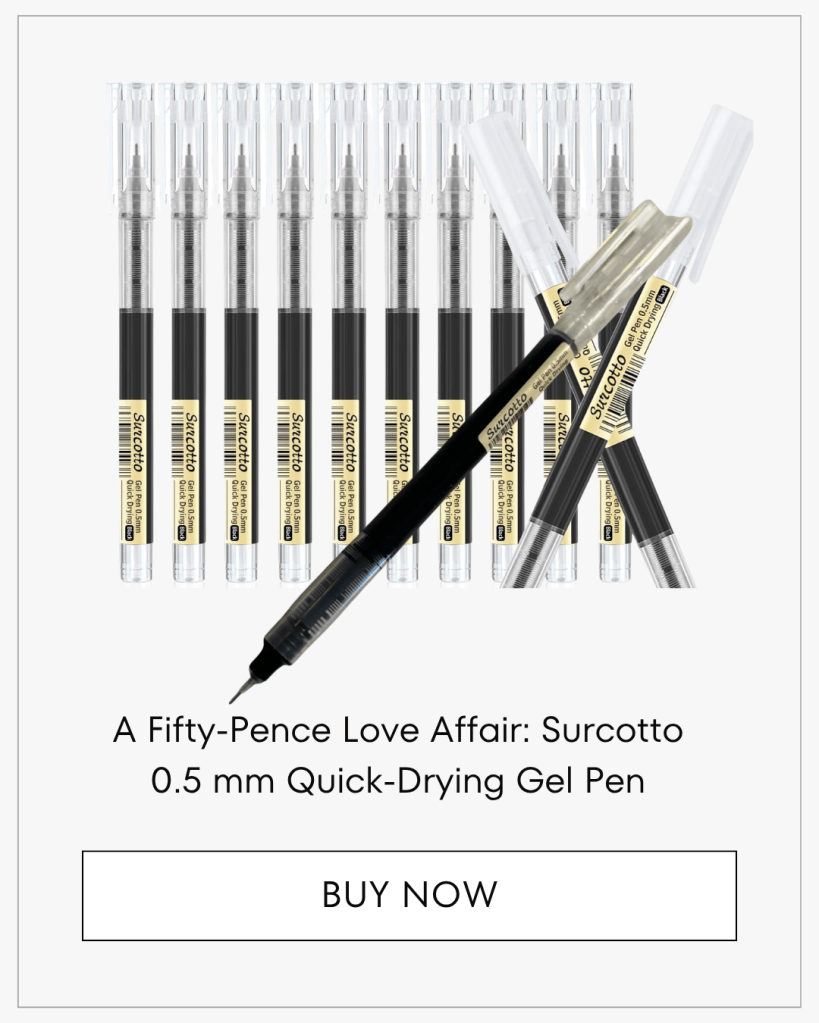
A ballpoint pen costs almost nothing, which feels rather insulting considering the amount of responsibility we occasionally place upon it. For most of its life, a pen performs modest duties: grocery lists, telephone numbers, receipts, notes in margins and signatures nobody will remember five minutes later. Some pens survive for years in the depths of handbags, while others disappear within three minutes of entering an office, presumably to join a highly organised civilisation of missing stationery.
Every so often, however, an ordinary pen is asked to participate in something much larger than itself. The same blue ink that signs for a parcel can appear on a marriage certificate, a resignation letter, a property agreement or an employment contract. Nothing about the pen changes, yet everything about what comes after the signature can.
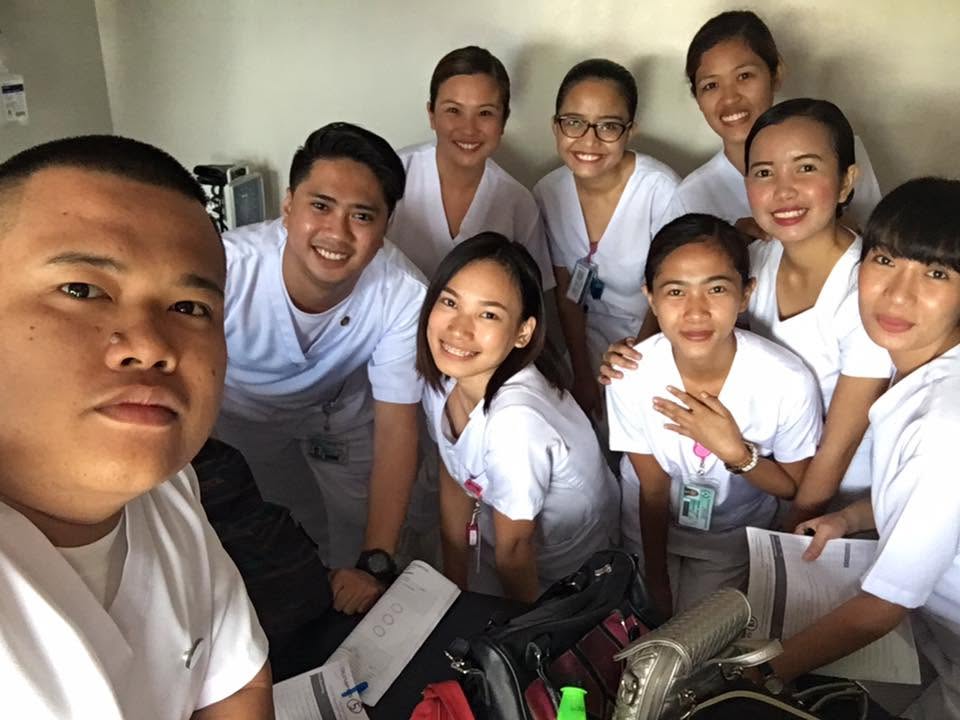
On May 9, 2017, mine was an employment contract with a hospital in the Philippines. There were no fireworks, no orchestra waiting discreetly behind the furniture and certainly no camera crew documenting the emotional significance of the moment. There was simply an official document, a place for my signature and the quiet realisation that after a rather complicated stretch of my professional life, I finally had a job.
More importantly, it was a hospital job. I was returning to nursing, and that detail mattered because by then my career path had begun resembling a map drawn by somebody who kept changing direction while holding the pencil. I had trained as a nurse, spent time working in community development, watched one employment contract end, attempted an examination connected to working abroad and spent much of 2016 wondering when my professional life would stop answering every question with “we’ll see.”
If someone had asked me to explain the previous few years in one sentence, I probably would have required a diagram, several arrows and a footnote explaining that certain decisions had made considerably more sense while I was making them. Yet there I was on the twelfth of May, signing something that placed me back inside the profession I had originally studied for. After so much uncertainty, ink on paper suddenly felt surprisingly substantial.
It was a good feeling, although not the uncomplicated triumph that employment can become when retold years later. Relief was there, certainly, along with excitement and gratitude, but so was another thought waiting patiently behind them: now I actually had to do the job. The wonderful thing about finally obtaining employment is that you have obtained employment; the inconvenient part is that somebody now expects you to arrive and perform it competently.
For months, I had been preoccupied with whether an opportunity would appear. Now that one had, the question changed completely. Was I ready for it? I was beginning to understand that waiting for a door to open and discovering what to do once you are standing inside are two very different forms of uncertainty.
My previous work as a Community Facilitator had introduced me to a field far removed from the clinical environment I had originally trained for. Community development taught me to listen beyond the most obvious version of a problem and to recognise that people carry histories, priorities, disagreements and circumstances into every decision that affects them. It was valuable work, and I had no desire to pretend those years disappeared simply because I was returning to nursing.
When that chapter ended, however, I had to face the practical reality of unstable employment. Then came 2016, which had not behaved particularly well. I attempted a professional examination because I hoped eventually to work abroad, but I did not achieve the result I wanted, and the disappointment carried more weight because the examination represented employment, independence and the possibility of building a different future.
At the same time, my parents were experiencing financial difficulties, and I wanted to contribute rather than remain dependent on their effort. When temporary documentation work became available, I accepted it because plans may be patient, but bills have an irritating habit of arriving on schedule. By early 2017, I was still trying to create a path that would bring me back to nursing, allow me to build clinical experience and perhaps, later, revisit the possibility of working abroad.
That was why the hospital contract meant more than another line on my CV. It meant I could begin working in my profession again, earn regularly and stop explaining my future entirely through things I hoped might happen. For much of the previous year, everything had lived in conditional language: if I pass, if an opportunity comes, if I can afford another requirement, if circumstances improve.
I had grown tired of the word if. It is perfectly useful in moderation, but when too much of life depends upon it, the future begins resembling a collection of unfinished sentences. May 9 gave me something concrete enough to say without adding a condition afterwards: I had a job.
I wanted to enjoy the simplicity of that sentence before adulthood found a way to complicate it. Naturally, adulthood wasted no time.
An employment contract is a peculiar document because it combines good news with a detailed list of obligations. A person spends months hoping somebody will choose them, and then the official reward for being chosen is several pages explaining everything they are now expected to do. There is something beautifully bureaucratic about being congratulated and then immediately instructed to read the terms carefully.
After a year of uncertainty, I did not mind. A schedule, workplace expectations, professional responsibilities and the possibility of regular income were precisely the kinds of structure I had been missing. Even obligation can look attractive after enough time spent waiting.
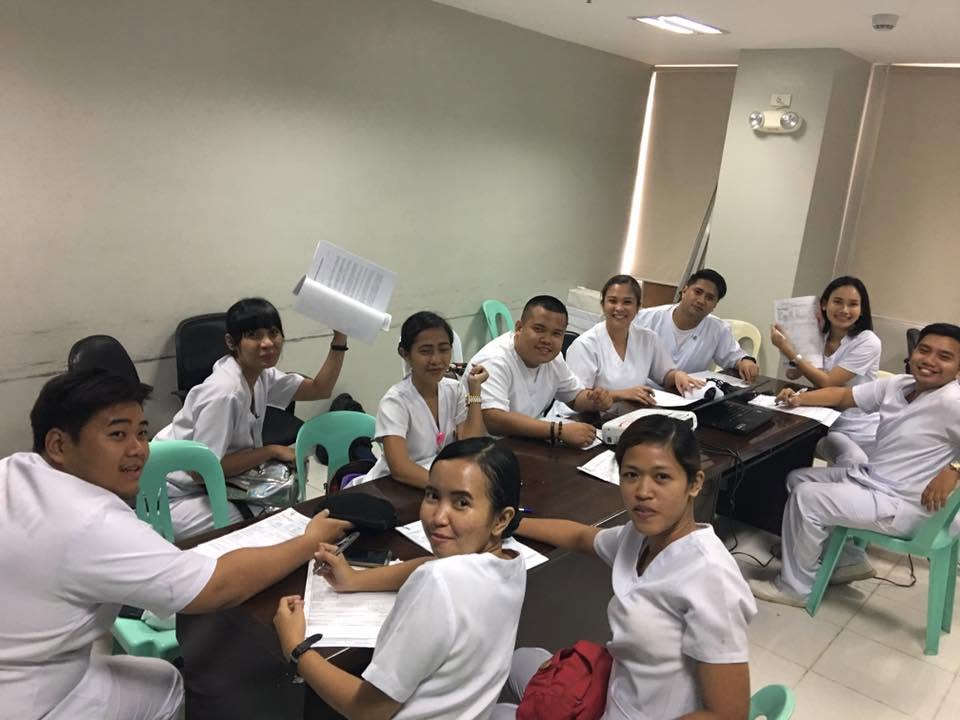
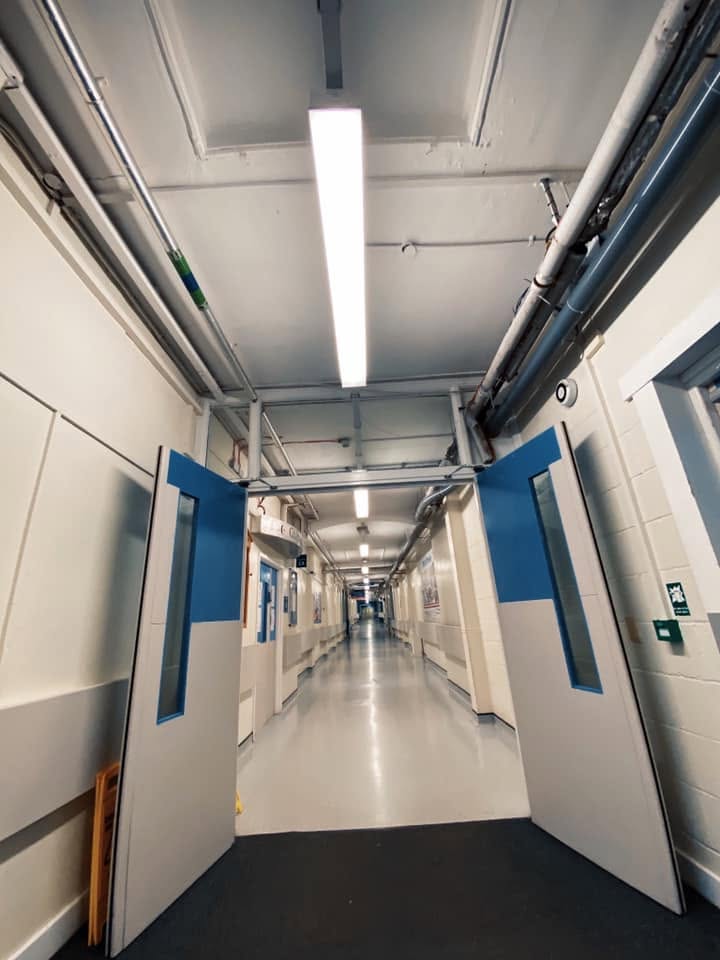
There was, however, another reason I approached the moment with some caution. I was returning to hospital nursing after spending time in another field, and although my professional education remained part of me, I knew nursing demanded far more than remembering information from lectures or recognising terminology from textbooks. Hospitals have their own routines, policies, professional relationships and decisions that must be made carefully because real people are affected by them.
Clinical competence requires knowledge, judgement, communication and the willingness to recognise your limitations. A nurse can be qualified and still need to learn how a particular hospital works, how teams communicate, where responsibilities begin and end and how theoretical knowledge behaves once it encounters an actual shift. I respected that distinction because confidence becomes dangerous when it starts pretending there is nothing left to learn.
Perhaps there is a quieter form of confidence in knowing enough to recognise what remains unfamiliar. It is less impressive than the certainty displayed by people who appear to have an answer for everything, but I suspect it is considerably safer. I wanted to enter the hospital willing to ask questions, learn from people with more experience and become more capable rather than trying to perform competence before I had properly rebuilt it.
I also knew that my longer-term ambition of working abroad could easily distort how I viewed the job in front of me. The hospital offered clinical experience that could eventually strengthen future applications, but I did not want to treat the workplace merely as somewhere to accumulate months until I became eligible to leave. That would have been unfair to the work itself.
Patients are not interested in serving as stepping stones in somebody else’s career plan. They care about whether the person standing beside them knows what they are doing, communicates properly, behaves professionally and takes responsibility seriously. Whatever I hoped to pursue later, I needed to become a capable nurse where I already was.
That realisation changed something in the way I thought about the future. Working abroad still represented possibility, professional growth, financial stability and perhaps a chance to support my family more securely. Those ambitions remained valid, but I was beginning to see the danger of staring so intently at a distant destination that the present becomes nothing more than a waiting room.
If I was returning to nursing, I wanted the experience to matter in its own right. I wanted to understand the hospital environment, learn from colleagues, strengthen clinical judgement and become gradually more comfortable with responsibilities that no textbook could fully simulate. Wherever I eventually practised, those ordinary working days would become part of the nurse I was becoming.
The future abroad might still happen through another examination, another application or an entirely different route. It might take longer than I wanted, and in May 2017 I could not know how the story would unfold. What I did know was that the hospital contract in front of me was real, and reality deserved more of my attention than a future I had not yet reached.
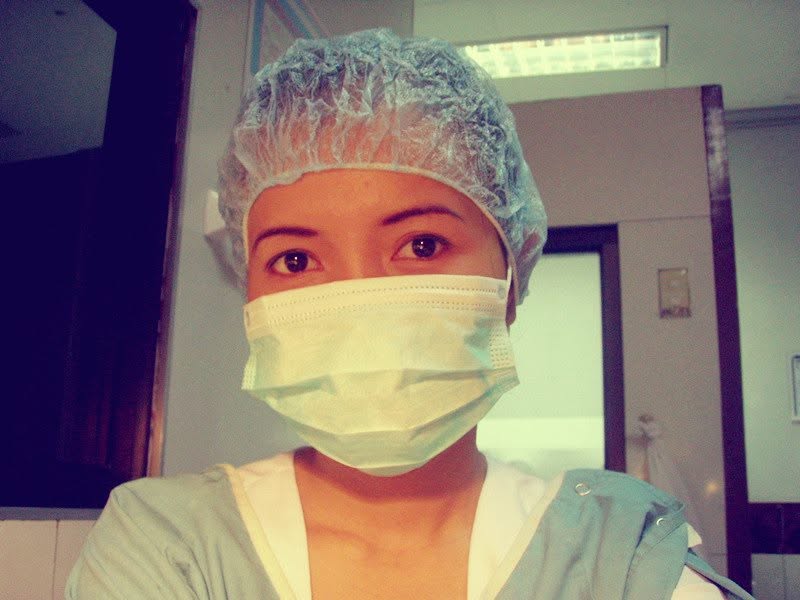
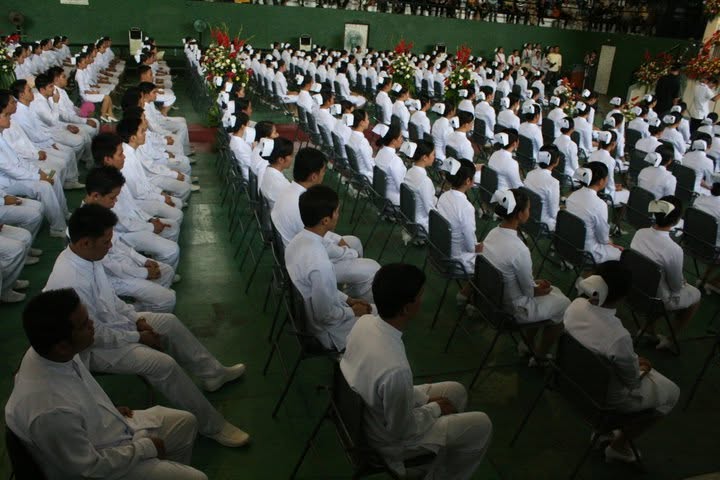
I also found myself thinking about the uniform. A white nursing uniform can communicate an occupation before its wearer says anything at all. Patients recognise it, families attach expectations to it and colleagues understand the responsibilities it represents, which is an extraordinary amount of significance to place upon clothing that still needs ordinary detergent and ironing.
I had wanted to wear that uniform again, but wearing it would be the easiest part. The difficult work began after putting it on. Professionalism is not fabric; it appears in preparation, behaviour, accountability, communication and the way responsibility is carried when nobody is impressed by the uniform anymore.
Returning to a profession can create an unreasonable expectation that everything should immediately feel familiar. After all, I had studied nursing, possessed the qualification and knew the terminology. Surely going back should resemble meeting an old friend and continuing exactly where the conversation stopped.
Professional knowledge does not work quite that neatly. Some things return easily, while others require revision, and a new workplace introduces systems you could never have learned simply by remembering university lectures. Practical experience also asks questions that once seemed unimportant because classrooms can teach principles without reproducing every complication of the real world.
I expected to feel uncertain at times. What concerned me more was the possibility of becoming too embarrassed to admit when I needed guidance. There is a substantial difference between recognising that you do not know something and being careless about your responsibility to learn it.
The first can protect people. The second can harm them.
I wanted enough humility to ask appropriate questions and enough determination to become less dependent on those questions with experience. Professional development, I was beginning to understand, rarely happens through dramatic declarations. It happens through learning routines, reviewing knowledge, listening carefully, accepting feedback and becoming slightly more capable after many ordinary days.
No inspirational soundtrack is required. I would not have objected to one occasionally during a particularly demanding shift, but apparently hospitals do not provide cinematic background music as part of staff induction.
The possibility of earning regularly again mattered too. The previous year had involved uncomfortable calculations about examination expenses, ordinary household needs and my limited ability to contribute while my parents were dealing with financial strain. I had accepted temporary work partly because I wanted to help, and now the hospital job offered the possibility of more stable income.
I did not expect a salary to make me wealthy because adulthood had already introduced me to money’s impressive ability to disappear into necessities. Transportation, food, household expenses, professional requirements and perhaps savings if circumstances behaved themselves would all want a share. A payslip may display one total, but once responsibilities begin introducing themselves, the amount can resemble a Filipino family reunion in which everybody has somehow discovered that food is being served.
Still, there was dignity in earning through the profession I had trained for. It meant I could begin contributing more consistently while also building the clinical experience I needed for my own future. After so much time spent describing life through possibilities, that combination felt solid enough to hold.
And perhaps that was what the pen on May 9 had really signed me into. Not a finished career, not proof that every difficult decision from the previous years had suddenly made sense and certainly not a guarantee that my ambition to work abroad would eventually happen exactly as I imagined. It signed me into responsibility, routine, income and the opportunity to become a nurse through practice rather than qualification alone.
The pen itself remained completely unimpressed. Once the signature was finished, it was still an ordinary ballpoint pen, probably one careless handover away from disappearing into somebody else’s pocket. Yet the document beneath it had changed something in my life because I finally had somewhere concrete to begin again.
Perhaps that is how many important beginnings actually happen. They do not announce themselves with dramatic certainty or arrive carrying instructions for everything that follows. Sometimes they appear as a few sheets of paper, a line waiting for your name and the strange realisation that the thing you spent so long hoping for has quietly become your responsibility.
On May 9, 2017, I signed.
The ink dried quickly.
Figuring out the rest would take considerably longer.
Still learning what comes after the signature,
Anj

















Leave a Reply