March 8, 2018 | Almost a Year at St. Vincent General Hospital, Lessons from the Ward, and the Unexpected Courage of Cutting My Hair
I have discovered that time behaves rather suspiciously when you become an adult. During childhood, a single afternoon could feel long enough to accommodate an entire collection of adventures, several arguments with your playmates, and at least one occasion when your mother called you home because the sun had begun setting. These days, I wake up on Monday, blink twice, and somehow find myself wondering why it is already Thursday. Somewhere between hospital duties, unfinished books, laundry, and the constant negotiations between my alarm clock and my desire to remain unconscious, entire weeks have apparently disappeared without consulting me. I would like to report this matter to the appropriate authorities, but I suspect they would simply advise me to improve my time management, which is precisely the sort of answer I am trying to avoid.
Hello, hello, hello! After another stretch of busy days, I have finally managed to sit down and give this little corner of the internet some attention. I had originally intended to write more regularly, but my schedule has developed an extraordinary talent for interfering with my literary ambitions. There are evenings when I arrive home with several thoughts I would love to put into words, only to discover that my brain has already completed its working hours and is refusing further correspondence. I tell myself that I will write tomorrow, but tomorrow usually brings another responsibility, another distraction, or the irresistible temptation to spend a few hours doing absolutely nothing. Today, however, I have decided to enjoy a quieter moment, gather my thoughts, and look back upon the little changes that have been taking place in my life.
The most surprising realisation is that I have been working at St. Vincent General Hospital for almost a year. Almost a year! I can hardly believe how quickly the months have passed, although there have certainly been shifts when a single hour seemed determined to last an entire geological period. I still remember the nervous excitement of entering the hospital during our Comprehensive Skills Assessment, carrying my notes, reviewing procedures, and wondering whether I would successfully complete the evaluations. There were return demonstrations, clinical exposures, examinations, and an interview, followed by the unforgettable agony of waiting for the result. When I finally learned that I had passed and had been accepted as a probationary staff nurse, I felt as though an enormous weight had been lifted from my shoulders. Now, looking back from March 2018, it is strange to realise that the hospital which once felt so unfamiliar has become such an important part of my everyday life.
I have learned a great deal during these months, although I am not entirely certain my younger self would have believed how much of that education would occur outside textbooks. Nursing school prepared me with important theoretical knowledge, clinical skills, and professional responsibilities, but actual hospital practice has a remarkable way of introducing situations that require judgement, flexibility, and considerable patience. There are days when everything proceeds relatively smoothly, and others when the ward seems determined to examine every aspect of our organisational abilities. Tasks accumulate, priorities change, and the simple intention of completing something promptly can become complicated by circumstances that require more immediate attention. I have gradually learned that being a nurse involves not only knowing what to do, but recognising what matters most at a particular moment and understanding when additional help is needed.
Perhaps the most important change has been in my confidence. During my earlier months, unfamiliar situations could make me question myself repeatedly, even when I had prepared carefully. I wanted to perform well, avoid mistakes, and demonstrate that I was capable of carrying out the responsibilities entrusted to me. Those concerns were understandable, particularly in a profession where patient safety matters so much, but they occasionally made ordinary tasks feel more intimidating than necessary. Over time, regular experience and guidance from colleagues have helped me become more comfortable with the routines of my working area. I still encounter situations that require questions and clarification, but I no longer feel that asking for guidance automatically diminishes my competence. If anything, I have become more appreciative of nurses who recognise the limits of their knowledge and seek appropriate support rather than pretending to possess every answer.
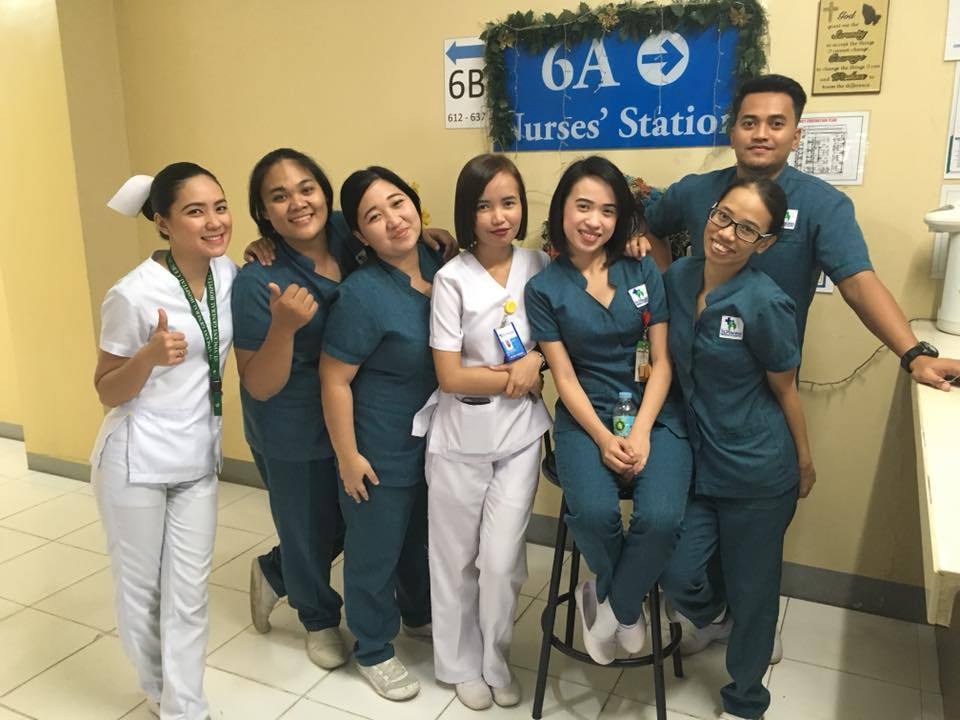
I have also gained a few friendships along the way, which has made hospital life considerably more enjoyable. There is something rather special about the relationships that develop between people who spend long shifts working towards shared responsibilities. Colleagues begin recognising one another’s habits, strengths, and occasional moments of exasperation. We learn who remains remarkably composed during a demanding shift, who possesses an impressive talent for remembering details, and who can produce a perfectly timed joke when everybody is beginning to look exhausted. These little discoveries gradually transform unfamiliar workmates into people whose company we genuinely appreciate. A supportive team cannot eliminate every challenge associated with hospital work, but it can make a considerable difference to how we manage difficult days.
I particularly appreciate the way experienced colleagues share practical knowledge. Nursing involves many details that become easier to understand through observation, supervision, and repeated experience. Some lessons concern organisation and communication, while others involve clinical procedures that must be performed according to appropriate guidelines. I have always enjoyed learning useful techniques, especially when they improve efficiency without compromising safety. There is a certain satisfaction in discovering a better way to organise your responsibilities or prevent an avoidable problem, provided the approach is supported by sound practice rather than simply being an inventive shortcut that somebody has repeated for years.
Speaking of clinical skills, our recent unit meeting provided another memorable experience. The topics included intravenous cannulation and documentation, both of which are important aspects of clinical nursing. I was genuinely interested in the discussion because intravenous access requires appropriate assessment, aseptic technique, correct device selection, securement, monitoring, and accurate recording. These responsibilities may become familiar through regular practice, but they still deserve careful attention. Complications can arise when procedures are not performed or maintained appropriately, and nurses need to remain aware of current guidance rather than assuming that familiarity alone guarantees safe care.
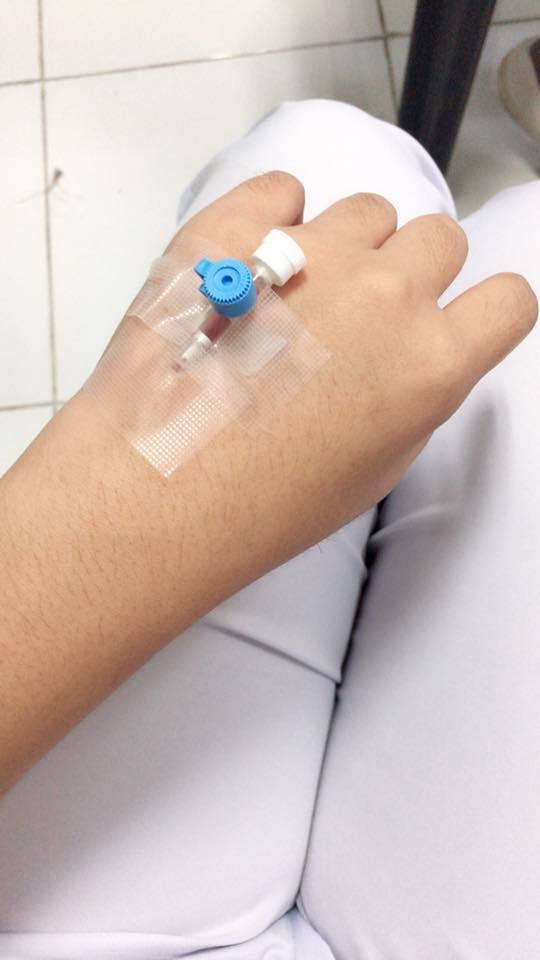
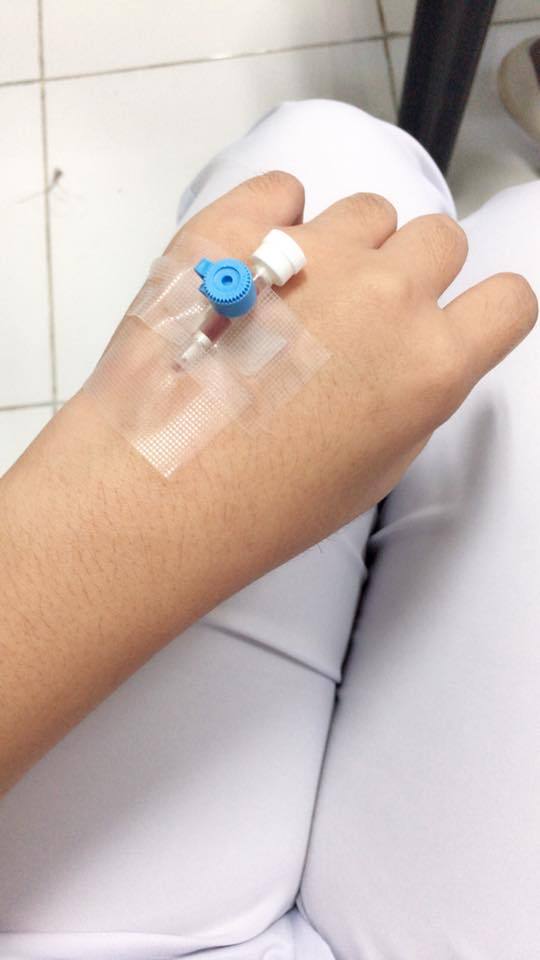
Unfortunately, my enthusiasm for the educational session encountered a rather serious obstacle when I began wondering whether my partner intended to practise inserting an intravenous cannula into my arm. I would like to clarify something about myself that may surprise people who know I am a nurse: I do not particularly enjoy needles when I am the person expected to receive them. I recognise the importance of injections, blood sampling, and intravenous procedures, and I can discuss their clinical purpose quite reasonably. But place me on the receiving end of a needle, and suddenly my professional composure becomes a much more complicated matter. Apparently, understanding a procedure does not automatically produce enthusiasm for experiencing it personally.
I suspect there is a special category of irony reserved for healthcare professionals who dislike undergoing the very procedures they are trained to perform. I can explain the importance of intravenous access and appreciate the skill required to establish it safely, but the possibility of somebody approaching my own veins with a cannula is quite another conversation. During the meeting, my imagination became unnecessarily active, producing several possible scenarios before anything had even happened. I was relieved that the occasion remained an opportunity for learning rather than becoming the dramatic sacrifice of my poor veins for educational purposes. My arms, I am pleased to report, were equally appreciative of the arrangement.
Despite my nervousness, I enjoyed reviewing the principles of intravenous cannulation and charting. Documentation may not be the most glamorous aspect of nursing, but it remains essential to safe and coordinated patient care. Correctly recording relevant details, monitoring the condition of an intravenous site, and communicating concerns are important responsibilities. I am beginning to realise that even procedures we encounter frequently require ongoing attention, particularly as standards and evidence develop. A nurse should never become so comfortable with a routine that important precautions begin to disappear through habit.
Our unit discussions also reminded me how creative nurses can become when managing the practical demands of a busy ward. There are countless little techniques people share to make their working day more organised, from preparing equipment appropriately to arranging frequently used materials so they can be accessed efficiently. I have always admired that resourcefulness because nursing often requires us to think carefully about how to manage time while remaining responsive to patient needs. But I am also learning that a useful clinical technique must be evaluated according to safety and institutional guidance, rather than simply because it appears convenient.
For example, protecting intravenous lines from accidental dislodgement can prevent unnecessary interruptions to treatment and discomfort for patients. Appropriate securement devices, dressings, regular site assessment, and patient education all contribute to maintaining intravenous access safely. The important thing is to follow the hospital’s approved procedures and the manufacturer’s guidance, rather than relying upon improvised methods that may interfere with monitoring or compromise the device. I have learned that efficiency is valuable, but preventing complications is considerably more important than saving a few minutes through an unsuitable shortcut.
Then there are the less glamorous responsibilities of nursing, particularly those involving personal hygiene and elimination. I sometimes wonder how people imagine hospital work before they become familiar with its ordinary realities. Television programmes often focus upon dramatic emergencies, complicated diagnoses, and healthcare professionals having remarkably emotional conversations in beautifully illuminated corridors. The actual working day, however, includes an extensive collection of practical responsibilities that rarely attract cinematic attention. Patients need assistance with hygiene, continence care, mobility, nutrition, and countless activities that become difficult when someone is unwell. These aspects of care are essential, even when they involve situations that test our tolerance for unpleasant smells.
Anyone who has worked in a busy ward will understand the significance of an unexpected code brown. I shall not provide an unnecessarily detailed explanation for readers who are fortunate enough to remain unfamiliar with the expression. Suffice it to say that the situation requires appropriate infection prevention precautions, protective equipment, dignity, and a willingness to concentrate upon the patient’s needs rather than the circumstances that have made the intervention necessary. I have encountered discussions about various shortcuts for managing such situations, including creative approaches to gloves and equipment, but I have come to appreciate that appropriate personal protective equipment and careful hand hygiene are more important than improvised techniques. Patients deserve safe, respectful care, and nurses deserve practices that protect them as well.
I have also discovered that hospital environments possess their own complicated relationship with fragrances. After encountering enough unpleasant odours during clinical work, it is understandable that staff may become interested in ways to remain comfortable. Over the years, nurses have shared all sorts of unusual suggestions involving scented products and household items. Some sound wonderfully inventive until one begins considering infection prevention, patient sensitivities, and the need to avoid unnecessary fragrances in clinical areas. I think the more sensible approach is to follow workplace policies, use appropriate protective equipment, and address environmental concerns through approved methods. After all, patients may have allergies, respiratory sensitivities, or conditions that make strong perfumes uncomfortable, and our preference for a pleasant scent should not take priority over their wellbeing.
The same applies to equipment. Healthcare workers occasionally encounter practical inconveniences that encourage creative thinking, but medical devices are designed and tested for particular purposes. Improvising with syringes, tubing, or other equipment may introduce risks that are not immediately obvious. I would rather learn the correct approved alternatives and escalate an equipment shortage than rely upon a shortcut whose consequences have not been properly considered. Perhaps that is one of the professional lessons I am beginning to value most: resourcefulness is useful when it works alongside evidence-based practice, not when it attempts to replace it.
Still, I enjoy the conversations through which nurses exchange ideas and experiences. Some of the best learning opportunities occur when colleagues discuss how they organise their work, communicate during handover, or recognise changes in a patient’s condition. There is always something new to understand, and I hope I never become so confident that I stop listening. Nursing has already taught me that the most competent professionals are often those who remain curious, attentive, and willing to review their practice.
Outside the hospital, I have also been making an effort to pay more attention to my wellbeing. I suppose spending so much of my time caring for other people has reminded me that maintaining my own health deserves consideration too. There have been periods when work became so demanding that I neglected ordinary things such as reading, enjoying a proper break, and finding time for activities unrelated to professional responsibilities. I am beginning to recognise that constantly concentrating upon work does not necessarily make me more productive or fulfilled. Sometimes it simply leaves me exhausted and less interested in the things I usually enjoy.
Lately, I have been making little adjustments rather than attempting an extraordinary transformation overnight. I have been trying to include more fruit and vegetables in my meals, make time for reading, and create clearer boundaries between work and home. I want my days away from the hospital to feel like genuine opportunities to rest and enjoy other interests rather than merely extensions of my working responsibilities. There is something refreshing about finishing a shift and allowing myself to become a person whose identity extends beyond a uniform and a collection of clinical duties.
I have always loved reading, but it is remarkable how easily books can become decorative objects when life gets busy. I purchase or collect them with considerable enthusiasm, imagine the wonderful hours I will spend enjoying their pages, and then discover that my schedule has developed other intentions. Sometimes I begin reading and find myself returning to the same paragraph several times because my thoughts are still occupied with work. Other times, I become sleepy after only a few pages, which seems terribly unfair considering how eagerly I anticipated having time to read. Nevertheless, I have been trying to restore the habit because I enjoy the opportunity to become absorbed in stories, ideas, and perspectives beyond my daily routine.
I also want to become better at protecting my personal time. Working in healthcare can make it difficult to separate professional responsibilities from ordinary life, particularly when a demanding shift leaves us thinking about what happened long after we have gone home. Reflection can be valuable, especially when it helps us understand our experiences and identify opportunities for improvement, but I do not want every evening to become an unofficial continuation of my working day. There should be time to rest, speak with family and friends, enjoy hobbies, and think about things that have absolutely nothing to do with hospital documentation.
Perhaps my most dramatic recent decision, however, involved something far less clinically significant and considerably more visible.
I cut my hair.
Very short.
Now, I realise that this announcement may seem rather ordinary to somebody who changes hairstyles regularly, but for me it represented a substantial departure from what had become familiar. I had not cut my hair so drastically short for approximately four years, and the idea of doing so had been occupying my thoughts for some time. I wanted something different, a change that would feel refreshing after months of familiar routines. I imagined how convenient it might be, how different I would look, and how satisfying it would feel to finally make a decision that did not require an application, evaluation, or three-week waiting period.
Before the haircut, I was excited. I had already convinced myself that a shorter hairstyle would suit me, and I was looking forward to the change. Then I sat in the salon chair, and my confidence apparently decided to take an unscheduled holiday. It is remarkable how an idea can seem entirely reasonable while remaining hypothetical, only to become suddenly frightening when the person responsible for making it happen is standing nearby with scissors. I began reconsidering everything. What if I changed my mind? What if I missed my long hair? What if the finished result looked nothing like the picture I had imagined? Unfortunately, haircuts possess a point beyond which philosophical reconsideration becomes rather impractical.
I suppose that was the moment I discovered how attached we can become to familiar versions of ourselves. Hair is only one aspect of appearance, certainly, but changing it can feel surprisingly significant when we have become accustomed to seeing ourselves a particular way. For several years, my longer hair had been part of the reflection I recognised every morning. Cutting it short meant introducing something unfamiliar into an otherwise ordinary routine. I knew it would grow again, but that practical reassurance was less comforting when the scissors began doing their work.
And then, gradually, the transformation was complete.
I looked at myself and experienced that strange mixture of surprise and excitement that accompanies a noticeable change. The person in the mirror was still me, of course, but the unfamiliar hairstyle made the reflection feel wonderfully different. I had spent so much time imagining what short hair might look like that actually seeing it required a little adjustment. There was excitement, certainly, but also that peculiar sense of having made a decision whose result could no longer be reconsidered through endless hypothetical conversations.
For a while, I was nervous about showing anybody. I found myself wondering what my friends would think and whether the haircut would receive the kind of enthusiastic response I had hoped for. It is amusing how much confidence we can possess while making a decision privately, only to become surprisingly sensitive when other people are about to notice the result. I had chosen the hairstyle because I wanted it, yet I still experienced that familiar hesitation before sharing photographs. Apparently, independence and the desire for reassurance can occupy the same personality without consulting one another.
Eventually, I posted the pictures.
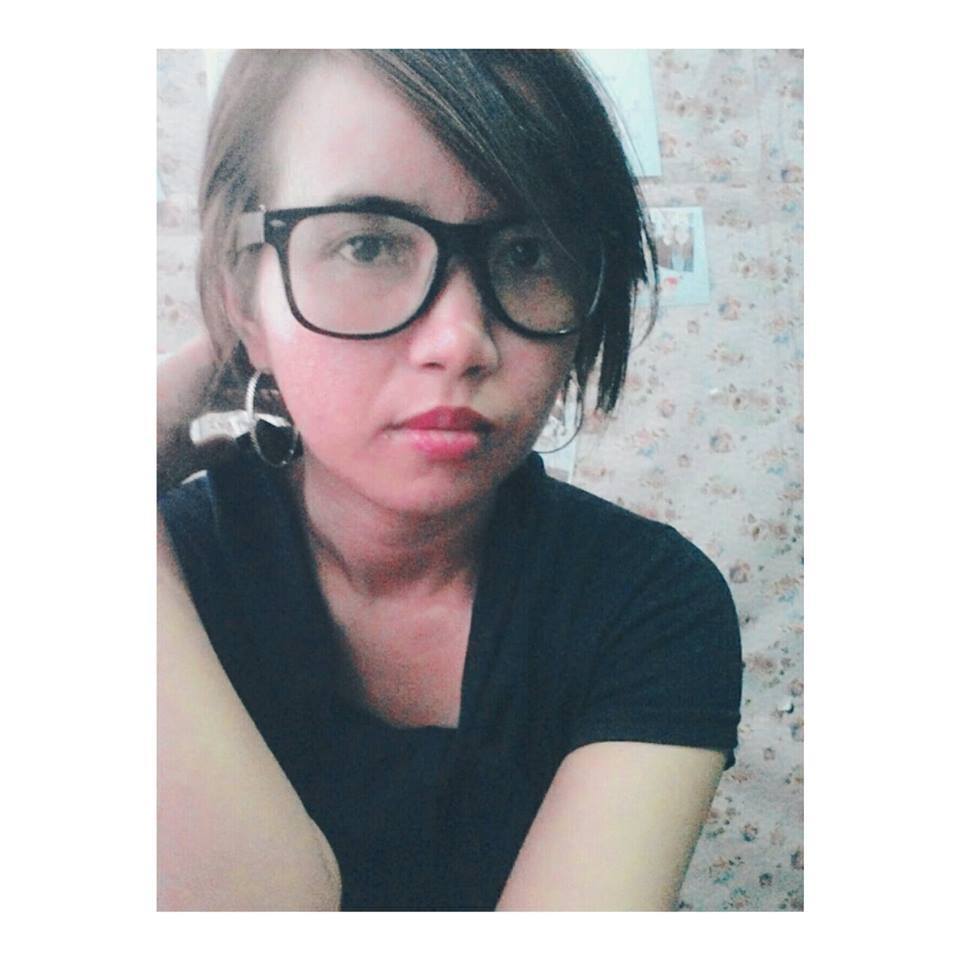
To my delight, the feedback was encouraging, and I began feeling more comfortable with the change. I appreciated the kind comments, but perhaps the most satisfying part was recognising that I genuinely liked the hairstyle myself. It felt fresh, practical, and different from what I had been accustomed to for years. I enjoyed the sense of novelty, particularly because the decision had been entirely mine. After spending so much of my professional life working within procedures, schedules, and institutional expectations, there was something rather delightful about making a personal choice simply because I wanted a change.
I am now thoroughly enjoying my short hair. I like its practicality, particularly during ordinary busy days when elaborate styling is the last thing I want to think about. There is something wonderfully convenient about spending less time managing my hair before leaving the house, especially when work already demands enough preparation. Of course, I suspect the enthusiasm may eventually settle once the novelty wears off, but for now I am delighted. I have even begun declaring that I may never return to having long hair, which is an impressively confident statement from someone whose previous hairstyle remained unchanged for several years.
I shall refrain from making that promise legally binding.
Life has a remarkable talent for making us reconsider declarations we once delivered with complete certainty.
What I find interesting about the haircut is how much attention I gave to a decision that was ultimately reversible. I had worried about changing something familiar, imagined several possible outcomes, and questioned whether I would be comfortable with the result. Yet after making the decision, I discovered that the experience was enjoyable and that my concerns had been somewhat exaggerated. I suppose this is a familiar pattern in my life. I can become so occupied with anticipating possible difficulties that I forget to consider the possibility that something might turn out perfectly well.
I do not want to suggest that every change deserves to be embraced without careful thought. Some decisions carry significant consequences and require proper consideration. But I am beginning to appreciate the difference between a genuine concern and the ordinary nervousness that accompanies trying something unfamiliar. Cutting my hair did not resolve every uncertainty in my life or transform my personality into something extraordinary. It simply reminded me that I can occasionally make a change without requiring complete reassurance beforehand.
Perhaps that is why I have found the experience unexpectedly refreshing. For much of the past year, my professional life has involved learning new responsibilities, adapting to a hospital environment, and gradually developing confidence through experience. My personal life has also been shaped by the ordinary demands of adulthood, including the need to balance work with rest and maintain relationships despite busy schedules. The haircut was a much smaller decision, but it offered an amusing contrast to those responsibilities. It gave me something entirely personal to be excited about, even if the excitement occasionally sounded ridiculous when explained to somebody who considered haircuts a perfectly ordinary activity.
I suppose we all need little things to look forward to.
Not every enjoyable experience needs to involve a major achievement, an expensive holiday, or an important professional milestone. Sometimes trying a new hairstyle, reading a good book, or spending a quiet afternoon with friends can provide enough satisfaction to make an ordinary week memorable. I am learning to appreciate those smaller experiences rather than constantly measuring life through the next significant event.
There is something particularly useful about that lesson as I approach my first anniversary at St. Vincent General Hospital. During the early months, I was understandably focused upon passing assessments, becoming familiar with clinical responsibilities, and demonstrating that I could contribute to the team. Now, with almost a year of experience behind me, I am beginning to appreciate the importance of maintaining a life beyond the hospital. I still have professional ambitions, and I remain committed to developing my knowledge and skills, but I do not want to become so absorbed in work that every other interest gradually disappears.
I want to be a good nurse, certainly, but I also want to remain someone who enjoys reading, travelling, writing, and occasionally making questionable jokes about ordinary situations. I want time for family and friends, opportunities to explore new places, and enough personal freedom to make decisions that have nothing to do with professional evaluations. There is a particular satisfaction in recognising that our identities contain more than our occupations, even when those occupations are meaningful parts of our lives.
As I look back upon the last few weeks, I realise that nothing especially dramatic has happened. There have been hospital duties, a useful unit meeting, opportunities to learn from colleagues, and a few personal changes that have made me feel more enthusiastic about everyday life. I have been trying to eat more thoughtfully, read more regularly, and create a little distance between work and rest. I also made the remarkably brave decision to sit in a salon chair and allow somebody to remove several inches of hair without requesting an emergency meeting halfway through the procedure.
Perhaps that is more than enough excitement for one month.
I began this entry complaining that the days had been blurring together, disappearing somewhere between hospital responsibilities and the ordinary demands of adulthood. Writing about them has reminded me that plenty has been happening, even if the changes have been gradual rather than spectacular. I have become more confident in my nursing role, developed friendships at work, and begun understanding how to manage professional responsibilities with greater care. I am also becoming more attentive to my own wellbeing and more willing to enjoy little changes without demanding that they carry some enormous meaning.
I think that is a perfectly respectable amount of progress.
Perhaps the most important thing I have learned lately is that confidence can develop through ordinary experiences. It grows when we practise a skill carefully, ask a question we were once embarrassed to raise, accept constructive feedback, or make a decision that previously seemed intimidating. We may not notice the change immediately, particularly when our attention is occupied with everything we still want to accomplish. But occasionally, we look back upon an earlier version of ourselves and realise that something has shifted.
Almost a year ago, I entered St. Vincent General Hospital hoping to become a capable member of the nursing team. I was enthusiastic but uncertain, carrying the knowledge I had gained from previous experience while recognising that I still had much to learn. Today, I remain very much a work in progress, but I am pleased with the development I can recognise. I have encountered challenging shifts, learned from colleagues, and become more familiar with responsibilities that once seemed intimidating. I hope the coming months bring further opportunities to improve, particularly in areas where my confidence and knowledge still require attention.
As for my personal life, I intend to continue making room for ordinary happiness. I want to read the books waiting on my shelf, spend more time enjoying days away from work, and remain curious about experiences that have nothing to do with nursing. I also intend to appreciate my new haircut for as long as the enthusiasm lasts, although I suspect I shall eventually discover some inconvenience associated with short hair and begin reconsidering all my previous declarations.
For now, however, I am enjoying the change.
It is funny how much attention I gave to cutting my hair when I have already faced far more significant decisions in my life. I have changed workplaces, completed demanding clinical assessments, and accepted responsibilities involving the wellbeing of other people. Yet somehow, the prospect of losing several inches of hair was enough to make me nervous in a salon chair. I suppose human beings are not always particularly consistent in the way we respond to uncertainty, and perhaps that is part of what makes ordinary life entertaining.
If the past few weeks have taught me anything, it is that I can be professionally responsible, personally ambitious, and occasionally ridiculous without those qualities contradicting one another. I can love nursing while admitting that some shifts are exhausting. I can enjoy learning clinical skills while remaining deeply unenthusiastic about needles approaching my own arm. And I can make a confident decision about my appearance while still experiencing a brief moment of panic when the scissors finally appear.
Perhaps growing older is partly about becoming more comfortable with those contradictions.
I do not need every aspect of my life to be perfectly organised before appreciating the progress I have made. There will be challenges ahead, particularly as I continue developing professionally, but there will also be opportunities to enjoy the little things that make ordinary days worthwhile. I hope I remain attentive to both.
So that is life lately: almost one year in my nursing job, a few more lessons from the ward, colleagues who make demanding shifts easier, some renewed attention to my wellbeing, and a hairstyle that has apparently become the most dramatic personal announcement of the season. I am grateful for how much has changed since my first days at St. Vincent and curious about what the coming months may bring. I have no doubt that nursing will continue introducing challenges, and I suspect my personal life will provide its own collection of amusing surprises.
And if another week disappears before I manage to update this blog, at least I shall have a perfectly reasonable explanation. Somewhere in the hospital, there will be patients requiring care, professional responsibilities awaiting attention, and perhaps another educational meeting threatening to involve my poor veins. Outside work, there will be books I hope to finish, places I want to visit, and the continuing adventure of discovering whether short hair really is as convenient as I currently believe.
For now, I shall enjoy the quieter day, finish this entry, and appreciate the fact that I finally made time to write. There are still plenty of things I want to accomplish, but I am becoming less interested in rushing through the present simply because the future contains another ambition. Almost a year has passed since I began my new nursing chapter, and I would rather recognise the experiences it has given me than spend the entire afternoon wondering what I should have achieved by now.
The days may continue blurring together, but at least I am beginning to notice the little changes taking place within them. And should time decide to accelerate again without warning, I hope it gives me enough opportunity to finish a book, enjoy a proper rest day, and perhaps take a few more photographs before my hair decides to grow back and make a liar out of all my enthusiastic declarations.
March 8, 2018 — nearly one year at St. Vincent General Hospital, a collection of lessons from the ward, and one unexpectedly significant haircut.
— Alegna, RN, still afraid of needles, increasingly confident at work, and currently enjoying the novelty of having considerably less hair to manage.


































Leave a Reply