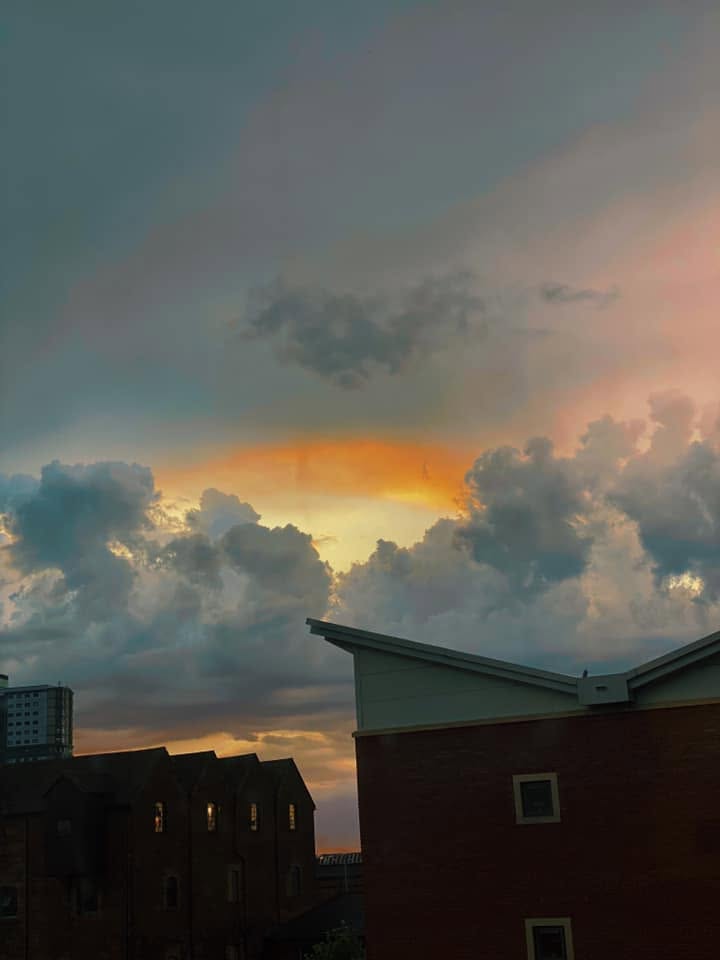
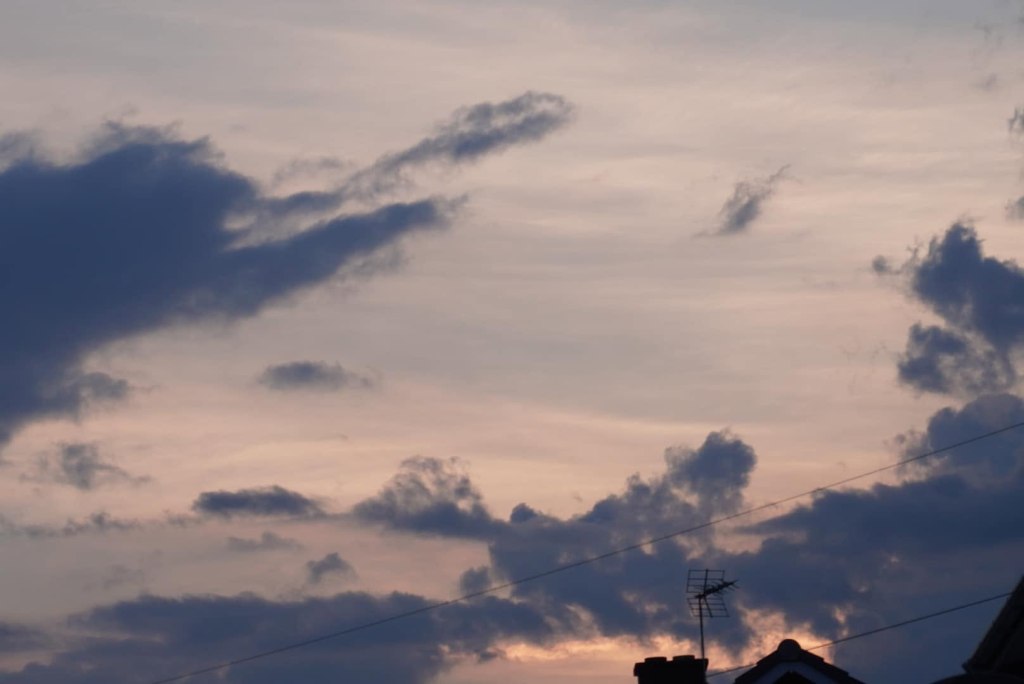
I was standing by the window of my flat on Albion Street, looking at a sky that had somehow turned gold without consulting the temperature. The buildings opposite were darkening into silhouettes, their roofs catching the last strips of light, while the clouds above them had begun collecting shades of amber, grey and something almost peach. If I had taken a photograph without stepping outside first, I could easily have convinced myself I was living through a glorious English summer. The sky looked warm enough to melt butter. The actual air had other ideas.
This was my first summer in the UK, and I was beginning to understand that British weather had a sense of humour. Back in the Philippines, summer never required an announcement from the Met Office. You stepped outside and immediately knew what season it was because the heat introduced itself personally. Pavements shimmered, electric fans became members of the family, cold drinks started sweating before you did, and even a short walk could become a negotiation with the sun. Summer was not an aesthetic. Summer was physical evidence.
England seemed considerably less committed to the concept. The calendar said June, the daylight lasted until an hour that still felt suspicious, and the sky remained bright long after my body had decided the day should be over. People appeared outside in shorts at temperatures that would have made me reach for a cardigan. Supermarkets displayed barbecue food with touching optimism. Somewhere, someone had officially declared that summer had arrived, and the entire country seemed willing to accept this on administrative grounds.
I remained unconvinced.
Earlier that day, I had gone outside for a walk because staying inside the flat had begun to make the walls feel too familiar. I was living alone then, still relatively new to this version of life where home was a rented space in a country I was learning one bus route, one supermarket aisle and one confusing British expression at a time. Some evenings I enjoyed the independence of it. Other evenings the silence seemed to have excellent acoustics.
That afternoon, though, the weather had been kind enough to make leaving the flat feel like a good decision. I had not gone very far when I noticed a cluster of flowers beside the path, the sort of flowers most people probably passed without registering because they were not rare, dramatic or arranged somewhere with an entrance fee. Pale yellow heads crowded against muted green leaves, and one bumblebee had buried itself among them with the concentration of someone who had an appointment and no intention of being late.
Naturally, I stopped.
I had always been the sort of person who could turn a five-minute walk into fifteen because something had caught the light properly. I took out my phone and crouched slightly, trying to get close enough for a photograph while maintaining the sensible distance required when the subject has wings and potentially strong opinions about personal space. The bee continued working. The flowers shifted in the breeze. I moved the phone a little closer and silently reminded myself that there is a fine line between nature photography and being stung because you wanted better focus.
For a few minutes, I forgot that I was far from home. That surprised me because homesickness had an inconvenient way of arriving when nothing dramatic was happening. Sometimes it appeared while cooking something familiar that tasted almost right but not quite. Sometimes during a video call when everyone at home was gathered in one room and I was listening through a screen. Sometimes in the middle of an ordinary evening when I suddenly remembered that the people I loved were living an entire day several thousand miles away.
But sometimes the opposite happened too. Sometimes I noticed a flower, a strange cloud, a familiar street or a patch of light on a building, and for a few seconds being here did not feel like being away from somewhere else. It simply felt like being here. There was no comparison, no mental measuring of England against Cebu, no invisible scoreboard keeping track of which place did what better. There was only the path, the flowers, the bee and me crouching awkwardly beside them like an unpaid wildlife correspondent.
I think that was one of the first things England began teaching me, although at the time I would not have known to call it a lesson. When you move abroad, you spend so much time comparing that you almost forget to observe. This is colder. That is smaller. The food tastes different. The people speak differently. The shops close too early. The sun sets too late. Home did this better. England does that strangely. For a while, migration can turn you into an unpaid international inspector conducting a permanent comparison between two countries that never agreed to compete.
Eventually, though, comparison gets tiring. You begin to let a place be itself. My first English summer was never going to smell like the summers I knew in Cebu, and it was certainly not going to behave according to the weather expectations I had carried across the airport. England had its own version of June, apparently involving long evenings, cool breezes, sudden sunshine and people immediately occupying every available patch of grass the moment the temperature became remotely negotiable.
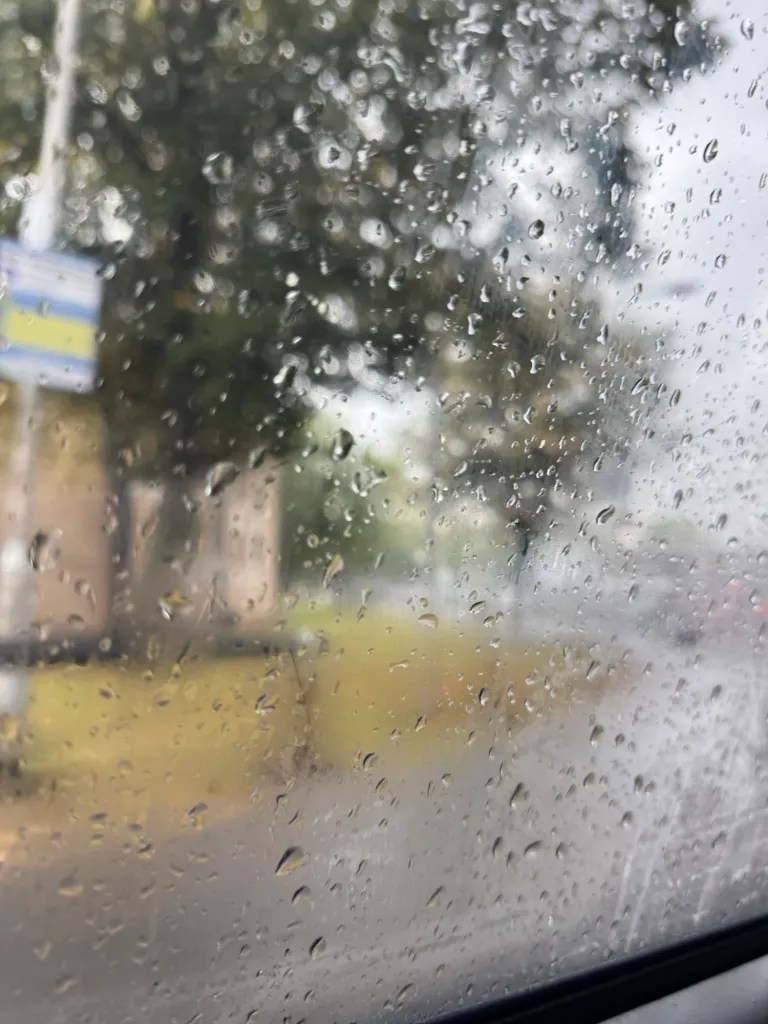
The British relationship with sunshine fascinated me. One properly bright afternoon and chairs appeared outside cafés, parks filled, sunglasses emerged from drawers and everyone began speaking about “making the most of it” with the urgency of people who knew the weather might revoke the privilege without notice. I soon understood why. You could leave home under blue skies and return beneath clouds carrying personal grievances. The weather app became less of a forecast and more of a polite suggestion, and I learned to carry a jacket while staring directly at sunshine.
It felt ridiculous until it saved me several times.
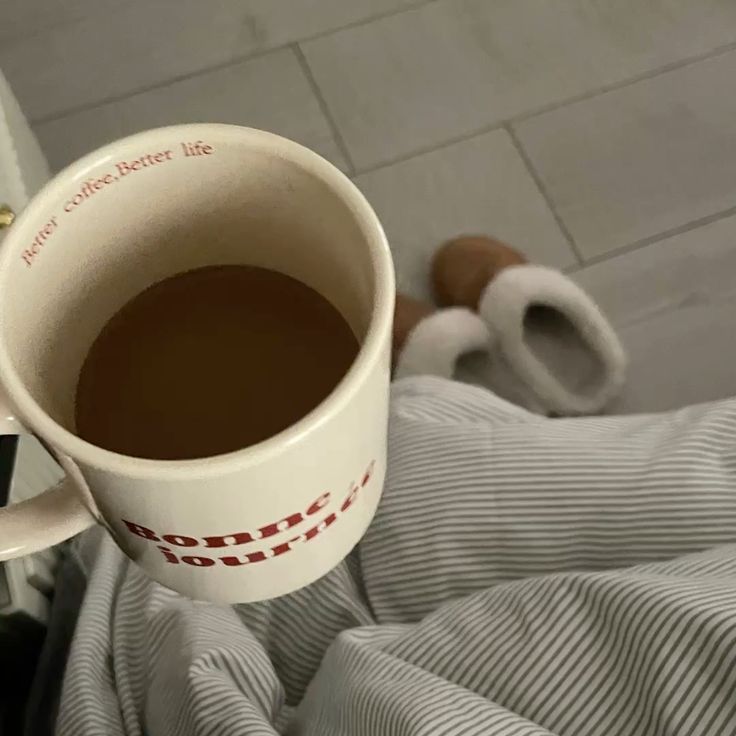
Living alone made the season feel even stranger because there was nobody else in the flat to interrupt the evenings. The daylight stretched on and on, making six o’clock look suspiciously like four. Sometimes I would make coffee, sit near the window and watch Albion Street gradually change colour beneath the sky. On certain evenings, the light was so beautiful that the ordinary buildings outside seemed to have briefly been promoted into scenery.
Nothing happened during those evenings, and perhaps that was part of why I remember them. There was no life-changing phone call, no sudden revelation accompanied by orchestral music. The sky simply changed colour while I watched from a flat where I was still learning how to live alone in another country. I think I needed moments like that more than I understood at the time.
The first year abroad contains plenty of obvious firsts. There is the first job, the first winter, the first Christmas away, the first birthday, the first time you understand a joke without mentally translating it, and the first time someone asks you for directions and you realise with mild shock that you actually know where you are. Those milestones are easy to recognise because they announce themselves clearly. What I did not expect were the smaller signs that a place was beginning to settle around me.
I recognised the sounds outside my window. I knew how long it took to walk home. I stopped checking the bus number three times before getting on. I started recognising the particular light of English evenings. Most unexpectedly, I began taking photographs of things here simply because I wanted to remember them.
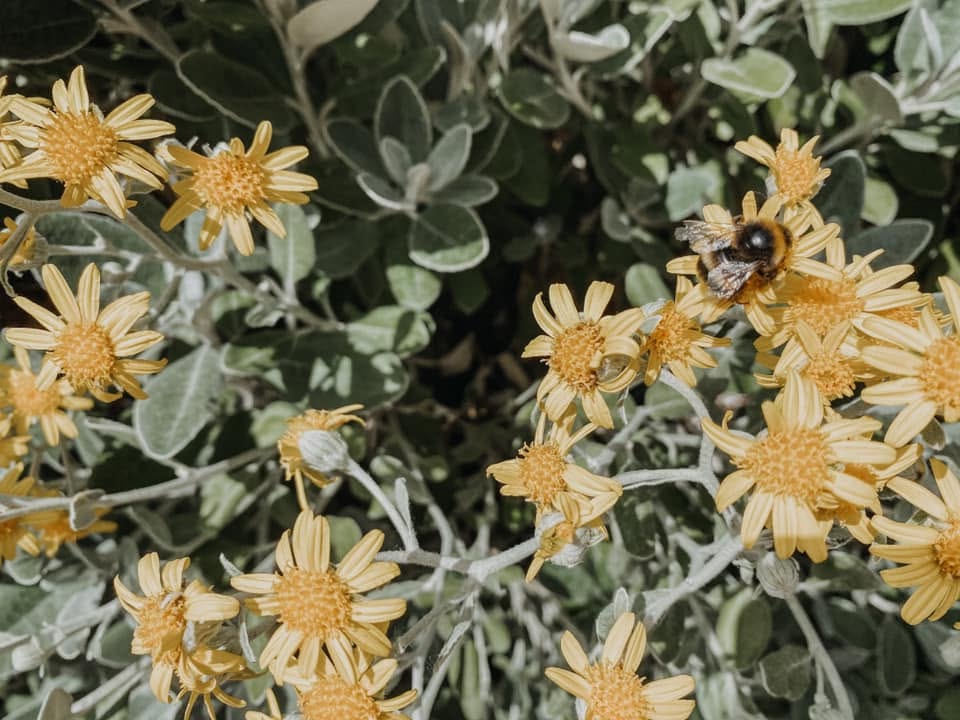
That afternoon, I had photographed the flowers because they were beautiful. By evening, looking out at the golden sky from Albion Street, I realised that I had spent much of the day paying attention to very small things. After months of adaptation, work, new routines, unfamiliar systems and the exhausting business of being new at almost everything, it felt reassuring to discover that noticing beauty required no immigration process.
A flower was still a flower. A bee still looked absurdly serious while working. A sunset still knew how to stop me in the middle of whatever I thought was urgent. Perhaps that was one of the first pieces of myself migration had not needed to translate. I was still the person who looked up.
That mattered more than I would have expected.
There is a temptation when life changes dramatically to assume you need to become an entirely different person in order to survive it. Stronger. More practical. Less sentimental. More independent. More efficient. Some of that happens naturally because living abroad forces competence upon you whether you requested it or not. You learn to solve problems, navigate unfamiliar systems and carry homesickness while still turning up for work.
But migration also reveals which parts of you travelled intact. Mine apparently included taking unnecessary photographs of flowers beside pavements and stopping to admire a sky while dinner could wait. I found something comforting in that. England was changing me, but it was not replacing me.
By the time the gold outside my window began to fade, Albion Street had returned to its usual colours. Brick became brick again. The dramatic clouds softened into evening grey. Streetlights came on below, and the sky that had looked almost tropical for a few minutes began behaving unmistakably English. I smiled because it seemed to summarise the whole season rather well.
My first British summer was not what the word summer had taught me to expect. It was cooler, stranger, longer in daylight and much less interested in consistency. It required layers, optimism and the acceptance that blue sky and cold wind could apparently coexist without legal intervention. Yet somewhere between the flowers beside the pavement and those golden evenings at my window, I was beginning to like it.
Not because it reminded me of home, but because it had stopped needing to.
Maybe belonging begins that way. It does not always arrive with a grand declaration that somewhere new has finally become home. Sometimes it collects quietly around you until you realise there are already things here you would miss: a certain street, the view from a familiar window, long June evenings, flowers beside the pavement, the strange excitement people feel when the forecast promises nineteen degrees, and a sky that looks warm even when the air is still arguing otherwise.
That evening, I stood at the same Albion Street window until the last gold slipped behind the buildings. England could keep calling this summer if it wanted to. I was still carrying a jacket, obviously, because I had learned something during my first year here, but I was no longer arguing with the terminology.
Summer, allegedly.
And somehow, from that little flat, it was starting to feel like mine too.
Still carrying a jacket under a summer sky,
Anj 🌤️

















Leave a comment