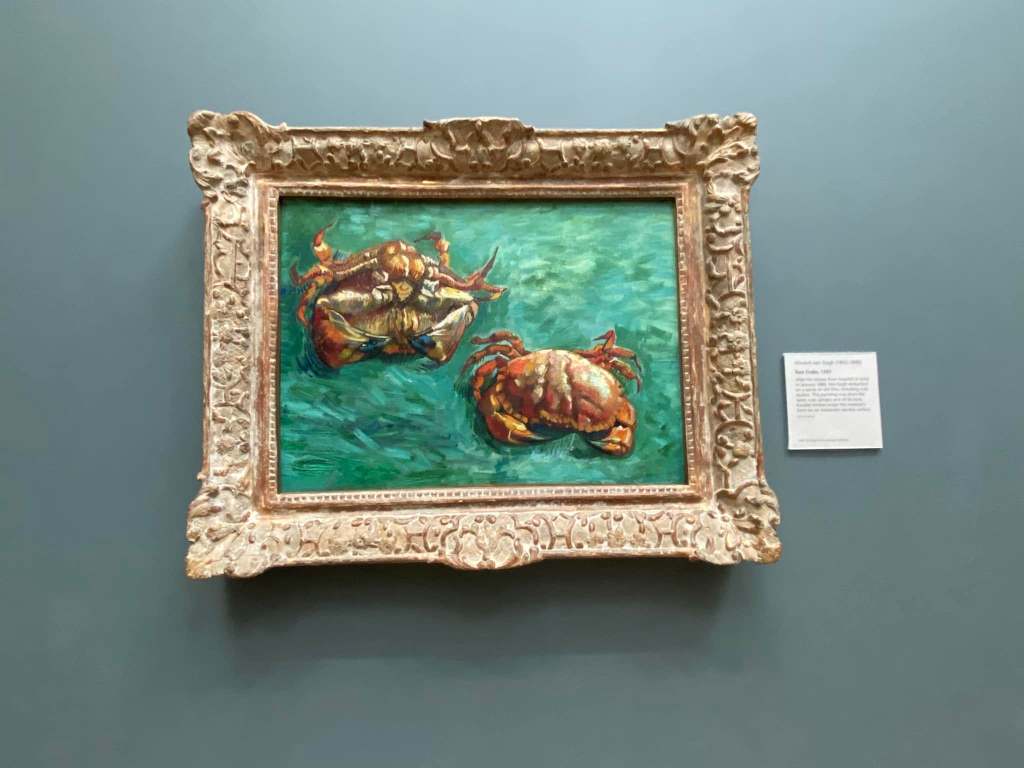
Three days after my birthday, I was still finding traces of it everywhere. There were photographs in my phone, birthday greetings I had not yet replied to properly, screenshots of messages I wanted to keep, and probably one or two pieces of evidence that I had eaten more than I intended to admit. Birthdays have a way of leaving behind a small administrative department. There are people to thank, photographs to sort, messages to answer and that mildly alarming moment when you realise another year has been added to your age without asking whether you had finished using the previous one.
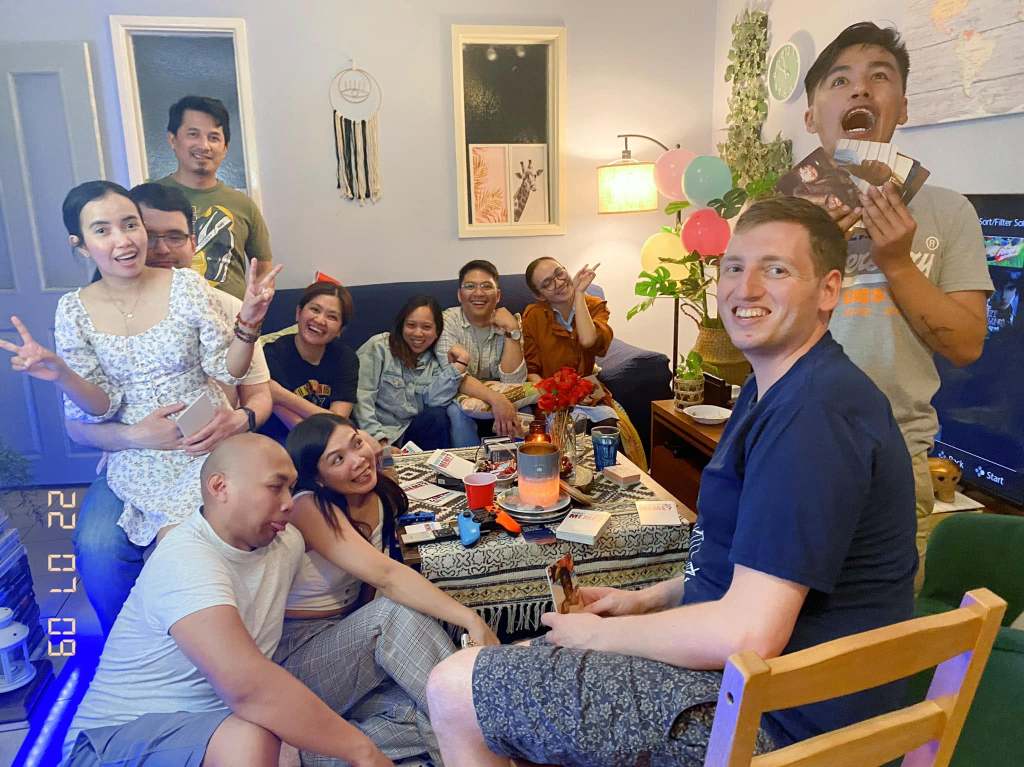
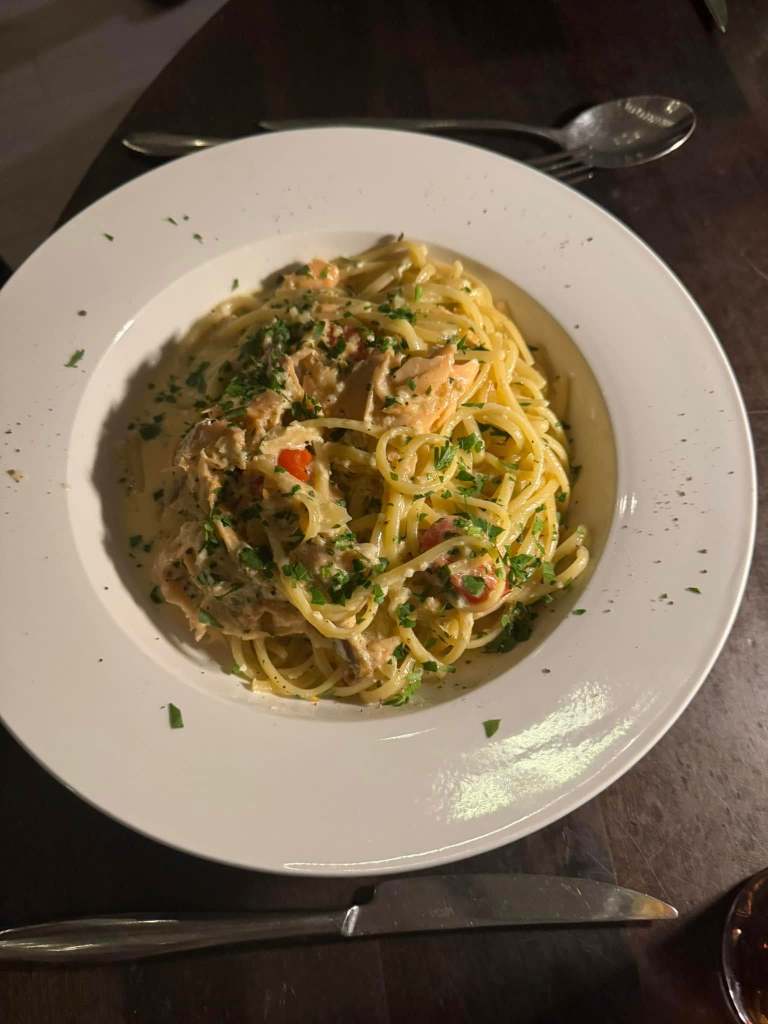
I looked through the photographs again and noticed how convincing they were. I was smiling. The food looked good. The lighting had behaved itself. Everyone who appeared in the pictures looked happy enough to qualify for publication. If someone had seen only those photographs, they would have been perfectly justified in concluding that the birthday had been lovely. And it was lovely. That was the interesting part. Nothing in the photographs was false, yet the photographs could never contain everything that existed around them.
A photograph can show a smile without explaining what a person was thinking five minutes before it was taken. A birthday post can express gratitude without including every complicated feeling that accompanied the day. A cheerful caption can be entirely sincere while leaving out tiredness, nostalgia, worry, longing or the strange awareness that growing older means noticing who is present, who is far away and who can no longer sit at the table. None of that makes the happiness fake. It simply means happiness was not the only thing in the room.
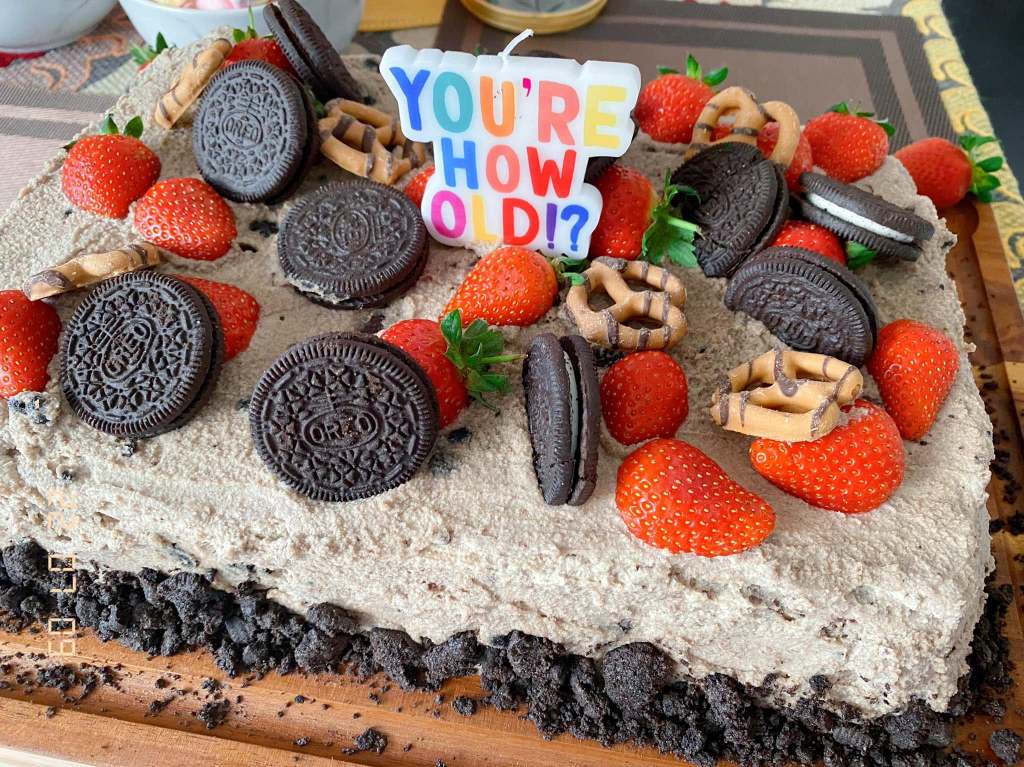
That thought stayed with me because we usually imagine dishonesty as something spoken. Somebody asks a question and we deliberately give the wrong answer. We invent an excuse, deny something we did or announce that we are “almost there” while still standing in front of the wardrobe deciding what to wear. These are recognisable lies because there is a false statement we can point towards.
But some of the most convincing versions of ourselves are created without saying anything untrue.
We select.
We omit.
We allow one part of the story to stand in for the whole thing.
Birthdays are surprisingly good examples. Someone asks, “Did you have a good birthday?” and you reply, “Yes, it was lovely.” Perhaps that is completely true. You enjoyed the greetings, appreciated the people who remembered and laughed at something ridiculous during dinner. But perhaps the day also made you think about time differently. Perhaps you caught yourself wondering how quickly years were moving. Perhaps one familiar absence felt slightly sharper because celebrations have a habit of highlighting empty spaces. Perhaps there were things you carried privately because explaining them would have turned a simple question into a much longer conversation. Saying the day was lovely would not necessarily be a lie. It would simply be one truth among several.
I think that is where honesty becomes more complicated than the childhood version we were taught. We grow up hearing that honesty means telling the truth, but adulthood introduces a more difficult question: which truth? Most experiences contain several at once. I can be grateful for another birthday and uneasy about getting older. I can enjoy being celebrated while missing somebody. I can appreciate the life I have built while wondering about the life I thought I would have by this age. None of those feelings cancels the others.
Human beings are not particularly good at allowing contradictory feelings to share a chair.
We prefer clean stories because they are easier to tell. The birthday was wonderful or terrible. The relationship was good or bad. The decision was right or wrong. Someone treated us kindly or they treated us unfairly. We rarely enjoy sentences that require several commas and an inconvenient “however” in the middle.
So we edit.
Social media has made this especially visible. A birthday becomes a photograph of cake, flowers, dinner, gifts and smiling faces. All of those things genuinely happened. Nobody necessarily fabricated anything. Yet the collection still creates an impression because editing does not need to invent facts in order to change a story. It merely decides which facts receive the light.
Writers know this very well. Remove one paragraph from an essay and the conclusion can feel different. Begin a story ten minutes later and a character may suddenly appear unreasonable. Leave out one conversation and an action loses its explanation. The events themselves have not changed. The reader simply receives a different arrangement of them.
We do something similar with our own lives.
We rarely post the photograph taken immediately after an argument. We do not usually announce that we spent twenty minutes feeling insecure before choosing the picture in which we look happiest. We share the meal rather than the awkward conversation that happened beside it. We write “grateful for another year” and may genuinely mean every word, while keeping the more complicated questions safely outside the caption.
That does not automatically make social media dishonest. Nobody is obligated to provide the internet with an audited set of emotional accounts every time they upload a birthday photograph. Privacy is not deception. Some thoughts belong to us. Some experiences require time before we understand them well enough to explain them. Some things simply do not belong online.
The problem begins when we forget that everybody else is editing too.
We look at someone else’s photographs and mistake what they selected for everything they experienced. Their marriage looks effortless. Their career appears certain. Their birthday seems perfect. Their family looks permanently cheerful. Their holiday contains excellent weather from arrival to departure. Meanwhile, we compare that polished sequence with our own life, including the parts nobody else can see.
It is an unfair comparison because we are measuring somebody else’s published edition against our own unedited manuscript.
I suspect birthdays make this particularly tempting because they are supposed to be happy. There is a script attached to them. You celebrate. You feel grateful. You make a wish. You smile beside the cake. You respond to people who insist on asking whether you “feel older,” as though ageing normally announces itself through a sudden pain in the left knee at midnight.
But birthdays can also make us unexpectedly reflective. Another year creates a natural dividing line. We look backwards almost without intending to. Where was I last year? What changed? What did I lose? What did I gain? Who stayed? What did I believe would have happened by now?
The questions can arrive even during a perfectly happy celebration. That does not make the celebration false. It makes the person celebrating human.
I think this distinction matters because we sometimes accuse ourselves of pretending whenever our outward behaviour does not display every private emotion. If I smile while carrying sadness, is the smile dishonest? If I laugh while something else is worrying me, does that mean the laughter was fake? I do not think so. A difficult emotion does not own every minute of the day simply because it exists.
People can contain several realities at once. I can miss Papa and still laugh at my birthday dinner. I can feel grateful to have reached another year while wishing he had been here to see it. I can celebrate the people who remain without pretending I do not notice the person who is absent. The smile in the photograph can be real. So can everything the photograph cannot show.
Perhaps the more dangerous kind of selective truth appears when omission is used not to protect privacy but to manipulate somebody else’s understanding. There is a difference between keeping part of our emotional life private and deliberately allowing another person to believe something inaccurate because the misunderstanding benefits us.
We recognise this easily when other people do it.
Someone describes an argument and quotes the harshest thing the other person said while quietly omitting what they said immediately beforehand. Someone explains a failed plan by listing everything beyond their control while leaving out the decision that contributed most to the outcome. Someone tells us a story in which they display extraordinary patience and everybody else seems mysteriously unreasonable.
Every sentence may be true.
The overall story can still be misleading.
I have become less confident whenever I hear only one side of a disagreement because people are natural editors, especially when our own reputation is involved. I include myself in that. When telling a story in which I was hurt, I naturally remember what the other person did. When describing something I did badly, I am much more likely to remember context.
My mistakes arrive with footnotes.
Other people’s sometimes arrive with headlines.
That is probably one reason self-honesty is so difficult. We do not always deliberately lie to ourselves. Sometimes we simply choose the interpretation that allows us to remain comfortable with who we believe we are. We say we no longer care about something while continuing to think about it. We insist we are happy for another person while quietly comparing their progress with our own. We say we are only tired when perhaps we are also disappointed.
Birthdays can expose some of those private negotiations because age has a way of asking questions nobody invited. Another year can remind us of expectations we once had for ourselves. Perhaps we imagined we would have achieved something by now. Perhaps we thought we would feel more certain. Perhaps we assumed adulthood would eventually reach the stage where everybody knows what they are doing.
I am increasingly suspicious that such a stage does not exist. People simply acquire better calendars.
The older I become, the less useful I find the idea that maturity means having a perfectly organised answer for everything. Sometimes maturity may simply mean becoming more accurate about what we feel. I can admit that I am grateful without requiring gratitude to erase disappointment. I can acknowledge envy without allowing it to become resentment. I can miss someone without allowing grief to remove every happy thing from the day.
There is honesty in allowing feelings to remain complicated.
There is also kindness in allowing that complexity in other people. Someone who celebrates a birthday may still be having a difficult year. Someone who posts beautiful photographs may be carrying something privately. Someone who says they are doing well may genuinely be doing better while still having parts of life they do not want to discuss.
We do not need to treat every smile as evidence that everything is perfect. Nor should we treat every silence as evidence that someone is hiding something sinister. Sometimes a silence is simply a boundary.
That distinction becomes important because not every truth belongs in every conversation. We are entitled to privacy. We can decline to discuss money, relationships, personal worries or family matters with people who have no legitimate need to know. We can choose not to explain why a birthday felt unexpectedly emotional. We can post the cake without publishing the internal monologue that accompanied the candles.
Honesty does not require complete exposure.
But integrity may require us to notice when privacy becomes a convenient disguise for avoiding responsibility. If another person needs accurate information to make a decision that directly involves them, selective truth becomes harder to defend. If our silence allows someone else to carry blame we know is partly ours, the fact that we never technically lied offers very little comfort.
Sometimes what we leave unsaid carries more weight than anything we actually say.
That is why I think honesty should be measured not only by the factual accuracy of our sentences but by the impression we knowingly create. Am I protecting something genuinely private, or am I protecting my reputation? Am I staying silent because speaking would violate somebody’s trust, or because the complete story would make me look less admirable? Would I consider my omission fair if our positions were reversed?
Those questions are inconvenient. They are also useful.
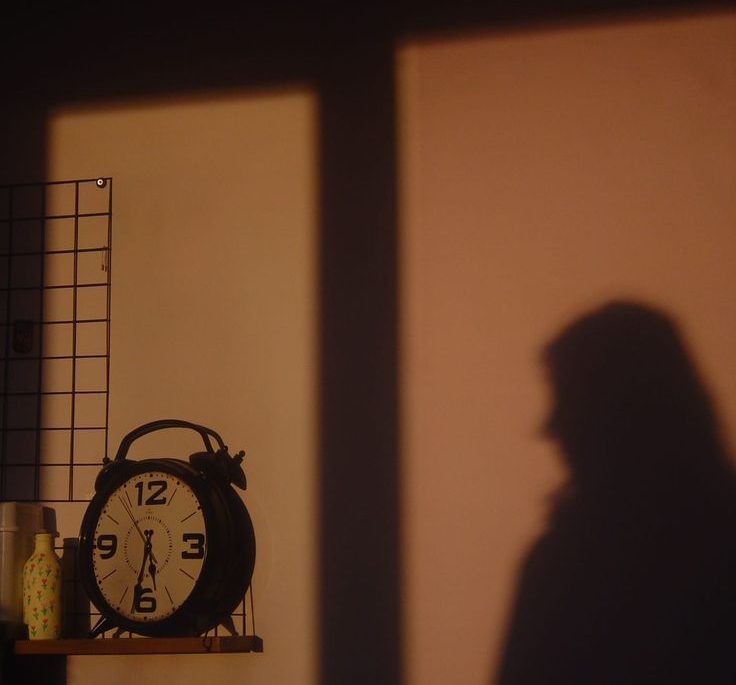
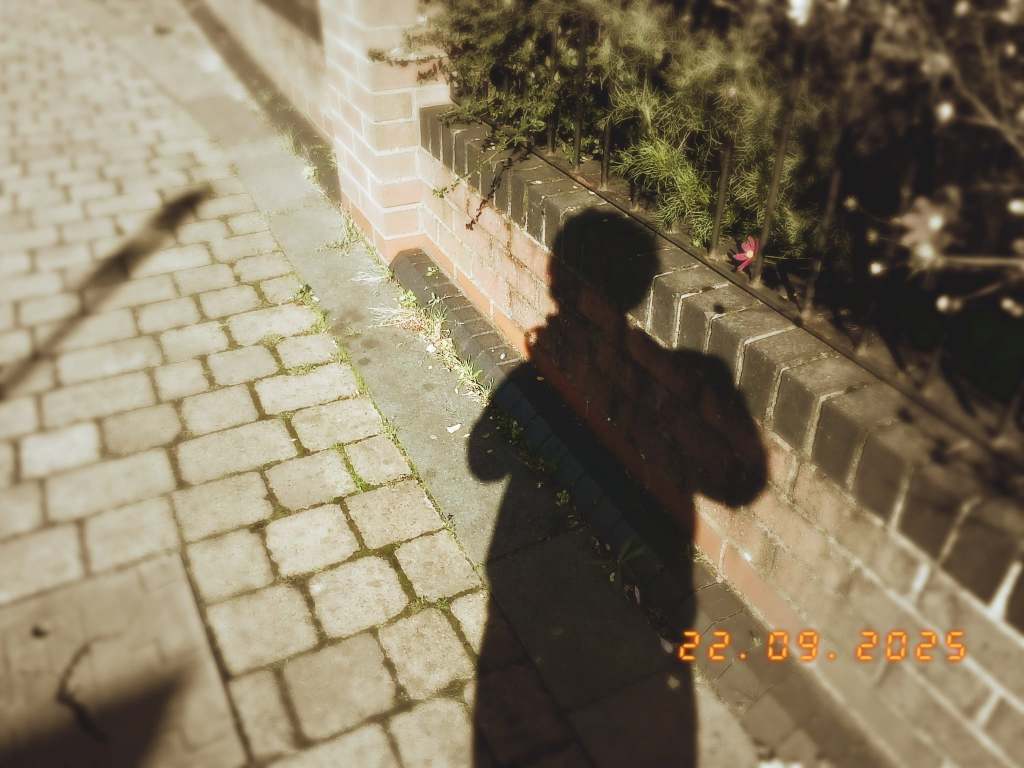
By the time I finished scrolling through my birthday photographs, I had stopped looking at them as evidence of whether the day had been happy enough. They were simply pieces of it. They captured genuine moments: smiles, food, people, whatever happened to be inside the frame. They did not need to explain everything outside it.
Perhaps photographs should be allowed that limitation. Perhaps people should too. We are always seeing only portions of one another. The danger is not that we cannot tell every part of every story. The danger begins when we forget there are parts outside the frame.
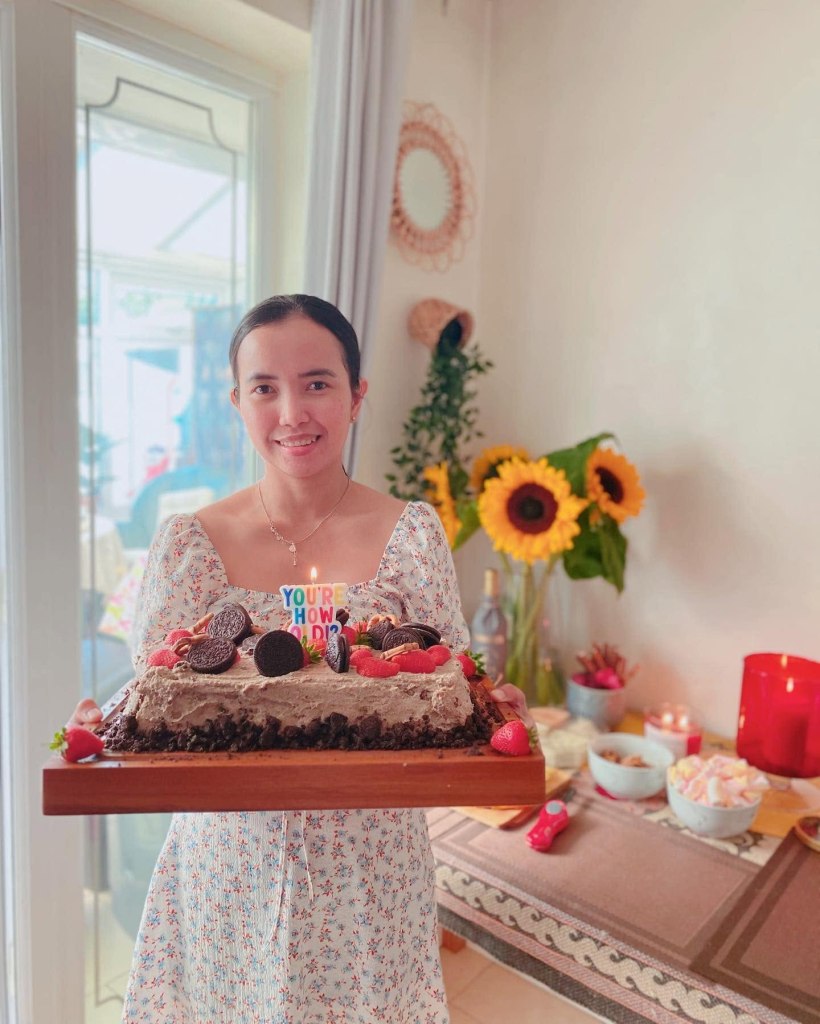
Three days after my birthday, the photographs were still there on my phone, bright and tidy, preserving several seconds at a time. None of them lied. None of them told the whole truth either.
And perhaps that is exactly what a photograph is supposed to do. It says: this happened. It does not say: this was everything. I think I can live with that distinction. I can be grateful for what made it into the frame while respecting what remained outside it. I can celebrate another year without demanding that the year become simple enough for a caption.
After all, candles only illuminate what is close enough to the cake.
The rest of the room is still there.
Still seeing beyond the frame,
Anj












Leave a comment