Oxford had already existed in my imagination long before I properly walked through it. Whenever I saw the city in films or television series, it always seemed to belong to another kind of world—the sort filled with old libraries, impossibly intelligent people carrying books beneath their arms, ancient stone buildings, secret-looking corridors and students who somehow appeared as though they had just emerged from a very serious discussion about philosophy, literature or something I would probably need to Google later. There was always something distinctly Oxford about it: scholarly, mysterious, elegant and just a little magical. Maybe it was the architecture, maybe it was the centuries of learning embedded in the place, or maybe I had simply consumed too many stories involving old universities and candlelit halls, but in my head Oxford had always carried that unmistakable bookish, almost Harry-Potter-like atmosphere.
So when my partner and I finally spent a day there, I arrived with all those images quietly following me. I kept looking at the buildings and thinking, Yes, this is exactly how Oxford is supposed to feel. There were towers rising above narrow streets, weathered stone walls that looked as though they had collected hundreds of years of conversations, bicycles leaning against old buildings and people walking past with backpacks and books as though being intellectually intimidating was simply part of the local dress code. I half expected to turn a corner and find someone in an academic gown rushing towards a lecture while discussing something far beyond my level of comprehension.
What fascinated me most was that Oxford did not feel like a city pretending to be historical for visitors. The past seemed completely comfortable living alongside the present. Students hurried past buildings older than entire countries. Modern cafés occupied streets where generations had walked before them. Libraries and colleges stood quietly among shops, buses and everyday life, and somehow none of it felt strange. That contrast gave Oxford its particular character. It was academic without feeling sterile, ancient without feeling frozen, and atmospheric enough to make even an ordinary walk feel like the beginning of a story.
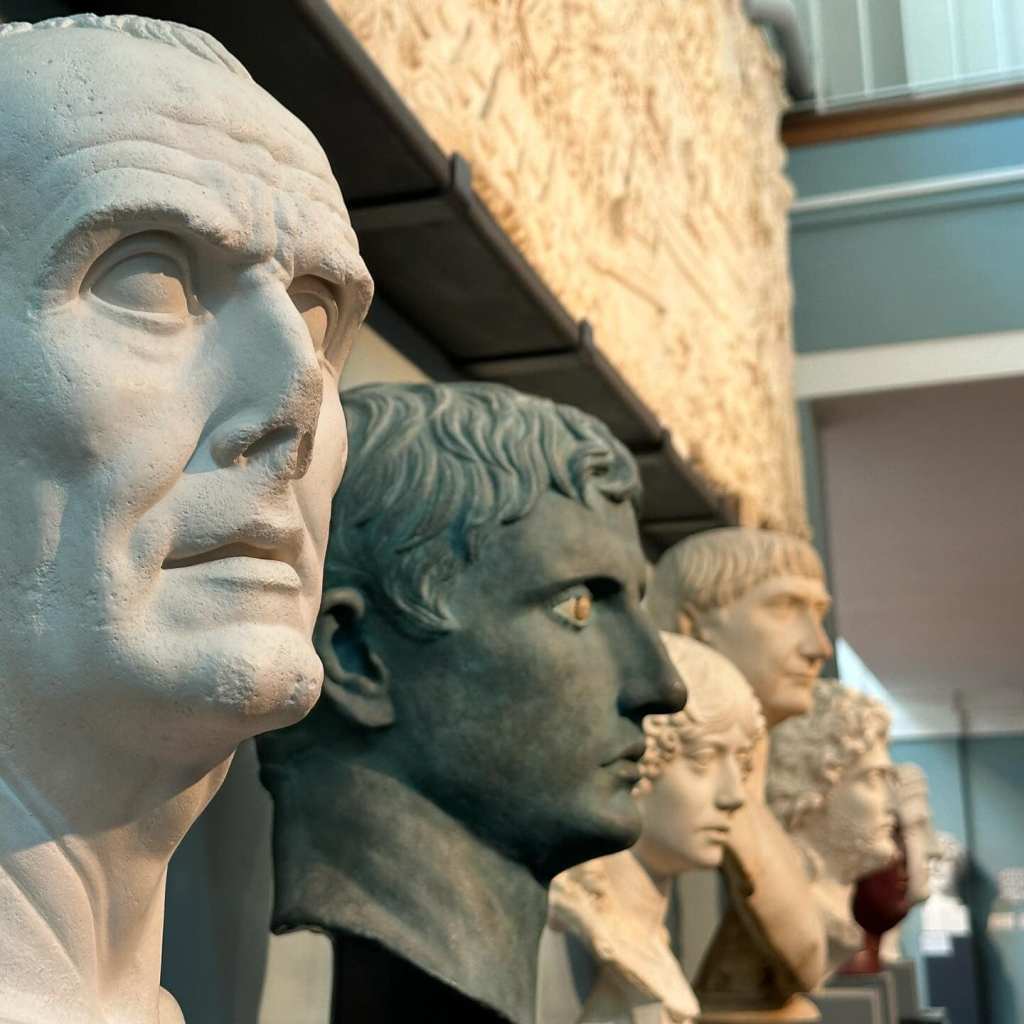
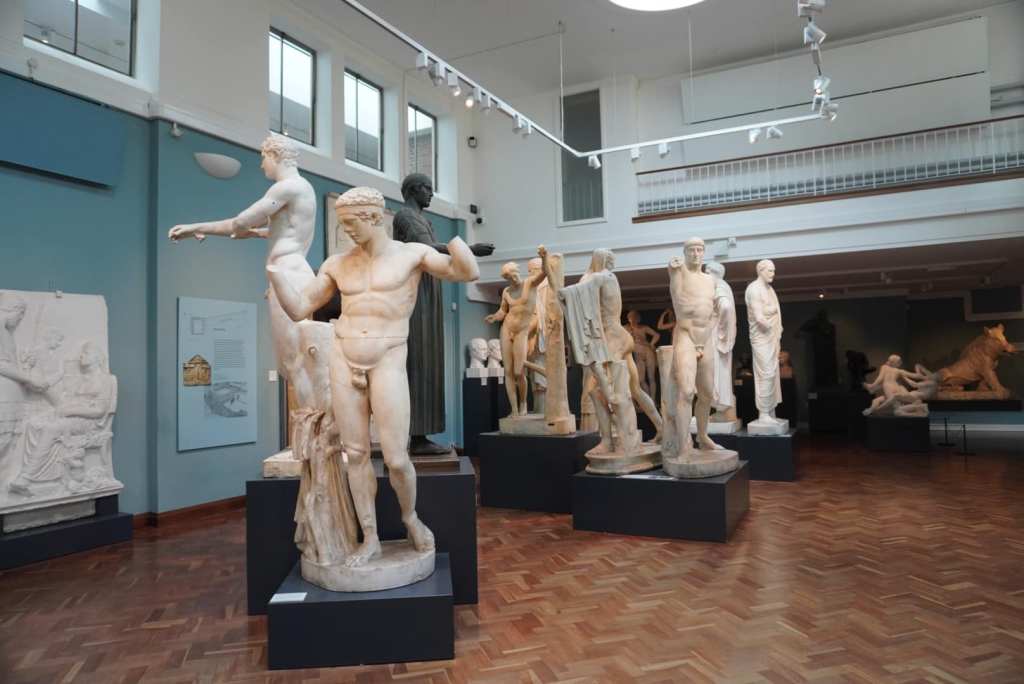
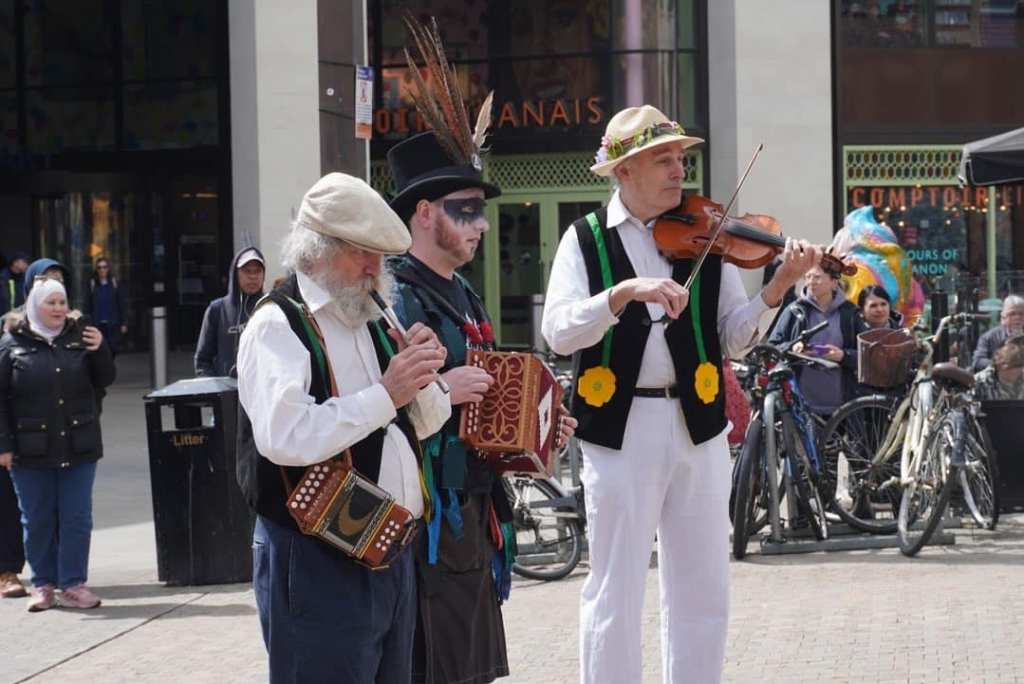
We began our day at the museum, and stepping inside felt like moving from one layer of Oxford into another. Outside, the city already carried history in its architecture, but inside, that history became more deliberate. Objects, photographs, fragments of lives and carefully preserved pieces of the past filled the rooms, each one offering another glimpse into the city beyond the university image most people immediately associate with Oxford. The museum reminded me that Oxford has always been more than beautiful colleges and famous names. It is also a city shaped by ordinary people, work, struggle, social change, faith, discovery and generations of lives that unfolded while the buildings around them remained.
I have always liked museums for that reason. They have a way of disturbing our sense of time. You can stand in front of something created centuries ago and suddenly become aware that the person who made it once existed in a present just as immediate to them as mine is to me now. They woke up, worried about things, loved people, made mistakes, planned futures and probably complained about the weather without imagining that one day something they touched might be displayed behind glass. History becomes far more intimate when you remember that it was once simply somebody else’s ordinary life.
As we moved from one exhibit to another, I kept thinking about how appropriate it felt to begin our Oxford day there. The city is so closely associated with knowledge that even wandering around a museum seemed to fit its personality. Oxford feels like a place built around questions. People have come here for centuries to study, investigate, argue, write, discover and change their minds, and perhaps some residue of all that curiosity remains in the atmosphere. Even as a visitor, it is difficult not to feel slightly more interested in everything around you.

There is something strangely inspiring about being surrounded by evidence of people who dedicated years of their lives to understanding something. It reminded me that intelligence is rarely as effortless as it appears from the outside. When I imagine Oxford, I picture brilliant students walking through old courtyards looking very composed, but behind every academic achievement must have been hundreds of hours spent reading, revising, questioning and occasionally staring at a page while wondering whether any of it still made sense. Perhaps even in a city famous for extraordinary minds, learning remains wonderfully human.
By the time we left the museum, our own minds may have been sufficiently nourished, but our stomachs were beginning to lodge formal complaints. After spending the morning contemplating centuries of history, we decided that the most intellectually responsible thing to do next was find cake.
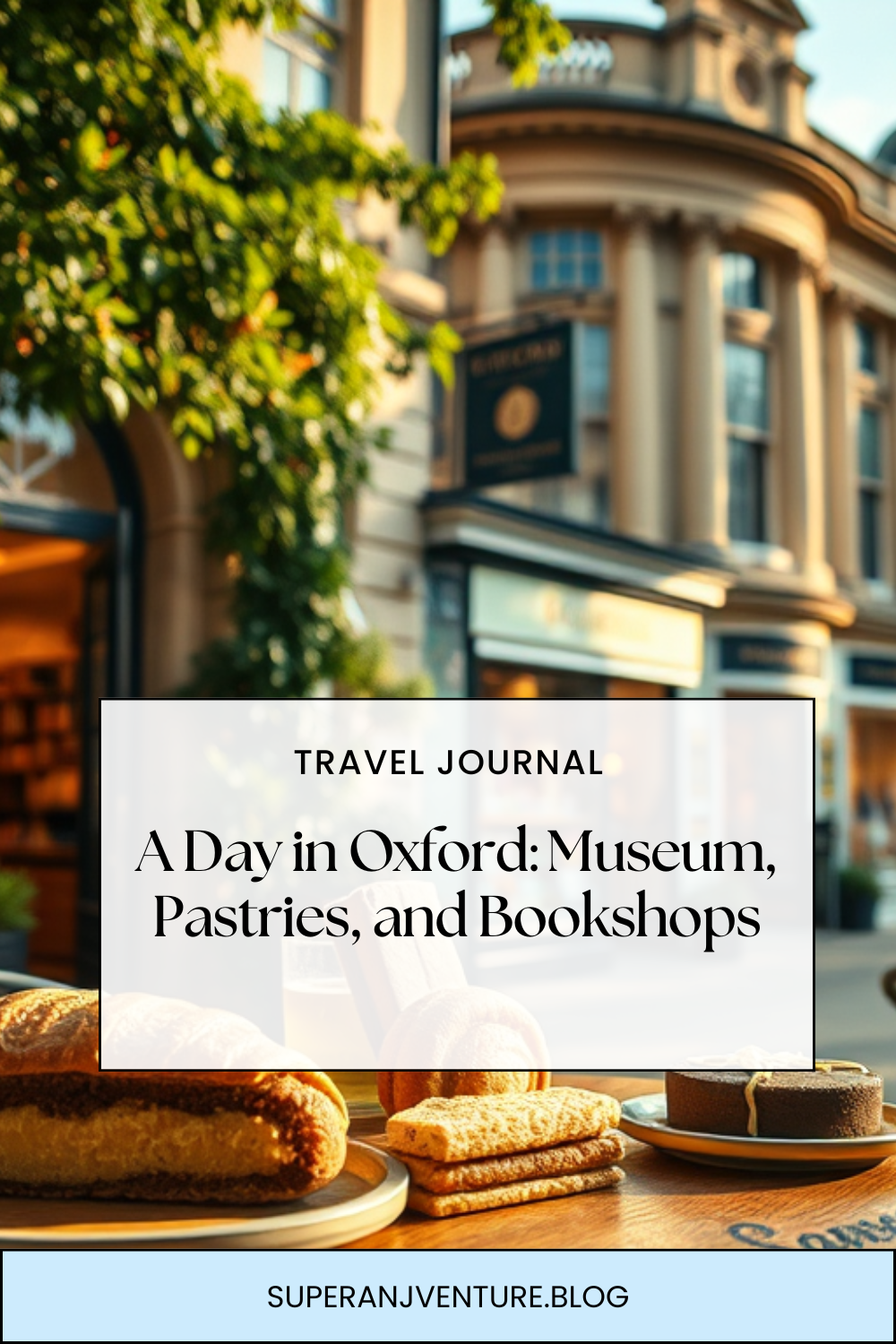
We eventually discovered a little café tucked away from the busier streets, and the moment we stepped inside, the smell of coffee, butter and sugar made our decision for us. There are certain aromas that require no further persuasion. We ordered a flaky croissant and a slice of chocolate cake, and for a while Oxford’s enormous intellectual legacy became considerably less important than what was sitting on the table in front of us.


I liked that little pause more than I expected. Perhaps it was because cafés and university towns seem naturally suited to one another. I imagined how many students must have sat in places like this with books open beside half-finished cups of coffee, convincing themselves they were studying while secretly people-watching instead. Maybe writers had scribbled ideas at nearby tables. Maybe important decisions had been made over pastries. Maybe absolutely nothing significant had happened at all, which is equally possible and perhaps even more comforting.
Travel has made me increasingly appreciative of moments like that. I used to think visiting somewhere meant seeing as much as possible before leaving, as though a successful day could be measured by the number of attractions crossed from a list. Now I find that some of the parts I remember most clearly are the pauses between them. Sitting somewhere warm. Sharing food. Watching a city pass outside a window. Allowing myself enough time to absorb where I actually am before rushing towards whatever comes next.
Oxford seemed particularly suited to that kind of wandering. It did not feel like somewhere I wanted to conquer through an itinerary. I wanted to look through archways simply because they looked interesting, stop when a building caught my attention and follow streets without knowing exactly what was waiting at the end. Maybe that is the influence of seeing Oxford portrayed in so many stories. It makes you feel as though every doorway might conceal another chapter.
Eventually, our wandering led us exactly where I had secretly hoped it would: towards books.


Bookshops already have a particular effect on me, but entering one in Oxford felt almost ceremonial. Perhaps it was entirely psychological, but the books seemed somehow more appropriate there, as if they had found their natural habitat. Shelves rose around us crowded with titles, stories and ideas, while people moved quietly between them with that unmistakable expression of someone who entered intending only to browse and had already accepted that they would probably leave carrying something.
There is a different sort of silence inside a bookshop. It is not complete quiet because pages turn, footsteps move across floors and conversations happen in low voices, but there is still something almost reverential about the atmosphere. Everyone seems occupied with a private form of discovery. Somebody is searching for a particular title. Someone else is reading the first page of a novel. Another person is deciding whether they truly need a fourth book when they came in promising themselves they would buy none. I understand all of these people.
We wandered without looking for anything in particular, which is usually how I prefer to explore a bookshop. I ran my fingers along spines, read titles, pulled out books whose covers interested me and returned others to their shelves. There is something wonderfully unpredictable about browsing this way because you never know what will catch your attention. You can enter knowing nothing about a book and leave wondering how you had somehow managed to live without knowing it existed.
Perhaps that is why books have always felt a little magical to me. They are ordinary physical objects made of paper and ink, yet somehow entire worlds fit inside them. A shelf can contain centuries, countries, lives that never existed, people who did exist, ideas capable of changing someone’s mind and sentences that may remain with a reader long after the book itself has been returned to the shelf. Being surrounded by them in Oxford only intensified the feeling.
The city made me think about all the writers, thinkers and students who must have experienced that same relationship with books before me. Oxford’s intellectual reputation can feel intimidating from the outside, as though everybody who has ever studied there must possess an enormous vocabulary and an alarming ability to understand complicated theories before breakfast. Yet standing among those shelves, I thought about the simpler beginning behind every scholar and writer: curiosity. Before expertise comes the willingness to wonder.
Maybe that is one reason Oxford appealed to me so much. I am drawn to places that make imagination feel respectable. Here, reading does not seem like an escape from the real world; it feels like one of the ways people attempt to understand it. Questions are not inconveniences. Ideas matter. Books are not merely decoration for shelves but conversations continuing across years and generations.
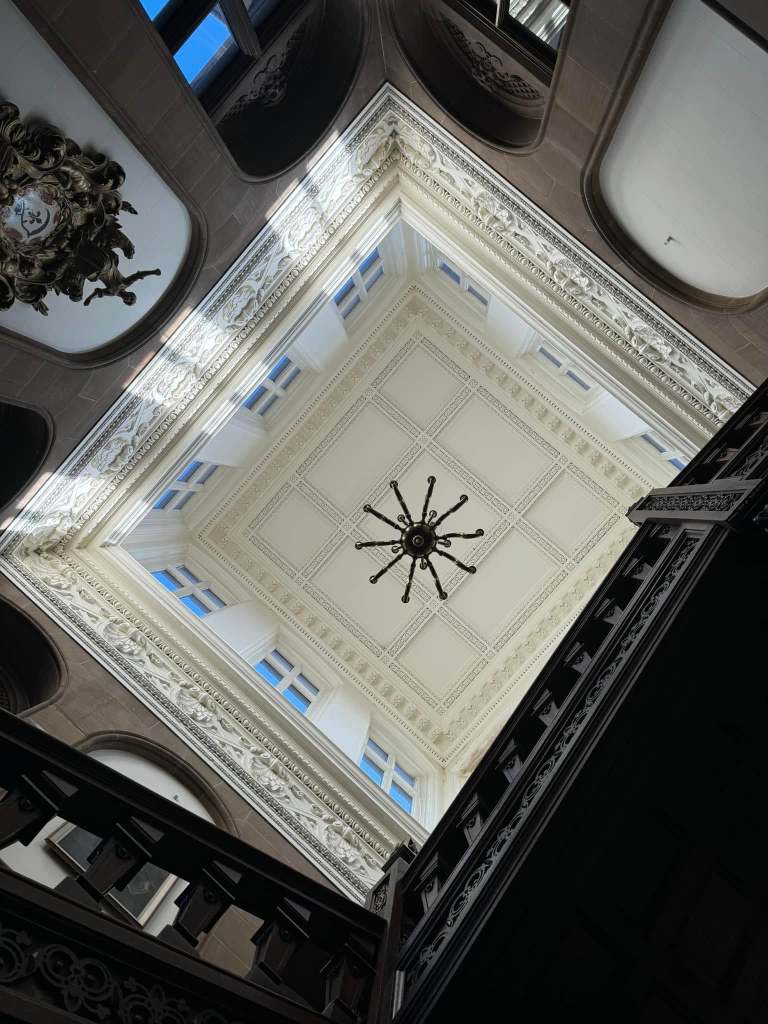
Walking through the city afterwards, I noticed the buildings differently. Old stone walls suddenly seemed less like architecture and more like witnesses. How many people had walked beneath those arches with books pressed against their chests? How many students had hurried along the same streets worried about examinations that eventually became insignificant? How many writers had looked through these windows, wondering whether whatever they were working on would amount to anything?
I think that is what historical places do to me. They make me aware of the temporary nature of whatever feels enormous in the present. People before us worried intensely about things that history has already absorbed. Their lives mattered deeply to them even though we now know only fragments of their stories. There is something humbling in that, but strangely reassuring too. Our concerns are real, but we are also part of a much longer human story.
Oxford carries that awareness particularly well because the centuries are so visible. The modern world has not replaced what came before; it has simply moved in beside it. Students check phones beneath old towers. Bicycles rest against walls that existed long before bicycles did. Tourists take photographs while somebody nearby is probably late for a seminar. The extraordinary and ordinary coexist without much ceremony.
And perhaps this was the Oxford I had always imagined from films and books, except reality was better in one important way. On screen, Oxford often appears almost too perfect, wrapped in mystery and academic grandeur. Being there revealed the ordinary life underneath it. People were buying lunch, rushing somewhere, drinking coffee and going about their day. The city was not a fictional set waiting for a story to happen. It was already full of thousands of small stories unfolding simultaneously.
I loved that.
It reminded me that magical places do not need magic to feel magical. Sometimes atmosphere comes from history, architecture, imagination and the knowledge that countless people have stood where you are standing while dreaming about something beyond themselves. Perhaps that is why Oxford can evoke the feeling of stepping into a film even while remaining completely real.
By late afternoon, I realised how little we had technically done compared with what Oxford offers. We had visited a museum, eaten pastries and cake, wandered through streets and spent time browsing books. Written as an itinerary, it sounds wonderfully modest. Yet I did not feel as though the day lacked anything.
If anything, it felt complete.
Maybe meaningful travel does not require seeing everything. Perhaps it requires noticing enough.
I noticed the old stone. I noticed the books. I noticed how easily my imagination wandered when I looked through ancient archways. I noticed how the city seemed simultaneously serious and whimsical, intellectual and romantic. I noticed the pleasure of being somewhere I had previously experienced only through stories and discovering that the feeling I associated with it was not entirely invented.
There really is something about Oxford.
Perhaps it is the accumulated weight of centuries spent thinking, questioning and writing. Perhaps it is simply the architecture playing tricks on a book lover’s imagination. Perhaps it is the influence of all those films and series that trained me to expect secret corridors and brilliant students behind every door. Whatever the explanation, Oxford gave me that rare feeling of being inside somewhere I had already visited many times in my imagination.
I think that is what I will remember most about our day there. Not a single landmark, museum exhibit, pastry or bookshop, but the feeling of walking through a place where stories seemed entirely plausible. Oxford made me want to read more, write more, learn more and perhaps become one of those mysterious people who walks around carrying several books and appears to understand philosophy. The last ambition may require considerably more work.
But perhaps that is part of the charm.
Travel does not always have to change us dramatically. Sometimes it simply awakens a particular part of us that everyday life has allowed to become quiet. Oxford awakened the part of me that still loves the smell of books, old buildings, imagined histories and the possibility that another world might exist just beyond an unfamiliar doorway.
When I think about that day now, I remember stone buildings glowing beneath the English light, rooms filled with pieces of history, the smell of espresso and pastries, chocolate cake disappearing much too quickly, shelves of books waiting to be opened and the pleasure of walking beside someone I love through a city that felt strangely familiar despite being new to me.
Maybe that is Oxford’s particular kind of magic. It makes knowledge feel atmospheric, history feel close and imagination feel entirely reasonable. You arrive as a visitor, but somewhere between the museums, cafés, old streets and bookshops, you begin constructing your own little version of Oxford to carry away with you.
Mine will always be made of books and stone, curious minds, ancient walls, warm cafés and just enough fictional magic to make me wonder what might be waiting around the next corner. And if I ever return, I hope I do exactly the same thing again: wander, look up, find another bookshop, buy something I probably do not need, and make room for cake somewhere in between.
With love,
Anj ♥






















Leave a Reply