LAMAW
I had forgotten that home could be served in a glass.
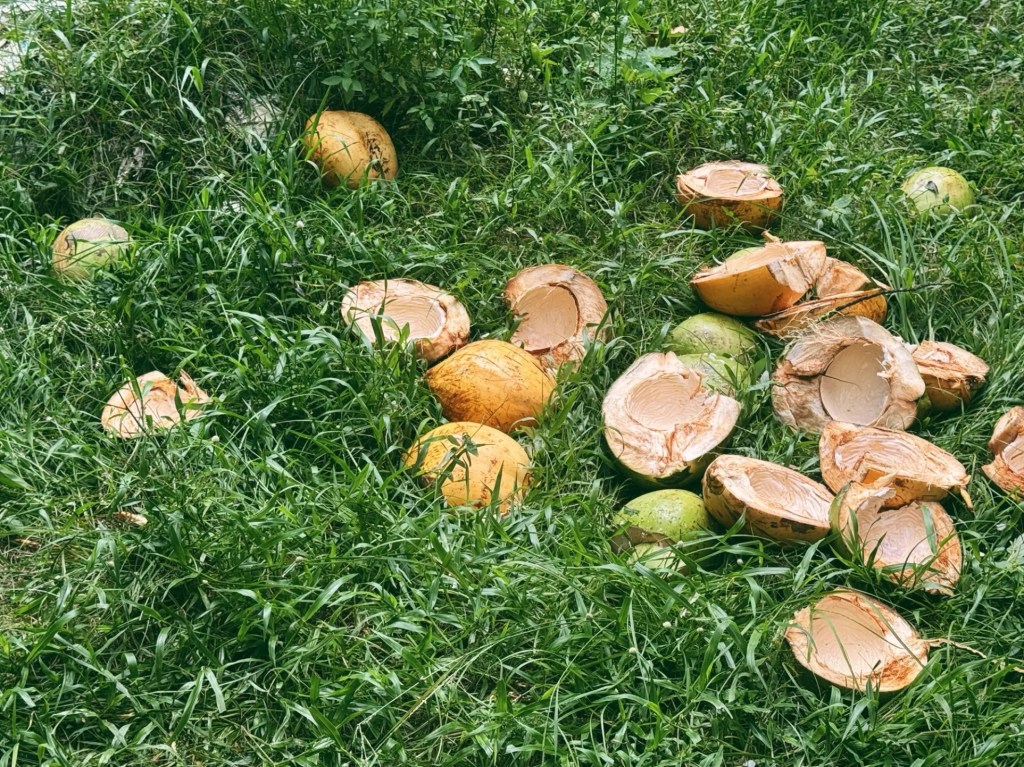
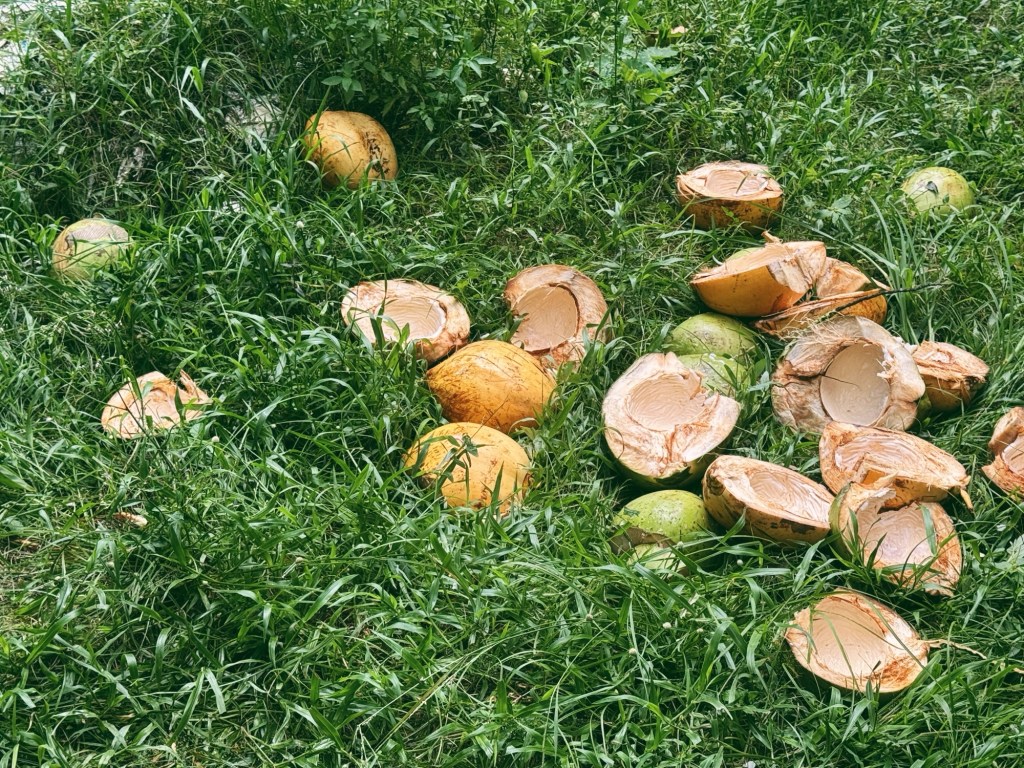
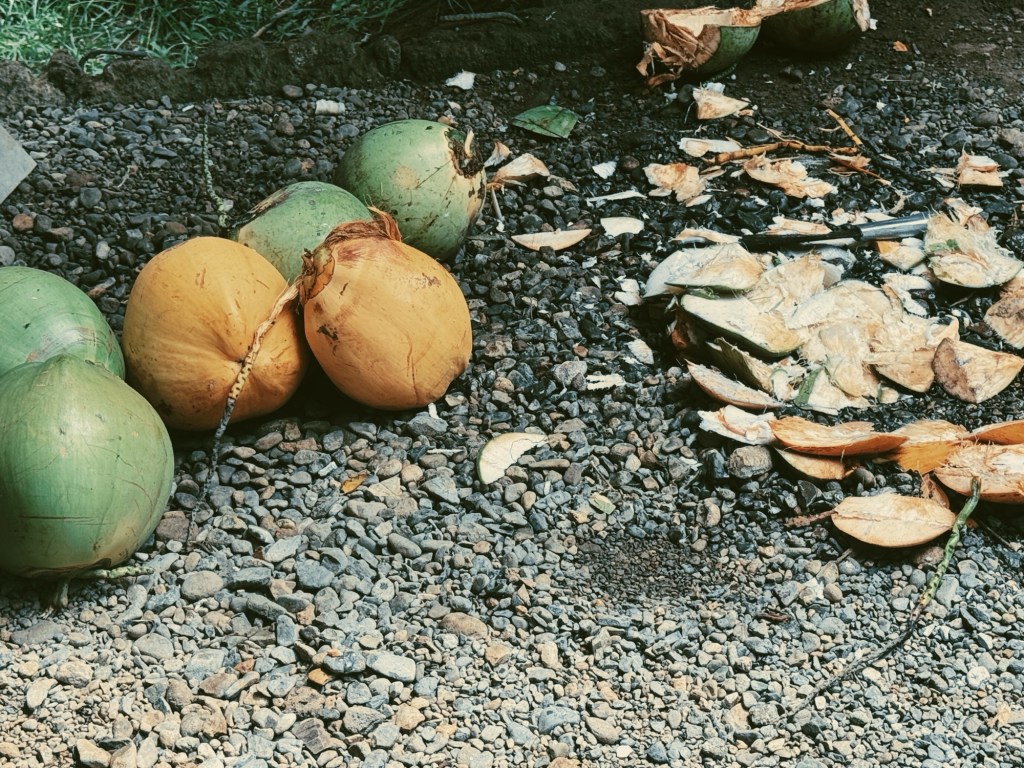
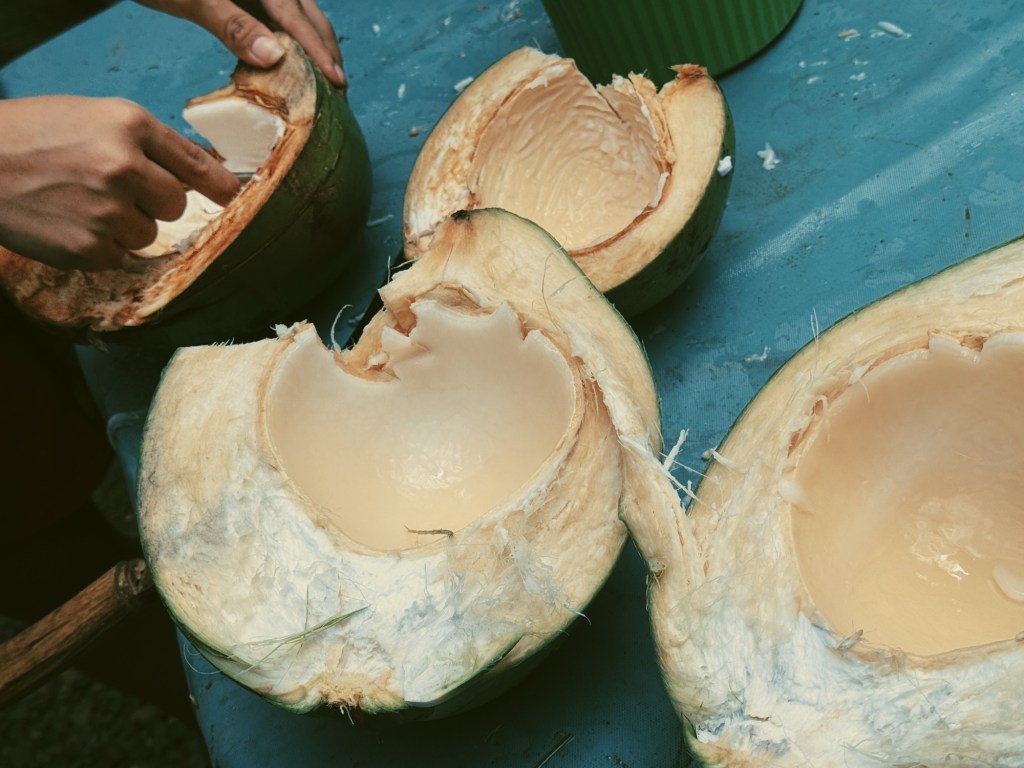
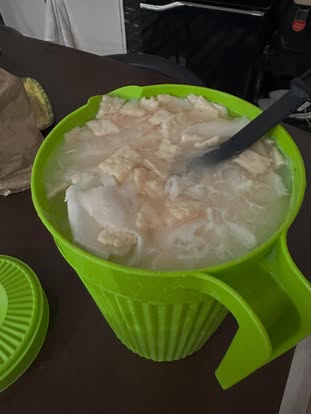
Not metaphorically, either. On this particular day, it arrived cold and slightly chaotic, with pieces of SkyFlakes floating where no respectable café would probably allow them, a sweetness that would make anyone counting sugar reconsider their priorities, and the unmistakable orange fizz of Royal Tru-Orange swirling through fresh coconut juice and condensed milk. My aunt and Lola handed it to me without ceremony. No beautifully arranged tray. No explanation. No announcement that they were about to awaken an entire archive of childhood memories.
Just lamaw.
And somehow, that was enough to make me feel that I had truly come home.
There are foods we eat because we are hungry, and then there are foods that seem to recognise us. They carry a familiarity that reaches the memory before the tongue has even finished tasting them. Lamaw belongs firmly to the second category for me. It is not sophisticated. It has never pretended to be. You would probably struggle to find it written in elegant cursive on a restaurant menu, accompanied by a paragraph explaining its provenance and charging you an unreasonable amount for the privilege. It belongs instead to kitchens, backyards, family gatherings and afternoons when someone notices you are there and decides that feeding you is the appropriate response.



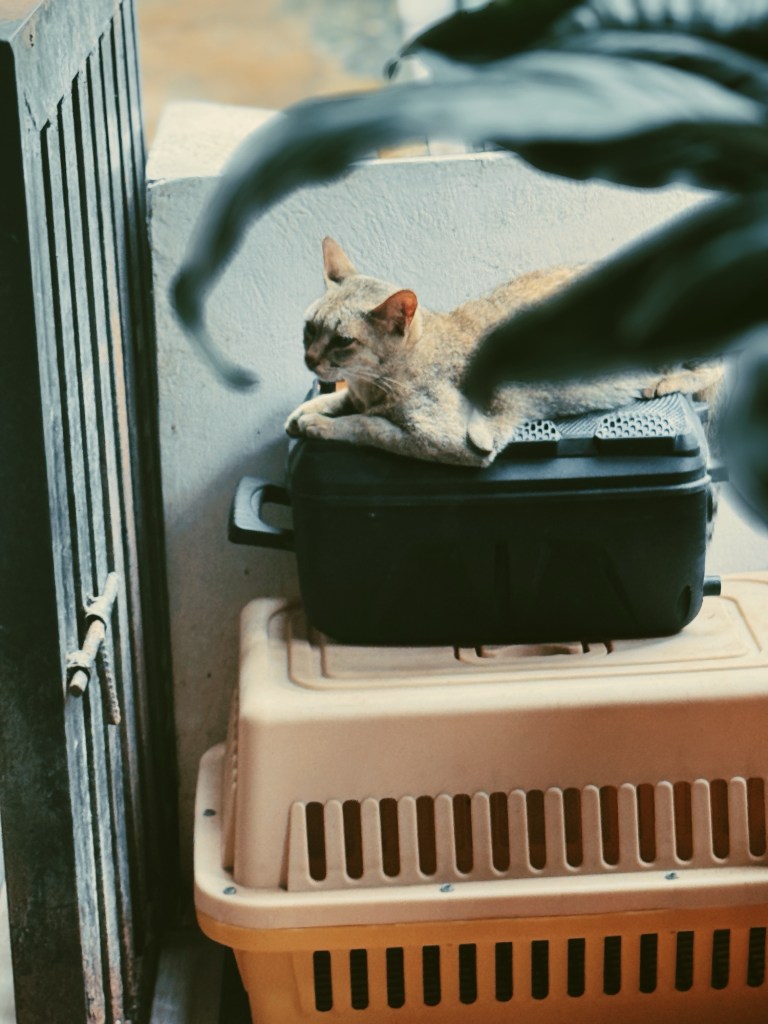
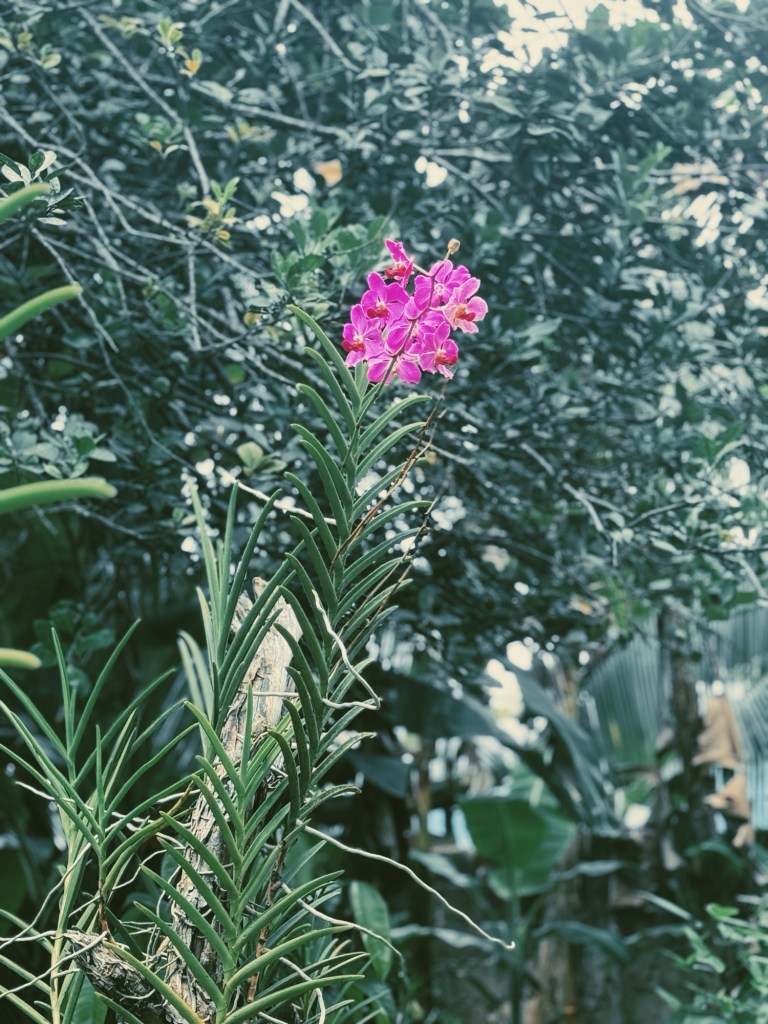
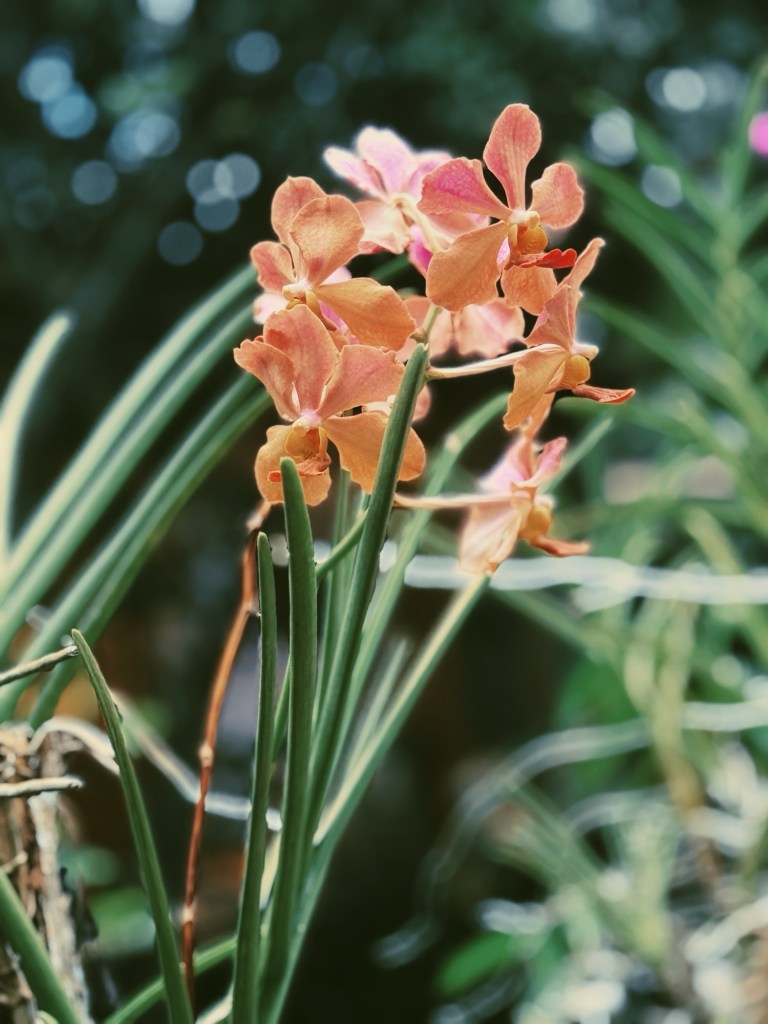
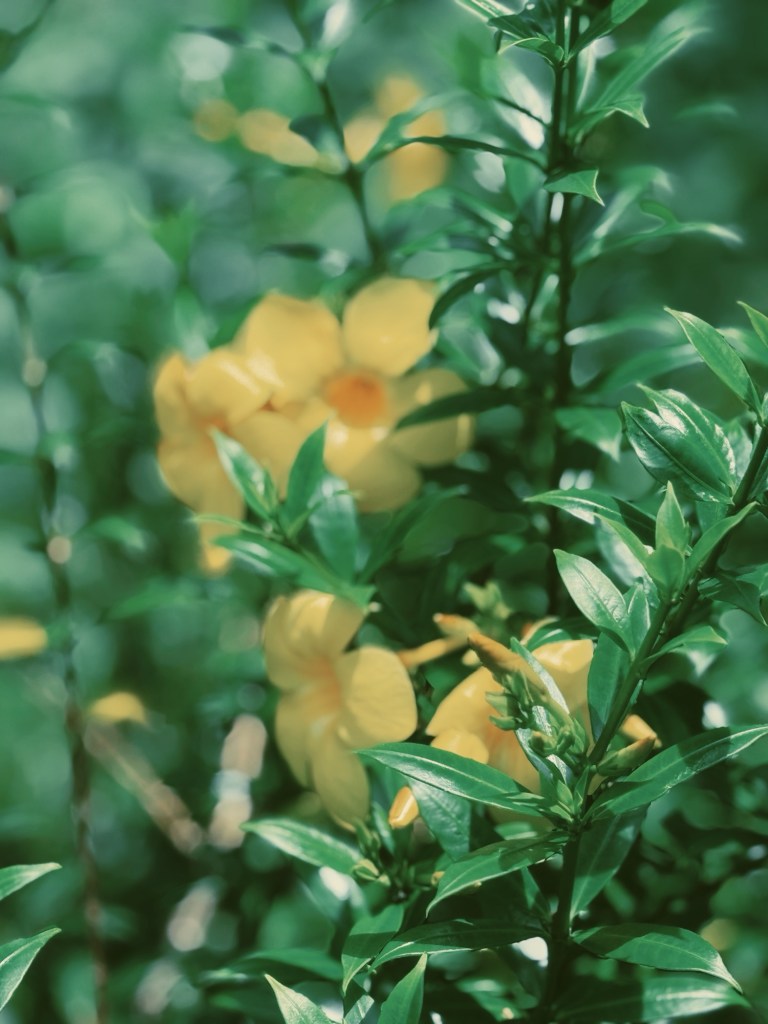
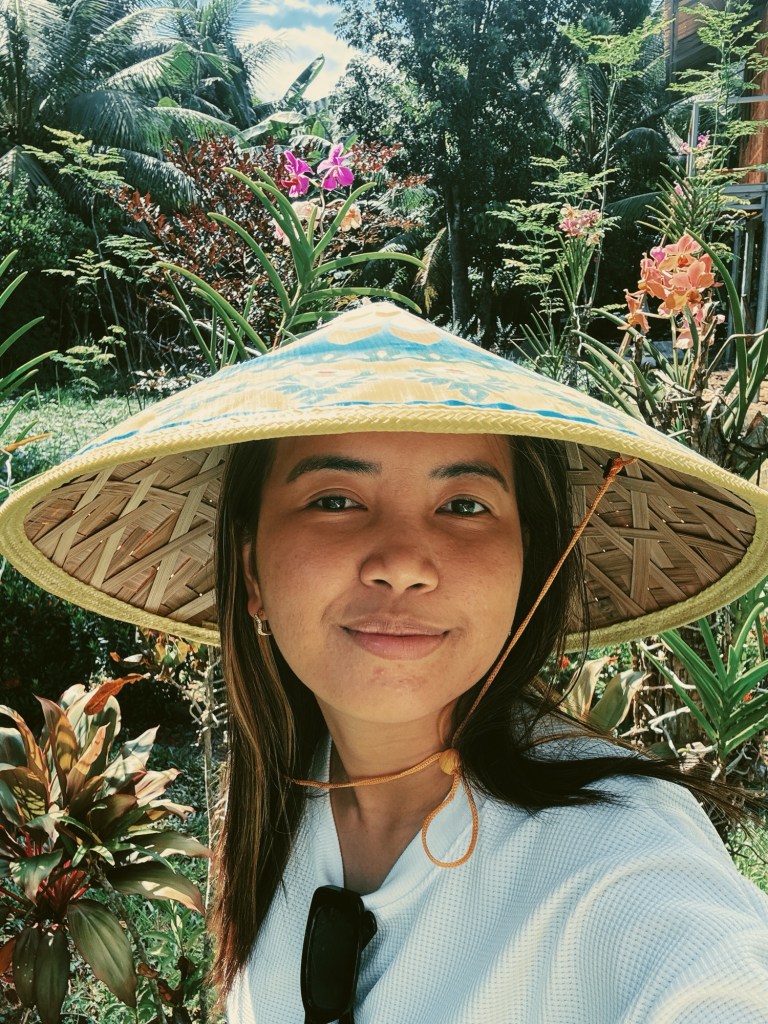
There’s something about food made by women who raised you; it fills more than just hunger. It fills in the cracks you didn’t know were growing inside you.
Living abroad has made me understand nostalgia differently. When you still live close to the place where you grew up, familiarity is so abundant that you hardly notice it. The food is simply food. The language is simply what everyone speaks. The noise outside is merely noise. The weather is something to complain about. Family members are people you assume you will see again soon.
Distance changes the value of ordinary things.
Spend enough years thousands of miles away and suddenly the most mundane details acquire emotional significance. A particular smell can transport you across continents faster than any aeroplane. A familiar dish can make you miss someone who is sitting directly in front of you because, somehow, you are also missing all the years that came before this one. Even the sound of people talking loudly somewhere in the house can feel comforting when you have spent enough evenings in a much quieter country.
Maybe that is why lamaw affected me more than I expected.
It was not merely refreshment. It was continuity.
So much of my life has changed since the days when things like this were ordinary. I have crossed oceans, built another life, learned another rhythm of living and become versions of myself my younger self could never have anticipated. Yet there I was, holding a glass prepared by the same hands that had been feeding our family long before I understood how precious such things were.
There is something reassuring about discovering that while you have changed enormously, certain forms of love have remained remarkably consistent.
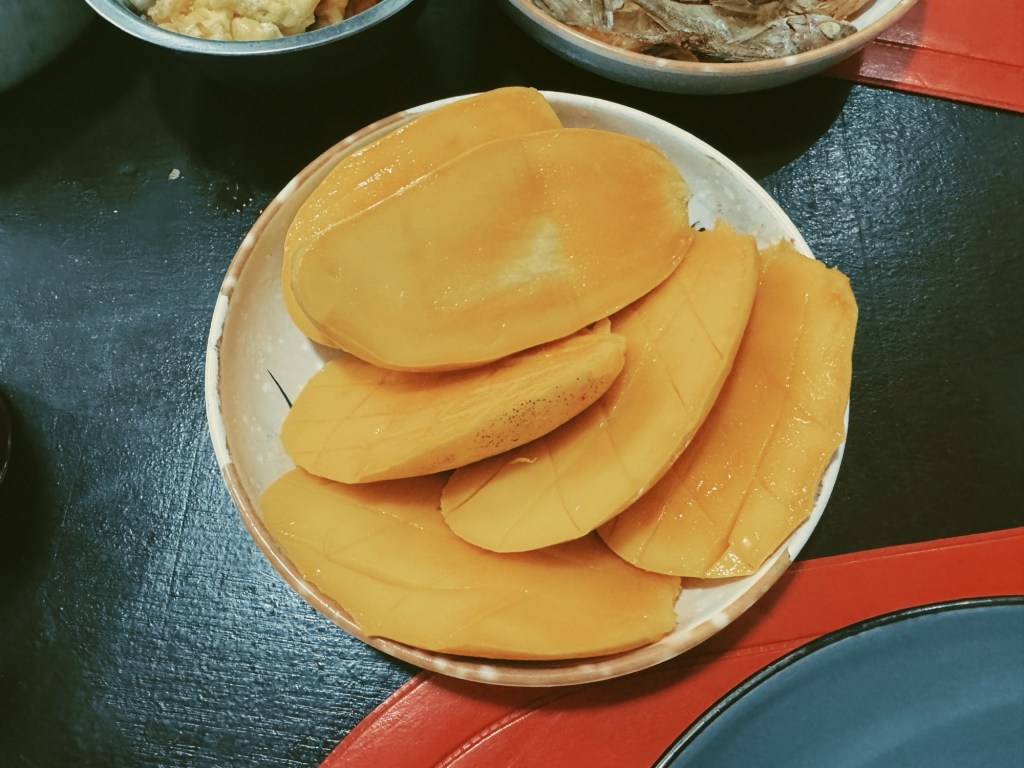
Later, Auntie Perly made pancit bam-i for lunch. There was no fiesta, birthday or special visitor requiring an impressive table. It was simply lunchtime, which in a Filipino household can apparently be sufficient justification for producing food that would look entirely reasonable at a celebration.

We gathered around the table and ate. That sentence looks almost insultingly simple when I write it now. We gathered around the table and ate.
But perhaps some of life’s most valuable experiences become unimpressive when reduced to language. How do you explain the emotional architecture of a family meal? The overlapping conversations. Somebody asking for something from the other side of the table. The familiar way people serve one another without asking. The jokes that require years of shared history to understand. The person who insists you eat more even though you have clearly eaten enough to sustain yourself until tomorrow.
I have begun to suspect that we spend too much of our lives waiting for significance to arrive dressed as an event. We photograph birthdays, weddings, holidays, graduations and beautiful destinations because they announce themselves as memories worth keeping. Ordinary afternoons receive less ceremony. Yet when life changes—and life always does—it is often those unremarkable scenes we ache to experience once more.
Grief has taught me that ordinary moments are often sacred before we know they are sacred. We usually recognise their value retrospectively, when repetition is no longer guaranteed. Perhaps wisdom is learning to recognise them sooner.
After lunch, I wandered outside into the garden.
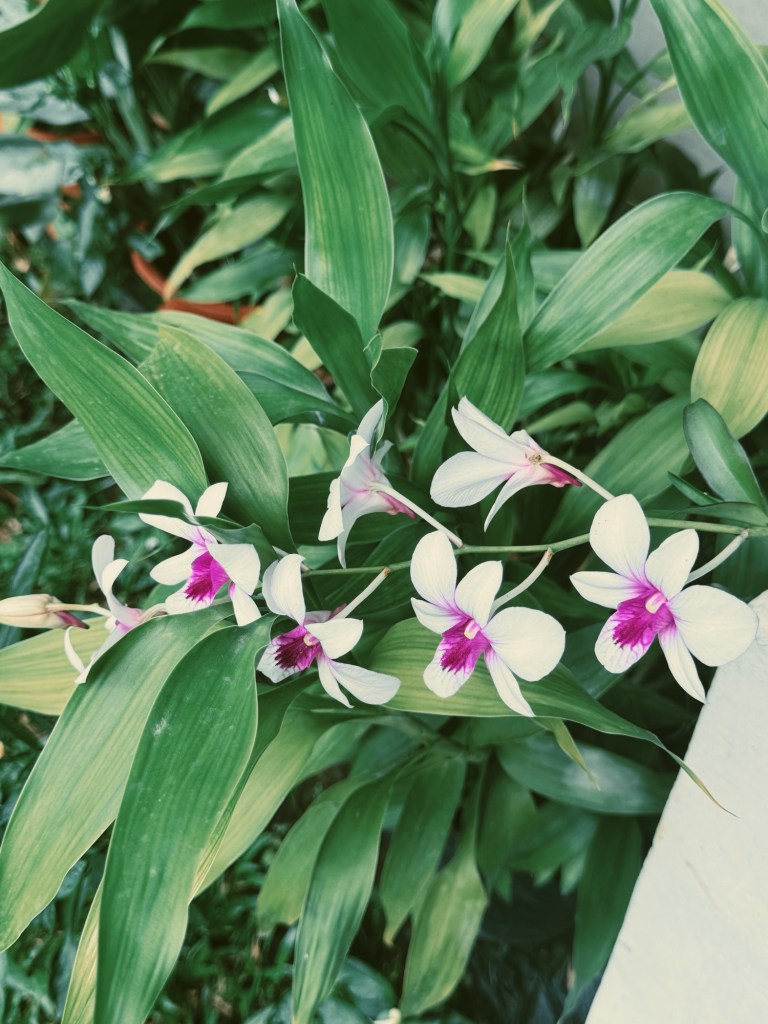
The afternoon had settled into that familiar Philippine warmth that seems to cling to everything. The garden was alive in the untidy, exuberant way tropical gardens often are. Orchids stretched outward, vines threaded themselves wherever they pleased, and bougainvillea spilled colour across the space as though restraint had never occurred to it.
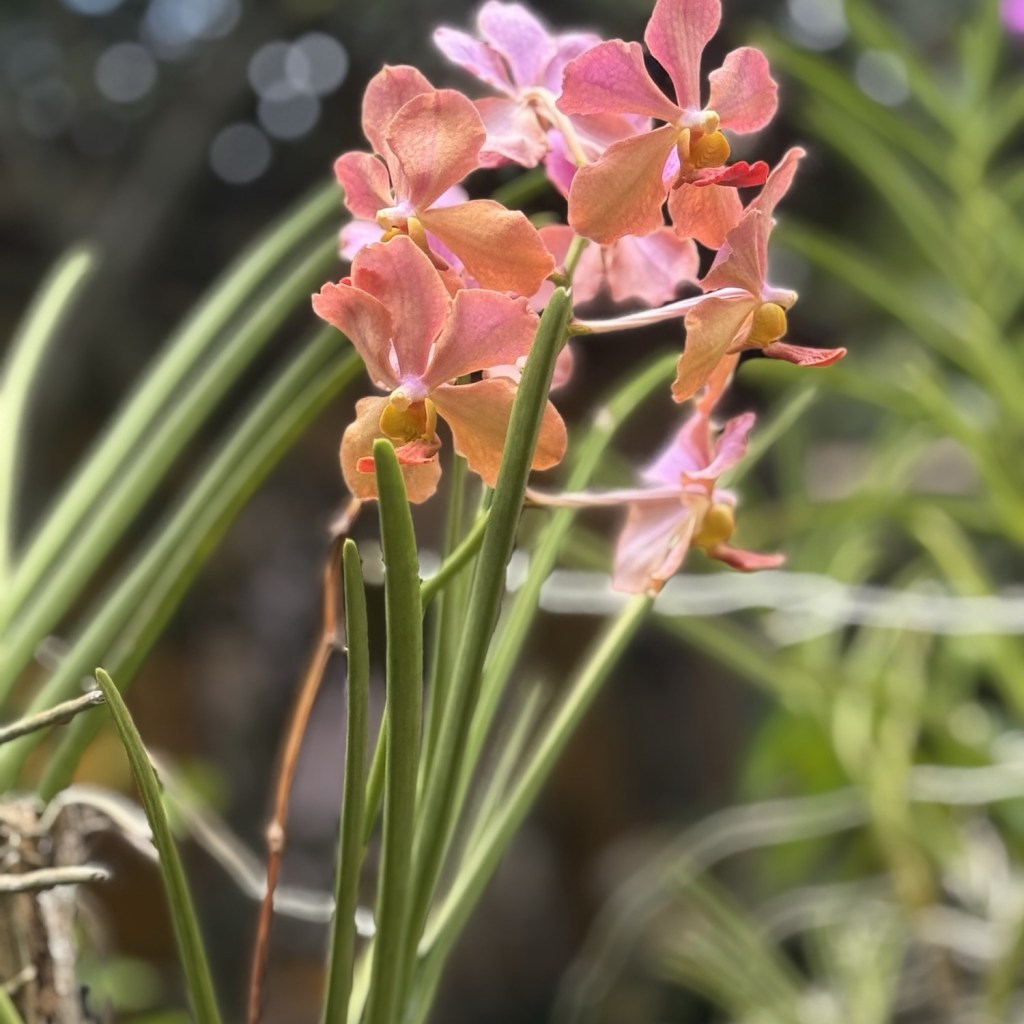
I stood there longer than I intended.
There is a different kind of silence in a garden. It is never actually silent. Leaves move. Insects carry on with whatever extraordinarily important business insects apparently have. Birds interrupt occasionally. Somewhere beyond the garden, someone is probably talking, cooking, sweeping or calling somebody else’s name. But beneath all of it is a rhythm that asks nothing from you.
Looking at the plants, I thought about how quietly most growth occurs.
We are accustomed to recognising visible transformation. Promotions. Achievements. Announcements. Before-and-after photographs. The moments when something finally blooms and everyone can see the result. But we rarely celebrate the root.
Human lives are not terribly different. Some of our most important transformations happen privately, during periods when we feel as though we are making very little progress. Learning to forgive. Becoming less reactive. Establishing boundaries. Recovering confidence. Deepening faith. Accepting something we cannot change. Learning to live with grief. These things rarely arrive with applause. Often, nobody else even notices.
But quiet growth is still growth.
I think God works in those hidden places too. We naturally look for Him in dramatic answers, extraordinary coincidences and prayers answered exactly as requested. Yet faith has increasingly taught me to notice Him in continuity: food on the table, people who still care, strength for another day, a family garden continuing to bloom, the privilege of returning home and finding someone waiting to feed me.
Grace does not always arrive as a miracle large enough to announce itself.
Sometimes grace is lunch.
Later that afternoon, I went grocery shopping for Mama and my brother.

There was nothing poetic about the supermarket. Fluorescent lights are notoriously resistant to metaphor, and there I was pushing a trolley through the aisles, mentally repeating everything Mama and my brother needed because I knew that the moment I stopped reciting the list, at least one important item would mysteriously disappear from my memory. I found what I needed, paid, packed the bags and carried everything home. It was an ordinary errand, the sort of thing we do so routinely that we rarely stop to consider what it means. Yet somewhere between choosing groceries and carrying those bags, another thought followed me: love is astonishingly practical. We like to describe love through emotion because emotion is beautiful to write about, but much of enduring love is logistical. Someone buys the groceries. Someone cooks dinner. Someone drives when another person cannot. Someone remembers an appointment, washes the dishes, checks whether you arrived safely, or notices that the rice is nearly finished and buys another sack before anyone has to ask. Grand gestures are memorable, but ordinary dependability is what quietly keeps families together. Perhaps love is not always saying, I would do anything for you. Sometimes love is simply noticing what needs to be done—and doing it.
When evening came, I started cleaning. What began as putting a few things back where they belonged somehow developed into what I dramatically named the great cleansing, because apparently ordinary decluttering becomes considerably more motivating when you give it the title of an epic historical event. I opened drawers I had ignored for far too long, and forgotten objects began emerging as though they had been patiently waiting to remind me of their existence. There were old receipts from seasons of my life I could barely remember, photographs, little keepsakes, random objects I had once considered important, and things I had kept for reasons that no longer made much sense. Some went immediately into the rubbish, while others remained in my hands for a few seconds longer. That is the strange thing about possessions: we do not always keep them because we need them. Sometimes we keep them because they are witnesses to former versions of ourselves. A receipt can belong to a particular day. A shirt can carry the memory of a relationship or a season. A photograph can preserve a version of home that no longer exists exactly as it once did. Perhaps that is why throwing certain things away can feel disproportionately emotional. We are not merely deciding what deserves space inside a drawer; sometimes we are confronting what that object represents.
But memory does not live exclusively inside things, and I am slowly learning that letting go does not invalidate what something once meant. A chapter does not become worthless simply because it ended, just as a person does not become insignificant because a relationship changed. A dream was not foolish because another dream eventually replaced it, and an old version of myself does not need to remain physically represented in every cupboard and drawer for me to honour the person I once was. There are things that belonged to me for a season, served their purpose, carried their meaning, and can now be released without resentment. Perhaps that is one of adulthood’s more difficult lessons: gratitude and release are not opposites. We can be thankful for something and still recognise that it no longer belongs in the life we are building.
I cleaned until forgotten surfaces appeared again and drawers could finally close without requiring negotiation. The house felt lighter afterwards, and strangely, so did I. Perhaps decluttering appeals to me because it provides a visible version of something much harder to accomplish internally. If only emotional baggage could be sorted into labelled bags and placed outside on collection day, life would be considerably more efficient. Unfortunately, the human heart appears to have a far less organised waste-management system. Still, the principle remains useful because not everything we have carried deserves permanent residence within us. There are expectations we have outgrown, resentments that have already consumed enough of our time, guilt attached to choices we made with the understanding we possessed then, and versions of ourselves constructed primarily to satisfy what other people expected us to become. We can acknowledge that these things existed, even recognise what they taught us, without continuing to provide them space indefinitely.
Faith asks something similar of me, although I am still learning how to surrender without immediately reaching back for what I have supposedly given away. There are things I repeatedly bring to God and say, Lord, I give this to You, only to find myself five minutes later analysing seventeen possible outcomes as though Heaven had appointed me project manager. I suppose surrender would be much easier if trust were something we mastered once and never had to practise again, but perhaps that is not how faith works. Maybe surrender is not one magnificent spiritual decision but a succession of smaller ones. We release, worry again, remember, pray, and release again. We trust imperfectly until trust becomes more familiar than control. And perhaps God is patient enough to receive the same burden from us as many times as it takes before we finally understand that we were never meant to carry everything alone.
By the time I finally went to bed, my muscles were tired but my mind was unusually settled. I thought about everything I had done that day and almost laughed at how unimpressive the list would appear if I wrote it down. I drank lamaw, ate lunch with my family, stood in the garden, bought groceries and cleaned the house. That was essentially the day, and yet it felt abundant. Perhaps abundance has far less to do with how much happens to us and much more to do with how deeply we inhabit what does. A day does not need an itinerary, a spectacular view or an important announcement to possess meaning. Sometimes its richness is hidden precisely inside the things we have become accustomed to overlooking.
A younger version of me might have considered a day like this uneventful. She was always looking towards something else: the next achievement, the next journey, the next dream, the next version of herself. I understand her because ambition has carried me across oceans and towards opportunities for which I remain deeply grateful. I do not want to lose that part of myself, but neither do I want ambition to make me inattentive. There is a danger in looking towards the horizon for too long: eventually, we stop noticing the ground beneath our feet. While we wait for extraordinary things to happen, life continues quietly in kitchens, gardens, grocery aisles and living rooms. People grow older. Homes change. Children become adults. Parents gradually become the ones who need looking after. Grandparents’ hands become more fragile. Family recipes disappear when nobody thinks to learn them. Conversations we assume can always happen tomorrow eventually become memories. Maybe maturity is partly learning to stop treating ordinary life as a waiting room for something better.
That glass of lamaw reminded me of this more effectively than any elaborate philosophy could. Home is not merely the geographical place where I came from; it is composed of thousands of small acts repeated so often that I once mistook them for ordinary. It is someone preparing food simply because I am there. It is my Lola’s hands. It is my aunt cooking lunch. It is buying groceries for Mama and my brother. It is plants continuing to grow in familiar soil and drawers containing little pieces of lives that have changed. It is being cared for and, as the years pass, learning that part of coming home also means becoming one of the people who cares for others in return. Perhaps this is one of God’s quieter gifts—not that every day will be extraordinary, but that He gives us ordinary days and, every now and then, enough awareness to recognise how extraordinary they already are.
I do not know how many more afternoons will look exactly like this one. None of us does. There was a time when that uncertainty frightened me because I wanted permanence from a life that has never promised it. Now I am trying to let that knowledge teach me gratitude instead. Impermanence does not have to make us fearful; perhaps it can make us attentive. It can remind us to sit a little longer at the table, listen more carefully when our elders tell the same story again, learn the recipe, take the photograph, say thank you, help with the groceries, and stop assuming that ordinary moments are infinitely renewable.
So I want to remember this day properly, not because anything monumental happened, but precisely because nothing had to. My Lola was there. My aunt was there. Mama and my brother were there. The garden was alive. There was food on the table and groceries to buy because there were people to buy them for. There was a house to clean because there was a home waiting for me. When I think about it that way, even the errands begin to look like blessings. Perhaps we spend so much time asking God for more that we occasionally forget to look around at what has already been placed in our hands.
And there was lamaw—sweet, fizzy, imperfect lamaw, made from coconut, condensed milk, orange soda and crackers, somehow containing childhood, family, distance, memory and gratitude inside a single glass. It reminded me that the things capable of returning us to ourselves are rarely as complicated as we imagine. Sometimes home does not announce itself with a grand homecoming. Sometimes it is simply handed to you by someone who loves you, cold and sweet, with SkyFlakes floating on top.
A day that reminded me of the kind of life I’m striving for—not always fast, not always loud, but deeply rooted in presence.
Some days do not change our lives; they simply give us enough stillness to notice the life we already have. And perhaps that is its own kind of grace—the ability to look at an ordinary day and recognise that, for this moment, the people we love are here, the table has food, the garden is growing, and we have been given another day to love them. I think I am learning that this is enough. More than enough, actually. It is the sort of abundance I once might have overlooked, but now pray I will never become too busy to recognise.
With love,
Anj ♥


































Leave a Reply