September 2, 2013 | An Operating Room Diary About Heavy Lead Aprons, Hungry Stomachs, and the Unreasonable Expectations Placed Upon a Nurse’s Poor Shoulders
I have always believed that penitence should involve a reasonable amount of reflection, perhaps a few prayers, and the sincere intention to become a better human being. Apparently, the Operating Room has developed a more physically demanding interpretation. Today, my shoulders were introduced to a lead apron, my stomach was denied its regularly scheduled appointment with lunch, and my bladder spent several hours submitting complaints that nobody had time to entertain. By the end of the shift, I was beginning to wonder whether I had accidentally enrolled in a religious pilgrimage instead of a nursing rotation. Lord, kung may kasalanan man po ako, pwede bang pag-usapan na lang natin? My poor body was already negotiating terms of surrender.
Tonight I have decided to write about my experience in the Operating Room. I have missed writing in Tagalog, so forgive me if a few Filipino expressions find their way into this entry. Some experiences simply refuse to be described properly in English alone, especially when they involve extraordinary physical exhaustion. There are situations in which the words I am tired seem terribly inadequate, while pagod na pagod na talaga ako, grabe! expresses the emotional and physical circumstances with considerably greater accuracy. Today belongs firmly in the second category.
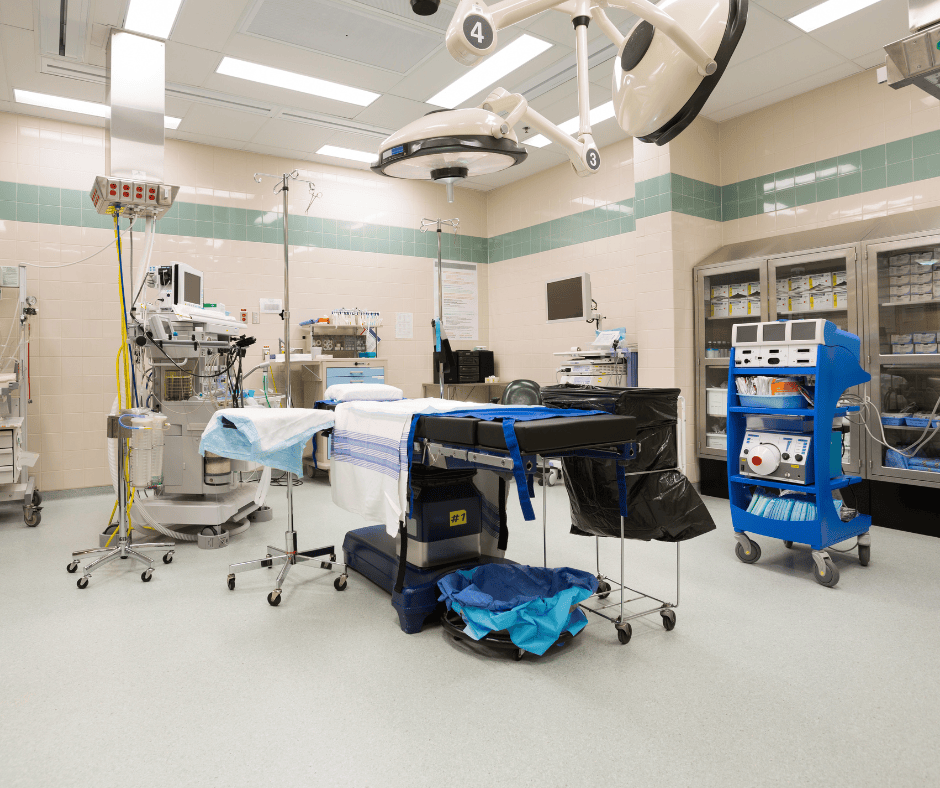
Our morning began at approximately eight o’clock with a minor surgical procedure, a dilation and curettage, commonly known as D&C. As part of my Operating Room exposure, I had the opportunity to observe and learn within the surgical environment, where every member of the team has responsibilities that contribute to the safe conduct of a procedure. There is something fascinating about being inside an operating theatre. The instruments, equipment, sterile environment, and coordinated movements of the healthcare professionals make it a place where preparation and attention to detail are especially important. Compared with the ordinary routines of a hospital ward, the Operating Room has its own atmosphere, one in which the work follows the demands of the procedure rather than the personal preferences of anyone present.
I have always found surgical nursing interesting because it reveals another side of patient care. During our clinical rotations, we encounter patients before or after different treatments, but being present in the Operating Room offers an opportunity to understand what happens during the procedures themselves. We learn about aseptic technique, teamwork, the handling of equipment, and the importance of anticipating the needs of the surgical team. Naturally, as someone still developing my knowledge and experience, I find myself paying close attention to the unfamiliar details. There are things I recognise from nursing school, but there are also many situations that remind me how much professional learning continues beyond the classroom.
By around ten o’clock, we were preparing for another procedure, this time a laminectomy. I knew that the operation involved the spine and that our experience would be different from the earlier procedure. What I had not fully appreciated was how memorable the protective equipment would become. Because imaging was being used during the operation, we had to wear lead aprons designed to provide protection from scattered radiation. I understand why such equipment is necessary, and I certainly have no intention of questioning the importance of occupational safety. Nevertheless, understanding why something is required does not make it feel any lighter after you have been wearing it for an extended period.
The moment I put on the lead apron, I began to appreciate the difference between reading about protective equipment and actually carrying its weight. It felt heavy across my shoulders, and with the other clothing required in the Operating Room, I soon became uncomfortably warm. The theatre was full of work that demanded attention, yet part of my brain had already begun calculating how long my shoulders could maintain a respectable relationship with gravity. I tried to remain composed and attentive, reminding myself that I was there to learn and that complaining would hardly make the equipment disappear. But somewhere underneath my professional expression, another version of me was quietly protesting, Ano ba ito? Bakit parang may pasan akong buong bahay?
As the laminectomy continued, the hours seemed to stretch considerably beyond their usual length. I was learning about the procedure and observing the work of the surgical team, but my body was becoming increasingly aware of the prolonged standing and the weight of the apron. My shoulders felt strained, my feet were growing uncomfortable, and the warmth beneath the protective clothing made the experience even more demanding. I have encountered tiring shifts before, particularly since returning to nursing duty, but today introduced a very specific variety of exhaustion. It was the kind that makes a person suddenly appreciate every chair she has ever taken for granted.
Then lunchtime came and went.
Under ordinary circumstances, I regard lunch as one of the most dependable and encouraging parts of the day. It provides an opportunity to eat, rest, and briefly forget whatever responsibilities have occupied the morning. Today, however, the ongoing procedure meant I did not get to have my expected meal. My stomach, naturally, was not consulted about this arrangement. It had been operating according to a perfectly reasonable schedule and was understandably dissatisfied when nobody appeared interested in honouring it. At first, I tried to ignore the hunger and concentrate on the work around me, but as the hours passed, I became increasingly conscious that breakfast had been a very long time ago.
I could tolerate the hunger, although I was far less enthusiastic about the discomfort in my shoulders. The lead apron seemed to grow heavier with every passing minute, which I realise is physically improbable but felt entirely believable at the time. I found myself glancing at the wall clock approximately every fifteen minutes, hoping that the hands might have developed a little more urgency since my previous inspection. Unfortunately, clocks in operating theatres appear to operate with the same complete indifference as clocks everywhere else. They do not become more cooperative simply because somebody is hungry, uncomfortable, and dreaming about the possibility of sitting down.
Every glance brought the same disappointing discovery: the procedure was still ongoing, and I was still standing.
I began negotiating with myself. Perhaps it would not be much longer. Perhaps the difficult part was nearly finished. Perhaps, if I concentrated hard enough on the clock, time would become embarrassed by my attention and move more quickly. Lord, kahit makaupo lang po ako sandali. But the work continued, and I reminded myself that surgical procedures cannot be hurried simply because an observer’s feet have developed strong opinions about standing. The patient and the safe completion of the procedure were the priorities, and my personal discomfort, however unpleasant, did not change that responsibility.
There was also the increasingly urgent matter of needing to use the toilet. I had started the morning thinking about nursing responsibilities and learning opportunities, yet by the later part of the procedure, my ambitions had become surprisingly modest. I wanted to eat something, relieve myself, remove the heavy apron, and rest my aching shoulders. Nothing extravagant. No expensive gifts, no holidays abroad, and no extraordinary professional recognition. Just the ordinary privileges of a functioning human being. I was beginning to realise that the greatest luxuries in life are sometimes the things we barely notice until circumstances make them temporarily unavailable.
Despite the discomfort, I did not want to waste the opportunity to learn. A laminectomy was not something I encountered every day, and being present during the procedure allowed me to observe aspects of surgical care that would be difficult to appreciate through textbooks alone. I was reminded of the importance of preparation, communication, and the specialised responsibilities involved in operating theatre nursing. The surgical team had to remain focused on the patient and the procedure, and I could see how essential it was for everyone to understand their role within the environment. Even when my body was begging for a break, part of me remained genuinely interested in what I was observing.
I think that is one of the contradictions of nursing I am beginning to understand. We can be physically uncomfortable and professionally interested at exactly the same time. A demanding shift may leave us exhausted while also teaching us something valuable. The fact that an experience is difficult does not automatically make it meaningless, just as finding the work meaningful does not make the physical demands disappear. I can appreciate the educational opportunity while acknowledging that my shoulders were having a thoroughly miserable afternoon. Both things can be true, and I see no reason to pretend otherwise.
Still, today made me think about the physical demands placed upon healthcare professionals, particularly those who spend long periods working in operating theatres. It is easy for somebody outside the environment to imagine that standing beside an operating table involves little effort, especially when compared with the visible activity of moving between patients on a busy ward. But prolonged standing, protective clothing, concentration, and the demands of specialised procedures can make the work physically exhausting. I developed a greater appreciation for the professionals who regularly work under such conditions, maintaining their attention while managing responsibilities that may continue for several hours.
There is also a practical lesson here about looking after ourselves while caring for others. I know that adequate rest, hydration, and opportunities for appropriate breaks matter, particularly during long or demanding duties. Healthcare professionals need to work safely, and recognising physical limitations is part of that responsibility. I would not want to suggest that enduring hunger, discomfort, or exhaustion without speaking up is some extraordinary badge of professional dedication. When circumstances permit, we should communicate our needs and arrange suitable relief rather than allowing fatigue to compromise our wellbeing or attention. Today reminded me how important those ordinary considerations can become when the demands of work make them difficult to manage.
At the same time, I understand that the realities of clinical duty do not always cooperate with the ideal timetable. Procedures can last longer than expected, responsibilities may change, and there are situations in which everyone must adapt to the needs of the patient. The challenge is learning how to remain responsible without assuming that our bodies are incapable of becoming tired. I am still discovering that balance, particularly as I gain experience in different hospital departments. Nursing requires commitment and stamina, certainly, but it also requires the judgement to recognise when assistance, rest, or an adjustment is necessary.
By the time the day’s experience finally came to an end, I was thoroughly exhausted. My shoulders and feet had apparently decided to lodge a formal complaint, and my enthusiasm for any activity requiring movement was rapidly disappearing. I had spent hours inside the Operating Room, missed my expected lunch, and developed an unusually passionate appreciation for the idea of lying down. The morning had begun with the professional excitement of gaining surgical experience, but by the time I returned home, my ambitions had narrowed to one very specific objective: sleep.
And sleep won.
I went straight to bed, setting aside even my hunger because I was simply too tired to think about eating. Under ordinary circumstances, this would be an extraordinary development. I am not someone who casually dismisses the importance of a proper meal, especially after a demanding day. But today my body appeared to have conducted its own internal meeting and concluded that rest should receive immediate priority. Food could apparently wait until further notice. Grabe, ganito pala talaga kapag ubos na ubos ang lakas mo. I barely had enough enthusiasm left to appreciate the comfort of the bed before surrendering to exhaustion.
When I finally had the opportunity to reflect upon the experience, however, I discovered that I was not entirely unhappy about the day. Quite the opposite. Beneath the tiredness and my complaints about the lead apron, I felt satisfied that I had gained another opportunity to learn. I had observed procedures, become more familiar with the operating theatre environment, and developed a better understanding of the physical and professional demands involved in surgical nursing. The experience had challenged me, but it had also contributed something to my developing knowledge as a Registered Nurse.
I have been thinking lately about how different professional learning feels after graduation. During nursing school, we were constantly reminded of the importance of passing examinations, completing requirements, and demonstrating competence under supervision. We studied because we needed to understand the material, certainly, but there was also the immediate motivation of grades and academic expectations. Now that I have entered a different stage of my nursing journey, I am beginning to appreciate learning for another reason. Every useful thing I understand may eventually influence how confidently and responsibly I approach patient care.
That thought encourages me to take unfamiliar opportunities seriously. I do not know which clinical specialty I will eventually pursue, although intensive care and haemodialysis continue to interest me. Perhaps my future will involve one of those departments, or perhaps further experience will lead me somewhere I have not yet considered. For now, I want to remain curious about the different areas of nursing and willing to learn from the healthcare professionals whose experience is greater than mine. Even a difficult rotation can contribute to my understanding of the profession, provided I take the time to reflect upon what I have observed.
I am also beginning to recognise that the image of nursing I carried during college was only one part of the reality. I knew the profession could be physically demanding, but there is a difference between knowing something in theory and experiencing it while standing in protective equipment for hours. I knew nurses needed patience, yet patience becomes a considerably more personal subject when you have missed lunch and the clock appears determined to test your character. I knew healthcare required teamwork, but being present in a specialised environment makes the importance of coordination and communication much clearer.
Perhaps this is what the early years of a nursing career are supposed to involve: discovering that the profession is larger, more complicated, and occasionally more exhausting than we first imagined. Each department introduces different responsibilities and different challenges. The Emergency Room taught me about assessment, prioritisation, and responding to changing clinical needs. Intensive care has helped me appreciate the importance of close monitoring and specialised knowledge. Today, the Operating Room has introduced another set of lessons, along with a rather memorable demonstration of how heavy protective equipment can feel after prolonged use.
I cannot promise that I will remember every technical detail from today’s procedures without reviewing my notes. There were unfamiliar things to understand, and I know my knowledge will need further development. But I am certain I will remember the experience itself. The early morning, the D&C, the laminectomy, the lead apron, the missed lunch, and the extraordinary affection I developed for the wall clock will probably remain in my memory for quite some time. Some lessons enter our minds through careful explanation, while others apparently arrive accompanied by aching shoulders.
And I suspect the latter are particularly difficult to forget.
As I write this tonight, I find myself smiling at how dramatically I described the day as an early penitence. Of course, I do not seriously believe that God arranged a heavy lead apron as punishment for my sins. I simply needed a little humour to make sense of an exhausting experience. My faith reminds me to approach the responsibilities of nursing with gratitude, but it also allows me to acknowledge my limitations without pretending that difficult work is always enjoyable. I can thank God for an opportunity to learn while also admitting that I would have appreciated a slightly more comfortable arrangement.
Perhaps my prayer tonight should be simpler than usual. Thank You, Lord, for another day of learning, for the people who guided me, and for the opportunity to develop my skills in a profession I value. Help me remember what I have learned, become more attentive to the needs of patients, and continue growing into a competent and compassionate nurse. And if tomorrow involves another demanding procedure, perhaps You could also remind me to prepare myself properly and make sensible arrangements for rest and food whenever possible.
I think that would be a very reasonable request.
There is something wonderfully revealing about what we appreciate after a difficult day. This morning, I was interested in the procedures I might observe and the knowledge I hoped to gain. By lunchtime, I was thinking about food. Later, I was dreaming of removing the lead apron and sitting down. By the end of the day, even the prospect of dinner had temporarily lost its appeal beside the extraordinary attraction of my bed. Apparently, human ambition can undergo a dramatic reduction when the shoulders and feet have reached the limits of their patience.
Still, I would not describe the day as wasted or unsuccessful. I had the opportunity to observe, ask questions, and understand more about the responsibilities of operating theatre nursing. I also learned something about my own endurance and the importance of recognising physical discomfort before it becomes overwhelming. These may not be the lessons I expected when I arrived at the hospital, but they are useful ones nonetheless.
I began the morning imagining that the greatest challenge would involve understanding the surgical procedures. Instead, I discovered that my brain was perfectly willing to learn while the rest of my body attempted to organise a protest. Somehow, we managed to complete the day together, although negotiations between my shoulders and the lead apron remain unresolved.
And now, having survived my very early penitensiya, I intend to give my poor body the consideration it has been requesting since ten o’clock this morning. I have earned a proper rest, and my next meal deserves considerably more appreciation than usual. Tomorrow may bring another unfamiliar procedure, another challenging assignment, or another opportunity to discover a part of nursing I have not yet experienced. Whatever it brings, I hope I will meet it with the same willingness to learn, although perhaps with a more realistic understanding of what the day might demand.
For tonight, however, my duties are finished, my shoulders have been liberated, and the bed is waiting. There are few arrangements in life that sound more attractive to me at this particular moment. I shall leave the operating instruments to the professionals still on duty, the wall clock to its apparently leisurely existence, and my future ambitions to another day when my body is sufficiently cooperative to consider them.
Kay aga namang penitensiya, Lord. But thank You for the experience, the knowledge, and the opportunity to become a little better at the profession I have chosen. I may have complained about practically every part of my anatomy today, but beneath all that exhaustion is a young nurse who is genuinely grateful for another chance to learn.
And if anyone needs me tonight, please understand that I shall be unavailable for anything that requires standing, lifting, or wearing an apron made of anything heavier than ordinary kitchen fabric.
Good night, world. My shoulders and I are officially off duty.
September 2, 2013 — one D&C, one laminectomy, one very heavy lead apron, and a nursing lesson I am unlikely to forget.
— Just Anj, RN, temporarily defeated by gravity but still very much in love with nursing.


































Leave a Reply