November 2013 | A Day of Volunteer Work, Repacking Relief Goods, and Finding Hope in the Smallest Acts of Bayanihan
There is something rather amusing about how a group of people can spend an entire day doing physically demanding volunteer work and still find enough energy to discuss where they should eat afterwards. Apparently, the Filipino spirit possesses two remarkably dependable qualities: a willingness to help during difficult circumstances and an equally enthusiastic commitment to finding a proper meal once the work is finished. We may arrive with serious intentions, spend hours arranging supplies, and become increasingly aware of our aching backs and hungry stomachs, but eventually somebody will ask the question that restores everybody’s attention: “Asa ta mangaon?” And just like that, the discussion becomes almost as organised as the relief operation itself. I suppose this is one of the reasons I love being Filipino. Even during difficult times, we somehow manage to combine compassion, hard work, and a healthy appreciation for fried chicken.
But the reason we gathered that day was far from amusing.
The devastation caused by Super Typhoon Yolanda has left many of our fellow Filipinos facing circumstances that are difficult to comprehend. Since the typhoon struck the Visayas on November 8, 2013, I have been following the news with a mixture of sadness, concern, and frustration at how little any one person can do to address such enormous suffering. Families have lost homes, communities have been devastated, and many people are struggling to obtain the basic necessities that most of us ordinarily take for granted. The photographs and reports have been heartbreaking, particularly because these are places and people who belong to the same region I call home.
Only a few weeks earlier, we were mourning the destruction caused by the earthquake in Cebu and Bohol. I was on hospital duty when that happened, and I remember the uncertainty surrounding the event and the sadness I felt upon seeing the damage to our historic churches. We had barely begun absorbing the consequences of one disaster when another arrived, affecting communities across the Visayas with extraordinary force. It has been a difficult period for our islands, and I find myself praying constantly for the families who must now confront uncertainty, loss, and the enormous responsibility of rebuilding their lives.
Watching the news can leave a person feeling rather helpless. We see people who need assistance, hear reports about damaged communities, and wish that our concern could somehow travel directly to the places where help is required. But sympathy, however sincere, cannot fill an empty water container or provide a family with the supplies they urgently need. I have been thinking about that distinction lately. It is important to feel compassion for people who are suffering, but there are moments when compassion asks something practical of us.
And so, when the opportunity came to help repack relief goods, I was grateful to take part.
Repacking supplies may sound like an ordinary task, particularly when compared with the enormous efforts involved in rescue operations and disaster response. There are no dramatic speeches, complicated ceremonies, or impressive professional titles attached to the work. You simply help prepare goods for distribution, making sure that the supplies are organised and ready for the next stage of the relief effort. It is practical, repetitive, and sometimes physically tiring. Yet I found the experience meaningful because it reminded me that helping others does not always require extraordinary abilities. Sometimes what is needed is a willing pair of hands and the patience to continue working until the task is finished.
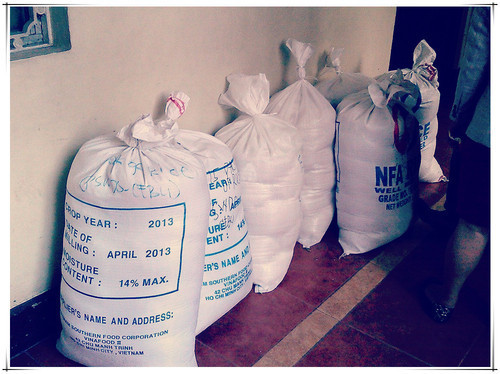
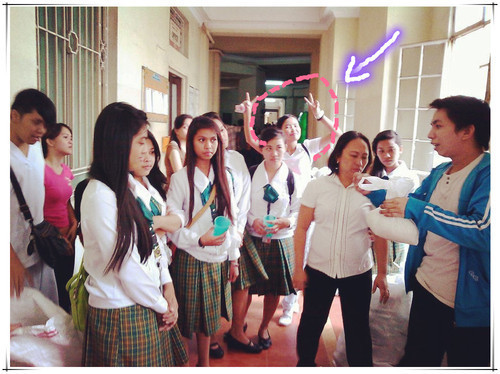
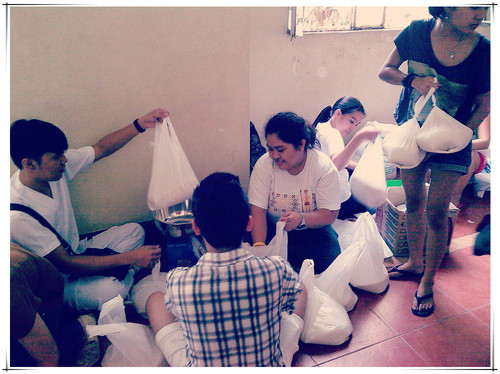
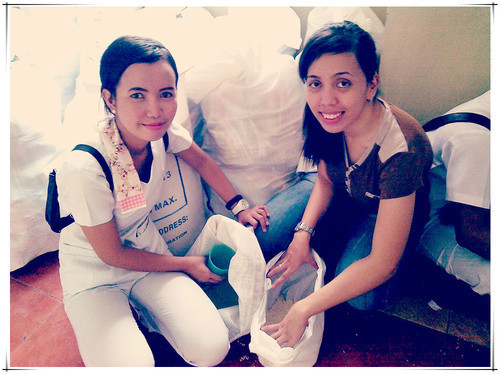
There is something satisfying about participating in a group activity where everybody understands the purpose of the work. We may have different personalities, experiences, and responsibilities outside the activity, but for those hours, our attention was directed towards preparing assistance for people who needed it. Each completed package represented a small contribution to a much larger effort. I could not know exactly who would eventually receive the supplies we helped prepare, but I understood that the work mattered because somewhere, families were depending upon relief efforts to reach them.
I think that is what made the experience particularly humbling.
During ordinary days, we spend so much time thinking about our own concerns. We worry about work schedules, unfinished responsibilities, money, relationships, and the plans we hope to accomplish. These things matter, of course, but a disaster reminds us how much of everyday life depends upon circumstances remaining reasonably stable. For many families affected by Yolanda, the concerns of ordinary living have suddenly become far more urgent. Food, safe drinking water, shelter, medical attention, and communication with loved ones are no longer things that can be assumed to be readily available.
And here we were, helping prepare some of the supplies intended to reach those communities.
I have always admired the Filipino tradition of bayanihan, but experiences like this make me appreciate its practical meaning more deeply. We often describe bayanihan through familiar images of neighbours helping one another, communities sharing responsibilities, and people setting aside personal convenience for a common purpose. It is a beautiful cultural idea, although I sometimes wonder whether we have become so accustomed to praising it that we forget how much actual work it requires.
Bayanihan is not simply an inspiring word printed beneath a photograph of volunteers.
It involves people showing up, giving their time, contributing resources when they can, and accepting that even repetitive tasks are worth doing when they serve a meaningful purpose. It may involve organising donations, preparing supplies, transporting goods, providing professional assistance, or supporting the long process of rebuilding communities after the immediate emergency has passed.
There is no single way to contribute, and I do not believe generosity should become a competition over who can do the most. Some people can donate money, others have time to volunteer, and some possess professional skills that may be particularly useful during emergencies. Different contributions can become part of the same collective effort, provided they respond to genuine needs and are coordinated appropriately.
I also believe that helping others should not depend upon whether they share our background, nationality, or religion. During difficult circumstances, the immediate needs of human beings ought to matter more than the differences we sometimes place between ourselves. Hunger does not become less serious because somebody follows another faith. A displaced family does not deserve less assistance because they come from a different community. And suffering does not require us to examine someone’s identity before deciding whether compassion is appropriate.
As a Christian, I find this understanding closely connected to my faith.
I have been praying that God will strengthen the families affected by Yolanda and encourage people from different communities, religions, and nations to offer whatever assistance they reasonably can. I do not expect every person to express compassion through the same beliefs or practices, but I hope that our differences will not prevent us from recognising the humanity we share. Kindness becomes especially meaningful when it is offered without demanding that another person first become familiar or similar to us.
Perhaps this is one of the things disasters reveal about society. They remind us of our vulnerability, certainly, but they also show how much we depend upon one another. A community cannot recover through determination alone. People need functioning services, organised assistance, reliable information, and continued support. Volunteers can contribute meaningfully, but their efforts are part of a much larger responsibility shared by governments, humanitarian organisations, healthcare professionals, local communities, and individuals willing to help.
I hope that all these efforts will continue long after the immediate attention surrounding Yolanda begins to fade.
Rebuilding a home, restoring a livelihood, and helping a family regain stability can take far longer than a few days of emergency response. Some losses cannot be reversed, and those who have lost loved ones deserve the time and support necessary to grieve. I do not want to speak about resilience as though people should simply stand up, smile, and behave as though nothing terrible has happened. They have experienced something devastating, and their recovery deserves patience, resources, and understanding.
Still, I hope the relief efforts offer some reassurance that they have not been forgotten.
That thought accompanied me throughout our repacking activity. I imagined the ordinary circumstances in which the supplies we were handling might eventually become useful. Something we could purchase without much thought during a normal day might represent an important source of relief to someone who had lost access to familiar necessities. The practical nature of the work made me appreciate the difference between expressing sympathy and participating in a response.
It also reminded me of nursing.
I chose this profession partly because I wanted to be of service to people who needed care. During hospital duty, that responsibility often involves clinical assessment, medication administration, monitoring, communication, and the many tasks necessary to support patients safely. But the principle of caring extends beyond the hospital environment. We encounter people who need different forms of assistance, and sometimes the most useful thing we can offer has very little to do with our professional qualifications.
Today, I was not performing an assessment or participating in a clinical procedure. I was helping prepare relief goods alongside other volunteers.
And I found that meaningful in its own way.
There is something reassuring about realising that service does not always require us to occupy a particular role. We can contribute as nurses, friends, relatives, neighbours, and ordinary members of a community. We may possess specialised knowledge that becomes useful in certain circumstances, but we should not underestimate the value of practical assistance that requires no professional title.
Of course, after hours of repacking, the physical demands began making themselves known.
Volunteer work may be rewarding, but that does not mean the body automatically forgets that it has been working. There comes a point when enthusiasm remains perfectly willing while the shoulders, feet, and stomach begin asking whether somebody has considered the possibility of a lunch break. I have experienced enough tiring hospital duties to recognise the familiar signs. Apparently, whether I am working in the Operating Room or volunteering outside it, my body eventually reaches the same conclusion: meaningful work is wonderful, but food would also be appreciated.
And so, after our repacking activity, the group decided to have lunch.
Our destination was Tagala’s Store, known for serving crispy fried chicken with puso, the familiar Cebuano hanging rice wrapped in woven coconut leaves. I must admit that the thought of a proper meal sounded extraordinarily appealing after the day’s work. There is something especially satisfying about eating when you have genuinely worked up an appetite. Even familiar food can become considerably more delicious when accompanied by tired muscles and the knowledge that the responsibilities of the morning have finally been completed.
But before we proceeded to lunch, we made another important decision.
Photographs.
Naturally.
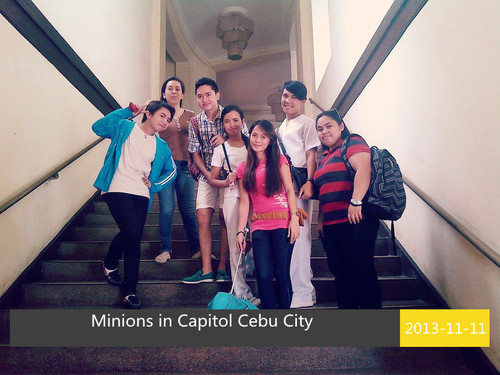
We stopped at the Capitol to take a few random snapshots. I have always enjoyed documenting these little occasions, particularly when they involve people coming together for a shared experience. There is something amusing about the way a group can go from concentrating seriously on volunteer work to suddenly arranging themselves for photographs. One moment, everybody is occupied with practical responsibilities; the next, we are considering poses, smiling at the camera, and making sure the occasion does not disappear without photographic evidence.
I suppose I should not be surprised. I have an unfortunate tendency to treat photographs as essential evidence that an enjoyable day actually happened.
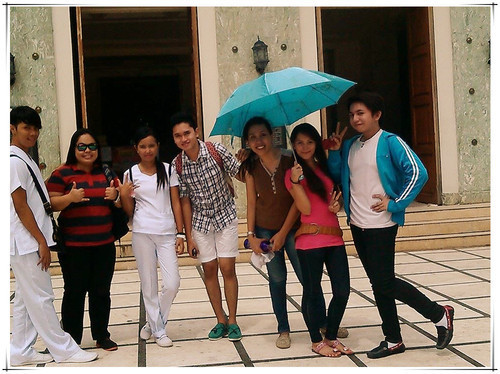
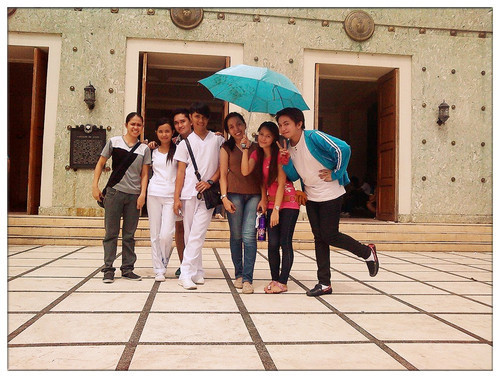
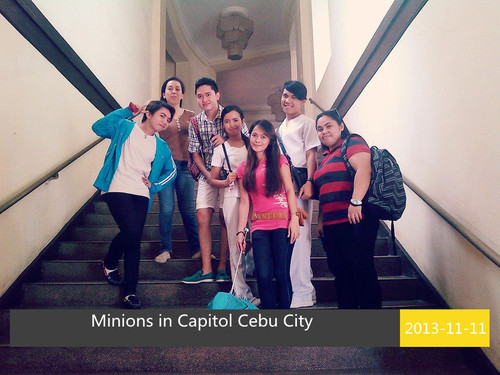
There is also something meaningful about taking those pictures near the Capitol. It is a familiar landmark in Cebu, associated with public life and the ordinary movements of people across the city. That day, however, it became part of a memory connected to a collective effort to help our fellow Filipinos. The photographs may simply show a group of people enjoying a brief moment together, but I will remember the purpose that brought us there in the first place.
I like the thought that years from now, when I come across those pictures again, they will remind me of more than our lunch plans.
They will remind me of the people who gave their time, the atmosphere of working together, and the satisfaction of contributing something practical during a difficult period for our country. I may forget some of the ordinary details of the day, but I hope I remember why we gathered and how meaningful it felt to participate.
After taking our pictures, we finally headed to Tagala’s Store.
Now, I must confess that crispy fried chicken and puso make a wonderfully persuasive combination, particularly for someone who has spent hours working and thinking about lunch. There is something distinctly Cebuano about eating hanging rice with a familiar favourite, enjoying the simplicity of the meal without requiring elaborate presentation or expensive surroundings. The food did not need to be particularly fancy. It simply needed to be satisfying, and after our tiring morning, that seemed more than sufficient.
I have always appreciated meals shared after a meaningful activity. The atmosphere feels different from an ordinary lunch because everyone has something in common to reflect upon. There may be laughter, conversations about the work completed, and the comfortable satisfaction of finally being able to sit down together. The meal becomes a small reward, though not the reason we volunteered in the first place.
I think that distinction matters.
We did not help because we expected recognition, photographs, or a pleasant lunch afterwards. We participated because people needed assistance and we had an opportunity to contribute. The enjoyable moments that followed were simply part of spending the day with others who had chosen to give their time.
Perhaps this is what made the whole experience memorable. It contained both serious purpose and ordinary companionship. We were responding, in our own small way, to a disaster that had caused tremendous suffering, yet we were also reminded that kindness can bring people together. There was room for concern, prayer, cooperation, exhaustion, conversation, and even laughter without any of those things diminishing the seriousness of the tragedy.
I do not think compassion requires us to remain solemn every minute of the day.
People can recognise the gravity of a situation while still finding encouragement in one another’s company. In fact, the companionship of fellow volunteers can make demanding work easier to sustain. It reminds us that we are not carrying the entire responsibility alone and that many other people share the desire to contribute.
The phrase Bangon mga Bisaya has been on my mind throughout these days. I understand why it has become an expression of encouragement. We want our fellow Visayans to find the strength and support necessary to face the difficult period ahead. We want communities to recover, families to receive assistance, and people to discover possibilities beyond the immediate destruction.
But I hope those words are accompanied by action.
It would be easy for those of us in safer circumstances to tell affected families to rise again while remaining unaware of how difficult their situation may be. We must remember that recovery is not simply a matter of personal determination. People need resources, healthcare, shelter, functioning services, and continued support. Encouragement becomes more meaningful when it is offered alongside practical assistance.
Perhaps that is the responsibility those words place upon us.
If we tell our fellow Filipinos to rise, we should also be willing to help create the conditions that make recovery possible.
I have been thinking about how much our country has endured in such a short period. The earthquake in October damaged communities and historic churches across Cebu and Bohol, and now Yolanda has devastated parts of the Visayas. The reports have been heartbreaking, and I know the coming months will bring challenges that cannot be resolved through a single relief activity.
Nevertheless, I am grateful to have participated in something useful.
There is a certain humility in recognising that one afternoon of volunteering will not transform an entire disaster response. The scale of the need is far too great, and recovery will require extensive resources and sustained cooperation. But perhaps that should not discourage us from contributing within our abilities. An individual effort may be limited, yet coordinated contributions can become part of something considerably larger.
I hope I remember that whenever I find myself wondering whether a small act of kindness is worth the trouble.
Some opportunities to help require specialised knowledge or considerable resources. Others ask only that we show up and do the work. Repacking relief goods belongs to the latter category, and I am thankful for the chance to participate.
I am also grateful for the people who shared the experience with me. There is something memorable about working together towards a purpose that extends beyond our individual concerns. We may have arrived with different responsibilities waiting for us afterwards, but for those hours, our attention was directed towards helping people whose needs were far more urgent than our ordinary inconveniences.
And when the work was finished, we celebrated in the most appropriately Filipino manner possible.
We ate.
I suspect there is a lesson somewhere in that arrangement.
Perhaps service becomes easier to understand when we recognise that it is not always an extraordinary event performed by extraordinary people. Sometimes it is a group of ordinary individuals carrying out an ordinary task because somebody else needs assistance. There may be no impressive ceremony, no dramatic announcement, and no guarantee that the people receiving the help will ever know our names.
But their lack of familiarity with us does not make the assistance less worthwhile.
As I reflect upon the day, I find myself returning to the photographs we took before lunch. We were smiling, enjoying one another’s company, and preserving a memory of the time we spent together. Somebody looking at those pictures without knowing the circumstances might reasonably assume that we had simply met for an enjoyable afternoon around Cebu.
They would not necessarily see the hours spent preparing relief goods or understand the concern for our fellow Filipinos that brought us together.
And perhaps that is perfectly fine.
Not every meaningful act needs to announce itself through a photograph. Sometimes the pictures preserve only a small part of the story, while the significance remains with the people who experienced it.
I hope that in the years ahead, when I look back upon November 2013, I will remember more than the devastation shown in the news. I will remember the sadness and uncertainty, certainly, because those realities should not be forgotten. But I also hope to remember the people who responded with compassion, the volunteers who gave their time, and the collective efforts that demonstrated how much ordinary individuals can contribute when they choose to work together.
I hope I will remember this day as one small example of that willingness to help.
The afternoon at the Cebu Provincial Capitol, the random snapshots, the conversations with our group, and the crispy chicken with puso at Tagala’s Store will remain pleasant details. But the meaning of the day began much earlier, while we were preparing supplies for people whose lives had been affected by a disaster none of us would ever have wished upon them.
Perhaps that is what made the lunch especially satisfying.
It was not simply the food, although I must admit that crispy chicken deserves its own generous appreciation. It was the feeling that we had spent part of our day doing something beyond our usual responsibilities, working alongside people who shared our concern for the affected communities.
I cannot know what the coming weeks will bring for the families recovering from Yolanda. I know that the challenges are enormous and that many people are facing circumstances requiring more help than any single volunteer activity can provide. But I hope the collective response continues to grow, and that generosity remains present long after the initial shock has passed.
Tonight, I offer another prayer for the victims of Super Typhoon Yolanda. May those who are grieving receive compassion and support. May the displaced find safe shelter, the injured receive appropriate care, and families struggling to obtain necessities receive the assistance they need. May God guide the people coordinating relief efforts and encourage communities, organisations, and individuals to continue contributing in meaningful ways.
I also pray that we remember one another beyond moments of crisis. It should not always require a disaster for us to recognise the needs of people outside our immediate circle. There are opportunities for kindness in ordinary life as well, and perhaps experiences like this can encourage us to become more attentive to them.
I began the day thinking about the relief goods we needed to prepare. By the afternoon, I was sitting with our group, enjoying a simple meal and reflecting upon the work we had completed. The contrast was not lost on me. Somewhere, people were still struggling to obtain food and shelter, while we were fortunate enough to sit together and eat after our volunteering.
That thought did not make me regret enjoying lunch. Instead, it reminded me why the work mattered.
We had the opportunity to help because we were in a position to offer something, however limited. And perhaps the most meaningful expression of gratitude for our own circumstances is the willingness to recognise when somebody else needs assistance.
The photographs from today will eventually become another collection of memories. Our tiredness will disappear, and the crispy chicken will be remembered with considerably more enthusiasm than the aching muscles that preceded it.
But I hope the reason we gathered remains clear.
We came because our fellow Filipinos were suffering, and we wanted to contribute what we could.
Bangon, mga Bisaya. We cannot promise that the road ahead will be easy, but may you never have to walk it without the support you deserve.
From my November 2013 journal — with gratitude for the opportunity to serve, for the people who volunteered alongside me, and for every act of compassion offered to those affected by Super Typhoon Yolanda.
— Just Anj, RN, with a tired body, a grateful heart, and a renewed appreciation for crispy chicken and puso.


































Leave a Reply