Episode 3 | April 2016 — Inambakan Falls, Ginatilan, Cebu, and the Curious Adventures of a Waterfall Chaser Who Cannot Swim
I have come to the conclusion that my cousins are conducting a rather elaborate experiment to determine how many waterfalls a person can visit before officially becoming an amphibian. After surviving our first adventure at Aguinid Falls and the rather demanding expedition to Dau Falls, I had begun entertaining the possibility that we had already satisfied our summer’s quota for physical activity. My legs had contributed generously to the cause, my enthusiasm had been tested beneath the Cebuano sun, and I felt that we had earned the right to spend the remainder of our holiday somewhere with comfortable chairs and a respectable selection of refreshments. My cousins, however, appeared to have interpreted our previous adventures as preparation for something even more ambitious. Apparently, chasing two waterfalls did not qualify us for retirement. There was another destination waiting farther along our southern Cebu journey, and this time, the attraction involved an enormous curtain of water and a swimming area that immediately reminded me of one rather inconvenient personal detail: I do not know how to swim.
I realise this is a slightly embarrassing admission for somebody who has voluntarily joined an expedition dedicated to visiting waterfalls. One might reasonably expect a waterfall chaser to possess at least a respectable understanding of swimming, particularly when the destinations involve beautiful natural pools. Unfortunately, my relationship with water has always involved a clear distinction between admiring it and demonstrating any significant ability to move through it. I enjoy beaches, rivers, and waterfalls immensely, but I prefer situations in which my feet can maintain a dependable relationship with the ground. I have great respect for people who can swim effortlessly across deep water, appearing wonderfully relaxed while the rest of us remain occupied with the important business of locating the shallowest possible section. I suppose everybody must have a talent, and mine is apparently appreciating aquatic scenery from a position of considerable caution.
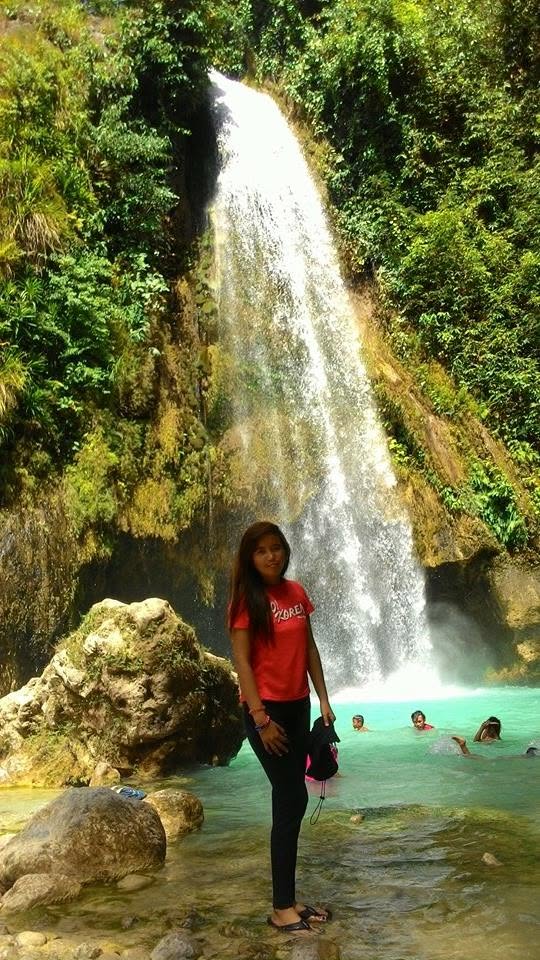
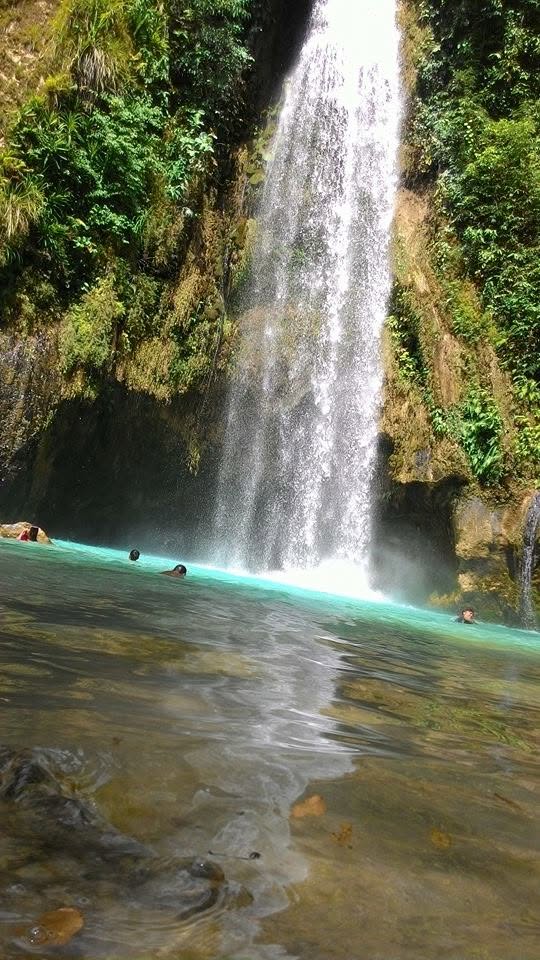
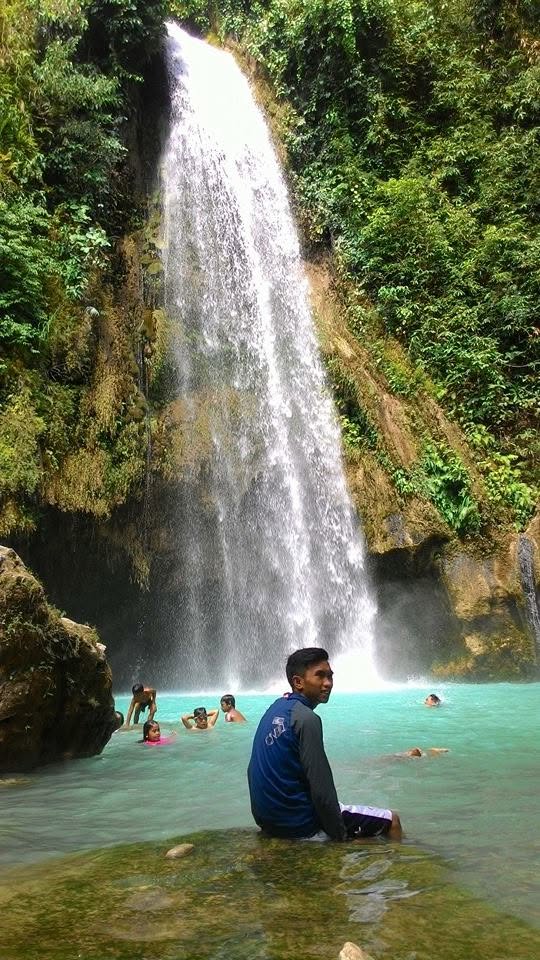
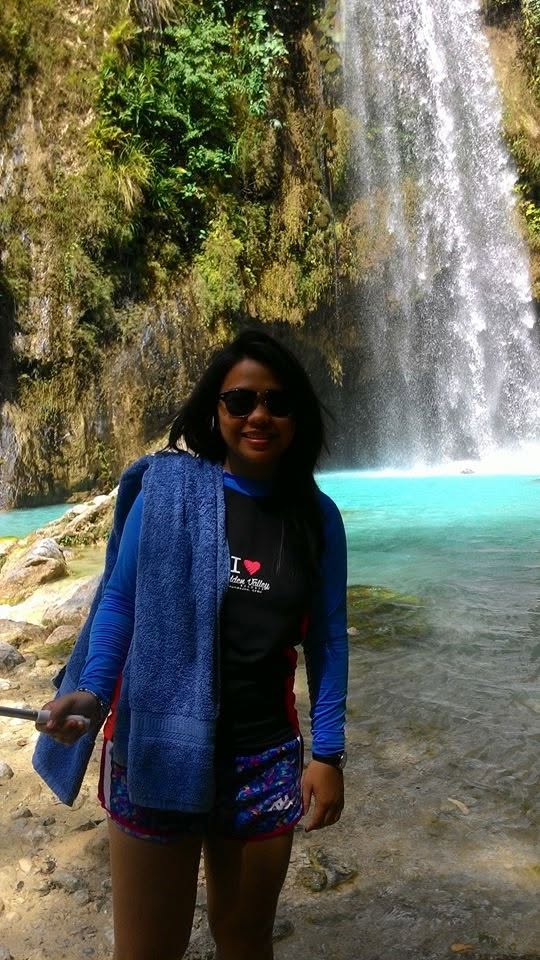
Our third stop was Inambakan Falls in Ginatilan, another beautiful municipality in southern Cebu. By this stage of our Cousinventure, we had already discovered that the province possessed an impressive collection of natural attractions, each with its own character and personality. Aguinid had entertained us with its series of cascading levels, while Dau had required a demanding journey before revealing its magnificent scenery. I was curious about what Inambakan would offer, although I had become considerably more suspicious of travel descriptions that made every destination sound effortlessly accessible. My cousins and I had already learned that photographs could be terribly selective about which parts of an adventure they revealed. A beautiful waterfall might appear only a few steps away in a picture, while the actual experience could involve considerably more effort than anybody had thought to mention.
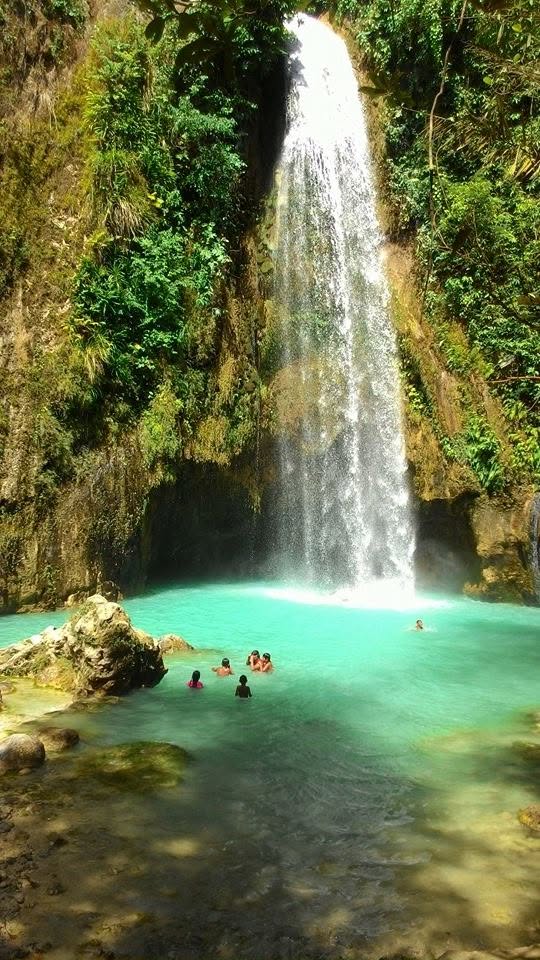
What immediately distinguished Inambakan was the impressive height of its main cascade. At approximately one hundred feet, the waterfall presented a spectacular sight, with water descending over the rock face into a broad natural basin below. The surrounding greenery added depth to the landscape, creating a beautiful contrast with the pale movement of the falling water. I have always found large waterfalls fascinating because they combine something almost delicate in appearance with an extraordinary amount of natural energy. From a distance, the water can resemble an enormous translucent curtain, constantly shifting and folding as it descends. Yet the force responsible for that beautiful display is substantial, reminding visitors that nature’s attractiveness should never be mistaken for harmlessness.
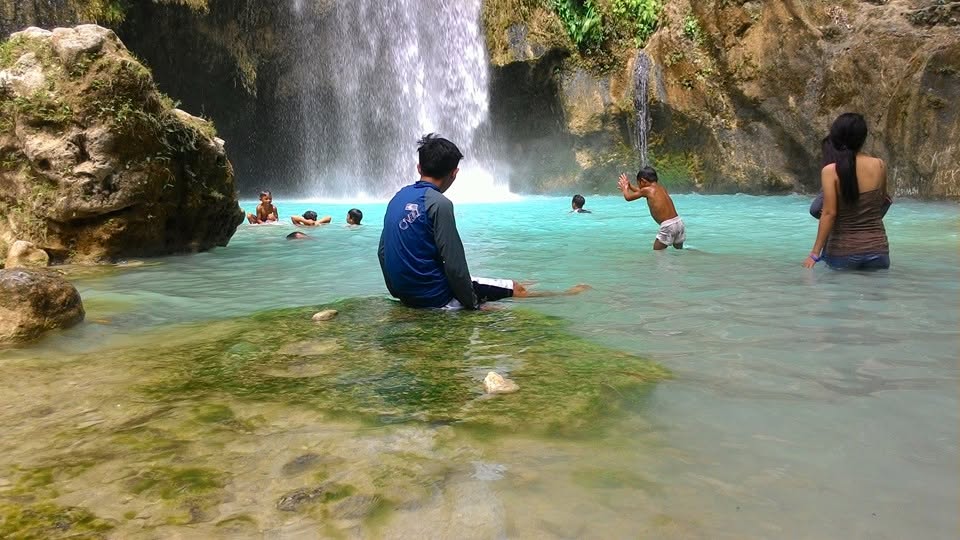
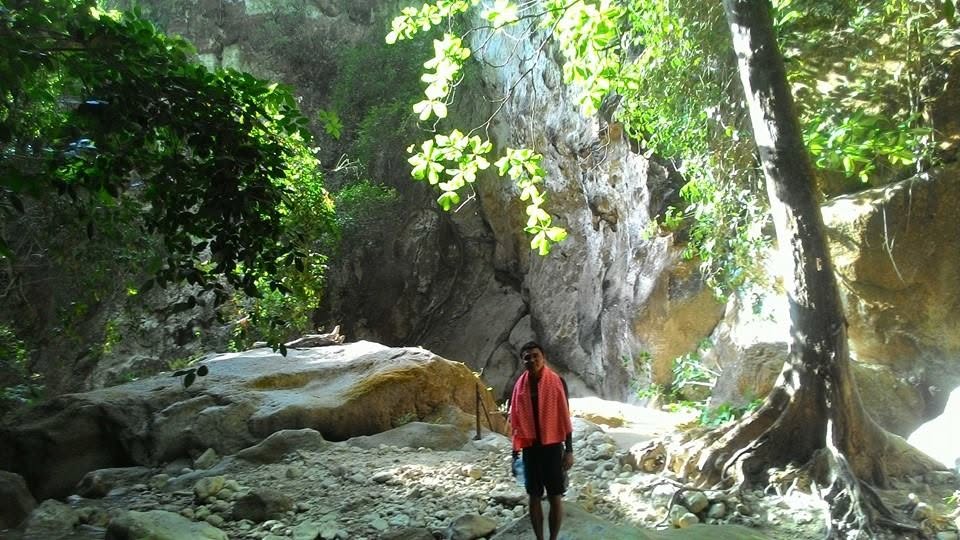
Standing before a waterfall of that scale makes ordinary measurements seem strangely inadequate. One hundred feet sounds impressive when written down, but seeing the water descend from such a height gives the number an entirely different meaning. The cascade becomes the centre of the landscape, drawing attention through its movement and sound. Waterfalls have a remarkable ability to dominate their surroundings without requiring anything from the people watching them. They simply continue flowing, following the shape of the rock, creating patterns that change from one moment to the next. I found myself admiring the way the falling water seemed to soften the appearance of the massive formation behind it, even though the force involved was anything but gentle.
The main basin at Inambakan was another striking feature. Its beautiful green water looked wonderfully inviting, particularly after our previous adventures beneath the summer heat. The colour gave the pool an almost mysterious appearance, especially where the water became deeper. According to the information available during our visit, the deepest section of the catch basin reached approximately eight feet. For a confident swimmer, that measurement might simply be another interesting detail about the attraction. For me, it immediately transformed the pool into a place deserving considerable respect. Eight feet is a perfectly reasonable measurement for certain things, including the height of a ceiling or the length of an unusually ambitious dining table. As a depth of water for somebody who cannot swim, however, it is quite sufficient to discourage unnecessary experimentation.
I have always found it amusing how differently people respond to the same natural attraction. A strong swimmer may look at a beautiful pool and immediately imagine the pleasure of exploring it. Someone who enjoys photography may become interested in the colours, reflections, and surrounding rock formations. Meanwhile, a person like me admires the scenery while quietly determining which section offers the most dependable footing. We can appreciate the same landscape without needing to experience it in exactly the same way. I think that is an important part of travelling, particularly when visiting natural attractions where individual abilities and comfort levels differ. There is no requirement that everybody participate in every available activity simply because they have travelled to the same destination.
One of the most fascinating features of Inambakan was the rock formation behind the waterfall. The falling water created a curtain-like appearance, partially concealing the space behind it. The site was also known for a cavern-like recess near the cascade and a large rock positioned behind the falling water. I could understand why adventurous visitors might find that arrangement intriguing. There is something almost theatrical about the idea of a waterfall concealing another part of the landscape, as though nature has created a stage curtain with a secret waiting behind it. From where I could appreciate the scenery, however, the spectacle itself was more than enough to keep me interested. I had no intention of allowing curiosity to persuade me into exploring deep or forceful water beyond my ability.
The force of the waterfall was something worth taking seriously. Water descending from such a height can create powerful currents and dangerous conditions near its impact area, particularly around submerged rocks and deeper sections. I was conscious that the beauty of the main cascade did not make it an appropriate place for someone with limited swimming ability to take unnecessary chances. I would much rather preserve the memory of an impressive waterfall than discover that my enthusiasm had overcome my judgement. Fortunately, Inambakan also had a shallower area beside the main pool, offering an opportunity to appreciate the water without treating the deeper basin as a personal challenge. Even in shallow sections, natural pools require care because depth, footing, and currents can vary, but the presence of a more accessible area made the destination enjoyable for someone who preferred not to venture into deep water.
I must admit that discovering the shallower section was rather reassuring. There is something wonderful about visiting a destination where different people can enjoy the surroundings according to their own abilities. I did not need to become an accomplished swimmer overnight to appreciate Inambakan. I could admire the enormous cascade, enjoy the refreshing atmosphere, take photographs, and spend time with my cousins while remaining sensible about my limitations. I have always believed that travelling should encourage us to explore new experiences, but I do not think adventure requires us to ignore basic precautions. There is an important difference between trying something unfamiliar and pretending to possess skills we have not developed. My inability to swim was not a challenge I needed to overcome through spontaneous bravery beside a deep waterfall basin. It was simply something I needed to consider when deciding how to enjoy the place safely.
Besides, I had already contributed more than enough physical determination during our visit to Dau Falls. That expedition had involved a long trek beneath the sun, a bamboo bridge, and sections of slippery terrain that demanded careful attention. Inambakan offered another impressive natural setting, but I was quite content to approach it without inventing additional difficulties. I suspect my cousins would have found it entertaining if I suddenly announced that I intended to become a professional swimmer before lunch, but I am pleased to report that I retained enough common sense to avoid making such a declaration. Some ambitions require preparation, training, and a realistic understanding of one’s abilities. Others, such as appreciating a beautiful waterfall while remaining safely within one’s comfort and capability, require considerably less drama.
The surroundings at Inambakan also encouraged me to appreciate the variety of landscapes we had encountered during our southern Cebu journey. Each waterfall seemed to possess a different atmosphere, despite sharing the same general association with flowing rivers and natural pools. Aguinid was memorable for its succession of levels and changing rock formations. Dau impressed us through its remote setting and the effort required to reach its picturesque cascade. Inambakan, meanwhile, seemed to command attention through the scale of its main waterfall and the striking beauty of the basin below. Visiting these destinations in succession gave me a greater appreciation for how nature creates distinct environments within a relatively small region. It also made me realise that being a waterfall chaser involves more than collecting photographs of different bodies of falling water.
I began noticing the little details that made each destination memorable. At Aguinid, I had been interested in the way the river moved through several connected formations. At Dau, the journey itself had become an important part of the experience, particularly the bamboo bridge and the surrounding mountain landscape. At Inambakan, my attention returned repeatedly to the magnificent curtain of water and the contrast between the cascading white water and the deep green pool. These details might appear ordinary to people who encounter such landscapes regularly, but I found them fascinating. Perhaps travelling encourages us to rediscover the ability to be impressed by things that are already part of the natural world.
I have always thought Cebu deserves more recognition for the diversity of its attractions. We possess beautiful beaches, coastal communities, mountains, rivers, historical landmarks, and remarkable waterfalls, yet it is easy to become accustomed to these features when we live within the same province. We may recognise the names of famous destinations without making the effort to explore them ourselves. Some places become familiar through social media photographs, travel recommendations, or stories shared by friends, but those impressions cannot entirely reproduce the experience of being present. The landscape has textures, sounds, and a sense of scale that may be difficult to communicate through a picture alone. Our Cousinventure reminded me that there is still so much of Cebu I have not yet experienced, despite having spent much of my life calling the province home.
There was something particularly pleasing about discovering these places with my cousins. Family adventures have a personality entirely their own, shaped by shared memories, familiar jokes, and the extraordinary freedom to behave a little foolishly without needing to make formal introductions. We have known one another through different stages of childhood and adulthood, and that history creates a kind of companionship that I appreciate more as our responsibilities increase. When we travel together, the journey becomes another chapter in a collection of memories that began long before we understood how quickly time could pass. I like imagining that years from now, we will look at our photographs from southern Cebu and remember not only the waterfalls but also the ordinary pleasure of spending a summer adventure together.
I suspect those photographs will provide considerable entertainment. There is something deeply unfair about the expectations created by travel advertisements. People appear beside waterfalls looking effortlessly beautiful, their hair arranged perfectly despite the surrounding moisture, their expressions suggesting that nature has personally arranged the lighting for their benefit. Meanwhile, ordinary travellers must negotiate humidity, wet surroundings, and the occasional discovery that a candid photograph has captured an expression best described as deeply concerned about the future. I have learned to approach holiday photography with cautious optimism. A beautiful destination does not guarantee that every person standing in front of it will appear equally magnificent, and I suspect nature has little interest in providing complimentary beauty services.
Still, I enjoy taking photographs because they preserve memories that might otherwise become less distinct with time. The pictures from our Cousinventure will remind me of the places we visited, the people who accompanied me, and the little observations that made each destination different. I may eventually forget the exact order of every conversation or the precise moment we decided to take another group photograph, but I imagine the main cascade at Inambakan will remain vividly connected to this summer. It was an impressive sight, particularly after our previous experiences at Aguinid and Dau, and I am glad we included Ginatilan in our journey.
The visit also made me think about the importance of respecting natural attractions rather than treating them merely as convenient locations for photographs. Waterfalls are beautiful, but they are also dynamic environments shaped by weather, flowing water, rocks, and changing conditions. Visitors have a responsibility to remain attentive, follow local guidance, and avoid activities beyond their abilities. I hope that as more people discover places like Inambakan, the surrounding environment continues receiving the care it deserves. Tourism can introduce visitors to remarkable landscapes, but its value should not be measured exclusively through the number of photographs uploaded afterwards. Natural attractions belong to much larger environments and communities whose needs continue long after tourists have returned home.
I also appreciate the way local tourism can contribute to the communities surrounding these destinations. Visitors may arrive because they want to admire beautiful scenery, but their experiences often depend upon local knowledge, services, and practical arrangements that help make the area accessible. During our April 2016 visit, the entrance fee for Inambakan Falls was ₱10 per person, while parking fees were listed as ₱30 for private cars and ₱10 for motorcycles. I am including those details as part of our original travel experience, although such rates and arrangements may change over time. Anyone planning a future visit should confirm the current information rather than rely entirely upon prices recorded in an old travel diary. Practical details have a remarkably short shelf life, even when the beautiful scenery remains recognisable for years.
What struck me most about Inambakan was how much beauty could be found in a place that did not require extravagant attractions or elaborate entertainment. There was the waterfall, the natural basin, the surrounding greenery, and the simple pleasure of being somewhere different from our ordinary routines. I sometimes wonder whether we have become too accustomed to expecting constant activity during holidays. We create itineraries, arrange several destinations, and measure the success of a journey by the number of things we have accomplished. Yet some of my favourite travel memories involve moments when I stopped concentrating on what came next and simply appreciated the surroundings. Inambakan provided one of those opportunities, particularly because the waterfall itself was impressive enough to command my attention without requiring much assistance from anything else.
Perhaps that is one of the things I have been enjoying about this summer. My ordinary life has become increasingly occupied with work and personal responsibilities, and there are days when I feel as though time is moving faster than I can properly appreciate. I make plans, think about professional goals, and become concerned with the practical matters that accompany adulthood. Travelling with my cousins gives me a reason to interrupt those routines and remember that life also deserves moments of enjoyment. We do not need every outing to become an extraordinary achievement, and we certainly do not need to transform every beautiful landscape into a philosophical examination. Sometimes it is enough to stand before a waterfall, appreciate the scenery, and enjoy the company of people who make the journey worthwhile.
Nevertheless, I cannot resist reflecting upon the rather amusing contradiction of being a waterfall enthusiast who cannot swim. There is something delightfully absurd about repeatedly travelling to destinations where water is the principal attraction while remaining personally committed to avoiding its deeper sections. I suppose it proves that appreciation does not always require participation in every possible activity. A person can love mountains without becoming a mountaineer, admire the sea without becoming a sailor, and enjoy waterfalls without suddenly developing the abilities of a professional swimmer. I may eventually decide to learn properly, which would certainly be a useful skill, but I am not going to let the absence of that ability prevent me from appreciating natural attractions in ways that are appropriate for me.
There is also a little lesson in knowing one’s limits without becoming ashamed of them. We sometimes feel pressure to join activities simply because other people appear comfortable doing them. Nobody wants to seem timid during an adventure, particularly when surrounded by enthusiastic companions and beautiful scenery. But I would rather make a sensible decision than pretend to possess confidence or ability I do not actually have. Recognising a limitation can help us find another way to enjoy an experience, and I think there is something mature about that. I may be willing to travel a considerable distance to admire a waterfall, but I am also perfectly willing to remain in an appropriate area rather than prove an unnecessary point.
My cousins and I have now visited three beautiful waterfalls during our southern Cebu adventure, and I find myself feeling increasingly grateful that we decided to spend part of our summer exploring the province. Each destination has offered something different, and the journey has reminded me that worthwhile experiences do not always require travelling far beyond home. Cebu contains remarkable places that deserve attention, and there is satisfaction in discovering them while spending time with family. I hope we continue organising outings like this, even as our individual responsibilities become more demanding. There may come a time when gathering everybody for a day of travelling requires more planning than the actual excursion, which makes our present opportunities worth appreciating.
As I think about the three waterfalls, I realise that each has given our Cousinventure a different personality. Aguinid introduced us to the pleasure of exploring a multi-tiered waterfall system, Dau challenged our endurance with its remote location and demanding trek, and Inambakan impressed us with a grand cascade and beautiful green basin. Together, they have provided a memorable collection of experiences within southern Cebu. I am glad we did not limit ourselves to one destination, although I suspect my body might have preferred a slightly less ambitious itinerary. Fortunately, I have never been particularly successful at resisting an interesting travel opportunity, especially when it involves relatives who are equally enthusiastic about discovering somewhere beautiful.
I began this entry by questioning the logic of a non-swimmer repeatedly visiting waterfalls. Having now reflected upon our experience at Inambakan, I think the answer is fairly simple. I enjoy discovering beautiful places, and there is much to appreciate about a waterfall beyond the possibility of swimming beneath it. The sight of the cascade, the movement of the water, the surrounding landscape, and the memories shared with my cousins were more than enough to make the destination worthwhile. I did not need to become an expert swimmer to recognise that we had discovered another remarkable place in Cebu, just as I did not need to master every activity offered by a destination before considering the journey successful.
Perhaps that is what I want to remember about our third stop. Inambakan Falls was impressive because of its height and beautiful surroundings, but the experience was meaningful because we made the journey together and found another opportunity to appreciate the province we call home. I hope that when I look back upon this particular summer, I will remember the laughter, the scenery, and the delight of discovering places that had previously existed mainly as names on a list of destinations. Those memories are worth preserving, particularly because adulthood has a habit of making ordinary time together increasingly difficult to arrange.
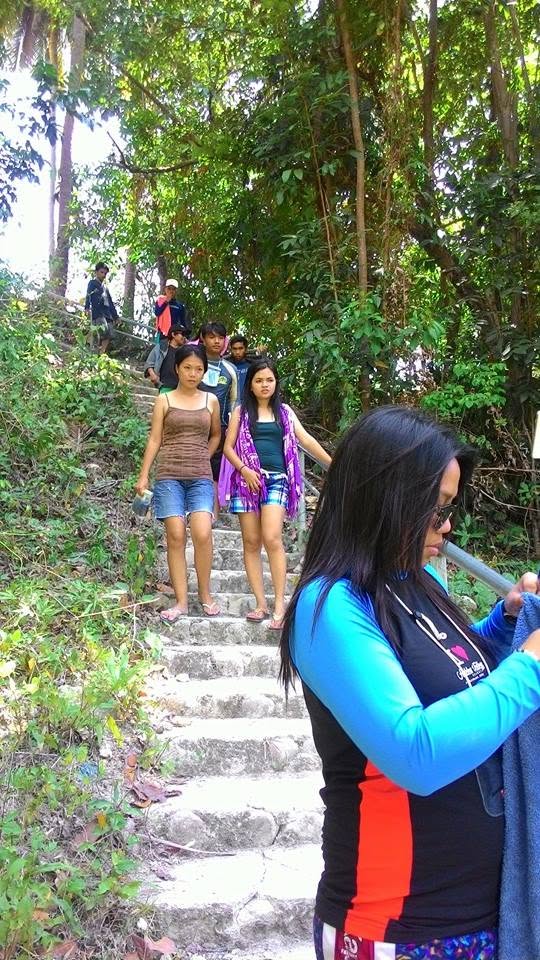
As for the rest of our Cousinventure, I am pleased that we have already collected enough stories to make this summer memorable. We have encountered beautiful waterfall formations, demanding trails, interesting landscapes, and an impressive demonstration of nature’s ability to make ordinary photographs look almost unreal. We have also discovered that travelling with family remains one of my favourite ways to create memories, even when the itinerary occasionally requires more effort than I anticipated. I suspect our next adventure will introduce another unexpected complication, because my cousins seem remarkably talented at finding activities that challenge my enthusiasm for comfortable holidays.
For now, I shall consider Inambakan Falls another successful destination. The cascade was magnificent, the surroundings beautiful, and the experience another reminder that southern Cebu deserves to be explored with curiosity and respect. I may not have ventured into the deep green basin, but I returned with something far more important than proof of bravery: an enjoyable memory of being there with my cousins. And while I admire people who can swim confidently through natural pools, I am perfectly content knowing that my appreciation for waterfalls remains undiminished by my inability to do the same.
After three stops, I think I have finally understood the peculiar arrangement between my family and summer holidays. We do not simply choose a beautiful destination and enjoy a relaxing afternoon. We select somewhere interesting, travel towards it with considerable enthusiasm, and somehow transform the experience into a collection of stories that become increasingly entertaining afterwards. Inambakan has now joined Aguinid and Dau in our growing Cousinventure history, and I suspect the photographs will continue making us smile long after the summer has passed. If our next adventure involves another waterfall, however, I would appreciate a small courtesy from nature: perhaps a magnificent view, a comfortable place to sit, and a body of water that does not require me to reconsider my qualifications as an aquatic creature.
Until then, I shall remain what I have apparently become this summer: a determined waterfall chaser with a camera, a wonderful collection of cousins, and absolutely no intention of pretending that eight feet of deep water is an appropriate place to discover whether I can swim. The waterfall can keep its deepest secrets. I am perfectly happy admiring the view from somewhere my feet can confidently reach the ground, preferably while planning where the family intends to eat afterwards.
April 2016 | Cousinventure Episode Three — Inambakan Falls, Ginatilan, Cebu. A summer journey to one of southern Cebu’s magnificent waterfalls, where natural beauty, family adventures, and my complete inability to swim made a rather entertaining combination.
— Just Anj, aspiring waterfall chaser, loyal member of the shallow-water appreciation society, and still waiting for my cousins to propose an adventure involving significantly less water.


































Leave a Reply