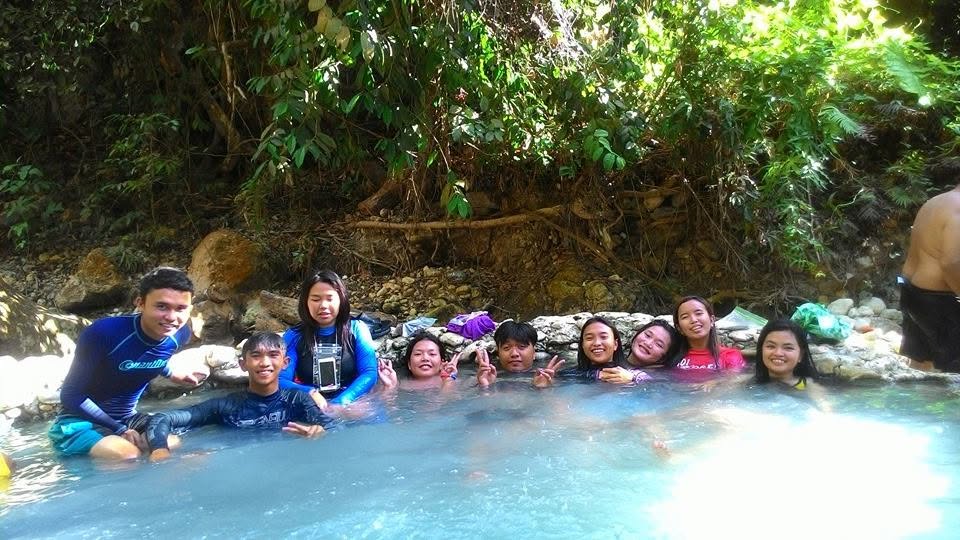
Episode 4 | April 2016 — Mainit Springs and Falls, Malabuyoc, Cebu, Where Nature Runs Its Own Spa and Apparently Has No Temperature Control
I am beginning to believe that my cousins have mistaken our summer holiday for an ambitious scientific investigation into the many ways water can test human patience. First, we visited Aguinid Falls, where water descended through several beautiful levels and encouraged us to discover muscles we had previously neglected. Then came Dau Falls, which seemed to believe that an impressive view should be awarded only after a lengthy trek beneath the unforgiving Cebuano sun. At Inambakan Falls, we encountered a magnificent cascade and a deep green pool that reminded me of one particularly inconvenient detail about myself: I cannot swim. After three such adventures, I assumed we had explored a respectable range of aquatic experiences. Apparently, however, my cousins had one more idea. Having spent the day pursuing cold waterfalls, why not visit somewhere the water had decided to boil itself? I must admit, it was a reasonable suggestion if the purpose of our holiday was to determine precisely how much temperature variation one family could tolerate before somebody demanded to be taken home.
Our fourth destination was Mainit Springs and Falls in Malabuyoc, a municipality in southwestern Cebu. Even the name provided a helpful warning about what awaited us. Mainit, in Cebuano, means hot, and I appreciate the straightforwardness of that description. Some places are named after historical figures, geographical features, or beautiful legends. This one apparently decided that unnecessary poetry would only confuse visitors. The water is hot, so the place is called Mainit. Simple, practical, and admirably honest. Perhaps more tourist attractions should adopt this approach. A mountain requiring several hours of climbing could be named Kapoy, while an unexpectedly expensive restaurant might consider calling itself Mahala. Travellers would arrive with considerably more realistic expectations, and nobody could accuse the destination of failing to provide adequate warning.
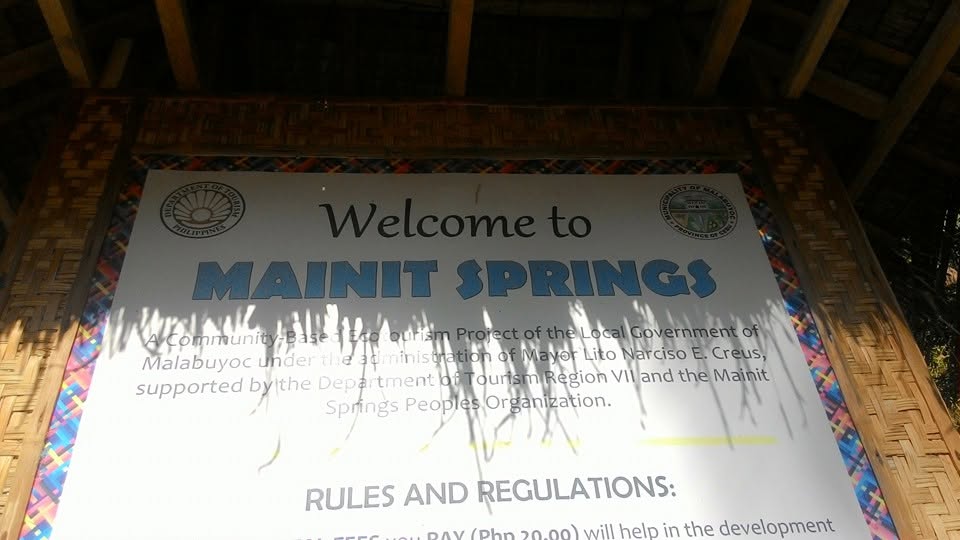
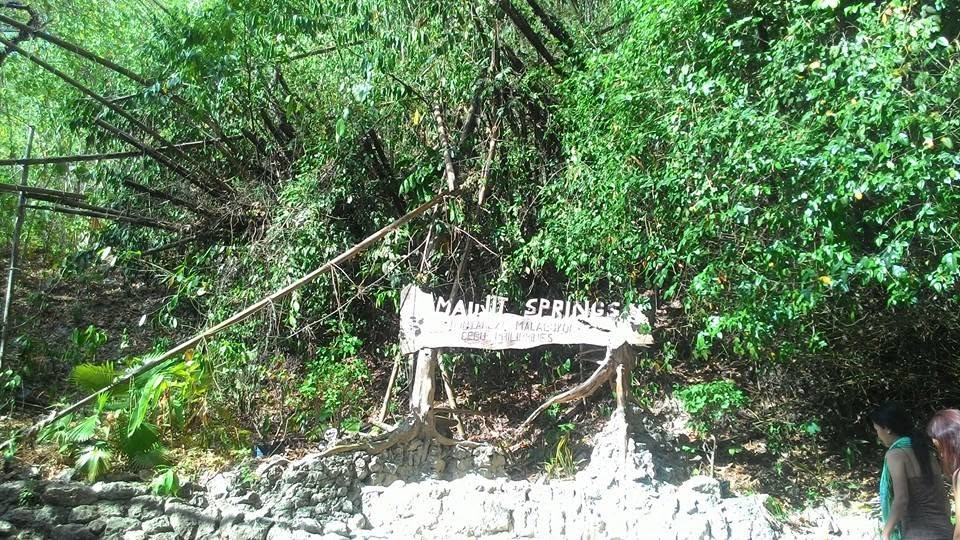
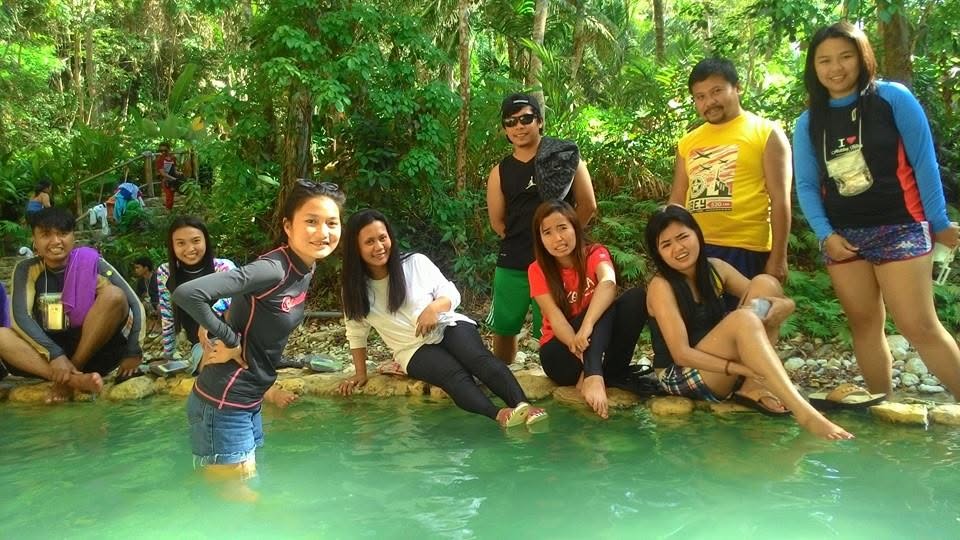
By the time we reached Malabuyoc, our Cousinventure had already developed into a memorable exploration of southern Cebu. We had discovered waterfalls with different personalities, travelled through beautiful landscapes, and spent enough time together to accumulate a respectable collection of family jokes. I was grateful for the opportunity to see another part of the province, particularly because Mainit offered something different from our previous destinations. Instead of visiting another waterfall primarily to admire its cascading water, we were about to experience natural springs warmed beneath the earth’s surface. I found the idea fascinating. There is something almost unbelievable about the fact that water can emerge naturally at temperatures warm enough to rival the bathing arrangements of a household whose water heater has become a little too enthusiastic.
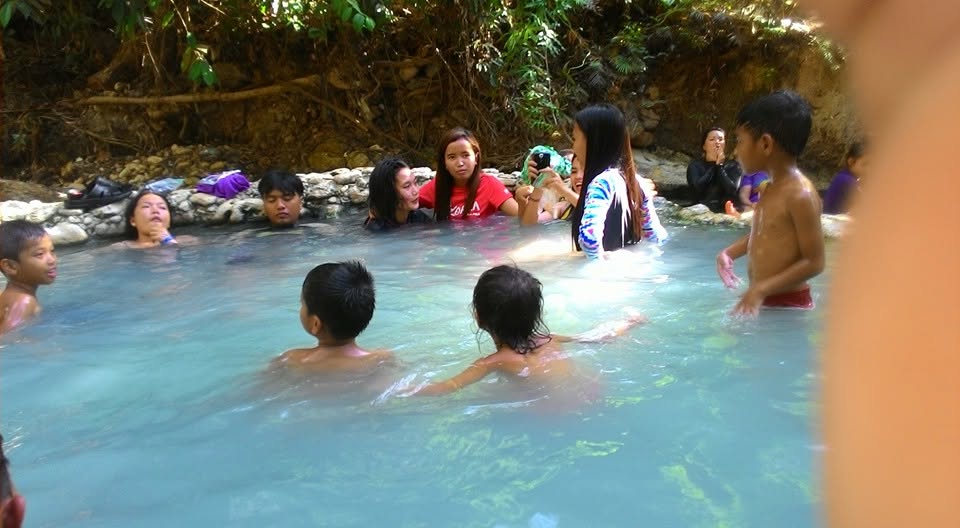
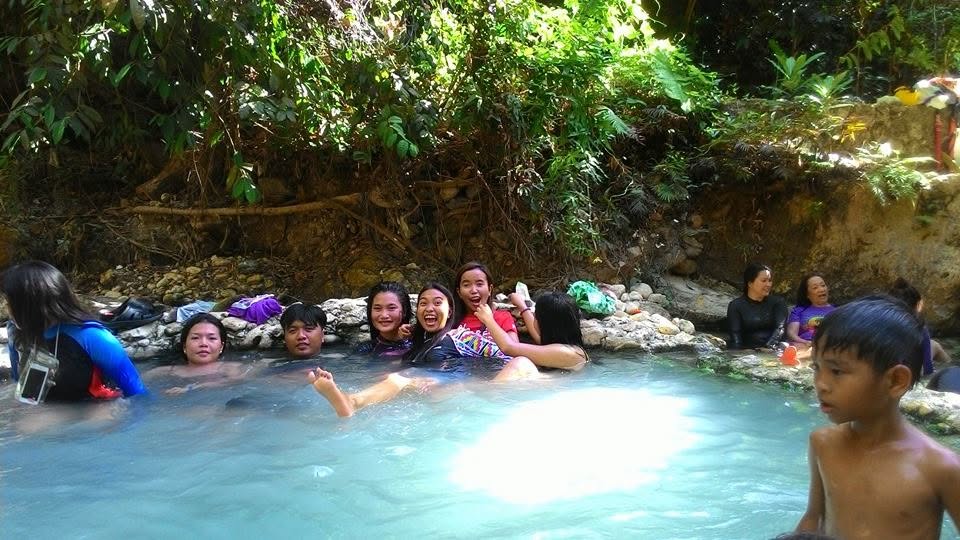
Mainit Springs had a charm that differed from the more developed leisure destinations people often associate with relaxation. During our April 2016 visit, the area retained a largely natural character, without the elaborate facilities and decorative arrangements found in commercial resorts. I appreciated that simplicity because the surroundings allowed the natural springs themselves to remain the attraction. The landscape felt closely connected to the terrain around it, and the experience encouraged us to appreciate a feature created by geological processes rather than an attraction constructed primarily for tourists. Sometimes the most interesting places are those where nature has already completed the design work and human beings have wisely decided not to interfere too enthusiastically.
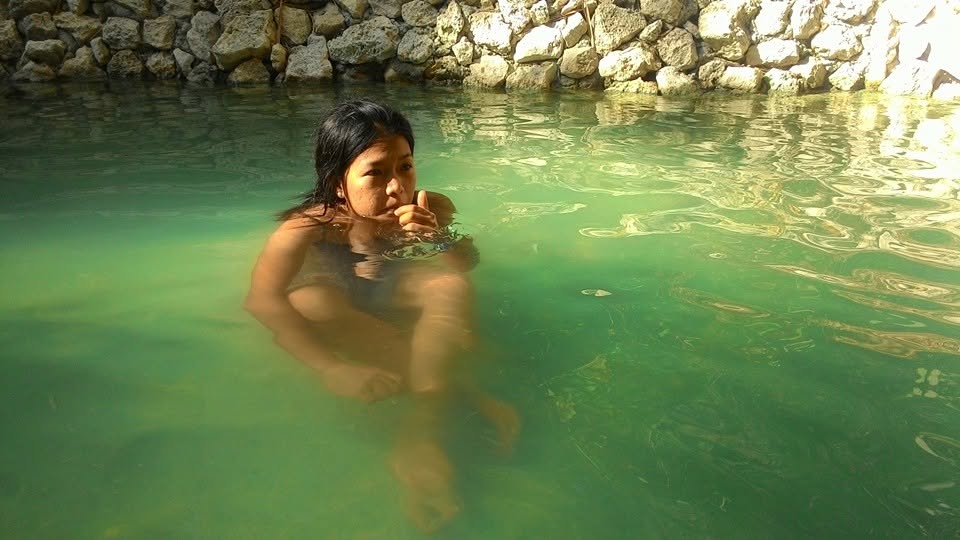
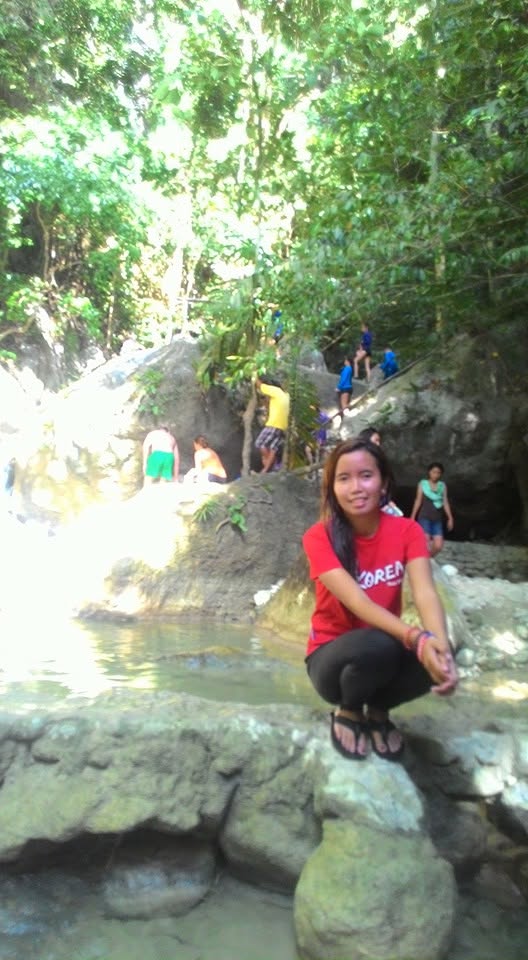
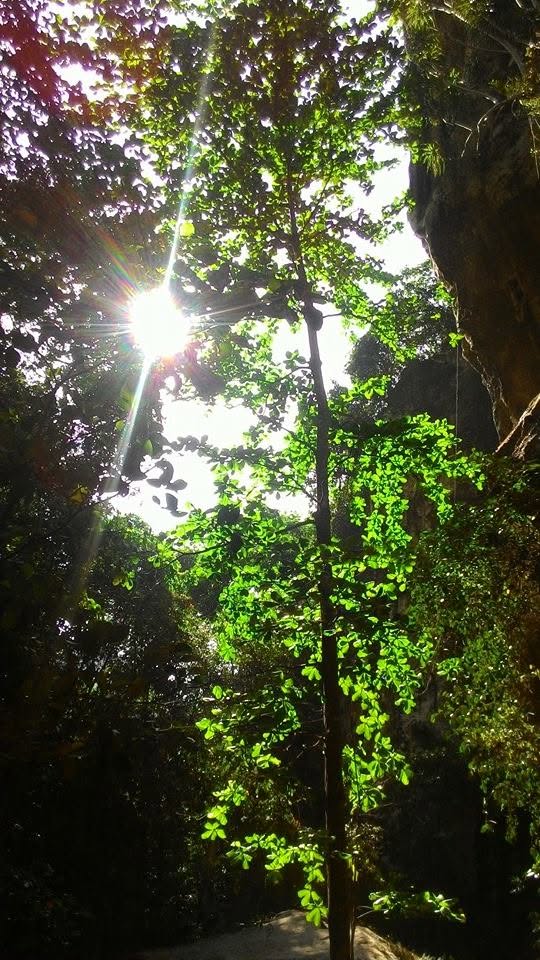
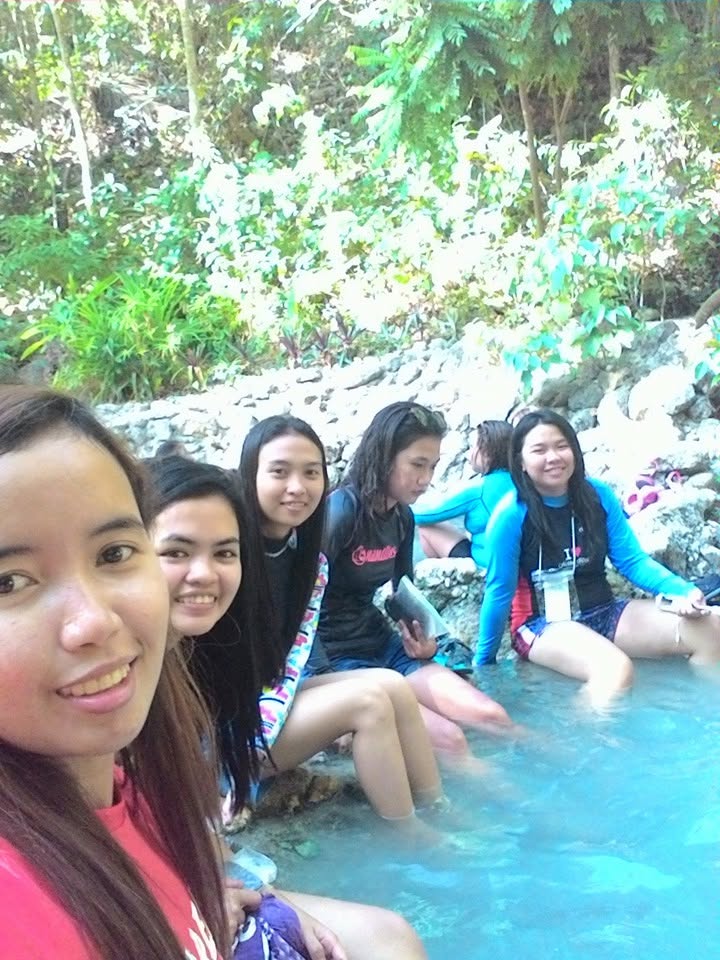
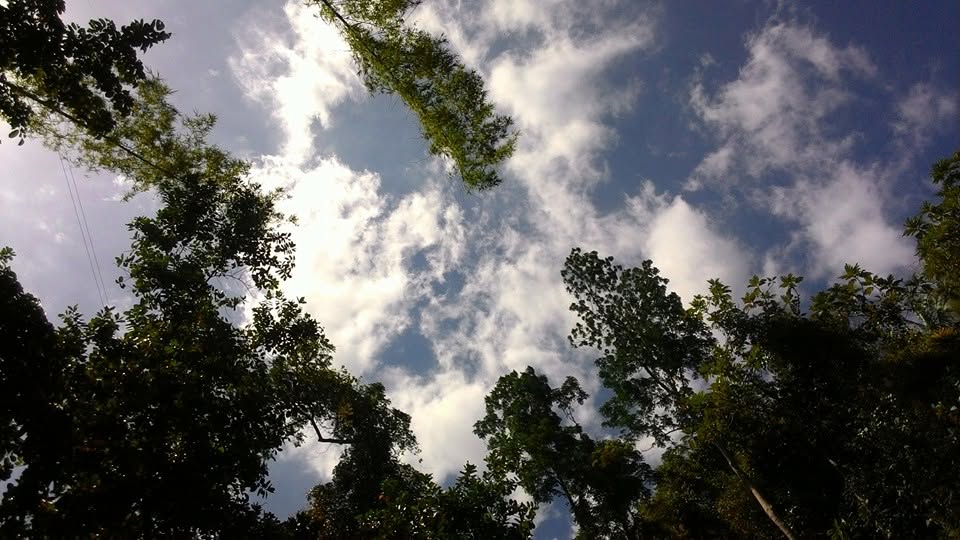
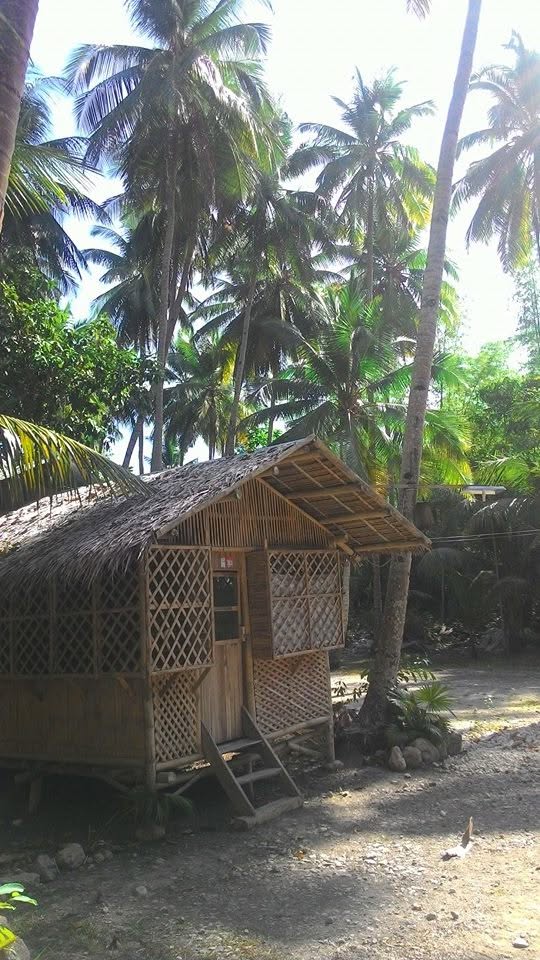
The springs emerge from the mountainous landscape, providing naturally heated water in a setting that is quite different from the cold cascades we had explored earlier. I found myself wondering about the extraordinary processes taking place beneath the surface, where groundwater can be warmed by the earth before making its way into natural pools. It is one thing to turn on a tap and expect warm water to appear, particularly when someone else has paid the electricity bill. It is another to encounter water emerging warm from the ground without requiring a household appliance to provide the heat. Nature, apparently, has been operating its own heating system long before humanity began arguing about whose turn it was to pay the utilities.
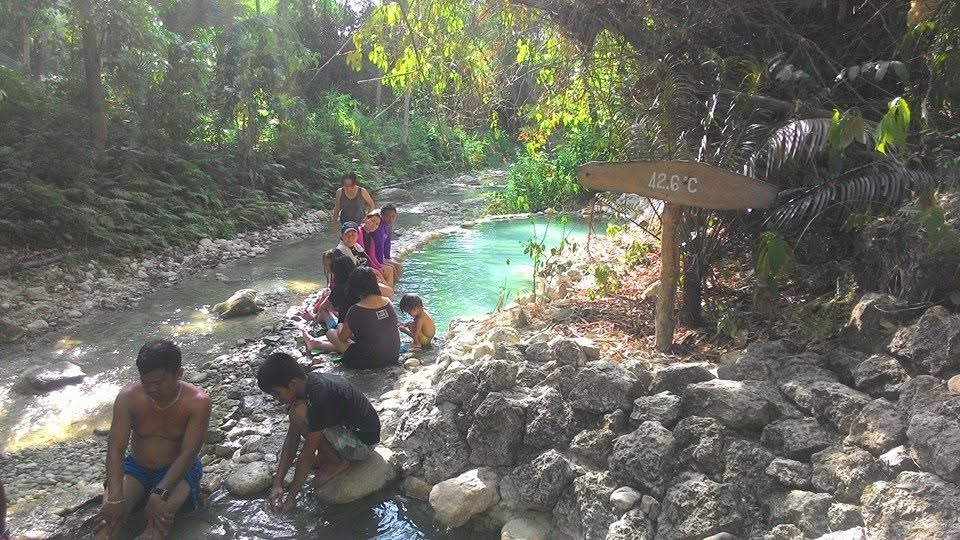
There were three springs at Mainit, each offering a different temperature. The first pool we encountered was also the hottest, with a recorded temperature of approximately 42.6°C. I remember finding that number rather astonishing. For comparison, ordinary body temperature is considerably lower, so water at that level can feel intensely hot and may cause burns, especially with prolonged exposure. It was certainly the sort of pool that deserved caution rather than a dramatic entrance worthy of a television advertisement. Natural hot springs should never be treated as though their temperatures are automatically suitable for everybody, and I would much rather admire an extremely hot pool than encourage anyone to test their tolerance recklessly.
There is something rather amusing about the contrast between the appearance of a natural hot spring and the reaction its temperature can provoke. The water may look calm and inviting, surrounded by attractive scenery, but appearances tell us very little about how comfortable it will feel. I suppose this is another example of nature refusing to take responsibility for human assumptions. We see a lovely pool and imagine a relaxing experience, forgetting that temperature is an important detail when deciding whether entering the water is sensible. My nursing background has given me enough appreciation for the effects of heat on the body to regard very hot water with respect. I am perfectly willing to enjoy a beautiful destination without believing that every pool requires personal inspection by my entire body.
Fortunately, the second and third springs offered noticeably lower temperatures, approximately 35.8°C and 36.1°C respectively. Compared with the first pool, these were far closer to the warmth many people would associate with a comfortable bath. I could understand why visitors might enjoy spending time in such surroundings, particularly when the weather was cooler or after a demanding day of travelling. Warm water can feel pleasantly soothing, although individual comfort varies, and it is still sensible to pay attention to temperature, duration, and personal health considerations. I appreciated the variety because it showed how different the springs could be despite being located close to one another. Apparently, even natural pools have individual personalities, ranging from reasonably welcoming to the one that seems determined to remind everybody who is in charge.
I must admit that I found the idea of visiting warm springs rather appealing after our earlier waterfall adventures. We had spent a considerable amount of time travelling, walking, and appreciating natural attractions that occasionally required more effort than anticipated. A destination associated with warmth and relaxation sounded like a welcome change of pace. My legs, which had been remarkably cooperative throughout the journey despite having received very little consultation during the planning stage, probably considered the suggestion long overdue. I imagined them expressing their approval of any activity that involved fewer steep pathways and a greater possibility of remaining comfortably still.
What interested me most about Mainit, however, was the way the springs offered an entirely different experience of water. At Aguinid, the flowing cascades had created a sense of movement and discovery as we explored the various levels. Dau impressed us through its remote location and the spectacular view that rewarded our lengthy trek. Inambakan commanded attention through the height of its main waterfall and the deep green basin below. Mainit, on the other hand, invited us to notice something that a photograph might not easily communicate: temperature. Its most distinctive feature was largely invisible until a visitor experienced the warmth or learned about the natural conditions creating it. I found that fascinating because it reminded me that landscapes can appeal to more than our sense of sight.
Travelling has made me increasingly aware of how much our experiences depend upon the senses. We remember the colours of a beautiful coastline, the sound of water descending over rocks, the feeling of a breeze during a warm afternoon, and the distinctive atmosphere of a place that cannot be completely reproduced in photographs. Mainit added another dimension to our collection of memories through its naturally heated pools. Looking back, I realise that the destinations we visited during this Cousinventure were connected by water, yet each offered something different to observe and appreciate. Perhaps that was what made the entire adventure so interesting. We were discovering how one familiar element could shape such varied environments within the same province.
The simplicity of Mainit’s surroundings also encouraged me to think about the appeal of natural attractions before they become heavily developed for tourism. I understand that visitor facilities can improve access, comfort, and safety, particularly when they are planned responsibly and maintained properly. But I also appreciate places where the natural landscape remains visible without excessive decoration. There is a certain charm in visiting somewhere that has not been transformed into a collection of commercial features designed to compete for attention. At Mainit, the springs themselves provided the interest, and the surrounding environment contributed to the atmosphere. I hope that as destinations like this develop, decisions continue to consider environmental protection, visitor safety, and the communities that depend upon the area.
After experiencing the hot springs, there was another attraction nearby for anyone interested in a change of temperature. A short walk, approximately two minutes according to the route described during our visit, led towards Mainit Falls. I found the contrast amusing. Having encountered water so warm that it required careful consideration, visitors could apparently walk a little farther and discover the entirely different sensation of a cooler waterfall. It was as though nature had arranged a menu of aquatic experiences and decided that everybody should be able to find something suited to their preferences. Unfortunately, unlike a restaurant, the menu did not allow us to request that the temperatures be adjusted according to our personal convenience.
Mainit Falls was a more modest attraction compared with the impressive waterfalls we had already visited. Its rocky surroundings gave it a different character, and the cascade itself was less dramatic than the magnificent views we had encountered at Dau and Inambakan. I do not think there is anything wrong with acknowledging that distinction. Travel writing becomes rather unhelpful when every destination is described as the most spectacular place on earth, regardless of what visitors actually experience. I enjoyed discovering Mainit Falls, but I would not pretend that it possessed the same scale or visual impact as some of the waterfalls that had already impressed us earlier in our journey. Its appeal was connected more closely to its natural setting and its convenient proximity to the springs.
Perhaps that is part of what makes exploring several destinations during one journey so interesting. We begin recognising differences rather than expecting every attraction to provide exactly the same experience. Some places impress us immediately through their grandeur, while others offer quieter forms of enjoyment. There are destinations worth visiting because of their remarkable scenery and others that become memorable through the unusual features they possess. Mainit was particularly interesting because it combined naturally heated springs with a nearby waterfall, allowing us to encounter contrasting water temperatures within the same general area. I appreciated that combination, even if the waterfall itself was less visually imposing than the ones we had previously explored.
The rocky surroundings were another reminder that natural attractions deserve sensible attention. Water and uneven rock surfaces can create slippery conditions, and the presence of hot springs introduces additional considerations that are not necessarily encountered at ordinary swimming areas. Visitors should follow local advice, remain attentive to changing conditions, and avoid entering water that feels excessively hot. I know it is tempting to focus entirely upon the enjoyment of an outdoor adventure, particularly when travelling with enthusiastic companions, but I have never believed that excitement should require us to disregard common sense. My cousins may occasionally question my enthusiasm for comfort, but I would rather return from a holiday with amusing photographs than with an entirely preventable reason to seek medical attention.
I suppose my professional background has made me particularly conscious of such matters. Even when I am not working in a hospital, I sometimes find myself observing situations through the practical habits developed during my nursing experience. I consider the environment, think about potential risks, and occasionally wonder whether somebody has properly assessed the suitability of an activity before deciding to attempt it. This does not mean I spend every holiday acting like an unofficial safety officer, although my cousins might disagree if invited to provide an independent assessment. I enjoy adventures, but I also appreciate returning home with all participants reasonably pleased about the experience.
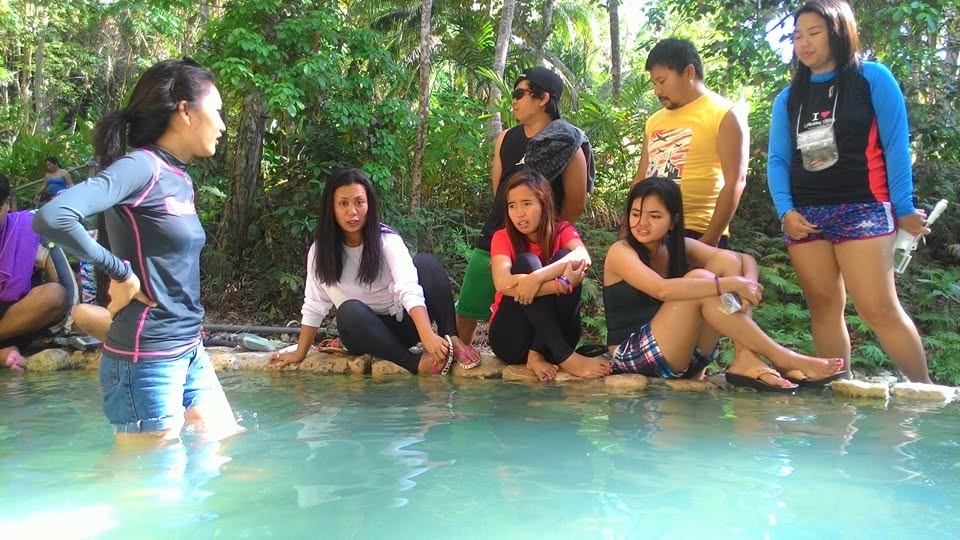
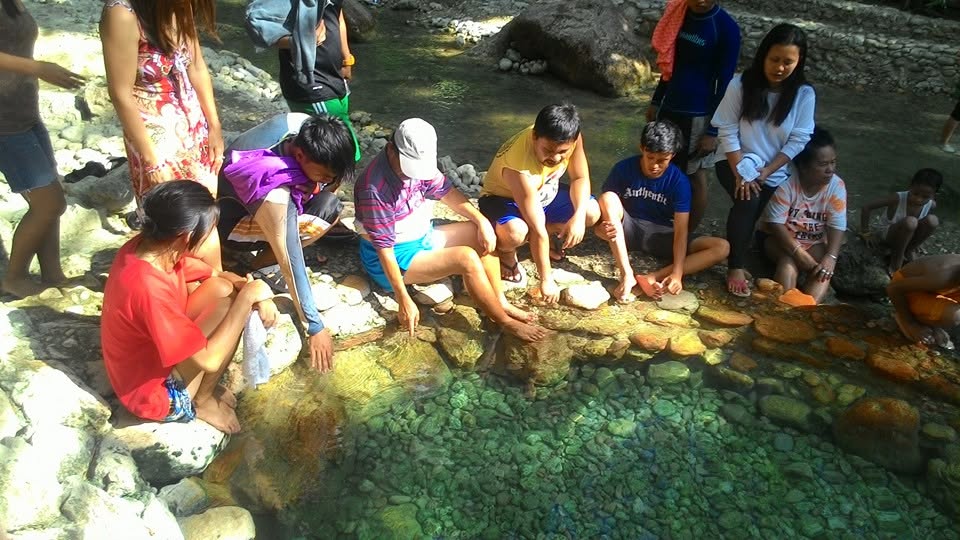
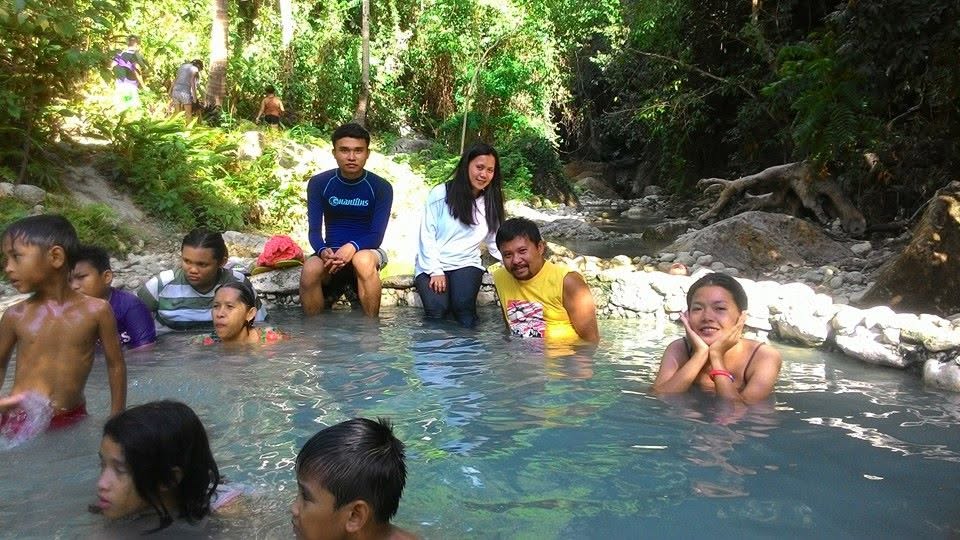
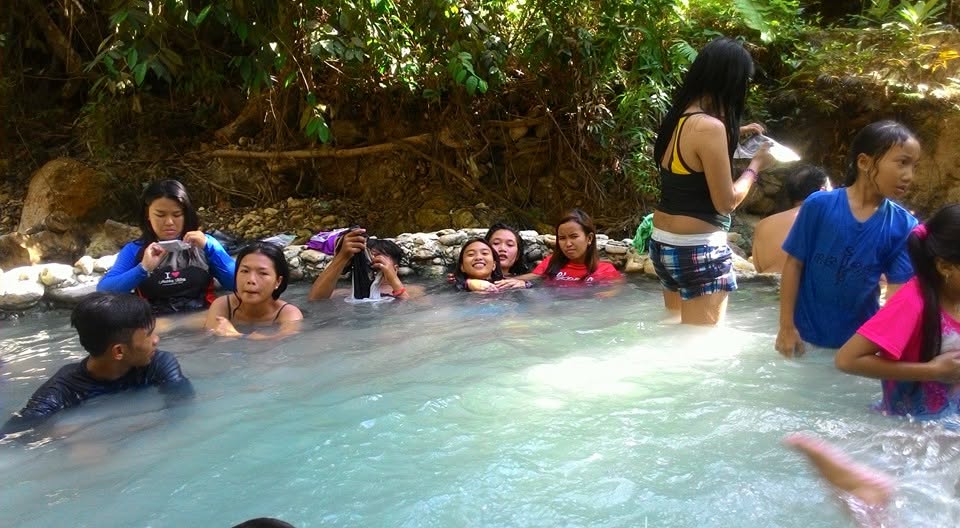
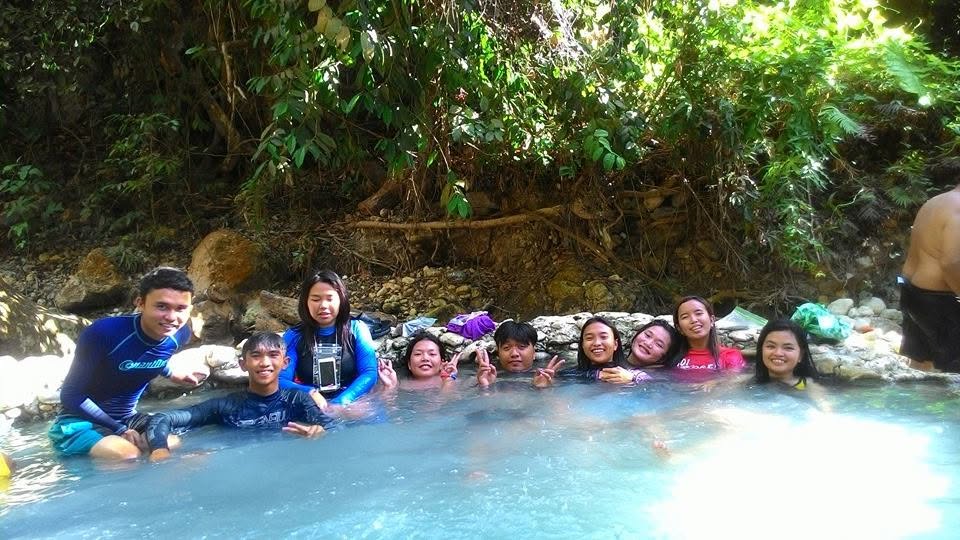
What made Mainit particularly memorable was not simply the springs or the nearby waterfall, but the fact that it became another chapter in our shared summer adventure. By our fourth destination, we had accumulated enough experiences to make the journey feel like a proper family expedition. We had admired beautiful scenery, encountered challenging routes, and discovered places with different natural features. We had also spent valuable time together, something I appreciate more as adulthood gradually makes spontaneous family outings difficult to organise. There was a time when gathering with cousins required very little consideration beyond whether somebody’s parents had agreed to the plan. These days, we have responsibilities, work schedules, and personal commitments that require a little more coordination.
Perhaps that is why I enjoy these Cousinventures so much. They provide opportunities to preserve the easy companionship we developed while growing up, even as our individual lives become increasingly busy. My cousins and I may eventually pursue different opportunities or find ourselves occupied with responsibilities that make regular gatherings more complicated. But the memories from adventures like this will remain part of our shared history. We will remember the waterfalls, the scenery, and probably the occasional complaint about how far we needed to walk. I suspect we may also remember the person who suggested visiting hot springs after an entire series of waterfall adventures, although I shall refrain from assigning responsibility until a proper family investigation has been conducted.
I have always thought travelling with family produces a different kind of humour from travelling with people we have only recently met. Cousins possess an extraordinary amount of historical information about one another, including childhood incidents that would ideally remain confidential. They know which jokes are likely to provoke a reaction, which personalities require a little patience, and which individuals become particularly enthusiastic when food is mentioned. There is comfort in that familiarity, even when it occasionally becomes a source of embarrassment. We can laugh at ourselves, share experiences, and return home with stories that may be retold during future gatherings with increasingly creative embellishments.
I am beginning to suspect that some of the best family memories are made during activities that were never intended to become especially important. We decide to visit somewhere, spend a few hours exploring, and eventually return to our ordinary responsibilities. At the time, the experience may seem like nothing more than a pleasant outing. But months or years later, the photographs remind us of the people who were present and the circumstances that allowed us to spend time together. The destination becomes connected to a particular stage of our lives, and the journey acquires a significance that we may not have recognised while it was happening.
Mainit Springs was our fourth stop, but it added something distinctive to the collection. We had already encountered water in several forms, from the multi-tiered cascades of Aguinid to the grand waterfall at Dau and the impressive basin at Inambakan. At Malabuyoc, we discovered that the same natural element could emerge from the earth at temperatures that invited a completely different kind of attention. The contrast made me appreciate the variety of southern Cebu’s landscapes and the remarkable geological processes that shape them. It also gave me another reason to believe that our province contains far more interesting places than I could ever explore during a single summer.
There are times when I wonder why we become so enthusiastic about travelling to distant destinations while overlooking the remarkable places already within reach. I certainly have countries I would love to visit someday, and I hope to experience different cultures and landscapes beyond the Philippines. But our Cousinventure has reminded me that I do not need to travel internationally to discover something new. Cebu itself contains beautiful natural attractions, historical places, and communities whose stories deserve attention. Exploring these destinations allows me to appreciate home more deliberately, recognising features that might otherwise remain nothing more than names I occasionally encounter in travel recommendations.
I think that is one of the benefits of travelling locally. Familiarity can make us careless observers, encouraging us to assume that the places closest to us have already revealed everything worth seeing. Yet every new journey provides an opportunity to discover another detail, another landscape, or another reason to appreciate where we come from. Samboan impressed me with its waterfalls, and Malabuyoc introduced an entirely different natural attraction through its hot springs. I find myself wondering how many more places remain unexplored simply because I have been too occupied with ordinary responsibilities to visit them.
Of course, I must also acknowledge that travelling requires practical preparation, especially when the itinerary involves several destinations in one day or during a short holiday. It is easy to become enthusiastic while creating plans, imagining beautiful scenery and memorable experiences without fully considering travel time, physical effort, and the need for proper rest. Our adventures have reminded me that sensible planning can make a considerable difference. The purpose of travelling is to enjoy the experience, and there is little benefit in arranging such an exhausting schedule that everybody becomes too tired to appreciate the destinations.
I should probably discuss this observation with my cousins before our next expedition. I suspect they will respond enthusiastically, agree that proper rest is important, and then suggest another destination requiring a substantial amount of walking. Family democracy has its limitations, particularly when everybody becomes excited about an interesting place. Nevertheless, I shall continue participating in these adventures because the memories are usually worth the effort. I may complain occasionally, but I have never been particularly successful at resisting an opportunity to explore somewhere beautiful with people whose company I enjoy.
During our visit, the entrance fee for Mainit Springs was ₱20 per person. I am recording that as part of our April 2016 experience, since travel details such as entrance fees and visitor arrangements may change over time. Anyone planning a future visit should confirm the current information rather than assume that the rates mentioned in an old diary will remain unchanged. I have learned that photographs preserve the appearance of a place more reliably than blog entries preserve practical prices. Still, I like including those little details because they remind me of what travelling around Cebu was like at that particular moment, when a modest entrance fee could provide access to an interesting natural attraction.
What I appreciate about Mainit is that its appeal did not depend upon elaborate entertainment or commercial facilities. The warm pools and nearby waterfall were the main attractions, and the surrounding landscape provided much of the atmosphere. There is something satisfying about visiting a place where nature has already supplied the interesting features. We simply arrive, observe what is there, and hopefully behave with enough consideration to leave the surroundings suitable for those who come afterwards. I would like more of my travels to encourage that kind of appreciation, where the purpose is not simply to collect photographs but to understand something about the place we have chosen to visit.
I also found myself thinking about the amusing contrast between the names and personalities of our destinations. Aguinid sounded almost musical, Dau was short and memorable, and Inambakan possessed a name as distinctive as its magnificent cascade. Mainit, meanwhile, approached the entire matter with admirable efficiency by describing the water’s temperature. I appreciate a destination that makes no attempt to disguise its principal characteristic. Perhaps I should adopt that level of honesty in other aspects of life. If I am tired, I should simply admit that I need rest. If I am hungry, there is no reason to pretend that another hour of sightseeing will make the feeling disappear. And if the water is exceptionally hot, I should respect the temperature rather than attempt to prove something that nobody has asked me to demonstrate.
There is a certain practicality in that approach, which I am slowly learning to appreciate as I grow older. I have spent enough time worrying about expectations and attempting to manage responsibilities to recognise that life becomes unnecessarily complicated when we refuse to acknowledge straightforward realities. Sometimes the sensible response is simply to accept what a situation requires. During our Cousinventure, that meant recognising when a route was demanding, when a pool was too deep for my swimming ability, or when hot water deserved caution. None of those observations made the adventure less enjoyable. If anything, they allowed us to appreciate the destinations while remaining realistic about our abilities and circumstances.
As our fourth stop came to an end, I found myself feeling grateful that we had included Malabuyoc in the itinerary. Mainit Springs offered something different from the waterfalls we had already visited, and the experience added another dimension to our exploration of southern Cebu. I appreciated the natural character of the surroundings, the unusual warmth of the spring water, and the nearby waterfall that provided a contrasting feature within the same area. It was another reminder that the most interesting journeys often involve discovering how places differ from the expectations we formed before arriving.
I also felt grateful for my cousins, whose enthusiasm had turned an ordinary summer into a collection of memorable adventures. Without their company, I might have postponed some of these journeys until another supposedly convenient time. Instead, we made the effort to explore together, and I now have several destinations to remember whenever I look back upon April 2016. There will be other summers, of course, but they may involve different responsibilities and circumstances. I do not want to assume that every future holiday will provide exactly the same opportunities for us to travel together.
Perhaps that is why I have become increasingly interested in recording these experiences. Photographs preserve the landscapes, but writing allows me to remember the little observations that made each place distinctive. I want to remember the long trek to Dau, the beautiful green basin at Inambakan, and the multi-tiered cascades of Aguinid. Now, I also want to remember Mainit’s unusual temperatures, the rocky waterfall nearby, and the amusement of discovering a destination whose name provided such an accurate description. These are the details that may become less distinct as the years pass, particularly when new responsibilities and experiences begin occupying my attention.
I began this entry wondering whether my cousins had decided to investigate every possible temperature at which water could become a tourist attraction. Having now visited Mainit Springs and Falls, I suspect our expedition has become considerably more comprehensive than we originally intended. We have encountered cold waterfalls, deep natural pools, remote mountain scenery, and springs warm enough to inspire immediate respect. Perhaps the only remaining requirement is to find somewhere the water is perfectly ordinary, the chairs are comfortable, and somebody has thoughtfully prepared lunch. I would consider that an excellent final chapter, although I suspect my cousins would accuse me of abandoning the spirit of adventure.
Nevertheless, I am glad we went. Mainit added another interesting destination to our Cousinventure and reminded me that natural beauty can be experienced in different ways. Not every attraction needs to possess a towering waterfall or a spectacular viewpoint. Some places become memorable because of unusual characteristics that make them distinct from everything else we have encountered. In Malabuyoc, we discovered naturally heated springs, a nearby rocky cascade, and another reason to appreciate the remarkable landscapes of southern Cebu.
As I look back upon our four destinations, I think the greatest pleasure has been discovering them together. We have travelled through different towns, admired natural attractions, and shared experiences that will become part of our family memories. The waterfalls and springs were beautiful, but their significance to me also lies in the people who accompanied me. I hope we continue finding opportunities to travel, even if our responsibilities eventually make such adventures more difficult to arrange. There are still many places waiting to be explored, and I would love to discover them with the same familiar company that has made this summer so enjoyable.
For now, I shall consider our fourth stop another successful addition to the Cousinventure collection. We visited Mainit Springs, discovered that its name was wonderfully accurate, admired the surrounding natural environment, and encountered a nearby waterfall that offered a cooler alternative to the warm pools. The experience gave us another story worth preserving and another reminder that travelling does not always require extravagant arrangements. Sometimes a beautiful place, a modest entrance fee, and a group of enthusiastic relatives are more than enough to make an ordinary summer day memorable.
And if somebody asks which of our four destinations I found most relaxing, I may need a little time to consider the answer. Each offered something different, and I enjoyed them for different reasons. But I shall say this about Mainit: after all the waterfalls we had chased, it was rather thoughtful of nature to provide somewhere associated with warmth and relaxation. I only wish it had included an adjustable thermostat and a sign politely asking visitors whether they preferred their water warm, cool, or completely uninterested in testing their physical endurance.
Until our next Cousinventure, I remain convinced that southern Cebu has far more adventures waiting than my cousins and I could possibly complete in one summer. I look forward to discovering them, provided our future plans include enough time to appreciate the destinations without transforming every outing into an informal athletic competition. And should somebody suggest another visit to a natural attraction involving unexpectedly extreme temperatures, I shall be delighted to accompany them, armed with my camera, a little common sense, and the firm belief that enjoying nature does not require me to personally test every pool.
April 2016 | Cousinventure Episode Four — Mainit Springs and Falls, Malabuyoc, Cebu. From refreshing waterfalls to naturally heated springs, another adventure through the varied landscapes of southern Cebu.
— Just Anj, increasingly experienced waterfall chaser, appreciative observer of hot springs, and a firm believer that a proper summer holiday should occasionally involve sitting down.


































Leave a Reply