
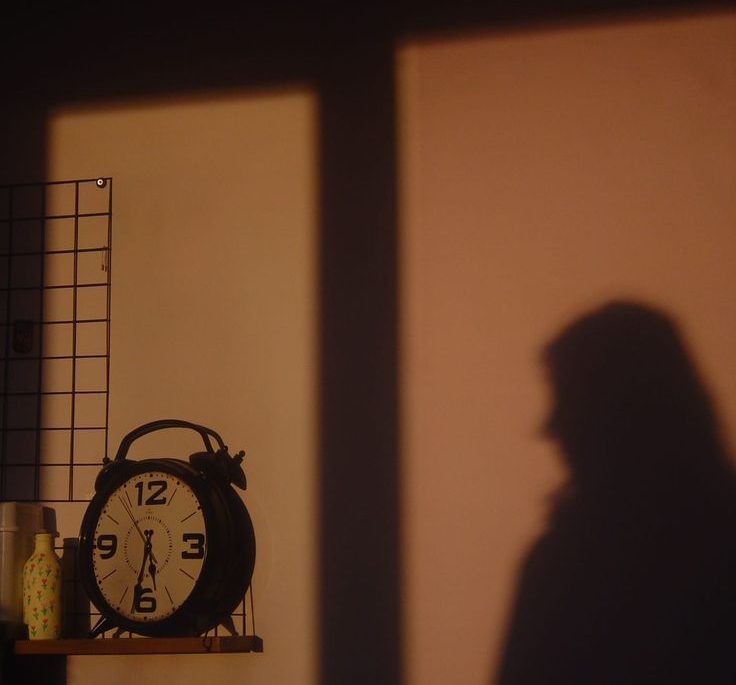
The appointment was at ten. I arrived at 9:45 because punctuality has somehow become one of those small moral obligations I take more seriously than necessary. I checked the address twice, found the correct entrance and sat down in a waiting room decorated with three artificial plants and a clock that seemed unusually proud of moving slowly. At 10:15, nothing happened. At 10:30, somebody explained that there was a delay. By 10:45, I had read every notice on the wall, memorised the emergency evacuation diagram and developed an unnecessary personal relationship with the furniture. One chair had a loose leg, another seemed designed by someone with a personal grievance against the human spine, and by eleven I was finally called.
The appointment itself lasted seven minutes, which felt almost insulting in its efficiency after more than an hour of waiting. I left with the information I needed, thanked the person who helped me and carried on with my day. The delay was probably caused by circumstances beyond anyone’s immediate control, and I understood that. One complicated appointment can push everything else behind. Still, I could not stop thinking about the hour because it had simply disappeared. Nobody had borrowed it with any intention of returning it, nobody had meant to take it, and there was no mechanism for refunding sixty minutes to the afternoon. It was just gone.
We are usually much more careful with money. If someone borrows twenty pounds, everybody understands that something has changed hands. There may be an agreement to repay it, and if the amount is large enough, somebody will probably remember the exact figure for years. Time moves differently. A meeting starts late, a friend arrives forty minutes after the agreed time, somebody asks for “five minutes” and somehow occupies half the afternoon, or a conversation begins with one point, takes a scenic route through six unrelated stories and eventually returns to the original subject long after everyone has forgotten what it was.
Most of the time, we tolerate these things because relationships require flexibility. Unexpected delays happen, people get tired and life is rarely efficient enough to run exactly to schedule. But I think there is still value in noticing how easily another person’s time becomes something we assume is available for our convenience. Time is equal in theory and wildly unequal in practice. Everyone gets twenty-four hours, but not everyone gets the same freedom inside them. One person finishes work and has the evening to themselves, while another returns home to family responsibilities, errands and chores. One person can pay for services that save time, while another has to do everything personally. Someone with a flexible schedule can rearrange appointments, while someone working long shifts may have very little control over when they are free.
So when we ask for “just a quick favour,” the actual cost depends entirely on the person we are asking. That word quick does a remarkable amount of imaginative work. Sometimes the request really does take five minutes. Other times, five minutes becomes thirty, then another question appears, then something needs checking, then one more small thing emerges from nowhere. By the end, the person who asked has been helped, while the person who agreed has lost a chunk of time they had intended to use differently. Because they were “only helping,” it can feel petty to admit that the interruption mattered, but friendship does not make someone else’s time communal property.
I think we confuse availability with willingness far too easily. If somebody is home, we assume they are free. If they are not working, we assume they can help. If they do not have children, we imagine their evenings are flexible. If they have not announced an important commitment, their time appears open for negotiation. But a person can be doing nothing and still be unavailable. They can be resting, reading, thinking, watching something, cooking or simply enjoying the deeply underrated experience of not being required to do anything useful for a while. Unscheduled time is still owned time.
Adulthood makes this strangely difficult to defend. Saying, “I have work,” feels like a valid reason to decline. Saying, “I have an appointment,” works too. But saying, “I would rather stay home tonight,” can sound inadequate, as though personal preference needs external certification before it becomes legitimate. So we invent reasons. We say we are tired, busy or sorting something out. Sometimes those things are true. Sometimes we are simply trying to make our own choice sound respectable enough to avoid disappointing someone.
I have begun wondering why choosing how to spend our own time requires so much defence. There is nothing inherently selfish about keeping one evening for ourselves, just as there is nothing automatically virtuous about saying yes to every invitation. Relationships need effort, of course, and repeated absence can understandably hurt people. But affection should not be measured by unrestricted access to somebody’s schedule. A person can care about friends while sometimes being unavailable, love family and still miss a gathering, and remain professionally committed without treating every hour outside work as spare capacity.
Time is difficult to protect because it leaves so little evidence once it has been spent. Money produces statements, receipts and balances. Hours simply vanish. A few extra requests, several meetings that lasted longer than necessary, conversations we felt unable to end, plans accepted out of obligation and small interruptions repeated often enough to occupy a surprising amount of life can all look insignificant when viewed separately. Together, they shape how much freedom we actually experience.
This is why “It’s only five minutes” deserves more suspicion than it usually receives. A small request may be harmless once, but the same dependable person can easily become the one everyone approaches because they know the systems, remember the procedures, answer quickly and rarely refuse. Soon their usefulness becomes an informal public service. I recognise this pattern particularly well at work. The capable person becomes the convenient person. They help with one thing, then another, then another, and eventually spend half their day solving other people’s problems while wondering why their own work remains unfinished.
Cooperation matters and people should help one another, but there is a difference between asking for support when it is genuinely needed and repeatedly transferring the effort of figuring something out to someone else. The same applies emotionally. Sometimes a friend needs someone to listen, and giving that time can be one of the most meaningful things we offer. But emotional availability is not endless either. A person can care deeply and still be tired, overwhelmed or simply not ready for a long conversation at that moment. A healthy relationship should be able to hold two realities at once: one person may need support, and the other may not always have the capacity to provide it immediately.
I think lateness is another place where time reveals how much we value other people. I do not mean occasional delays caused by traffic, emergencies or circumstances beyond someone’s control. Those happen to everyone. I mean the sort of habitual lateness that arrives with almost philosophical confidence. Some people say they are “on the way” while still deciding what to wear. Others announce that they are five minutes away with the confidence of people who appear to have invented a new form of geography. Then they arrive forty minutes later as if the gathering has simply been patiently waiting for their personal opening scene.
Traffic usually receives the blame, which is remarkable considering how much responsibility it has apparently accepted on behalf of human disorganisation. Still, I think punctuality is less about worshipping the clock than recognising that an agreement affected another person’s day. They got ready, they travelled, they may have declined something else, and they arranged their time around the understanding that both of you had agreed on a moment. If plans change, communication matters because silence can make it feel as though one person’s flexibility matters more than the other’s time.
I find it ironic that many of us protect money far more carefully than hours. We compare prices, wait for sales and hesitate before buying something unnecessary. Yet we can spend three hours on an obligation we never wanted, half a day worrying about something we cannot control or an entire evening discussing a situation that will remain exactly the same tomorrow. There is no notification telling us that three hours of personal freedom have just been deducted from the account. The hours simply go, and later we complain that we never seem to have enough time.
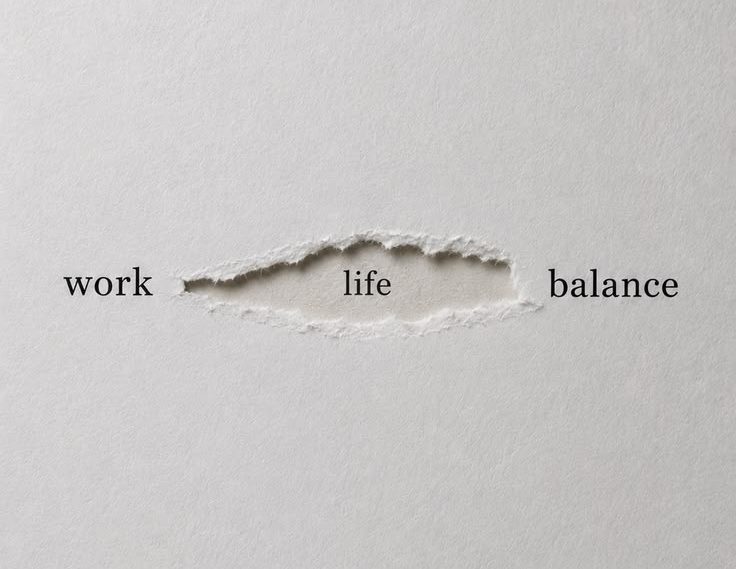
Sometimes the problem is not the schedule. Sometimes it is what we keep allowing into it. Organisation helps, of course. Calendars are useful, and reminders save us from ourselves. But an efficiently organised life can still be full of things that do not matter to us. A person can become extremely good at spending their life on other people’s priorities, and that is not quite the achievement it first appears to be.
I also lose time in more private ways. I can organise something beautifully, research unnecessary details, compare several versions of almost identical products and convince myself I am being productive, all while avoiding one uncomfortable decision that would probably take fifteen minutes of courage. Human productivity can become a very elegant form of procrastination. We accomplish plenty, just not always the thing that matters.
Perhaps time becomes more precious as we grow older because we stop imagining the future as endless. When we are younger, there seems to be plenty of it. Plenty of time to travel, reconnect, learn something new, apologise, change direction or begin again. Then life fills up. Work becomes heavier, families change, people move away, opportunities need planning and energy is not distributed as generously as it once was. The years start passing with an efficiency nobody requested.
Ordinary afternoons begin to look different after that. A quiet weekend matters because the week was exhausting. An evening with a friend feels valuable because finding a date took three weeks of messages. A conversation with an older relative carries more weight because we understand, perhaps more than before, that not every conversation is repeatable. This is why I think time can be one of the most meaningful gifts we offer. Someone sits with us, travels to see us, remembers something we said weeks ago, listens without repeatedly checking their phone or spends an ordinary afternoon with us when they could have spent it somewhere else. There is something moving about that because the time cannot be recovered after it has been given.
That thought makes me more conscious of how I treat other people’s availability.
When somebody makes time for me, I want to respect it. When a friend travels to meet me, punctuality matters. When someone helps me, appreciation should include recognising what they postponed or gave up in order to do so. And when someone declines, perhaps I should resist interpreting it automatically as rejection. Their time belongs to them, and that remains true even when I would prefer more of it.
Modern communication makes this harder because being reachable has begun to resemble being available. A message can arrive during dinner, during work, on holiday, late at night or in the middle of someone’s only quiet hour that week. Technology has made immediate communication possible, and we sometimes confuse possibility with obligation. But receiving a message is not the same as being ready to answer it. Someone may be working, travelling, sleeping, thinking or simply taking time away from their phone. Delayed replies can still sting, especially when expectations are unclear, but relationships work better when we stop treating every pause as a referendum on affection.
Friendship can survive silence, care can exist without constant access, and perhaps none of us should require another person’s schedule to keep proving our importance. There is another place where I have lost far too much time: trying to explain myself to people who had already decided what they thought. I have replayed conversations, rewritten explanations in my head and imagined one final perfect sentence that would somehow produce understanding. Sometimes another conversation genuinely helps, but sometimes it does not. There comes a point when continuing to defend a choice simply consumes hours that could be spent living the life we were trying to explain in the first place.
Perhaps knowing when to stop explaining is also a form of time management, and a much more useful one than another productivity app. I return to the waiting room in my mind and see the artificial plants, the slow clock and the uncomfortable chair. I remember how irritated I felt watching the minutes pass, and then I think about all the times I have probably occupied other people’s time without noticing. My record is unlikely to be spotless, and most of ours probably are not. We are extremely aware of our own schedules and much less consistent about noticing how our choices enter somebody else’s.
I do not expect every appointment to start exactly on time because life is too unpredictable for that. Nor do I want relationships to become rigid calculations where every conversation must justify its duration. Some of the best moments happen because plans ran over, conversations lasted longer than expected or we gave somebody more time than we originally intended. The issue is not efficiency. The issue is recognition. Time has value even when nothing productive happens inside it.
That idea has changed the way I think about saying no. Declining a request is not automatically a refusal to care. Every yes uses time that cannot be used elsewhere. An extra commitment may reduce rest, a favour may postpone something personal, and a social plan may occupy the only free evening in a demanding week. Sometimes those exchanges are completely worth it, but I would rather make them deliberately than through automatic agreement.
I want to give time generously where it matters, arrive when I say I will, communicate when I cannot and stop treating other people’s free hours as something I am entitled to borrow. I also want to remember that my own unstructured time does not become worthless just because nobody else has claimed it. There are books I still want to read, places I want to visit, people I want to see and afternoons I would like to experience without measuring their productivity. Those things need time too, not enormous quantities of it, but enough left over after everything else has taken its share.
Perhaps our schedules reveal something uncomfortable about our priorities. We may say family matters while rarely making space for conversation. We may insist rest is important while continually sacrificing it. We may describe creativity as part of who we are while postponing it for another month. Circumstances limit what we can choose, and responsibility is real, but there is still value in occasionally looking honestly at where our hours actually go.
The appointment that morning eventually ended. I returned home with several things still needing to be done and briefly considered compensating for the lost hour by becoming exceptionally productive, as though folding laundry could somehow issue a refund. Instead, I opened a book and let the afternoon remain ordinary. Nothing was recovered, and nothing needed to be. The clock continued moving, which is what clocks insist on doing, and I realised that lost time cannot be repaid by punishing the hours that remain.
We cannot save time the way we save money. We cannot store unused Tuesdays for future emergencies or reclaim yesterday by becoming more efficient tomorrow. We can only decide, within the limits of our circumstances, what we do with the hours still available. Sometimes we use them responsibly, sometimes generously, sometimes imperfectly, and sometimes simply for something that matters because we enjoy it.
That waiting-room clock annoyed me because it was perfectly accurate. Minute after minute, it demonstrated something I would rather not think about too often: time continues passing whether we have chosen what to do with it or not. The small losses add up, whether it is a delayed appointment, an obligation accepted without thought or a conversation we should have ended twenty minutes earlier. Eventually, those minutes become part of the life we actually lived.
Perhaps that is why time deserves more respect than we usually give it. Not because every hour has to be productive, and not because every minute must be protected like a financial asset, but because every hour is being spent whether we choose how or not.
Still guarding the hours that matter,
Anj



























Leave a Reply