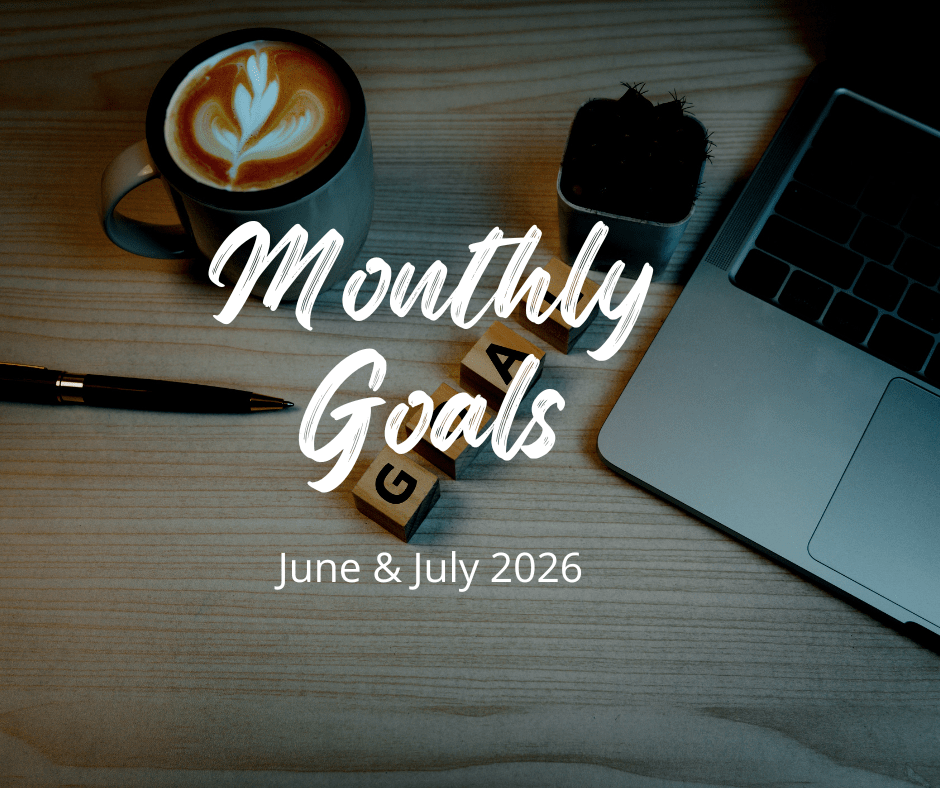
At some point, my calendar began looking like two different women were sharing it. One of them worked long days and night shifts, calculated sleep in suspiciously small numbers, remembered things at inconvenient hours and occasionally treated coffee like a colleague. The other one had Scotland written in June and Norway written in July, searched airport routes for entertainment, wondered what to pack weeks too early and had decided that learning a little Norsk before travelling was entirely reasonable despite already having more than enough to do. I liked the second woman. I had not seen much of her lately.
The first half of the year had moved faster than I expected. January still felt recent enough that I could remember the clean pages of a new planner and the optimism with which I had written goals inside it, as though twelve months were an enormous stretch of obedient time waiting to be organised. Somewhere between work, sleep, responsibilities and ordinary life, those months folded into one another. The planner gradually stopped looking inspirational and became what planners eventually become in the hands of adults: somewhere to write things down before the brain loses them. Suddenly summer was approaching, my birthday was no longer comfortably far away and I was counting shifts between myself and annual leave.
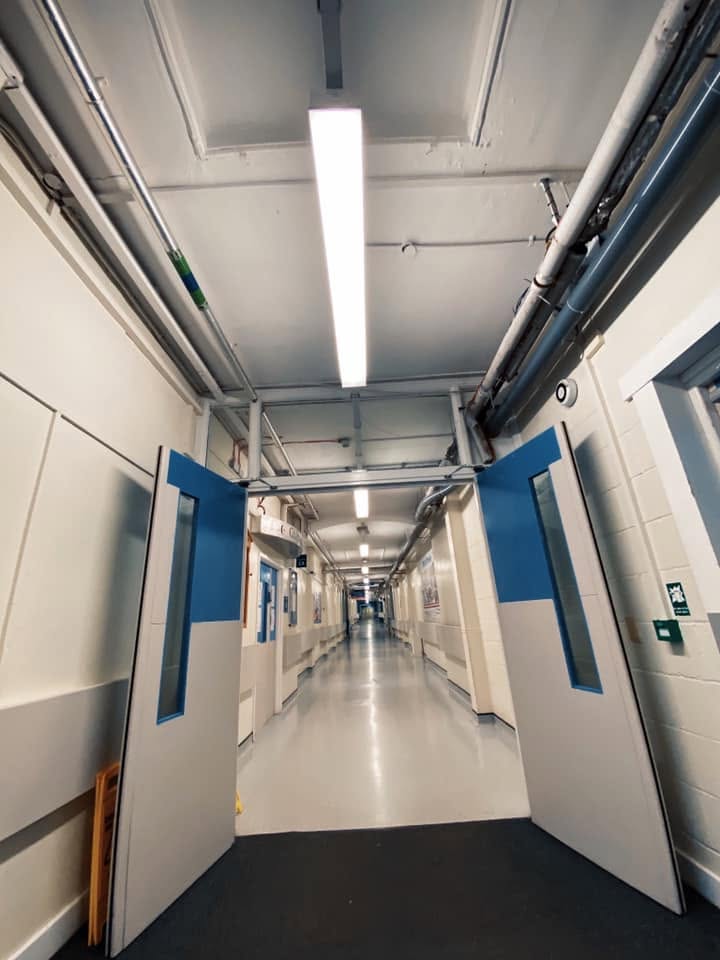
What surprised me was how good it felt to have something on the calendar that did not require anything from me. Most adult dates come with instructions. Pay this. Attend that. Work here. Remember this appointment. Submit something by Friday. Scotland and Norway asked for almost the opposite. They gave me somewhere to imagine myself after the shifts were finished, somewhere beyond hospital corridors, alarms and the familiar rhythm of doing what needed to be done. I had forgotten that anticipation can be pleasurable before the thing itself has even happened.
JUNE & JULY
June felt like the beginning of that change in rhythm. Scotland would come first, with Glasgow, Barrio Fiesta and finally seeing Kai Montinola after so much of the support had existed through screens, posts, messages and updates from somewhere else. I liked that the trip did not need a serious explanation. It was not professional development, not another course, not something that would appear on a CV or improve my clinical practice. I was going because I wanted to, and after years of becoming extremely competent at doing what was necessary, I had started to appreciate things that were unnecessary in the best possible way.
There is something strange about adulthood that turns almost everything into a project. Reading becomes a yearly target. Walking becomes a step count. Sleep becomes recovery for tomorrow’s productivity. Hobbies begin acquiring objectives as though enjoyment itself is not respectable enough. Even holidays can become itineraries so tightly organised that everybody requires another holiday afterwards. I did not want June to become another exercise in self-optimisation. I wanted it to feel like a month I was living rather than managing.
Reading was one of the things I wanted back. Not because I had set myself a respectable number of books to finish, but because I missed what books did to my mind. I missed sitting with something long enough for the outside world to lose its grip for a while. My phone had become very effective at doing the opposite. I could pick it up to answer one message and somehow emerge forty minutes later knowing how a stranger arranged her refrigerator, what another stranger ate for breakfast and which product somebody on the internet claimed had completely transformed her life. None of this information improved me, but apparently I was willing to donate significant portions of an evening to receiving it. Books at least steal time with better manners.
I wanted June to include more of those quieter pleasures without turning them into another list of achievements. Read when I could. Write when something genuinely wanted to be written. Go outside when the British weather decided to cooperate. Drink coffee without simultaneously answering three messages. Let an evening be an evening rather than a staging area for tomorrow. None of these things sounded impressive enough to announce, which was probably why I needed them.
My body had its own complaints about the first half of the year. Shift work makes ordinary health advice sound almost charmingly optimistic. Sleep regularly. Eat at consistent times. Reduce caffeine. I would like to invite some of these recommendations to spend a few night shifts with me and then renegotiate. There are shifts when coffee becomes less of a beverage and more of an informal member of staff, while a proper meal depends largely on whether the department agrees to stop producing emergencies long enough for one to happen.
Still, I could do better. I knew that. I wanted more water, better food when circumstances allowed, and fewer occasions when I acted surprised that my body felt exhausted after I had treated exhaustion as a scheduling inconvenience. I spend my professional life understanding what bodies need, yet mine is occasionally expected to operate like equipment with no maintenance interval. It has carried me through nursing shifts, exams, grief, flights, sleepless nights and everything else I have asked from it. The least I could do was stop thanking it exclusively with caffeine.
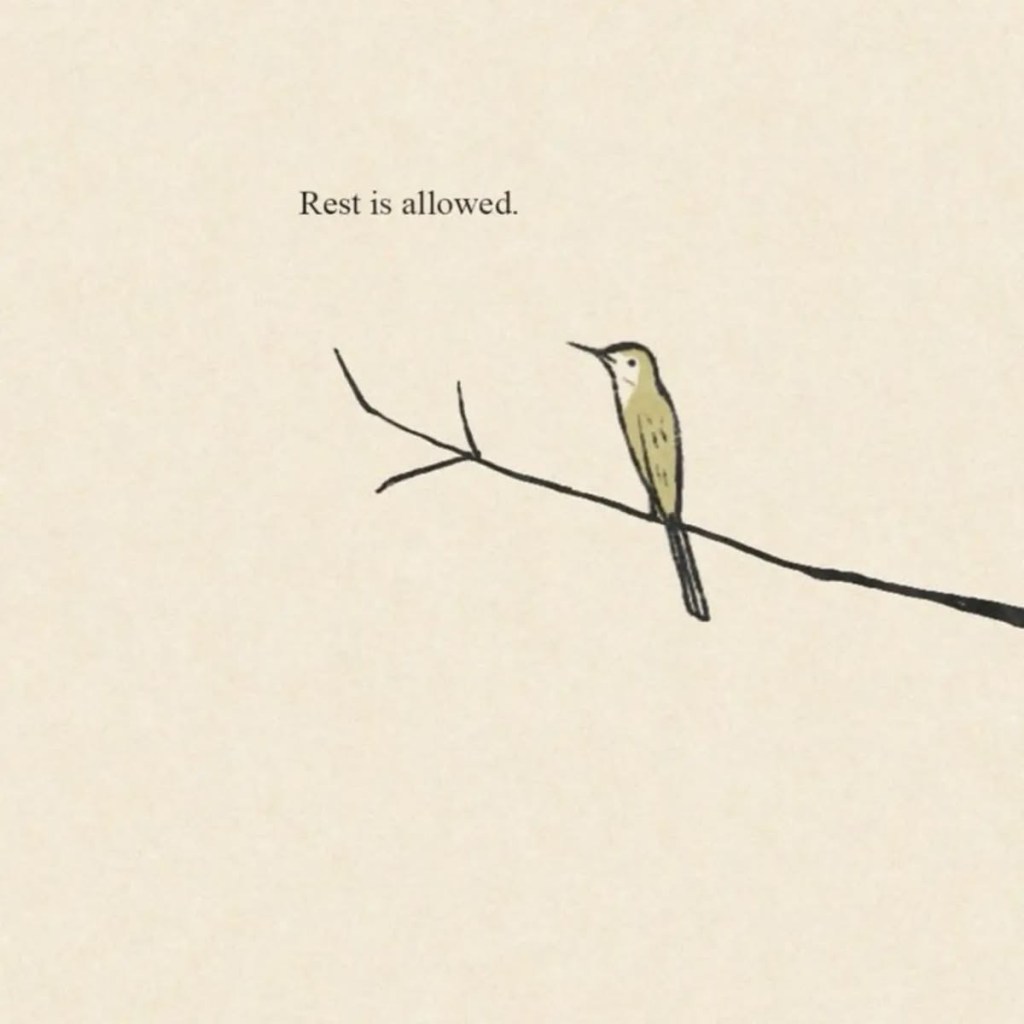
I also wanted a different relationship with discipline. When I was younger, discipline usually meant forcing myself to do more. Wake earlier. Work harder. Push through. Finish. At this stage of life, I was beginning to see that discipline can also mean stopping. Going home. Saying no. Closing the laptop. Sleeping instead of proving that I can function tired. The difficult choice is not always the one that requires more effort. Sometimes it is admitting that effort has already reached its useful limit.
Emotionally, June felt like a good time to become less available for unnecessary chaos. I had spent too many years believing that if somebody misunderstood me, my responsibility was to explain myself until they understood. Clarify. Add context. Rephrase. Try again. I have since discovered that some people can misunderstand a perfectly clear sentence with remarkable determination. That was useful information.
I no longer wanted every disagreement to become an assignment. There are conversations worth having, relationships worth repairing and situations where explanation matters. There are also arguments that remain pointless regardless of how elegantly the next paragraph is written. I wanted to become better at recognising the difference before donating several hours of my emotional life to somebody who had no intention of meeting me halfway.
That was particularly true online. The internet gives complete strangers astonishing access to one another’s moods. You can wake up perfectly fine and, within ten minutes, absorb the irritation of people you have never met arguing about something you had not even known existed before breakfast. I did not want to become uninformed or detached. I simply wanted to stop allowing every passing opinion to enter my head as though it had booked accommodation.
While becoming less available to noise, I wanted to become more available to people who actually mattered. Adulthood makes friendship oddly easy to postpone. Everybody is busy, everybody understands, and “we should meet soon” can survive for months without becoming an actual date. There is no conflict, so nothing feels urgent, and because nothing feels urgent, people we love can accidentally receive the smallest part of our time.
I wanted to correct that where I could. Message people because I thought of them. Ask how they were before something went wrong. Make time for friends whose presence made life easier rather than assuming they would continue understanding every delay forever. Relationships do not always disappear through dramatic endings. Sometimes they simply receive less and less oxygen.
My relationship with Jan belonged in that thought too. By then, our years together contained far more ordinary evenings than dramatic occasions, and I had come to trust the ordinary ones. Trips are lovely, birthdays photograph well and Norway would give us scenery worthy of several hundred unnecessary pictures, but long relationships are mostly built elsewhere. They happen while discussing dinner, making plans, dealing with practical things, being tired in the same room, disagreeing over something stupid and laughing again later.
The person who would be standing beside me in Norway was also the person who knew what I looked like after three long shifts and very little enthusiasm for conversation. There is something more comforting about that than romance is usually given credit for. Extraordinary places are wonderful, but there is a different intimacy in being known when the background is completely unimpressive.
Professionally, June still carried ambition with it. My prescribing journey mattered to me. Continuing to grow as a Stroke CNS mattered. I wanted to learn more, expand what I could do and become stronger in the role I had worked hard to reach. I have never wanted a life without ambition. I would probably become restless within a week.
What had changed was my definition of what ambition should be allowed to cost. I once thought professional growth was mostly about how much more I could take on. More knowledge, more responsibility, more experience, another qualification. Those things still matter, but I have started asking a second question alongside them: what kind of life am I building around the career?
I do not want to become excellent at my job and absent from everything else. I want to be proud of the nurse I become without requiring every other part of myself to survive on whatever energy is left over. Perhaps success at this age looks less impressive on paper than I once imagined. Maybe it includes being able to leave work sometimes and still have enough of myself remaining for the people, interests and dreams that do not wear an NHS badge.
Then there was money, the part of adulthood that refuses to become poetic regardless of how reflective the blog post is. I wanted to be more intentional financially because I knew there were larger things ahead that mattered to me. Travel. Future plans. Stability. A home. The kind of security that does not arrive through accidentally purchasing things at midnight because a discount code created a false sense of urgency.
I had learned that the sentence “I deserve this after that shift” could become expensive if left unsupervised. Sometimes I genuinely did deserve a treat. Other times exhaustion had simply made an ordinary object appear emotionally significant. Online shopping understands weakness very well.
I was not interested in becoming miserable in the name of saving money. I still wanted coffee, books, dinners and things that made life enjoyable. Financial maturity, for me, was not about removing pleasure from spending. It was about knowing the difference between something I valued and something an algorithm had successfully convinced me I needed at 1 a.m.
Somewhere in the middle of all this sensible adult thinking, I was learning bits of Norsk for Norway. I enjoyed it partly because it had no relationship to my professional competence. I could know complicated clinical things and still become disproportionately pleased with myself for correctly remembering a simple Norwegian phrase that a five-year-old probably used without effort.
Being a beginner is healthy for adults.
We spend years accumulating expertise and eventually forget what it feels like to be bad at something without shame. There is freedom in trying a word, getting it wrong and trying again. Nobody expects brilliance from a beginner except the beginner herself. I was learning to lower that expectation.
By the time Scotland arrived, I hoped June would have given me more than a trip. I wanted the month to feel like an adjustment in proportion. Work mattered, but it was not everything. Saving mattered, but money also existed to support a life. Discipline mattered, but punishment was not discipline. Boundaries mattered, but so did affection. I could work hard without making exhaustion part of my personality.
July carried a different feeling because July has always been birthday territory. As I have grown older, birthdays have become less like celebrations and more like checkpoints where I look at the year behind me and begin asking questions I did not ask when birthdays mainly meant food and cake. What changed? What survived? What am I still carrying? What became easier? What did I learn only after making the same mistake several times?
This year, the questions would follow me to Norway.
Turning thirty-six sounded strange because thirty-six belonged, in my childhood imagination, to adults who had finished becoming adults. A woman of thirty-six should surely understand mortgages, pensions and government correspondence without reading the same paragraph four times. Her cupboards should close easily. Important documents should be stored somewhere sensible. She should probably know what she is cooking for dinner before becoming hungry.
I was approaching thirty-six with several unanswered questions, plans that remained unfinished and at least one drawer I would prefer not to open in front of visitors. Yet I did not feel disappointed in myself. That realisation surprised me more than the unfinished parts. There are things I thought would have happened by now that have not. There are prayers I continue to carry. There are goals whose timelines have stretched far beyond what younger me would have considered acceptable. Some parts of life have moved quickly and others have behaved as though they have nowhere urgent to be. But there is also a life around those missing pieces. That matters.
There was once a girl in Cebu who had no idea she would eventually live in England, become a Stroke Clinical Nurse Specialist, write books and blogs, travel, build a life with Jan and spend her thirty-sixth birthday in Norway. She could not have created this exact version of the future because she did not know enough of its ingredients existed. Sometimes I think adulthood would be easier if we could occasionally borrow our younger self’s eyes. She might be less interested in what I still lack than I am. She might be impressed by things I now call normal. She might think moving countries was extraordinary while I am complaining about council tax, think being able to travel is astonishing while I am complaining about luggage allowance, and think the job I sometimes come home exhausted from was once an impossible future.
Human beings adjust rapidly to answered prayers. We have to, otherwise we would walk around permanently astonished that anything good had ever happened. But adaptation has a cost. What once looked miraculous can eventually become inconvenient. Perhaps gratitude sometimes means remembering the distance between when something was a prayer and when it became part of Tuesday.
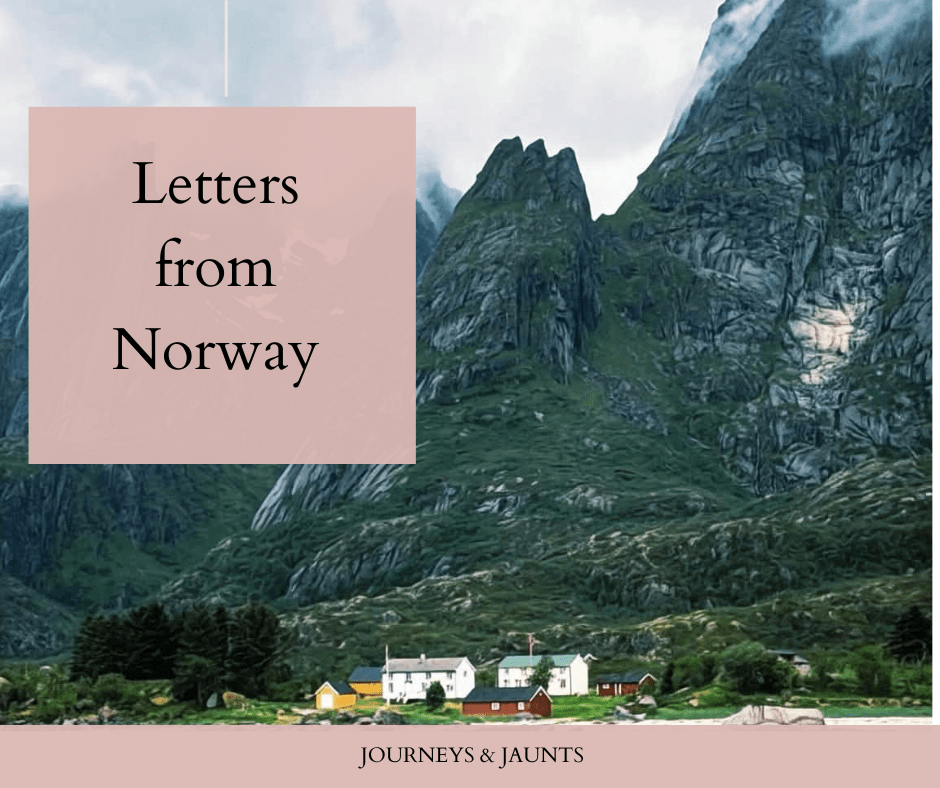
Norway seemed like the perfect place for that birthday partly because of Jan and his family, partly because it was somewhere new, and partly because I wanted thirty-six to happen somewhere larger than the thoughts I usually bring to birthdays. Mountains and fjords seemed useful for perspective, although I suspected I would still manage to take my concerns with me. Emotional baggage is considerably easier to transport than actual baggage and, unlike Ryanair, apparently has no weight restriction.
I knew there would be photographs. Many photographs. I know myself well enough not to pretend otherwise. I would see a mountain, photograph it, move slightly, discover the mountain had changed angle and decide that the new situation required documentation. Jan would probably continue walking with the patience of someone who has accepted that this is part of travelling with me.
What I did not want was to make the trip perform some dramatic transformation. I was not travelling to Norway to become a completely different person by the return flight. I was still going to worry about things. I would still have career goals, financial plans and questions about the future. Mountains are impressive, but I doubted they were licensed to resolve all of that. Perhaps I simply wanted a birthday that had enough space around it, enough space to think about thirty-six without placing it on trial.
For years, I had approached age with invisible expectations attached. By this point, something should have happened. By that point, another part of life should be established. We absorb these milestones from family, culture, society and our own imagination until they begin sounding like rules despite nobody being able to produce the document containing them. Thirty-six made me less interested in that document. I wanted to know something else instead: had the years made me someone I could still recognise? Had disappointments made me crueler or wiser? Had work made me capable without making me hard? Had loss changed me without taking everything gentle with it? Had I learned enough boundaries to protect myself without turning every new person into a suspect? Could I still become excited about things?
That last question mattered. After difficult seasons, there is a danger in becoming too good at bracing for what comes next. You stop expecting joy because disappointment feels safer when anticipated. I did not want that. If a plane ticket could still make me excited, if Scotland could still make me count down the days, if Norway could still make me search photographs like a child preparing for an adventure, then some important part of me had survived. I liked that thought more than any birthday checklist.
July also made me think differently about ambition. I still wanted the prescribing qualification. I still wanted to grow professionally. I still had plans for my writing, future home, finances and the other parts of life that had not yet reached their finished form. But perhaps “unfinished” was no longer the insult I once thought it was. A finished life would be a frightening thing at thirty-six. There should still be pages I have not written, places I have not seen, skills I am bad at, questions I cannot answer and dreams that have not yet decided exactly what shape they are taking.
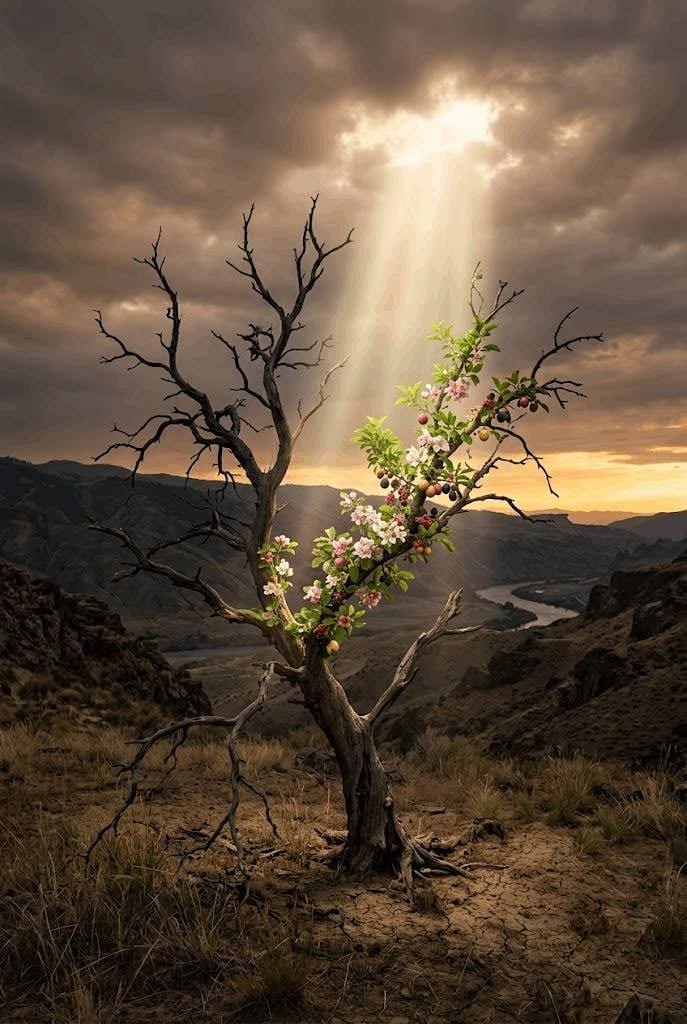
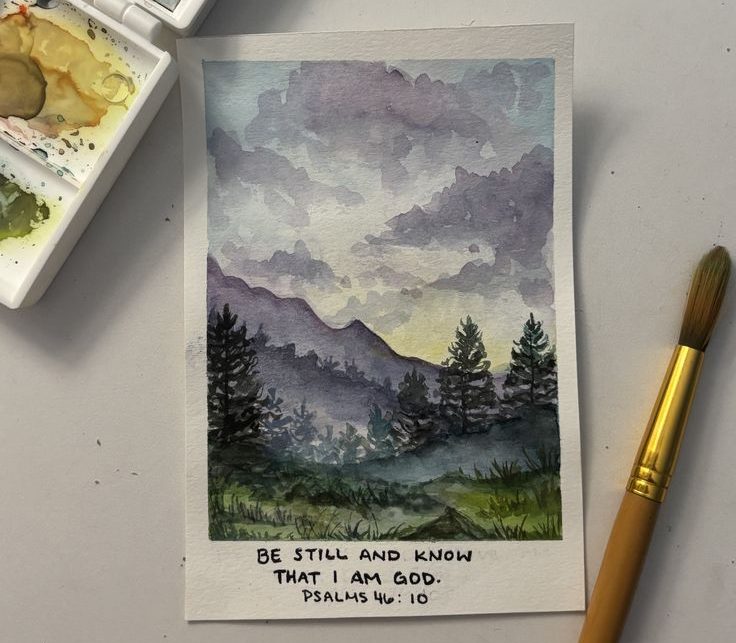
That is where puhon came back to me. It is such a small word to carry so much: someday, hopefully, in God’s time. I have attached it to many things throughout my life. Puhon, this dream. Puhon, that journey. Puhon, the home. Puhon, the thing I have prayed about enough times that God surely recognises the opening sentence by now. Some of those puhons became reality so gradually that I barely recognised the transition. Others changed because I changed, and some remain exactly where they are.
Perhaps that is what I like about the word. It leaves room for desire without pretending desire controls the calendar. I can hope without demanding, at least in theory. In practice, I remain someone who occasionally asks God for an update. Faith has not removed impatience from me. It has simply given impatience somewhere to go. I can still tell God that I am tired of something taking so long. I can still ask why. I can still make plans and secretly hope He finds them reasonable.
What has changed is that I no longer assume every unfinished thing means something has gone wrong. I have lived long enough to know that some of the parts I once considered delays eventually became part of the story rather than interruptions to it. That did not make me passive. I still wanted to work, learn, save, plan and make decisions. Puhon was never an excuse to sit still and hope God handled the paperwork. It was simply a reminder that effort and control are different things. I can do my part without pretending I control every outcome, and that may be one of the more difficult adult lessons.
June and July therefore began to look less like a list of goals and more like two different moods in the same season. June carried preparation: Scotland, friendship, music, better habits attempted imperfectly, books reopened, money handled with a little more thought, work goals kept in proportion and boundaries strengthened without making me colder. July carried Norway, Jan, thirty-six, mountains I had previously known only through screens, family, faith and the strange experience of becoming older without becoming finished.
Both months would still contain ordinary inconvenience. There would be shifts before and after them. There would be fatigue. Travel would involve luggage, queues and the inevitable discovery that something useful had been left at home while something pointless had travelled safely across borders. I wanted those parts too, not because inconvenience is secretly beautiful, but because real life does not require editing before it can be worth having.
Perhaps that is the thought I wanted to carry into the middle of 2026. I did not need June and July to reinvent me. Reinvention is exhausting. I wanted them to give me a little more room to be all the versions of myself that already existed: nurse, writer, partner, friend, traveller, daughter, planner, overthinker, woman who buys books faster than she reads them and person who still becomes excited when a trip changes from an idea into a boarding pass.
There were things I was trying to improve, certainly. There always will be. I wanted better boundaries, better habits, wiser spending, more reading, stronger professional knowledge and a healthier relationship with rest. But I did not want to spend the entire season studying myself for defects. Sometimes a month does not need to produce a better version of us. Sometimes it can simply give the current one somewhere interesting to go.
That was enough for June and July. Scotland would come, Norway would follow, and thirty-six would arrive whether I felt adequately prepared for it or not. Work would still be waiting when I returned. Some dreams would remain puhon, while others might already be happening in forms I had become too accustomed to recognise. Perhaps that was the nicest part of looking ahead. After enough years of learning that life can change without permission, I still had the capacity to become excited about what might be around the corner.
I was not finished, I was not certain, and I was not completely rested either, if we are being realistic. But I had things to look forward to, people I wanted beside me, work that still mattered, dreams that had survived and a birthday waiting somewhere beyond an airport. For the middle of an unfinished year, that felt like more than enough.
With excitement for the months ahead,
Anj 🤍











Leave a Reply