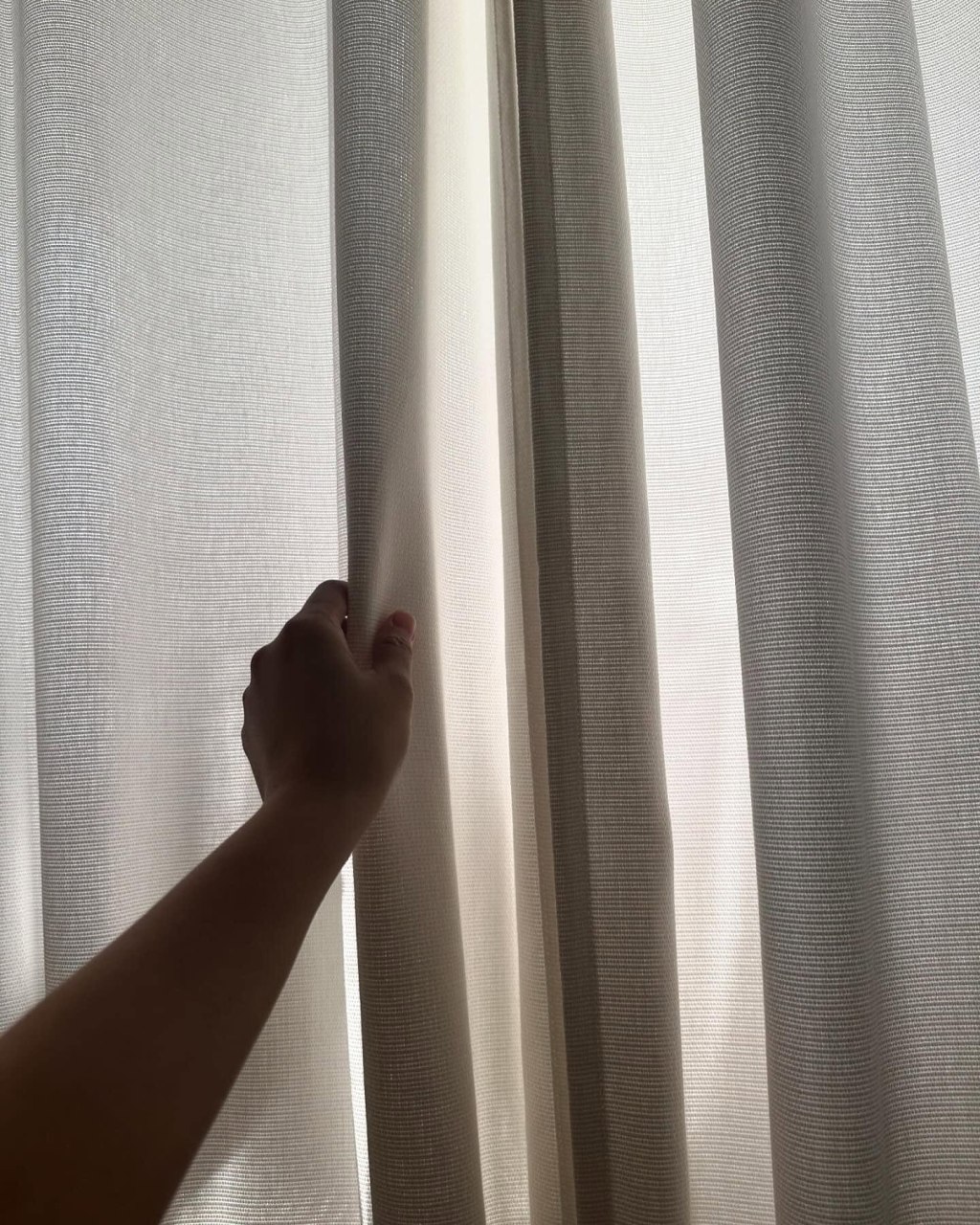
Deception has excellent manners. I think that is why we do not always recognise it when it enters the room. We expect deception to look suspicious—to avoid eye contact, stumble over its own story, perhaps wear a badly fitted trench coat and behave as though it has something to hide. But most of the time, it is much better dressed than that. It knows the flattering angle. It adjusts the lighting. It removes the clutter before anyone arrives. It knows which parts of a story deserve telling and which ones should remain conveniently outside the frame. Sometimes it even looks remarkably like us.
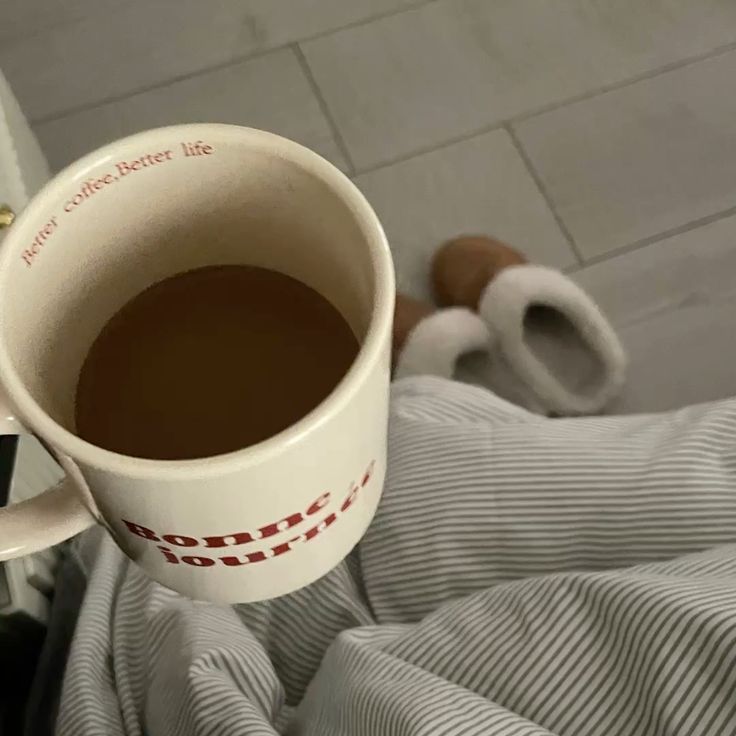
I notice this whenever I scroll through social media. Everyone seems beautifully arranged inside those little squares on my screen. The coffee always looks better than the coffee sitting beside me. Holidays appear to contain no delayed flights, arguments, aching feet or fifteen-minute discussions about where everyone wants to eat. Homes remain suspiciously clean. People wake up looking as though they have already spent two hours preparing to look like they have just woken up. Even sadness can arrive beautifully presented, accompanied by an appropriate photograph and exactly the right words. I am not judging any of this because I participate in the same strange little theatre. I choose photographs I like. I consider angles. I delete pictures where my face appears to have temporarily resigned from its responsibilities. I have never scrolled through my camera roll, found the photograph where I look most exhausted and thought, Yes. This is the truth the public deserves.
Perhaps humans have always done this. Long before filters, people wore their best clothes for portraits, cleaned the house before visitors arrived and carefully selected which family matters were allowed beyond the front door. We have always edited ourselves a little. Technology simply made the editing easier and considerably better lit. There is nothing particularly dishonest about wanting to present ourselves well. The trouble begins when presenting ourselves slowly becomes performing ourselves.
The difference can be difficult to see because it rarely happens dramatically. You edit a photograph because the lighting is better. Fine. You rewrite a caption because the first version sounded strange. Fine. You keep something private because it belongs to you. Probably wise. But human beings are surprisingly good at learning which versions of themselves receive applause. So we begin editing things no camera can capture. We soften an opinion because somebody might disagree. We laugh because everybody else is laughing. We pretend not to care about something we deeply care about because enthusiasm has somehow become embarrassing. We lower our voices in certain rooms and enlarge ourselves in others. We learn which parts of our personality travel well and which should apparently remain at home.
Do that often enough and deception no longer needs to lie. It only needs to leave certain things out.
I think about this because I once met someone who seemed completely uninterested in doing any of it. There was nothing cinematic about our meeting. No beautiful location. No dramatic coincidence. The universe did not arrange a meaningful soundtrack in the background. It was simply a conversation with a stranger, the sort of interaction you expect to forget before the day is over. I cannot even remember every word anymore, which seems unfair considering how long the feeling of that conversation has stayed with me.
What I remember was how uncomplicated this person seemed. They spoke plainly. Not cruelly. I have never been particularly impressed by people who say something unnecessarily hurtful and then hide behind, “I’m just being honest.” Cruelty does not become a virtue because someone removes the filter. This was different. There was no visible calculation behind the words. No pause to determine which answer would be more impressive. No adjusting halfway through a sentence after noticing somebody’s reaction. No attempt to become more interesting, agreeable or important than they were.
They were simply there.
And strangely, that stood out.
Maybe that should have been the least remarkable thing about the encounter. Instead, it became the part I remembered. Somewhere along the way, a person appearing comfortable inside their own personality had become noticeable. That made me wonder how much invisible adjusting the rest of us do without even realising it.
Watch any room long enough and you will see it. We read people. We notice who has influence. We learn which opinions receive approving nods and which ones produce the sort of silence where somebody suddenly becomes very interested in their drink. We notice what everyone is wearing, how they speak, what they admire, what they laugh at. Then we adjust. Some of this is simply social intelligence. I would certainly hope I behave differently at a funeral than I do at a birthday party. Respect requires us to understand context. But there is another kind of adjustment that comes from somewhere less useful.
Fear.
Fear of looking strange. Fear of being disliked. Fear of saying something nobody agrees with. Fear of admitting we do not know something. Fear of wearing something everyone else has apparently decided stopped being fashionable three months ago. Fear of caring too much. Fear of saying no. Fear of saying yes. Fear of entering a room as ourselves without first checking whether that version has been approved.
I knew almost nothing about that stranger’s fears, so I cannot claim they had none. What struck me was something simpler: they did not seem to require permission to exist. There was a freedom in that which stayed with me long after the conversation ended.
Perhaps because I recognised the opposite in myself.
There have been plenty of times when I cared too much about how I was perceived. I think most of us have, although we enjoy declaring that we do not care what anybody thinks. This is one of humanity’s more ambitious lies. Of course we care. We are social creatures. Acceptance matters. Respect matters. Belonging matters. I do not think maturity means eventually reaching an age when everybody else’s opinion becomes irrelevant. Maybe maturity is simply learning whose opinions deserve a chair at your table.
Not everybody does.
It took me time to understand that. If every person who formed an opinion about me was allowed to influence how I lived, I would eventually need to become hundreds of different people. One person would prefer me quieter. Another would want me louder. Someone would think I share too much. Someone else would find me distant. Ambition would look admirable to one person and like showing off to another. Somebody would think I am too serious; somebody else would wonder why I cannot be more serious. Trying to satisfy all of them would require an administrative department I simply do not have.
There is no version of ourselves that everybody will approve of. More importantly, I am beginning to think there should not be. If you spend your life trying to become impossible to criticise, eventually you may become impossible to know.
That does not mean authenticity excuses everything. “This is just who I am” has probably been responsible for an impressive amount of bad behaviour. We should change. We should learn. We should apologise. We should listen when someone points out something we genuinely need to see. We should outgrow parts of ourselves. Growth is not betrayal. But there is a difference between changing because life taught you something and changing because you are terrified somebody will stop liking you. One helps you become more fully yourself. The other keeps trimming pieces away until the shape fits whatever room you happen to be standing in.
Maybe that is why the stranger stayed in my memory. They were not announcing their authenticity. They were not trying to appear brave or different. They simply seemed comfortable enough not to perform. Watching that made me realise how exhausting performance must be. Imagine having to remember every version of yourself you created for different people: the workplace version, the social-media version, the family version, the version for acquaintances, the version for people whose approval you want, the version for people you are afraid of disappointing. Eventually you would need a filing cabinet just to remember which personality was scheduled that afternoon.
Honesty, by comparison, requires considerably less paperwork.
Of course, honesty has consequences. People often say they appreciate authenticity until somebody’s authentic opinion disagrees with theirs. We celebrate people for “being real” when their version of reality happens to resemble our own. The moment it does not, confidence can become arrogance, boundaries can become selfishness and directness can become attitude. Being yourself does not guarantee belonging. Sometimes it does exactly the opposite.
That is the part inspirational quotations tend to leave out.
There are places where belonging comes with conditions. You are welcome as long as you speak a little differently, want a little less, hide a particular opinion, tolerate something uncomfortable or make yourself easier to digest. For a long time, I thought being accepted meant being understood. They are not the same thing. Someone can accept the version of you that makes them comfortable without knowing much about the person underneath.
And sometimes people who genuinely know you will still disagree with you. I have come to appreciate that more with age. Friendship should have room for disagreement. Love should survive different opinions. Respect is not measured by how often two people think exactly alike. Sometimes it is measured by whether they can remain kind when they do not.
Perhaps authenticity needs that kind of room: a place where I can say, This is what I think, without requiring you to think it too. A place where someone else can answer, I see it differently, without either of us treating disagreement as betrayal. The world already contains enough people shouting because they need everybody else to confirm that they are right. There is something much steadier about knowing who you are without demanding that everyone become like you.
I never asked that stranger’s name, or at least not one I remember now. We did not exchange numbers. We did not follow each other online. There was no photograph. No carefully written caption afterwards. No digital evidence that the conversation ever happened. Considering what I eventually took from it, that feels almost appropriate.
Nothing filtered the memory because nothing had been created for anyone else to see.
It was simply one person passing briefly through another person’s day and unknowingly leaving something behind. I sometimes wonder how often that happens. A stranger says one sentence you remember years later. A colleague shows you what confidence looks like without intending to teach you anything. Someone beside you on a train tells you something unexpectedly personal. We assume meaningful relationships must be long ones, but perhaps some people are chapters, some are paragraphs and a few are only sentences. A sentence can still change the way you read everything that follows.
That stranger reminded me of a kind of freedom I had rarely thought about. Not the freedom of having unlimited choices or going anywhere you want, but the freedom of no longer editing yourself every time another person enters the room. It does not mean becoming deliberately difficult, refusing compromise or ignoring other people’s feelings. It means knowing which parts of yourself can grow and which should not have to disappear merely to make somebody else comfortable.
I still choose flattering photographs. I still think about what I post. I still occasionally delete a picture because I suddenly decide my face has done something unforgivable in it. I have no plans to demonstrate authenticity by uploading the worst photograph ever taken of me. There are limits to every philosophy. But outside the photographs and captions, I hope I am becoming less interested in performing a version of myself for people who were never going to know the whole story anyway.
Because deception still has excellent manners. It will continue entering through flattering angles, polite smiles, carefully chosen words and all the small adjustments we make to become acceptable. It will offer another filter for the photograph, then another for the personality, another for the opinion, another for the dream. If we are not careful, we can spend so long perfecting the person everybody else sees that even we forget what was edited out.
I still think about that stranger sometimes. I cannot remember the exact words, the clothes they wore or many of the details that should have survived if memory behaved logically. What remains is the feeling of meeting someone who did not appear to be auditioning for their own life. For a few ordinary minutes, there was nothing to sell, polish or prove.
And perhaps that is why the encounter survived when so many others disappeared. Deception may know how to dress itself beautifully, but eventually the performance ends, the room empties, the screen goes dark and every borrowed version of ourselves has to be put away.
What remains when there is no audience, no approval to earn and no filter left to hide behind is the only version worth recognising—the unfiltered truth.
Still learning to exist without an audition,
Anj


















Leave a Reply