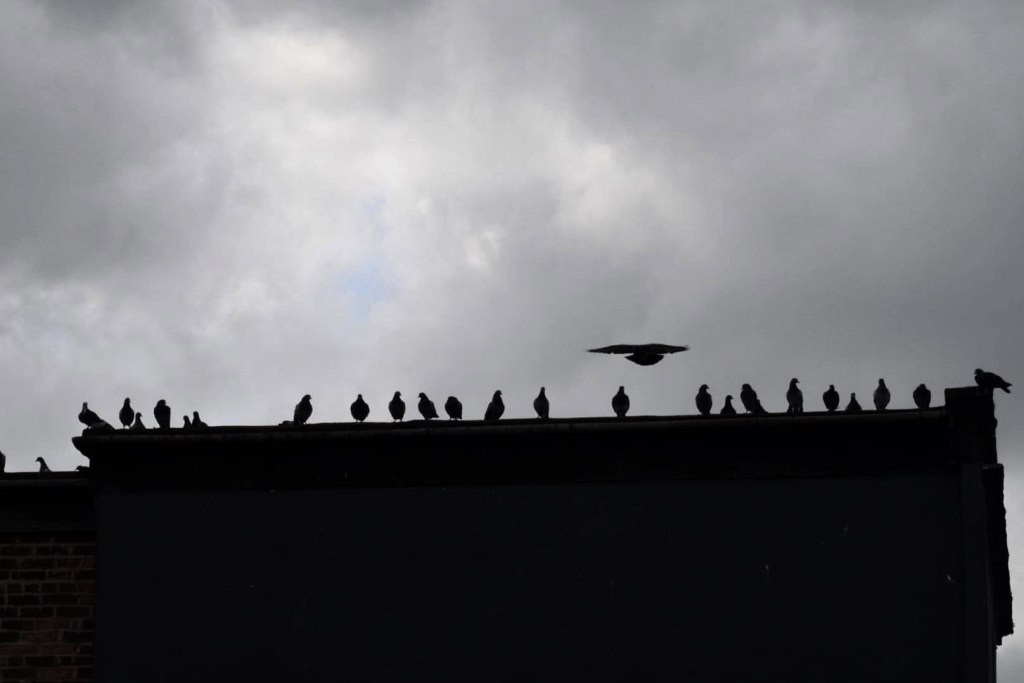
I was thousands of miles away from the Philippines, desperately trying to reach my family, praying the signal would hold and the worst wouldn’t come.
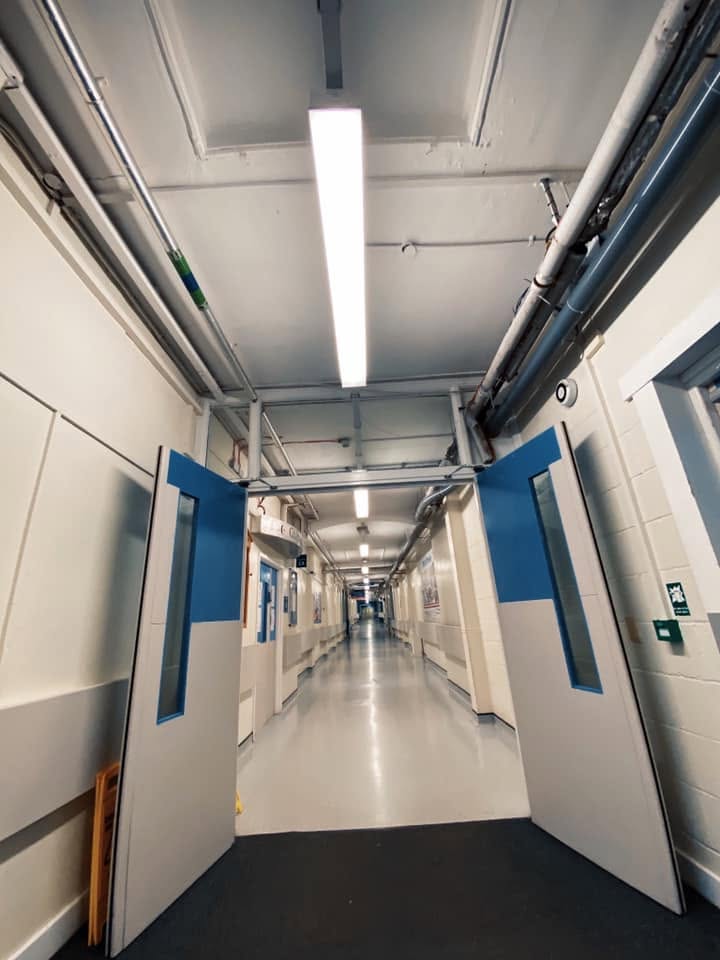
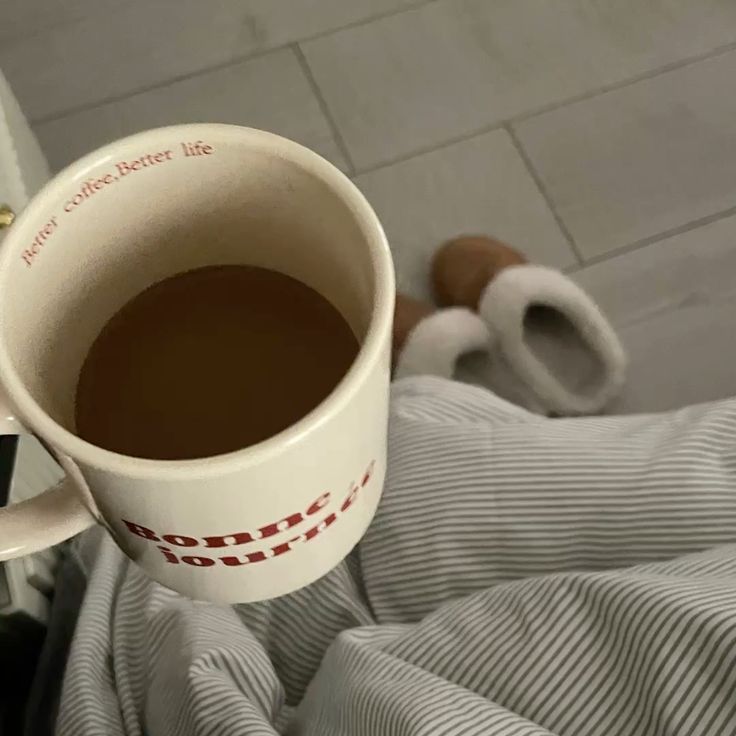
This is the hardest post I’ve ever written. Even now, it feels like it only just happened. I remember exactly where I was—curled up in my favorite pink winter pajamas, clutching a warm cup of coffee like it was the only thing holding me together. Outside, the rain tapped against the windows as the cold settled in at -1°C. But inside, the chill ran deeper. The air felt heavy. My hands trembled. My father was in the hospital, and everything in me knew something wasn’t right. I was thousands of miles away from the Philippines, desperately trying to reach my family, praying the signal would hold and the worst wouldn’t come.
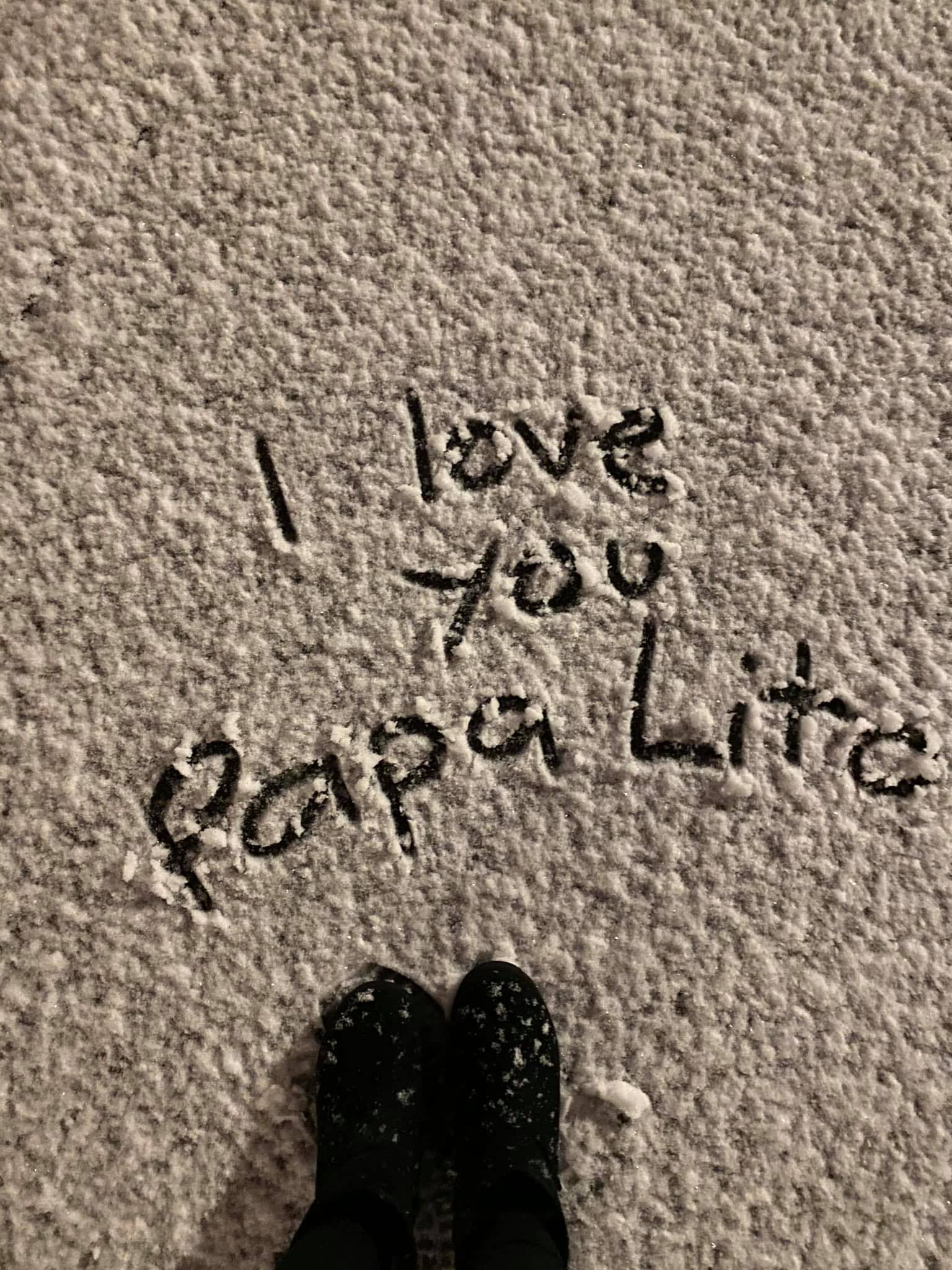
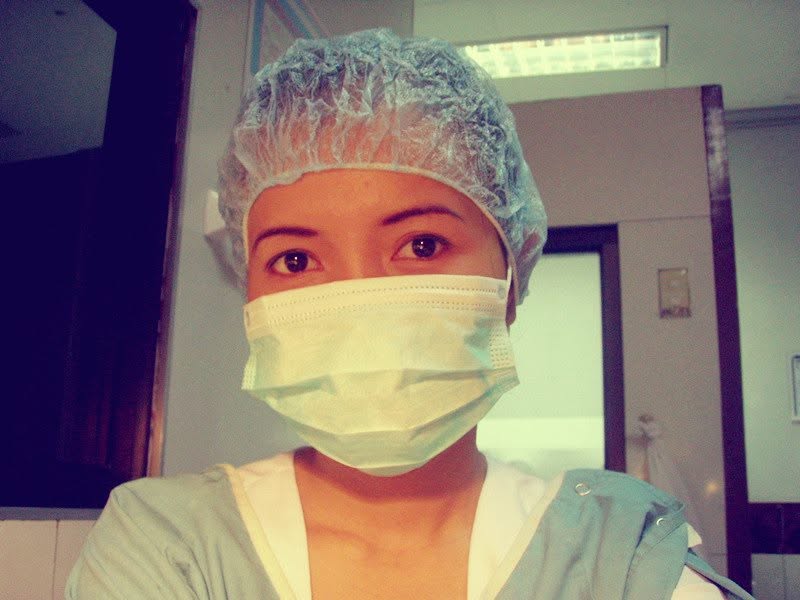
I still hear the words that travelled across the line that night: inotropes, STAT blood transfusion, CT scan. They were clinical words, familiar words, the sort of terminology I had heard and used countless times as a nurse. In another hospital and with another patient, my mind would automatically have understood what they meant and what needed to happen next. But this was different. This was Papa. Suddenly, the language I had been trained to understand became the language I was terrified to hear. There are moments when knowledge makes us feel prepared, and there are moments when knowing exactly what something means makes us even more afraid. That night, I did not want to be a nurse analysing the situation. I wanted only to be a daughter whose father was going to get better.
My younger brother answered the video call and turned the phone towards Papa. Even now, writing that sentence hurts. He was lying there looking pale, weak and exhausted, with an oxygen mask covering part of his face. I remember staring at the screen as though looking hard enough could somehow place me beside him. I wanted to reach through it. I wanted to touch his hand, fix his blanket, tell him I was there and somehow make the thousands of miles between us disappear. Papa looked towards me and softly told me that he was tired. Something inside me understood the weight of those words, but another part of me refused to accept them. I wanted to tell him not to be tired yet. Not now. Please, Papa. Fight a little longer. Stay a little longer.
Then he lifted his hand and gave me a thumbs-up. It was such a small gesture, but I held onto it immediately. I wanted it to mean that he was okay. I wanted it to mean that he would fight. I wanted it to mean that this frightening night would eventually become a story we would tell after he recovered. For those few seconds, I believed we still had time. Perhaps hope becomes most stubborn when the heart knows it is standing dangerously close to goodbye. I saw that thumbs-up and chose to believe in tomorrow because the alternative was something I was not ready to imagine.
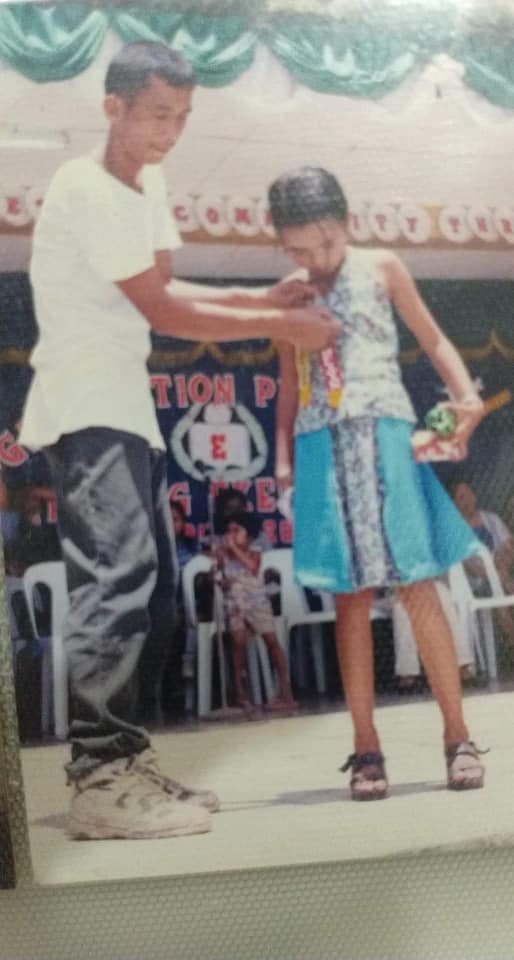
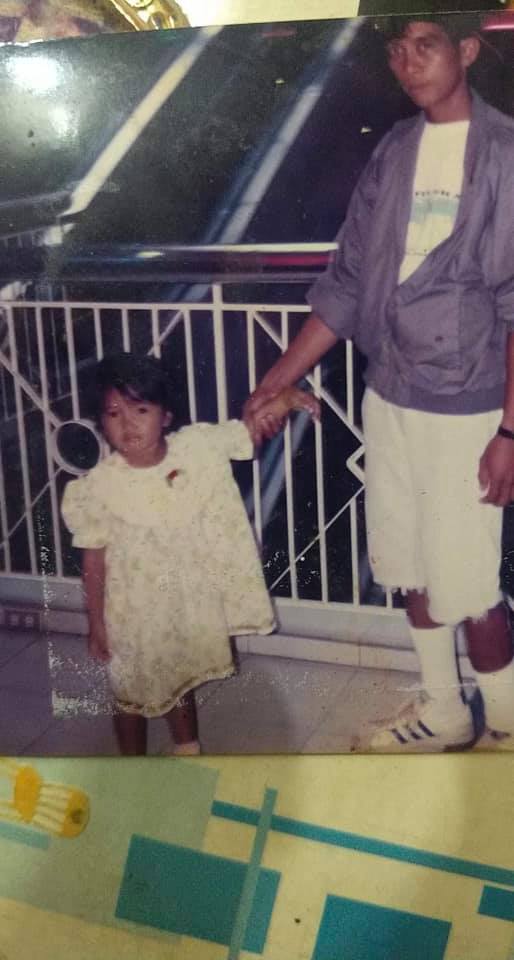
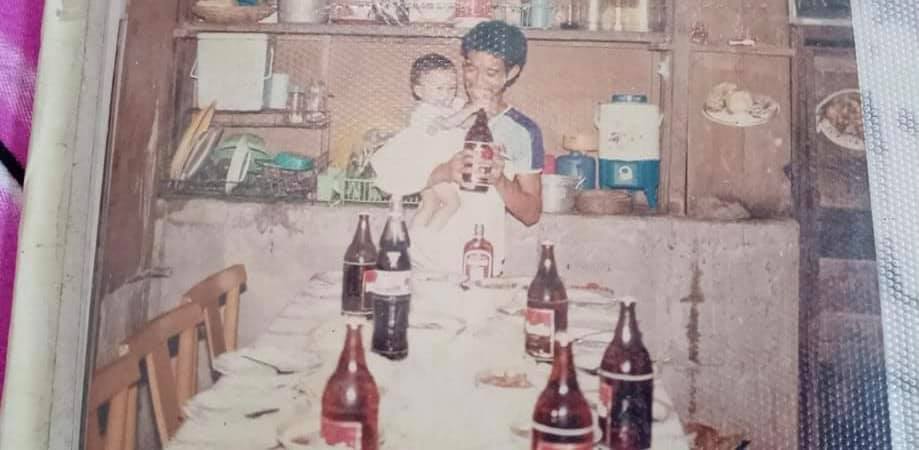
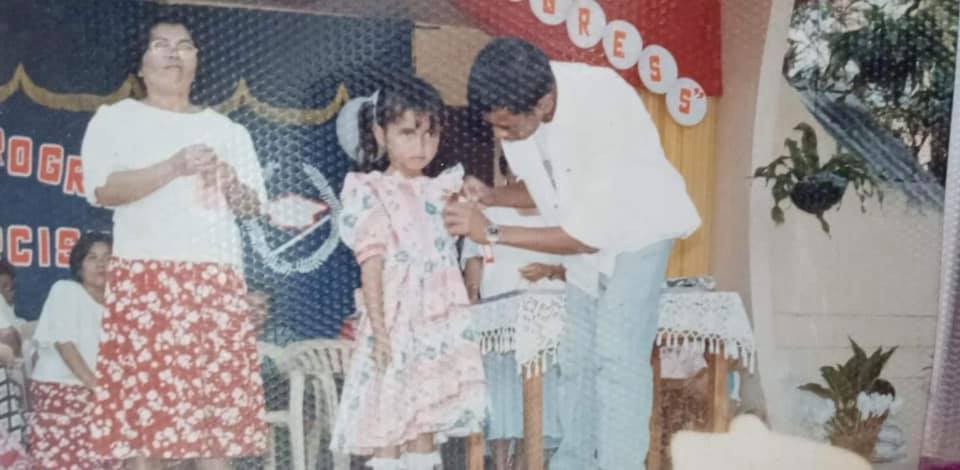
Only moments later, Papa whispered that he could not breathe. I immediately told my brother to call the nurse. My mother and cousin were at the blood bank trying desperately to secure the three units of blood he needed, and everyone was doing whatever they could to help him. I was doing the only thing distance allowed me to do: watching, speaking through a phone and trying desperately to remain useful. Then everything happened so quickly that part of me still struggles to understand it. There was no warning that this would be the final minute, no opportunity to prepare my heart and no proper goodbye. Through the screen in front of me, from the other side of the world, I watched my father take his final breath.
I could not hold his hand. I could not stand beside his bed. I could not hug him or tell him everything I wanted him to know before he left. For days afterwards, the same thought kept returning to me with almost unbearable cruelty: I am a nurse, I am his daughter, and I could not save him. I know what I would tell another family in this situation. I know that medicine has limitations and that nurses cannot prevent every death simply because we understand what is happening. I know all of that professionally. But grief does not always listen to professional reasoning. That night, all the knowledge I had accumulated as a nurse could not protect the heart of the daughter inside me.
I couldn’t hold his hand. I couldn’t even say goodbye. I’m a nurse. I’m his daughter. But I couldn’t save him.
It was Wednesday, 23 December 2020, two days before Christmas, and that date will now carry an entirely different meaning for the rest of my life. The hours that followed remain strangely fragmented in my memory. Some details are blurred, almost as though my mind decided there were things I could not afford to remember clearly, while other moments remain painfully vivid. I remember the disbelief most of all. I kept thinking that this could not possibly be happening. Christmas was coming. Families were supposed to be together. There were supposed to be more conversations, more celebrations, more ordinary days. Yet somewhere between one breath and the next, my life had acquired a before and an after.
I tried to be strong because that was what I thought I needed to do. I wanted to be strong for Mama, for my younger brother and for everyone else who was grieving. I buried some of what I was feeling because allowing all of it to surface at once felt like drowning. I continued functioning because functioning was something I knew how to do. But I am beginning to understand that strength does not mean silence. It does not mean pretending I am okay when I am not. There are moments when I cry unexpectedly, moments when I feel angry, moments when I want to scream into a pillow and moments when I simply cannot understand how the rest of the world can continue normally when mine has changed so completely. Maybe that is not weakness. Maybe that is simply grief asking to be acknowledged.
And grief, at its core, is love trying to find a way out when it no longer has a place to go.
I still replay that night in my mind more often than I want to admit. I wonder whether I could have said something more or done something differently. I think about the words I did not know would become our final conversation, and part of me desperately wants to return to those minutes with the knowledge I have now. But I cannot rewrite the ending, no matter how many times my mind tries. What I can do is refuse to let Papa’s final moments become the only way I remember his life. He was so much more than a hospital bed, an oxygen mask and a final breath on a video call. He was years of memories before that night, and I am trying to hold onto those memories more tightly than I hold onto the ending.
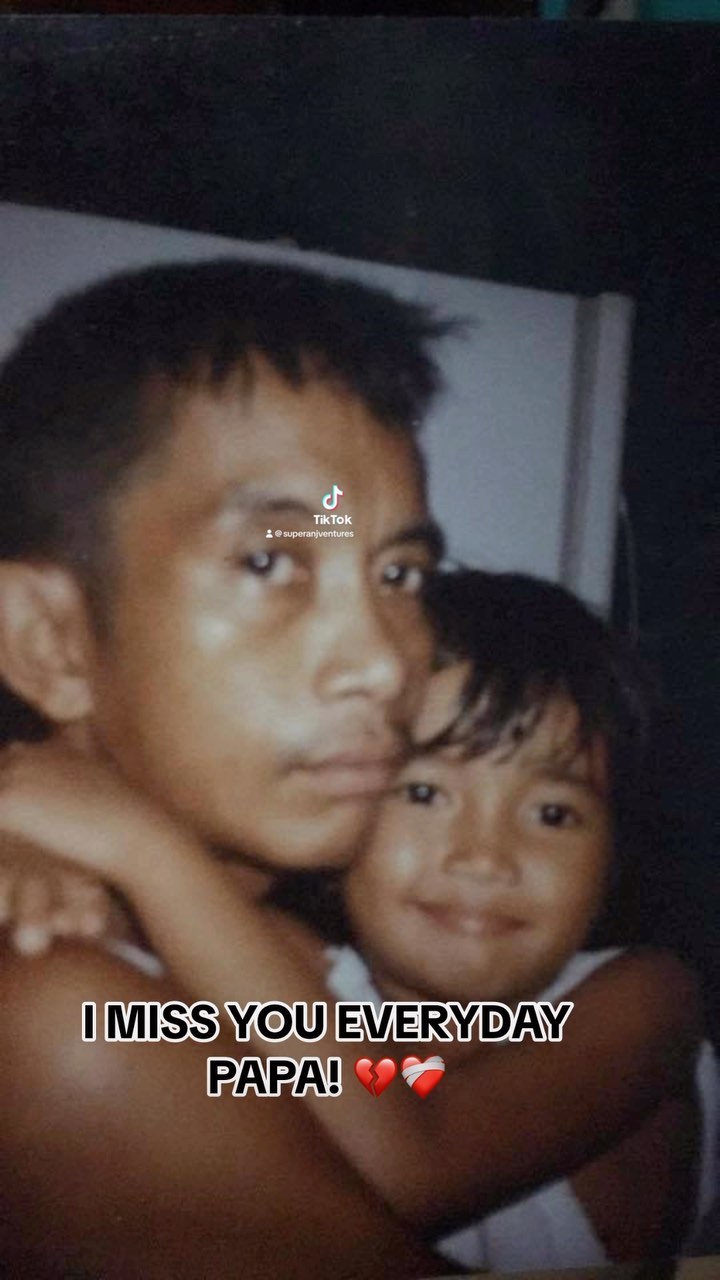
I remember the times I made him laugh. I remember the ordinary conversations that did not seem important enough to preserve at the time. I remember the way he looked at me, the way he made me feel loved and the tenderness in his voice whenever he called me anak. I never imagined such a simple word could eventually carry so much weight. Now, when I remember his voice saying it, I realise that one word contained an entire relationship. Perhaps the cruelest thing about losing someone is discovering how sacred the ordinary things were only after they have become memories.
Then Christmas Day came, and with it something I never expected. A dear friend surprised me with a video greeting from my family, and there, inside that recording, was Papa. Before he passed away, he had recorded a message for me. I was not prepared to see him again. I was certainly not prepared to hear his voice. Yet suddenly there he was on the screen, speaking to me as though the impossible distance between life and death had briefly become small enough for love to cross.
He thanked me. He told me that he loved me. Those words broke something inside me all over again, but they also gave me something I know I will treasure for the rest of my life. It is difficult to explain what it feels like to hear the voice of someone you have just lost speaking words they recorded before either of you knew how desperately you would eventually need them. I have watched the video more times than I can count already. Every time, my heart breaks. And still, I press play again because for those few minutes I can hear Papa’s voice, see his face and feel that familiar love reaching me through another screen.
There is something almost sacred about the fact that technology became both the place of my greatest heartbreak and the place where one of my greatest treasures was preserved. Through one screen, I watched Papa leave. Through another recording, he returned to tell me that he loved me. I do not know whether I will ever be able to explain what that means to me. Sometimes the things people leave behind become precious precisely because nobody realised, when they were created, that one day they would become a way of finding that person again.
It’s not always the grand gestures we remember. Sometimes, it’s the ordinary
I am still learning how to grieve. It has only been weeks, so I do not have some beautiful conclusion about loss or a perfectly formed lesson about how to survive it. I am writing from inside it, not from the other side. There are mornings when I wake and for a few seconds everything feels normal before memory returns. There are moments when I still cannot believe that Papa is gone, and perhaps part of me is still waiting for my phone to ring and for his familiar voice to be on the other end.
What I am beginning to understand is that grief is not something separate from love. It exists precisely because love existed first.
Grief, at its core, is love searching for somewhere to go when the person who once received it is no longer physically here.
Perhaps that is why it can feel so overwhelming. All the love remains, but suddenly the familiar place where we used to put it has disappeared.
For now, I am trying to put that love into memory. Into prayer. Into the way I care for Mama and my brother. Into the way I live. Into the small acts of kindness Papa would recognise. Into stories like this one, even when writing them hurts. I do not want grief to make me forget how fortunate I was to have someone worth grieving this deeply. There is an enormous difference between wishing the loss had never happened and wishing the love had never existed. I would choose the love every time, even knowing now how much its absence would hurt.
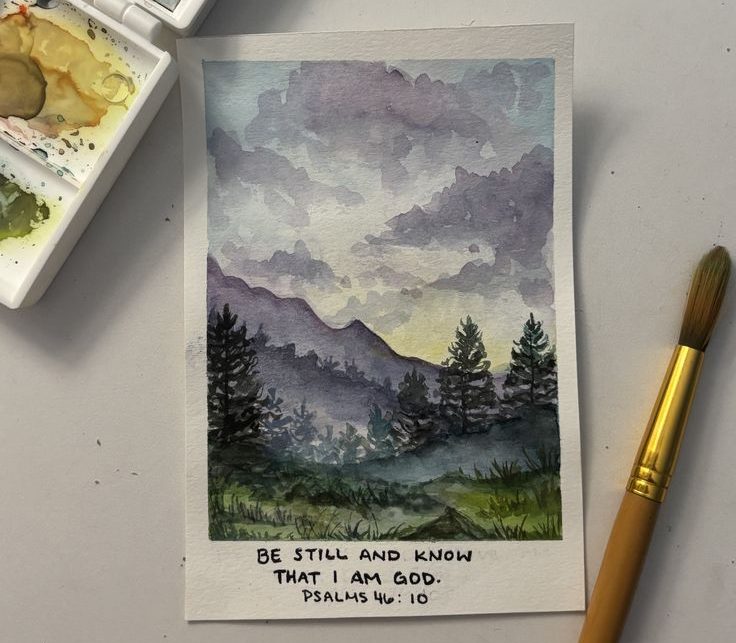
My faith is also something I am holding onto, although I will not pretend that faith has removed the questions. I still ask God why. I still struggle to understand the timing. I still wish the answer to my prayers that night had been different. But perhaps faith does not require me to understand everything immediately. Perhaps I am allowed to grieve, question, cry and still believe that God is somewhere inside this pain with me. I am trying to trust that Papa is now somewhere beyond suffering, somewhere he no longer has to say that he is tired or that he cannot breathe.
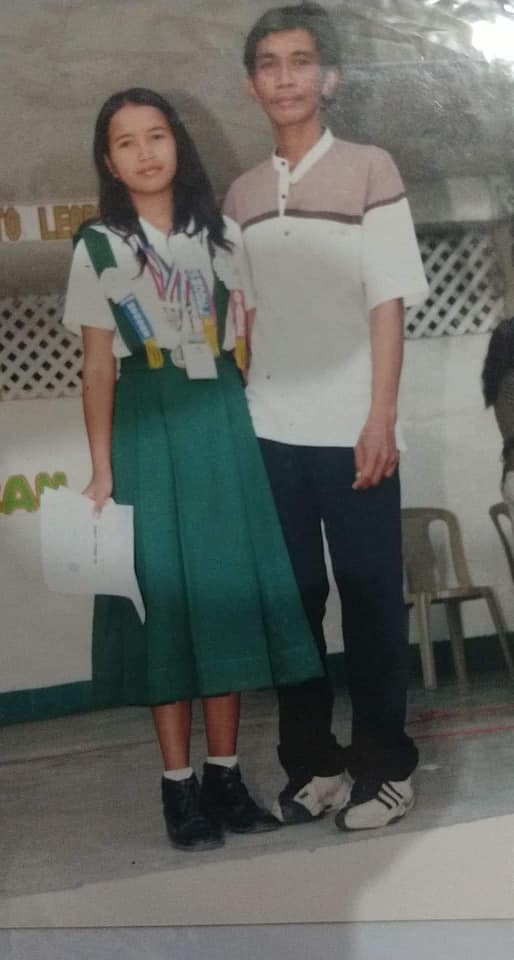
I think Papa would want me to continue living. Not because losing him should somehow become easy, but because he spent his life helping shape the person who now has to continue without him. He taught me resilience long before I knew I would need it for this. So I will try to carry him with me rather than believing moving forward requires leaving him behind. I will carry him in the way I laugh, in the things he taught me, in the stories I tell, in prayer, in kindness and in every ordinary moment when something suddenly reminds me of him.
And perhaps that is the lesson I want to leave here while the grief is still this new: please do not underestimate ordinary moments with the people you love. We naturally think we will remember the birthdays, holidays and grand occasions most, but I am discovering that my heart keeps reaching for much smaller things. A familiar voice. A joke. A cup of coffee. The way somebody says your name. The random conversations you never thought you would need to remember. It is not always the grand gestures that become sacred after someone is gone; sometimes it is the completely ordinary evidence that they were once here beside us.
So make the call. Stay at the table a little longer. Listen to the story you have already heard before. Say I love you even when there is no particular reason to say it. Take photographs of ordinary days, but remember to put the phone down afterwards and actually live them. Hug your parents while you still can. Ask questions. Pay attention to their voices. Notice the things familiarity has taught you to overlook, because we are never told in advance which ordinary moment will become something we would give anything to experience again.
I still wish I could have held Papa’s hand that night. I still wish I could have been there. I still wish I had been given one more conversation in which both of us understood that it was goodbye. Perhaps those wishes will remain with me for a long time. But alongside them, I am trying to remember that one final night cannot erase a lifetime of being his daughter. I loved him before that hospital room. He knew I loved him. I knew he loved me. And on Christmas Day, through a recording neither of us knew would become so precious, I was given the extraordinary gift of hearing him tell me one more time.
Maybe this is what I am learning only weeks after losing him: love does not disappear when someone takes their final breath. It remains in voices we can still hear in our minds, in memories hidden inside ordinary things, in lessons that become part of who we are and in prayers spoken when missing them becomes too heavy for words. I could not cross the thousands of miles between us that night, and I could not save Papa despite desperately wishing I could. But distance did not stop me from being his daughter, death cannot undo the years in which I was loved by him, and perhaps one day I will understand that the final thumbs-up I saw through that small screen was not only goodbye. For now, I choose to carry it as one last reminder from my Papa to keep going.
Still going, Papa.
Anj ♥

















Leave a Reply