The Animals Had Right of Way
There are days when traffic is annoying, and then there are days when the reason nobody is moving is a rhinoceros. West Midland Safari Park introduced me to the second category, and I have to admit I was far more patient about it. Put an ordinary car in front of me and I will wonder why we have stopped. Put a rhino in front of the car and suddenly I am delighted, reaching for my phone and hoping the delay lasts long enough for a decent photo. I should clarify something before anybody imagines me confidently navigating a safari route surrounded by enormous animals: I do not drive. My role was firmly in the passenger seat, which turned out to be ideal. Someone else had responsibility for the steering wheel while I had the equally important duties of spotting animals, taking photographs and occasionally announcing, “LOOK!” with absolutely no useful information about which direction anyone should actually look.
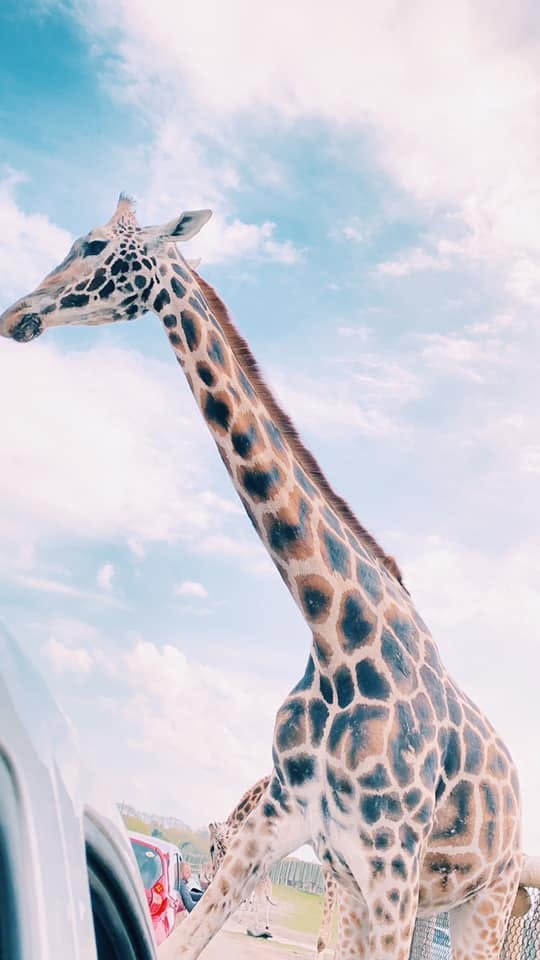
West Midland Safari Park in Bewdley had been on my radar because I love animals, and the idea of seeing them from much closer than I normally would sounded brilliant. I expected a fun day out. What I had not fully considered was how different it feels when the animals are not standing politely at a distance waiting to be admired. On a safari drive, they have their own plans, their own routes and absolutely no concern for yours. The moment we entered the drive-through section, the usual relationship between humans, vehicles and roads changed rather quickly. In normal life, roads come with lanes, signs and an entire system explaining who should go where. Inside a safari park, the rules seemed much easier to understand: if a large animal wants the road, the large animal gets the road. Nobody argues with a rhino about priority, nobody rolls down the window and says, “Excuse me, I believe we were here first.” You wait. Politely. Suddenly, patience becomes effortless.
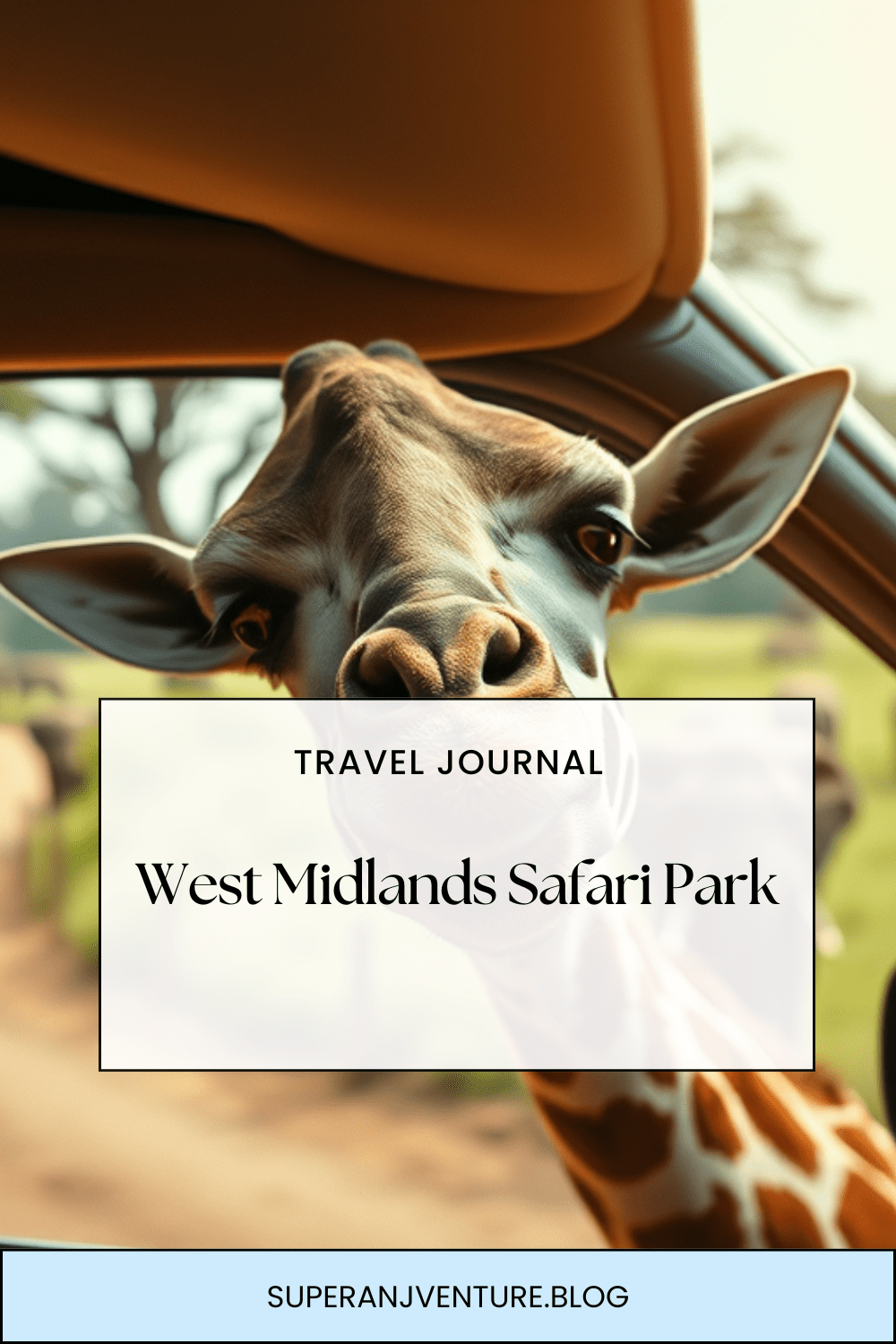
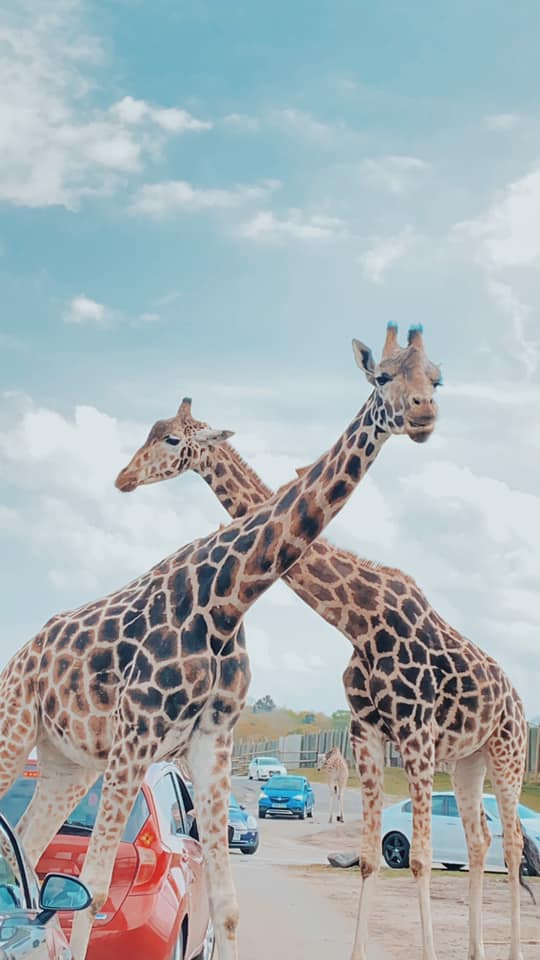
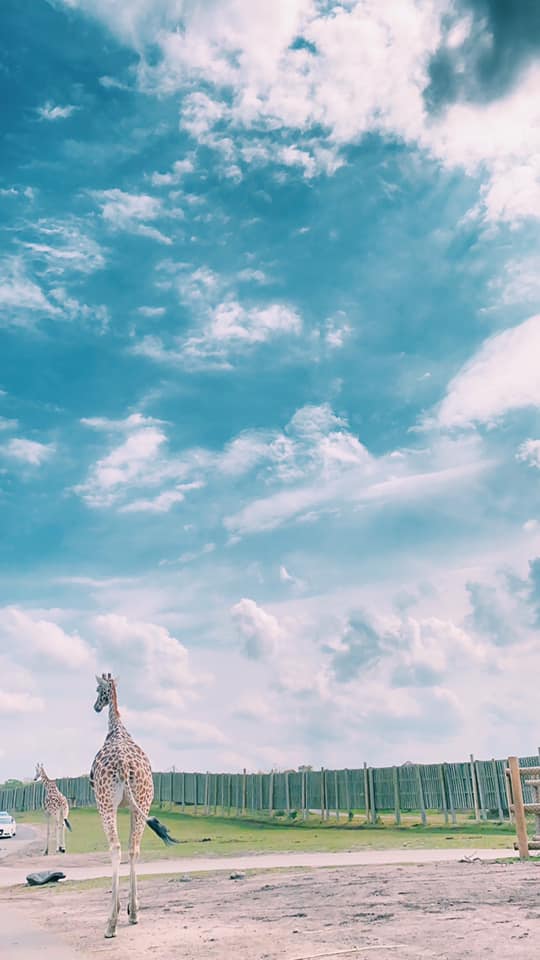
Seeing the animals from the car also felt completely different from watching them through a zoo barrier or on television. A wildlife documentary is enjoyable because you are comfortably aware that David Attenborough and several thousand miles are separating you from the subject. Here, a giraffe could be wandering close enough for me to notice details I would normally only see through a zoom lens. Giraffes, incidentally, have an extraordinary ability to look both elegant and incredibly nosy. From a distance, they are graceful creatures moving beautifully across the landscape. Up close, they give the impression that they would quite like to know what you have in the car and whether any of it concerns them.
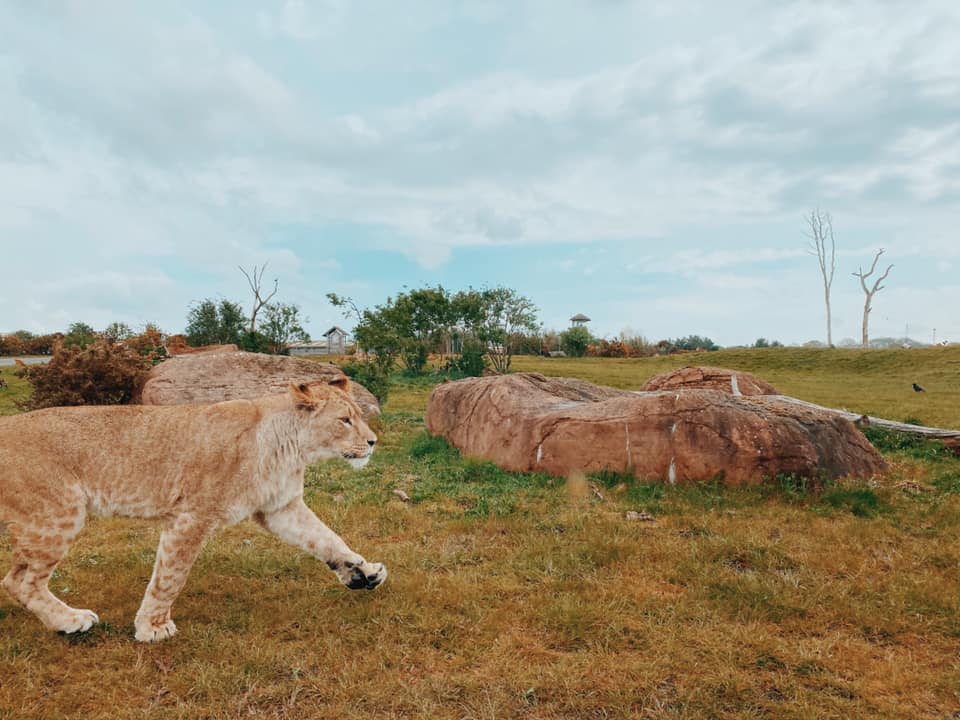
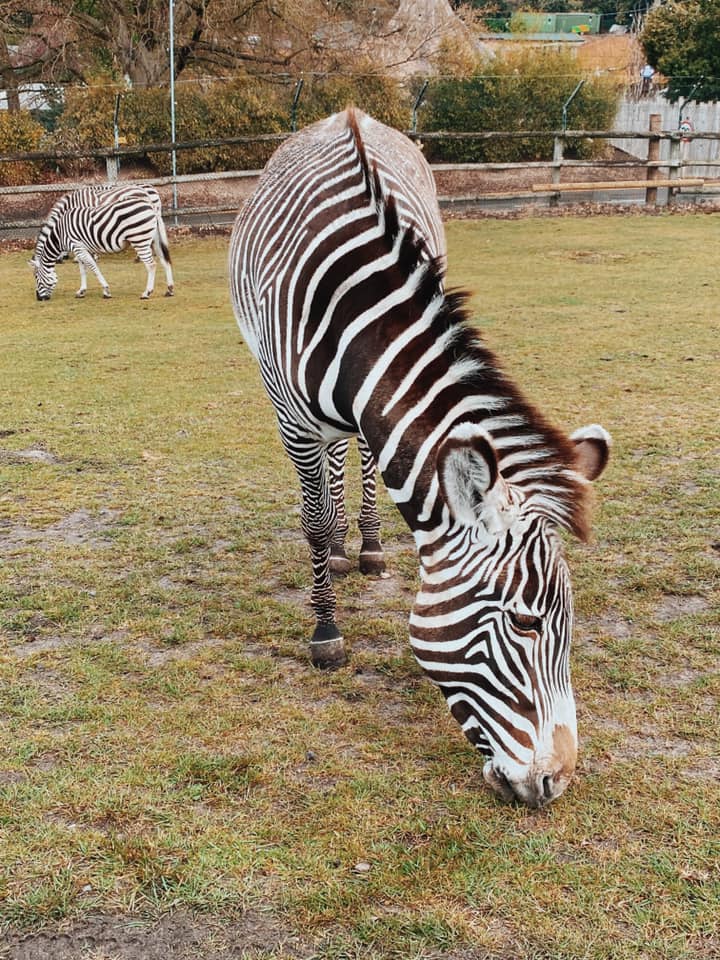
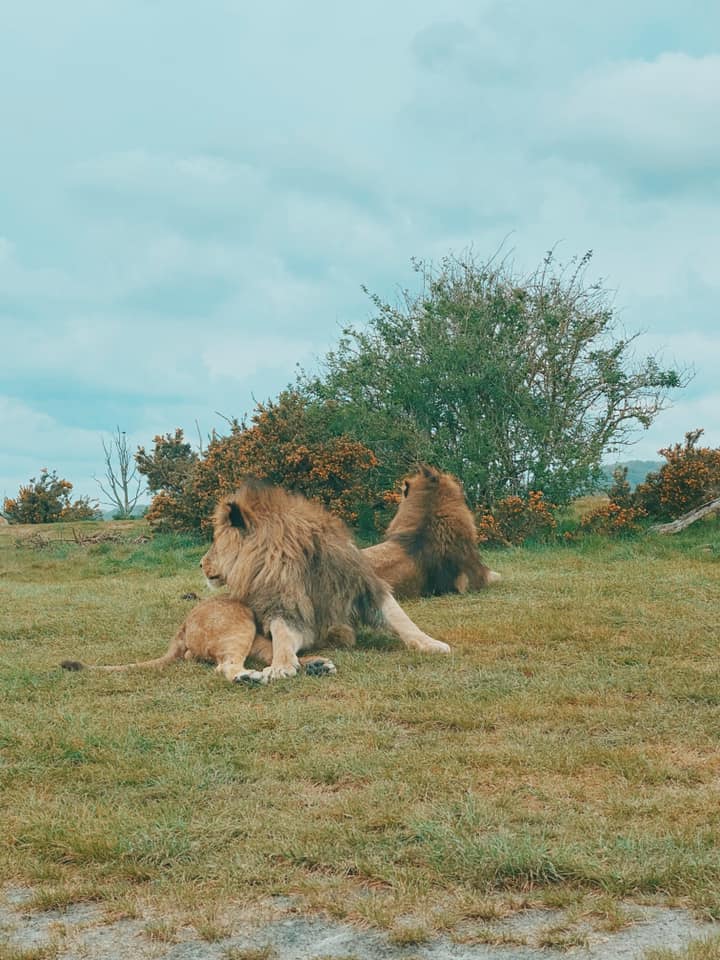
I found myself watching every animal like I had never seen one before. Zebras suddenly became much more interesting when they were not simply part of a photograph in a book. Rhinos looked even more impressive when there was no screen between us. Elephants carried themselves with the kind of calm confidence that comes from knowing nobody nearby is likely to challenge your decisions. The lions were another matter entirely. There is a very specific difference between saying, “I love lions,” and seeing one while sitting inside a vehicle. I still loved them. I simply loved them with the windows, doors and general structural integrity of the car very much in mind. It is funny how quickly your appreciation for basic engineering increases when there are predators nearby.
The best part was that none of the animals seemed particularly impressed by us. We were excited, taking photographs and watching everything they did. They were simply getting on with their day. A zebra could stand beside the road completely unaware that somebody inside a car had just taken its twenty-third photograph. A giraffe could wander past while several humans reacted as though a celebrity had arrived. The animals had no idea they were the main attraction, or perhaps they did and had simply become accustomed to the attention. I imagine the internal monologue of a safari giraffe is something like, “Yes, yes, very tall. Keep moving.”
At some point, I realised I was enjoying the traffic almost as much as the actual sightseeing. This is not a sentence I expected to write. Usually, stationary cars do not inspire wonder. But when movement stops because an animal has decided to wander across the road, the inconvenience disappears. Everybody waits, watches and takes photos. It may be the only traffic jam where people secretly hope the obstruction does not clear too quickly. My camera roll inevitably became ridiculous. There is no such thing as taking one photograph of a giraffe when the giraffe keeps moving into slightly different positions. One picture becomes five, five becomes twelve, and eventually you have enough photographs to document the animal’s entire commute.
Of course, most of the pictures look almost identical afterwards, but this information is irrelevant while you are taking them. Safari photography operates on optimism. Every time the animal turns its head, you become convinced that this particular photograph will be the one. Then you get home and discover forty-seven pictures of the same zebra. I regret nothing.
What I liked most was how the experience changed depending on what appeared next. One minute everything felt calm and almost peaceful, with animals wandering around at their own pace. Then something much larger would appear near the car and suddenly everyone became extremely interested in where the windows were. There was excitement without needing anything complicated. No elaborate itinerary, no airport, no long-haul flight. Just a day out in Worcestershire where the scenery occasionally moved and had horns.
That was only one half of the experience, because after spending time watching animals, there was also the leisure park. Apparently looking at lions and rhinos was not considered enough stimulation for one day. There were rides, attractions and all the familiar noises of an amusement park waiting afterwards. It was an amusing change of atmosphere. One moment you are quietly watching wildlife; the next there are people voluntarily getting onto machines designed specifically to make them scream. Human beings are fascinating. We will sit respectfully still for an elephant and then pay money to be spun around for entertainment.
I am not necessarily the person volunteering for every terrifying ride, but I enjoy the atmosphere around them. The shrieks, the laughter, people emerging with hair pointing in unexpected directions and somebody immediately claiming they want to do it again while another member of the group looks personally betrayed by gravity. And then, inevitably, there is food. A day out somehow increases the importance of snacks. Walking around looking at animals is apparently demanding enough to justify ice cream, something fried or both. I support this system.
By then, the photographs had already accumulated: animals, close encounters, scenery, random moments inside the car and all the expressions that happen when something much larger than expected suddenly walks nearby. Those are often the pictures I like most from days out. Not necessarily the perfectly composed ones, but the ones that remind me what I was actually thinking at the time. Sometimes the photograph says, “Beautiful giraffe.” The memory says, “Why is it coming closer?”
There is also something refreshing about spending a day paying attention to animals instead of notifications. Wildlife does not care about deadlines, messages, rotas or whatever problem you were thinking about before you arrived. A rhino crossing the road has a remarkable ability to become your immediate priority. For a few hours, the important questions became very simple: Where is the lion? Is that giraffe coming over here? How close is too close for an elephant? Why does that zebra look better in photographs than I do? These are manageable concerns.
Perhaps that is why places like this are enjoyable at any age. Children are allowed to show obvious excitement when they see an animal up close. Adults sometimes become a little more restrained because we are supposed to have encountered enough of the world not to react dramatically to everything. Then a giraffe walks towards the car and adulthood temporarily leaves the building. You point, you laugh, you take too many photos, and for about thirty seconds you become six years old again. I think we need more moments that do that.
Not everything enjoyable needs to be sophisticated or far away. Adventure is often marketed as something requiring a passport, an expensive flight and an itinerary involving several time zones. Yet some of my favourite days have happened much closer to home, simply because they interrupted the usual routine. West Midland Safari Park did that beautifully. It gave me the unusual privilege of enjoying traffic, a camera roll dominated by animals, several reminders that humans are definitely not in charge of every road, and enough close encounters to keep me entertained long after we left.
I also learned that being a passenger on safari is an excellent arrangement. You get the wildlife experience without being responsible for manoeuvring the car while a zebra decides whether the middle of the road is a suitable place to stand. My responsibilities were much more appropriate to my skill set: take photos, admire animals and provide commentary. I performed magnificently.
So yes, if a giraffe approaches the car, let it. If a rhino wants to cross, wait. If a zebra blocks the road, accept that your schedule has changed. At West Midland Safari Park, the animals have right of way, and for once, I was completely happy to sit in traffic.
With wonder,
Anj 🐾











Leave a Reply