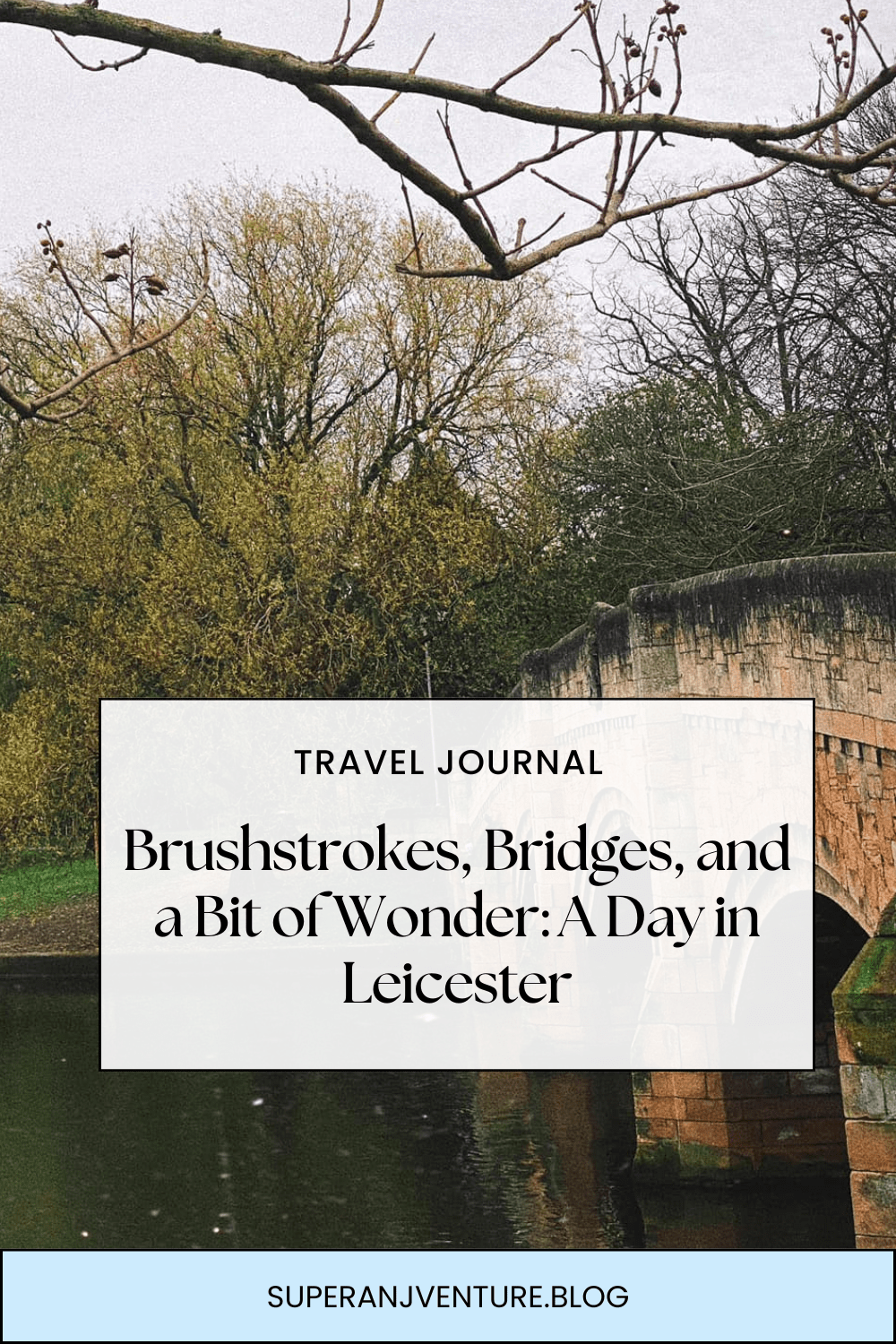
Leicester
Leicester gave us Picasso, dramatic paintings, furniture suspended above our heads, an old bridge, a canal, one very relaxed duck and coffee. There was no obvious connection between any of these things, which is probably why the day worked so well. Not every outing needs a perfectly constructed theme. Sometimes culture is looking thoughtfully at art in the morning and becoming strangely invested in a duck by the afternoon.
My partner and I arrived without one of those itineraries that turns a day trip into military planning. We had warm coats, somewhere we wanted to visit and enough curiosity to keep walking. That was about it. I increasingly like travelling this way because the moment I assign too many time slots to a day off, leisure starts feeling suspiciously like work.
Leicester was allowed to unfold at its own pace, and we were allowed to change our minds whenever coffee became more urgent than culture.


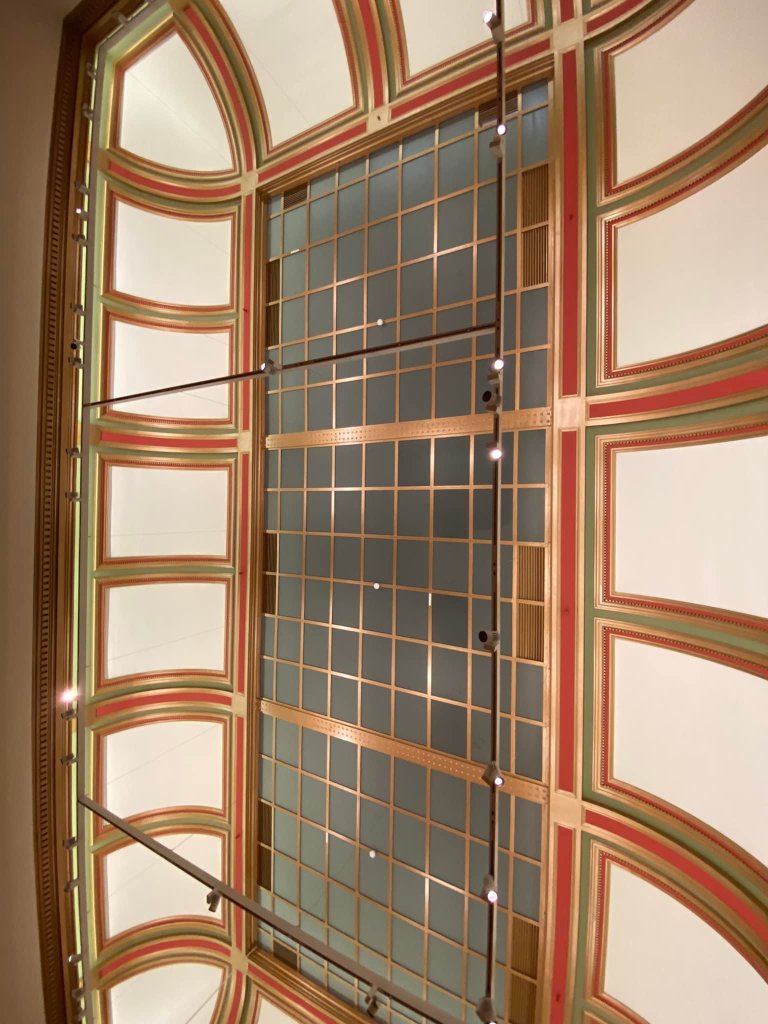
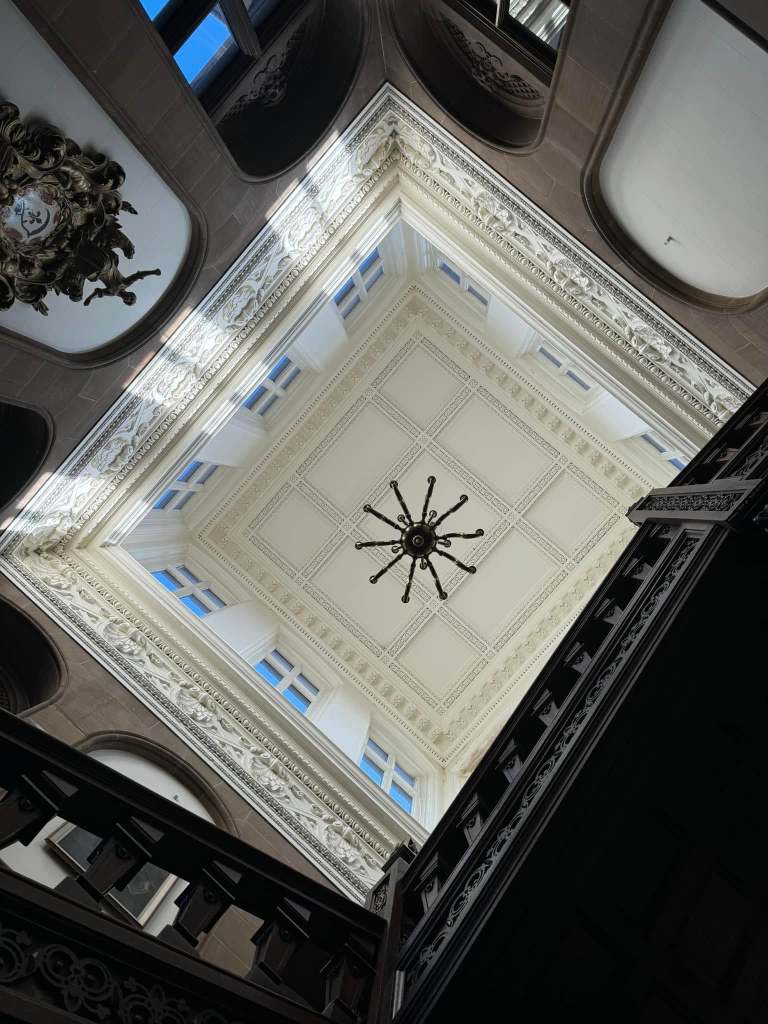
Our main stop was Leicester Museum and Art Gallery, where even the building seemed determined to make you look up. The arched ceiling, soft cream tones and coloured detailing immediately caught my attention. Museums are very good at reminding you how rarely you actually examine ceilings in ordinary life. At home, I mostly look up when I suspect a spider has violated the tenancy agreement. In a museum, suddenly I am studying architecture.
Then came Picasso.
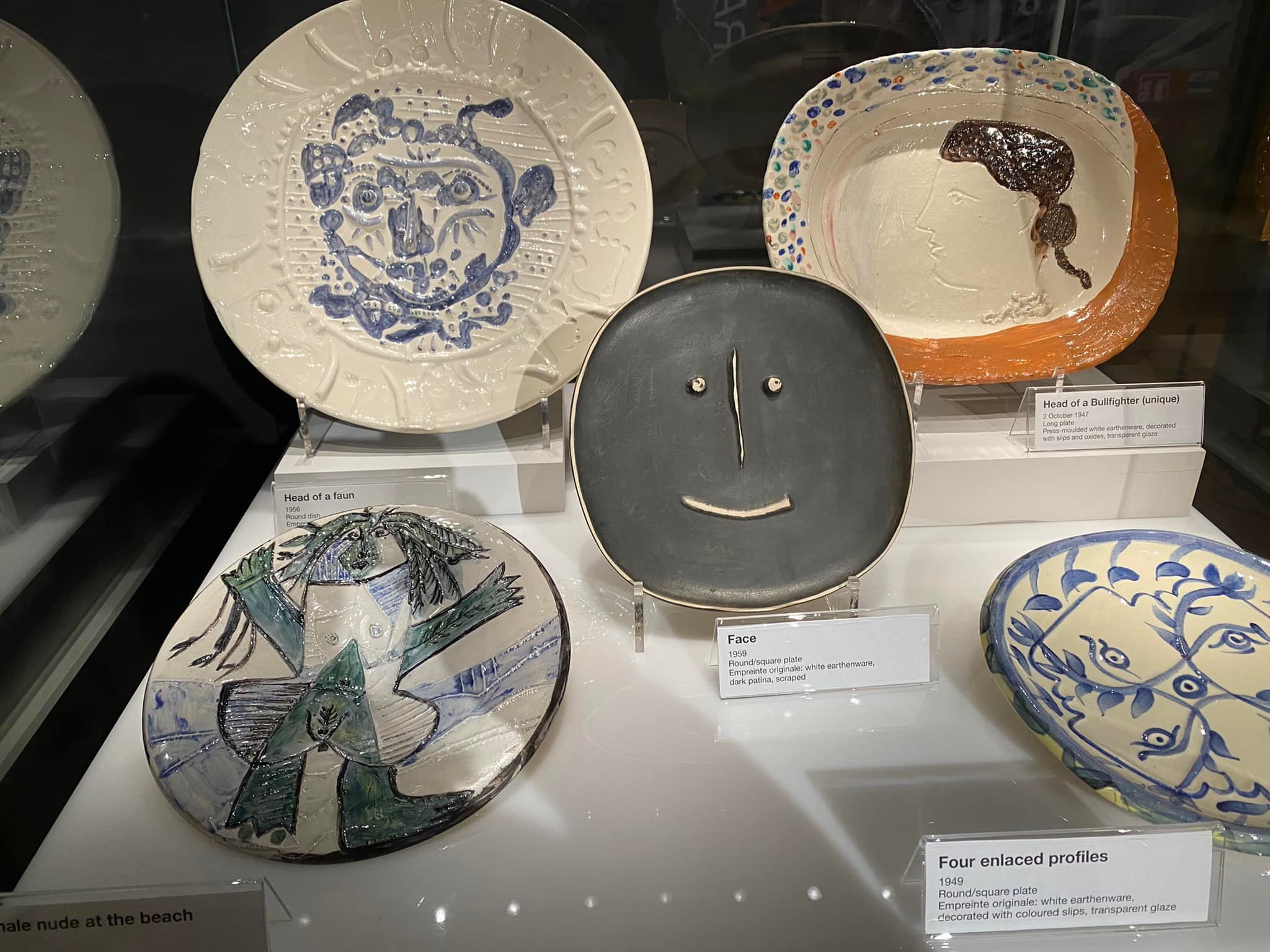
There is something slightly intimidating about standing in front of work by an artist whose name has become almost larger than art itself. You expect to respond appropriately. Perhaps a serious expression. A thoughtful pause. Some intelligent observation about form. Instead, I found myself looking at his ceramic faces and thinking that several of them appeared to be looking back with equal curiosity.
I liked that they were playful.
Art can sometimes be presented with such seriousness that people become nervous about having the “wrong” reaction. But I do not think every painting or object requires an academic response. Sometimes something makes you laugh. Sometimes you dislike it. Sometimes you stare at it for five minutes and still have absolutely no idea what is happening. All of those responses mean you looked.
That may be enough.
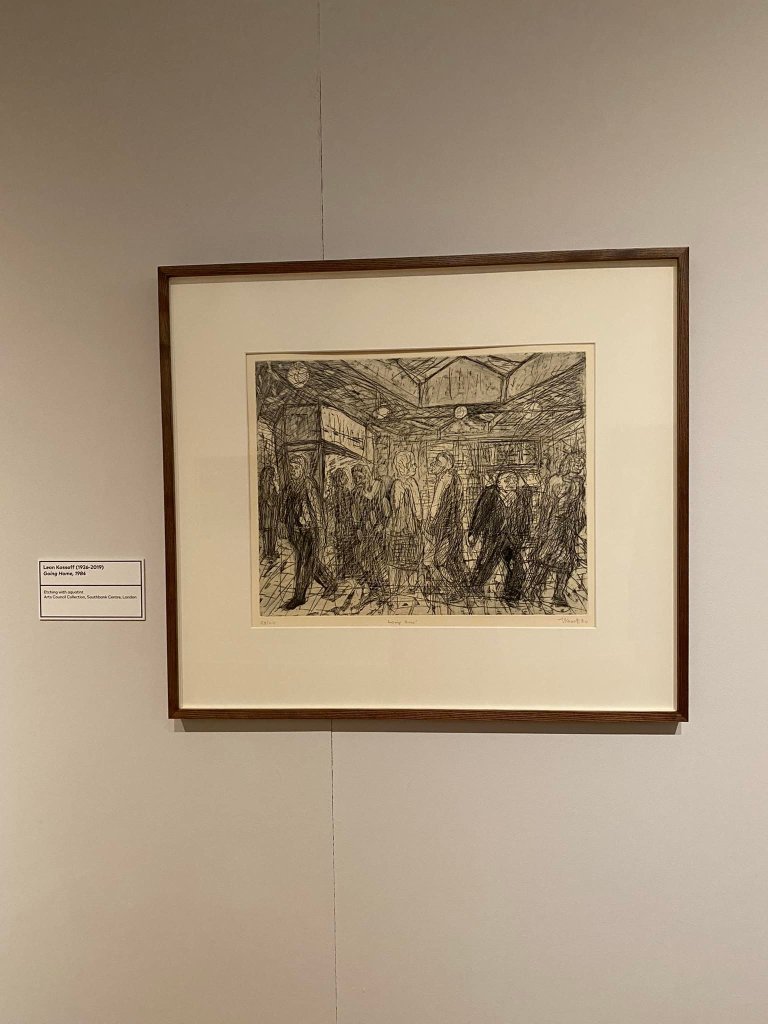
We moved through rooms containing photographs, paintings and objects from very different periods. Some of the black-and-white photographs stopped me longer than expected. Photography does that differently from painting because you know the person in the frame actually stood there once. Someone looked through a camera, pressed a shutter and preserved a fraction of a life that would otherwise have disappeared with the moment.
I always find that slightly strange and wonderful.
A photograph can outlive almost everyone inside it.
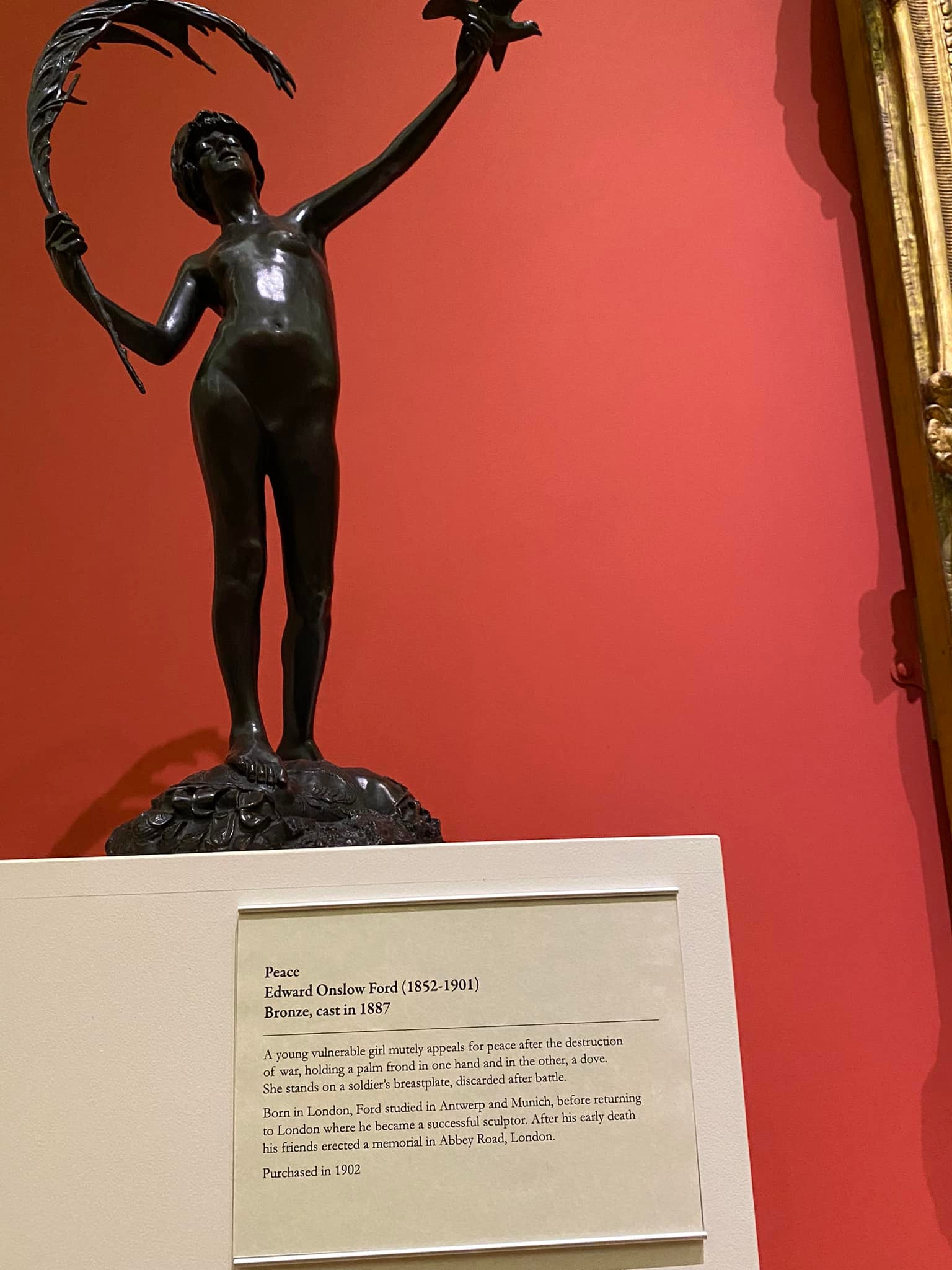

Then there was the furniture collection, which gave me an unexpected amount to think about considering we were essentially looking at chairs, shelves and tables. Some pieces were displayed so prominently that I began questioning the ambition of my own furniture. Nothing in my house has ever been suspended dramatically above visitors. My dining table has clearly lacked vision.
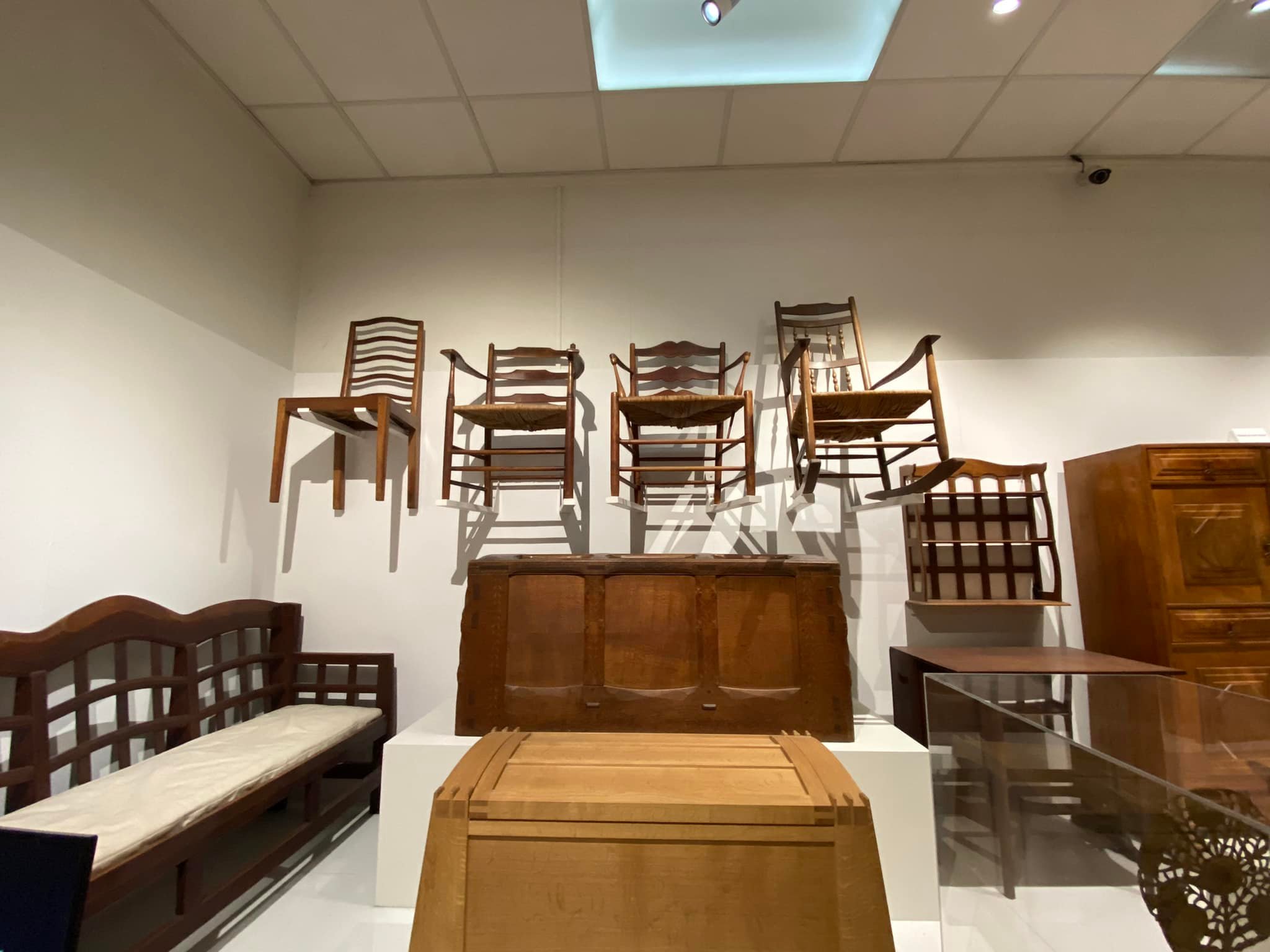


But old furniture is interesting precisely because it was once ordinary. These pieces were not always museum objects. People used them. Someone sat there, placed things on them, probably complained when something scratched, and perhaps never imagined strangers would eventually stand around discussing their craftsmanship.
That is the funny thing about museums. They take objects that belonged to everyday life and ask us to look again.
A chair becomes design. A bowl becomes history. A photograph becomes evidence. An old household object that once barely deserved attention suddenly receives perfect lighting and its own label.
Perhaps humans are simply very good at realising the value of things after enough time has passed.
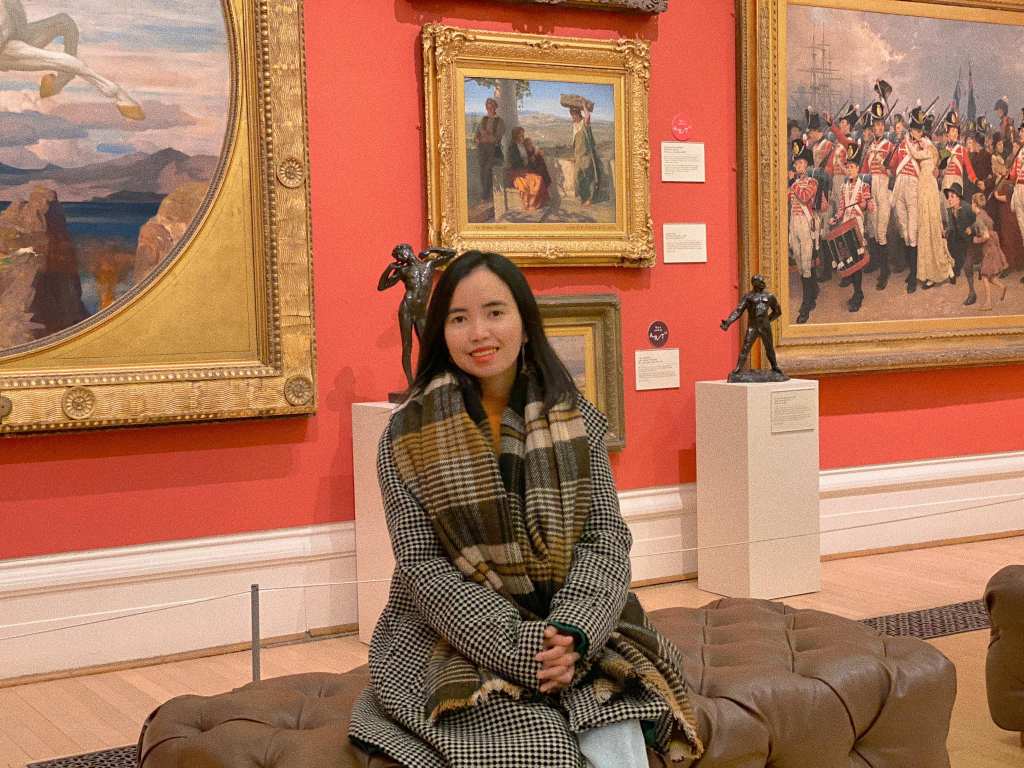
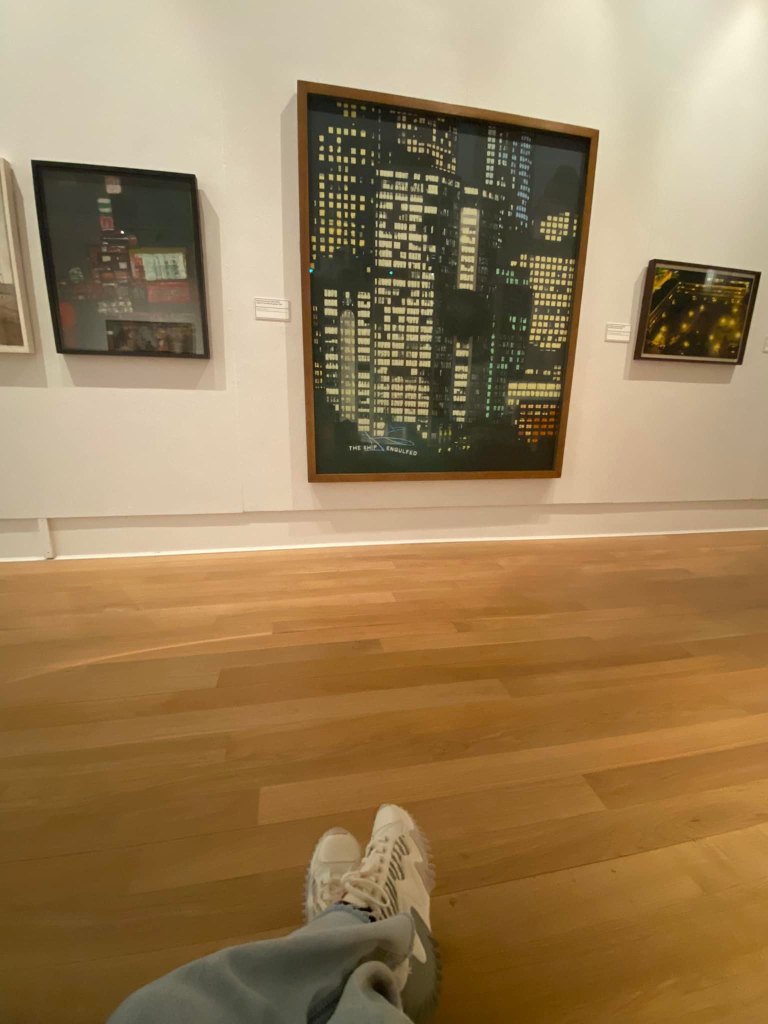
In another room, enormous paintings filled the walls with battles, mythology and scenes dramatic enough to make our actual afternoon feel wonderfully uneventful. I sat beneath them in my scarf, looking at canvases filled with conflict and grandeur while the most pressing issue in my own life was probably whether we should find coffee afterwards.
I appreciated the contrast.
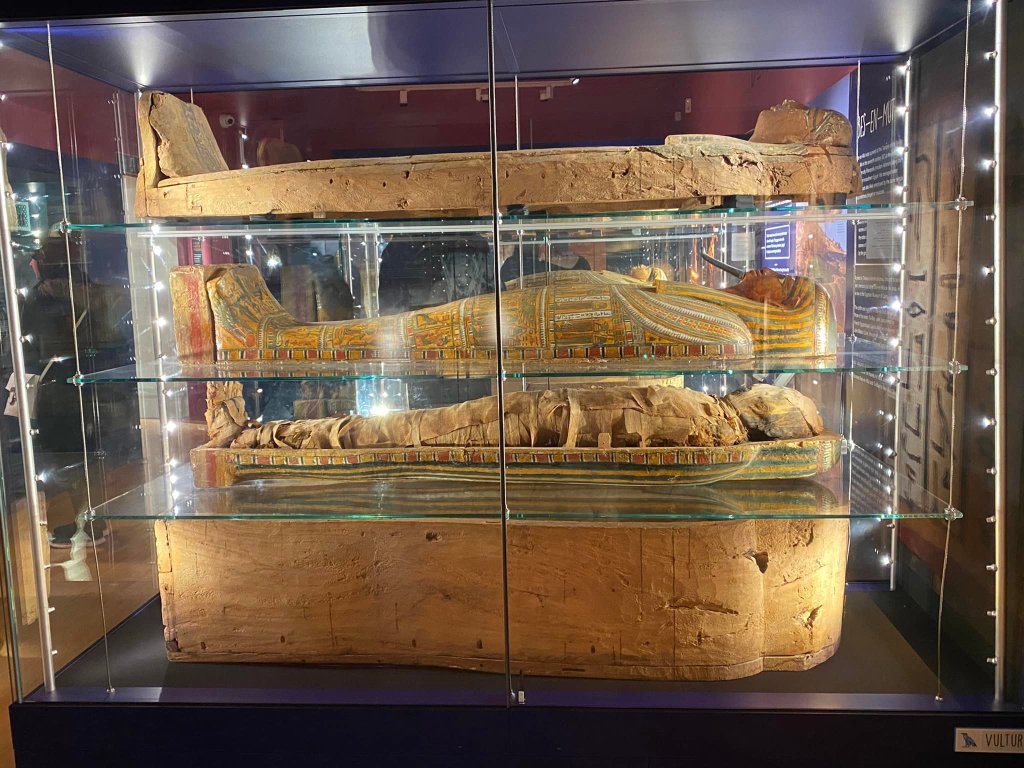
Museums allow you to travel considerable distances without moving very far. One room gives you another century. The next gives you another country. A painting puts you inside somebody else’s imagination, and an old photograph gives you access to a second that happened long before you were born.
Then you leave the building and immediately need a hot drink.
Human beings contain multitudes.

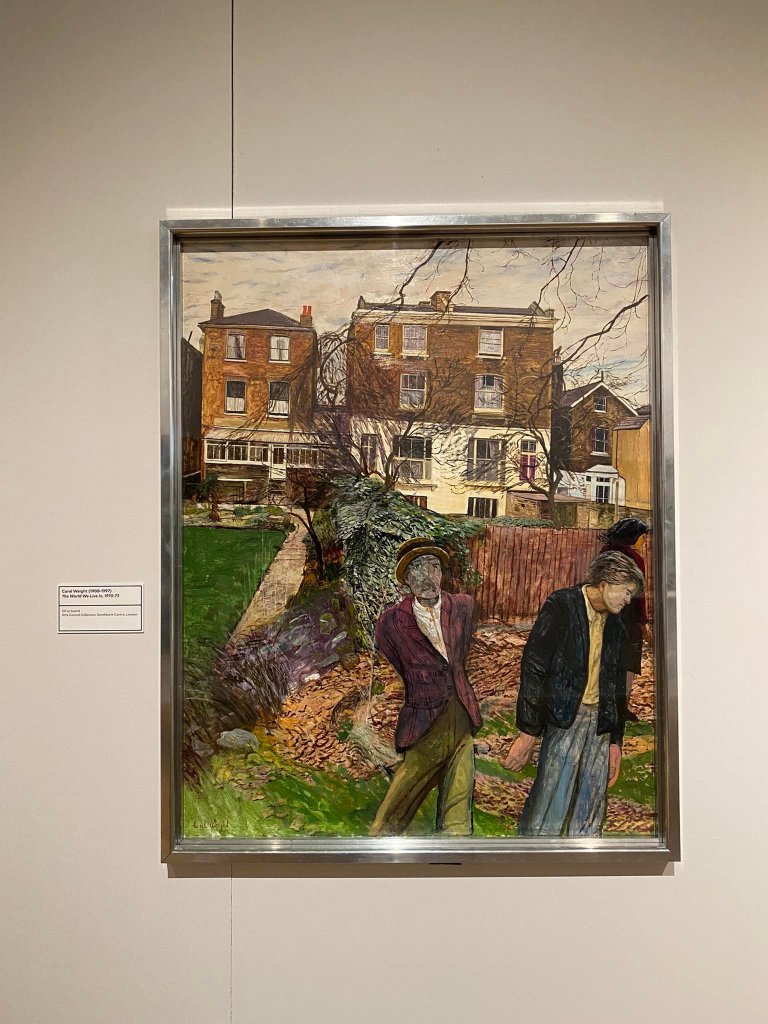
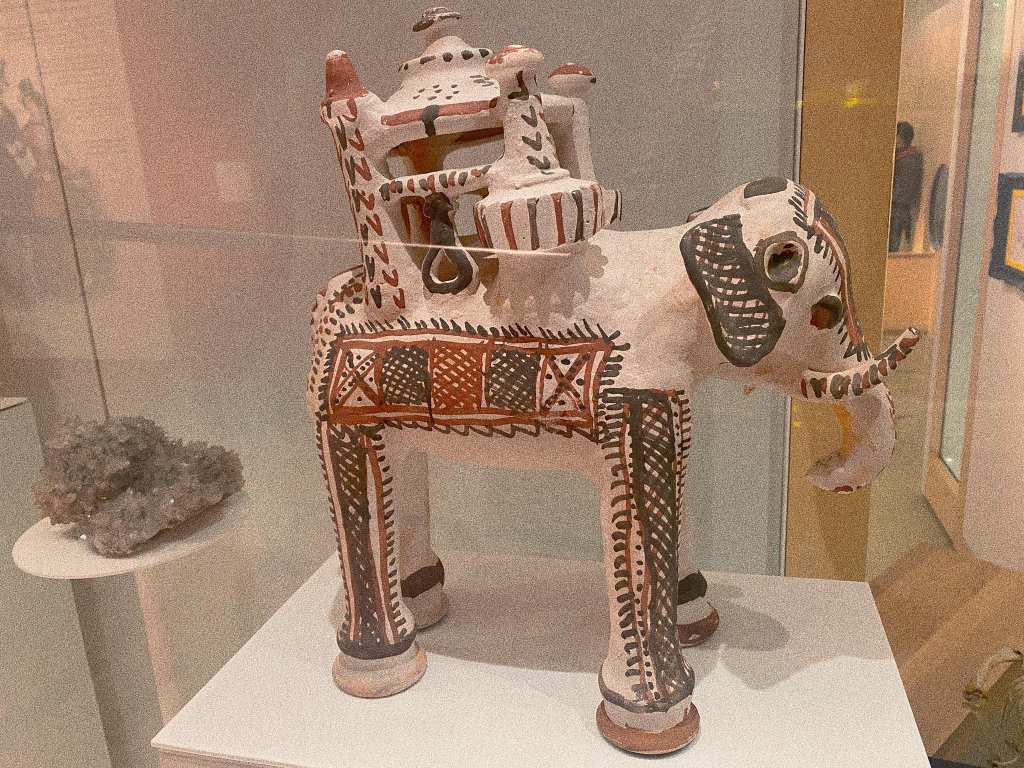
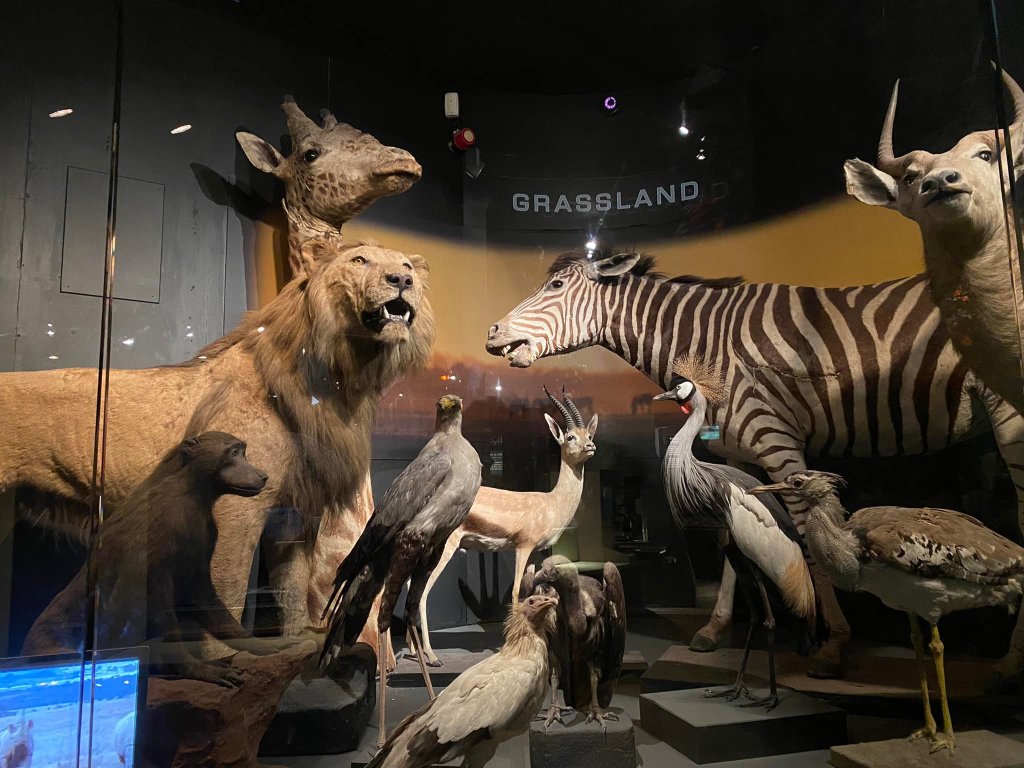
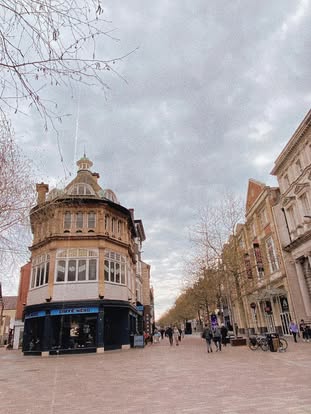
Outside, Leicester was waiting with its red-brick buildings, canals, bridges and the kind of British weather that makes a warm coat feel less like fashion and more like equipment. We walked without needing to reach anything quickly. After spending time looking deliberately at art, I think I became more attentive to everything outside the gallery too.
Old buildings began looking slightly more interesting. Bridges became more than infrastructure. Reflections in the canal deserved photographs. Even ordinary city details began competing for my attention.
Then there was the duck.
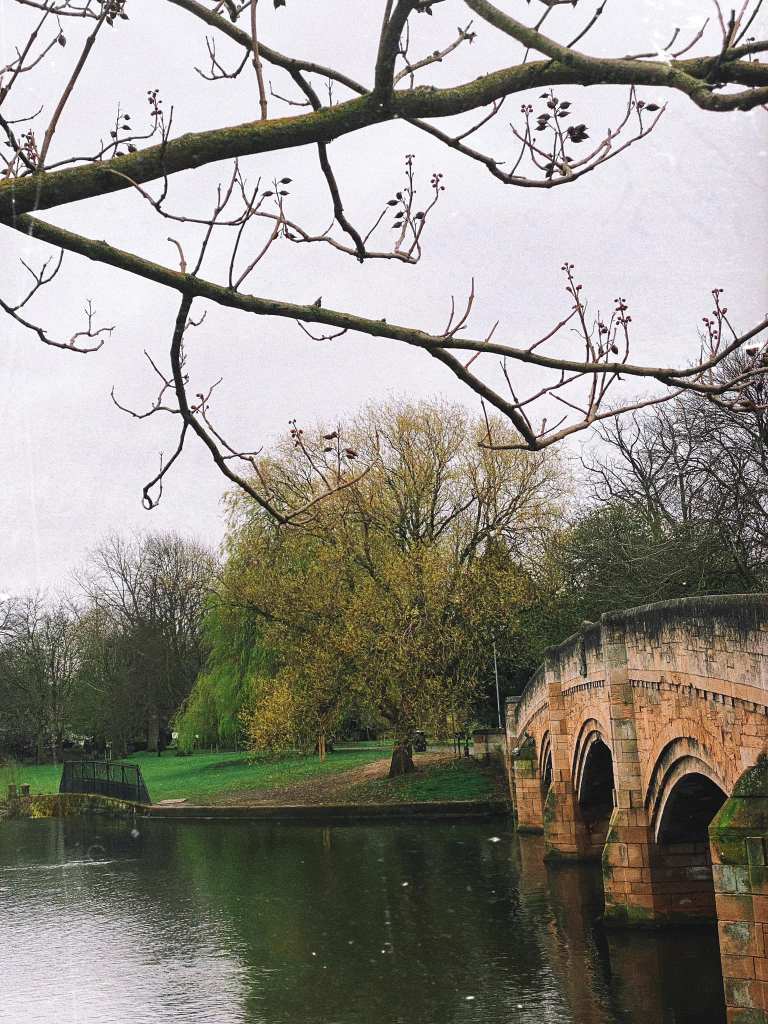
After Picasso, historic architecture and rooms full of curated objects, I found myself watching a duck float calmly along the water. It was completely unimpressed by Leicester’s cultural offerings, and I respected that. There is something useful about encountering an animal immediately after spending time surrounded by human attempts to create, preserve and explain things. The duck required none of it. It had somewhere to go, although judging by the speed, there was no urgency whatsoever. For several moments, watching it drift along the canal felt entirely sufficient.
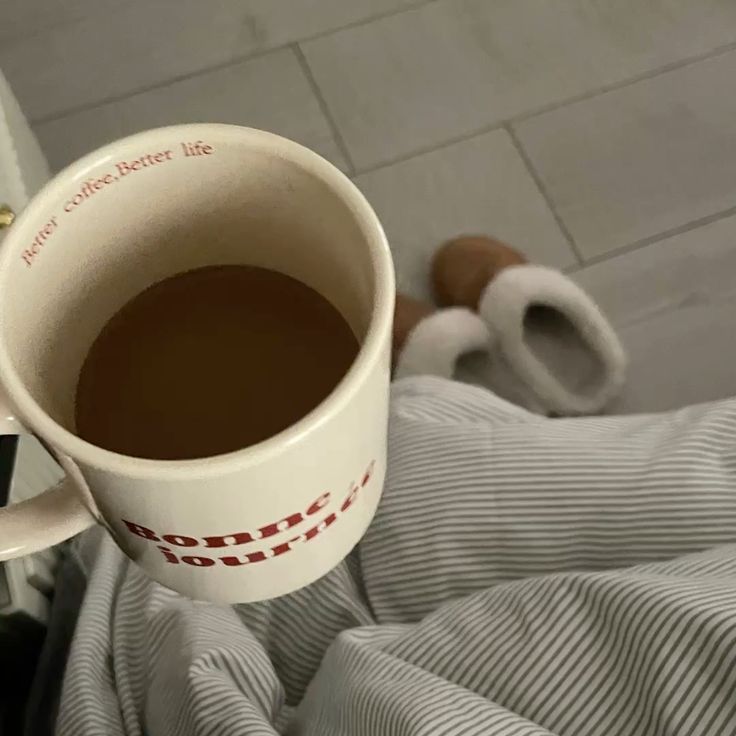
Eventually, coffee entered the story, as it often does. Cold-weather city walks become significantly more civilised once everyone is holding something warm. We stopped, wrapped our hands around takeaway cups and let our feet recover. My partner checked his phone while I sat there observing the completely ordinary scene and, because I write, almost certainly giving it more meaning than it had requested. But I like those ordinary scenes. There is a lot of attention given to romantic gestures, anniversaries, expensive dinners and elaborate trips, but companionship is often much less theatrical. Sometimes it is sitting opposite someone with a coffee while neither of you feels obligated to entertain the other. There is comfort in silence that does not need rescuing. You can sit beside someone, watch people pass, check a phone, sip a drink and still feel completely together. Those moments rarely become the photographs people frame, but they form a large part of what sharing a life actually looks like.
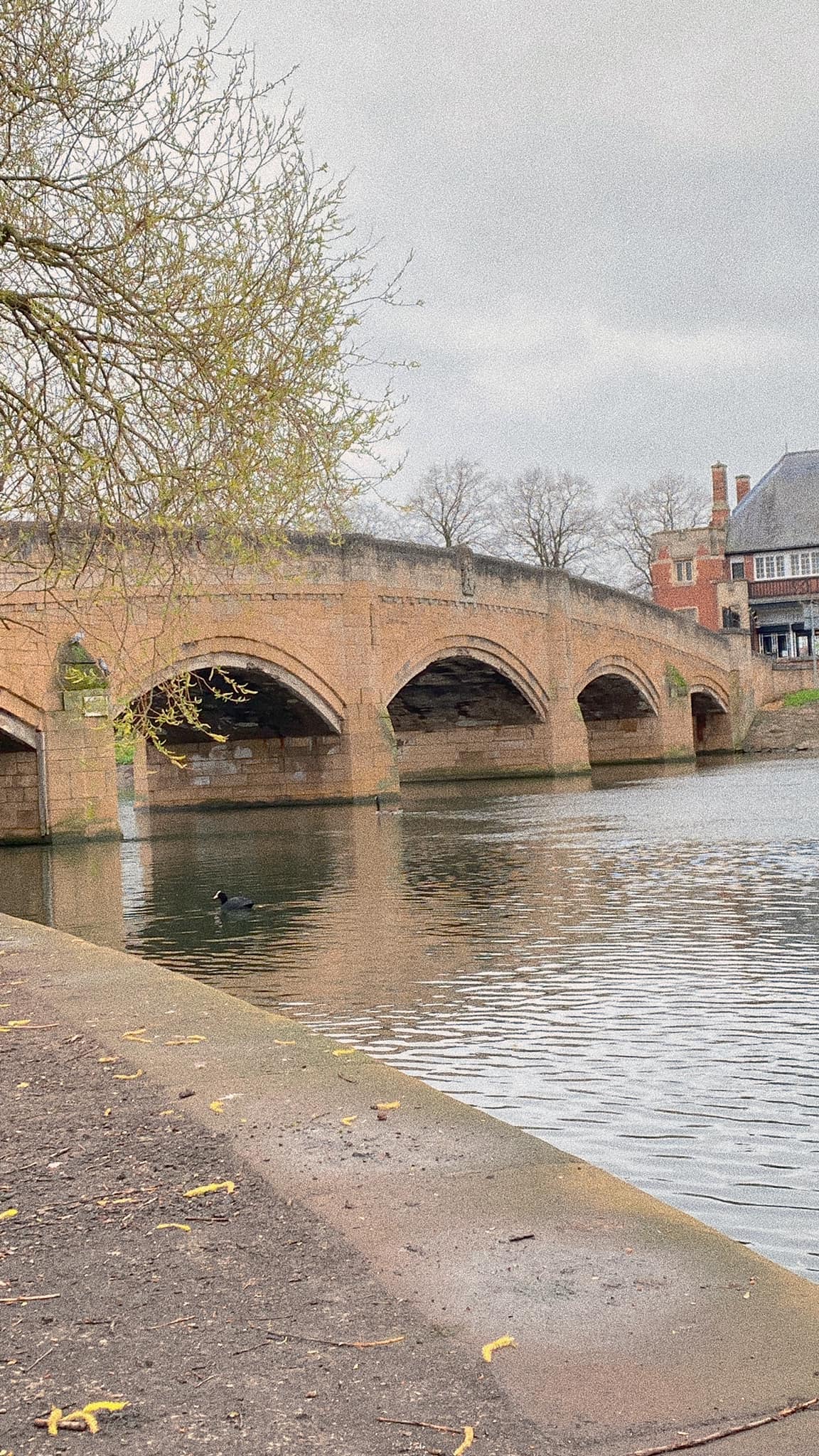
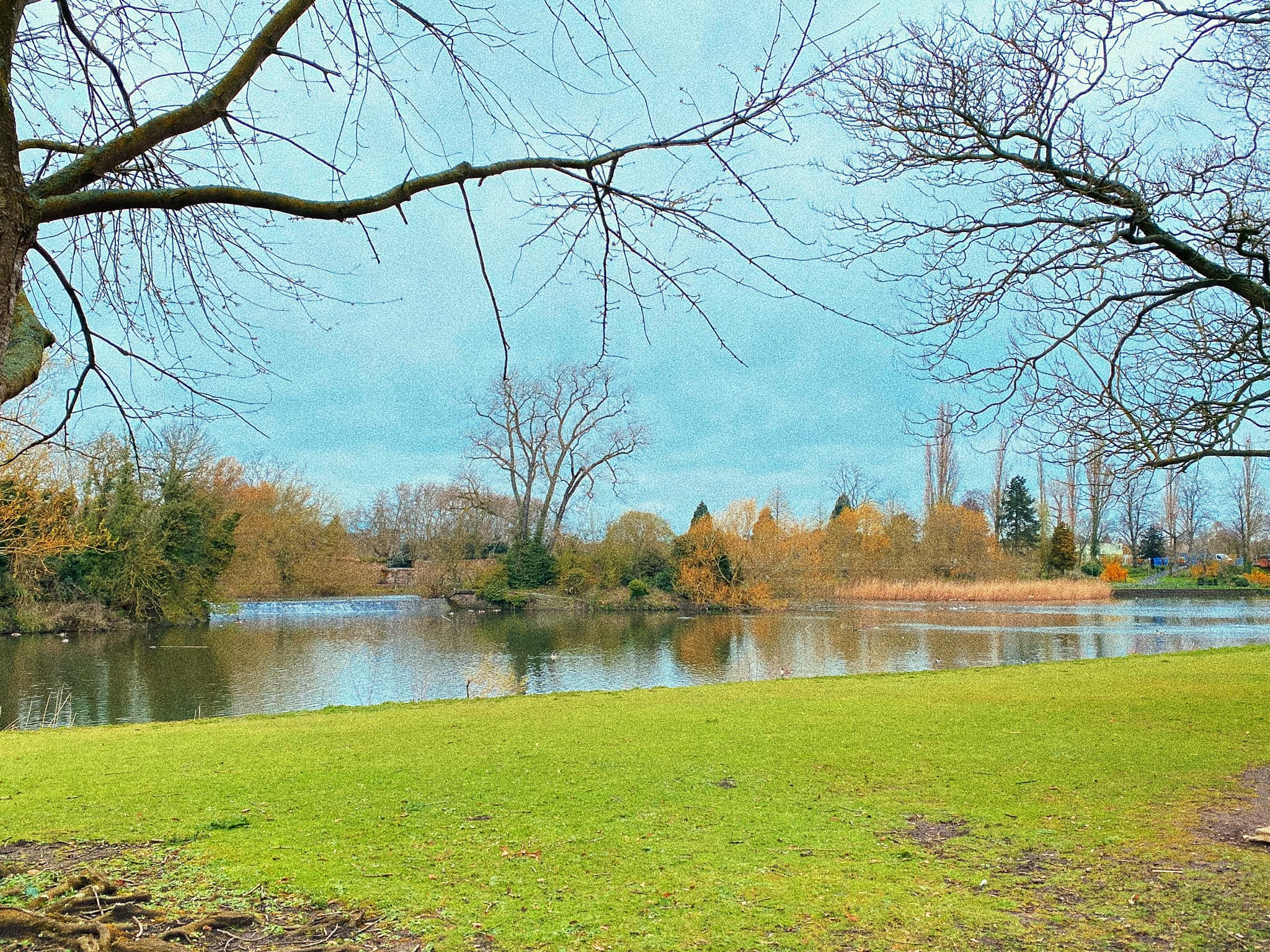
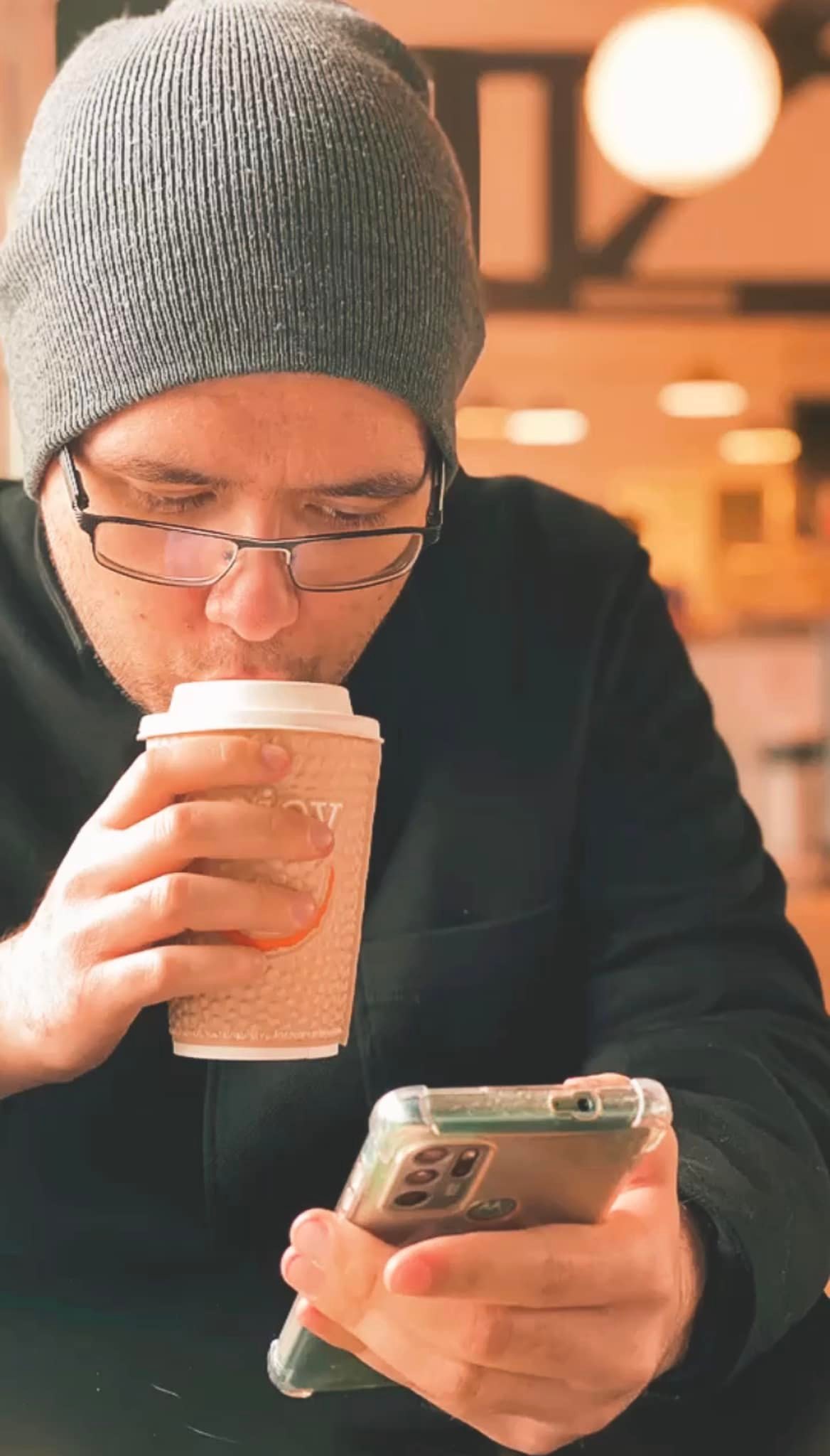
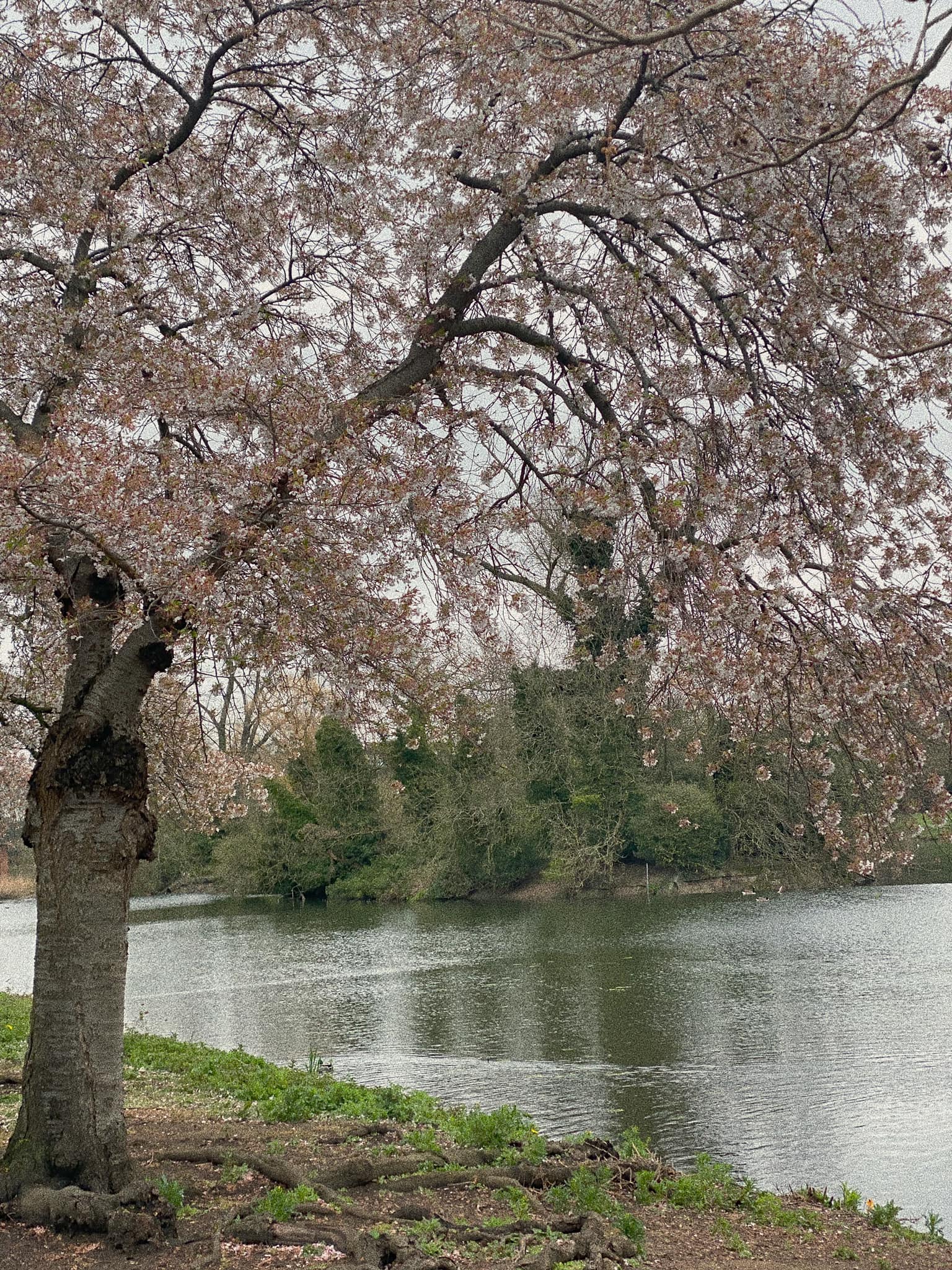
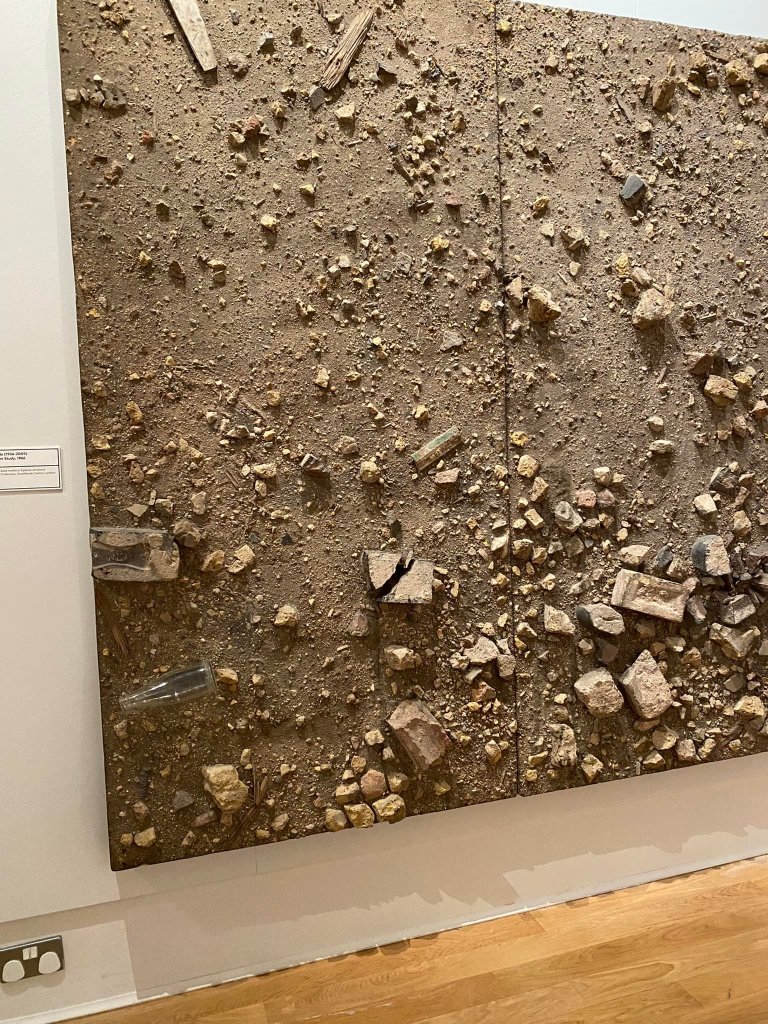
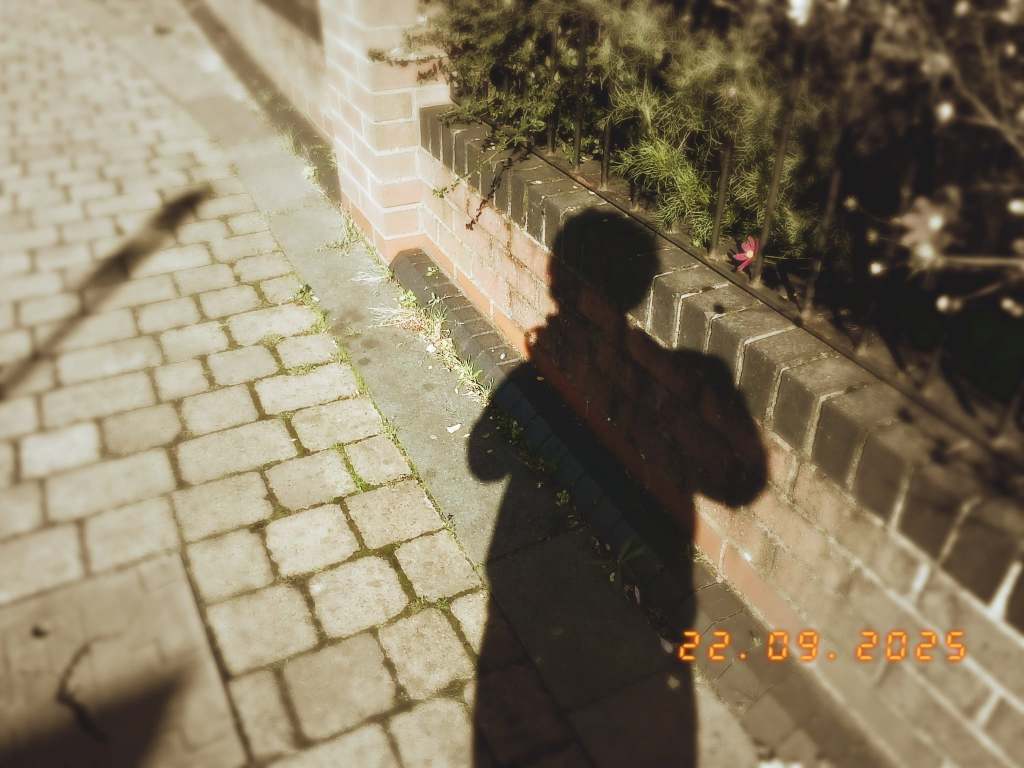
Looking back at the photos from Leicester, I notice how naturally the day moved between things that were officially considered art and things that simply caught my attention. Picasso’s ceramics had a museum label. The dramatic paintings had carefully lit walls. The old furniture had historical value attached to it. But then there was a bridge reflected in water, a café cup warming cold hands, brickwork against a grey sky, my partner walking beside me and a duck conducting its afternoon with remarkable composure. None of those needed a curator.
That is what I think I took from Leicester more than anything else. Art becomes easier to understand when we stop treating it as something that belongs only to galleries. A museum teaches you to look deliberately, but that habit does not have to stay inside the museum. There is design in an old bridge because somebody once had to decide what it would look like. There is beauty in a city street when light lands on it properly. There is choreography in people crossing paths without colliding. There is something worth noticing in steam rising from a coffee cup on a cold afternoon. Perhaps art begins wherever attention does.
The day itself was not particularly dramatic. We did not attempt to see every attraction Leicester could offer, and there was no heroic checklist or moment where someone announced that we had successfully completed the city. We walked, looked, drank coffee, took photographs and spent time together. That was enough. I have become increasingly suspicious of the idea that a good trip needs to leave you exhausted in order to count. There is always another attraction you could have visited, another street you could have explored and another restaurant someone online insists is essential. But there is a point where seeing more stops meaning experiencing more. I would rather remember a few things clearly than rush through twenty places simply so I can say I went.
Leicester gave me that kind of day. I remember the ceiling because I actually stopped to look up. I remember Picasso’s strange little faces because they made me smile. I remember the enormous paintings because they made my very ordinary afternoon feel wonderfully peaceful. I remember the bridge, the canal and the duck because none of them were trying to become memorable. And I remember the coffee because, realistically, coffee improves most cultural experiences.
We left Leicester without having conquered it, which I think was the better outcome. Cities are not tasks to finish. They can be revisited. There will always be another street, another museum room, another café and probably another duck. What stayed with me was simpler: curiosity makes ordinary places larger. You do not need to travel across the world to find something worth looking at.














Leave a Reply