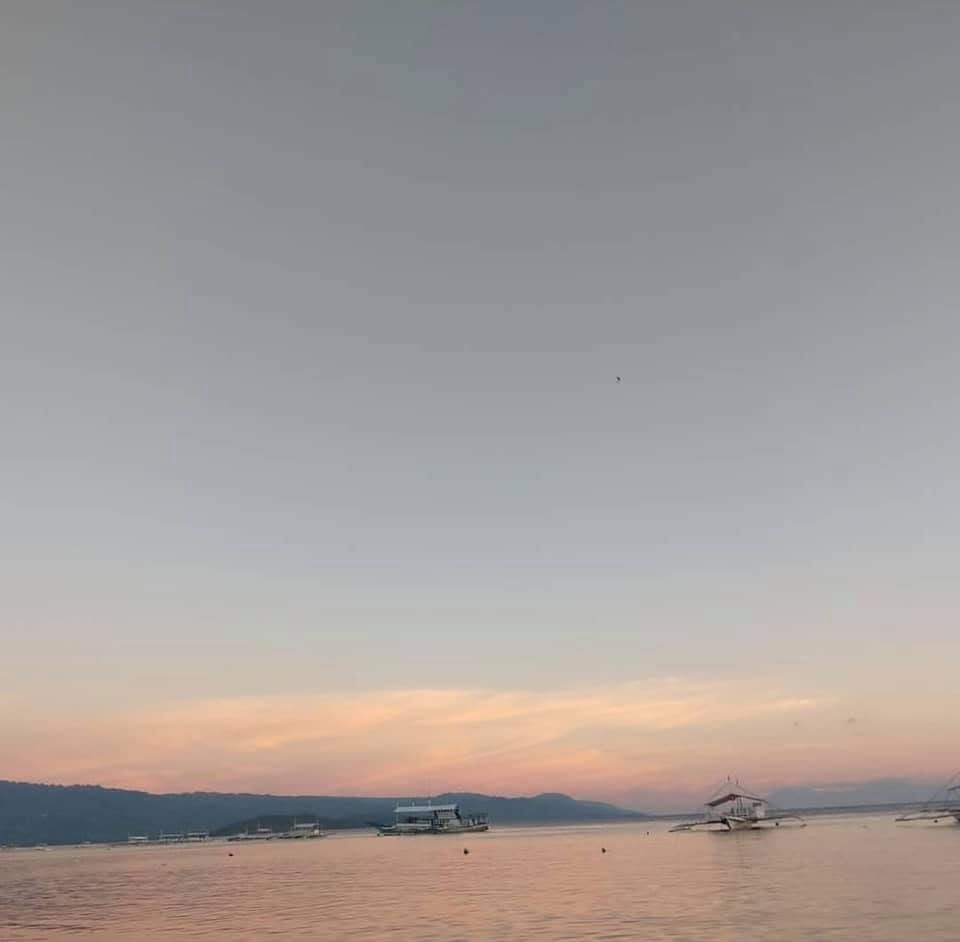
Rivers have always made returning look deceptively easy. They bend, disappear behind mountains, slip past towns, collect rain from places they have never seen before, and somehow continue towards a destination they seem to remember without needing directions. I used to think coming home worked the same way. You leave, you travel far enough to become somebody slightly different, and eventually you return to the place where the story began. Simple. Except nobody tells you that while the river is travelling, the banks are changing too. Trees fall. Bridges appear. Storms rearrange the ground. Houses disappear. People grow older. Some people are no longer waiting when you return. And the water itself, after travelling all that distance, is no longer the same water that left.
When I boarded the flight back to the Philippines for the first time after leaving in 2019, I carried the usual things people bring home from abroad: luggage packed too carefully and somehow still overweight, gifts, documents, clothes for weather my body had temporarily forgotten how to tolerate, and the peculiar confidence of someone who believes she knows exactly where she is going because she once belonged there completely. What I had not accounted for was everything that could not be weighed at the airport. Years of living away. A different life. A different rhythm. The person I had become in Britain. And grief, sitting invisibly among everything else because Papa was no longer part of the homecoming waiting on the other side.
That was the part nobody could have prepared me for. I had imagined returning to the Philippines many times while I was abroad. I had imagined familiar food, Cebuano filling the air again, family faces without a phone screen between us, familiar roads and that first wall of Philippine heat arriving like the country itself had stepped forward to greet me. But memory is an unreliable travel agent. It books you a return journey to a place that no longer exists exactly as you left it.
The Philippines I carried inside my head had remained conveniently frozen in 2019. Roads stayed where I remembered them. Houses remained intact. People somehow retained the faces they had when I left. Familiar shops continued operating indefinitely because memory had apparently granted them permanent business permits. Papa still belonged somewhere in that version too. Perhaps that is one of grief’s strangest tricks. The mind understands that someone is gone, but memory continues furnishing old rooms as though they might walk back in at any moment.
Then I arrived, and reality began updating everything at once.
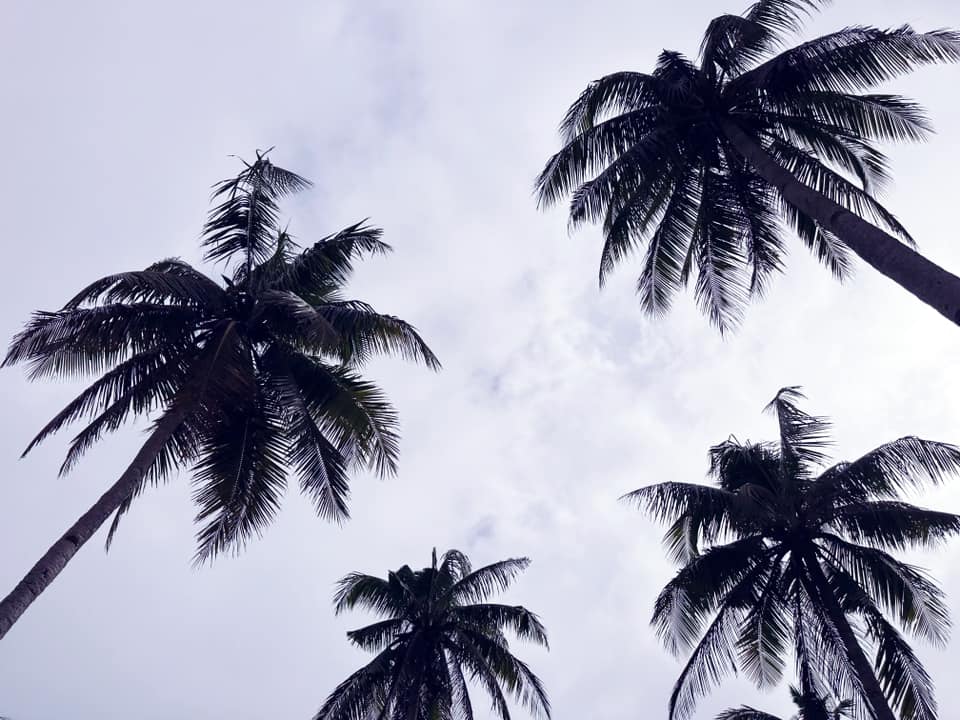

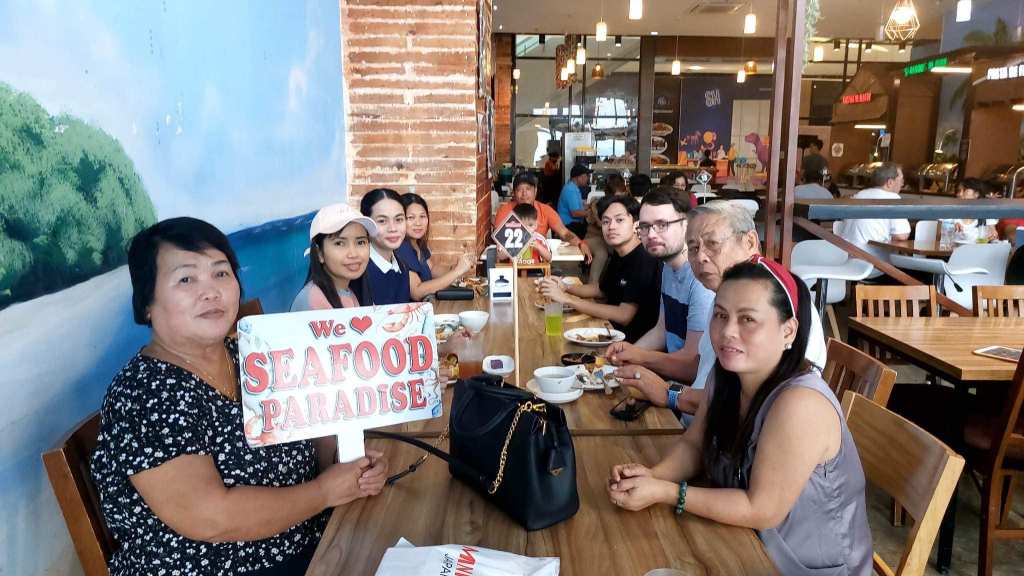
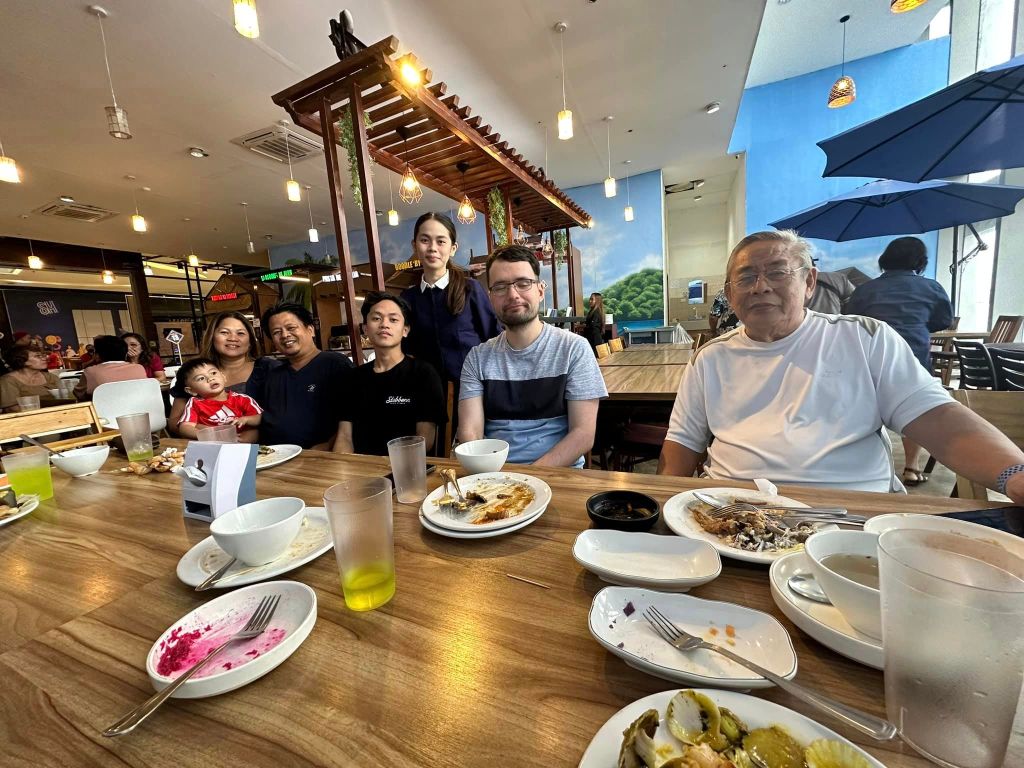
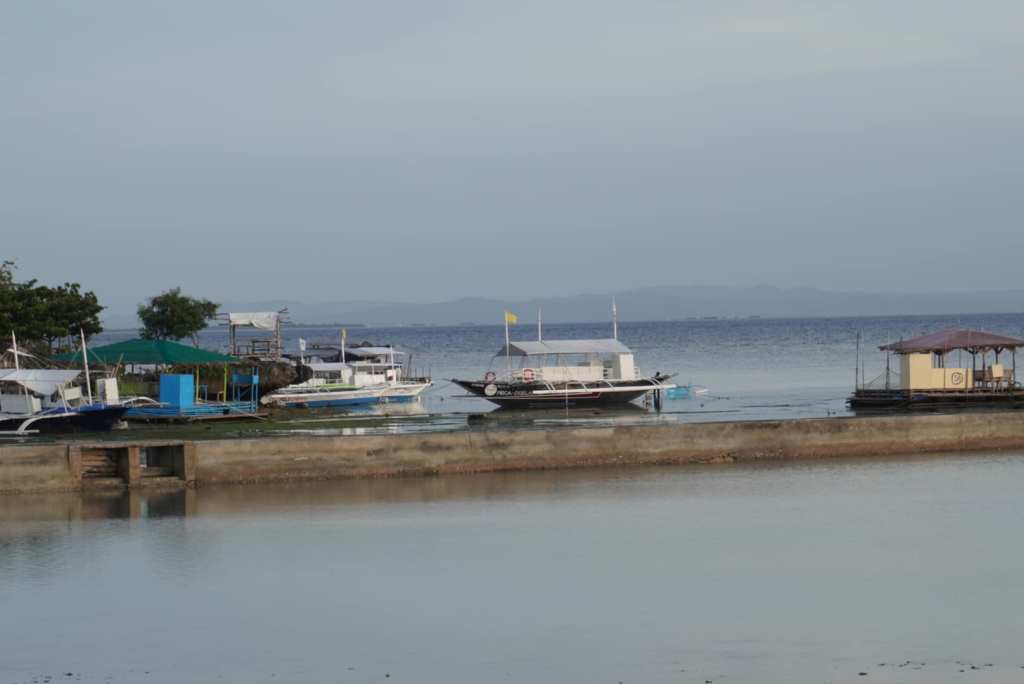
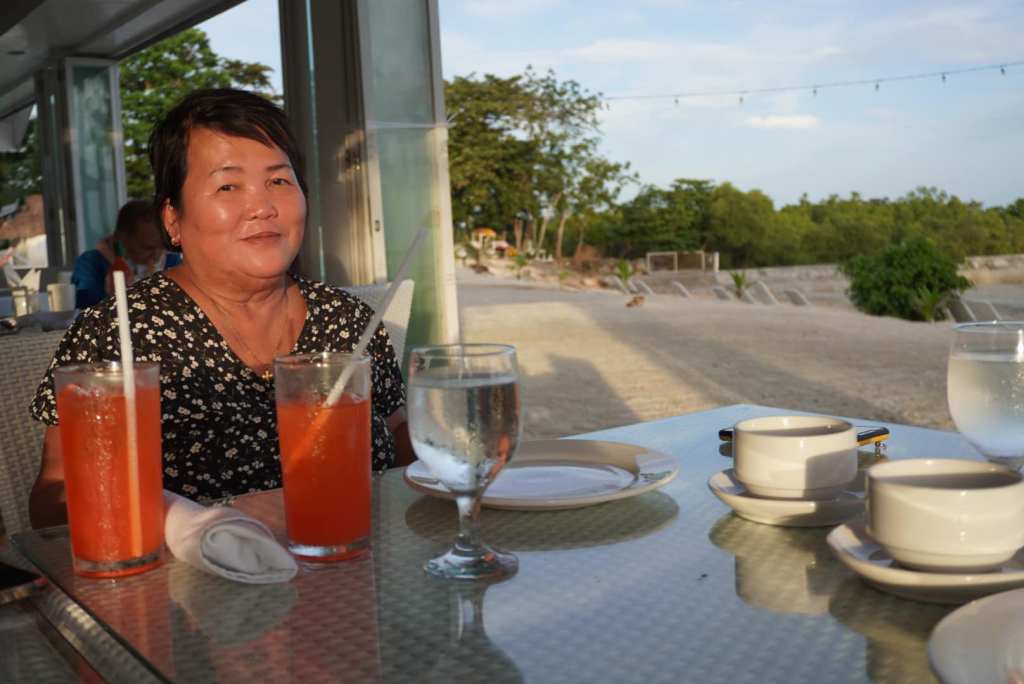
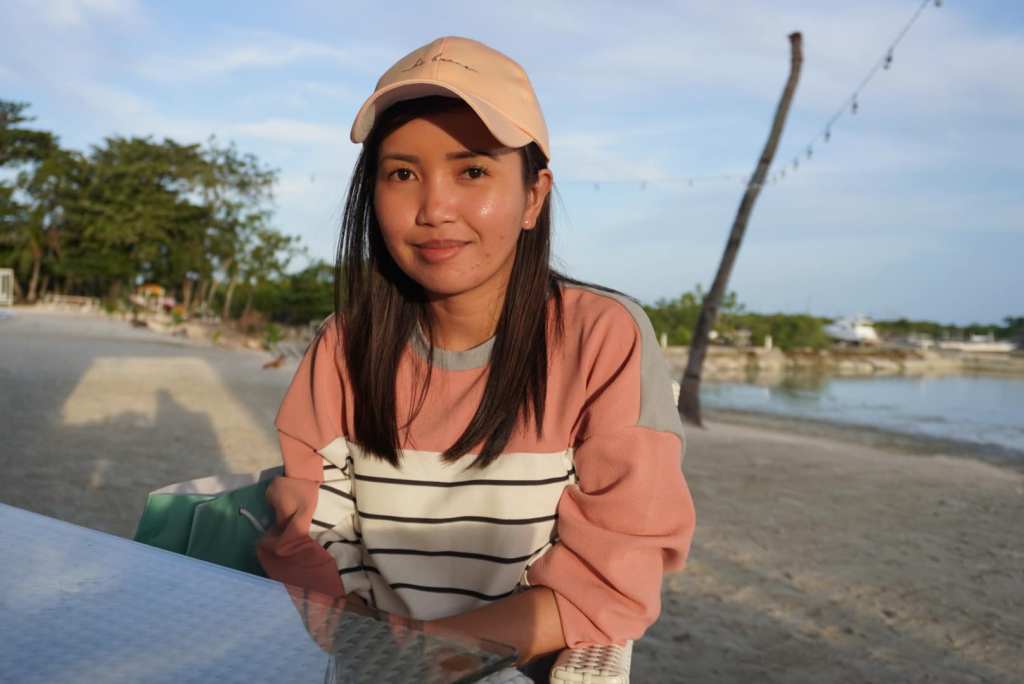
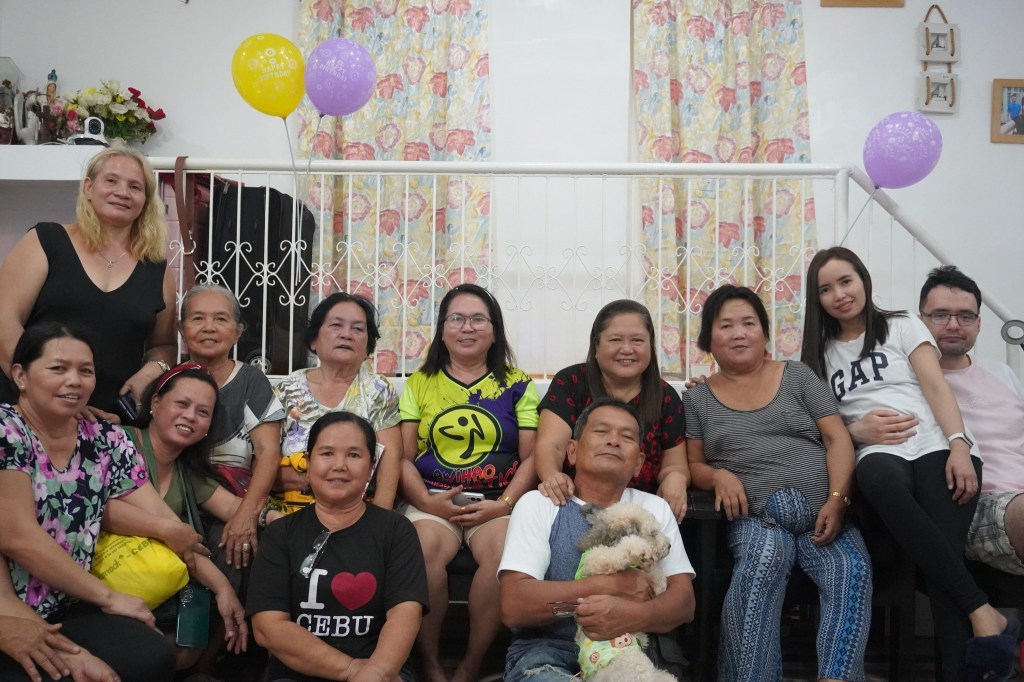


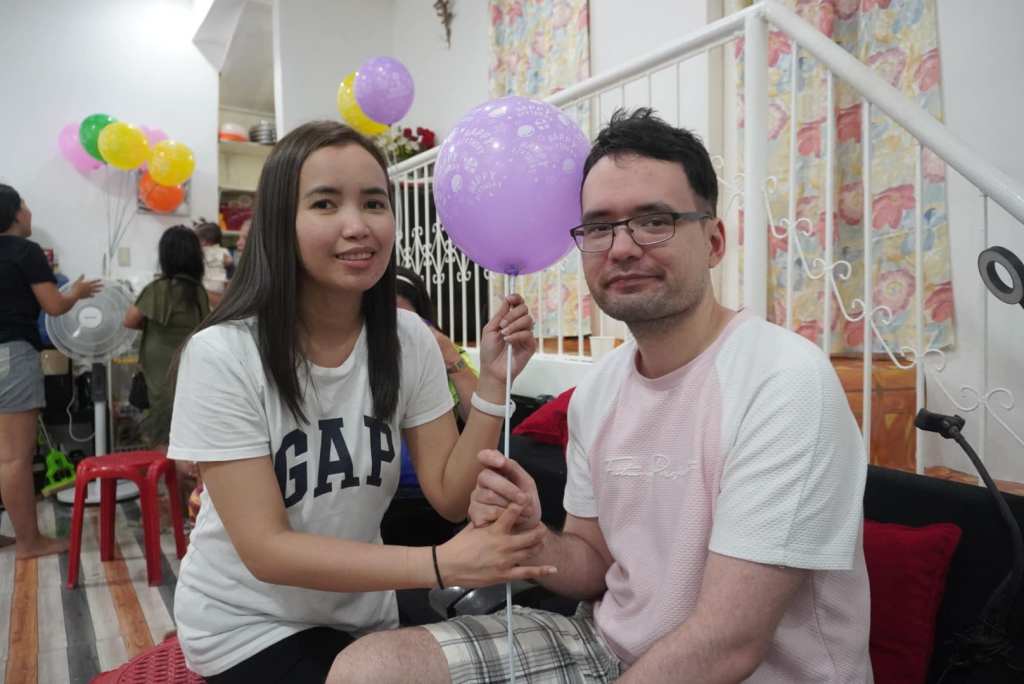

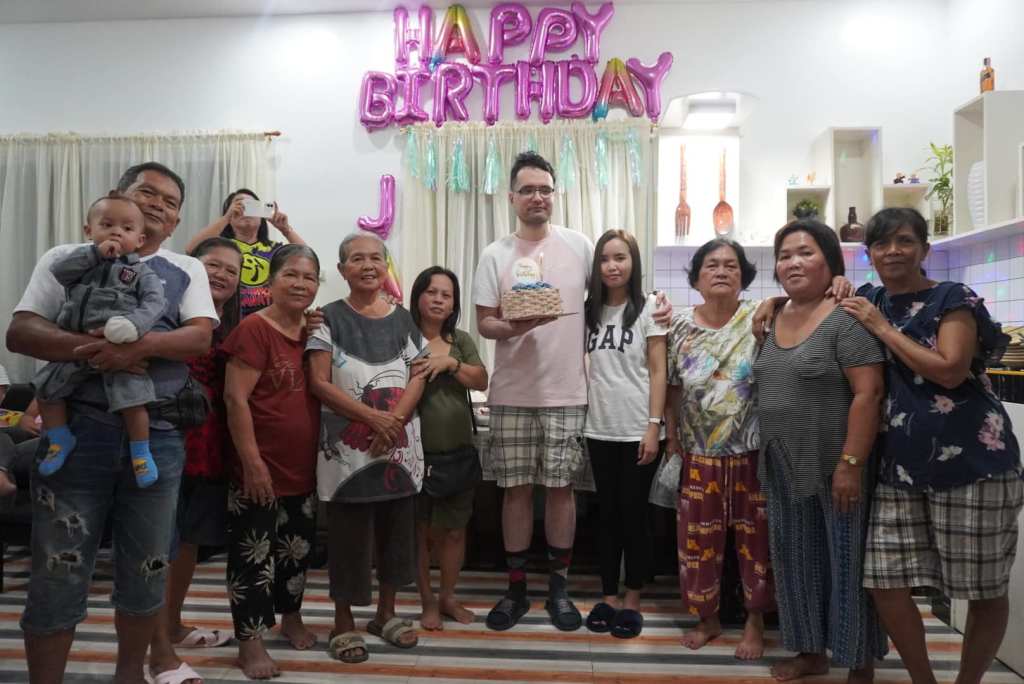
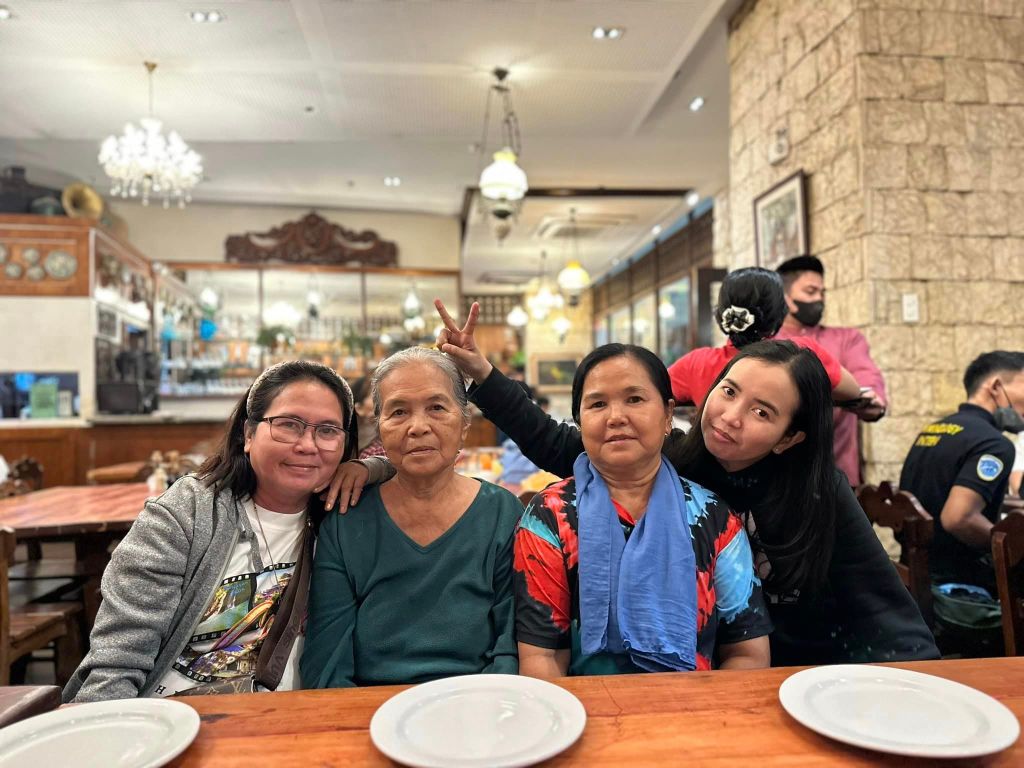
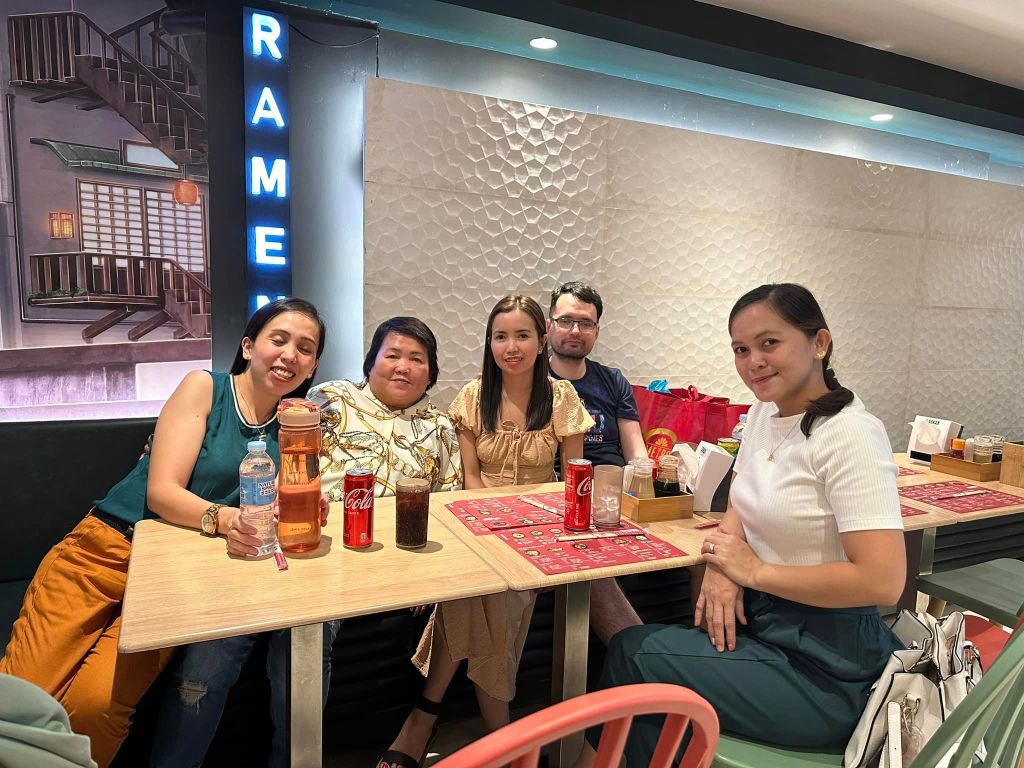
Some places had changed after the super typhoon in December 2021. Houses I remembered had been damaged. Familiar corners looked different. New buildings had appeared where my memory insisted there should have been something else. Roads had altered. Establishments I had never seen were now completely ordinary to everyone who had remained there. I found myself looking around with the uncomfortable sensation of being both local and visitor, recognising enough to know where I was while occasionally needing to ask what had happened to somewhere I thought I knew by heart. Pasted text
There is a particular humiliation in returning to the place that taught you how to navigate the world and discovering you no longer know every turn.
I had spent years abroad becoming competent at unfamiliarity. I learned British roads, British systems, British weather and the social skill of pretending I understood somebody’s accent until context eventually rescued me. I learned how to build a career, manage responsibilities and make decisions without constantly looking over my shoulder for someone older to confirm I was doing adulthood correctly. Then I returned to the Philippines and occasionally found myself asking, “What happened here?” or “Was this always here?” as though somebody had renovated my memory without requesting planning permission.
The country had continued becoming while I was away.
So had I.
That was harder to admit.
It was easier to look at changed buildings and say, “Home is different,” than to look at myself and recognise that I was different too. The woman coming back carried habits formed elsewhere. I had another home now, another routine, another version of normal. I had learned independence in ways I once desperately wanted, and then discovered independence comes with the rather irritating side effect of making you responsible for yourself.
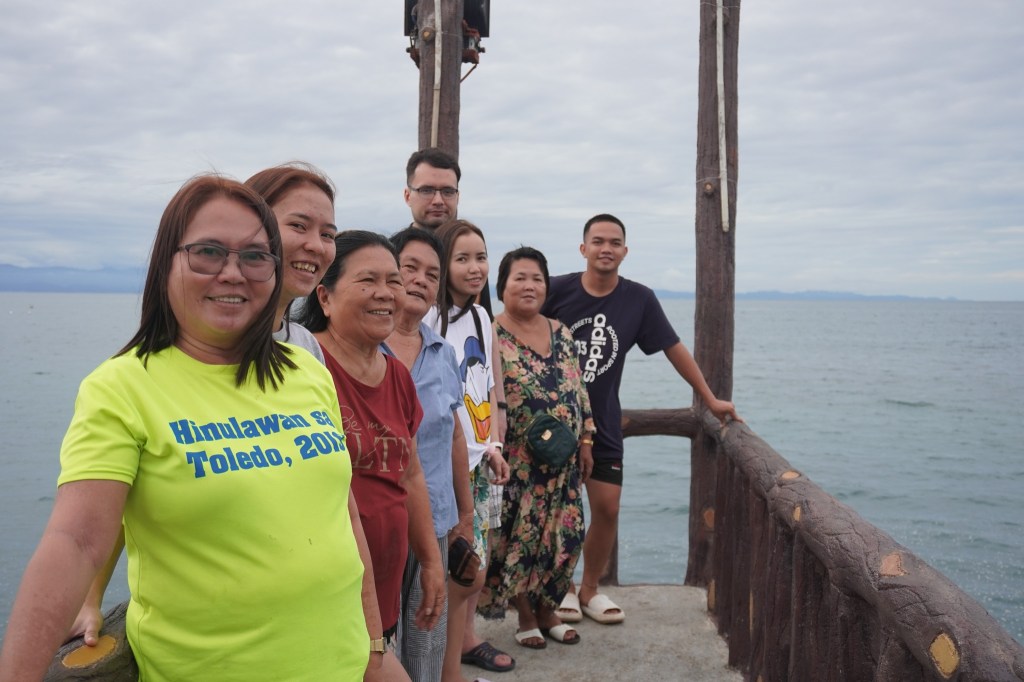
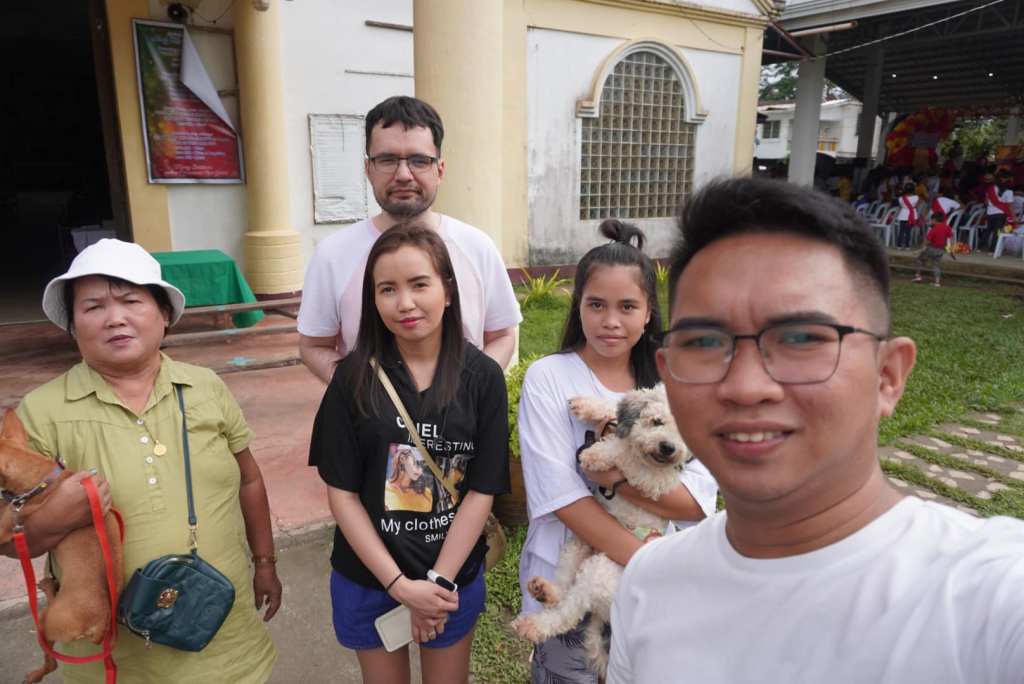
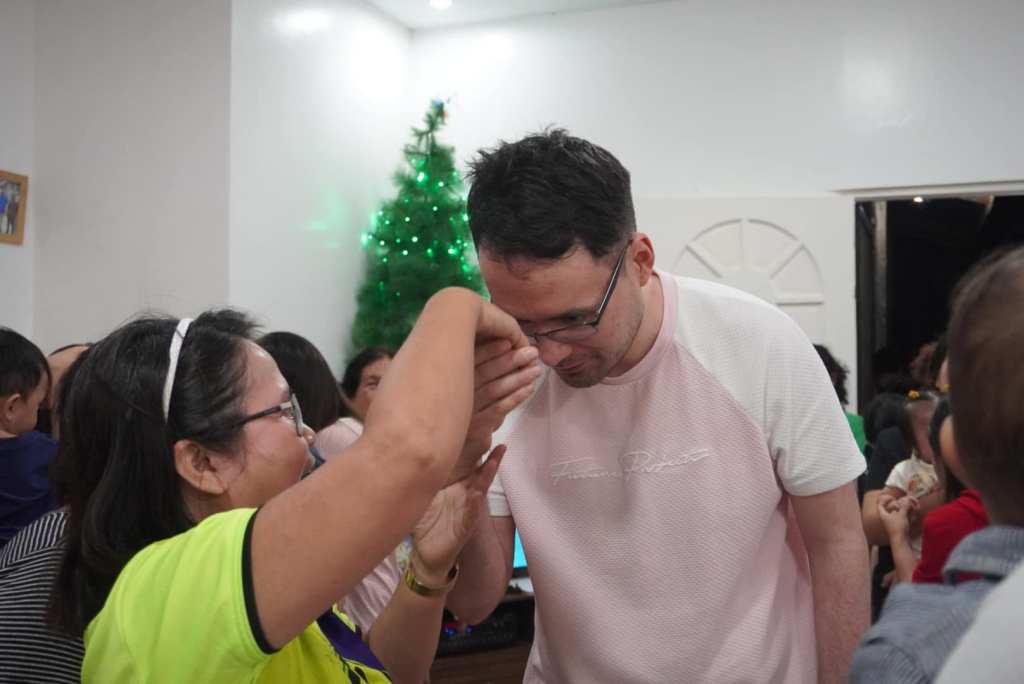
I saw the passage of time most clearly in my cousins. Some of them were still children inside my memory, permanently running around outside, laughing at jokes nobody could explain now and behaving as though adulthood were a rumour invented to frighten us into finishing school. Then I came home and found adults. Jobs. Schedules. Responsibilities. Exhaustion. Relationships. Plans. Entire pieces of their lives had happened while I was somewhere else. I had missed chapters. They had missed mine. Pasted text
We laughed again, of course.That was the relief.
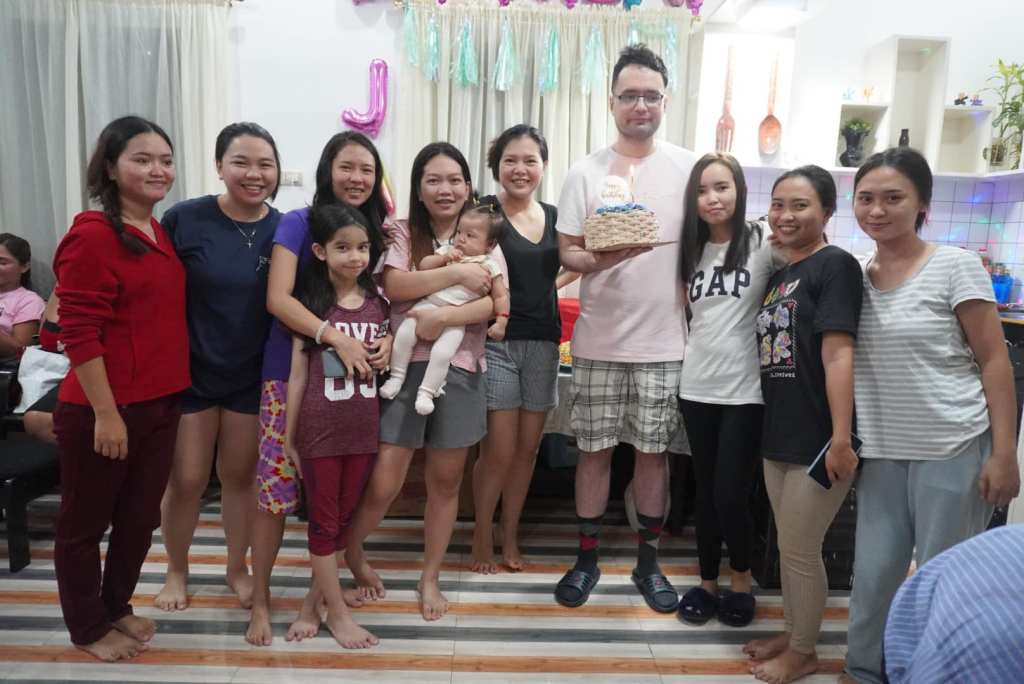
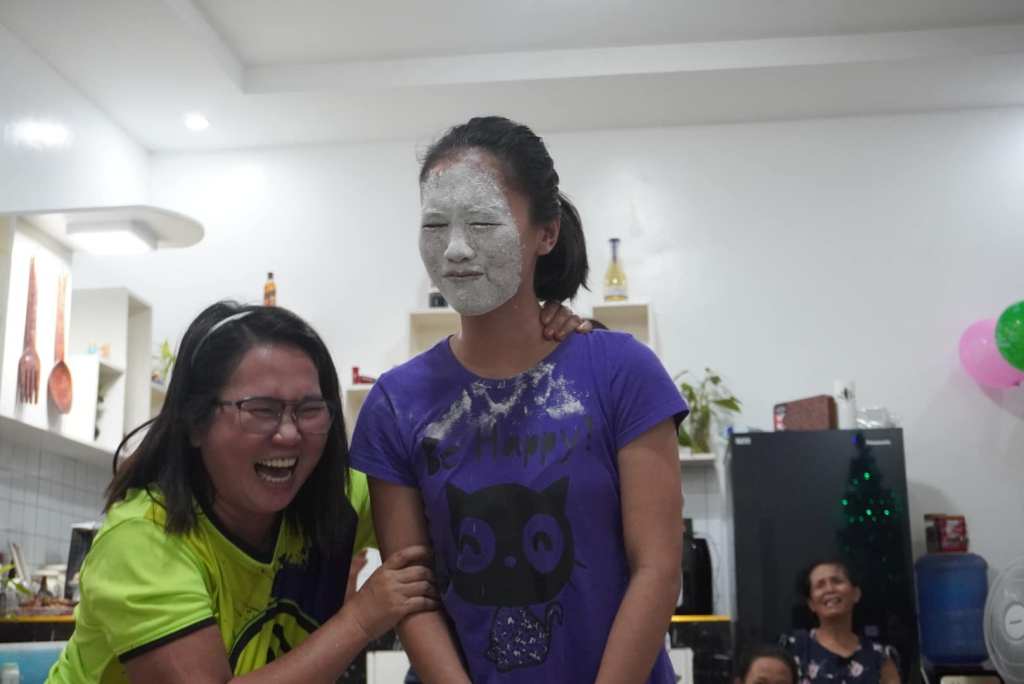
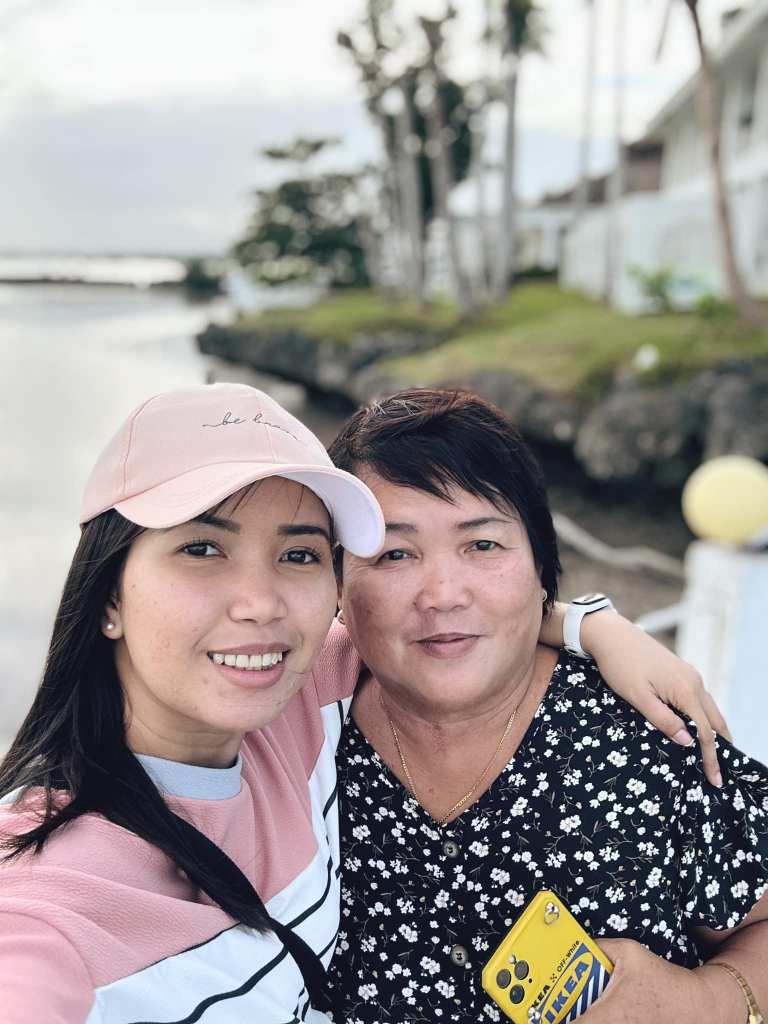
Certain voices still sounded exactly right, and certain jokes required no explanation. There were hugs that somehow crossed the missing years without needing an introduction. Family has this strange ability to hold several versions of you at once; someone can look at the adult standing in front of them and still remember the child who once ran barefoot nearby, cried over something ridiculous, borrowed something without permission or insisted she would never move far from home. But Papa’s absence sat differently. There are people whose presence becomes part of the architecture of a place, and you do not realise how much until you return and discover the building still stands, the road remains, conversations continue, meals are served, people laugh, and yet one structural piece of your memory is missing. Home after loss is a strange geography. You recognise everything and then notice the person who should be inside the recognition.
That was when I began to understand that you cannot return to childhood simply by returning to the place where it happened. The same sun may hit the same road, a familiar tree may still lean in the same direction, and somebody may prepare food in exactly the same way, yet time has already travelled through the scene. We cannot climb back into an old photograph merely because we remember how it felt to stand there. At first, I think a part of me resisted that. I wanted home to reassure me by remaining unchanged, perhaps because enough had already changed. When someone we love dies, permanence becomes very attractive. You begin wanting ordinary things to stay where you left them: familiar houses, familiar voices, familiar rituals. You almost resent time for continuing its work when it has already taken enough.
But home was never a museum. That became one of the most important lessons of returning. A living place cannot be preserved behind glass simply because I miss an earlier version of it. Buildings deteriorate and get repaired. Storms arrive. People move. Children grow. Shops close and new ones appear. Families change shape. Roads acquire new turns. Life continues because it must. Perhaps love does not require the thing we love to remain frozen. Perhaps love is learning to recognise it after it changes.
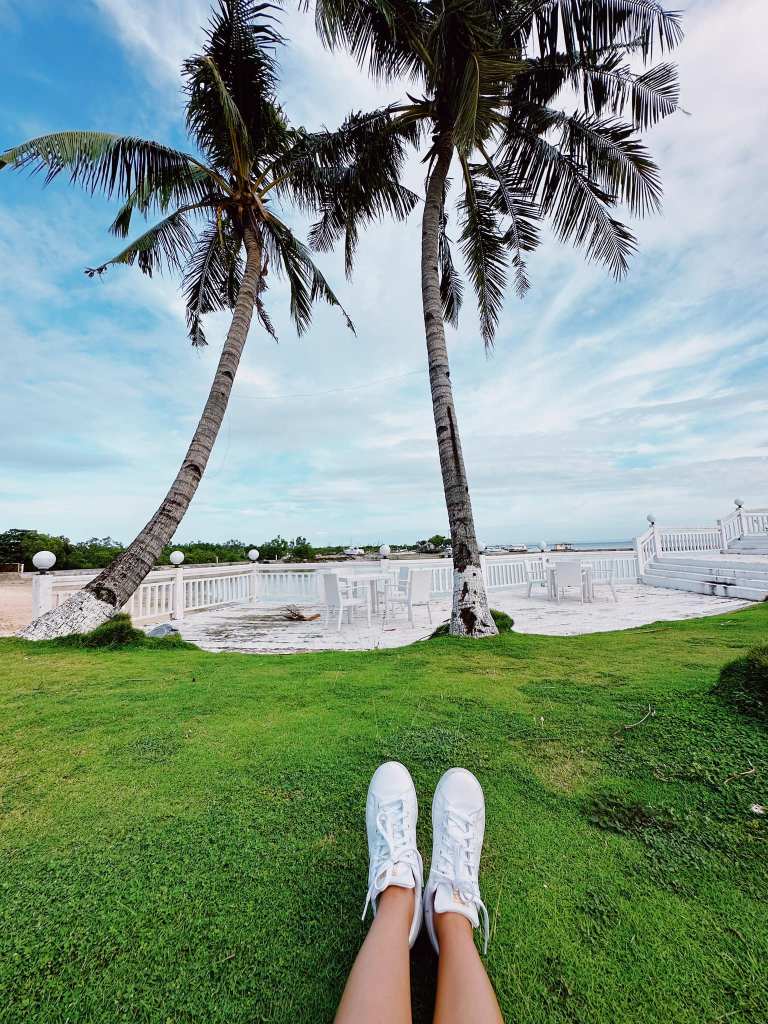
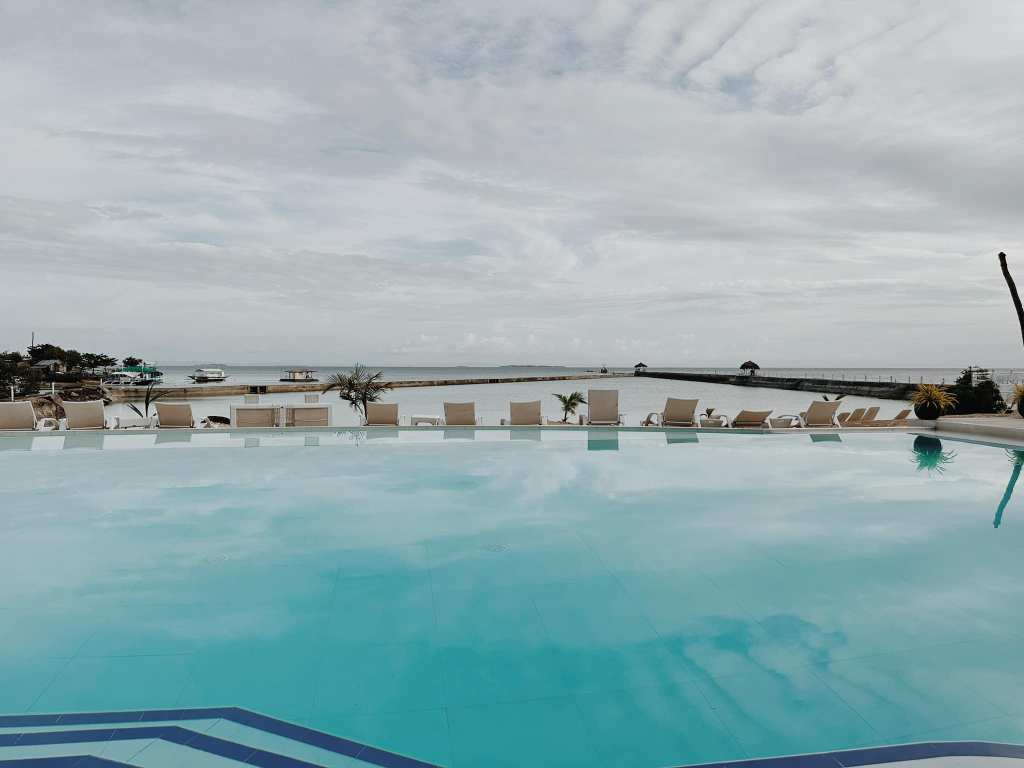
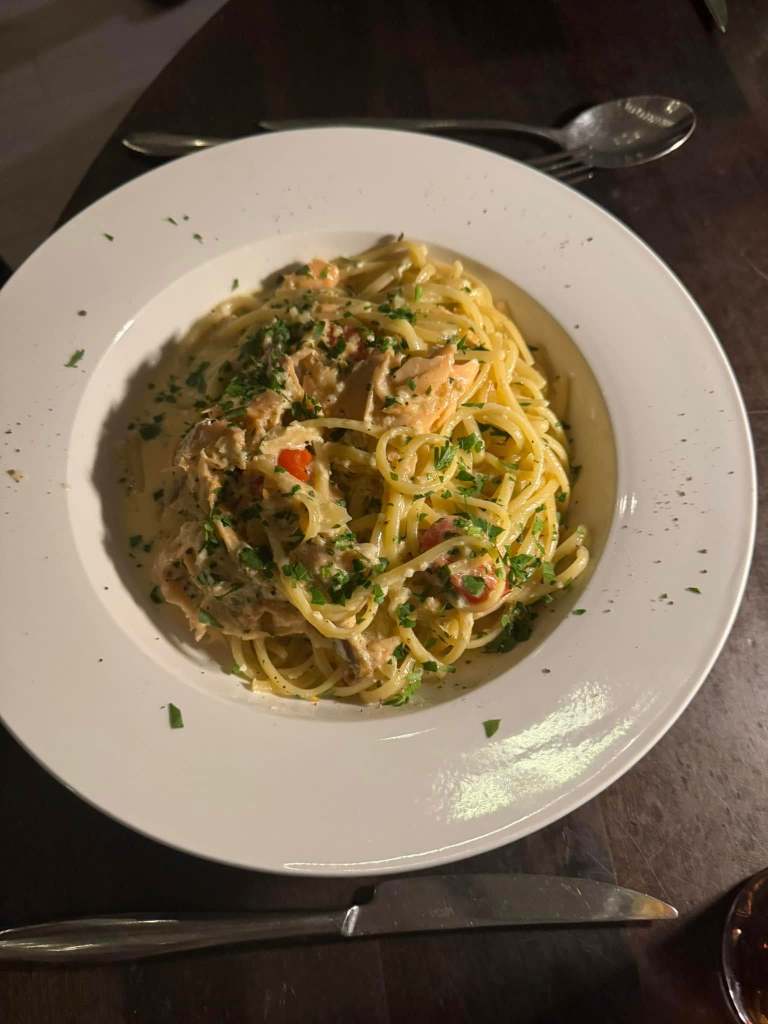
Once I stopped asking the Philippines to match the photograph inside my head, I began seeing details I had once considered too ordinary to deserve attention. Sari-sari stores with sachets hanging in bright rows, laundry drying beneath the heat, neighbours speaking across houses, the smell of otan Bisaya drifting from somewhere nearby. Food I had once eaten without ceremony suddenly seemed capable of causing emotional damage before lunch. I had officially become the sentimental balikbayan I would probably have teased years earlier.
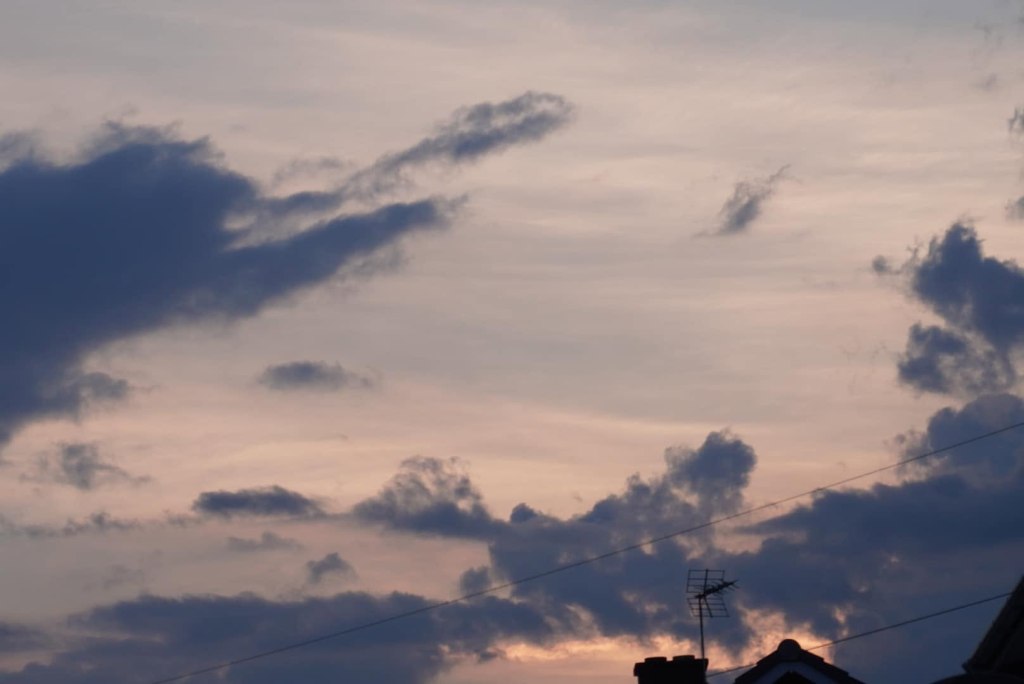
I took photographs of everything: roads, meals, houses, skies, family sitting around doing absolutely nothing remarkable. I finally understood why people who live abroad return home and photograph things that residents barely notice. Distance teaches you the frightening fact that ordinary things are not guaranteed to remain ordinary forever. A photograph becomes a small argument with time. It says, I know you will change this eventually, but let me keep this version. You photograph relatives because they will look different the next time you return. You photograph the house because another year, another storm or another repair might alter it. You photograph food because recipes sometimes disappear with the people who knew how to make them without measuring anything. You photograph someone laughing because you have learned, painfully, that voices can become memories.
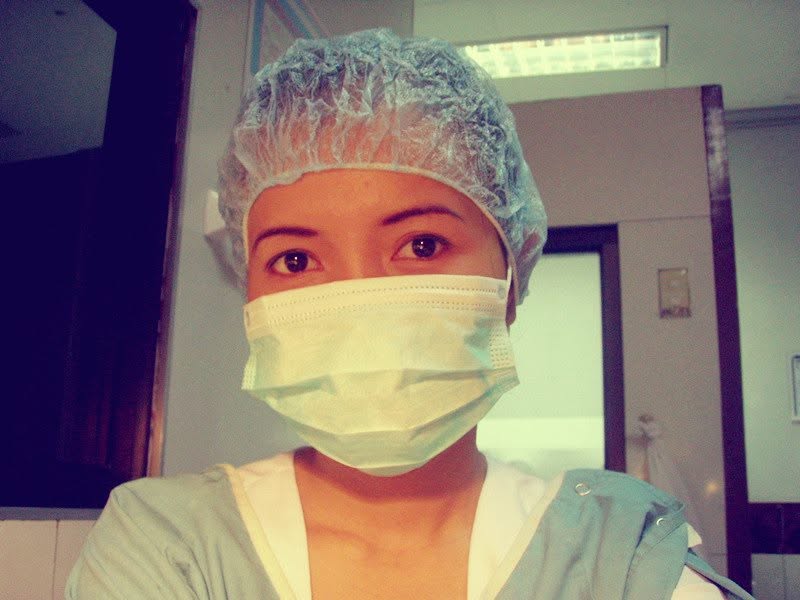
Grief teaches attention with terrible efficiency. I wish gratitude always arrived first, but sometimes it does not. Sometimes we only understand the value of an ordinary afternoon after the person who made it ordinary is gone. That first return changed the way I heard my own name too. Abroad, my identity had accumulated layers: nurse, migrant, employee, colleague, adult who understands council tax and somehow owns several different types of reusable shopping bag. I had learned to explain where I came from, adjust my humour, translate certain references and understand that some parts of me required context before they made sense. Then someone at home would say my name in the exact cadence I remembered, and for a second all those layers loosened. No explanation necessary.
That may be one of the greatest luxuries of home: being understood before you have finished introducing yourself. It is there in language, in jokes, in the way people speak over one another at the table without considering it an interruption, in the instinct to keep feeding someone who has already stated very clearly that they are full. It is in the noise, the closeness, the inconvenience, the warmth, the contradictions. Loving the Philippines has never required me to pretend it is perfect. If anything, distance has made that love more honest. You can be frustrated by a place and still recognise that some part of you was assembled there.
For years, leaving had represented possibility to me. It meant opportunity, career, independence and the enormous world beyond the streets I already knew. Leaving gave me things for which I remain deeply grateful. I discovered parts of myself I may never have met if I had stayed exactly where I began. But returning taught me something leaving could not: freedom does not require amnesia. You can build a life far from home without making your beginnings smaller. You can grow beyond a place without growing out of everything it gave you. The language still lives in you. The humour remains. The instinct to feed people remains. The particular ways you understand family, responsibility, hospitality, faith and community continue travelling with you even when you stop consciously noticing them. The soil does not need to follow the tree for the roots to remain.
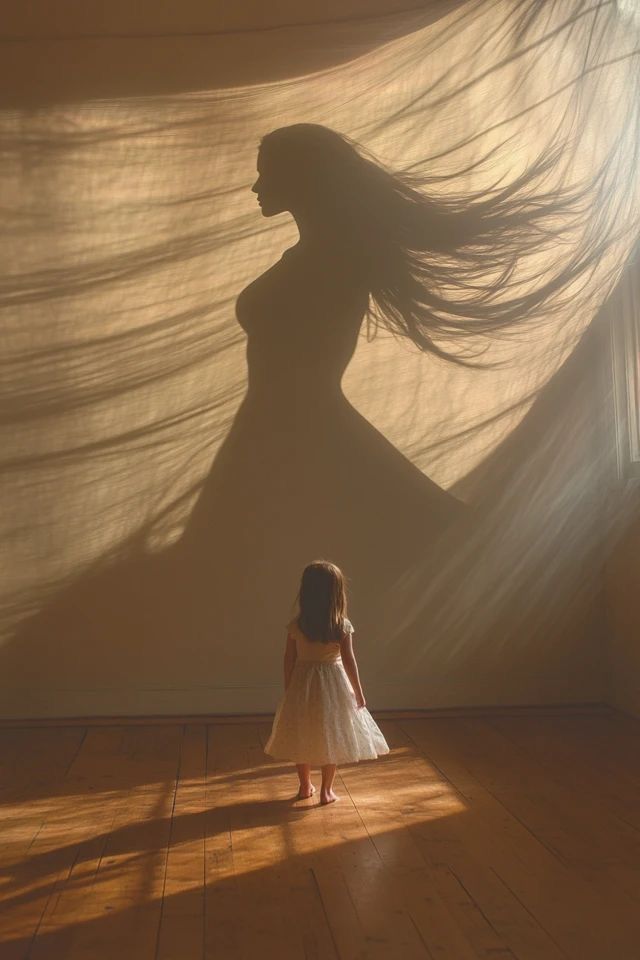
Perhaps that was why the first trip home felt less like a holiday and more like meeting several versions of myself at once. There was the girl who had left in 2019 believing the road ahead was everything. There was the woman who returned carrying years of independence, exhaustion, experience and loss. There was the daughter who came home knowing Papa would not be there. There was the adult who understood, perhaps for the first time, that going back does not mean going backwards. I had thought I was returning to see what had changed in the Philippines. Instead, the Philippines showed me what had changed in me.
I listened more carefully. I stayed at tables longer. I photographed things I once ignored. I noticed familiar voices as though they were music. I wanted to memorise people while pretending I was simply looking at them. Distance had corrected my eyesight, and so had grief. By the end of that visit, I no longer needed the Philippines to resemble 2019 in order to call it home. I did not need every building to remain, every road to look familiar or every person to occupy the same place in my life. Home had become something deeper than preservation. It lived in language, food, memory, family, laughter, faith and the instinctive recognition of a place that had shaped me before I was old enough to understand shaping was happening.
And perhaps that is where the river finally makes sense to me. A river returns to the sea after every bend, but it never returns unchanged. It carries soil from places it has crossed, rain from storms it survived and fragments of landscapes it touched along the way. Some banks disappear behind it. New ones appear ahead. It loses things. It gathers others. Yet somehow the journey does not make it less itself. Maybe people are like that too.
I left the Philippines in 2019 carrying one version of home inside me. When I returned, that version could no longer exist exactly as I remembered it. Papa was gone. Places had changed. My cousins had grown. The country had continued writing its story without waiting for me to return, and I had continued writing mine. For a while, I thought homecoming meant finding my way back to what I had left. Now I think it means something else. It means arriving with everything the journey has added to you and allowing the place you love to have changed too. It means understanding that grief can alter the landscape without erasing your belonging to it. It means seeing an empty space and still recognising the room. It means loving what remains without pretending nothing was lost.
The river bends because the land asks it to. It changes course because that is how it keeps moving. And still, after mountains, storms, cities and distances it could never have imagined at the beginning, it remembers the sea. Perhaps I did too. I left because I needed to discover how far my life could travel, and I returned and discovered that distance had never erased where it began.
REMEMBER HOW A RIVER STILL RETURNS TO THE SEA AFTER EVERY BEND.
Still becoming beyond the three-year mark,
Anj🖤













Leave a Reply