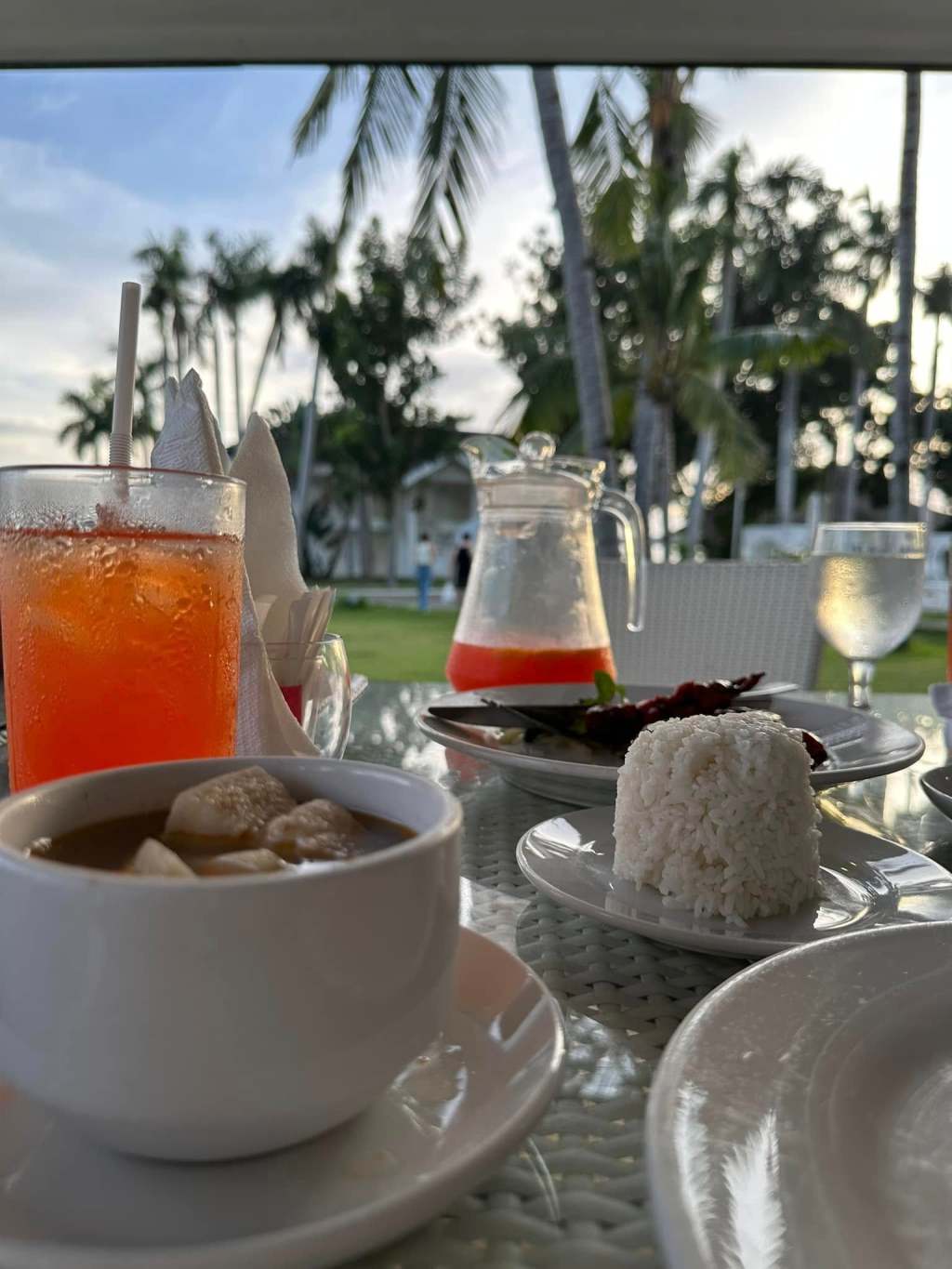
My stomach had apparently been planning this holiday longer than I had. By the time I returned to the Philippines, it had assembled an itinerary involving restaurants, roadside snacks, home-cooked dishes and enough rice to suggest that my digestive system had mistaken a three-year absence for a national emergency. I was responsible for the less glamorous arrangements—flights, luggage, travel documents and the minor inconvenience of physically transporting myself from Britain to Cebu—while my appetite had already arrived several weeks ahead and begun making reservations.
Three years is not an especially long time until you spend it away from the foods you once regarded as ordinary. When I left the Philippines to begin my nursing life in Britain, I did not expect homesickness to develop such strong opinions about lunch. Yet somewhere between hospital shifts, British winters and learning the peculiar geography of supermarket aisles abroad, dishes I had once eaten without ceremony began acquiring the emotional status of long-lost relatives.
Food became particularly troublesome because it could ambush me without warning. I could be perfectly happy with whatever was on my plate in the UK when somebody back home would post a photograph of lechon on Facebook, and suddenly my perfectly respectable dinner found itself being compared to an entire pig with crispy skin. This was deeply unfair to the dinner. It had done nothing wrong except exist in the wrong country.
It was never because I disliked British food. I learned to appreciate Sunday roasts, fish and chips and the wonderful adult luxury of meals requiring absolutely no effort from me. Filipino ingredients were available too, and familiar dishes could still be cooked in Britain, but I discovered that adobo prepared overseas and adobo eaten at home somehow belong to different emotional departments.
The ingredients may be identical. Soy sauce is still soy sauce, vinegar still knows its job, garlic remains gloriously incapable of subtlety, and rice can be cooked just as properly thousands of miles away. But put that same plate in the Philippines, add the humidity of an afternoon, the voices of family nearby and somebody staring suspiciously at your serving as though you have not eaten since 1997, and suddenly the meal tastes like something more than the recipe. I had missed that whole performance. Not only the food, but the commotion around it: serving spoons striking bowls, several conversations taking place at once, somebody insisting you try what they cooked, another person asking why you have not tasted the other dish yet, and enough food prepared for six people to suggest that thirty-seven additional relatives may arrive by helicopter.
Filipino hospitality rarely understands the concept of “just enough.” Portions seem to anticipate distant cousins, unexpected visitors and the possibility that everyone may become hungry again approximately fourteen minutes after the plates are cleared. We cook as though tomorrow may bring famine and everybody should therefore leave tonight carrying a plastic container.
I was entirely prepared to cooperate. My cravings had become remarkably democratic during those three years because they recognised no social hierarchy. Cebu lechon could occupy the same mental space as banana cue, and a familiar bakery could excite me almost as much as a proper restaurant meal. Foods I once passed without a second glance had somehow acquired celebrity status simply because I had been living far away from them.
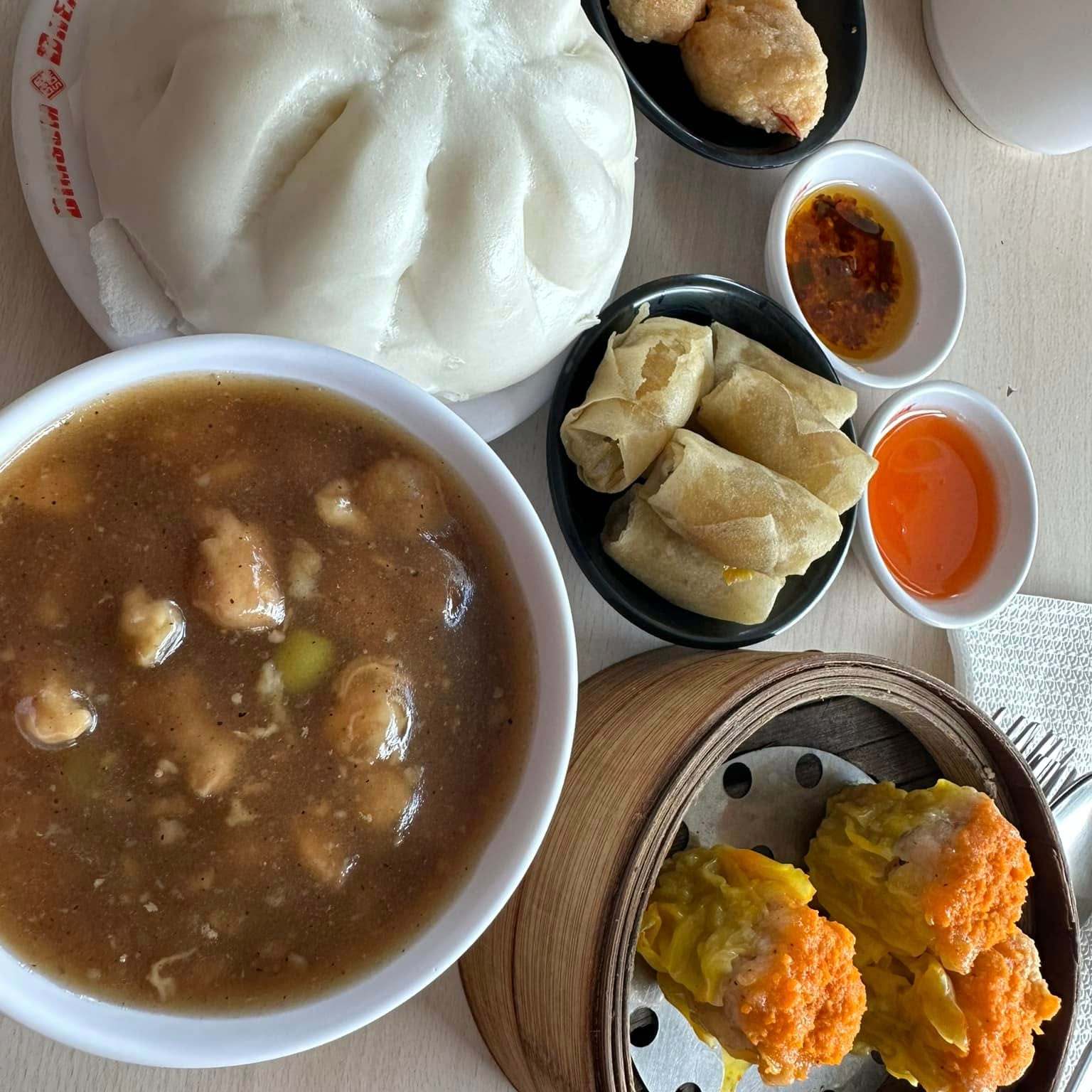
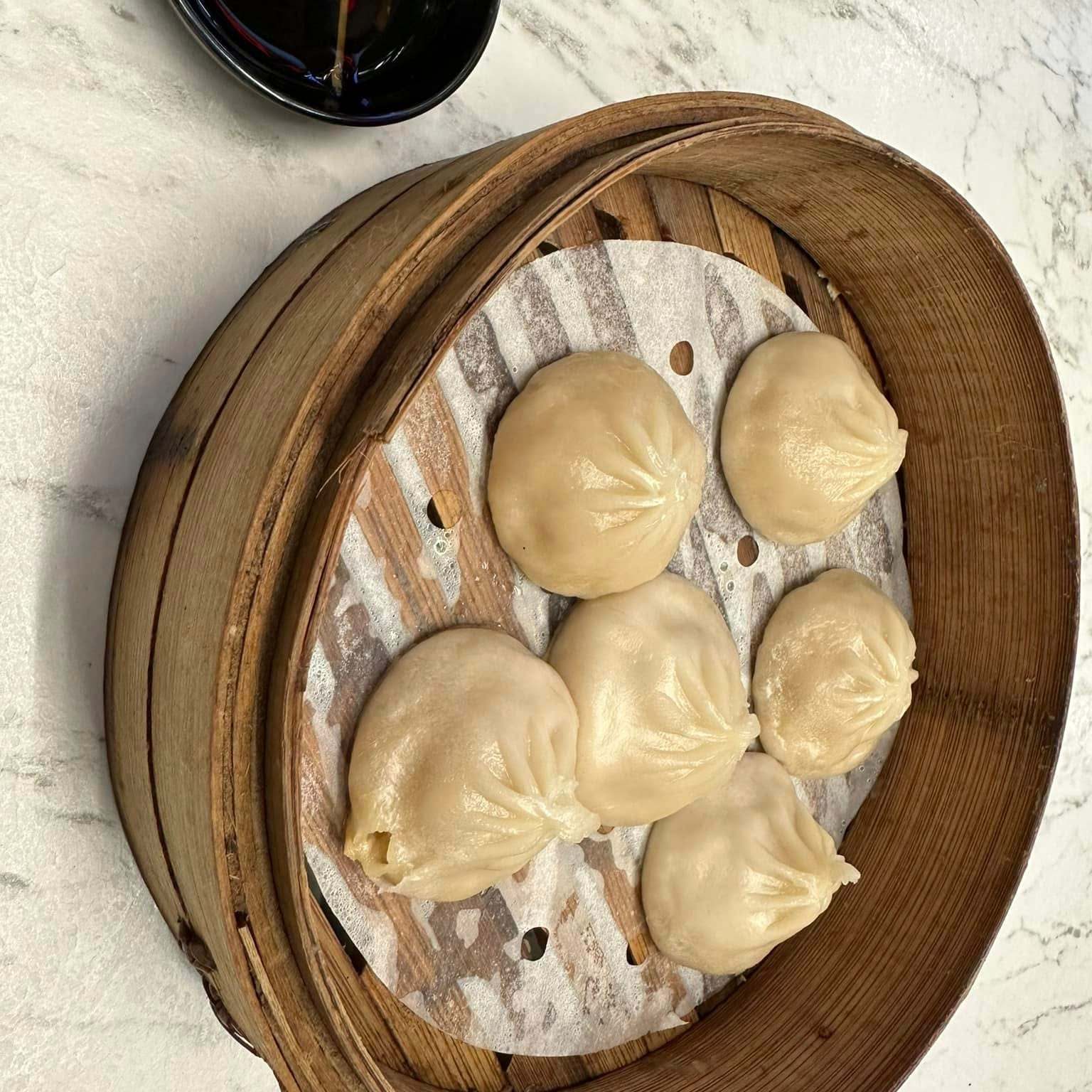
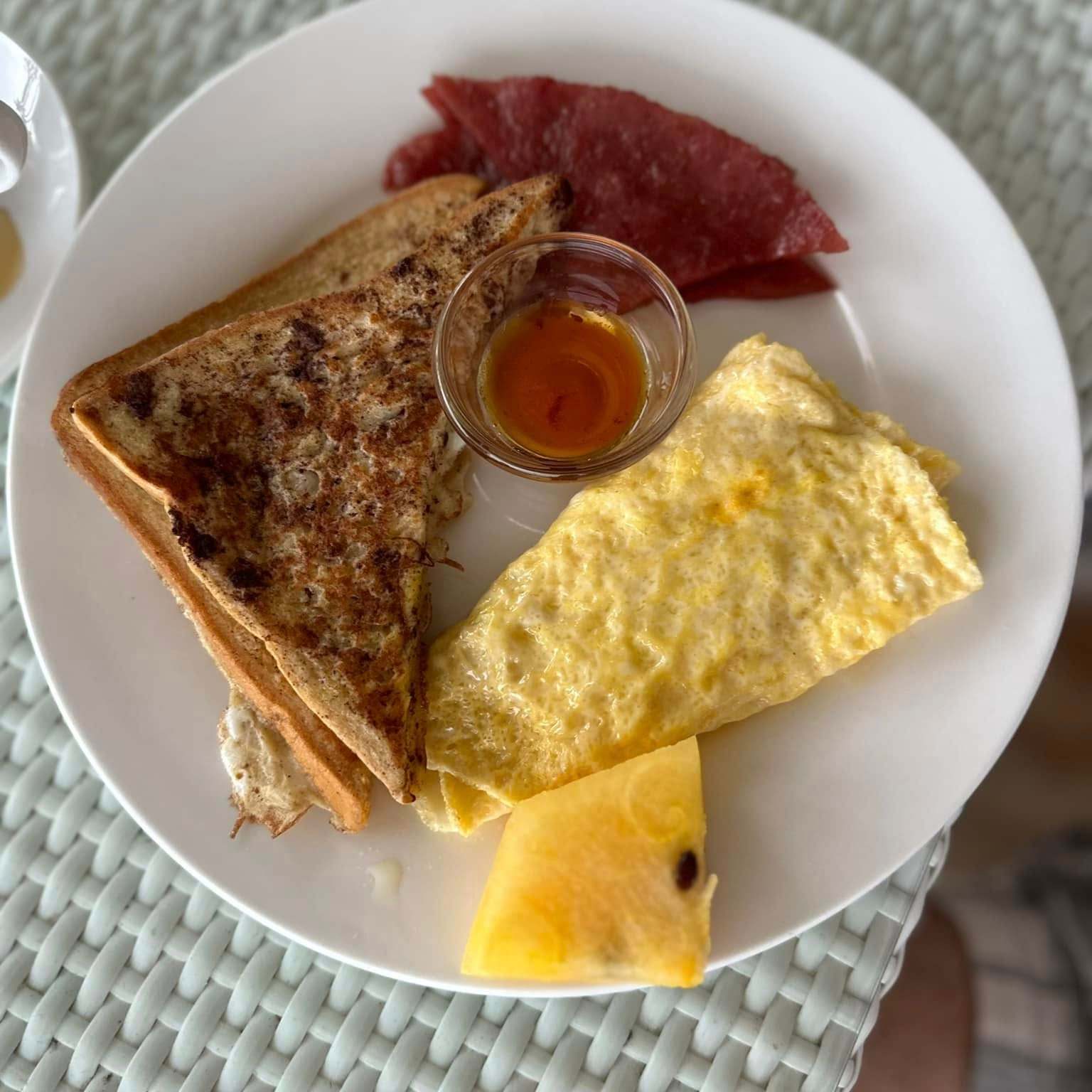
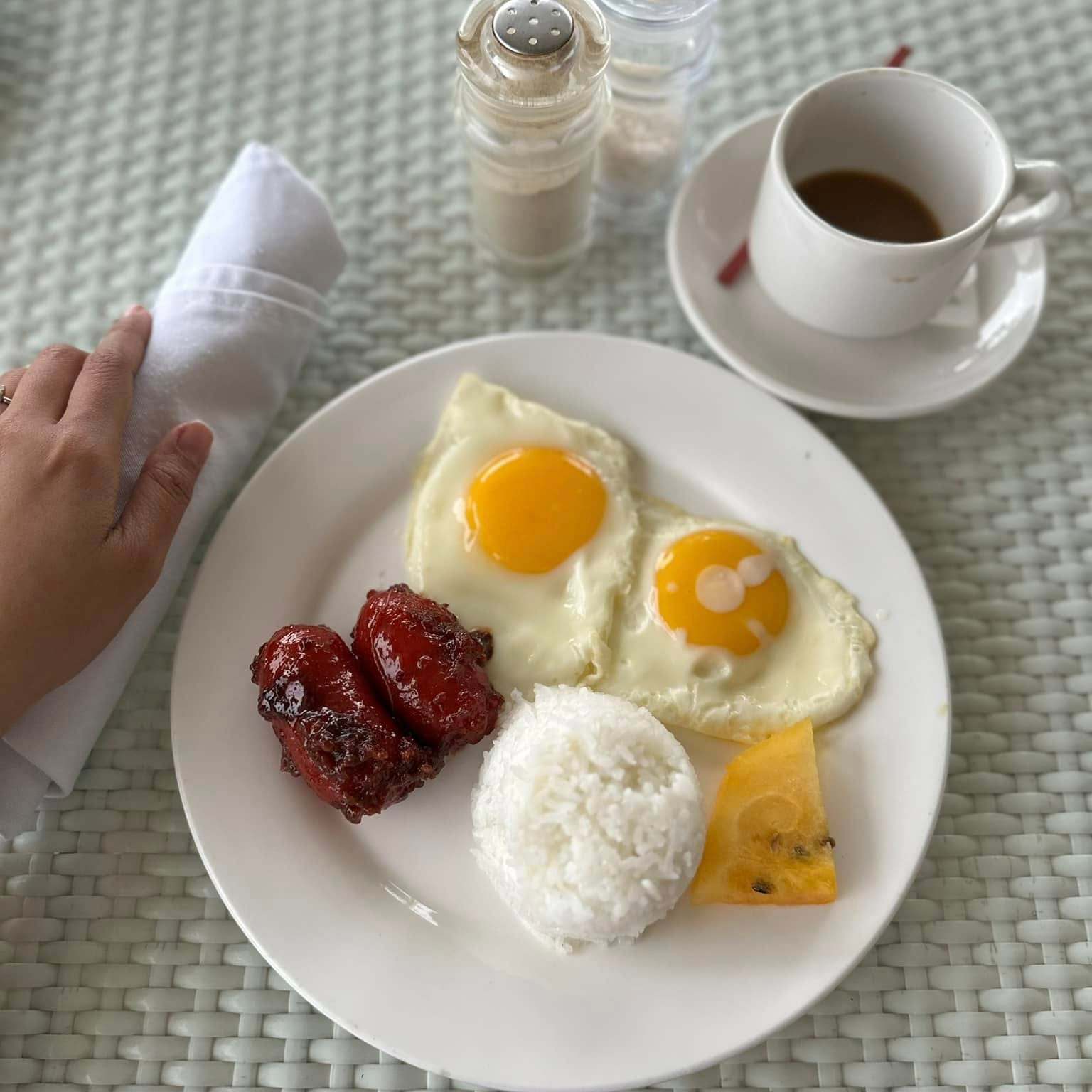
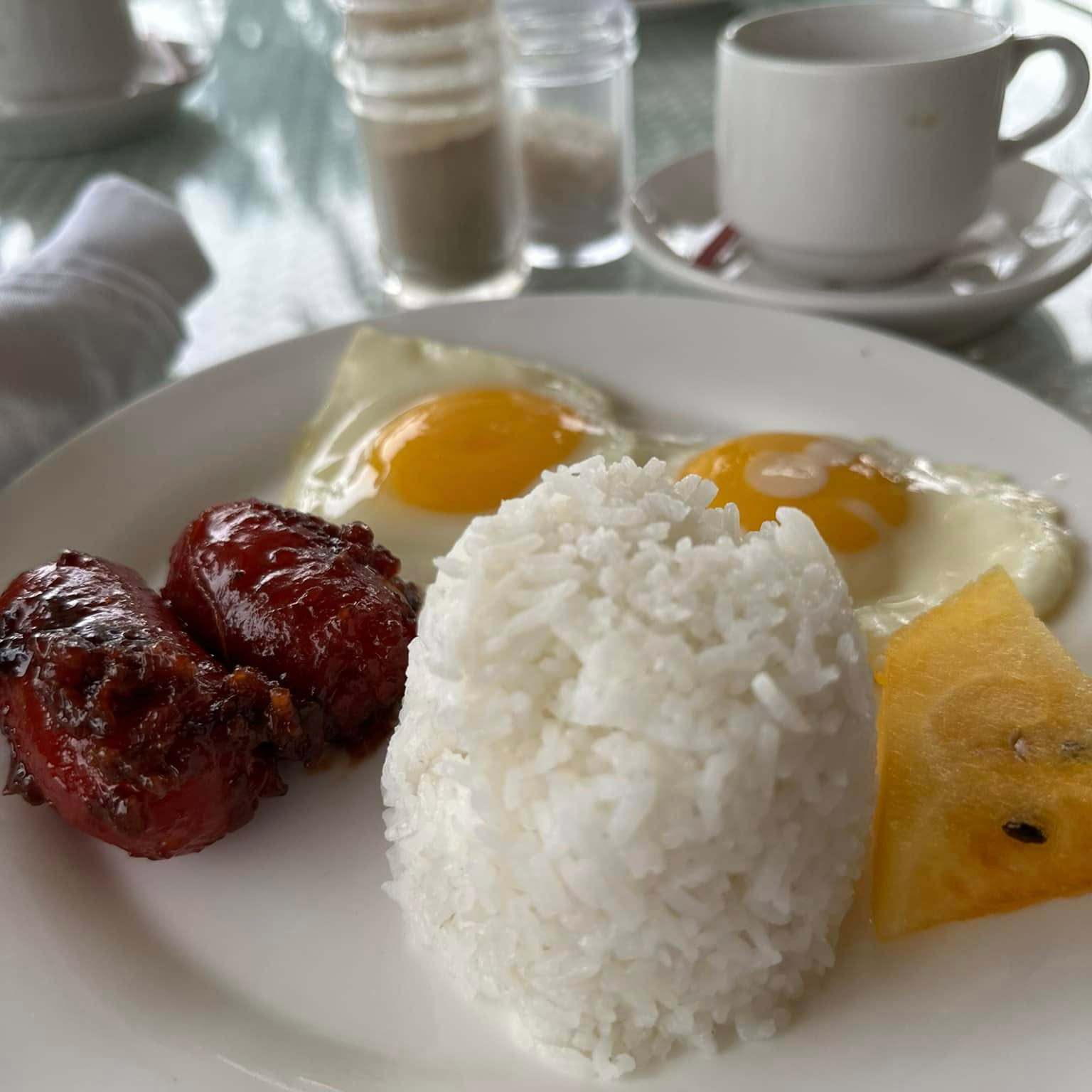
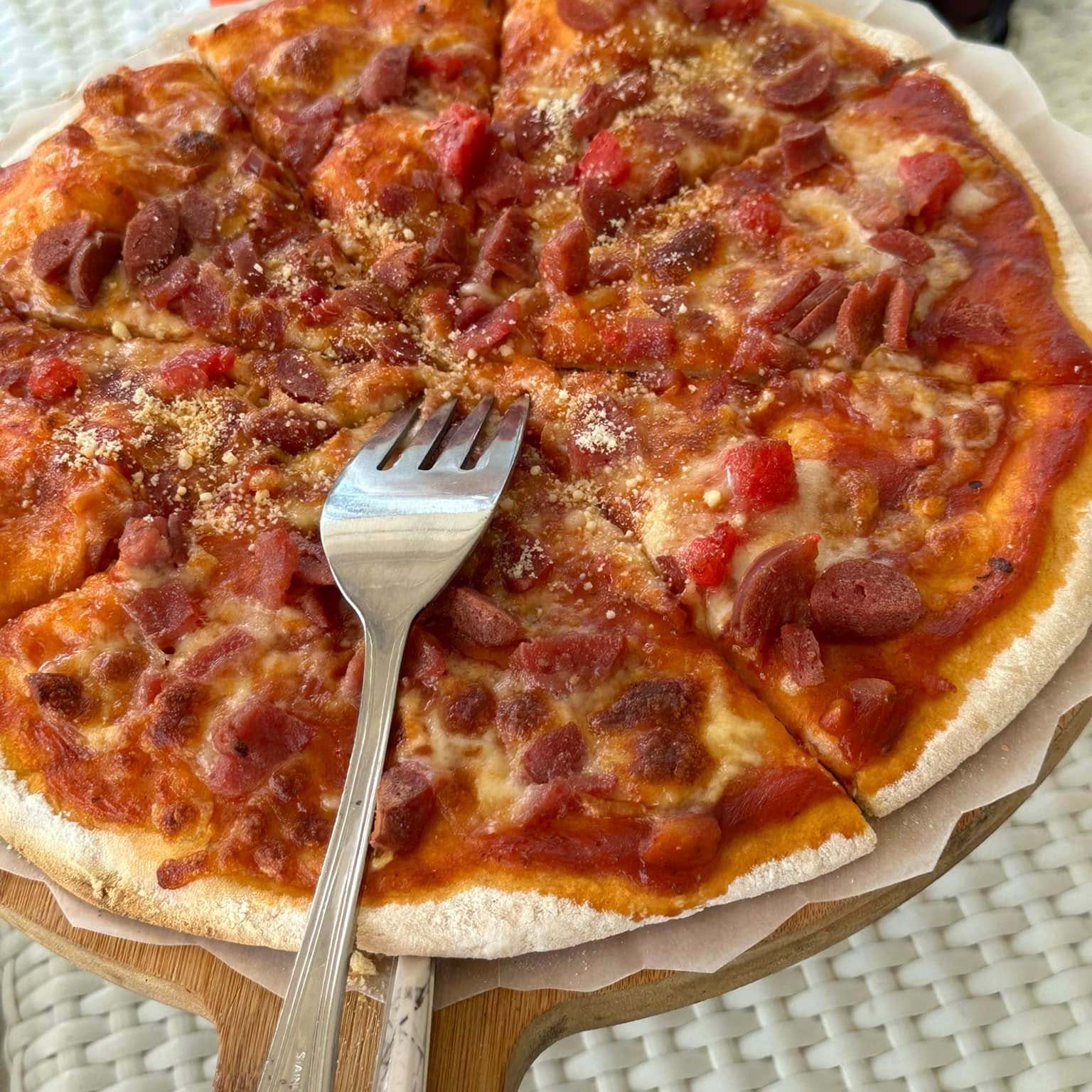
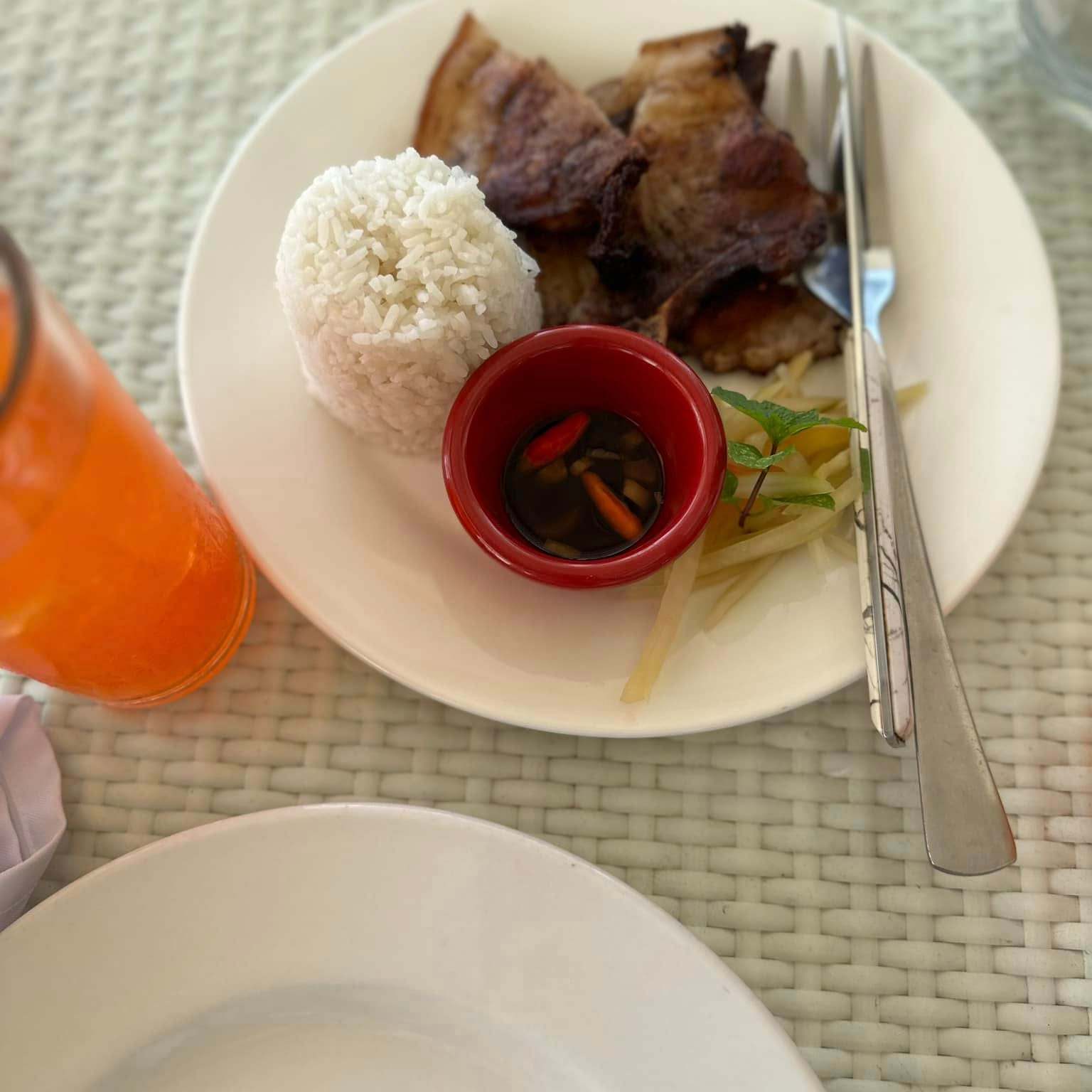
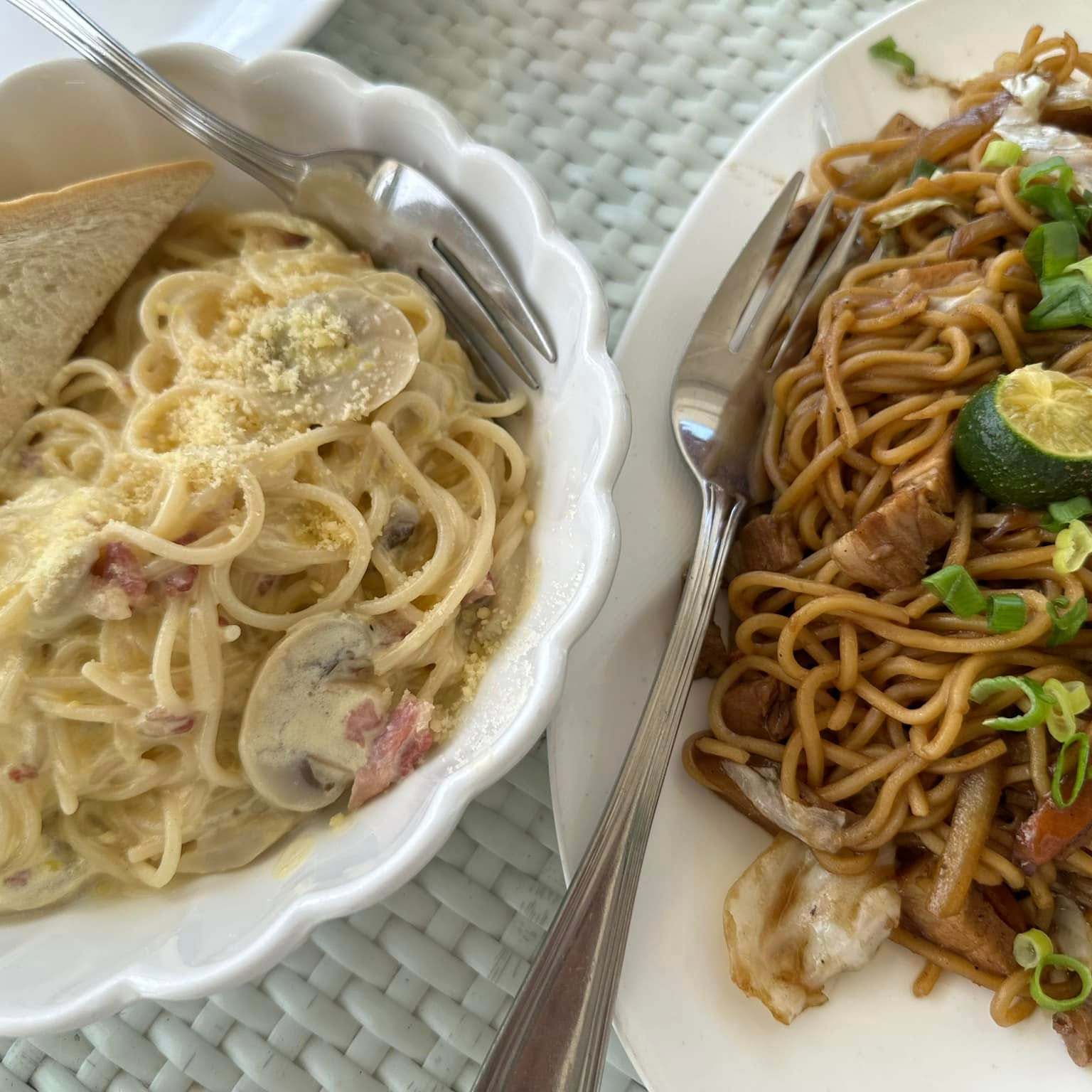
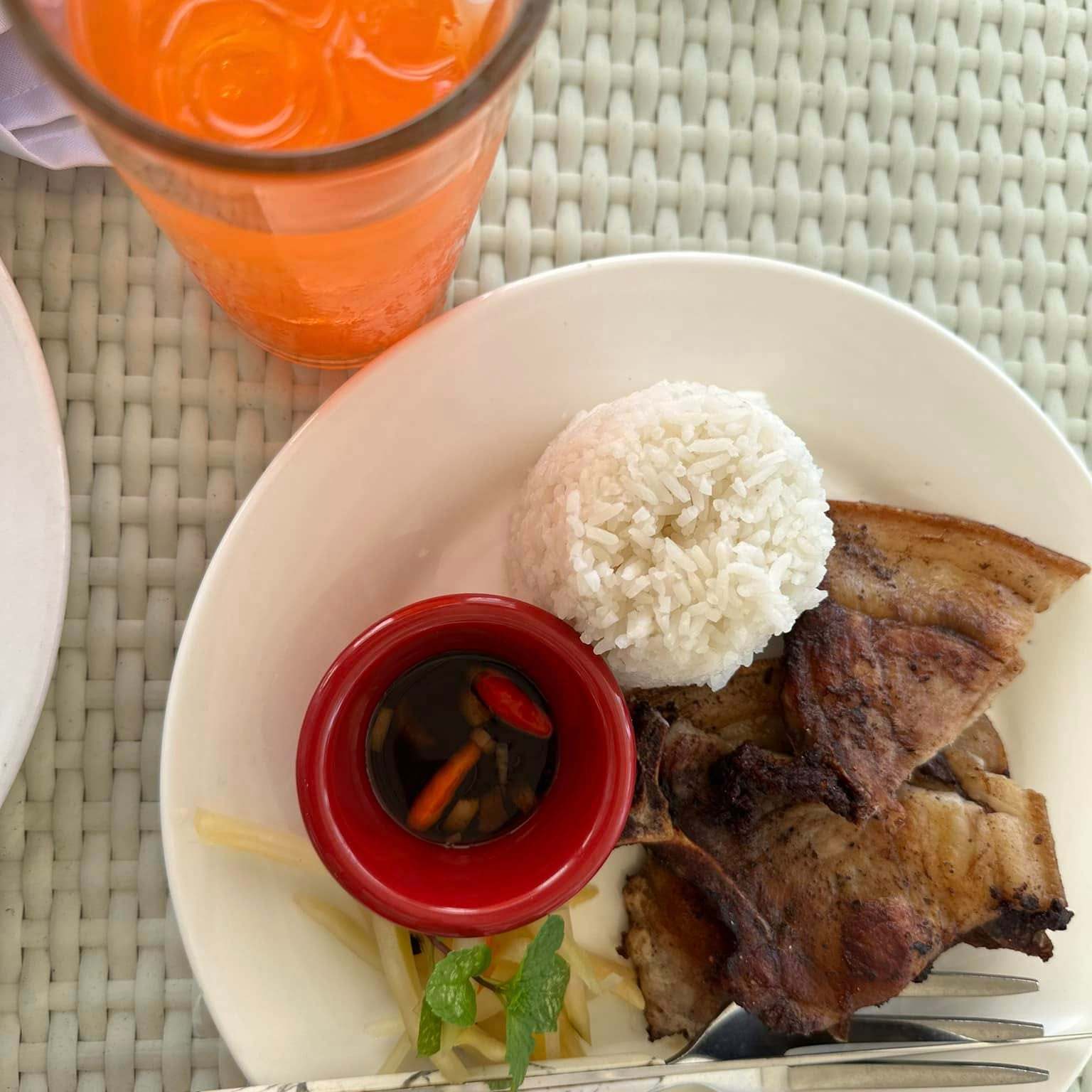
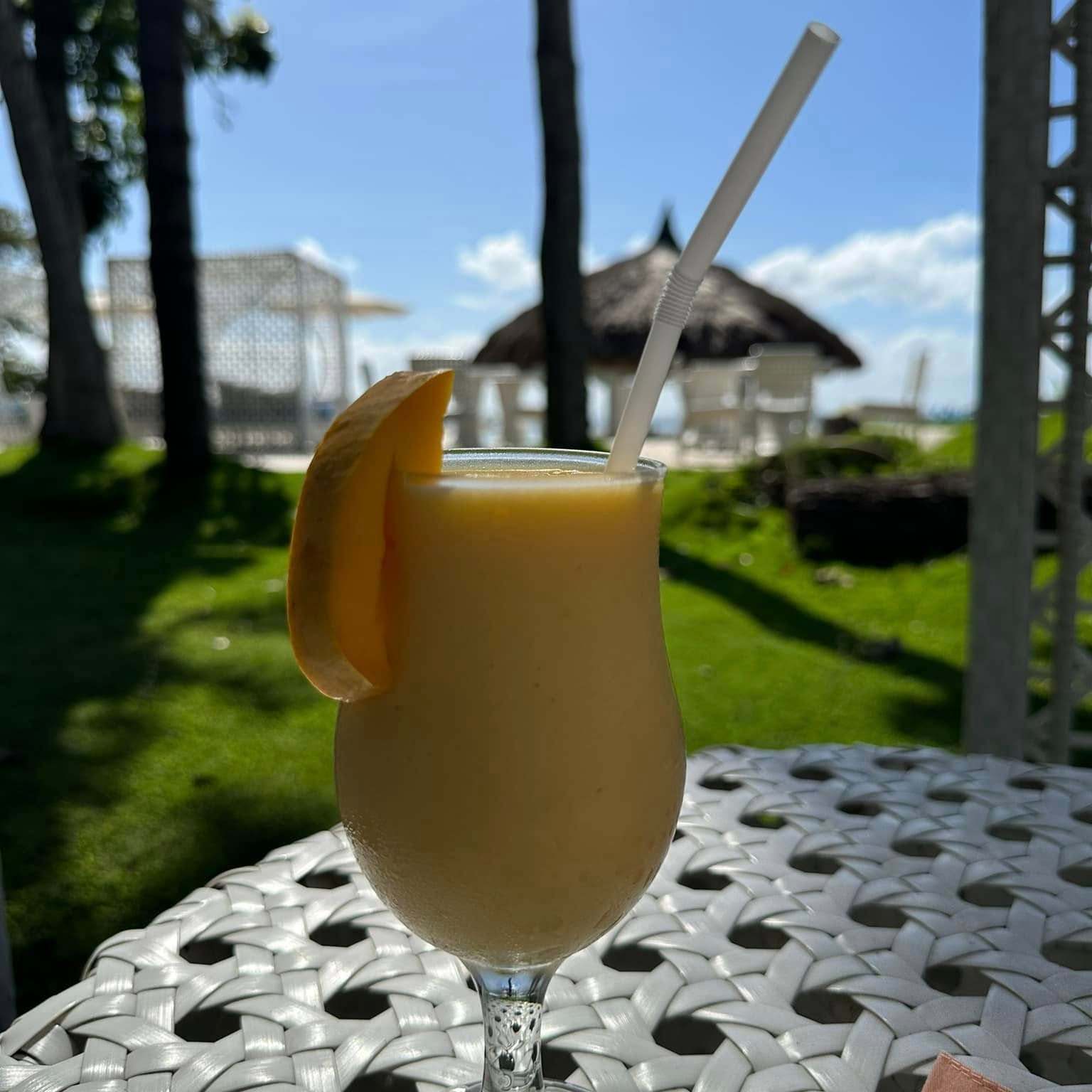
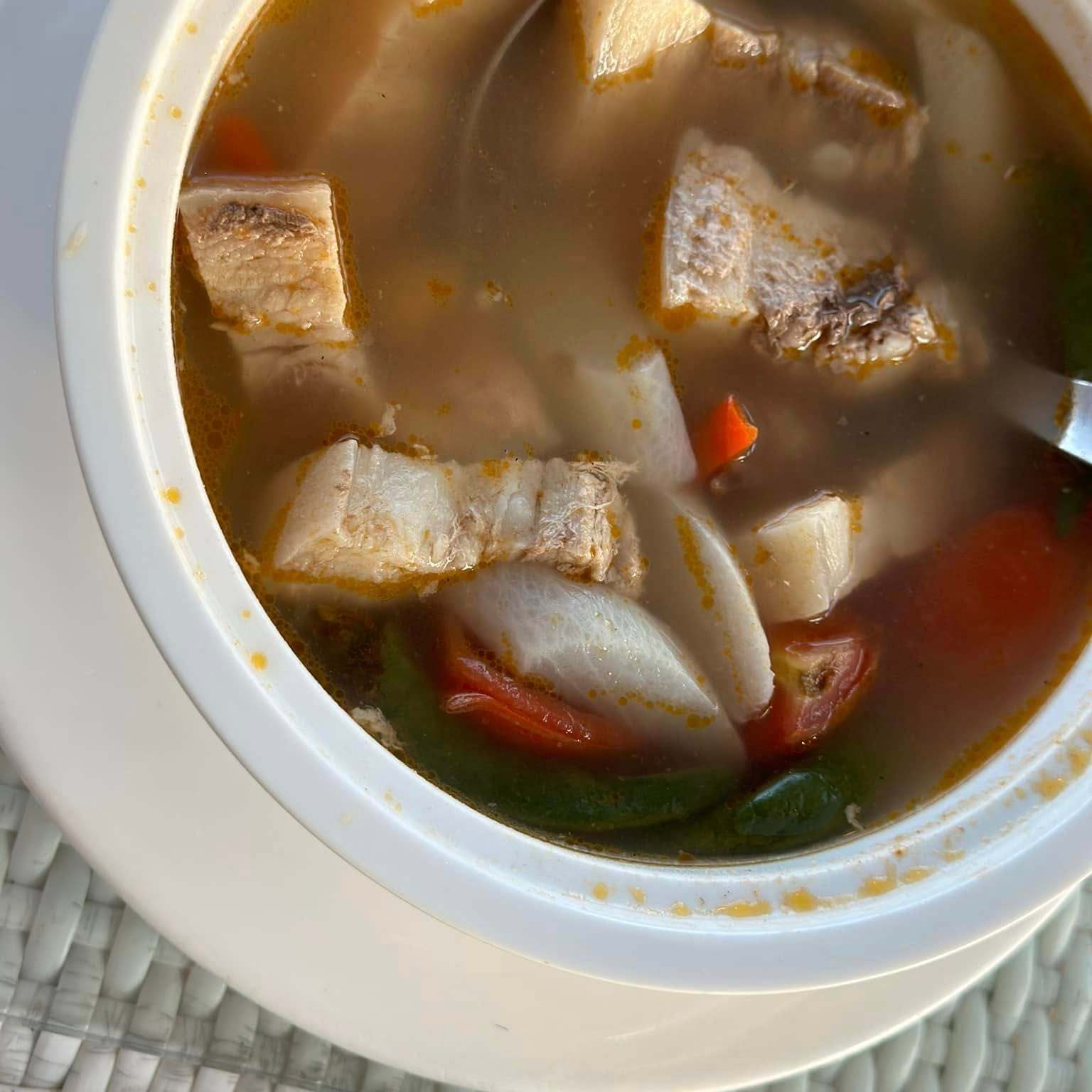
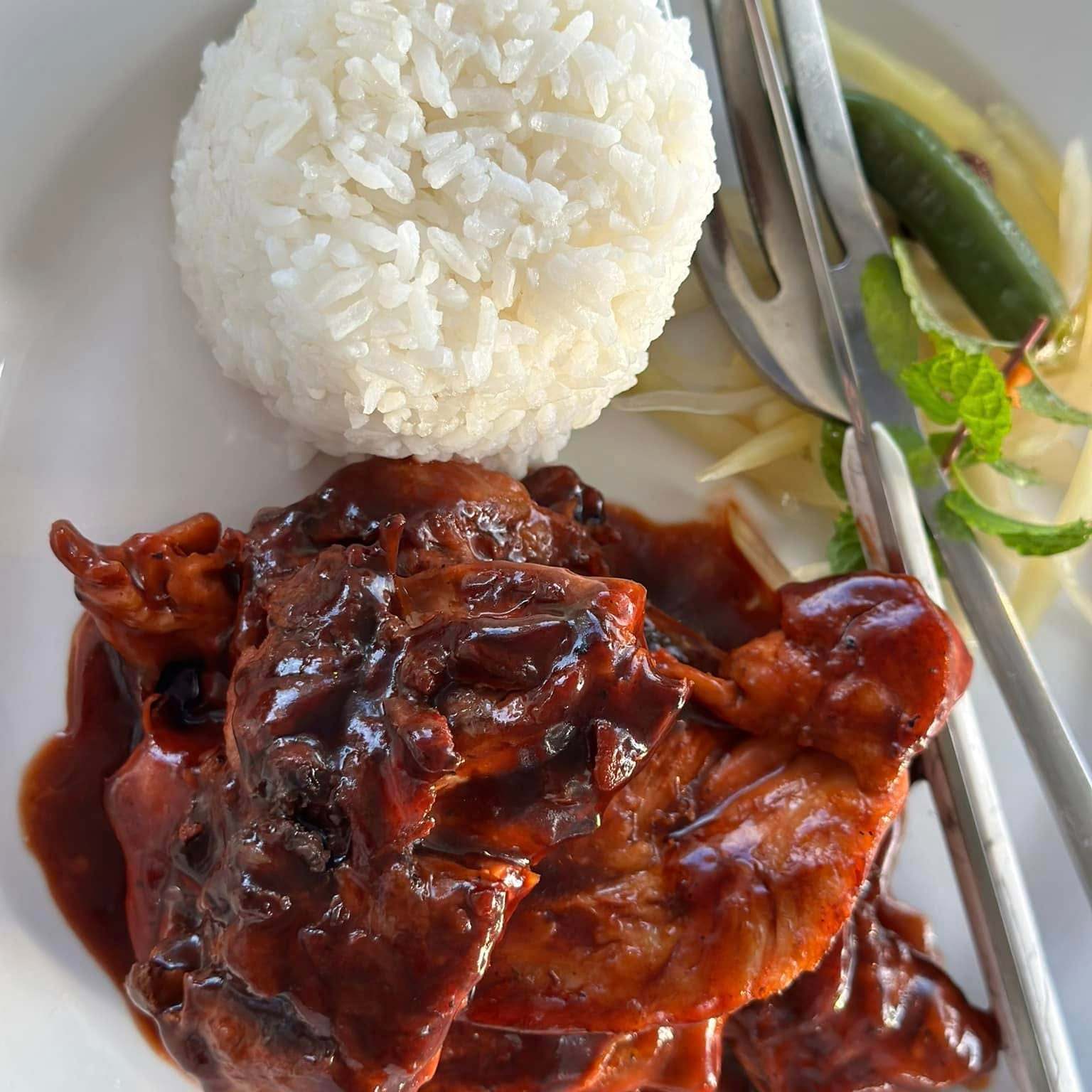
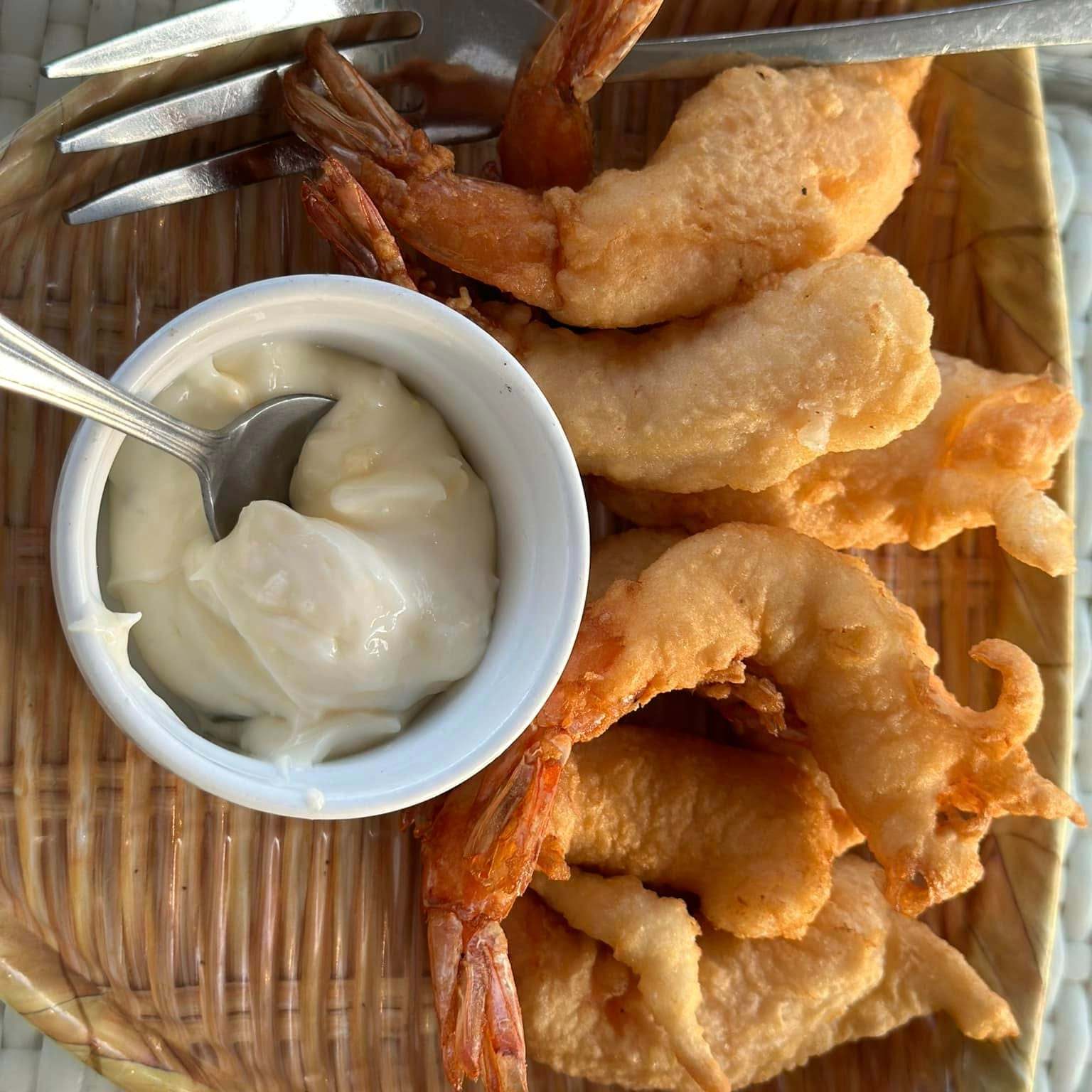
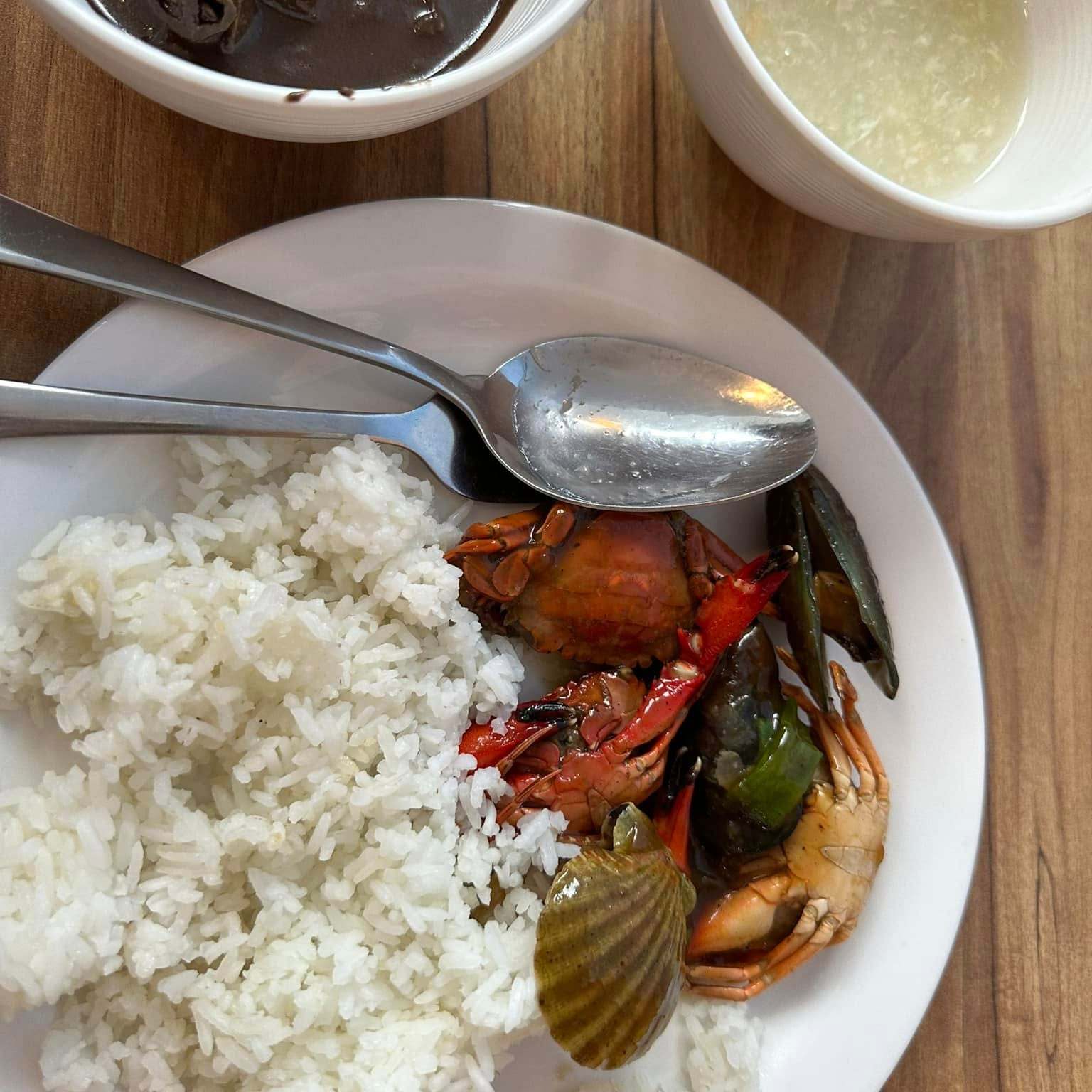
Absence, I discovered, is an excellent marketing department. Take Jollibee. I know perfectly well that Jollibee exists outside the Philippines, and Britain had not deprived me completely of Chickenjoy, but walking into a branch back home feels different because Jollibee is less a restaurant than a piece of Filipino muscle memory disguised as fast food.
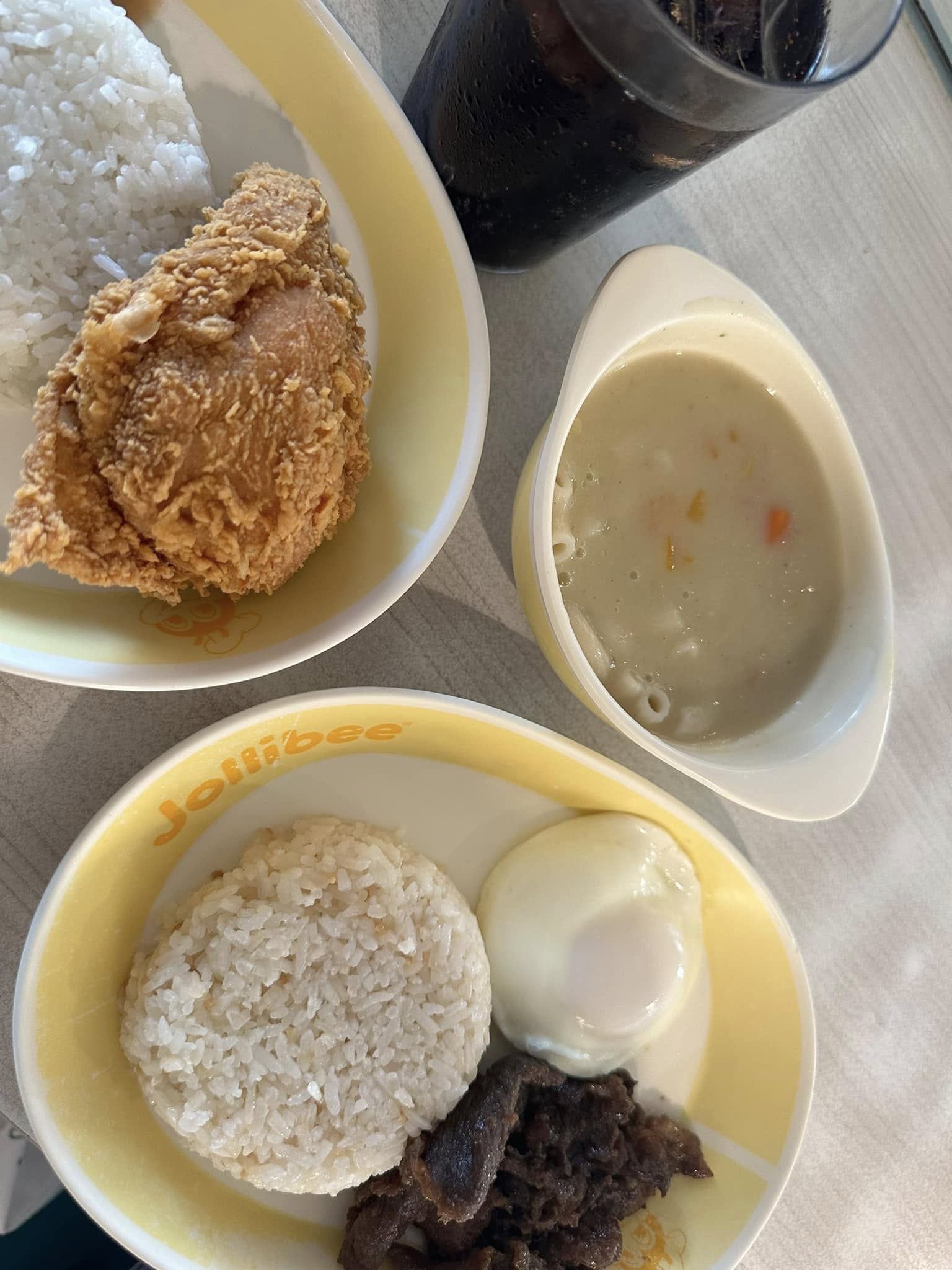
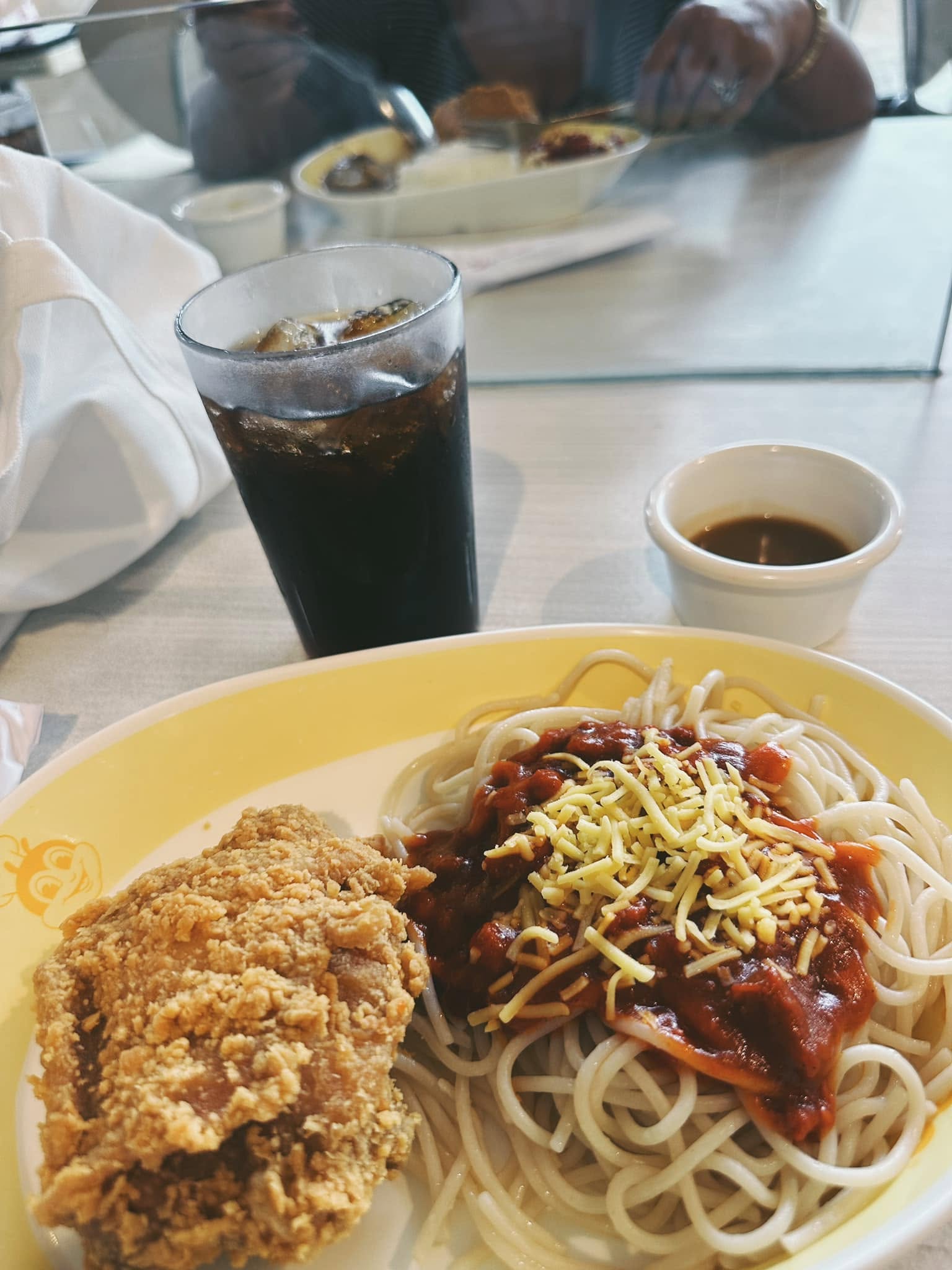
There is the familiar red sign, the voices at the counter, the smell you recognise before you have properly entered and that combination of Chickenjoy, rice, gravy and Jolly Spaghetti that makes absolutely no attempt to impress anybody with sophistication. It does not need to. Some meals earn affection not because they are complicated but because they have been present in ordinary life for so long that eating them feels almost like remembering something.
And then there is Filipino spaghetti, our magnificent refusal to obey Italy. Somewhere in the history of pasta, Filipinos encountered tomato sauce and collectively decided it needed sweetness, sliced hotdogs and enough cheese to cause diplomatic concern in Rome. The Italians may have questions. We have been too busy eating to answer them.
Returning home made me notice how many foods carried a version of my younger self inside them. Some belonged to school days, some to family celebrations, some to weekends and some to those afternoons when somebody casually suggested buying snacks and the suggestion immediately became a group decision requiring money to be collected from several pockets. That was when I began realising that cravings are rarely about flavour alone.
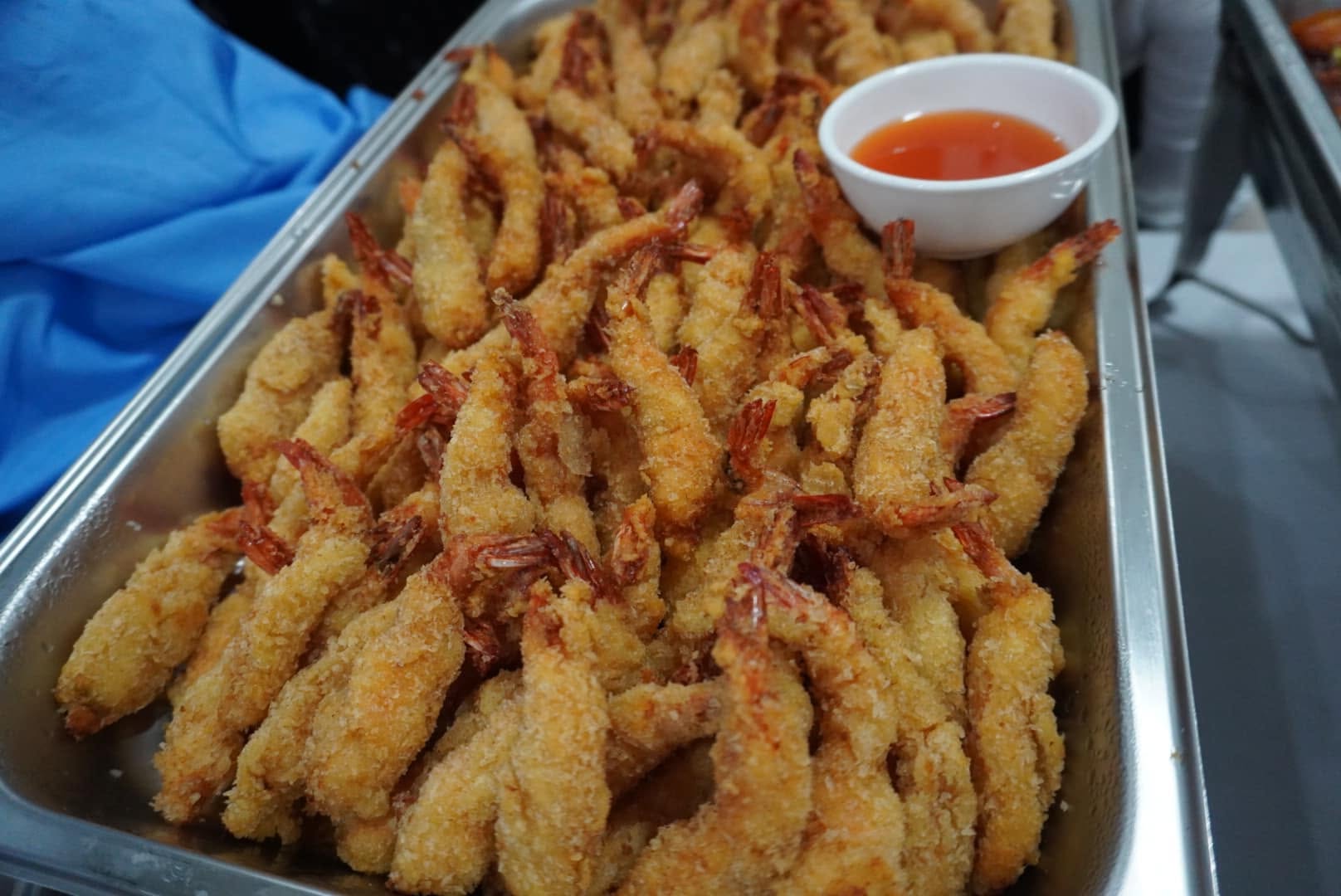
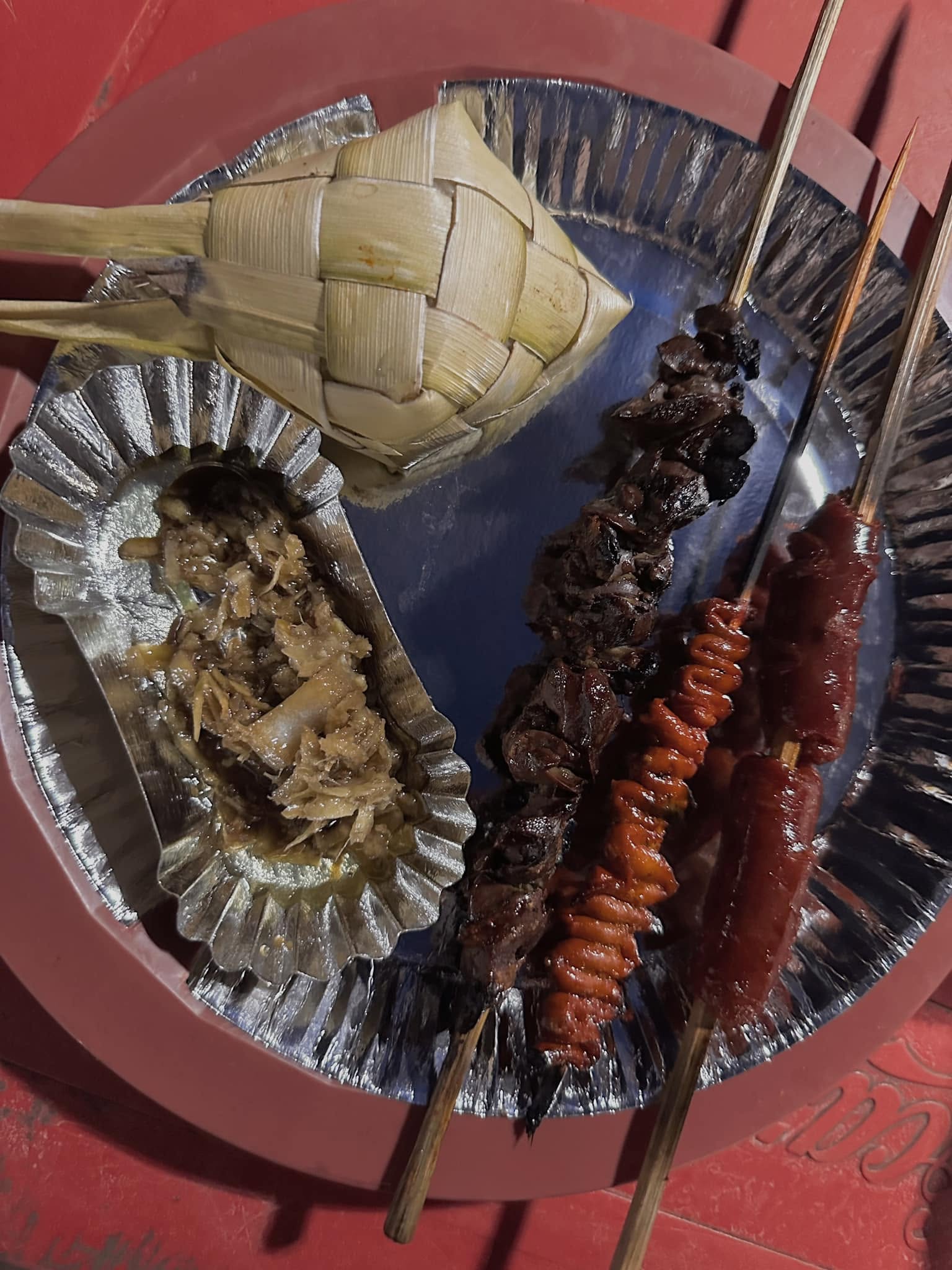
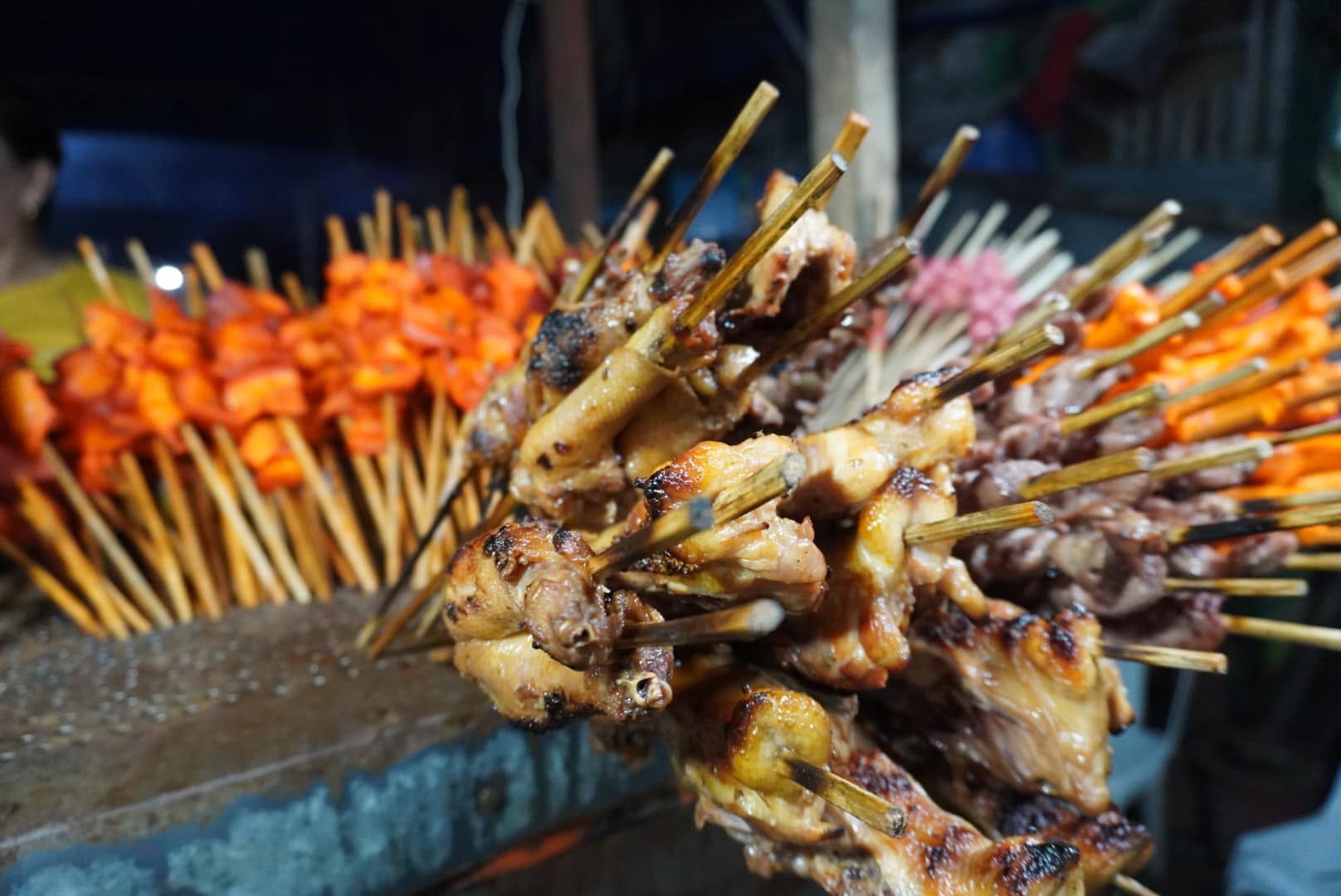
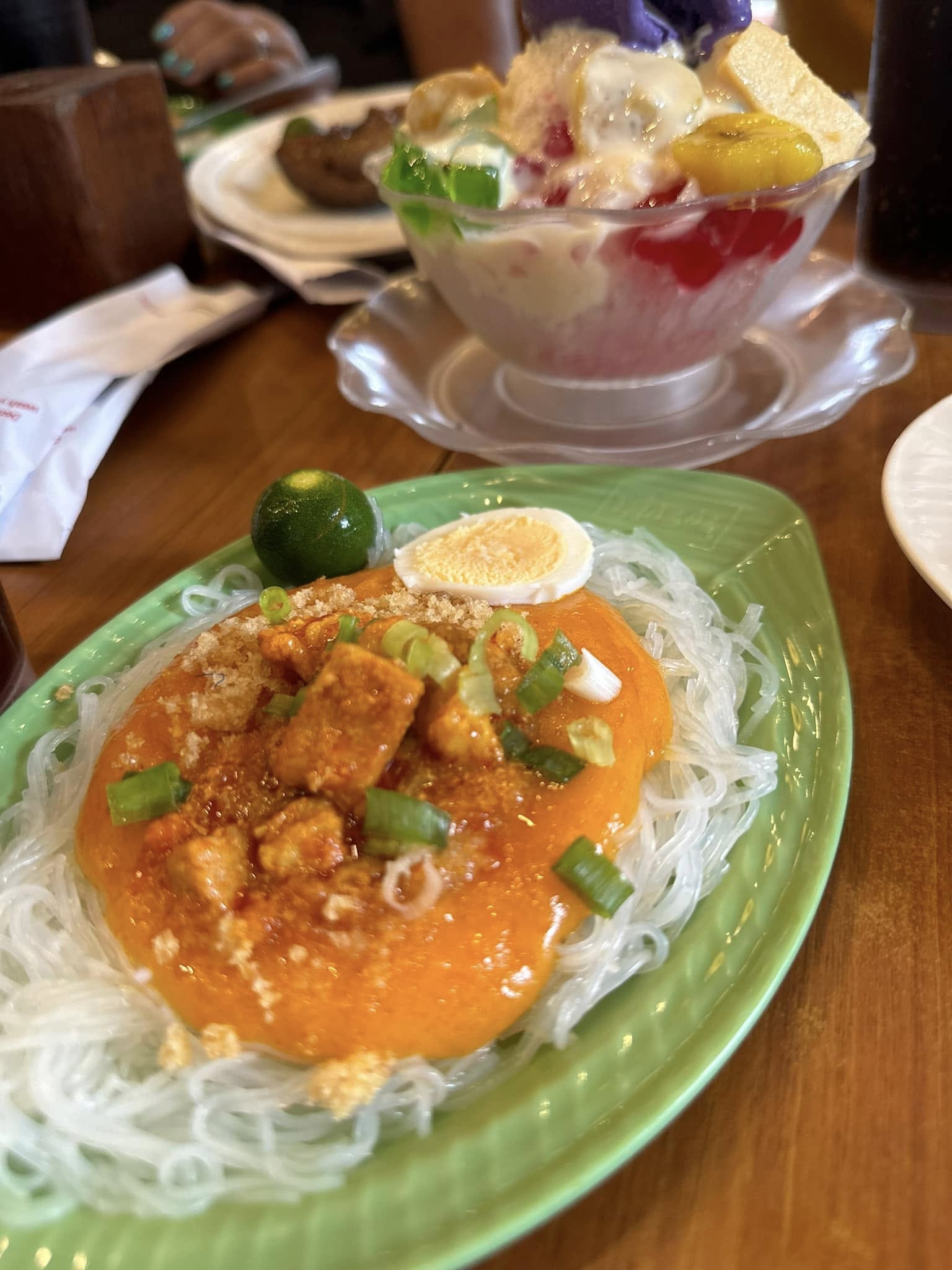
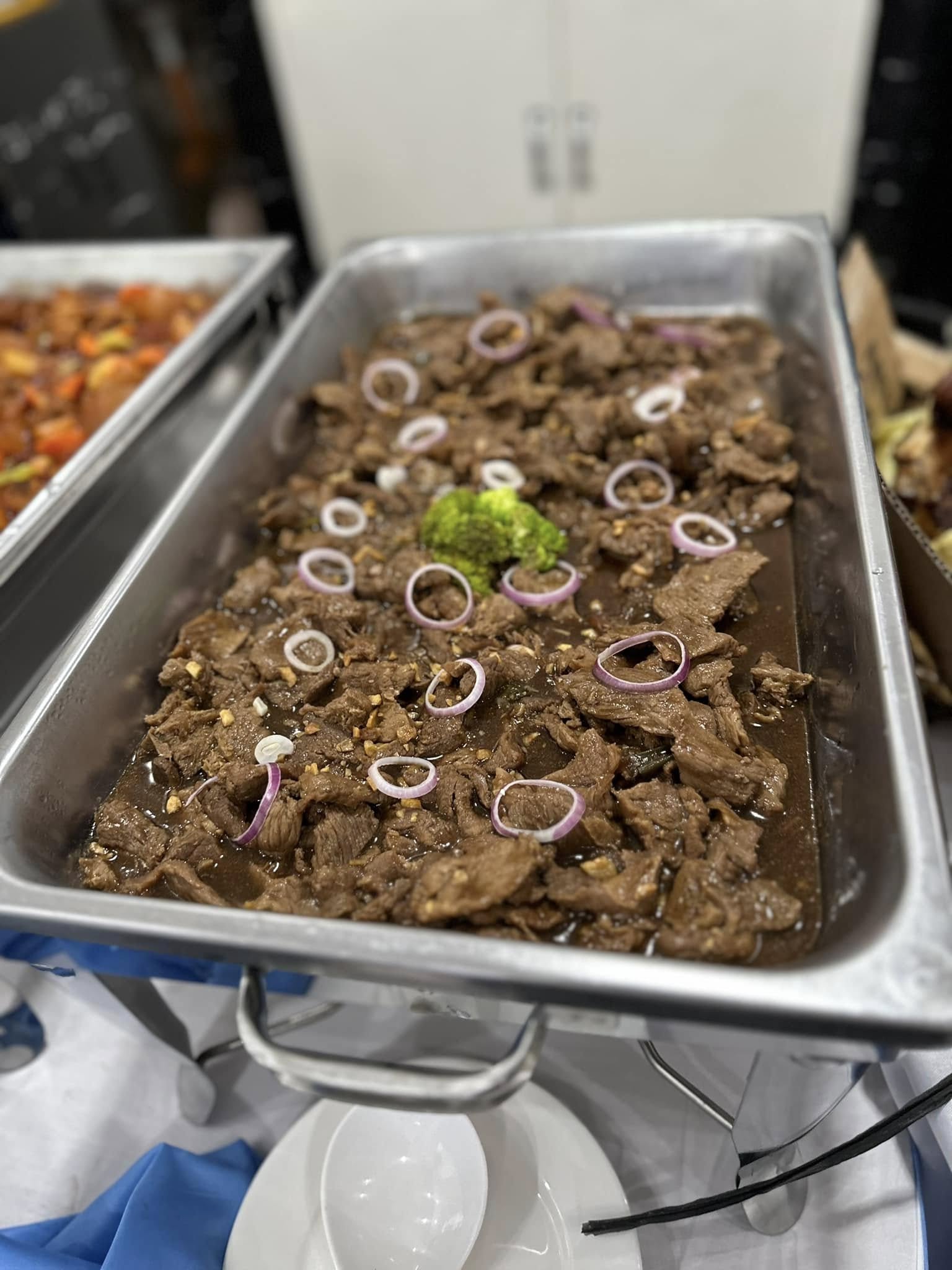
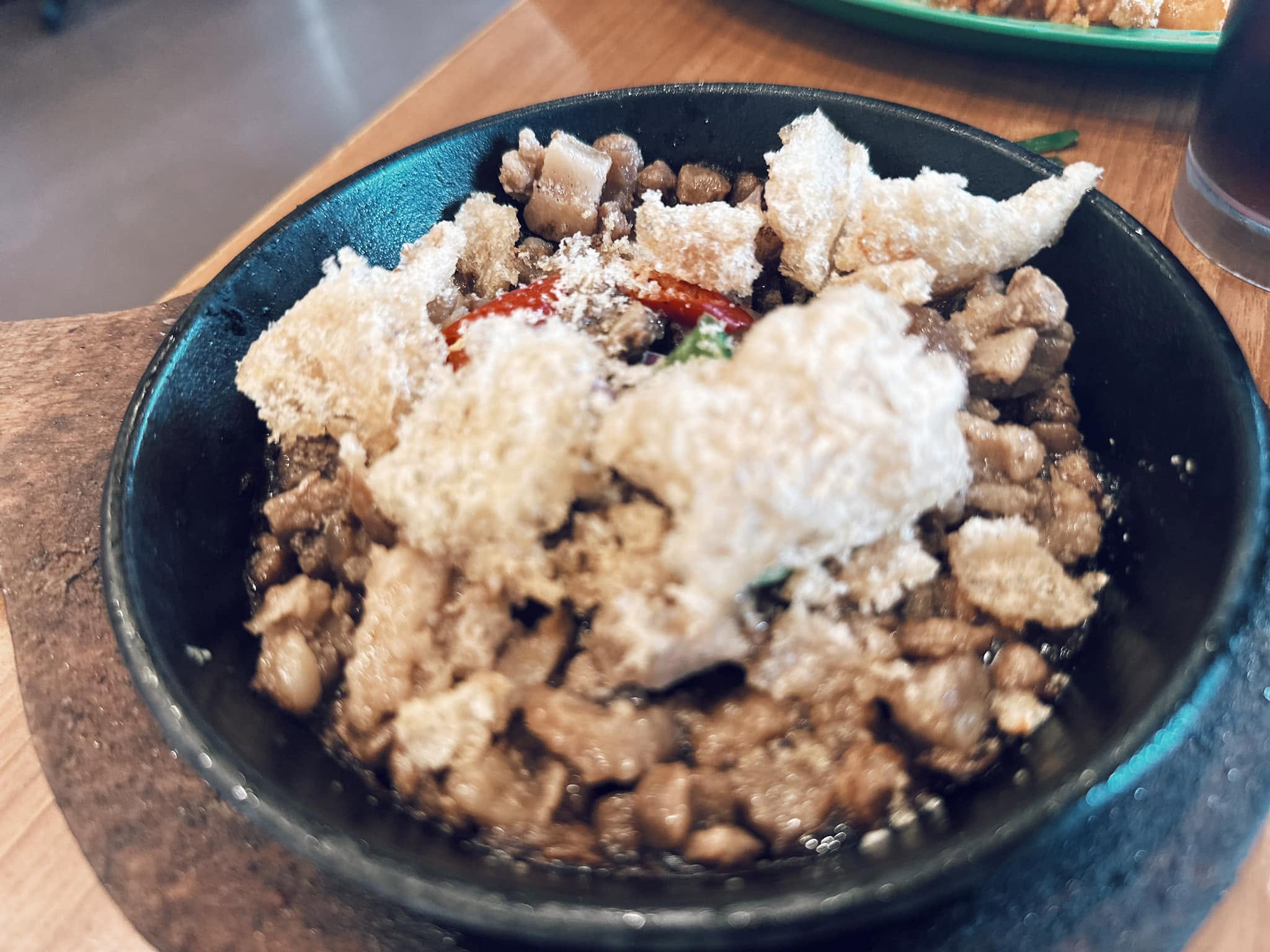
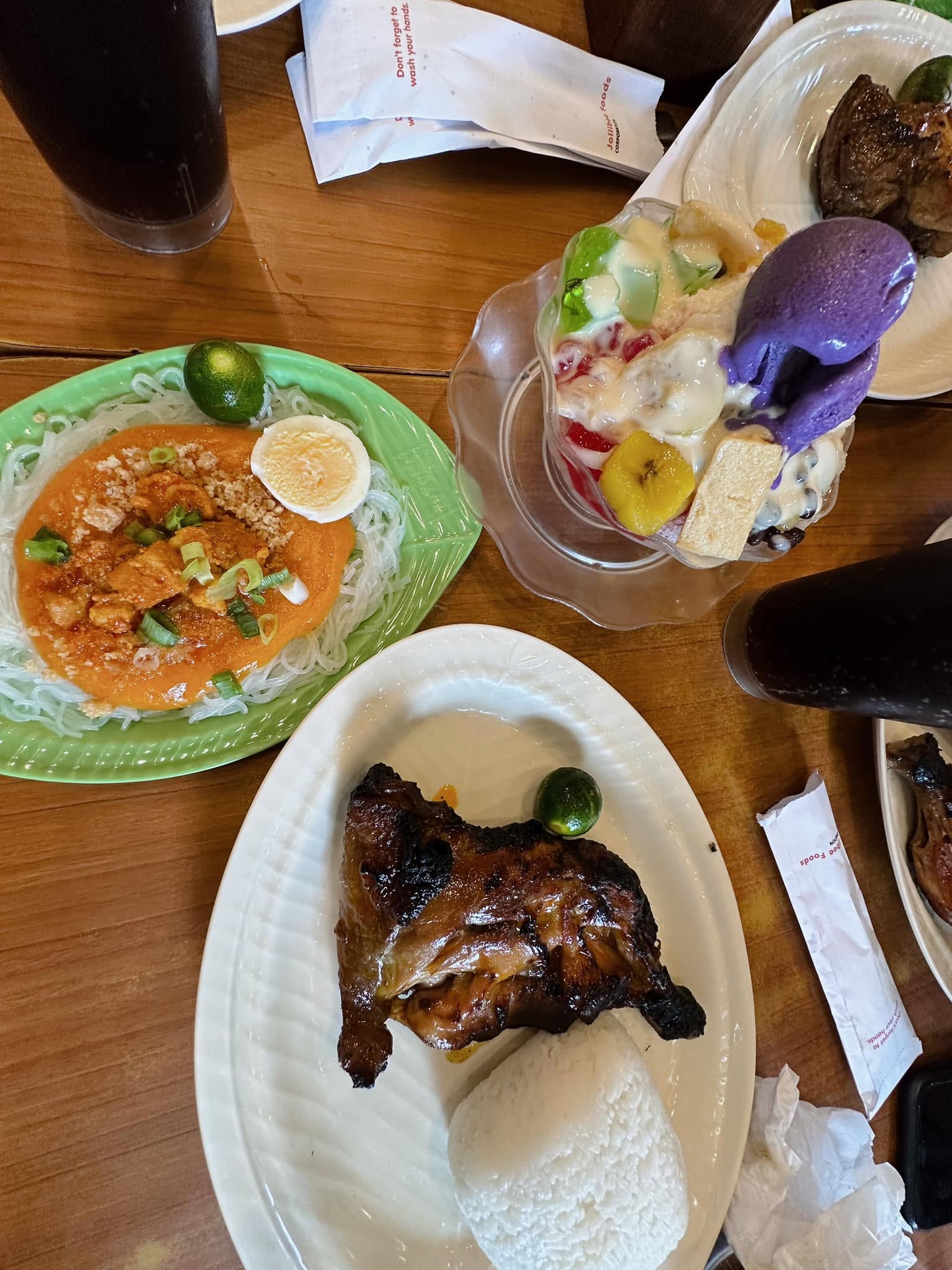
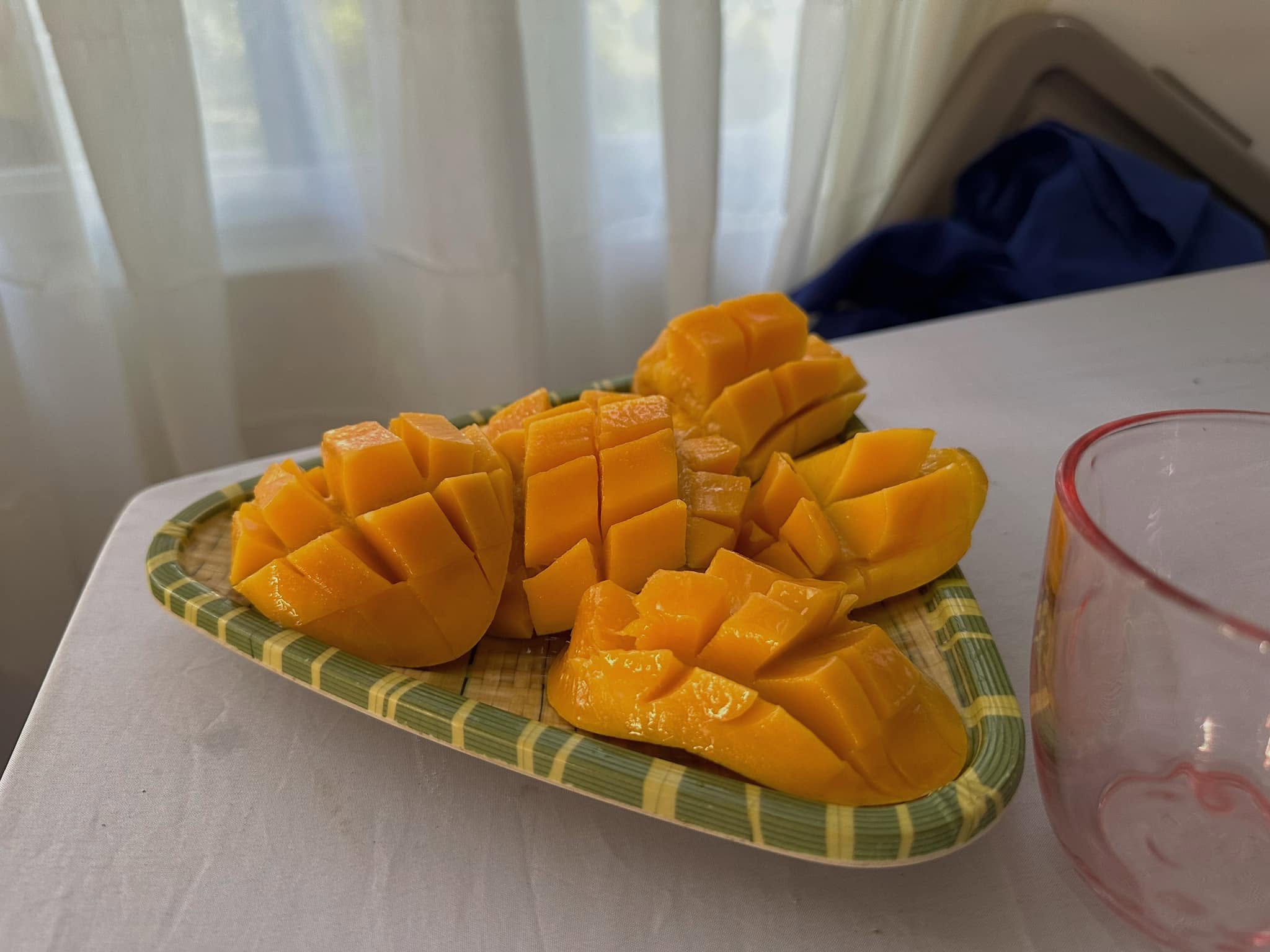
Sometimes we are missing the food, but sometimes we are also missing the person who used to eat it before life became divided between countries, visas, rotas and annual leave. Street food was one of those things. Fish balls frying in oil, squid balls and kikiam lined up on skewers, kwek-kwek wearing that unapologetically orange coating and bottles of sauce waiting nearby for everybody to develop strong personal theories about the correct dipping method all carried memories far larger than the food itself.
A street-food cart can become its own tiny social institution. You point at what you want, somebody fries it, coins change hands, people gather around the sauces, and everyone somehow eats beside a busy road without requiring reservations, menus printed on textured paper or a waiter describing the origin of the ingredients. It is simple, efficient and wonderfully unbothered by presentation.
Of course, the nurse in me has acquired some inconvenient adult habits. She notices hygiene, food handling and whether things look as though they have been sitting in tropical heat long enough to begin developing independent ambitions. The homesick Filipina in me, meanwhile, sees kwek-kwek and begins negotiating.
One side considers food safety, while the other considers vinegar. This is how migration changes a person. You return home with all your old cravings and several new anxieties, and hand sanitiser somehow becomes part of your national costume.
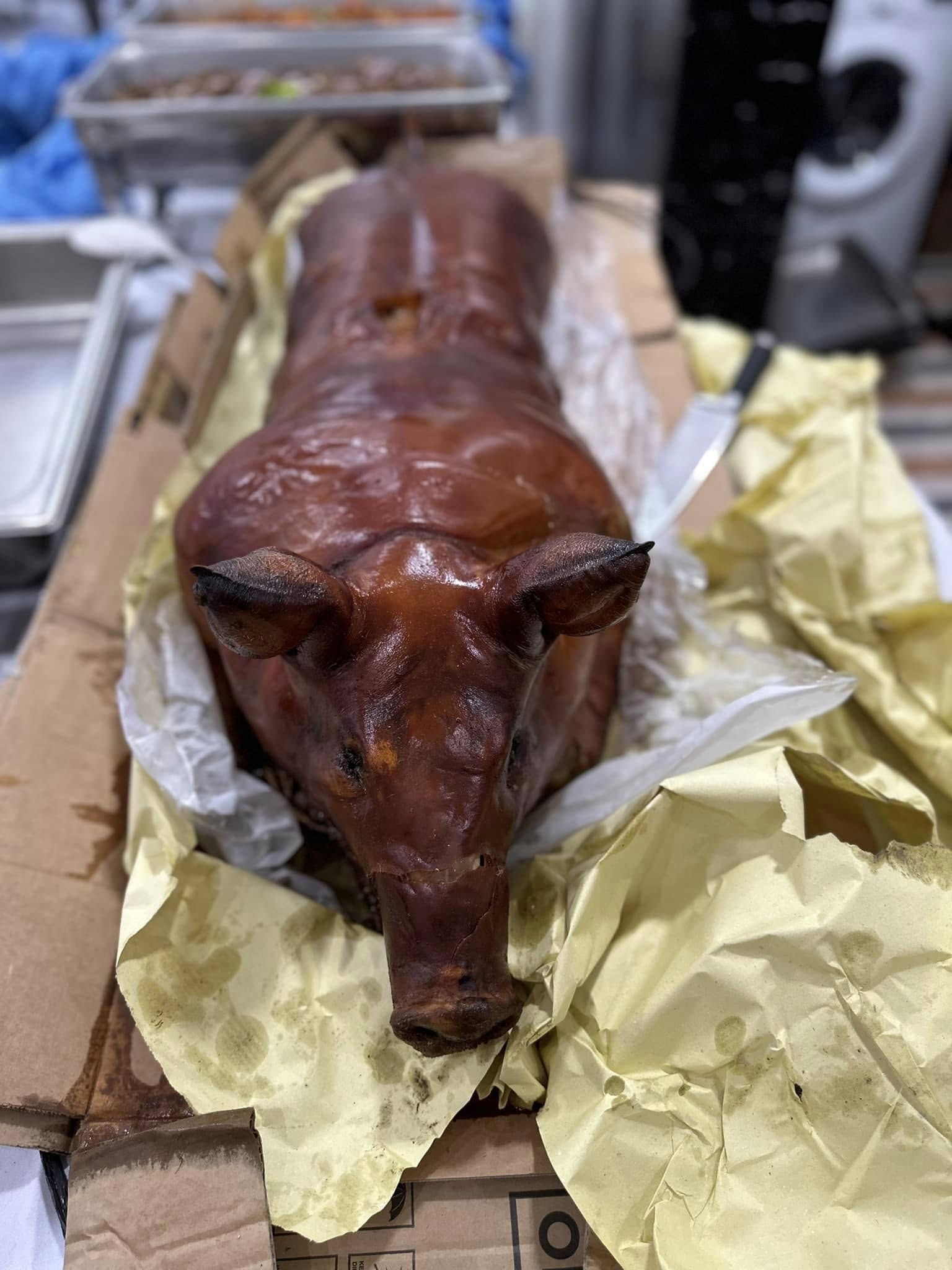
Cebu lechon, however, is much harder to negotiate with sensibly. The moment it appears on a table, golden and crisp, several other dishes quietly understand that they have been demoted. There is something about the smell alone that makes restraint feel like a character flaw.
The skin has its own constituency. Some people prefer the meat, some have highly specific opinions about which part contains the correct ratio of crispness to tenderness, and a few will participate in negotiations that would not look out of place at an international summit if it means securing the best section before an uncle gets there first.
Filipinos can disagree about almost anything. Politics, relationships, money, religion, the correct electric-fan setting and whether somebody’s new haircut was a good decision can all produce vigorous debate. Put good Cebu lechon on the table and, for several minutes at least, national unity becomes possible.
Until somebody takes the best piece. Then diplomacy collapses.
Naturally, lechon requires rice because rice is the quiet protagonist of Filipino food. It rarely asks for applause, but remove it from the table and half the country will look genuinely concerned. A plate may contain meat, vegetables and several other perfectly substantial components, yet somebody will still ask, “Asa ang rice?” Without rice, apparently, we have not eaten a meal. We have merely attended its introduction.
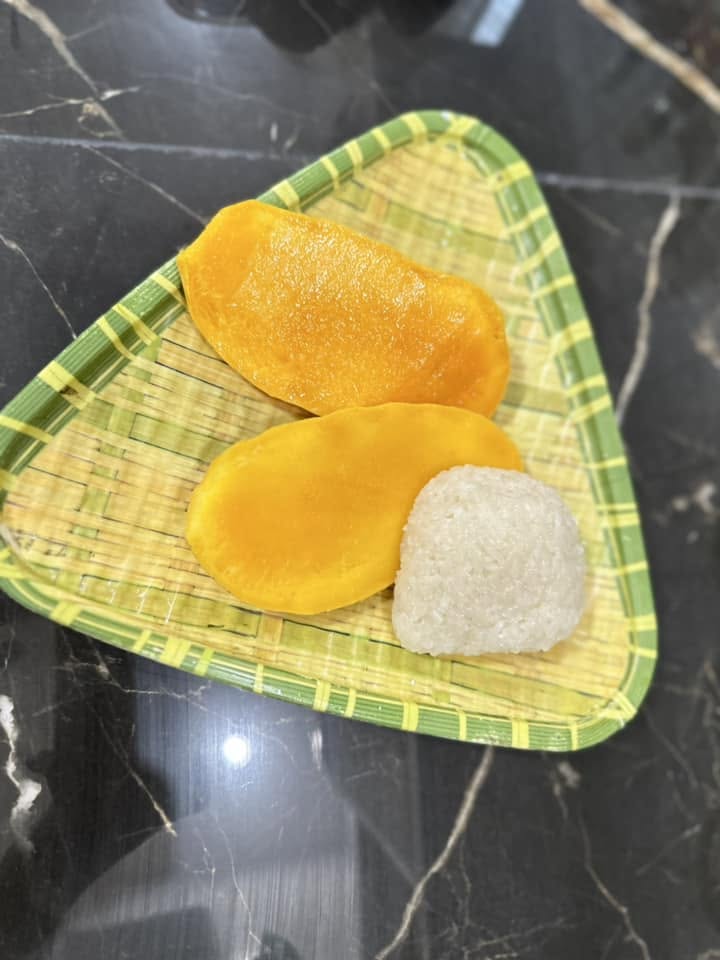
I had rice in Britain, of course. I was not wandering through the West Midlands deprived of carbohydrates and staring tragically through restaurant windows. But returning to the Philippines meant being somewhere rice needed no defence, no explanation and certainly no apology for appearing at breakfast.
And in Cebu, sometimes it comes inside pusô, rice packed neatly into woven coconut leaves. I have always loved the practicality of it. No elaborate container, no unnecessary fuss, just rice wrapped cleverly enough to travel beside barbecue or lechon like it was designed by somebody who understood exactly what civilisation needed.
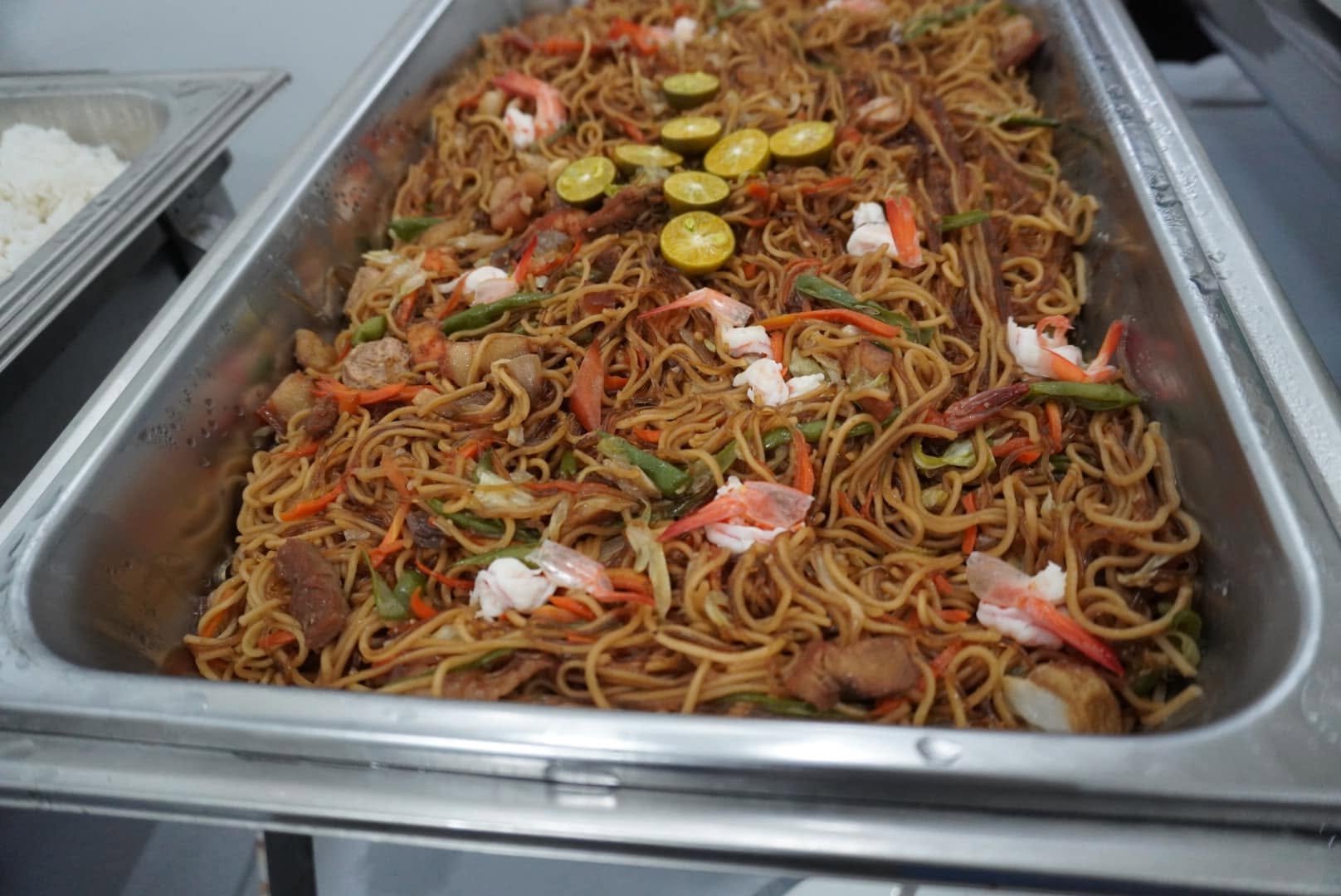
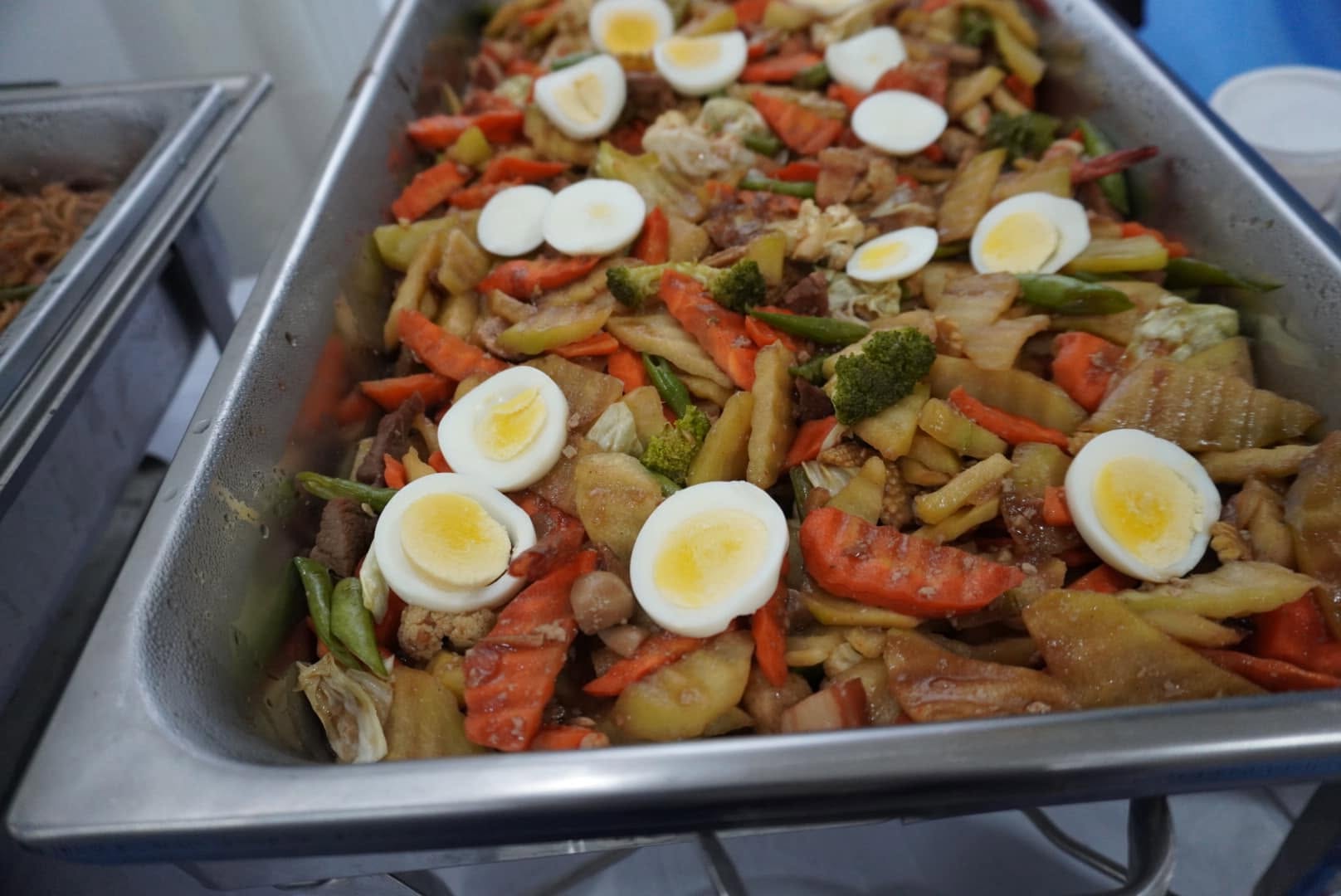
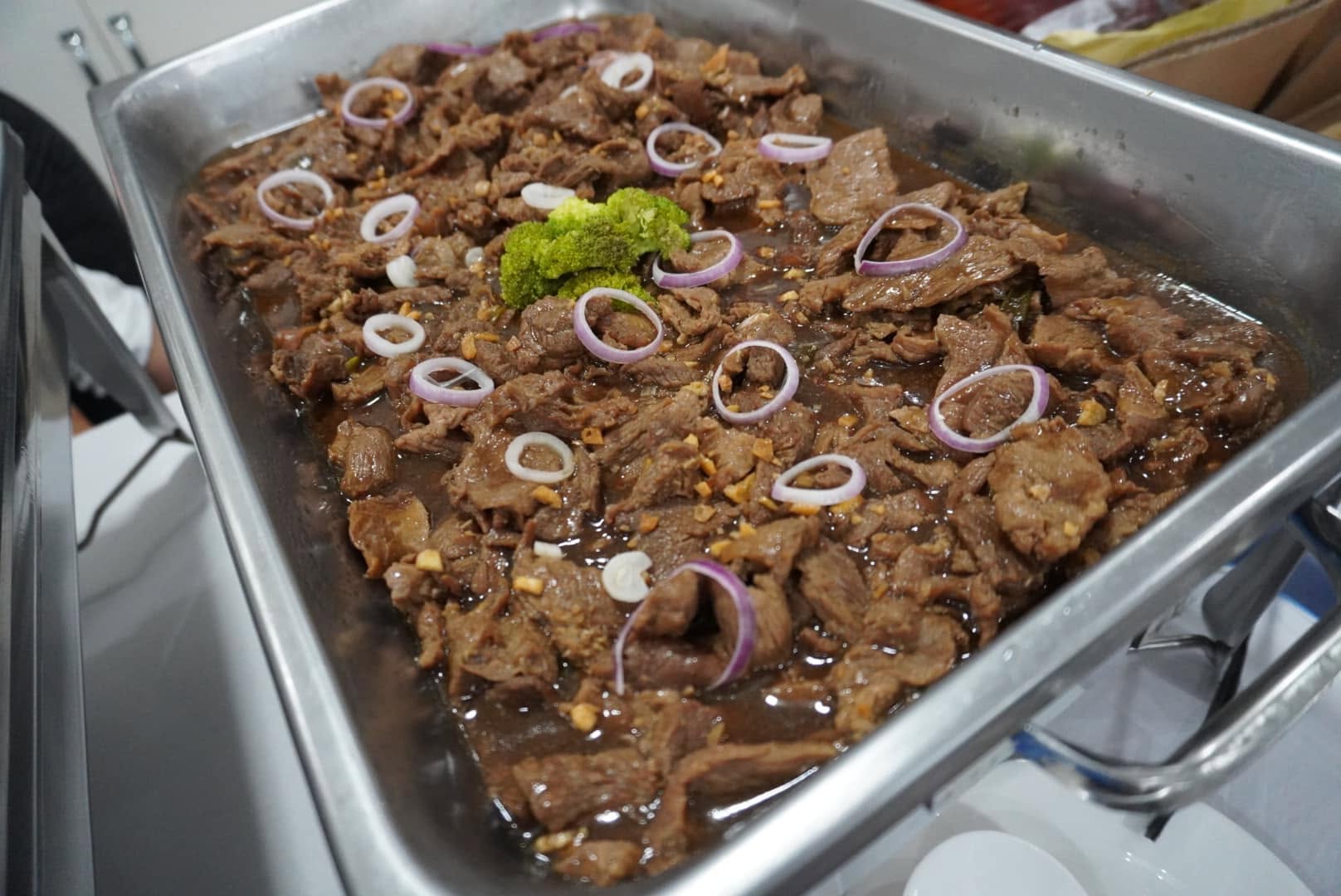
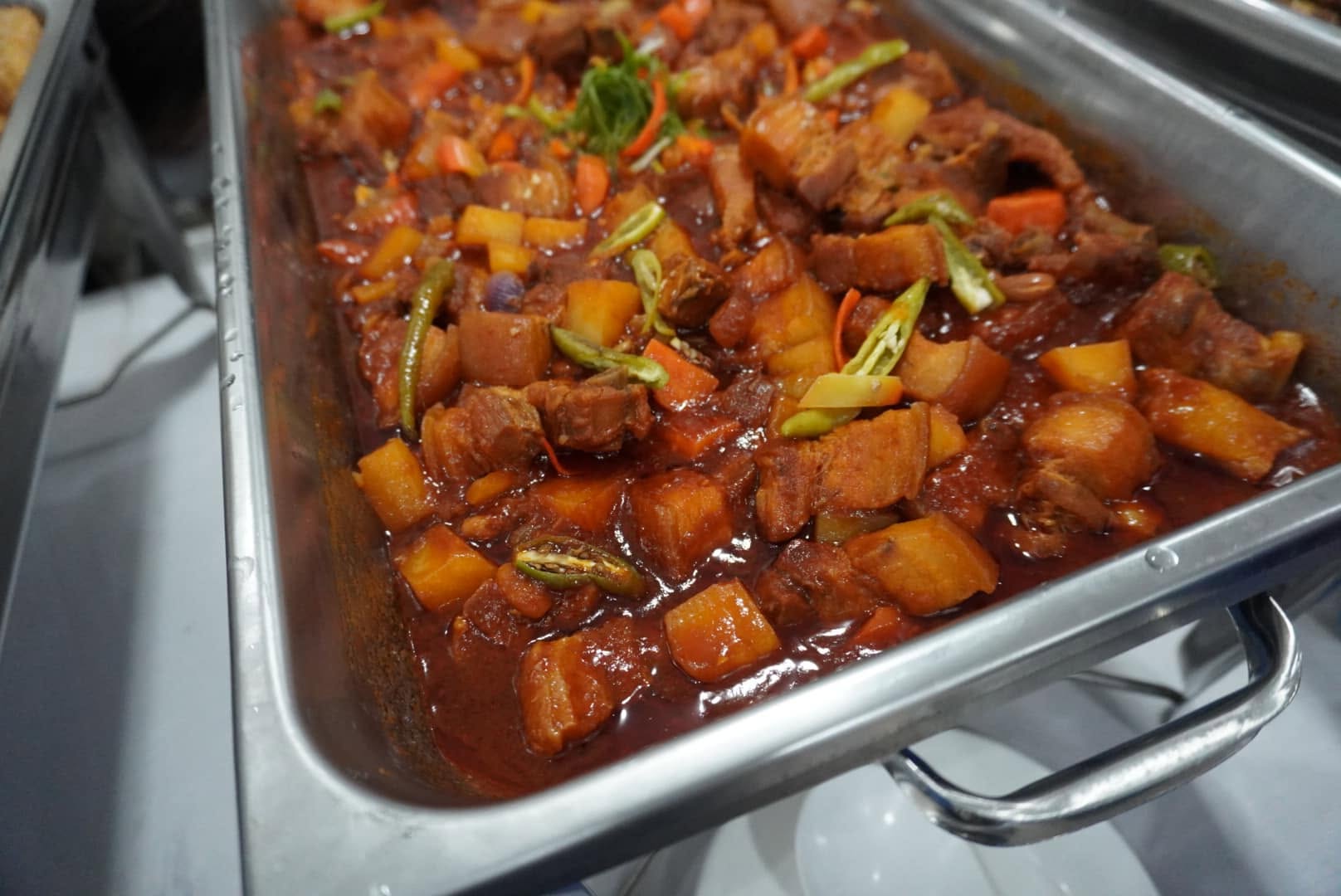
Some of the foods I wanted most were not even the ones people photograph for tourists. I wanted the ordinary dishes that belong to kitchens rather than destination guides: sinigang with its sour broth, pork adobo simmering until the sauce becomes dark and familiar, pancit appearing at gatherings with its optimistic relationship to long life, and Cebuano pochero with the kind of broth that makes a meal feel serious before the bowl is even half empty.
These were foods I had eaten repeatedly while growing up. Back then I did not sit at the table analysing their cultural significance. I simply ate them, sometimes happily, sometimes absent-mindedly and occasionally with the spectacular ingratitude of someone who thought she would always have easy access to the same kitchen.
There were probably days when I complained that we were eating something again. Three years overseas had turned those old complaints into evidence for the prosecution. I would gladly have eaten many of those supposedly boring meals now.
That is perhaps one of the crueller jokes distance plays on us. Familiarity makes details invisible, then absence enlarges them. You start remembering garlic hitting a hot pan, the scrape of a serving spoon against a pot, steam rising when the rice cooker opens and the bowl placed automatically in the middle of a table because nobody needs to ask whether everyone wants some.
Those details seemed too ordinary to preserve when I lived among them. Abroad, they became specific enough to miss. Food is good at storing domestic life because it remembers kitchens, who usually serves first, whose recipe is slightly sweeter, who puts too much of something and who always tells you to eat more before you have even decided whether you are still hungry.
Then there are foods that exist primarily to test the limits of self-discipline, and crispy pata is one of them. A crispy pata arrives looking as though moderation has already been asked to wait outside. The skin crackles, the meat underneath remains tender, the dipping sauce sits nearby pretending to be merely an accompaniment, and all previous commitments to sensible portion sizes begin quietly withdrawing their support.
You can approach it with excellent intentions. You can tell yourself there are many other dishes to try and that you will therefore have only a small portion. Then somebody breaks off a particularly crisp piece and places it near your plate, and civilisation ends briefly.
What amused me throughout this homecoming was how badly my appetite understood time. Three years of craving had apparently convinced my stomach that everything needed to be eaten immediately, as though Philippine food might disappear again if I did not complete the national menu before my return flight. I would finish one meal and already be thinking about the next, while breakfast became preparation for lunch, lunch needed merienda and dinner arrived with the authority of something constitutionally protected.
There were days when I felt less like a returning Filipino and more like a food critic who had received an extremely vague assignment involving carbohydrates. But the longer I stayed, the more I realised the food list had never really been the point. Yes, I wanted Chickenjoy, lechon, street food, rice, adobo, sinigang and crispy pata, but underneath every craving was something else I had been hungry for.
I wanted the food where it belonged. I wanted to hear Cebuano around the table, feel the warm air outside, watch condensation gather on a cold glass and hear somebody ask if I had eaten before completely ignoring my answer and feeding me anyway. I wanted the familiar chaos of several dishes arriving at once and nobody remembering who first decided we needed that much food.
That is the part you cannot pack into checked luggage. You can reproduce a recipe abroad, buy Filipino ingredients and learn which shops stock the closest version of what you remember, but home changes the seasoning. Perhaps not chemically, but emotionally.
I had spent three years building a life somewhere else, and I was happy with much of what I had built. I had learned new routines, experienced different places and become accustomed to a country where summer sometimes requires a jacket. Coming back did not make me reject that life; it simply reminded me that belonging can exist in more than one appetite at once.
I could enjoy Britain and still crave Cebu. I could love discovering new cuisines and become embarrassingly emotional over rice. I could leave home, grow elsewhere and return to discover that certain flavours still knew exactly who I was. Perhaps that is why the first meals back felt almost comic in their intensity. Nothing on the plate had changed dramatically during my absence. I had.
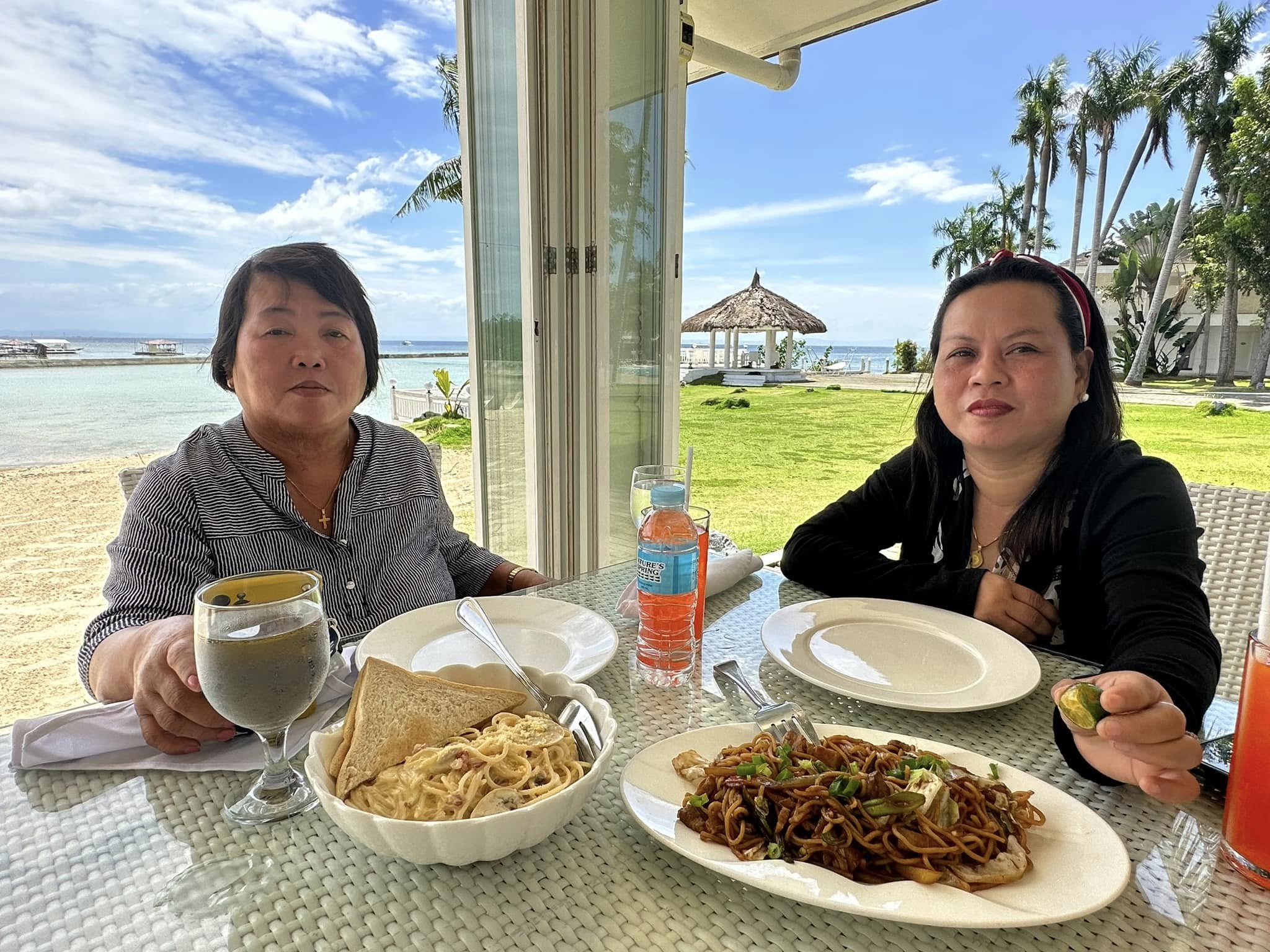
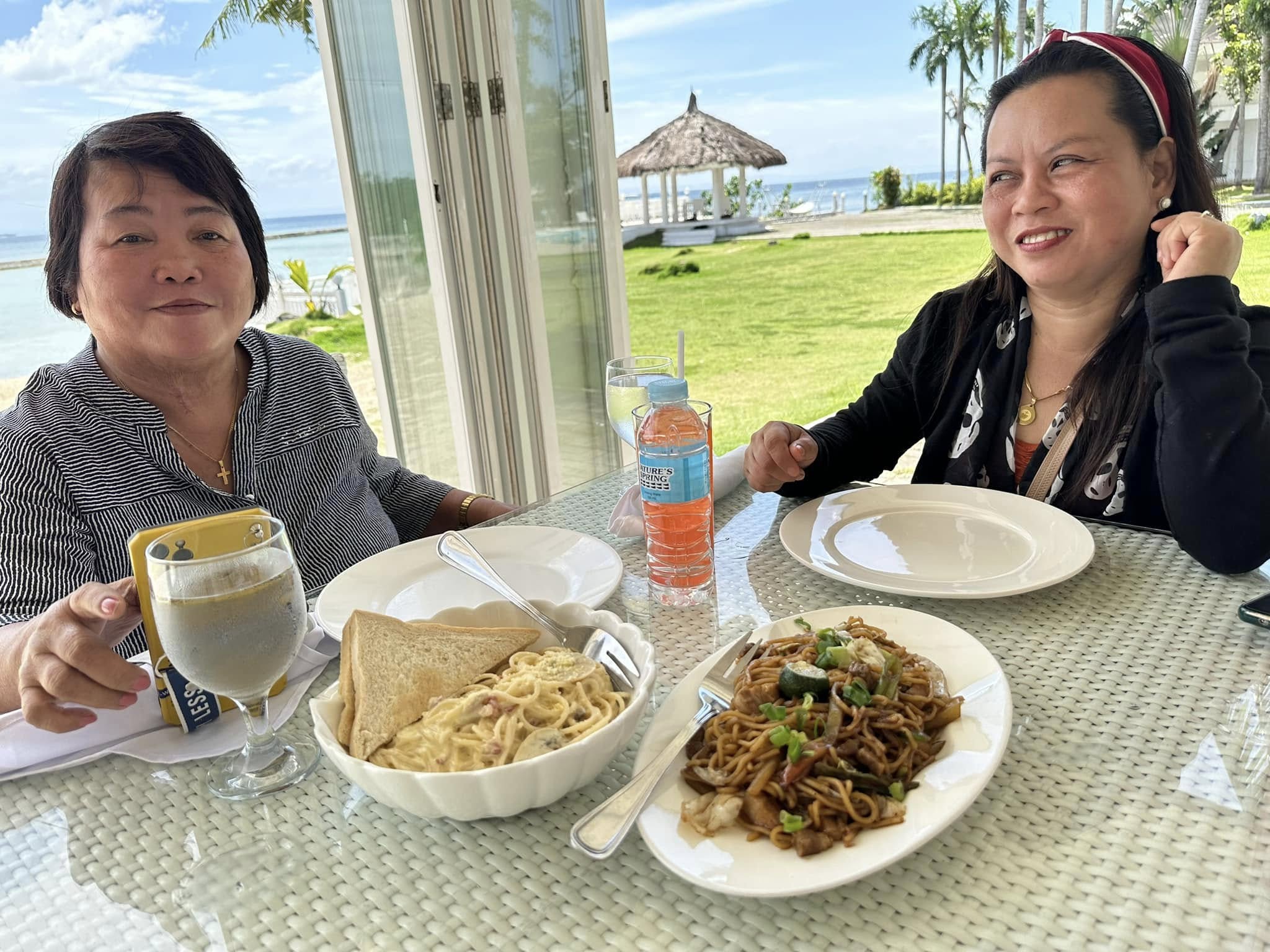
Three years had added distance to things that once required none. That distance gave ordinary food an importance it never needed when I could have eaten it whenever I wanted. By the end of the trip, I had not eaten everything on the imaginary list my stomach had prepared because that would have required either a considerably longer holiday or the digestive system of a competitive athlete.
But I had eaten enough, and more importantly, I had remembered enough. I remembered that Chickenjoy could still make me ridiculously happy, Cebu lechon could still make an entire table reorganise its priorities, rice remains less a side dish and more a trusted colleague, and a bowl of familiar food can contain far more than whatever ingredients went into it.
When I first arrived, I thought I had come home with forty-seven things to eat. By the time I had left the table for what was probably the hundredth time, I understood that my appetite had been keeping a different list all along. It had been counting voices, kitchens, afternoons, family tables and the little insistence of “pun-i pa ng gikaon nimo”—all the ordinary things three years away had taught me not to call ordinary anymore.
My stomach may have planned the holiday first, but somewhere between the lechon, the rice and the entirely unnecessary second serving, my heart finally caught up. That, perhaps, was the real meal I had travelled three years to come home for.
Still accepting second servings as cultural research,
Anj


























Leave a Reply