
I have lost count of how many times I have returned to Aberystwyth, but I can almost always remember why I went.
Sometimes it was a birthday. Sometimes I was carrying a decision I had thought about far too many times. Sometimes life simply felt heavier than usual, and I wanted to be somewhere that did not expect me to explain why. There were visits filled with laughter and company, and others when I needed little more than the sea, the wind, and enough distance from ordinary life to hear my own thoughts again. Somehow, through all those different versions of me, Aberystwyth remained the same familiar point on the map.
Perhaps that is why I have never thought of it as merely another place I like visiting. I have travelled to towns that are grander, cities with more famous landmarks, and landscapes that might photograph more dramatically, but my attachment to Aberystwyth has never depended on how impressive it is. It is personal in a way that is difficult to quantify. I know the feeling of arriving there almost as well as I know the place itself—that subtle loosening inside me when the coastline appears and I realise, once again, I’m here.
Over the years, Aberystwyth has quietly accumulated pieces of my life. It has known me on birthdays and uncertain days, during seasons of happiness and periods when I was carrying things I could not quite articulate. I have come here with friends, walked its streets beside someone I love, brought my mother into this little corner of my world, and returned at times simply because I needed somewhere to sit with myself. The town has never offered answers, and perhaps that is precisely why I trust it. It gives me something far less complicated: room.
There is a particular comfort in having somewhere that does not require you to arrive as your best version. Aberystwyth does not care whether I have figured everything out since my last visit. The sea does not ask whether my decisions were correct. The promenade does not measure my progress. The wind, characteristically Welsh and occasionally determined to rearrange my hair beyond repair, treats every version of me exactly the same.
And maybe that is what I have been returning for all these years.
There are places we choose because we want to see them, and then there are places that seem to choose us because something in us needs somewhere to be seen.
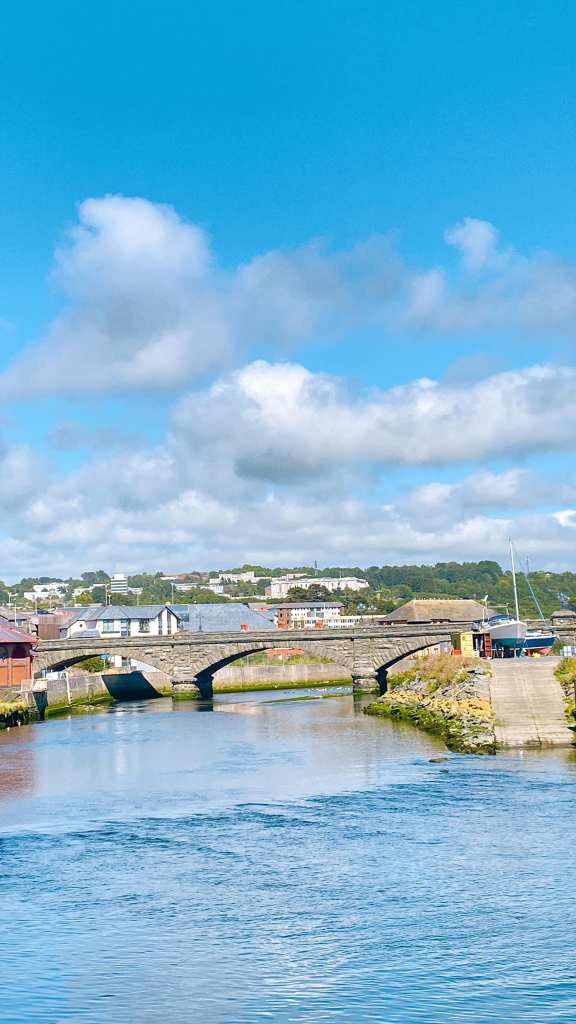
Aberystwyth has never needed to be spectacular for me. That may be part of its appeal. It sits along the Welsh coast with the sea stretched before it, old buildings gathering behind the promenade and hills rising patiently in the distance, as though the town has long understood that it does not need to compete for anyone’s admiration. The weather can be unpredictable, the wind can be completely unreasonable and the sea does not always arrange itself into the postcard version visitors might hope for, but perhaps that is precisely why I trust the place. It does not perform. It simply exists in whatever mood the day has given it, and somehow that makes it easier for me to do the same. Some places become sacred not because they are perfect, but because we have never felt required to be perfect while standing inside them.
I cannot remember the exact moment Aberystwyth became more than somewhere I liked visiting. It happened gradually, the way important things often do. One visit became another, and then another, until somewhere along the way the town entered that small catalogue of places my mind reaches for when life becomes too crowded. Whenever I feel homesick, uncertain or simply tired of hearing my own thoughts echoing too loudly, Aberystwyth is often the first place I imagine. I have travelled there carrying questions I could not solve, disappointments I was not ready to discuss and decisions that seemed to grow heavier every time I examined them. I have also gone there happy, celebrating, curious or simply wanting a day beside the sea. The town has met every version of me without insisting that one of them was more welcome than another.
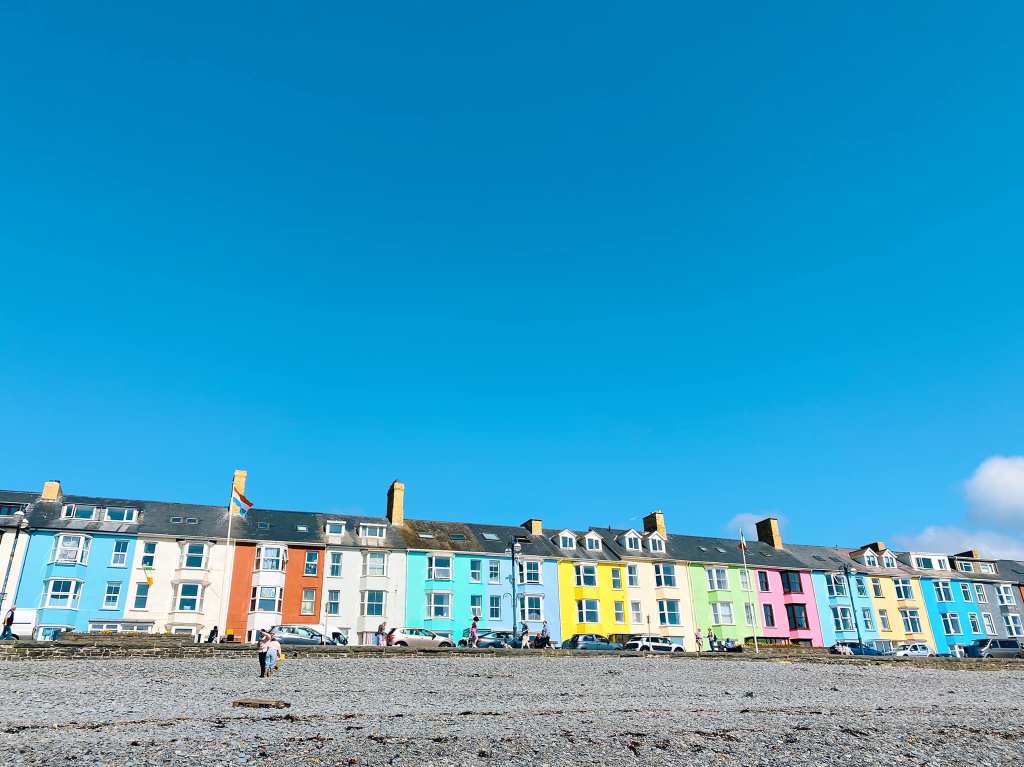
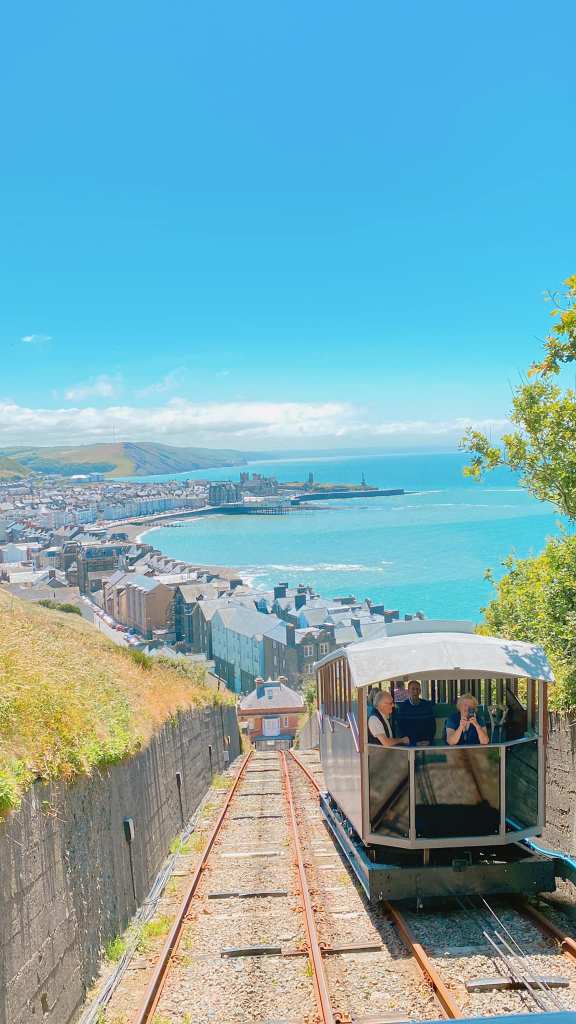
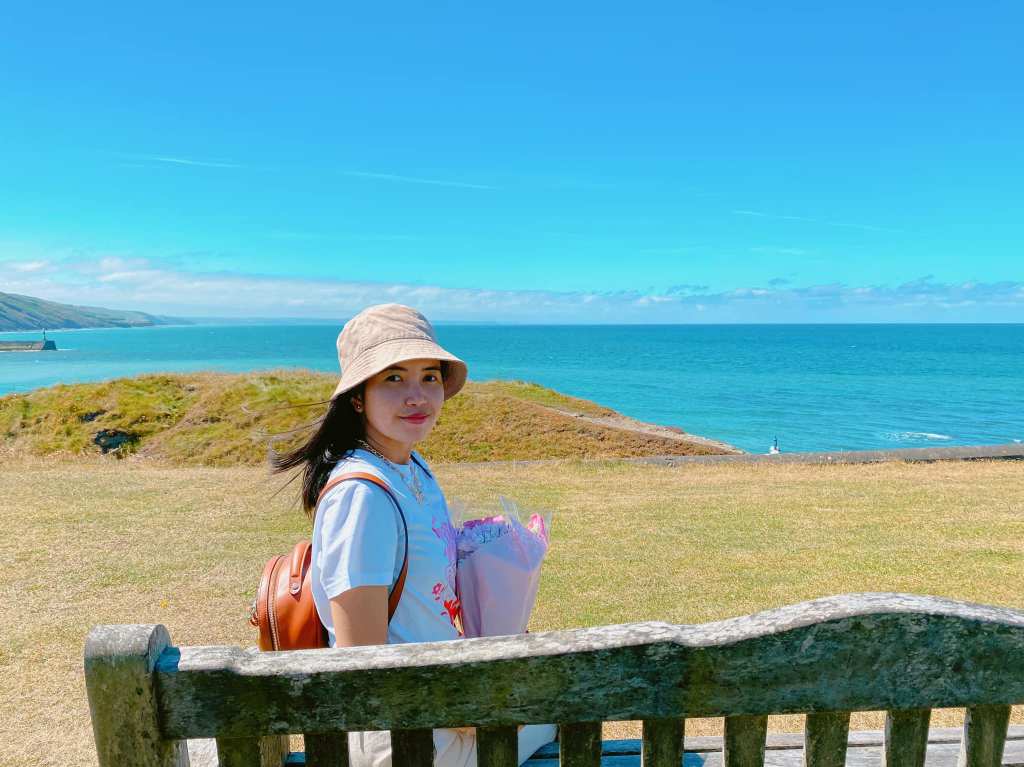

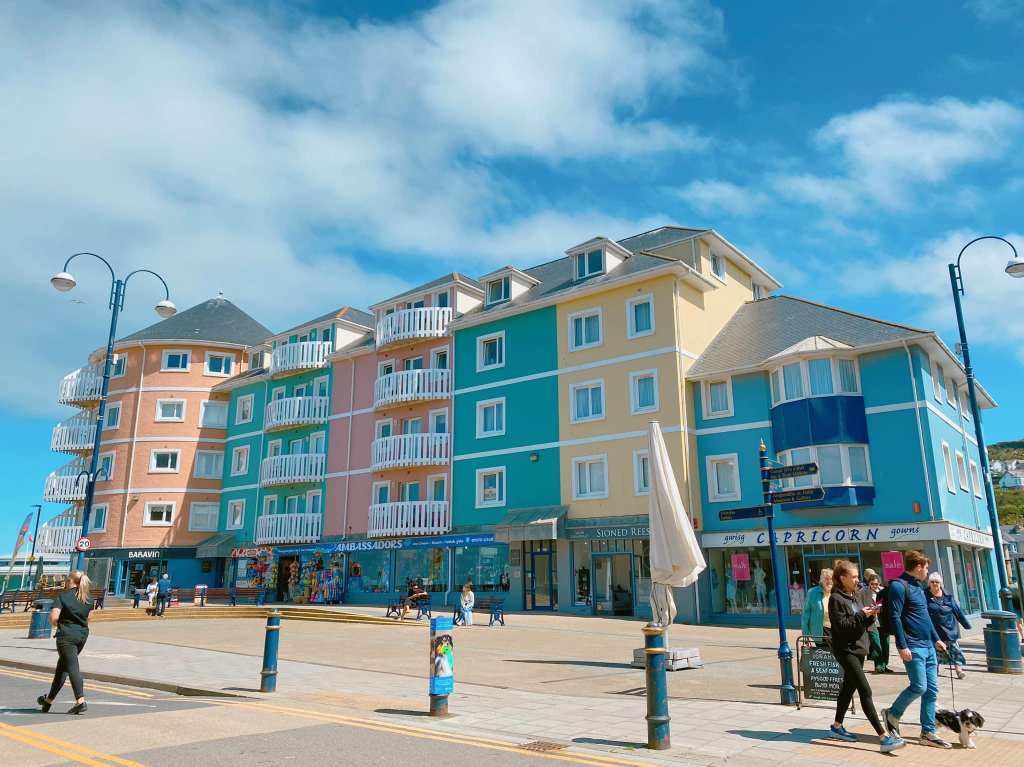
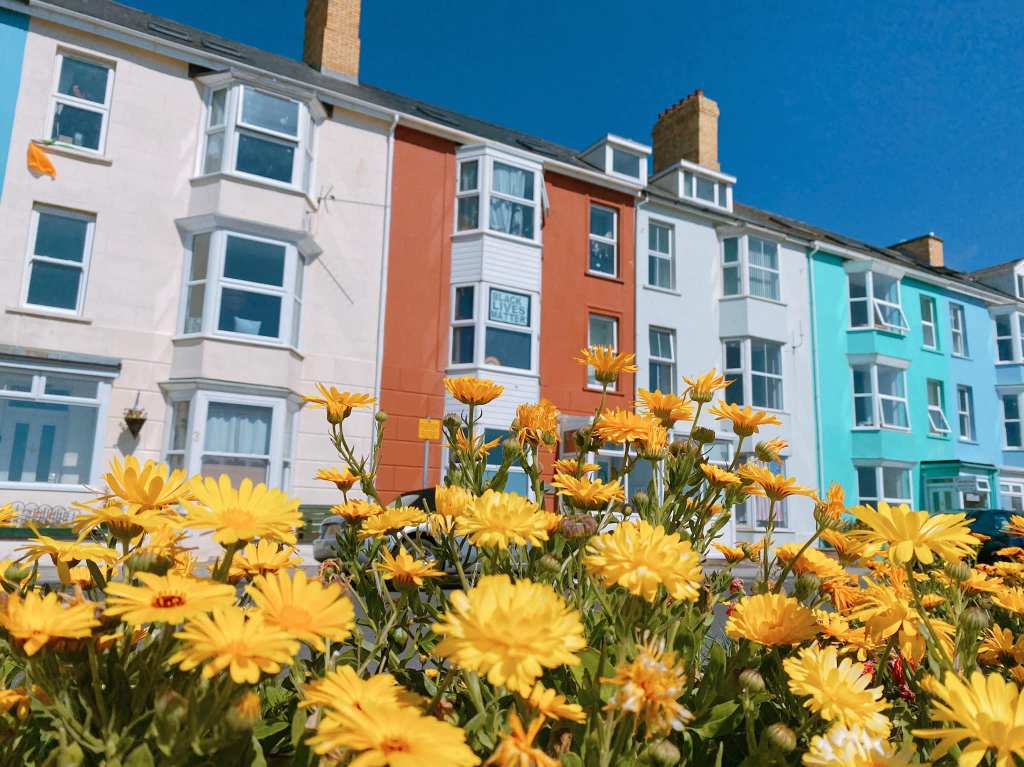
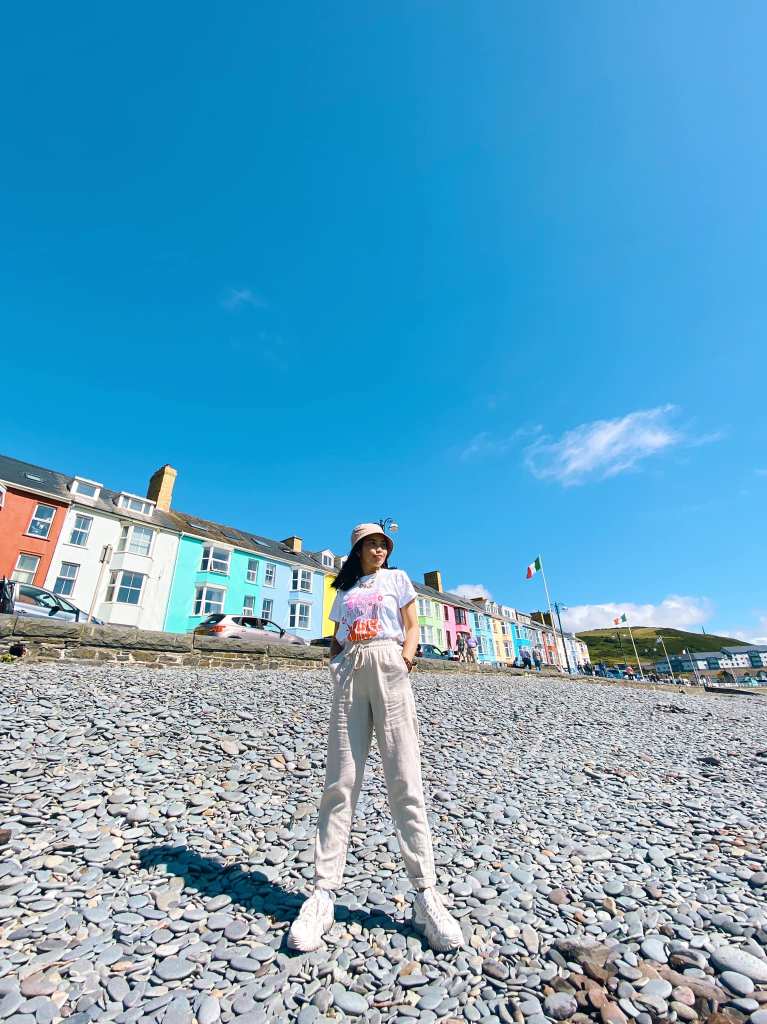
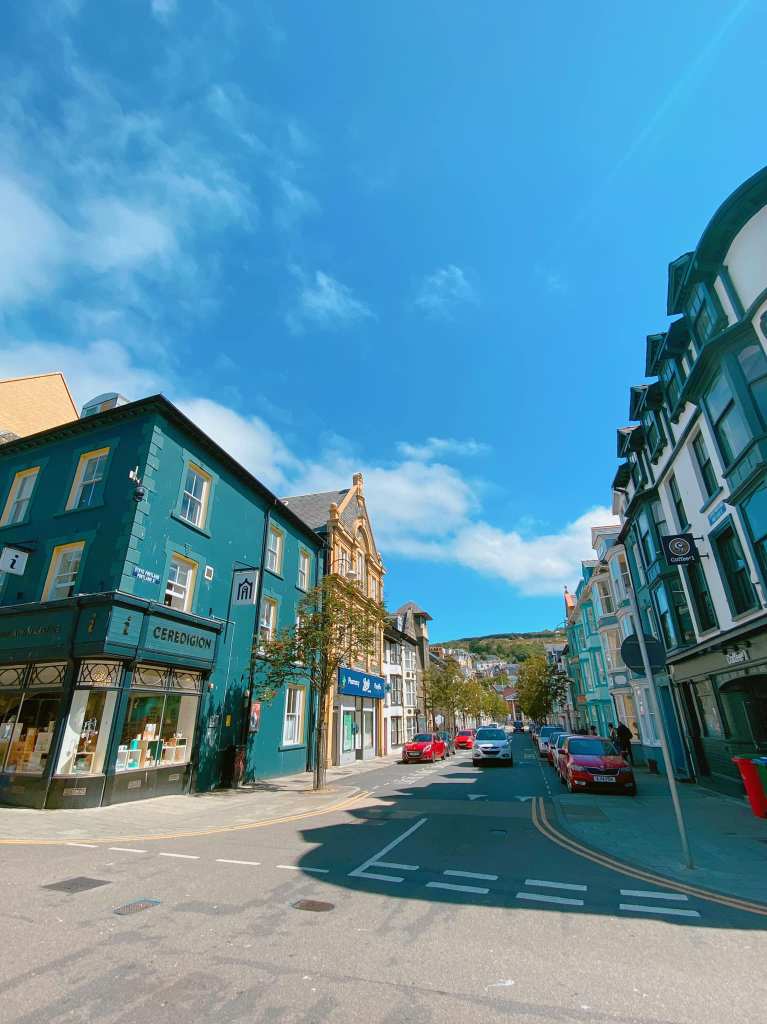
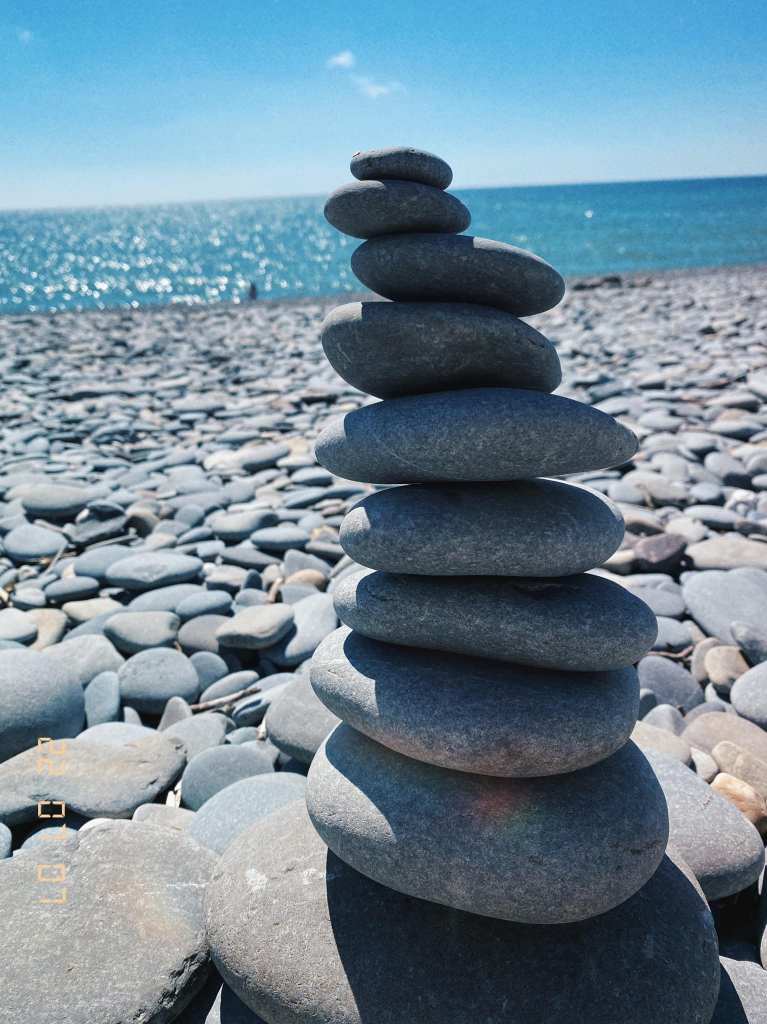
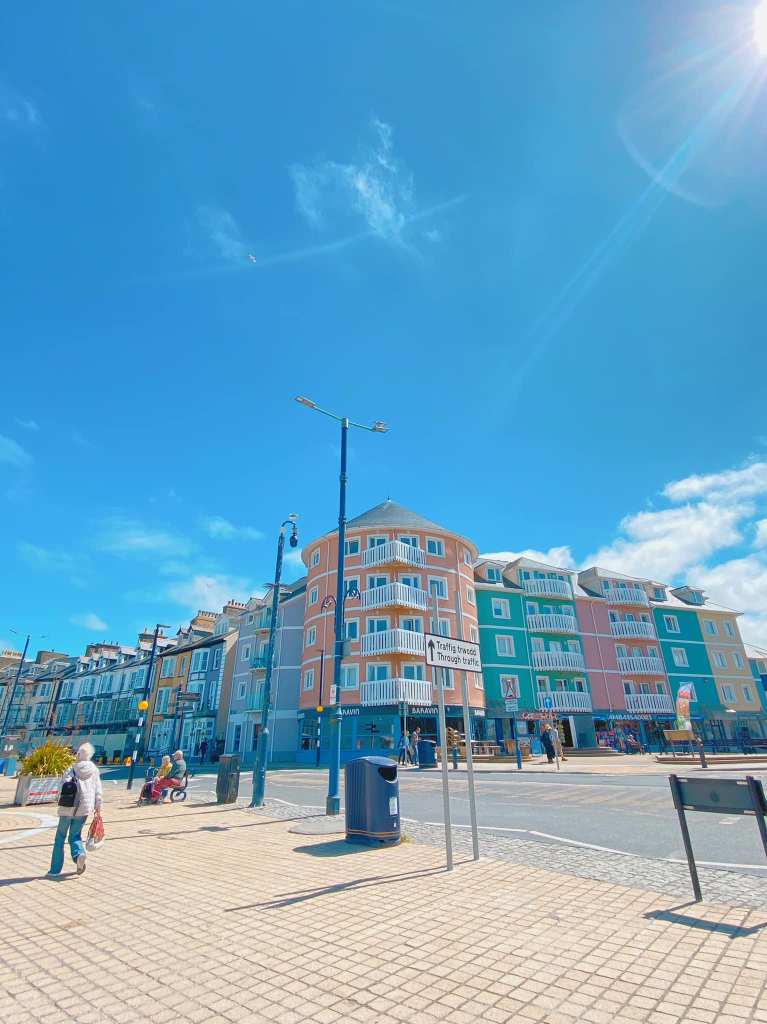
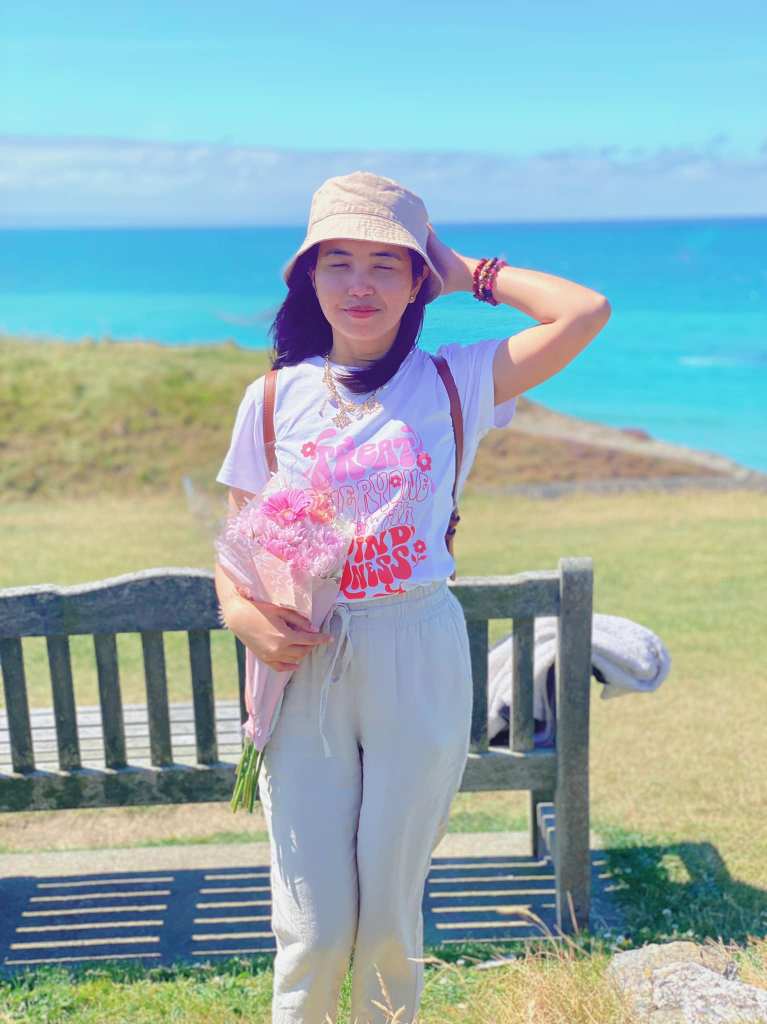
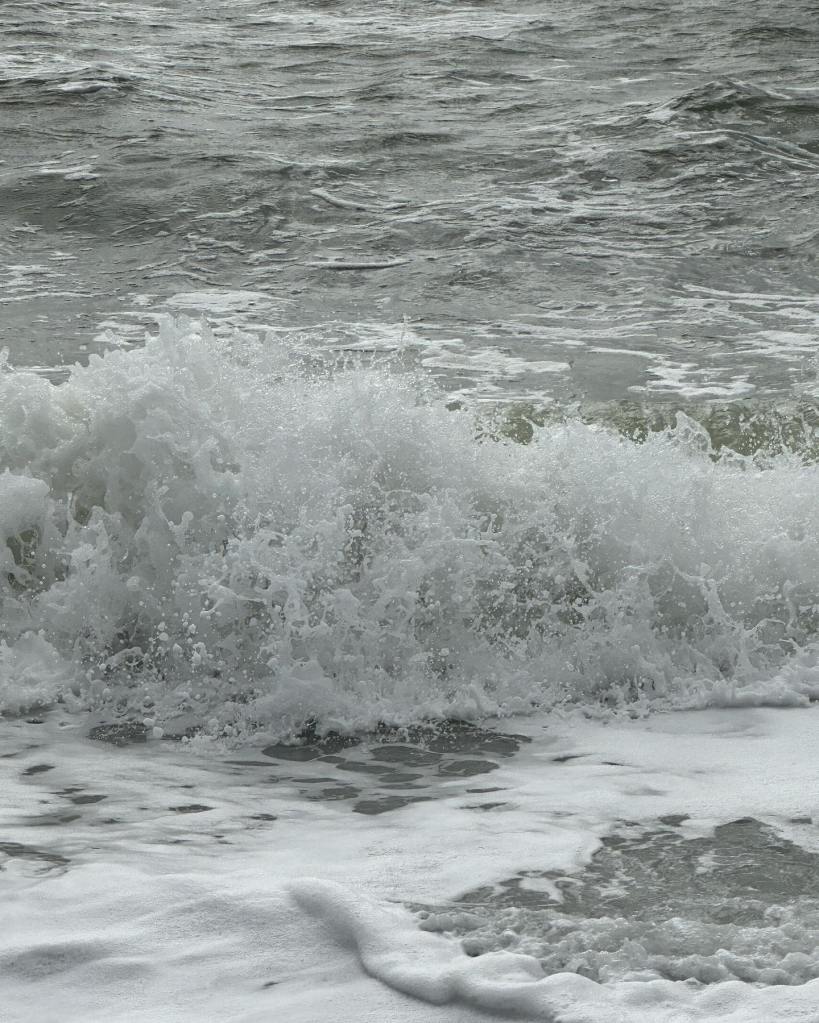
There is something about the sea that makes the problems we carry feel simultaneously real and smaller. Standing beside it does not solve anything, of course. The bills remain, the difficult conversations still wait, relationships remain complicated and decisions do not suddenly become obvious because waves are hitting a stone wall a few metres away. But the sea restores proportion. It reminds me that my thoughts, however consuming they feel from inside my own head, are occurring within a world vastly larger than them. I can stand there watching the horizon and remember that uncertainty is not an emergency simply because I dislike it, and that not every question has to be resolved before I am allowed to continue living the rest of the day. Perspective does not always give us an answer; sometimes it simply prevents the question from becoming larger than the whole of our life.
I remember visiting on my birthday in 2022 with a few close friends. There was laughter near the pier, takeaway food, conversations that wandered from one subject to another and the kind of wind that seems personally offended by anyone attempting to keep their hair tidy. I remember how light the day felt. For those few hours, the identities we usually carried so seriously seemed to loosen their grip. We were not primarily professionals, migrants, adults keeping track of responsibilities or people expected to have plans. We were simply friends beside the sea, eating, laughing and allowing an ordinary day to become enough. Perhaps one of adulthood’s quietest luxuries is finding people around whom you are allowed to temporarily stop being useful.
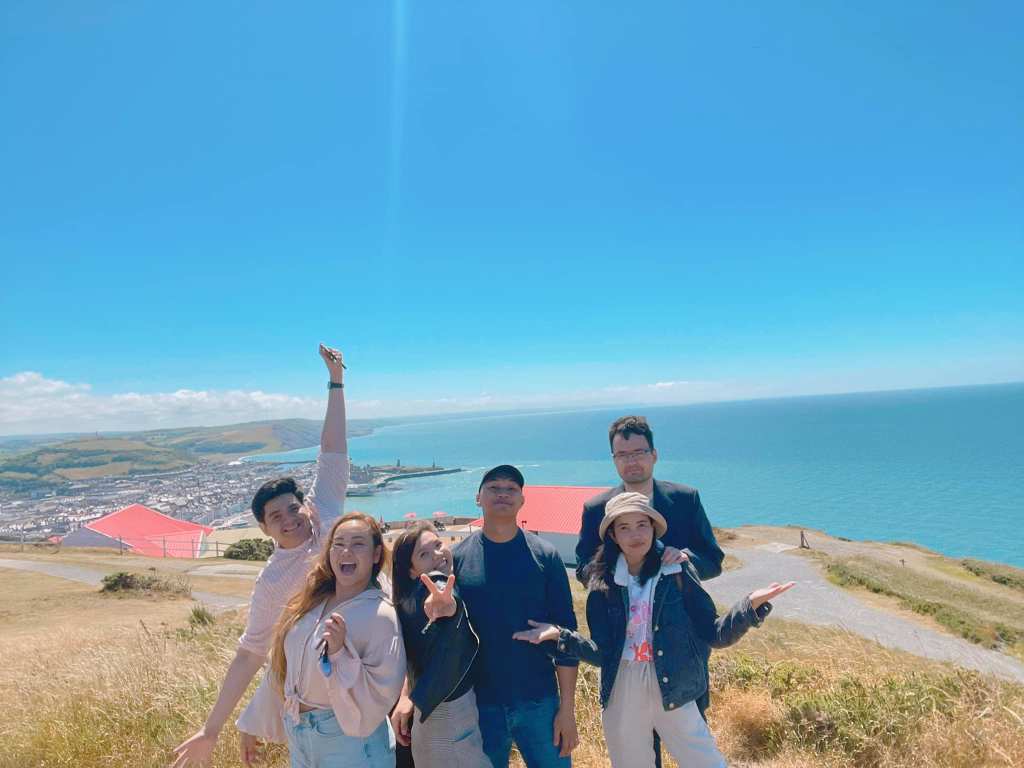
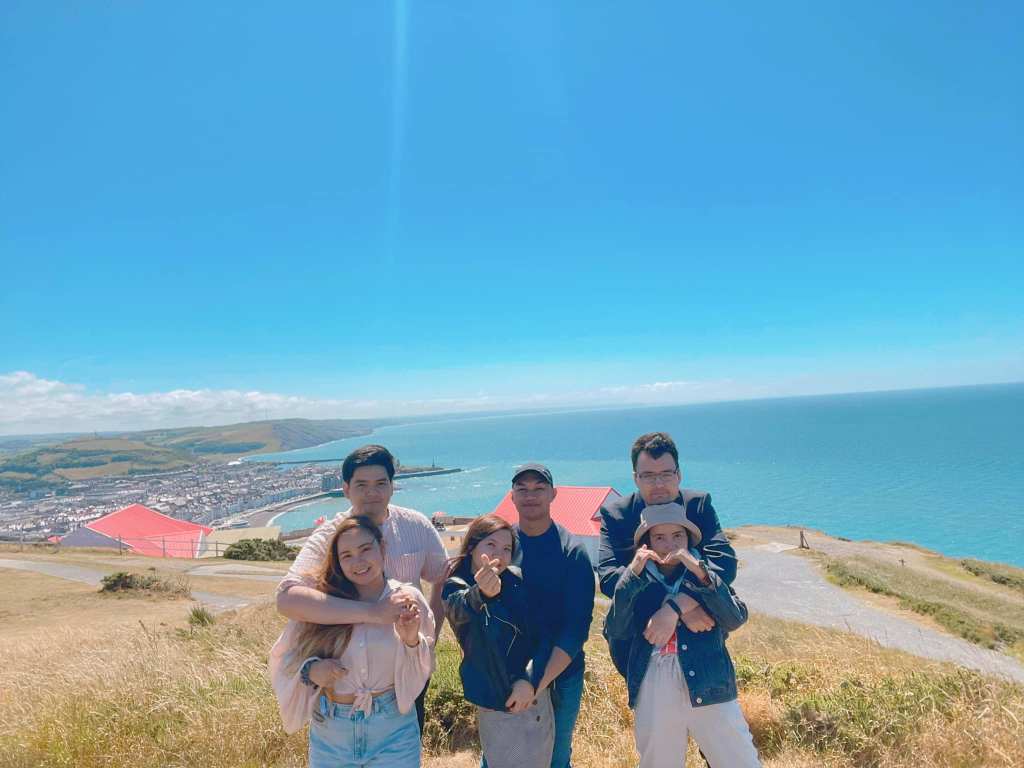
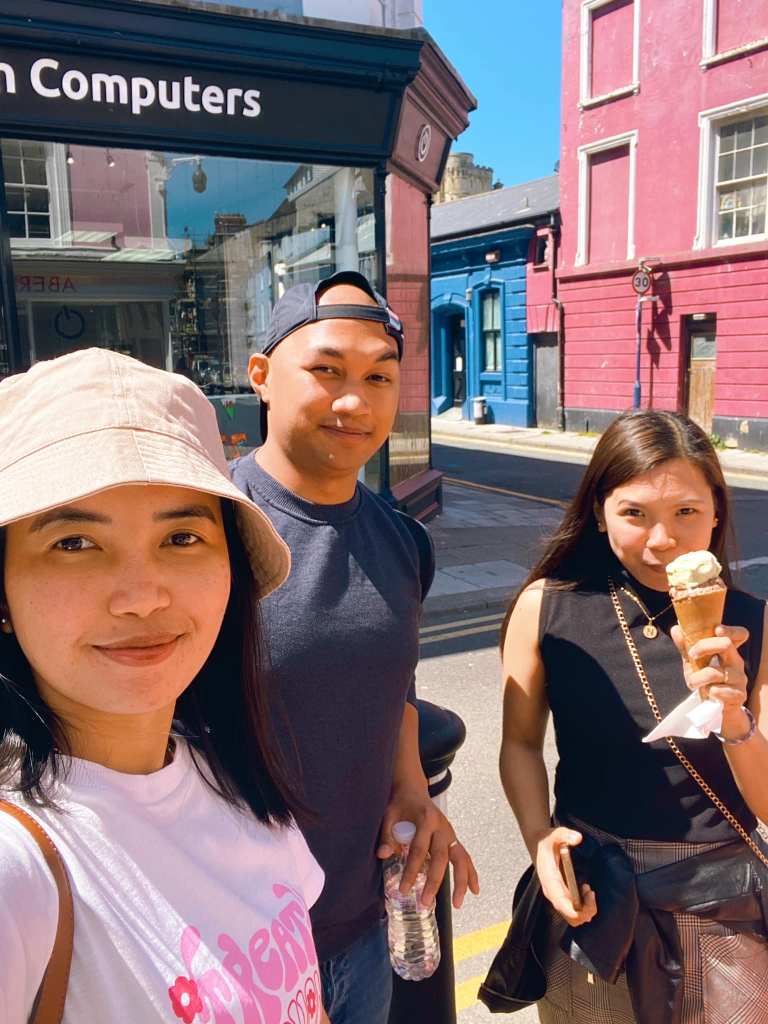
Birthdays have always made me reflective. They are supposed to be uncomplicated celebrations, yet I have never experienced them entirely that way. There is joy, certainly, but there is also that strange awareness of time: another year completed, another version of yourself becoming part of memory and another year beginning without any guarantee of what it will contain. Some birthdays arrive when life feels expansive; others arrive when survival itself feels worthy of acknowledgement. Being in Aberystwyth that year gave me a softer way to inhabit the day. I did not have to conduct an annual audit of everything I had achieved or failed to achieve. The sea had no interest in whether I was exactly where I imagined I would be by that age. It simply kept moving. Maybe birthdays are not deadlines for becoming the person we once imagined; perhaps they are invitations to notice the person life has actually been forming.
There have also been visits when I went alone, sometimes without telling many people beforehand. I would book the journey, bring something to read or write in and allow the day to unfold without requiring company. There is a particular freedom in travelling somewhere alone when the purpose is not adventure but space. Nobody asks what you want to do next. There is no itinerary to negotiate, no conversation that needs filling and no pressure to appear entertained. You can sit beside the sea for far longer than would make sense to anybody else and call that the plan. Those solitary visits taught me that being alone and being lonely are not synonymous. Sometimes solitude becomes the only room quiet enough for us to hear what we have been avoiding.
I have sat on the sea wall with thoughts that felt embarrassingly repetitive, asking myself the same questions in slightly different forms. Had I done enough? Was I making the right decision? Was I pursuing something because I genuinely wanted it or because I had become attached to proving that I could have it? Was I staying somewhere out of love, loyalty, fear or habit? Were the things occupying so much emotional space genuinely important, or had I simply been staring at them for so long that they appeared enormous? Aberystwyth never answered those questions for me, and perhaps that is precisely why the place became important. There are moments when what we need is not advice but enough silence to hear the answer we have been interrupting with our own fear.
I sometimes think of the town as a kind of confessional, although not because I arrive there expecting absolution. It is more that the landscape makes honesty easier. There is very little point pretending to the sea. You can tell yourself that you are fine while standing in a crowded room, moving through a shift, replying to messages or completing the thousand small tasks that keep life functioning, but the performance becomes more difficult when you are sitting alone watching waves reach the shore and retreat again. Silence has a way of removing the distractions we use to avoid ourselves. It can be uncomfortable, but it can also be clarifying. We spend so much time asking other people to understand us that sometimes we forget how much effort it takes to understand ourselves.
There is also something instructive in the repetition of the tide. Water arrives, withdraws and returns without interpreting any part of the movement as failure. Human beings, by contrast, often treat any return to an old emotion or question as evidence that we have somehow gone backwards. We think we should have finished grieving by now, stopped caring by now, made the decision by now or become entirely unaffected by something simply because enough time has passed. The sea offers a different rhythm. Returning is not necessarily regression. Sometimes we revisit the same questions because we are meeting them as different people. The fact that something returns does not mean we have made no progress; sometimes it means we are finally strong enough to understand another layer of it.
Aberystwyth has changed for me, too, because I have not always gone there alone. I have walked its streets with my partner, our footsteps settling into the same easy rhythm while conversations appeared and disappeared without either of us needing to fill every silence. There is something unexpectedly tender about bringing somebody you love into a place that once belonged mainly to your solitude. At first, I think part of us wonders whether sharing it will somehow alter the sanctuary, whether the place will stop feeling entirely ours once another person has entered the memory of it. Instead, I discovered another kind of peace. The town did not become less personal; it simply acquired another layer.
Walking there together made me realise that solitude is not the only environment in which we can find ourselves. Sometimes we are restored through being properly accompanied. There are people whose presence does not crowd our inner world but gives it more room. You can walk beside them without performing happiness, without maintaining conversation simply to prevent silence and without needing to explain every thought before they respect it. The right companionship does not always pull us out of ourselves; sometimes it makes us feel safe enough to return more deeply to who we are. That is a different kind of peace from sitting alone beside the sea, but I have learned to value both.
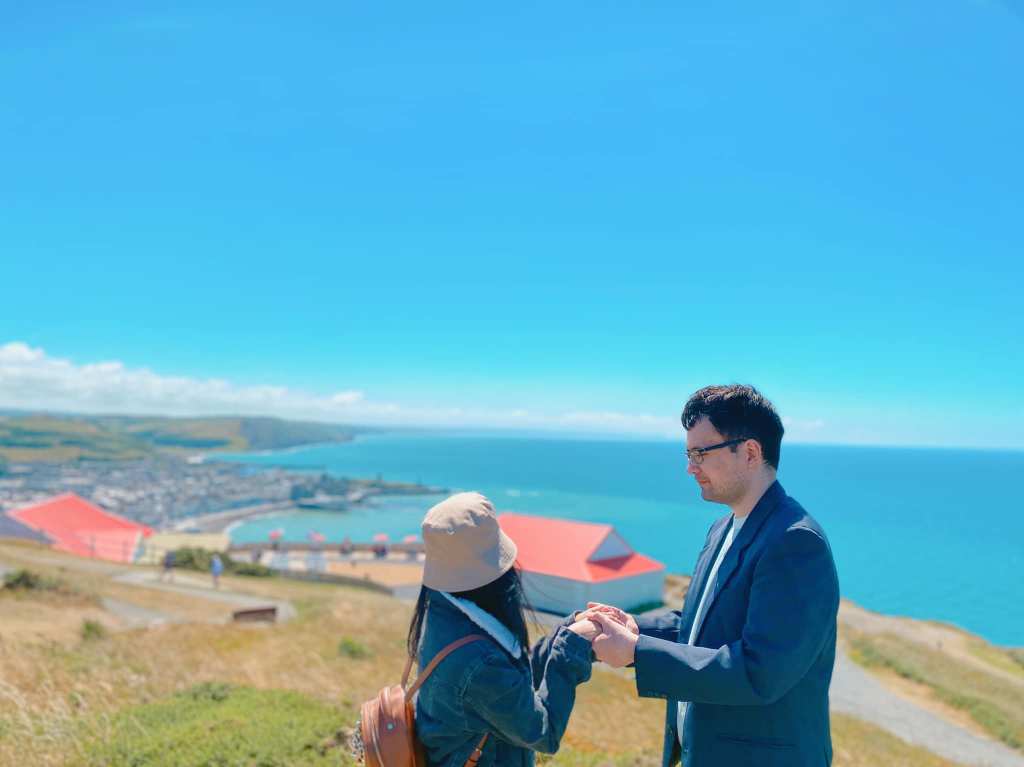
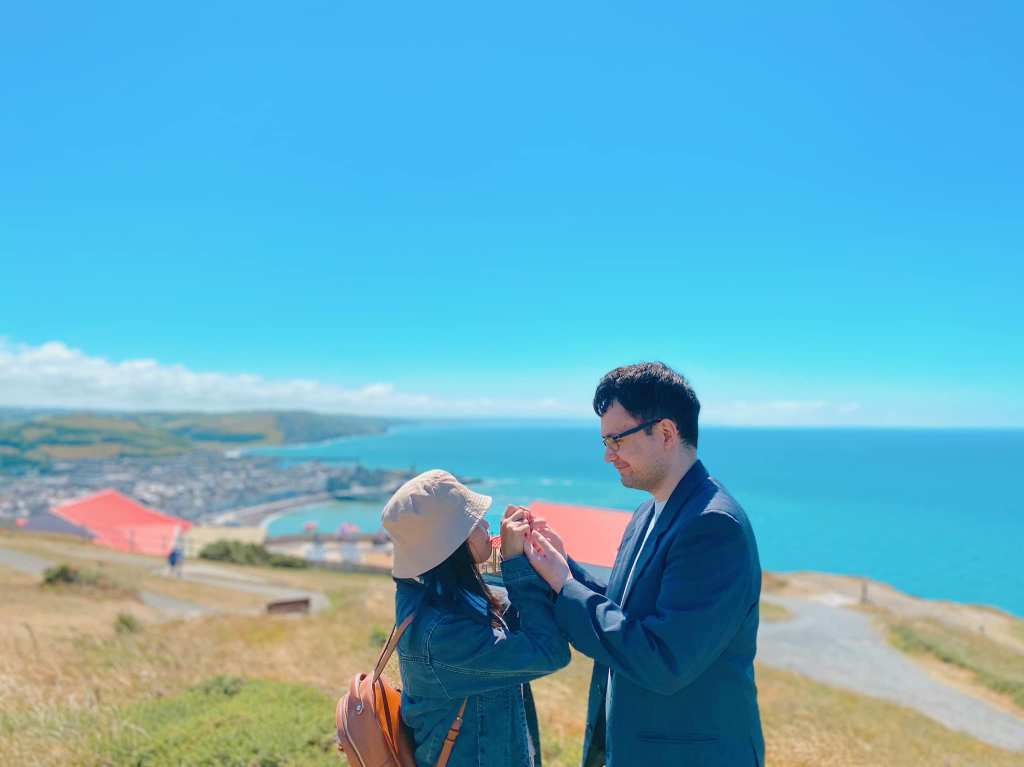
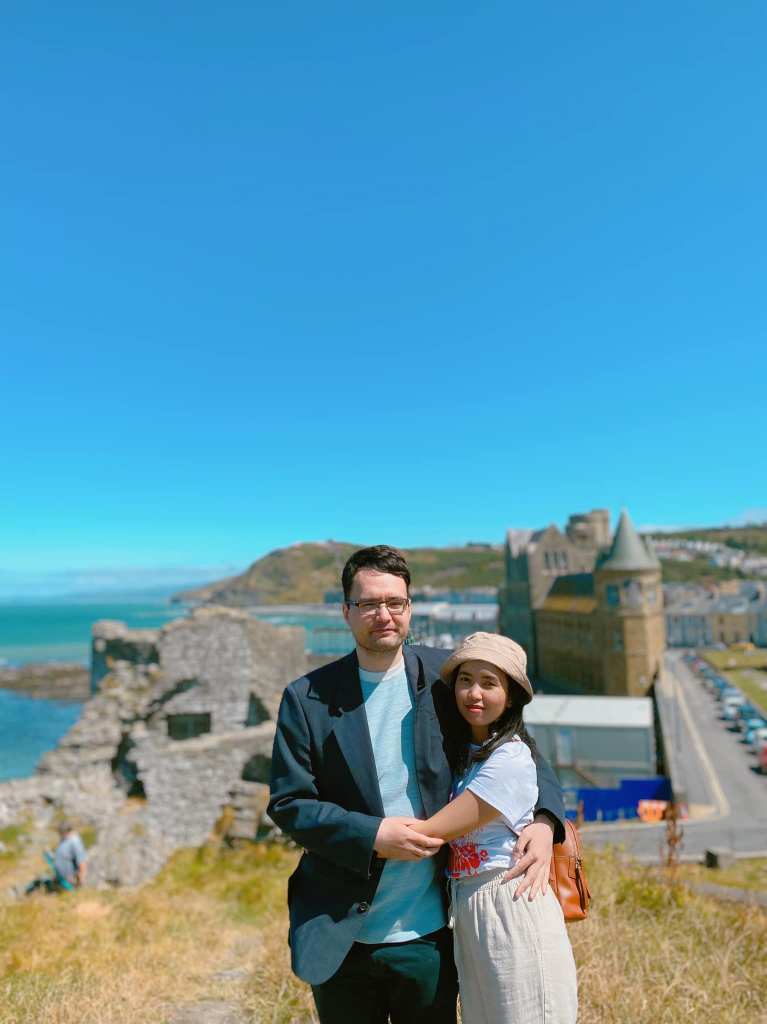
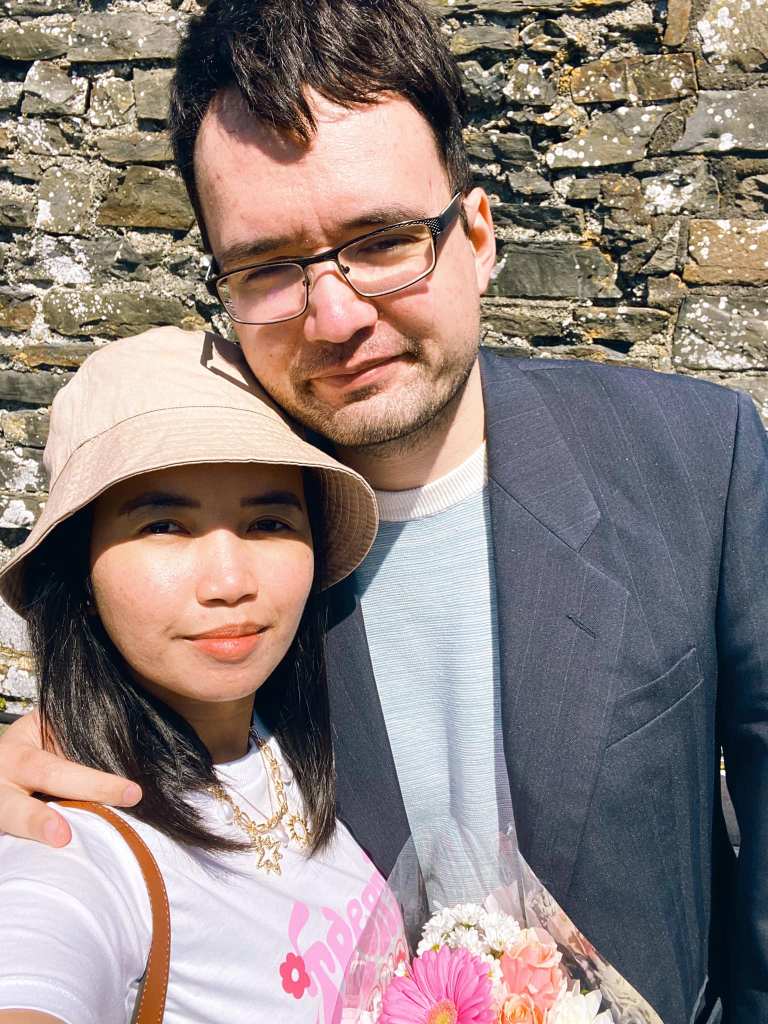
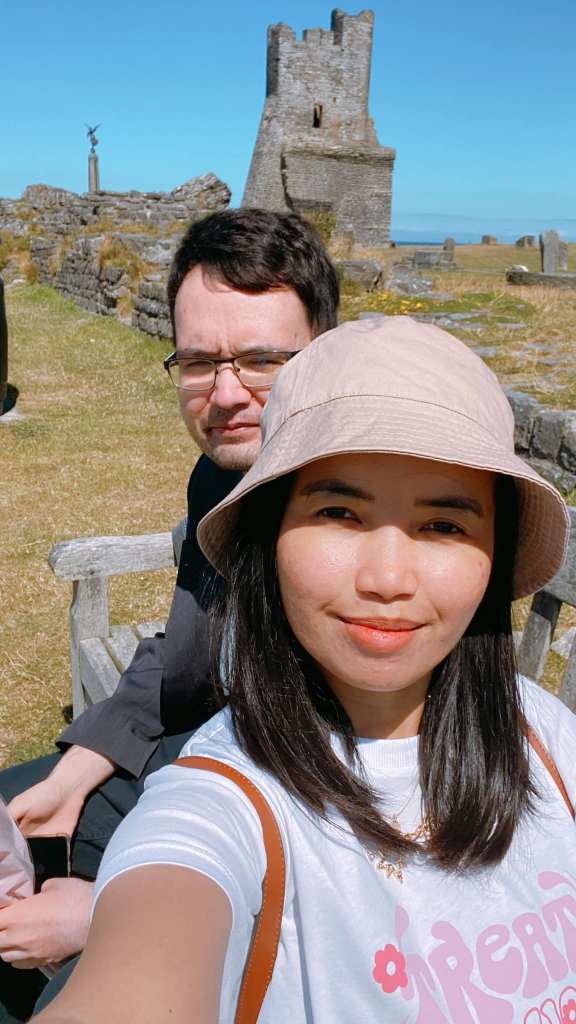
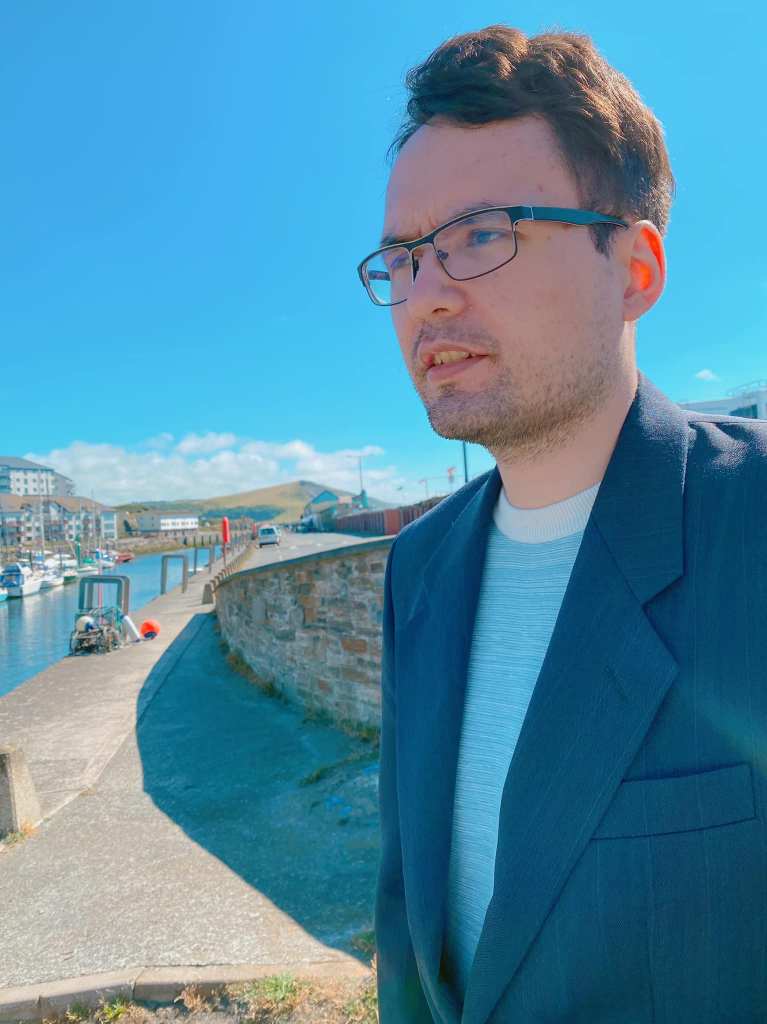
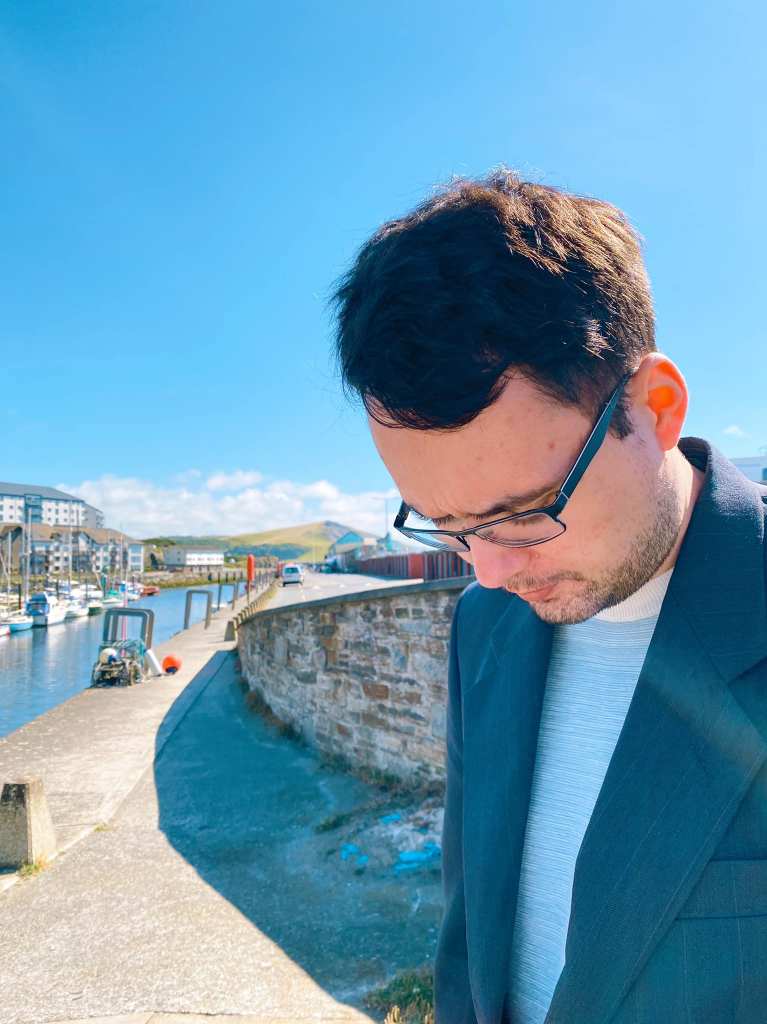
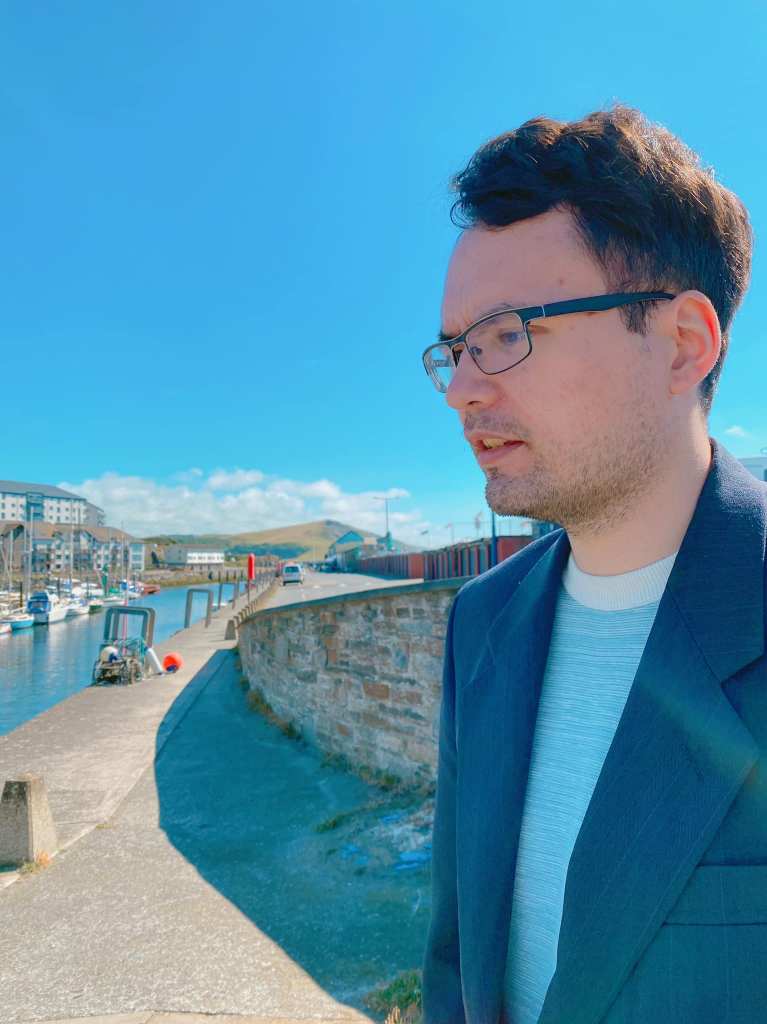
More recently, before my mother returned to the Philippines, I brought her there as well. Of all the visits, that one carried a different kind of weight because I was sharing with her something I had rarely been able to explain properly. She knew Aberystwyth was somewhere I loved, but knowing that intellectually is different from standing beside the same sea and walking the same streets that had witnessed so many private versions of me. Watching her there felt strangely full circle. The place that had held me through homesickness now contained a piece of home itself.
There was something profoundly moving in that contradiction. I had spent years going to Aberystwyth partly because I missed home, and then one day my mother was walking beside me through the place I had used to survive that distance. It made me think about how migration divides a life into multiple geographies. One place contains our origins, another contains our daily existence, and occasionally we discover a third place that seems to mediate between them. Aberystwyth became that for me: not home in the conventional sense, but somewhere that helped me carry the distance between the Philippines and the life I had built in Britain. Sometimes belonging is not choosing between the places that made us; sometimes it is learning how to allow several places to live inside us at once.
Bringing my mother there felt almost like showing her a private room in my life. There were things that could never be fully communicated through phone calls: the particular loneliness of some decisions, the weight of certain seasons, the strange emotional geography of being far from family while constructing an adult life somewhere else. I did not need to narrate every memory as we walked. The significance was in her being there. For once, someone from the home I missed was standing inside the place I had found when missing home became too heavy. Perhaps that is one of the most intimate things we can offer another person—not merely access to where we live, but access to the places that have quietly helped us become who we are.
The older I get, the more convinced I become that landscapes participate in memory. A photograph can show the pier, the promenade, the sea and the buildings, but it cannot photograph what those places mean to the person standing behind the camera. The same bench can be ordinary furniture to one visitor and the location of a life-changing conversation to another. A particular stretch of coastline can contain a birthday, a decision, a goodbye, an afternoon of laughter and an hour of silent crying without appearing any different to the next person who passes it. Places become sacred because human beings are constantly leaving invisible parts of their lives inside them.
That may explain why returning somewhere familiar can feel so strange. You walk down the same street, but you are not the same person who first walked it. The buildings may look nearly identical, the sea continues its ancient routine and the wind remains characteristically uninterested in your hairstyle, yet you are carrying experiences the earlier version of you could not have imagined. Every return quietly introduces us to the distance between who we were and who we have become. Sometimes that distance makes us proud. Sometimes it makes us tender towards the person we used to be. Sometimes we realise that something we once believed would destroy us has become a story we can now remember without being consumed by it.
This is one reason I do not believe we ever truly return to the same place. Geography can remain stable while meaning changes completely. The Aberystwyth I visited with friends on my birthday is not precisely the Aberystwyth where I sat alone with unanswered questions, nor is it exactly the town I later walked through with my partner or shared with my mother. The streets overlap, but the emotional maps are different. We revisit places, but we can never revisit moments; every return is a meeting between a familiar landscape and a version of ourselves that has never stood there before.
Perhaps that is also why I resist the idea that places “heal” us. Aberystwyth has never repaired my life, and I do not think I would want to place that responsibility on a town. It has not answered every question, removed every grief or prevented me from making mistakes. I have returned from the coast and still had difficult decisions waiting. I have left the sea behind and carried the same unresolved emotions home with me. What the place offers is subtler and, in some ways, more valuable: enough quiet to stop confusing urgency with importance. It reminds me that not everything needs fixing immediately, and not every uncomfortable emotion is a problem to be eradicated. Sometimes peace is not the resolution of what troubles us; it is the discovery that we can sit beside what troubles us without allowing it to become the whole landscape.
That lesson has followed me beyond Aberystwyth. There have been periods of my life when I felt compelled to solve everything quickly, perhaps because uncertainty seemed intolerable. I wanted decisions made, relationships understood, futures mapped and questions neatly labelled before moving forward. But some parts of life refuse that kind of organisation. People change. Plans fail. Opportunities appear late. Grief arrives without respecting our schedules. Faith sometimes asks us to walk without showing us where the road ends. In those seasons, forcing clarity can create more exhaustion than clarity itself. The coast taught me a gentler possibility: sometimes we can allow something to remain unresolved while continuing to live around it.
There is freedom in admitting, “I do not know yet.” We often mistake indecision for weakness, but sometimes refusing to manufacture an answer is the most intellectually honest response available. Not every situation provides enough information immediately. Not every feeling has finished revealing what it means. There are decisions that become clearer only after time has removed the panic from them, and there are relationships we understand differently once we stop trying to control their outcome. Clarity often arrives not when we interrogate life more aggressively, but when we become quiet enough to notice what remains true after the noise has subsided.
The sea seems particularly suited to teaching patience because it has no interest in our preferred timing. We cannot ask the tide to remain because the view is beautiful, nor convince the weather to cooperate because we travelled a long way to be there. We adapt. We put on another layer, move closer to shelter or simply accept that the day will look different from the one we imagined. There is something useful about being reminded that our preferences are not laws of nature. Much of adulthood is learning to participate in realities we did not design, and perhaps grace lies partly in becoming adaptable without becoming indifferent.
Faith has entered many of my Aberystwyth visits too, even when no formal prayer was involved. Sometimes prayer has been nothing more than sitting somewhere quiet and allowing my thoughts to stop pretending they were entirely self-sufficient. I have asked God questions beside that water that did not receive immediate answers. I have also returned later and realised that some answers arrived through time rather than revelation. Faith does not always provide us with certainty about what comes next; sometimes it gives us enough trust to stop treating uncertainty as evidence that we have been abandoned. The horizon helps me remember that my inability to see beyond a particular point does not mean there is nothing beyond it.

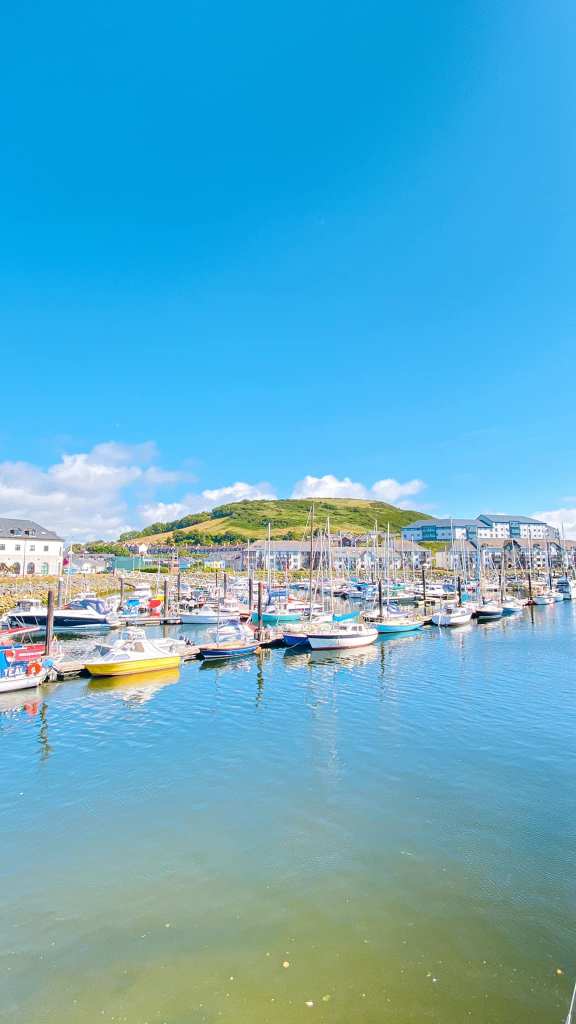
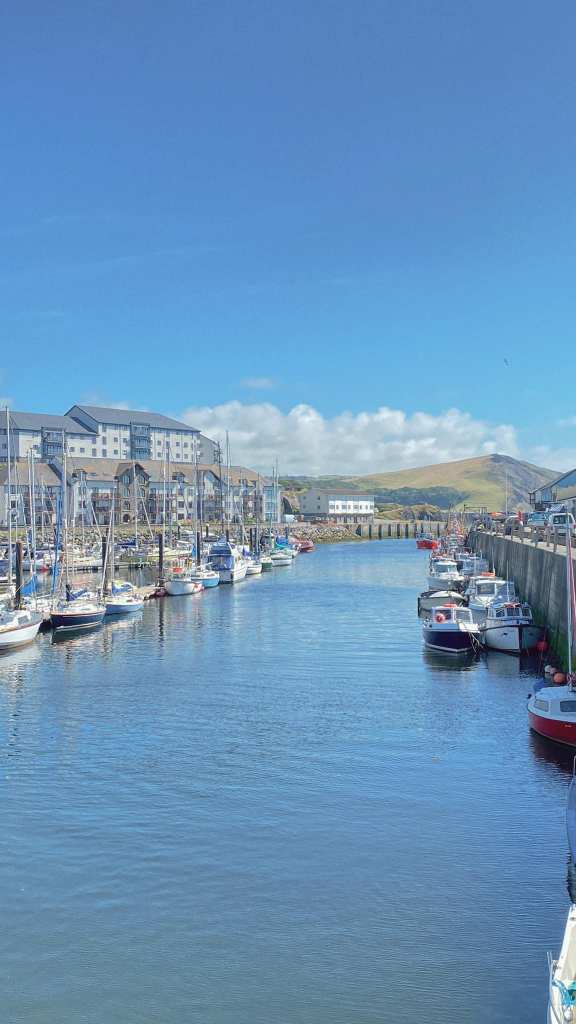
So, if you ever find yourself searching for clarity, or aching for something you can’t quite name—find your own Aberystwyth. That sacred place where you are not expected to have the answers. Where you are allowed to be in between seasons. Where your sadness can rest beside your joy without having to choose between them.
Let the wind carry what you cannot name. Let the waves tell you that beginnings don’t always have to look like progress. And when you go back—because you will—let that return remind you that your journey has never been linear, but it has always been true.
Aberystwyth will always be mine. The place I go to when I don’t know where else to go. The place that doesn’t fix me, but lets me feel whole anyway.I sometimes wonder whether everyone has an Aberystwyth, even if it has another name entirely. Perhaps yours is a childhood garden, a particular church pew, a mountain path, a coffee shop where nobody bothers you, a city you keep revisiting or simply one chair beside a window where the world becomes quiet enough to think. It does not need to be picturesque. Sacredness has very little to do with tourism. What matters is that somewhere in that place, the demands of performance begin to loosen. You remember that before you were your profession, your responsibilities, your disappointments, your ambitions or the person everybody expected you to be, you were simply yourself.
Maybe that is why certain places become necessary. Modern life gives us endless opportunities to construct identities around usefulness. We become the person who organises, solves, works, provides, responds, plans and keeps going. Those parts of us matter, but they are not the whole of us. There should also be somewhere we are allowed to exist without producing anything. Somewhere we do not have to prove that the trip was productive, the day was successful or the quiet accomplished something measurable. A life cannot be sustained entirely by places where we are needed; sometimes we also require places where we are simply allowed to be.
Aberystwyth has become that place for me. It has held birthdays and homesickness, companionship and solitude, hope and uncertainty. It has seen me arrive with friends, walk beside someone I love, bring my mother into a part of my life she had previously known only through stories and sit alone when I was unsure what I wanted from the future. None of those visits gave me a completely new life. Perhaps they did something smaller and more important: they returned me to the life I already had with slightly clearer eyes.
That is the strange thing about searching for ourselves. We often imagine that finding ourselves will involve discovering an entirely new person hidden somewhere beneath our confusion. But perhaps most of the time we are not lost in that dramatic sense. We are simply covered over by noise, responsibility, other people’s expectations, fear and the accumulation of too many thoughts competing to become urgent at once. Sometimes finding yourself is not becoming someone new; it is removing enough noise to recognise the person who has been there all along.
So if life ever feels louder than your own thoughts, I hope you find your version of Aberystwyth. Find somewhere that does not demand an explanation for your arrival. Go there when you are celebrating and when you are confused, when you need company and when you need solitude. Allow yourself to sit without turning every quiet moment into a problem-solving exercise. Let the wind interrupt the thoughts you have been rehearsing too often, let the horizon remind you that life extends beyond whatever occupies today’s foreground, and let yourself remain unfinished for a little while.
I know I will return to Aberystwyth again. I may arrive carrying an entirely different set of questions next time, and perhaps the person walking along the promenade will be another version of me altogether. The sea will probably remain indifferent to all of it, continuing to arrive and retreat as it always has, and I find something reassuring in that. There are places that change our lives by giving us something new, but there are others whose gift is simply reminding us of what was already there. Aberystwyth has never promised to fix me, explain me or tell me where to go next. It has done something much quieter: whenever life has made me feel far from myself, it has given me somewhere familiar enough to return until I can hear my own footsteps again.
And perhaps that is why, after all these years, I no longer think of Aberystwyth merely as somewhere I visit. It has become part of the geography of my inner life, a coastline mapped not only by roads and coordinates but by birthdays, conversations, unanswered prayers, laughter, photographs, difficult decisions and ordinary afternoons that became meaningful only afterwards. I return because every version of me seems to have left something there, and each visit allows me to meet those earlier selves without needing to become them again. Some places do not give us answers; they give us enough stillness to remember that we can continue without having all of them. Perhaps that is what Aberystwyth has always been for me: the town I go looking for when, somewhere along the way, I need to find myself again.


























Leave a Reply