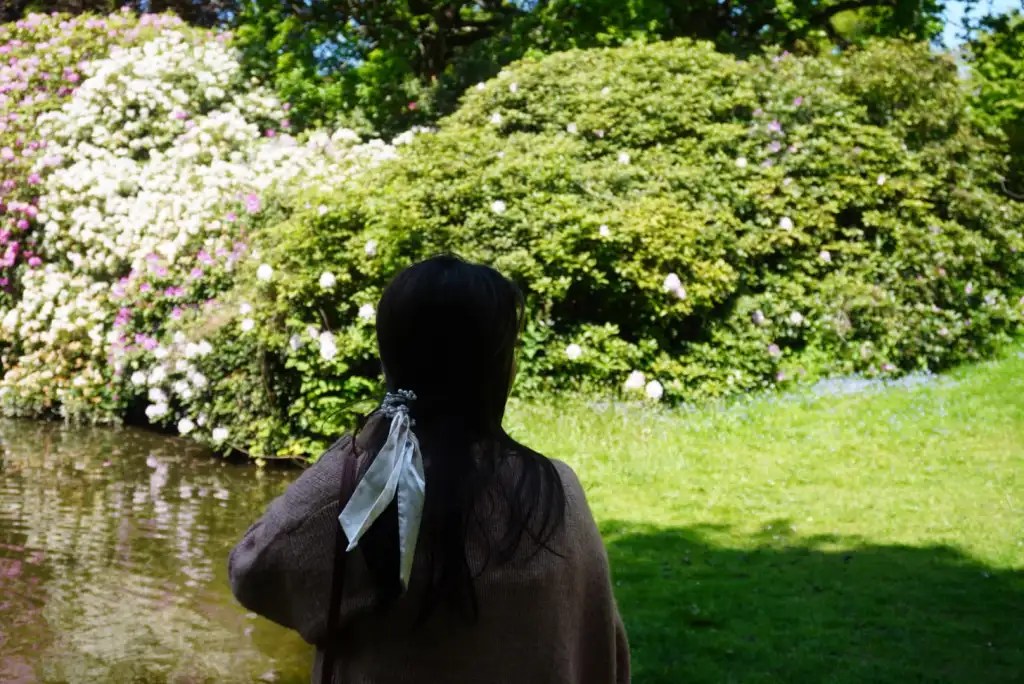
There was a time when I used two very clear words whenever I talked about where I lived: home and here. Home was Cebu—warm, noisy, familiar, full of family, food, stories, interruptions and the sort of weather that never required a serious relationship with a coat. Here was England, where I worked, paid bills, checked the forecast before leaving the house and slowly learned that “you alright?” was not necessarily a request for a detailed health update. The distinction felt neat. Home was there. I was here. Simple enough.
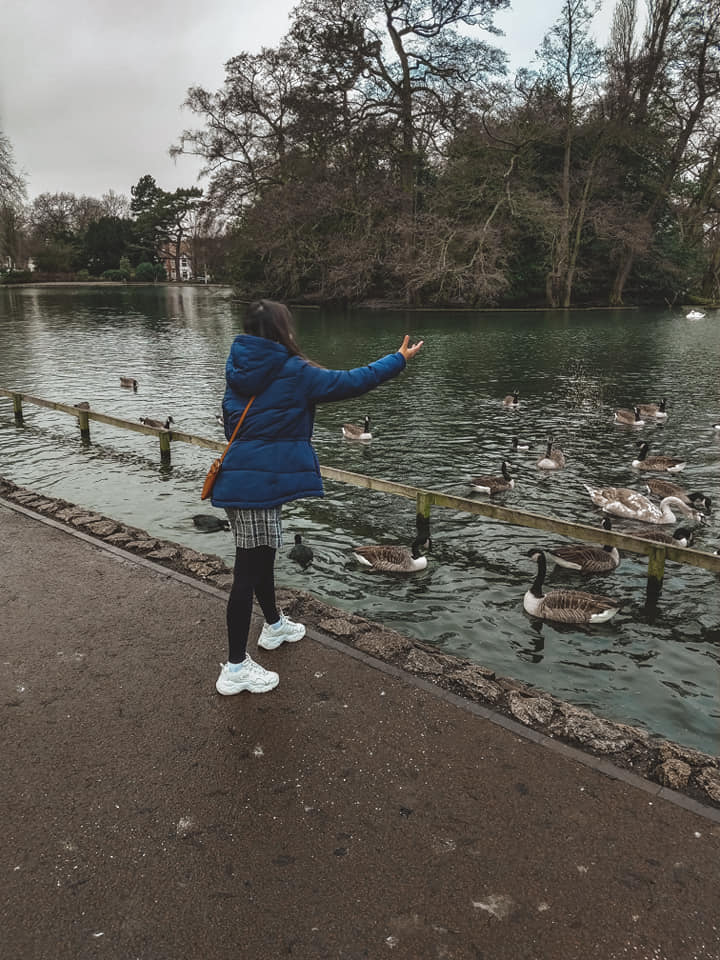
One afternoon, I found myself walking beside the canal on a rest day, the air cool against my face and the path still damp from earlier rain. Geese drifted across the water with the confidence of creatures who had never once doubted their right to occupy public space. Trees leaned over the towpath, their leaves moving lightly in the wind, while somewhere behind me a cyclist rang a bell with enough urgency to suggest I had personally disrupted national transport infrastructure. I stepped aside, watched the water settle again and realised I knew exactly where I was going without checking my phone. That should not have felt significant, but it did. There was no dramatic revelation, no orchestra, no beam of light. I simply knew the path. I knew which turn came next, where the benches were, which stretch became muddy after rain and roughly where the geese liked to hold informal border control. Somewhere along the way, the unfamiliar had become routine.
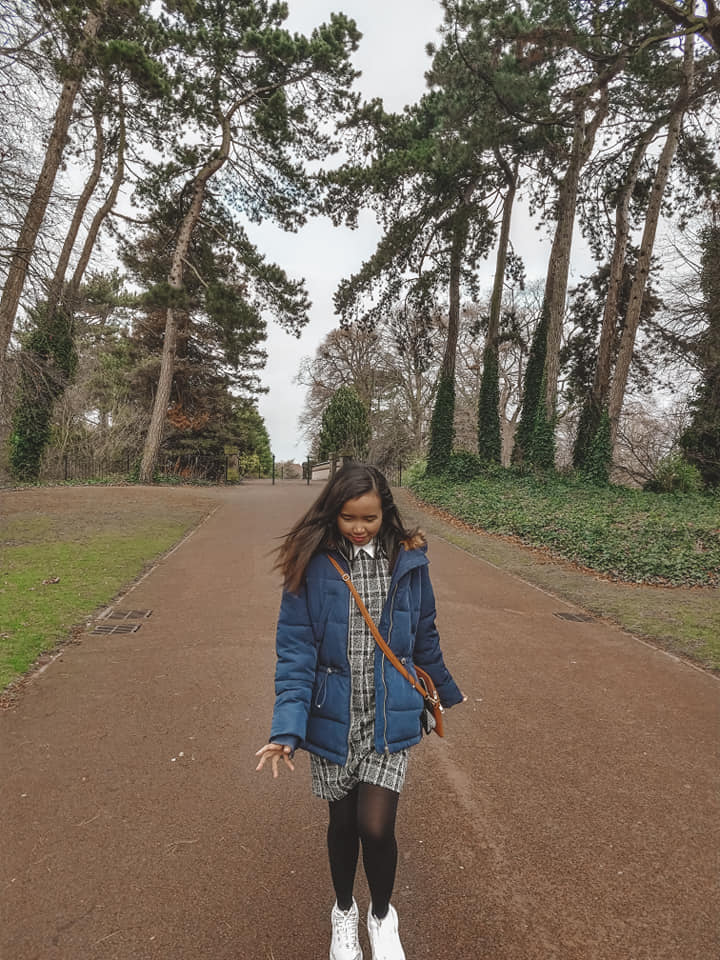
I think that is how belonging often happens, not through one grand moment but through repetition. One road you stop needing directions for. One shop where you already know which aisle has what you need. One neighbour who waves. One bus route you stop overthinking. One park bench you have sat on enough times to stop noticing it is part of your life. When I first moved here, ordinary things required concentration. Accents demanded my full attention. Public transport felt like an exam I had not revised for. Grocery shopping occasionally involved converting pounds into pesos in my head and immediately regretting the calculation. Weather became strategy. I learned that a bright sky could not always be trusted and that leaving the house without an umbrella was occasionally an act of optimism unsupported by evidence. At first, the city felt like somewhere I had moved to. Then, slowly, it started behaving like somewhere I lived. That is different.
Belonging has less to do with landmarks than people sometimes think. I do enjoy the green spaces, the parks, the canal paths, the old buildings and the streets that carry more history than I can see, but what made the place feel less foreign were the small human details. The bus driver who waits an extra few seconds. The neighbour who waves. The cashier who remembers your face. The colleague who asks if you are alright and actually waits for the answer. The stranger who holds a door open when your hands are full. None of these things are spectacular, and that is probably why they matter. Grand gestures are easy to remember. Small kindnesses are what make daily life livable.
I also grew to love how many different worlds seem to exist beside each other here. Walk far enough down one street and you can hear accents from several countries, smell food from kitchens carrying completely different histories, see groceries imported from places somebody else still calls home and hear conversations switch between languages in the space of a few steps. I find comfort in that, perhaps because migration can make you intensely aware of difference. You know what it is like to miss a flavour no supermarket seems to stock. You know what it feels like to hear your own language unexpectedly and turn your head before you have even thought about it. You understand why somebody buys a particular ingredient from a small shop even though there are bigger supermarkets nearby. Food is rarely only food when you live far from where you learned to eat it. Sometimes it is memory with packaging. The diversity here reminded me that belonging does not always require sameness. You do not need everyone around you to come from the same place to feel welcomed. Sometimes belonging is simply being allowed to bring where you came from with you.
For a long time, I worried that becoming comfortable here meant becoming less connected to Cebu. It does not. Cebu is still home. That word has never become smaller. I still miss the heat, though perhaps selectively. I miss the sound of familiar voices, family gatherings, food that tastes right without requiring adaptation, conversations that need no cultural translation and the particular chaos of Filipino life that can feel exhausting when you are inside it and precious when you are far away. Distance did not weaken those things. If anything, it sharpened them. But I eventually realised that home is not a competition. One place does not have to lose for another to matter. That thought gave me permission to notice what I had built here without feeling disloyal to what built me first.
I began noticing the seasons more. Cebu did not teach me to pay much attention to bare branches. England did. There is something humbling about watching the same tree change completely across a year: green, gold, bare, then alive again. The first time winter stripped everything back, I thought the landscape looked almost unfinished. Now I understand the rhythm better. Some things disappear for a while without being gone. That lesson has been useful far beyond trees. I learned patience here in ways I did not expect. I learned that not every season needs to look productive and that some forms of growth happen out of sight, with no announcement. And yes, I also learned that British winter darkness has no respect for morale. You can look outside at four in the afternoon and briefly wonder whether bedtime has become socially acceptable. Still, even that became familiar.
The things that once felt strange eventually became part of the background: weather complaints, kettles, queues, people saying “cheers” in situations where no drink is present, and the peculiar national commitment to discussing temperature as though somebody in the room might personally be responsible for it. I joined in. That may have been one of the first signs. There is history here too, pressed into brick, stone, old churches and streets that existed long before my own worries entered them. I like walking past old buildings and thinking about how many lives have moved through the same spaces. Someone stood here worried about something in 1900. Someone walked this road heartbroken. Someone rushed home. Someone waited for good news. Someone thought their problem would last forever. Time kept moving anyway. There is comfort in that, not because our worries are insignificant, but because they are not the whole story. Place can teach perspective simply by surviving long enough.
Still, what I love most about where I live now is not architecture or scenery. It is familiarity. That sounds less romantic than it feels. There is comfort in knowing where to turn, in recognising the road home, in having favourite places without remembering exactly when they became favourites, and in seeing the same corner shop, the same park, the same stretch of canal often enough that they stop being destinations and become part of the mental map of your life. That kind of familiarity is earned slowly. It cannot be booked. You accumulate it one ordinary day at a time.


Perhaps that is why I did not notice when my language changed. At first, when people asked where home was, I answered easily: the Philippines. If somebody asked where I lived, I said England. Two separate answers. Then, at some point, I caught myself referring to going back to the house here as “going home.” I did not correct myself. That surprised me, not because I had stopped thinking of Cebu as home, but because the word had expanded without asking permission. Apparently the heart is capable of terrible filing systems. It can place two countries under the same heading and somehow know exactly what each one means.
Maybe that is what migration eventually does. It complicates simple words. “Home” stops being one location and becomes layers: the place that raised you, the place where your family waits, the place where you learned yourself, the place where you rebuilt yourself, the place whose roads your feet know and the place where your ordinary life happens now. None cancels the others. They simply gather.
I still travel and fall in love with other places. I still enjoy cities that are more dramatic, coastlines that seem designed for photographs, mountains that make you stop speaking for a moment. I still think some places deserve every postcard ever printed about them. But spectacle and home are different things. You can admire somewhere immediately. Belonging takes longer. Belonging requires repetition, inconvenience, grocery shopping, bad weather, workdays, bills, familiar faces, sick days, celebrations, boring Tuesdays and hundreds of journeys back to the same front door. That is less glamorous. It is also much deeper.
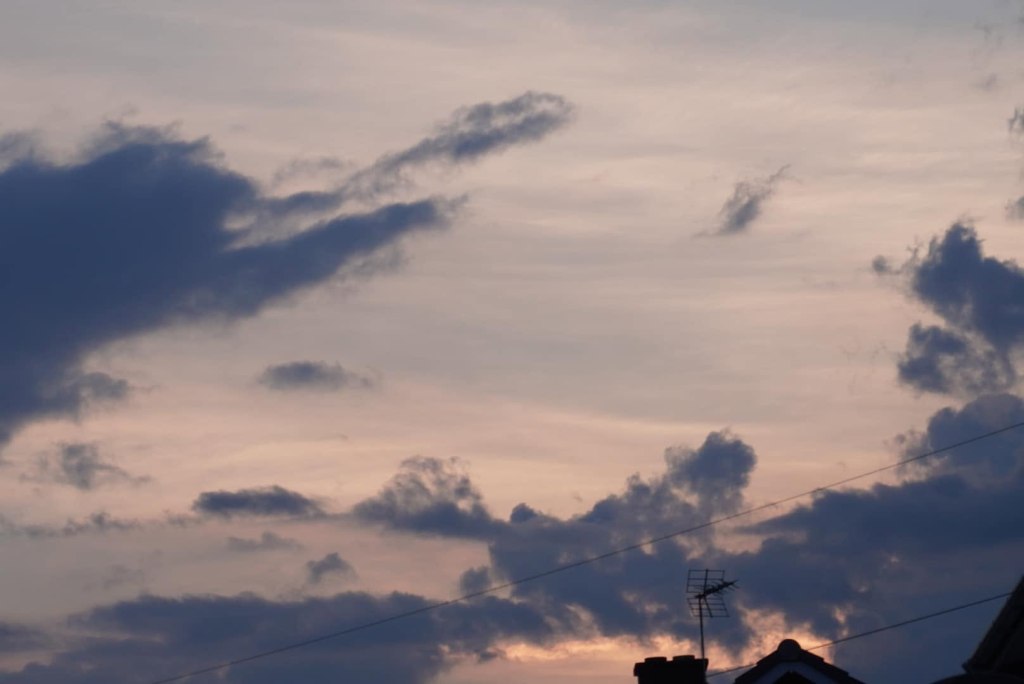
One evening, I walked the canal path again. The light was thinning, the water had turned dark and reflective, and the cold had begun finding the gap between my scarf and coat. A goose stood near the path with the same unreasonable confidence as always. I recognised the bend ahead before I reached it. Nothing about the scene was extraordinary. No tourist would have stopped and declared it life-changing. But I knew the way home from there. That was enough.
There was a time when I would have looked around and thought, This is where I live now. That evening, without thinking, the sentence in my head was different: I should head home. I smiled when I noticed it. Cebu was still home. It always will be. But this was home too. Somewhere along the roads, seasons, shifts, canal walks, weather complaints, neighbourly waves and ordinary returns, I had stopped calling it somewhere else.
Apparently, the heart ignores filing conventions,
Anj 🖤





















Leave a Reply