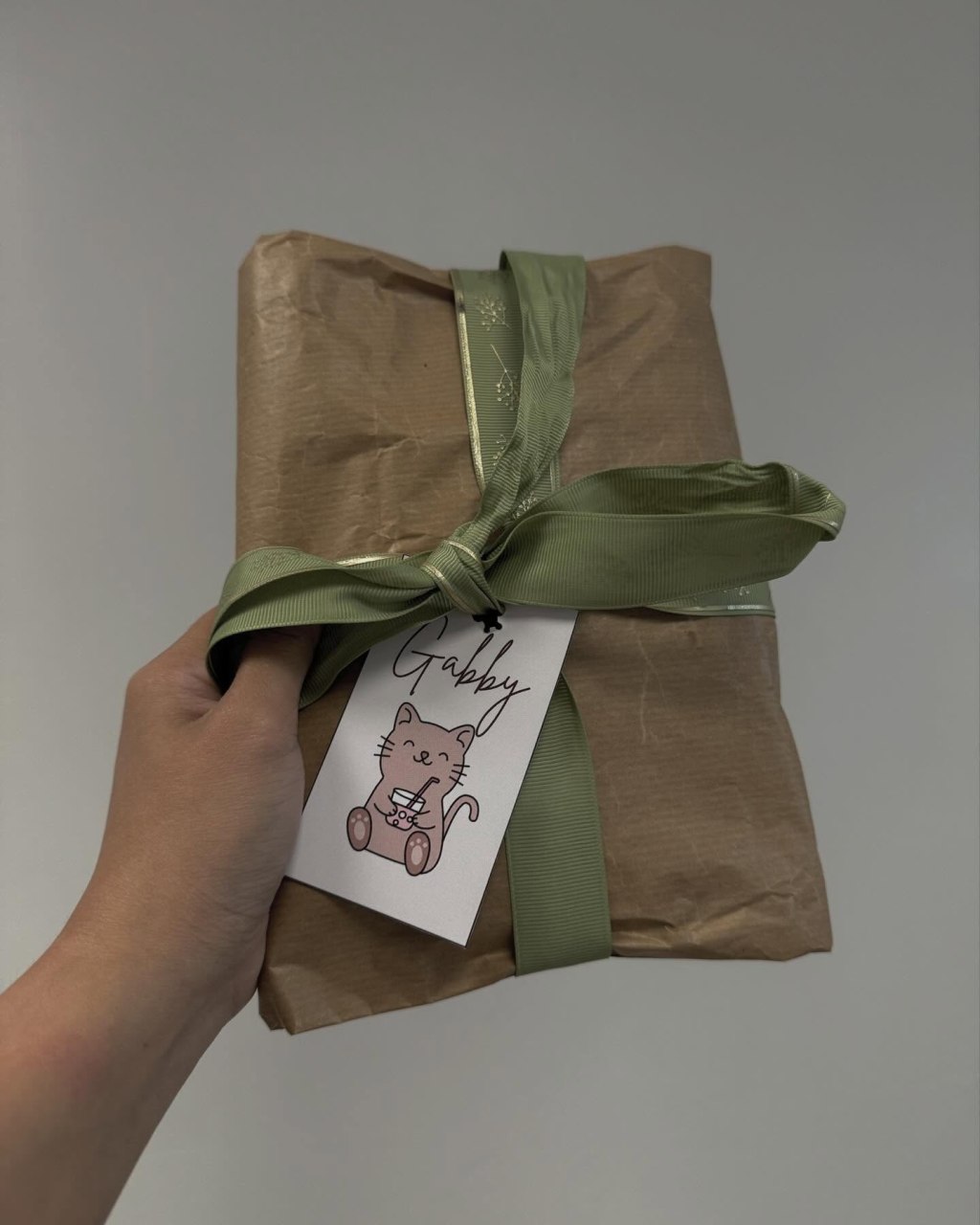
By the time I finished opening my birthday presents, my room looked as though a very affectionate stationery shop had suffered a minor explosion. Tissue paper had migrated to the floor, ribbons had lost all sense of purpose, boxes sat open like tiny abandoned houses, and somewhere among the wreckage were facial masks, a silky scarf, pastel stationery, an eyeshadow palette, a pouch already promoted to everyday duty, and a The Fault in Our Stars keychain bearing that tiny, devastatingly familiar “Okay? Okay.” It was a very good haul. My friends, it turns out, know me alarmingly well. But later, when the wrapping paper had been gathered and the gifts had found temporary homes around the room, I realised the things I kept picking up again were made mostly of folded card and ink.
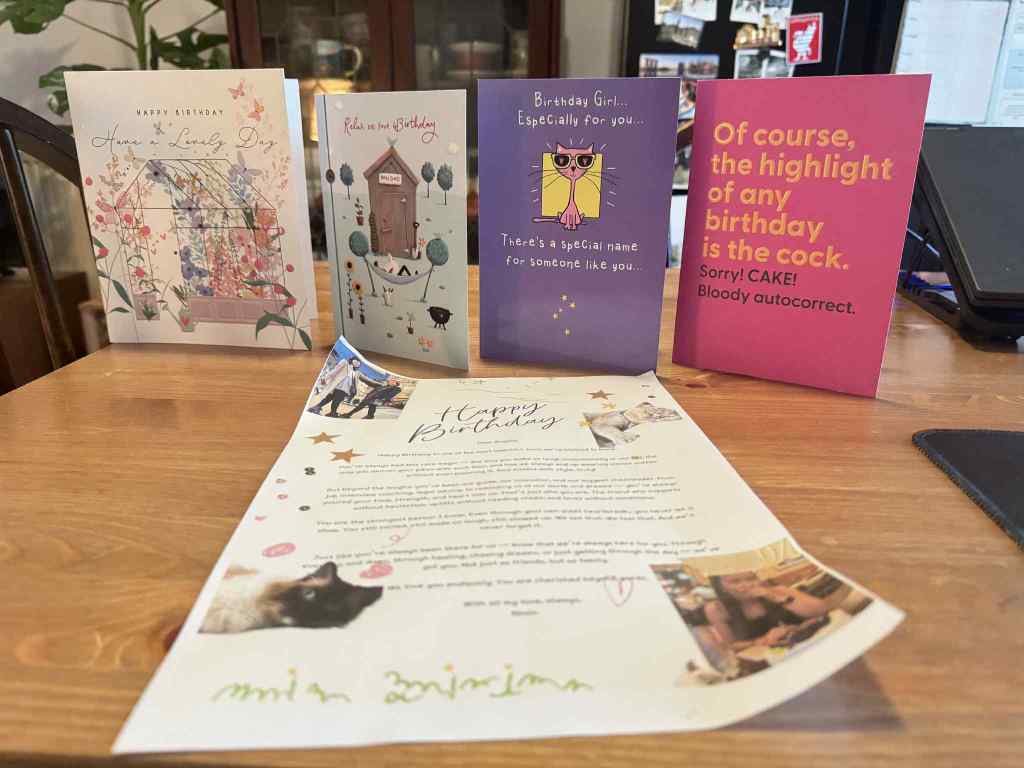

Birthday cards are strange little objects when you think about them. They are inexpensive compared with most gifts, frequently bent in transit, occasionally accompanied by handwriting that requires a brief consultation with forensic science, and destined to spend most of their lives inside drawers. Yet hand me a card someone has actually written in and suddenly I am reading every sentence twice as if there will be an examination afterwards. Perhaps it is because handwritten words have become increasingly rare. We live in the age of instant replies, voice notes played at double speed, reaction emojis and messages typed while waiting for the kettle to boil. Someone sitting down, choosing a card, writing your name and deciding exactly what they want you to remember feels almost rebellious now.
One of my cards said, “You’ve always had this rare magic.” I stopped there longer than expected. Compliments have an inconvenient habit of becoming more believable when somebody has taken the trouble to put them in ink. I am perfectly capable of dismissing something kind said casually with a joke, an awkward laugh or my usual internal committee immediately launching an investigation into whether the compliment was factually justified. A written sentence is harder to escape. It just sits there on the page, stubbornly refusing to retract itself. Someone I love sees something in me that I may not always manage to see in myself. Apparently, they were willing to put it in permanent ink, which feels legally significant.
Then there was the hot-pink card with the cheeky typo conveniently blamed on autocorrect. I remain suspicious. Autocorrect has been used as an accomplice in far too many crimes against language to defend itself at this point. Another friend gave me a printed letter decorated with cat stickers and photographs of us, which was essentially emotional sabotage disguised as stationery. One moment I was laughing, the next I was staring at an old photograph with suspiciously shiny eyes, wondering why friendship had suddenly decided to attack me before bedtime.
That was what struck me most as I went through them. Every card sounded different because every friendship is different. One person knows exactly how to make me laugh at the wrong moment. Another remembers things I mentioned once and assumed everyone had forgotten. Someone else writes the sentence I did not know I needed to hear. Friendship rarely arrives in one standard language. Some people love you by checking whether you have eaten. Some tease you mercilessly. Some send memes with no explanation at unreasonable hours. Some appear when life becomes inconvenient. And some hand you a card on your birthday that quietly reveals they have been paying attention to you all along.
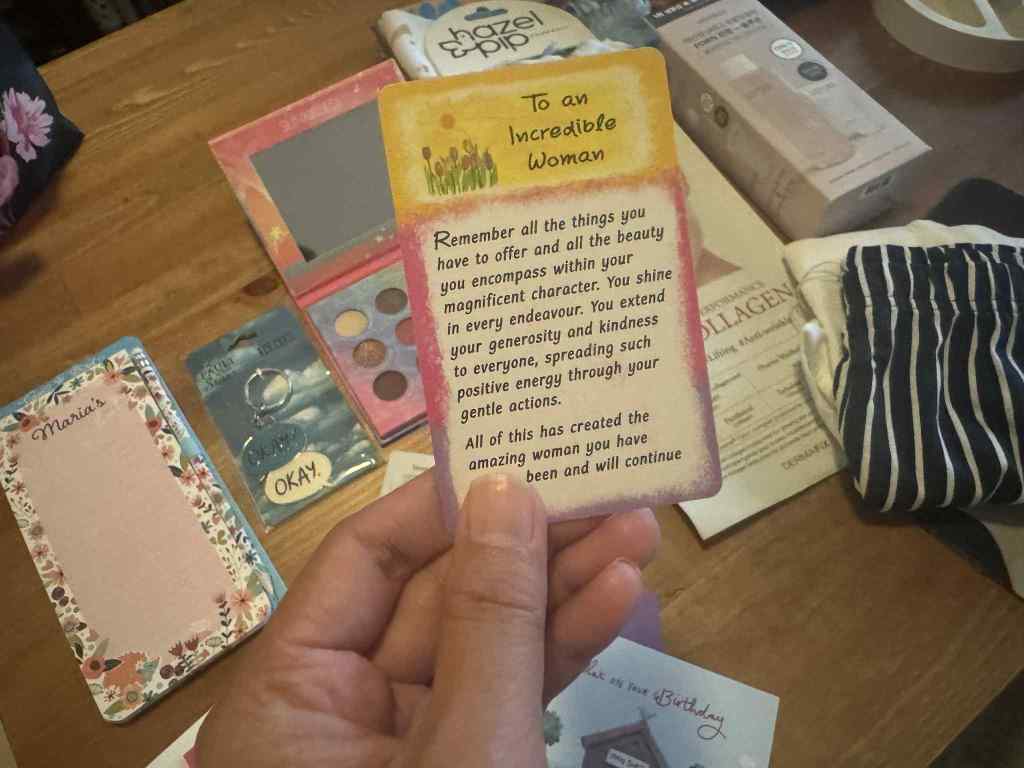

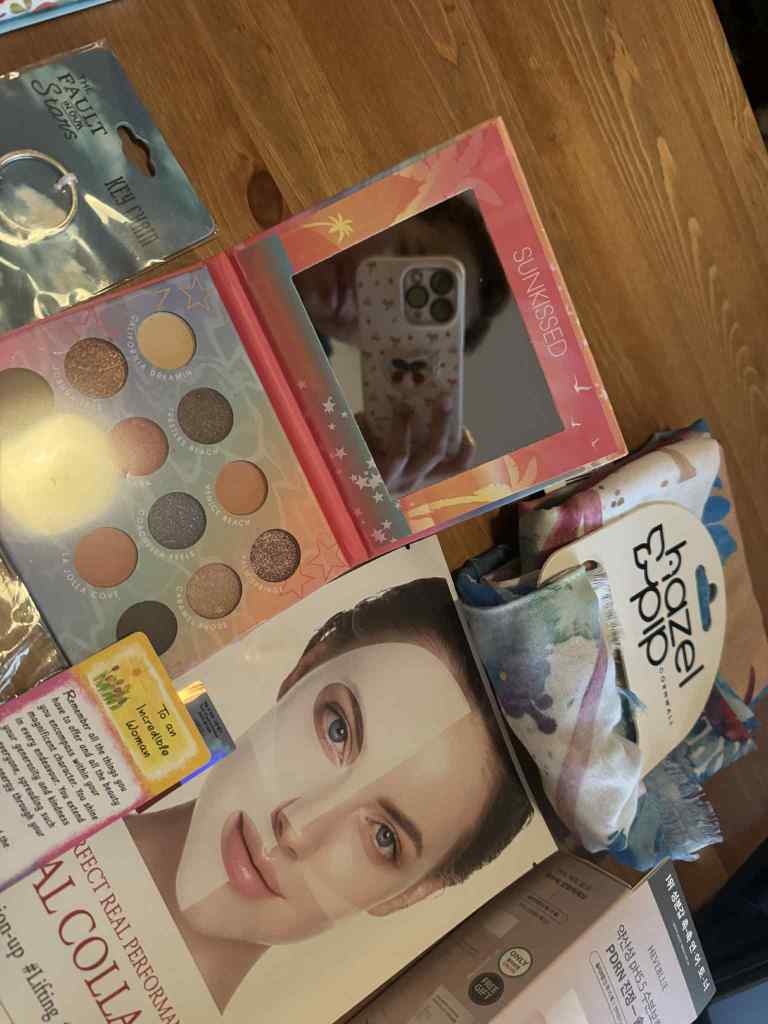
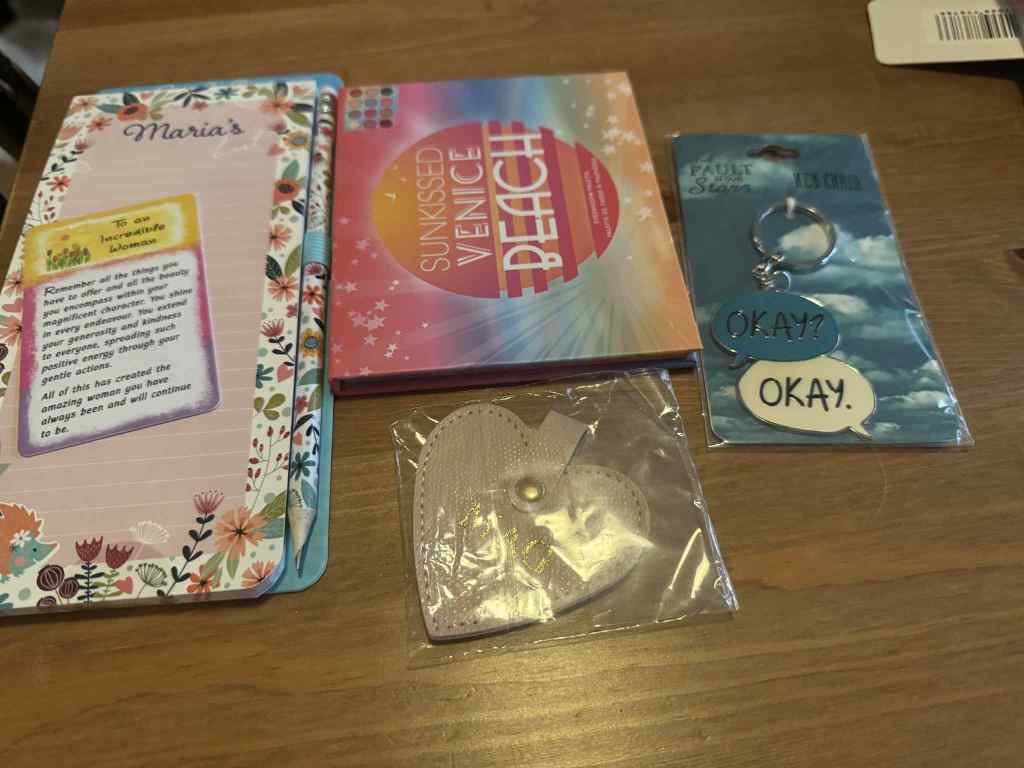
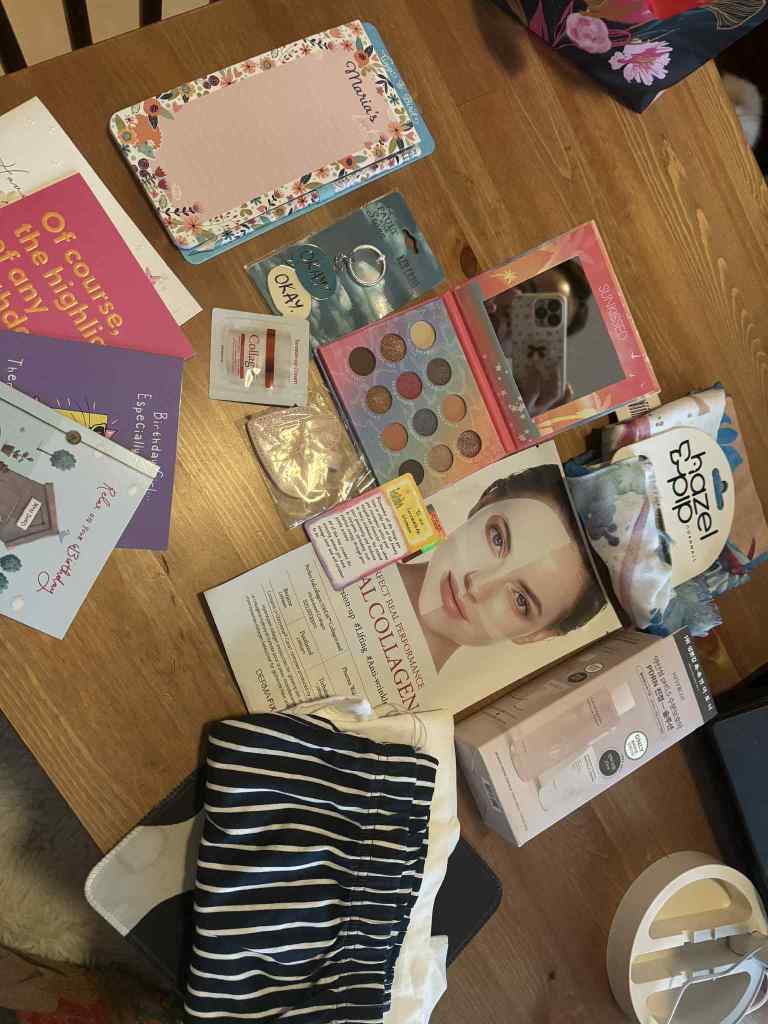
I loved the presents, of course. I am not about to develop sudden philosophical immunity to a beautiful eyeshadow palette or pretend that pastel stationery does not speak directly to a dangerously specific part of my personality. The scarf will be worn. The sheet masks will eventually convince me I have my life together for approximately twenty minutes. The pouch has already been filled because I apparently require a portable residence for lip balm, pens and miscellaneous objects whose purpose becomes clear only when I leave them at home. And the keychain made me smile immediately. Gifts are lovely partly because they say, I saw this and thought of you.
But a letter says something slightly different. It says, I stopped long enough to tell you why.
That difference stayed with me.
Perhaps that is why I have always loved words. Objects become worn. Perfume bottles empty. Makeup eventually reaches the tragic stage where you are scraping the corners and pretending there is another week left. Scarves disappear into wardrobes. Keychains collect scratches. Even photographs fade. But words have an odd resistance to time. Years from now, I may forget exactly what came inside which gift bag, but I suspect I will still remember opening those cards and discovering versions of myself reflected back through the eyes of people who know me.
There is something humbling about that. We move through adulthood assuming everyone is busy managing their own lives—which, to be fair, they are. There are shifts, bills, appointments, family responsibilities, unanswered messages, overflowing laundry baskets and calendars that seem personally offended by free time. Yet someone still remembered your birthday. Someone went into a shop or searched online, chose something that reminded them of you, found a pen, and spent a few minutes writing words they could easily have sent in a message instead. That effort may look small from the outside, but small is not the same as insignificant.
Maybe this is also why cards sometimes reach places ordinary conversation does not. We often fail to tell the people closest to us what they mean to us because affection becomes assumed. We think, They know. We rely on years of friendship to translate what we rarely say aloud. Then birthdays, weddings, departures, graduations and difficult seasons give us permission to become embarrassingly sincere for a few paragraphs. A card becomes a loophole. Suddenly we can write the things that would make both parties uncomfortable if announced across a restaurant table.
And I think we should use that loophole more often.
Write the letter. Buy the ridiculous card. Mention the memory only the two of you understand. Tell your friend what you admire about them before there is a farewell attached to the sentence. Tell your parents what you remember. Tell your siblings what they have meant to your life despite the historical evidence of childhood warfare. Tell someone that their kindness mattered on a day they probably forgot. We are very good at assuming there will be another birthday, another Christmas, another visit, another convenient occasion to say what we mean. There probably will be. But I am increasingly reluctant to leave important words entirely in the hands of probably.
That evening, after the gifts had been admired and the wrapping paper had surrendered to the bin, the cards stayed beside me. I read some of them again. Not because I had forgotten what they said, but because somehow the second reading felt different from the first. The gifts told me my friends knew what I liked. The cards reminded me they knew me. There is a difference.
So if you ever find yourself staring at a birthday display wondering what on earth to give someone who seems to already own everything, buy the card. Better yet, write the letter. Tell them about the day they made you laugh until your stomach hurt. Tell them what you noticed about their courage. Tell them which version of them you remember most fondly. Tell them the thing you usually assume they already know. Your handwriting does not need to be elegant. Your grammar does not need to survive professional review. The card does not have to be expensive. It only needs to contain something that could have come from nobody else but you.
My presents eventually found their places. The scarf joined the wardrobe. The cosmetics migrated towards the dressing table. The pouch began its new career carrying half my life. The keychain found its keys. And the wrapping paper, despite its brief moment of glory, disappeared.
The cards did not.
I kept those.
Still keeping the words after the wrapping is gone,
Anj ❤










Leave a Reply