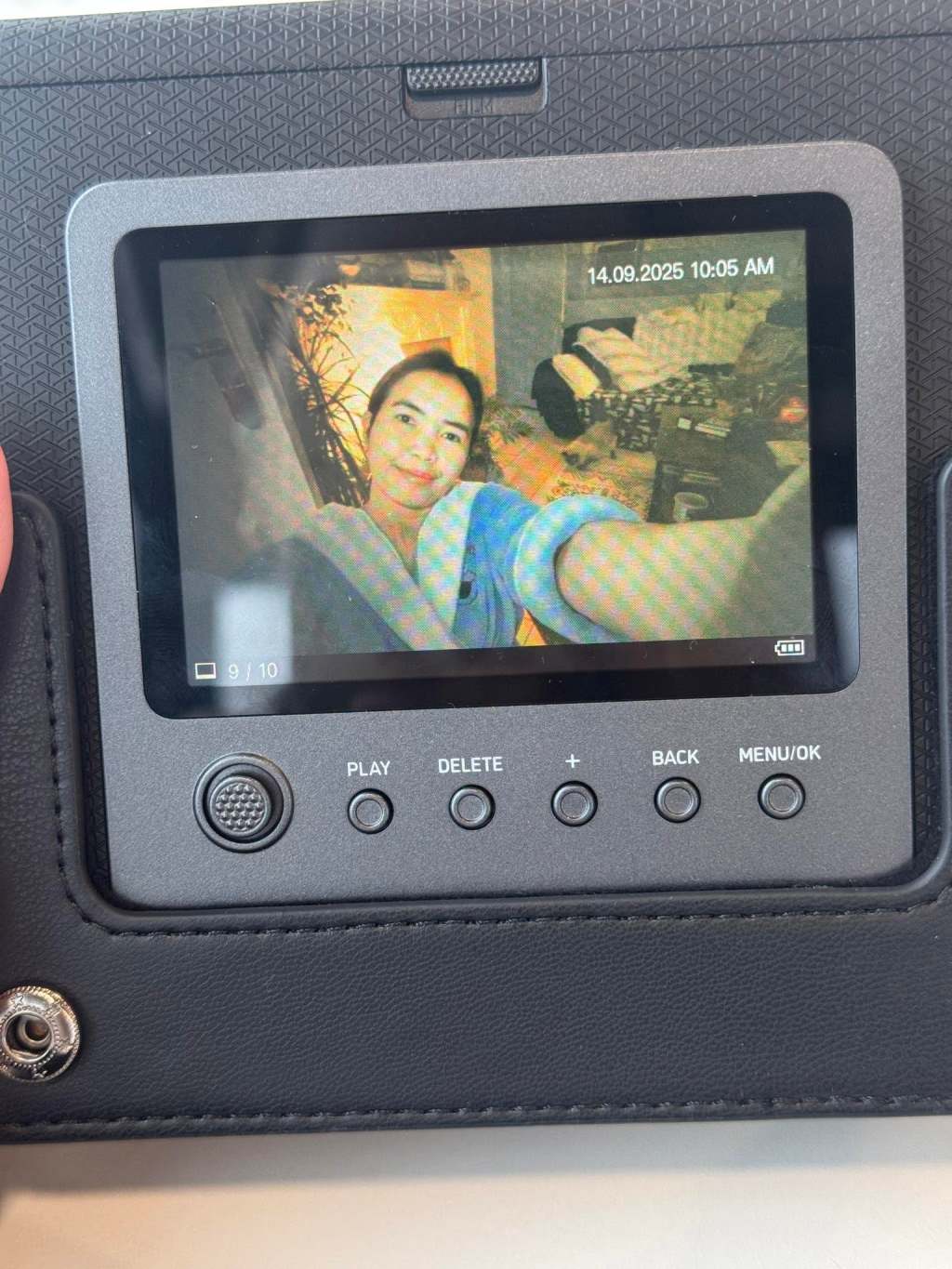
The little machine whirred in my hands, made a series of tiny mechanical noises that sounded far more important than the situation required, and pushed out a white square. I held the photograph carefully by the edges and stared at it. Nothing. A blank rectangle with an expensive border. I waited a few seconds and checked again. Still nothing. Naturally, I gave it a little shake despite knowing perfectly well that modern Instax film does not require the dramatic Polaroid treatment we have all inherited from films. Apparently, even my patience has retro settings. I had bought an instant camera and was already offended that “instant” involved waiting.
But standing there with an instant photograph that refused to hurry, I began to wonder whether I had misunderstood the question.
Maybe I do not need more things squeezed into my days. Maybe I need to be more present inside the days I already have.
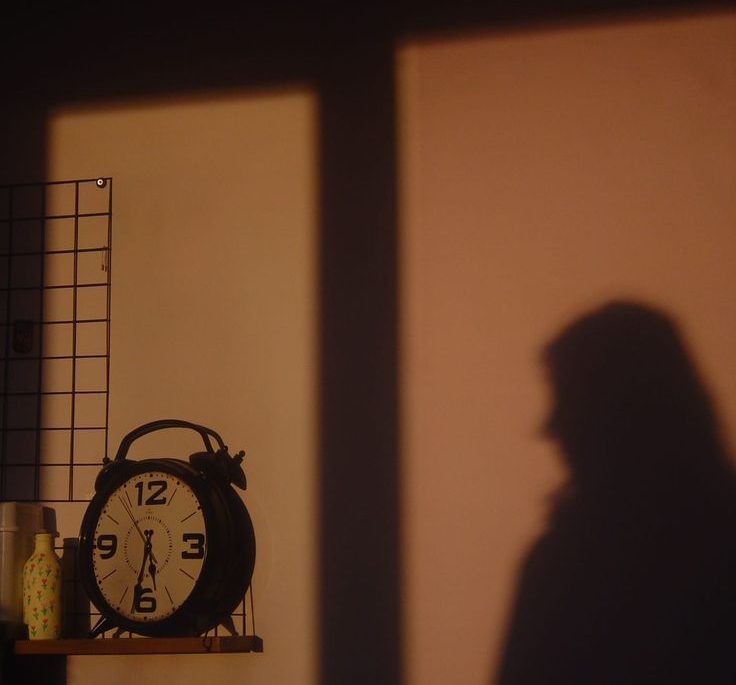
I could certainly use more pauses, although I have a complicated relationship with them. I am good at stopping only after I have found sufficient evidence that I deserve to stop. Finish this first. Answer that message. Tidy this. Sort that. Complete one final thing, which inevitably introduces two related things that apparently cannot survive without immediate attention. By the time I finally sit down, rest has become less of a choice and more of an emergency admission.
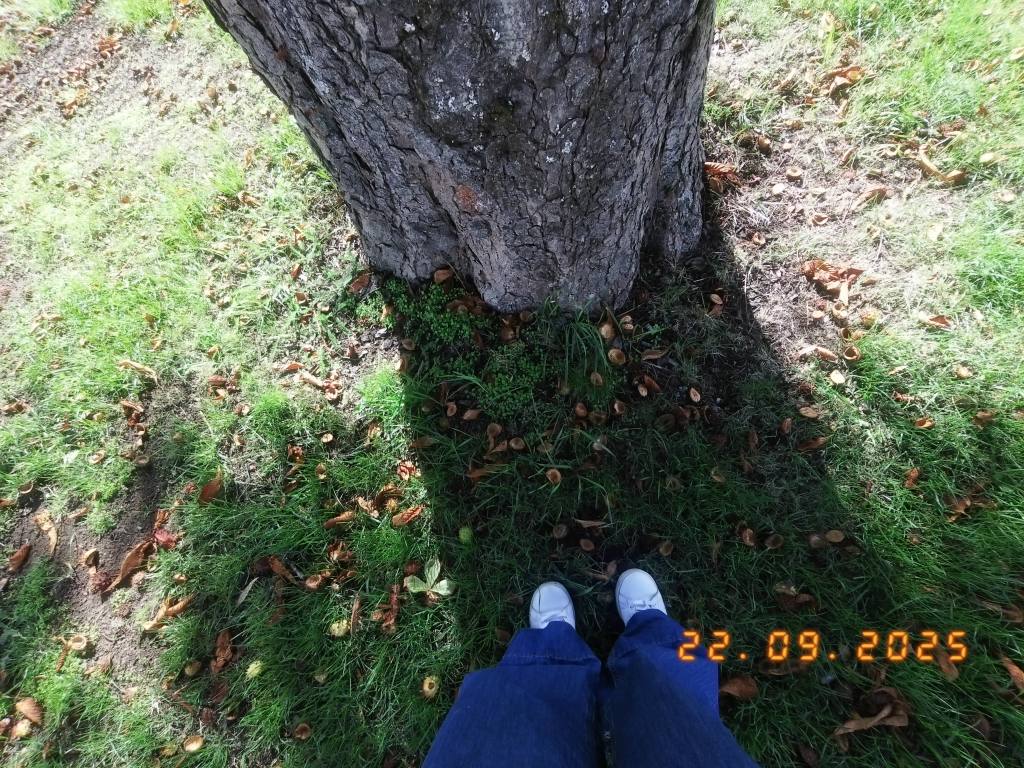
Slowly, shadows began to appear. A dark shape first, then colours, then faces. The photograph had contained the image all along; I simply could not see it yet. There was something strangely satisfying about watching it develop in my hands, especially because so much of modern life has trained me to expect everything immediately. Messages arrive instantly. Photographs appear the second we take them. Food can be ordered from a phone. Directions recalculate before we have finished making the wrong turn. We can become mildly irritated when a webpage takes three seconds to load, which would probably be difficult to explain to anyone who once had to wait a week for photographs to return from a processing shop.
I thought about that while the picture continued appearing, because I had recently been asking myself a deceptively simple question: what could I do more of? My first instinct, predictably, was to treat it like another performance review. More writing. More reading. More exercise. More saving. More learning. More productivity. More organisation. Perhaps drink more water while somehow also sleeping eight hours, maintaining relationships, developing professionally, travelling, keeping the house presentable and remembering which cupboard contains the spare batteries. Give me the word “more” and apparently my brain immediately opens a spreadsheet.

I have occasionally approached relaxation with the organisational energy of a project manager. Even rest can become scheduled, optimised and evaluated. Did I relax properly? Was the afternoon sufficiently restorative? Should I have read instead of watched Netflix? Could the walk have been longer? Nothing destroys a perfectly good hour of doing nothing quite like assessing its performance afterwards.
I would like more moments when I simply stop without turning stopping into another achievement.
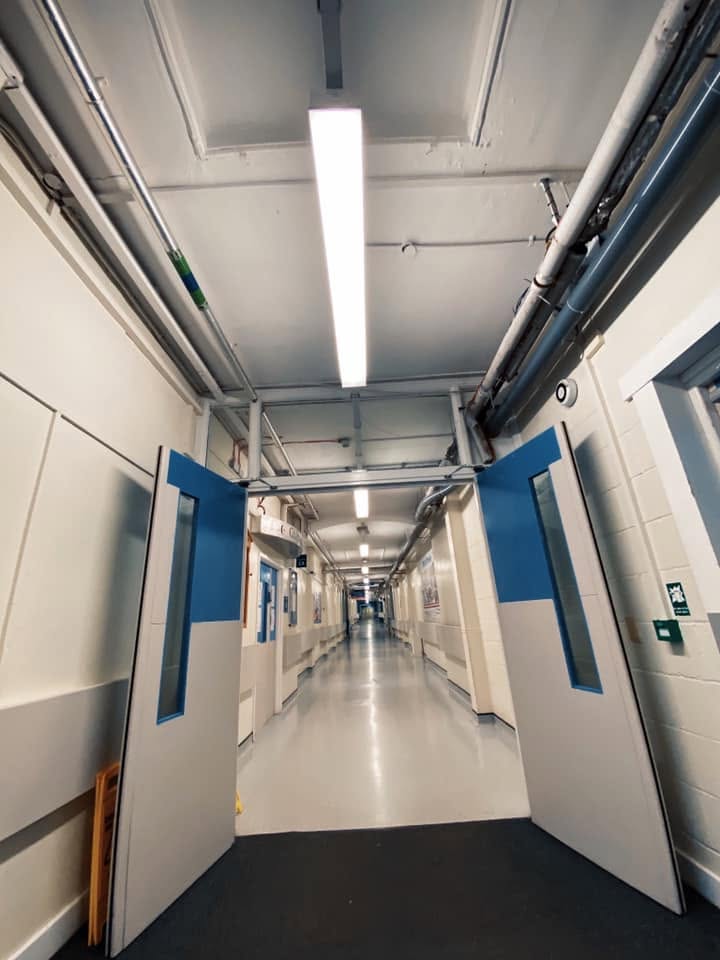
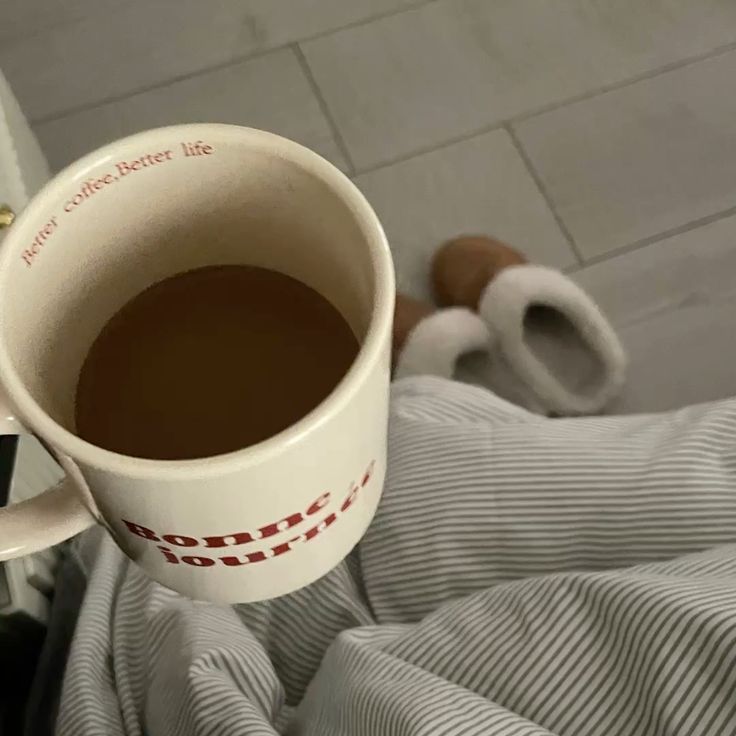
Sometimes that looks very ordinary. Broth after a night shift, hot enough that steam catches my face while the rest of me is still deciding which time zone it belongs to. Sitting down after hours spent moving. Holding a warm bowl while the world finally asks nothing from me for a few minutes. There is no great revelation involved. I am usually too tired for revelations anyway. But the warmth reaches my hands, then my stomach, and gradually I feel returned to myself.
I want to notice those moments more.
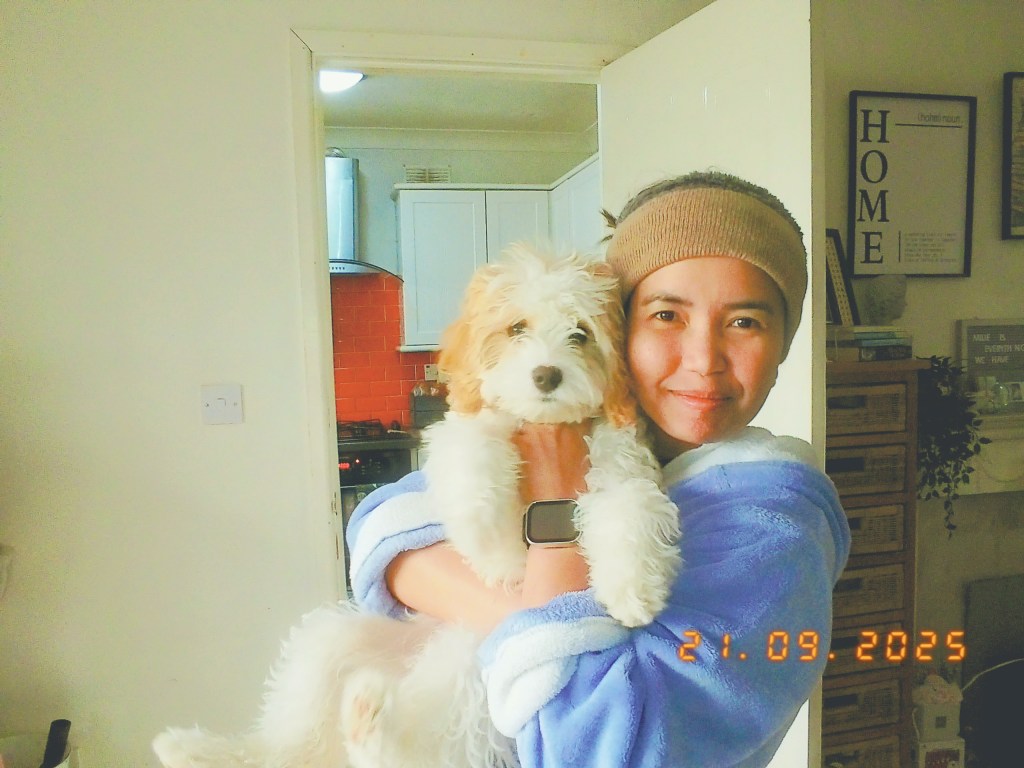
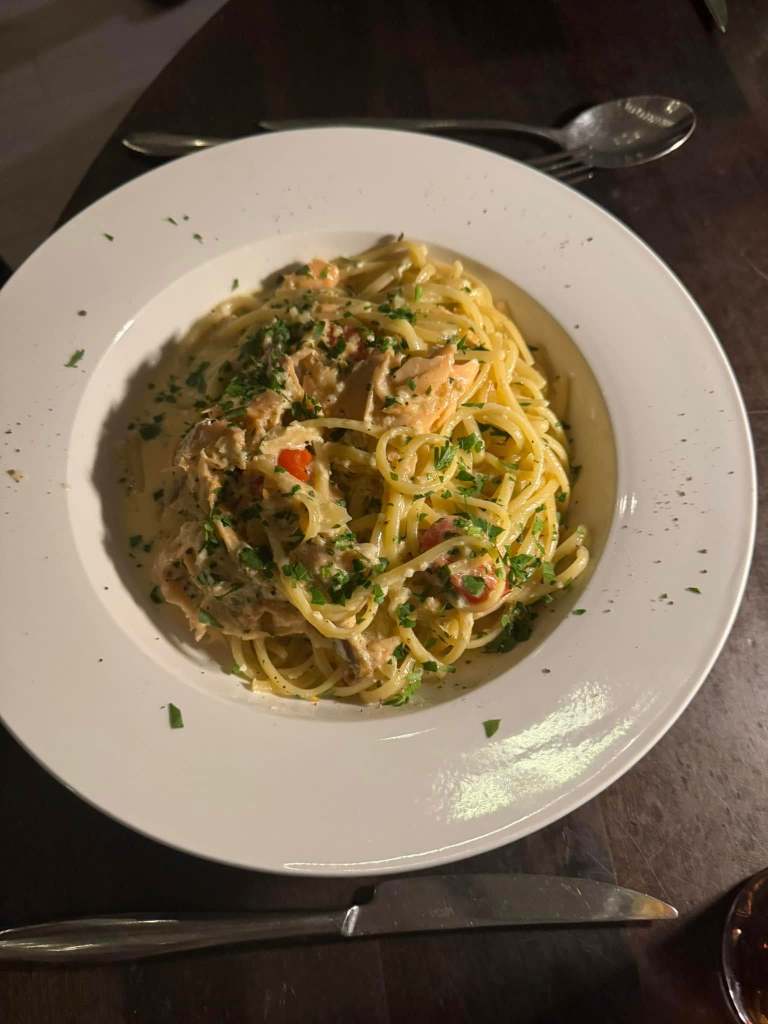
The same goes for photographs. I love taking them, which my camera roll would confirm under oath. I like keeping pieces of days—friends laughing, food before somebody remembers we should eat it, streets we wandered through, buildings, journeys, cats performing activities they clearly believe deserve documentation. My Instax made that habit feel different because every photograph costs something. You cannot take forty-seven nearly identical shots and decide later which one deserves citizenship in the camera roll. You press the button and accept your choices.
There is something refreshing about that.
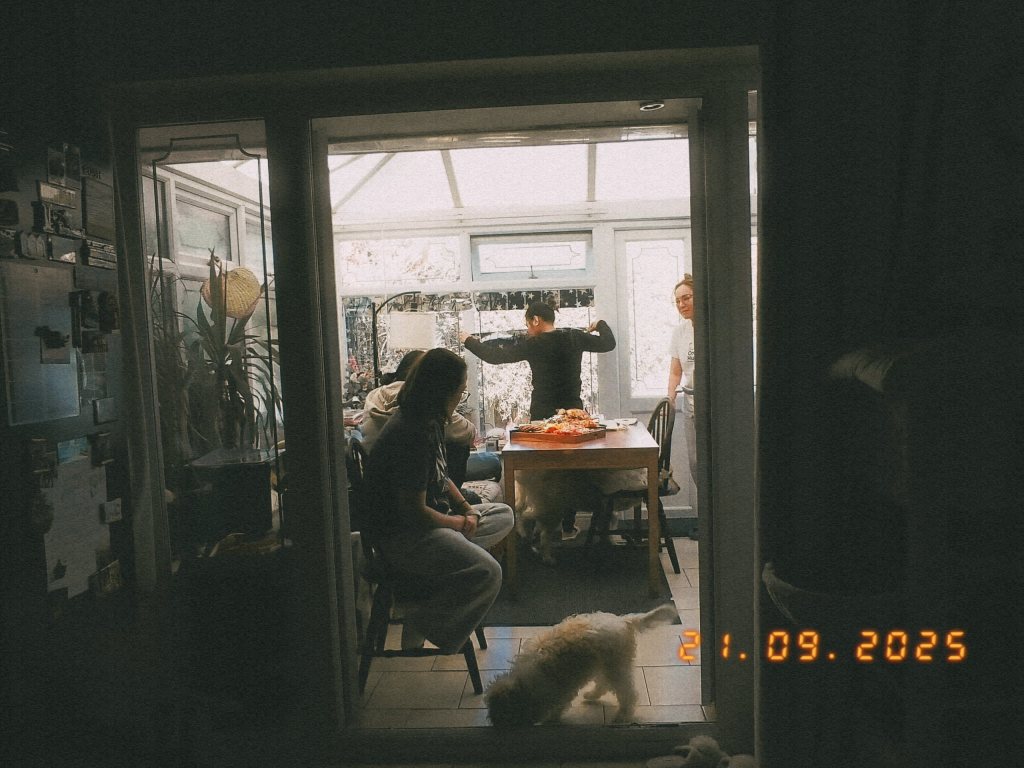
A photograph does not need to be perfect to become precious. Sometimes the slightly blurred one carries more life. Somebody is laughing rather than posing. Someone has already looked away. A hand has entered the frame. The composition would probably distress a professional photographer, but ten years later you may remember the afternoon because of it.
I think I want more of that kind of keeping—not accumulating thousands of images, but noticing why I wanted to take the photograph in the first place.
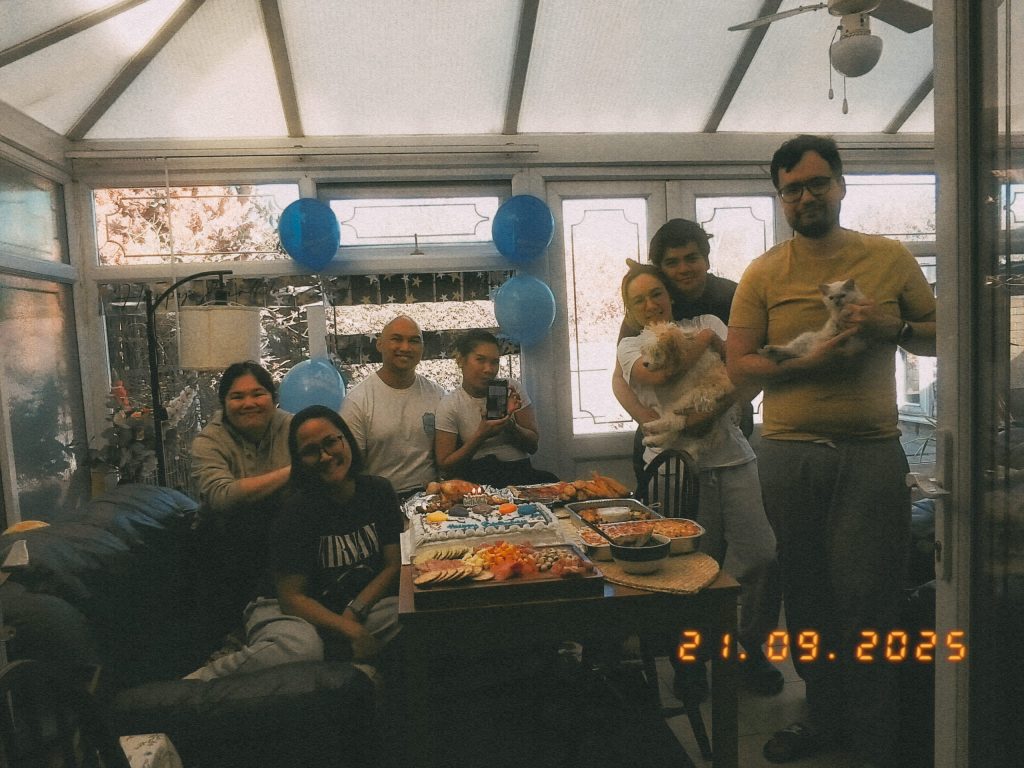
The smell of food after a long day. The way friends laugh when conversation has abandoned all respectable subjects. The satisfaction of buying something I had wanted for a while. A familiar street under different weather. A table after everyone has eaten. A face I know well. The ordinary evidence that I was here and that this particular day happened only once.
I also want more kindness towards myself, although even writing that makes it sound far more elegant than it usually is in practice. Sometimes self-kindness is not candles, spa days and inspirational affirmations spoken into a mirror. Sometimes it is going to bed. Sometimes it is declining something because I genuinely do not have the energy. Sometimes it is buying the lipstick without conducting a financial and moral inquiry into whether I have sufficiently earned the right to own another shade of something I technically already possess.
There are purchases that deserve careful thought, obviously. I am not suggesting that emotional wellbeing requires unrestricted access to contactless payment. My bank account would like to formally distance itself from that message. But I have spent enough years learning that joy does not always need to arrive with a practical function attached.
The Instax itself was a little like that. Did I need it? Technically, no. My phone already owns a perfectly capable camera and does not charge me for every photograph. But I wanted something physical, something I could hold, something that made capturing a moment slightly more intentional. Sometimes “I like this” is allowed to be part of a decision.
That applies to time with people too. I want more conversations in which I am actually there rather than mentally standing three tasks ahead. More looking at someone’s face instead of checking the clock. More listening without preparing my answer halfway through their sentence. More meals where the phone stays somewhere uninteresting. More visits that do not need an elaborate reason beyond, “It would be nice to see you.” The older I get, the more aware I become that people are not interruptions between important tasks. They are very often the important part, which is inconvenient because tasks are much easier to schedule.
People change plans. Conversations run long. Someone tells a story badly and includes seventeen details that apparently all matter. Friends become busy. Families live across oceans. Shifts interfere with weekends. Someone says, “We should meet soon,” and six weeks later everyone is comparing calendars like diplomats negotiating a peace treaty. Yet when I think about the parts of my life I would actually want more of, very few of them involve completing something fifteen minutes faster. I remember laughter, meals, journeys, sitting with people and, more than anything, who was there.
Faith belongs here too, perhaps more than anything else. I want more time with God’s Word, but not because I want another spiritual task to complete. I do not want Scripture to become another box waiting for a tick. I want to return to it more consistently because I know how easily faith can become something I reach for mainly when circumstances become uncomfortable. I can be remarkably efficient at finding God during emergencies. Fear makes an excellent reminder system. When something is wrong, prayer becomes immediate. I ask, seek, plead, bargain a little more than theology probably recommends, and suddenly discover an impressive ability to remain spiritually attentive. Then life settles, the thing I feared does not happen or the problem becomes manageable, and somehow gratitude is expected to function with far fewer appointments.
I do not want God to become the spiritual equivalent of an emergency department—deeply appreciated in crisis, less frequently visited when everything appears stable. I want to open my Bible when I am frightened, yes, but also when I am content. I want to pray when I need something and when I have nothing particular to request. I want gratitude to have as much vocabulary as worry. I want faith to be part of ordinary Tuesdays and not merely the place I run when the roof begins metaphorically leaking. Maybe that is another kind of more that does not require adding anything dramatic: more remembering, more returning, and more noticing who has carried me through seasons I once thought would last forever.


When I first asked myself what I could do more of, I assumed the answer would require effort. Most questions about personal growth seem to come with that expectation. Improve this. Build that. Add another habit. Become a better version of yourself, preferably before breakfast. But perhaps some kinds of growth involve adding less and inhabiting more: more attention to the meal I am already eating, more gratitude for the person already sitting opposite me, more enjoyment of the thing I already bought, more awareness of the body asking for rest before it is forced to escalate the complaint, more willingness to take the photograph without spending the entire moment arranging it, more prayer when life is good, and more room for ordinary pleasure without immediately demanding that it justify its existence.
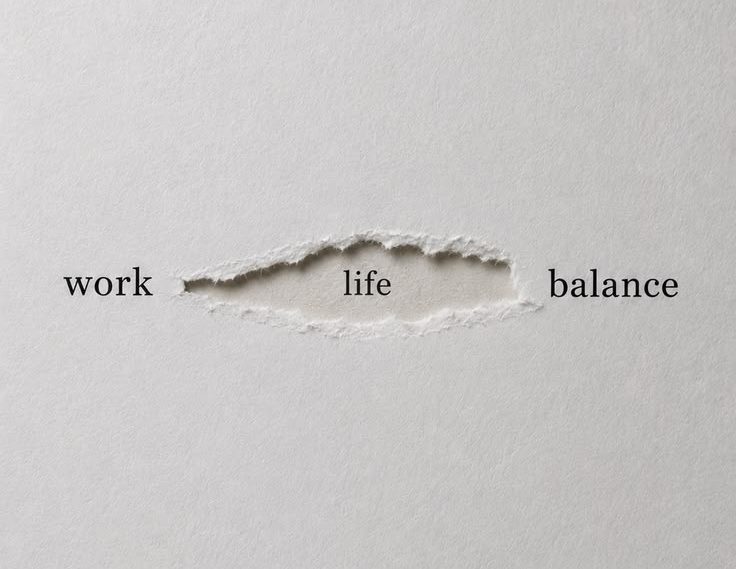
There is still ambition in me. Plenty of it. I want to develop professionally, travel, write, create, learn and make things I am proud of. I have enough plans scattered across notebooks and phone notes to keep several future versions of myself occupied. I am not interested in replacing aspiration with permanent idleness and calling it enlightenment. I simply no longer want “more” to mean that the present version of my life is permanently insufficient. That is a dangerous bargain because there will always be another milestone available, another qualification, another destination, another possession, another project and another number to reach. The horizon is extraordinarily good at moving backwards whenever we approach it.
Meanwhile, today has terrible marketing. Today is laundry, reheated food, somebody sending you a ridiculous message, feeding the cats, getting through a shift, opening the Bible for ten minutes, calling home and taking a photograph that will not win anything. Yet years later, those ordinary pieces may be exactly what we wish we had noticed more carefully. The Instax photograph was almost fully developed by then. I looked at it again and smiled because there was nothing particularly extraordinary inside the little white border. No mountain summit. No award. No life-changing announcement. Nobody was holding an oversized cheque. It was simply a moment I had thought worth keeping, and suddenly that felt like a perfectly good answer.
What could I do more of? I could pause long enough to realise when something is already good. I could photograph the people I love and then put the camera down and stay with them. I could rest before my body begins submitting formal complaints. I could enjoy small things without demanding a business case. I could open Scripture when my heart is grateful, not only when it is frightened. I could make more room for conversations, ordinary meals, laughter, prayer and moments that would look unimpressive to anyone who had not lived them. Perhaps I do not need to chase a larger life as relentlessly as I once thought. Perhaps I need to develop the one already in my hands.
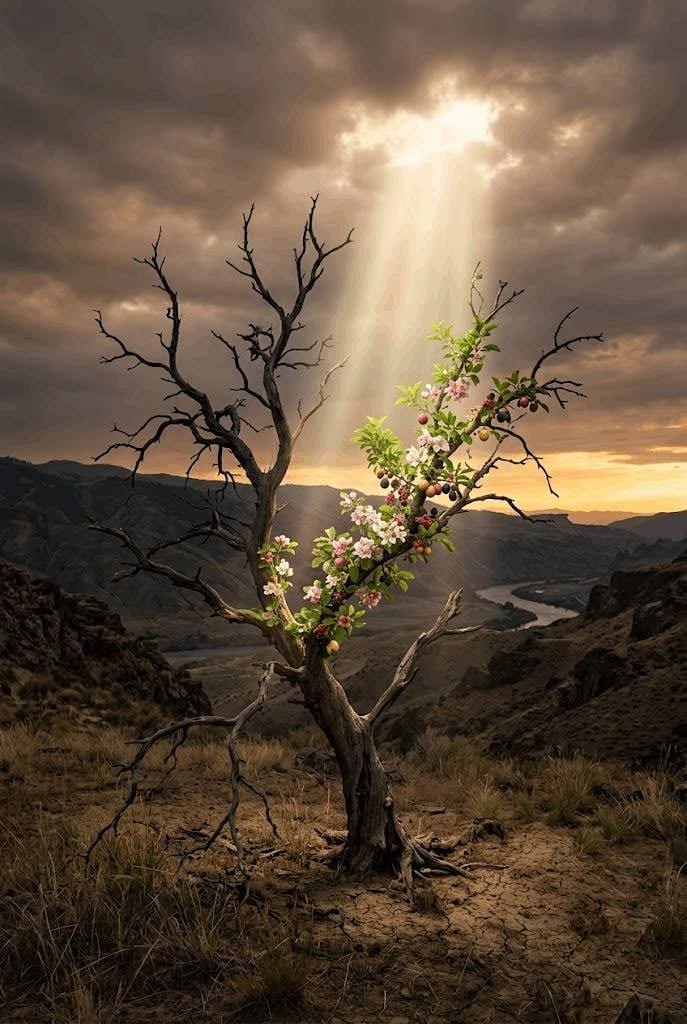
By the time I looked at the Instax again, the blank square had become a photograph. The image had been there from the beginning; it had simply needed time before I could see all of it. Apparently, even instant takes time. Maybe a life does too.
Giving the good things time to appear,
Anj 🖤









Leave a Reply