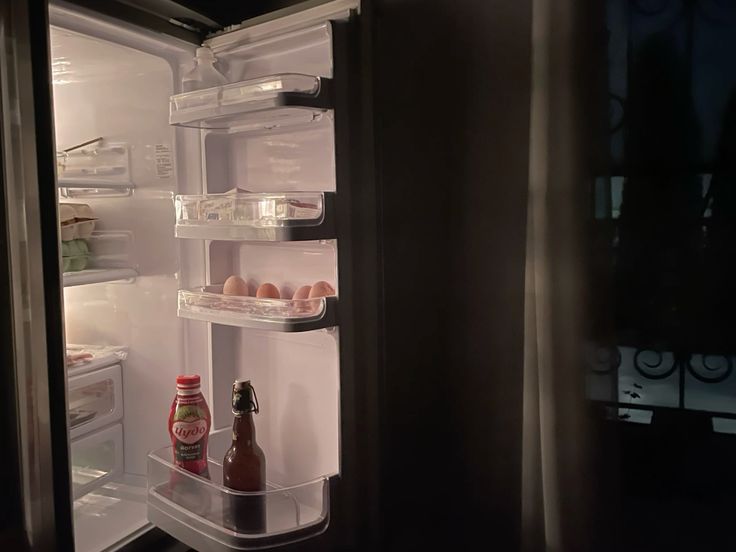
I opened the fridge looking for breakfast and found yesterday instead. The cold air hit my face first, then the smell from a container pushed somewhere behind the milk and whatever else had been forgotten in there. Filipino food has a way of refusing to remain merely food. One second you are standing barefoot in an English kitchen, half-awake and trying to decide whether reheating leftovers counts as breakfast; the next, one familiar smell has opened a door you were not expecting to walk through. I lifted the lid and stood there longer than necessary. Suddenly, the kitchen felt too quiet.
In Cebu, Sunday mornings had never understood the concept of silence. Someone would already be awake. Pots moved around the kitchen. A television played somewhere in the house. Doors opened and closed. Voices travelled freely between rooms, usually at a volume suggesting walls were more decorative than functional. Somebody was asking where somebody else had gone. Someone had probably started cooking before the rest of us had officially agreed to be conscious. When I was younger, there were mornings when I would have happily negotiated for five uninterrupted minutes of peace. Years later, standing in England with the fridge door open and yesterday’s food in my hands, I discovered that peace becomes considerably less impressive once you have enough of it.
That is one of the stranger things about living far from where you began. Home becomes very good at hiding inside objects that should not be capable of carrying geography. A plastic container. A familiar smell. A particular word in Cebuano. A song playing somewhere you were not expecting to hear it. One bite of something familiar and suddenly distance becomes unreliable. Your body is still standing in England, but some part of you has already travelled thousands of miles without the inconvenience of airports, baggage allowances or being told to remove liquids from your hand luggage.
I am grateful for the life I have here. That part matters. I have a home, someone beside me, work that gives much of my week its rhythm, places I have travelled to, opportunities I once imagined from much farther away and a life that younger versions of me would probably inspect with great curiosity. Missing the Philippines does not cancel any of that. Apparently gratitude and homesickness are perfectly capable of sharing the same room without demanding that one of them leave. I can love where I am and still miss where I came from. The heart, as it turns out, has never shown much interest in keeping only one address.
And once my mind goes home, it almost always finds people.
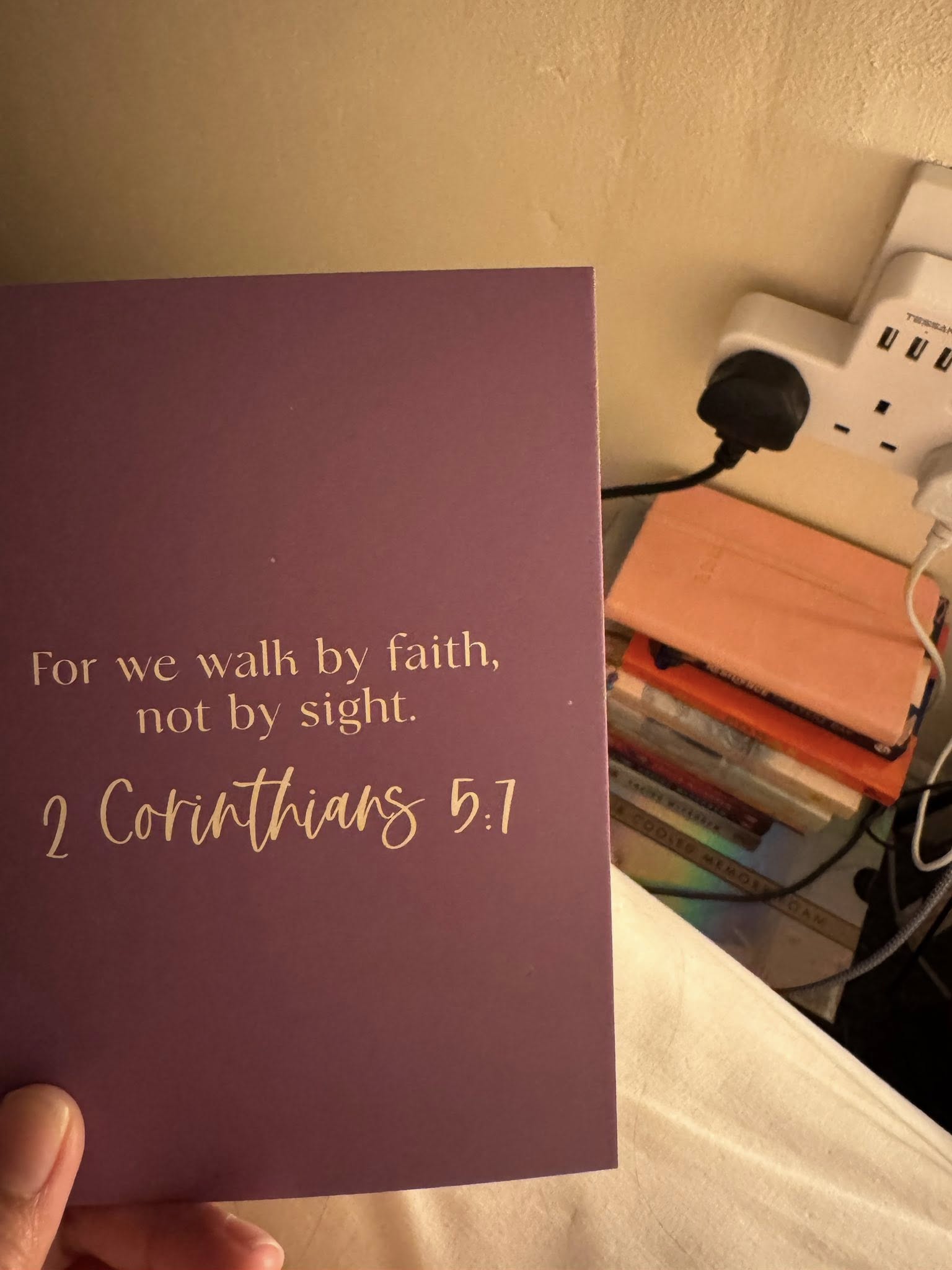
That Sunday, it found Papa.
Grief has changed its behaviour over the years. In the beginning, you expect it to look recognisably like grief: tears, anniversaries, photographs, songs you cannot finish listening to, dates that feel heavier than the rest of the calendar. Years later, it becomes much less courteous. It can find you while making coffee, folding clothes, opening a fridge or trying to decide what to eat. You can be thinking about absolutely nothing important and suddenly your mind produces the voice of someone who no longer exists anywhere you can physically reach.
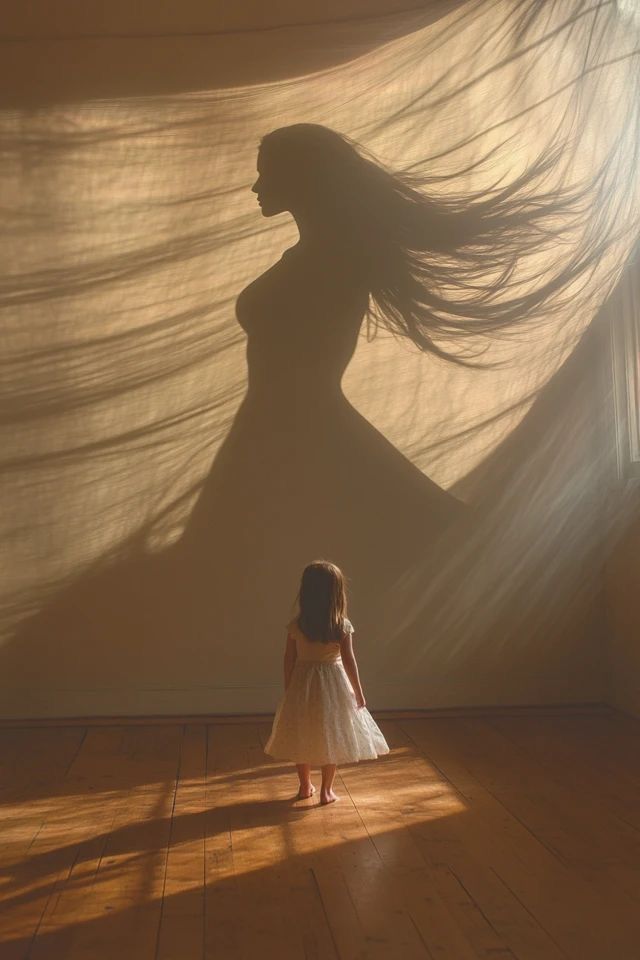
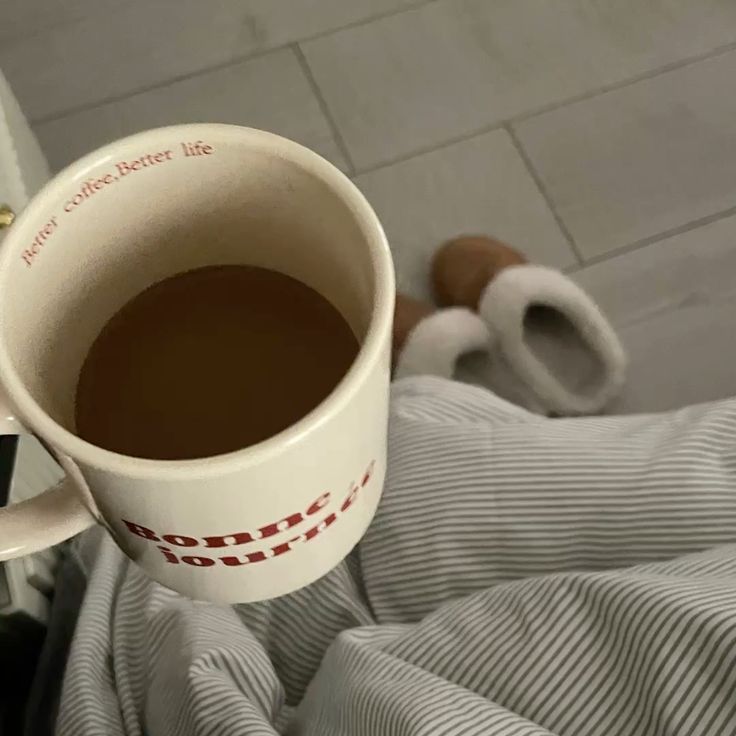
There are still moments when I wonder what I would tell Papa about my life now. There is so much of it he never got to see. I wonder what questions he would ask, what he would tease me about, which things would make him proud and what would earn one of those parental expressions capable of communicating several paragraphs without using a single word. Yet whenever I imagine having him back for an hour, my mind never creates anything grand. I do not imagine a dramatic reunion or a profound final conversation in which we finally say everything that should have been said. I imagine a table. Maybe coffee. Maybe food. Perhaps neither of us saying anything particularly important. I think I would simply want the ordinary privilege of knowing he was sitting somewhere in the world again.
That realisation changed something in me because so much of love looks unimpressive while we are living inside it. Love watches television beside you. It asks whether you have eaten. It tells you to bring an umbrella after you have already said you will not need one. It gets mildly annoyed when you do something foolish and then helps you anyway. It occupies a chair you never think to call precious until the chair becomes permanently empty. We spend so much of life waiting for special occasions that we forget how rarely love actually behaves like one.
Perhaps that is why absence can make the smallest memories enormous.
I thought of Hans too. Even now, writing about him in the past tense can feel grammatically correct and emotionally wrong. Cancer took him last year, yet memory has kept him elsewhere: laughing, playing guitar, occupying a room in the particular way some people do when their presence makes gatherings brighter without asking for attention. When I think of him properly, illness is not the first thing that appears. I remember him alive. Memory can be stubborn like that. Reality may insist somebody is gone while the mind continues preserving them in motion.
Death has a strange contradiction built into it. A person can disappear physically and somehow become more numerous afterwards. One person remembers the jokes. Another remembers a conversation. Someone remembers the music. Someone else remembers a completely ordinary afternoon nobody realised would matter. A recipe survives in another kitchen. A phrase becomes something somebody else keeps saying. A song acquires a person permanently. We leave pieces of ourselves everywhere without ever being told where they land.
Meanwhile, life behaves with almost offensive normality. People die and Monday still arrives. Bills remain spectacularly insensitive. Laundry continues reproducing as though grief has somehow improved its fertility. Dinner needs to be invented again despite the fact that we solved the same problem yesterday. Work expects you to turn up. Messages wait. Birthdays continue. Holidays get booked. People laugh again and occasionally feel guilty for laughing. Life does not stop respectfully at the edge of grief. It keeps moving with an almost unreasonable determination, and eventually we discover that we have started moving with it.
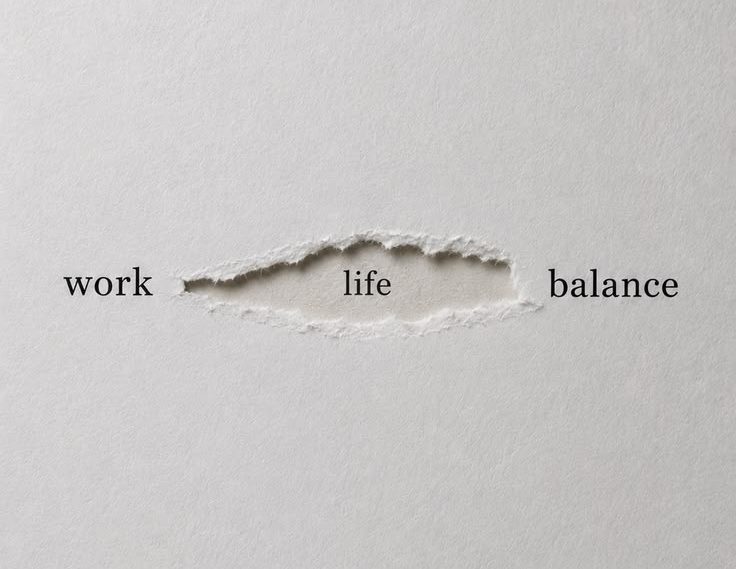
Most of that week had been spent at work, where the present becomes very demanding. There are things that need doing, decisions that cannot be postponed, people who need your attention and situations that do not particularly care what else is occupying your mind. Whatever private universe you carried through the door often has to become smaller for a while because somebody else’s immediate reality needs room. Work can exhaust me, certainly, but there is also something grounding about being needed somewhere. Purpose is not always a grand revelation about why you were placed on earth. Sometimes it is considerably less cinematic. Sometimes somebody needs you to show up, know what you are doing and do it properly.
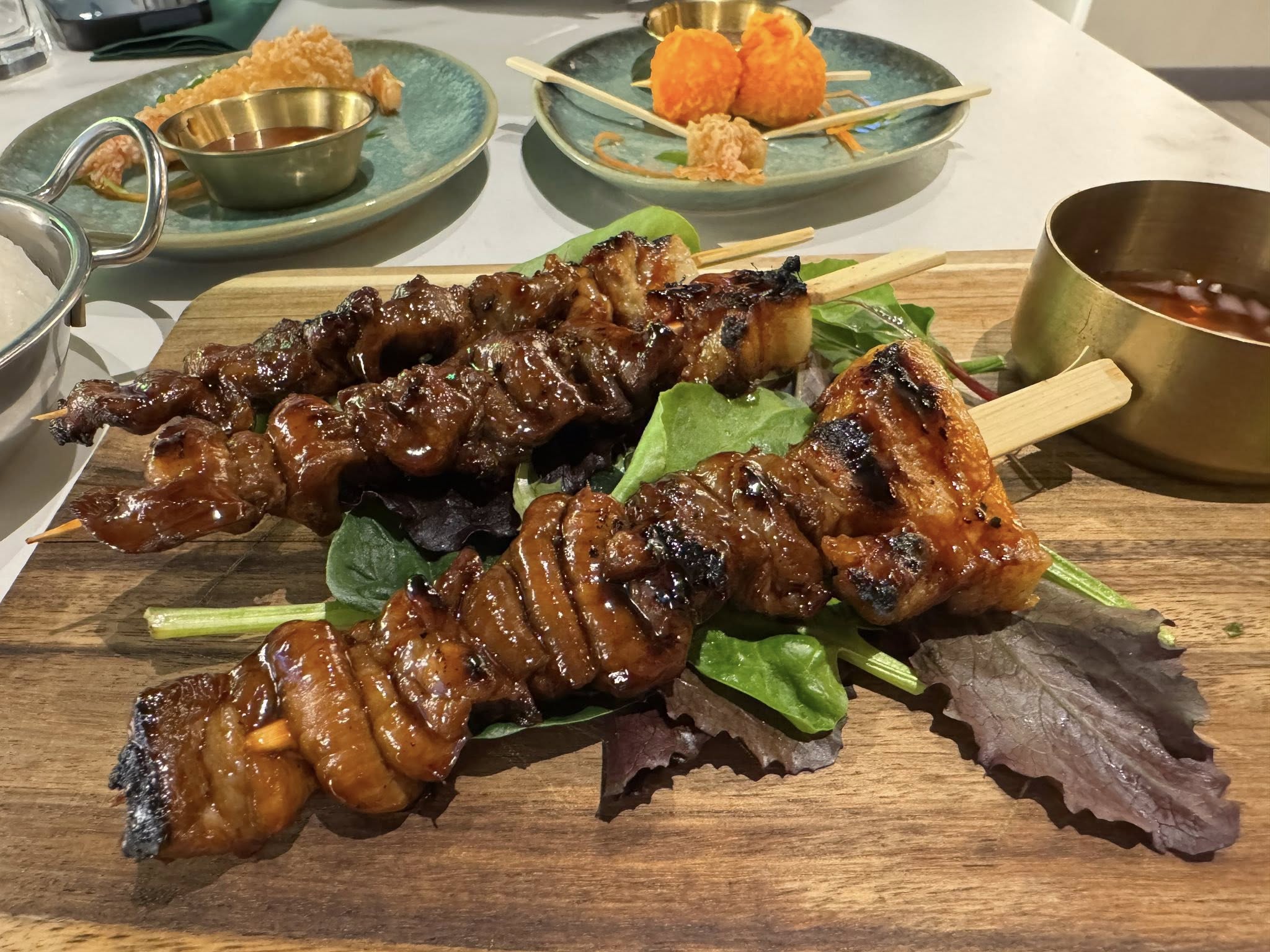
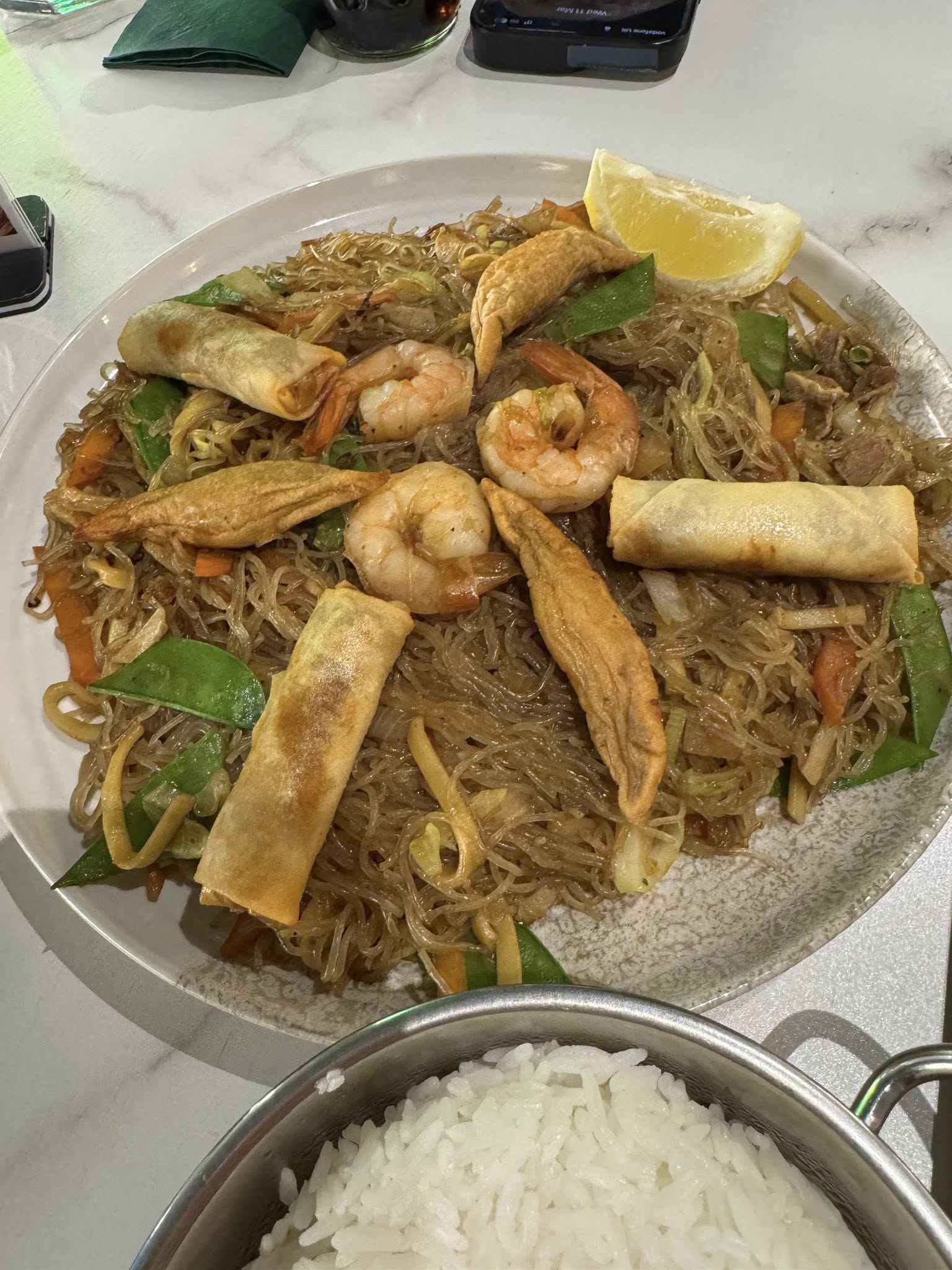
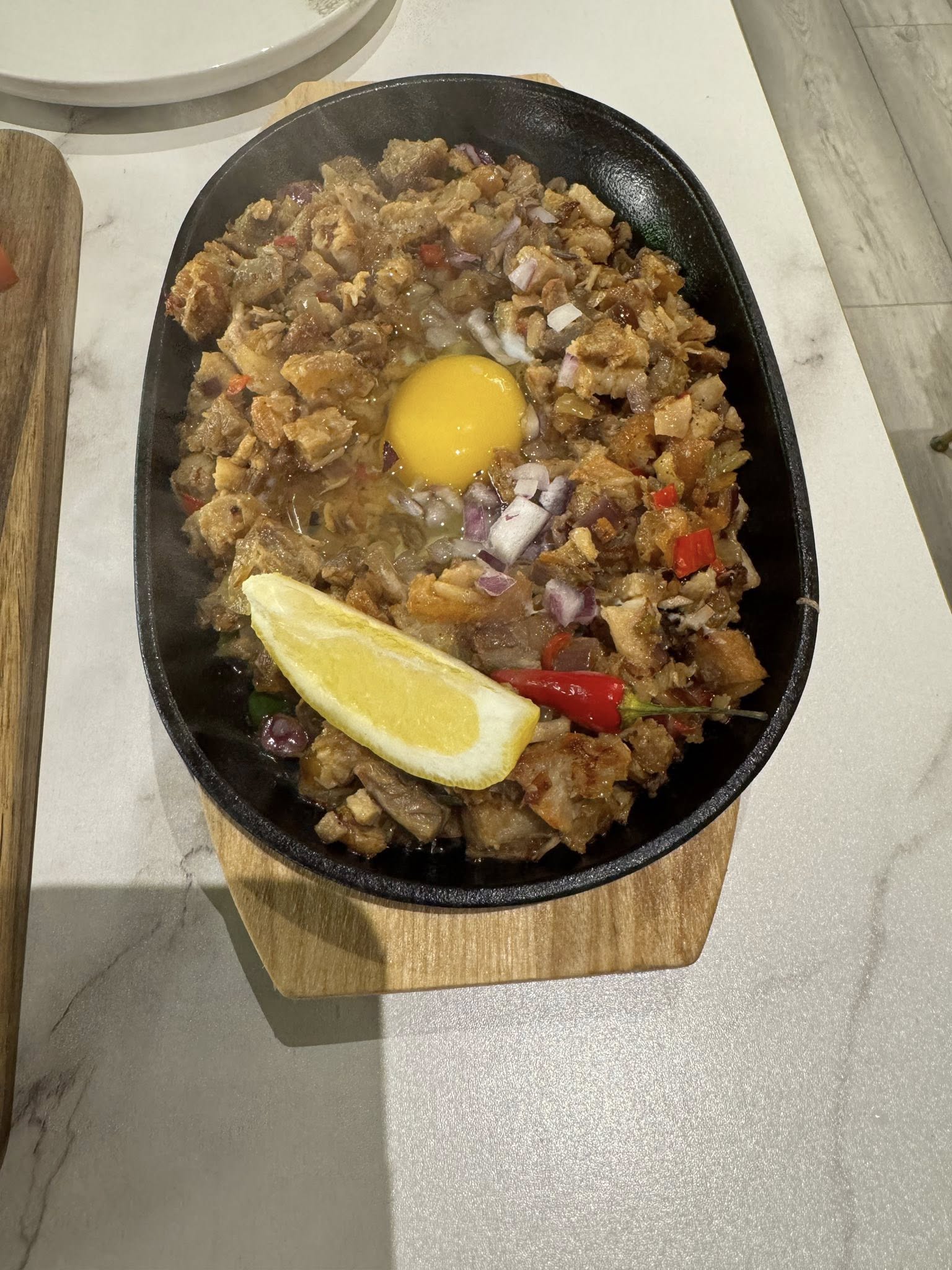
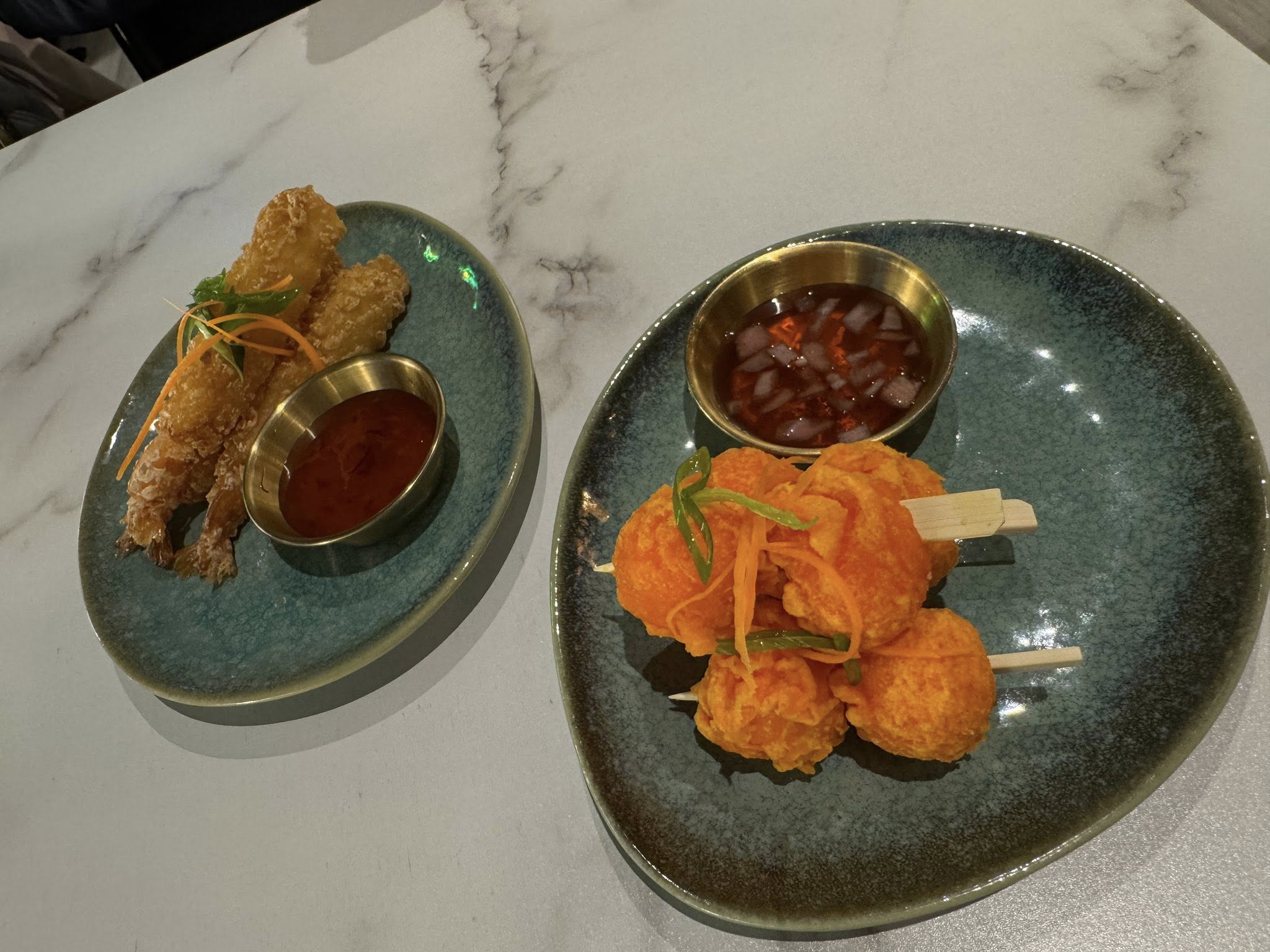
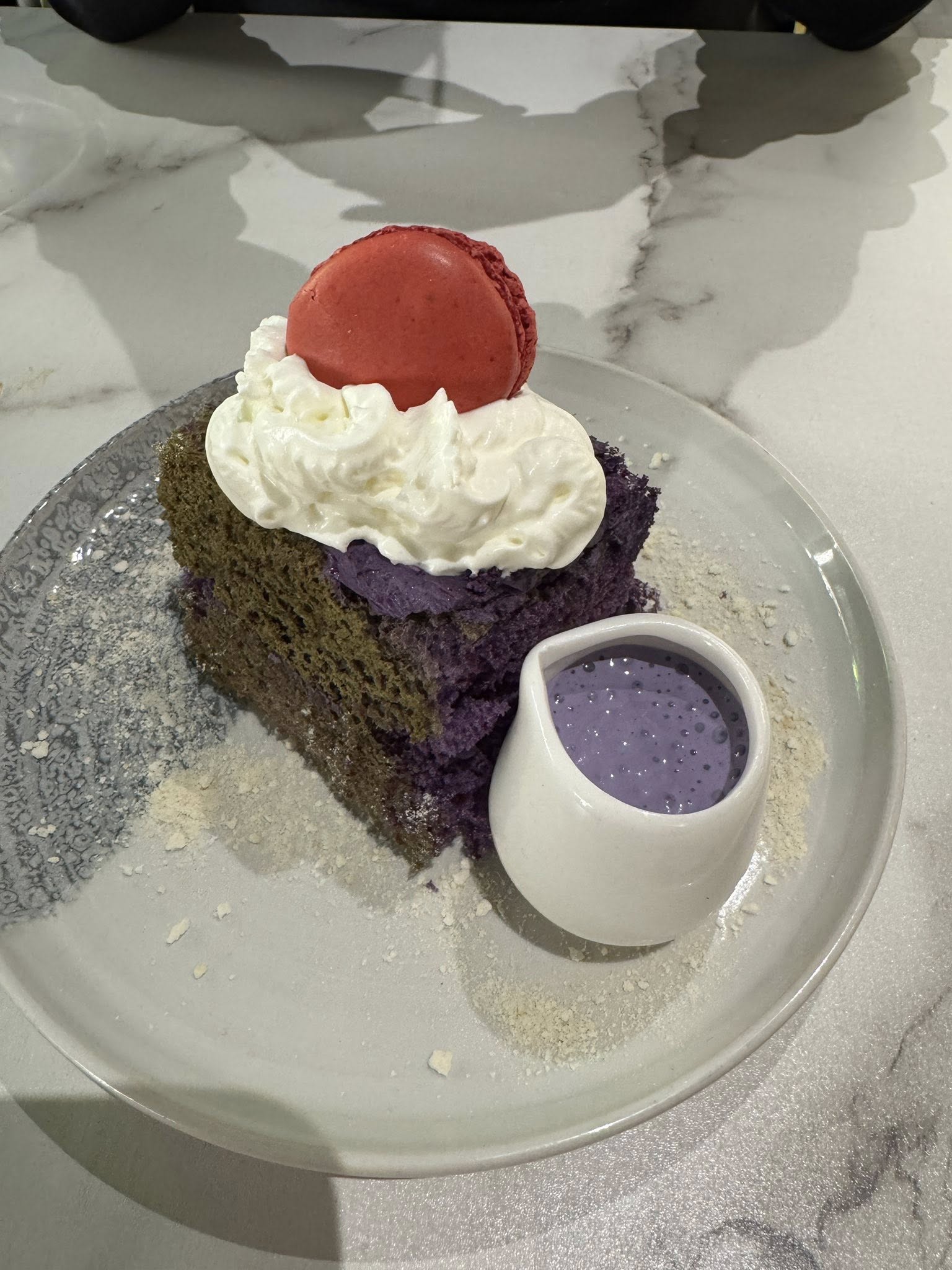
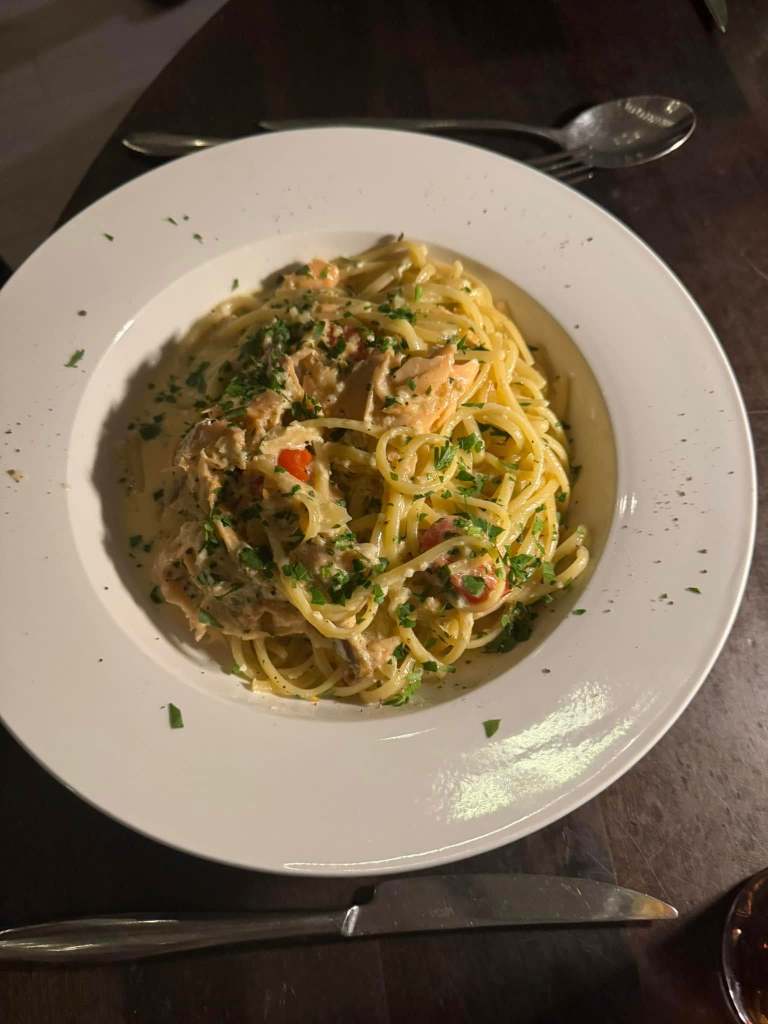
Then my day off came, and life became smaller again. No urgency. No dramatic plan. Just time away from the usual rhythm and a visit to D’Cocina for Filipino food. Nothing monumental happened there. No revelation descended from the ceiling between courses. We ate. We talked. We sat. Yet food becomes a peculiar thing when you live far from the country that first taught your tongue what home tastes like.
A dish stops being only a dish.
One familiar flavour can rearrange geography. Suddenly a kitchen you have not seen for years appears behind your eyes. People return to tables. Voices come back. You remember ordinary lunches, family gatherings, somebody cooking while everyone else talks over one another. For a few seconds, England and Cebu can occupy the same chair.
Perhaps that is one of the strangest discoveries migration gives you: you leave a country and only later realise how much of it managed to leave with you. It hides inside vocabulary, humour, faith, habits and the instinct to offer food again after somebody has already politely refused twice because culturally we all understand the third offer is where negotiations become serious. It survives in recipes measured by instinct rather than mathematics, in family stories repeated so often everyone knows exactly where to laugh and in expressions that make perfect sense in Cebuano but lose half their personality when forced into English.
You carry a country around in fragments.
Sometimes a meal simply puts the fragments back together.
Our day at the restaurant was otherwise completely ordinary. We ate, talked, escaped routine for a while and eventually went home. There was no milestone to celebrate and nothing particularly dramatic worth recording. Years ago, I might not have considered that kind of day memorable. I used to think memory naturally belonged to larger events: graduations, birthdays, weddings, promotions, holidays, new houses, occasions where everybody already knows a photograph will eventually appear online.
Those are the days we formally appoint as important.
But most of life does not happen there.
Life happens over coffee before work, while deciding what to eat, during the drive home, in kitchens and supermarkets and untidy living rooms. It happens in the ten minutes before somebody leaves. It happens while the person you love is sitting nearby doing absolutely nothing remarkable. It happens during Sunday mornings you assume will repeat themselves forever. Extraordinary moments may give life its landmarks, but ordinary ones seem to provide most of the actual landscape.
When I think about Papa now, I rarely wish I had one more photograph from a major celebration. I want another ordinary day. The same is true of Hans. Give me a boring afternoon. Give me somebody sitting across the room. Give me a conversation about nothing. Give me the sort of day nobody bothers photographing because everyone assumes there will be hundreds more.
That is the strange privilege of presence. While we have it, it rarely feels expensive.
We assume another gathering will happen. Another Sunday. Another meal. Another phone call. Another chance to ask the question. Then absence arrives and quietly changes the price of everything.
I do not want knowing that to make me frightened of losing everybody I love. That would be a miserable way to spend whatever time we do have. I do not want every goodbye to sound ominous or every photograph to become preparation for grief. I simply want to notice more. I want to stay at the table a little longer. I want to listen properly when someone tells me a story I have already heard. I want to appreciate familiar voices while they are still voices and not recordings memory is desperately trying to reproduce.
There is a difference between living terrified that everything will end and understanding that nothing is guaranteed to remain exactly as it is.
One steals the present.
The other teaches you to look at it properly.
Perhaps that is why certain Sundays carry more weight than others. They make room for contradictions. I can miss Papa and remain grateful for the life I am living. I can think of Hans and smile before sadness catches up. I can miss the Philippines while loving the home I have built elsewhere. Happiness does not require grief to disappear first, and moving forward does not require abandoning everybody behind us.
Human beings are rather strange containers.
We can hold joy and longing, gratitude and grief, home and homesickness at the same time and somehow still have room for dinner.
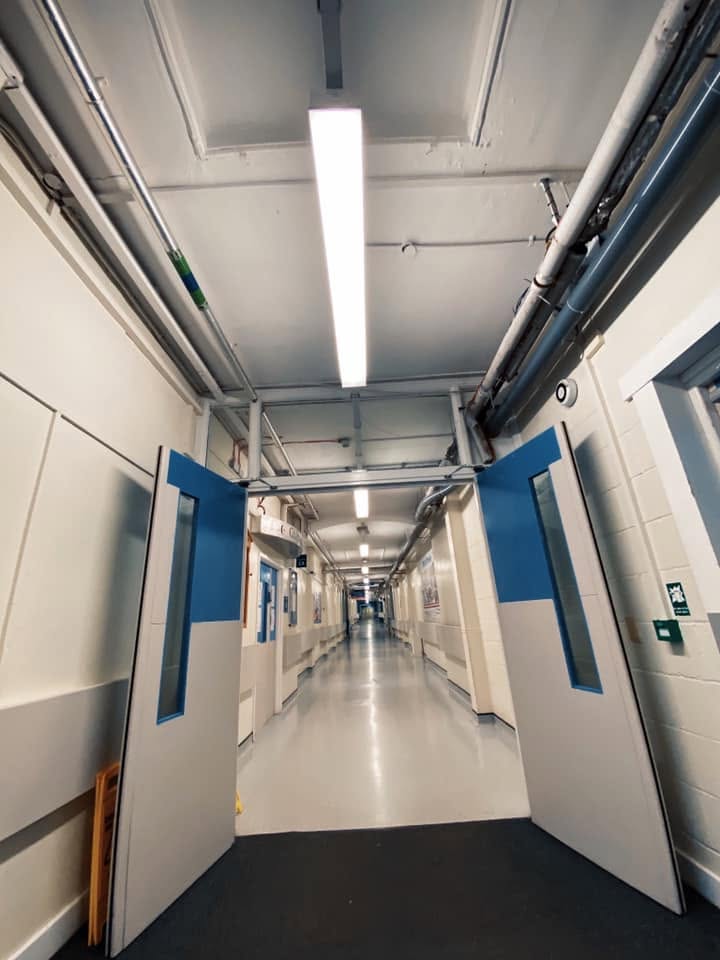
By the end of that Sunday, I realised I had travelled remarkably far for someone who had barely moved around England. One smell had taken me to Cebu. Food had returned me to kitchens and tables. Papa had been sitting in my thoughts again. Hans had been near a guitar. I had wandered through hospital corridors, childhood Sundays, crowded houses, family meals and the life I have now, all because home has never been particularly respectful of geography.
And eventually, I ended up back where I had started.
In the kitchen.
With the fridge.
With the container I had opened because I was hungry.
The leftovers had become breakfast by then, although calling it breakfast felt almost inadequate after everything they had managed to bring with them. I reheated the food, sat down and ate slowly. The room was still quieter than the Sundays I remembered. Nobody was shouting from another room. No television was competing with conversation. No relative was asking where somebody else had disappeared to.
But the silence no longer felt empty.
It had voices inside it.
Perhaps home is not always somewhere we return to by plane. Maybe it cannot be contained neatly by an address, passport or pin on a map. Sometimes home survives in flavours, jokes, faith, language, habits and people whose chairs have been empty for years. Sometimes it hides in the smell of yesterday’s food inside an English fridge and waits for an ordinary Sunday morning to open the door.
I had only been looking for breakfast.
Still finding home behind the milk,
Anj 🖤





















Leave a Reply