“Put down roots where you are planted.”
I did not understand that line when I first arrived in the UK. It sounded lovely, of course. Most sayings about growth do when you are reading them somewhere warm and comfortable. Roots, apparently, are expected to behave themselves: find the soil, settle in, grow. Nobody mentions that sometimes the soil is unfamiliar, the weather is miserable, and the person doing the growing is still trying to understand the bus route.
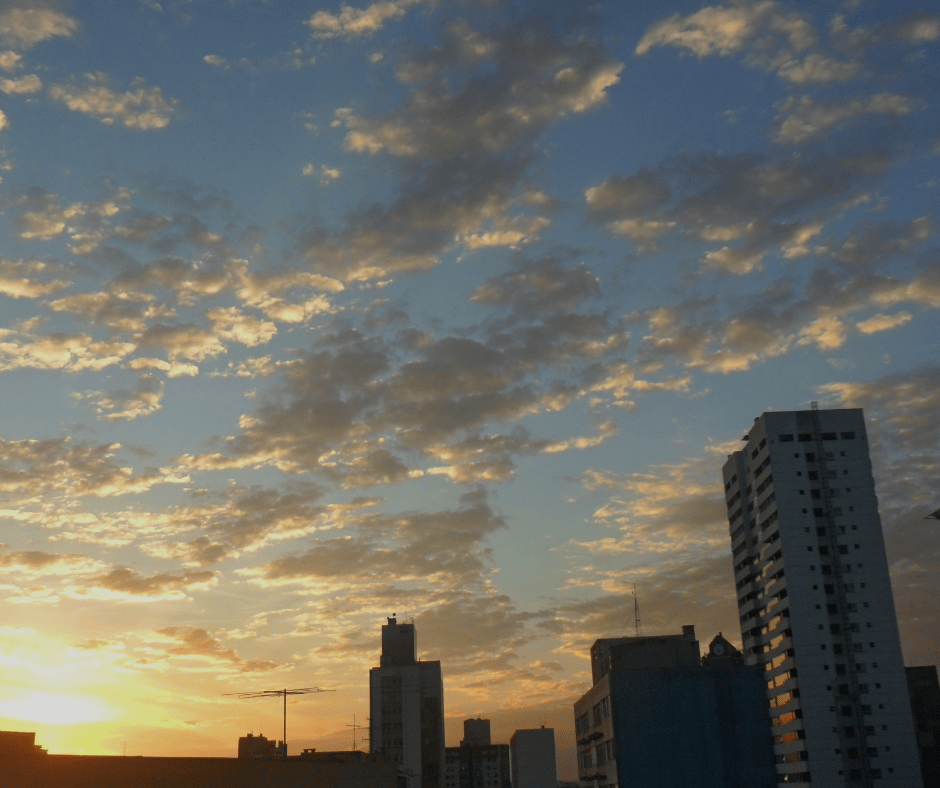
I arrived in autumn of 2019, which now seems almost suspiciously appropriate. The trees were already letting go of things. Leaves gathered along pavements, sometimes beautifully beneath rows of trees and sometimes less beautifully as wet brown things stuck to the bottom of my shoes. I had come to the UK carrying the excitement of someone who had worked hard for this particular chapter of life. I was finally here. There was work waiting for me, a different country to discover, and the satisfying feeling of having done something I had once only imagined. I had crossed continents. I had moved my life. I was independent. Very impressive. I also did not always know where I was going.
That was the strange thing about beginning again. From a distance, moving abroad can look like one enormous brave decision. In reality, much of it is embarrassingly ordinary. You learn routes. You work out which shops sell the things you recognise. You listen more carefully because conversations move differently around you. You discover that an accent you understood perfectly well on television occasionally becomes a completely different language when spoken quickly by an actual person. You learn where to stand, what to say, how things work, and which small rules everybody else seems to have received in advance. Nobody hands you a manual entitled How to Become a Functional Adult in Britain Without Looking Confused. So I learned by being confused.
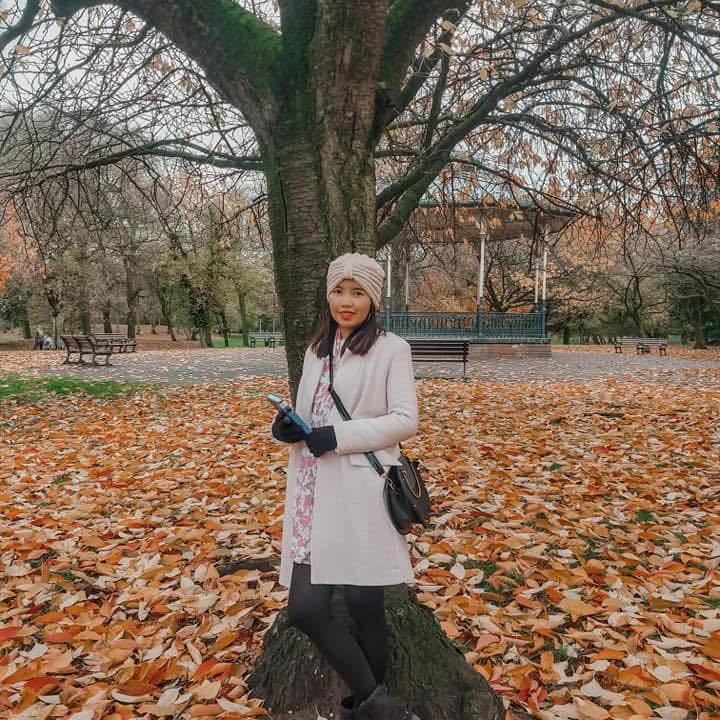
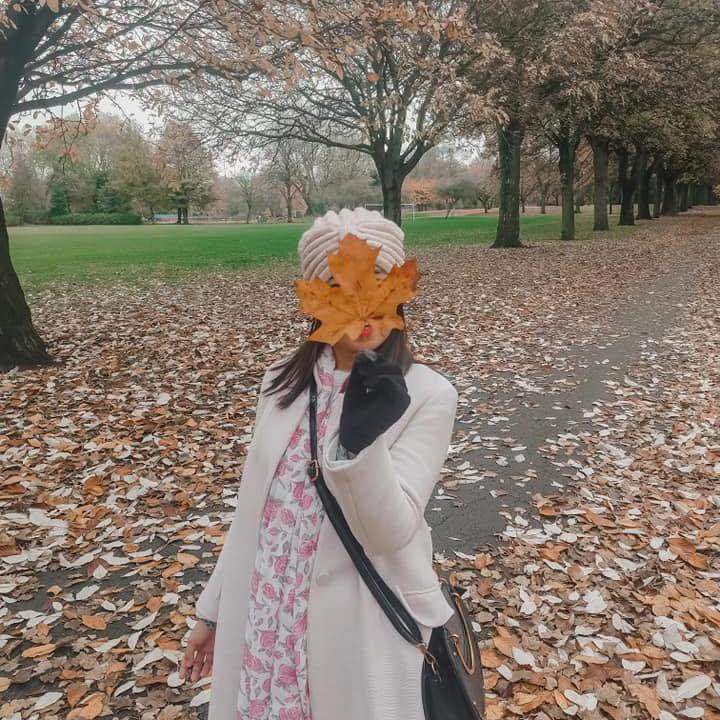
Autumn became my season of introduction.
I was meeting a country, a workplace and another version of myself at roughly the same time. I was hopeful, but hope did not prevent uncertainty. There were evenings when I returned home carrying the tiredness of having spent an entire day paying attention—not only to work, but to everything. New environments make even ordinary things require concentration. Nothing had become automatic yet. I had to think about things that other people simply did.
Then winter arrived, and England apparently decided that my orientation period was over. I had known cold before. I had not known this particular variety of cold—the kind that appears personally offended by the existence of exposed skin. Darkness came ridiculously early. There were mornings when going to work felt as though the sun itself had called in sick. The novelty of wearing coats eventually disappeared because coats stopped being fashion and became survival equipment. I learned layers. I learned heating. I learned that there is a point in winter when seeing five degrees on the weather forecast can somehow feel encouraging.
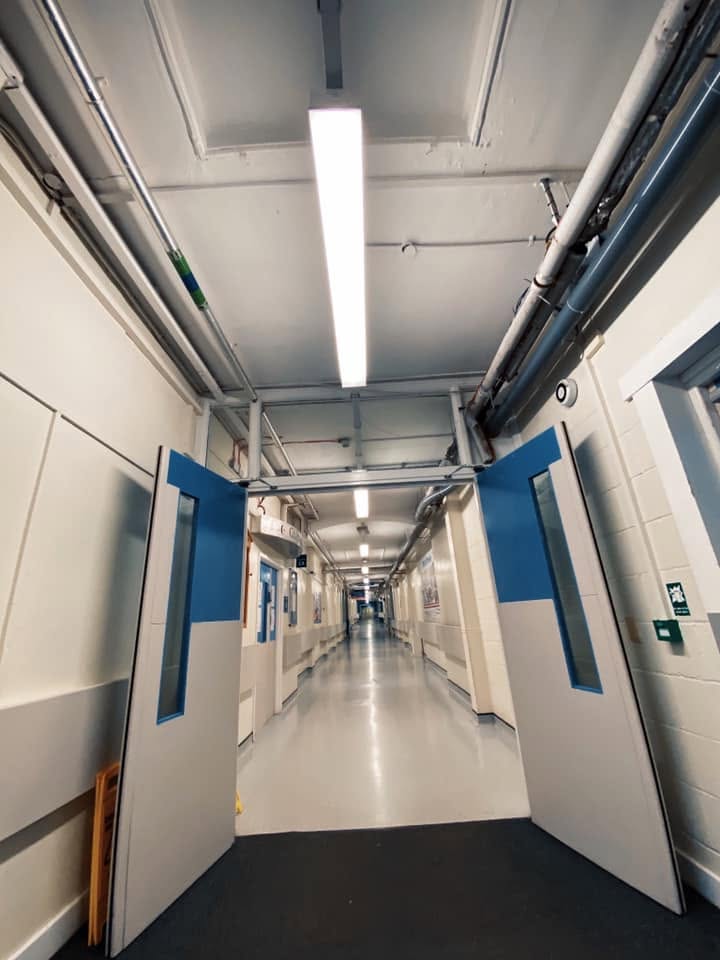
Work was changing me too. The excitement of finally being here settled into the reality of responsibility. Nursing in a new country meant carrying what I already knew while learning how things were done somewhere else. There were systems, expectations, routines, terminology and ways of working that I had to understand. I had experience, but experience does not make every unfamiliar place immediately familiar. There were days when I felt capable and days when I went home replaying things in my head, wondering whether I had said the right thing, done enough, learned quickly enough.
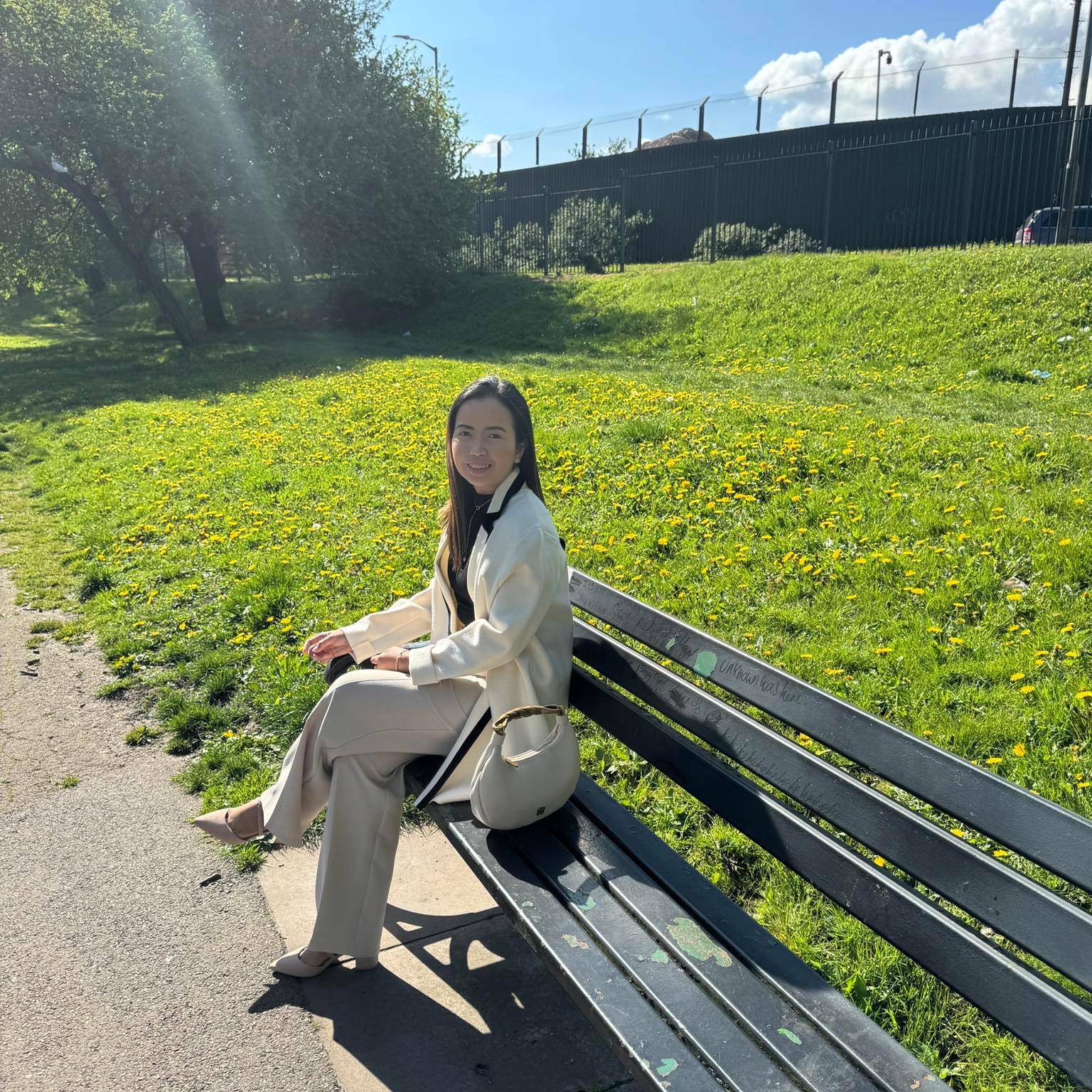
Homesickness slipped into that winter almost unnoticed. It was rarely dramatic. Nobody needed to find me staring tragically through a rain-covered window while sad music played in the background. It usually arrived through ordinary things: a song, food, a familiar expression, seeing something my family would have laughed at, hearing voices from home through my phone and suddenly remembering the physical distance between us. Life in the Philippines had continued without me, as it should, but sometimes that knowledge carried a small ache. People were eating together, arguing, celebrating birthdays, cooking familiar meals and complaining about familiar problems while I was building a life several thousand miles away.
That was when I began understanding something I had not considered before leaving: you can be grateful for the life you chose and still miss the life you left. The two feelings do not cancel each other. I did not need to regret moving to justify homesickness. I missed home because home had been worth missing.
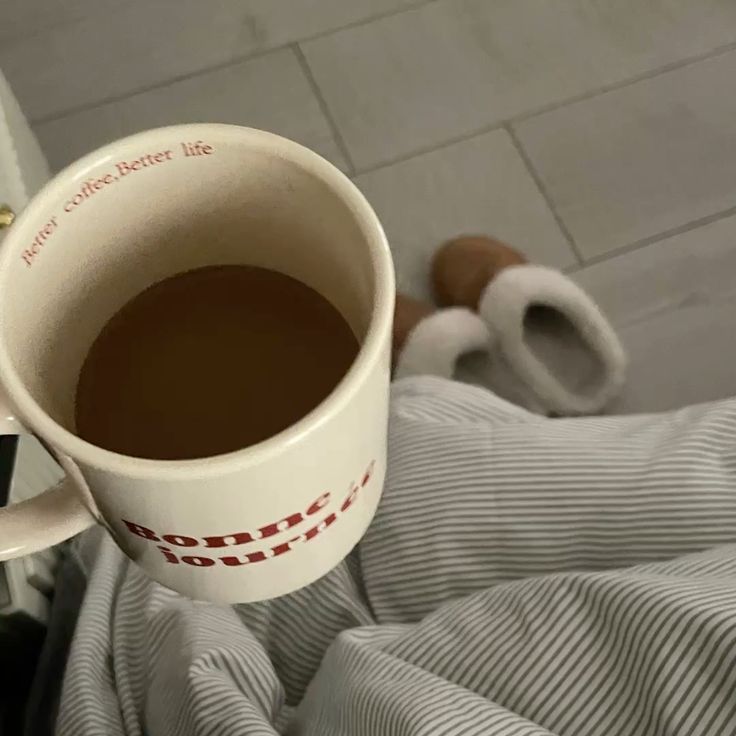
Winter lasted. Work continued. I continued. There was no dramatic scene where I suddenly discovered extraordinary courage. Most days were much less cinematic. I woke up. I got ready. I went to work. I learned. I made mistakes. I asked questions. I came home. I called family. I rested. Then I did it again. At the time, repetition did not feel particularly meaningful. It was simply life.
Looking back, I think that was where the roots were actually growing.
They did not grow during the impressive moments, when photographs were being taken or when there was something worth announcing. They grew while I was learning the roads, understanding the workplace, becoming familiar with people, surviving winters, missing home and returning to work anyway. Somewhere between all those ordinary days, things that had once required thought became instinct. Roads stopped looking unfamiliar. Colleagues became people I knew. Britain stopped feeling entirely like somewhere I had arrived and slowly became somewhere I lived.
The seasons changed, of course. Spring came, then summer, then autumn again. Several times. Life did what life normally does when you are busy living it: it moved faster than expected. Work changed. I changed. There were difficult shifts, achievements, disappointments, friendships, losses, ordinary Tuesdays, plans that worked and plans that absolutely did not. There were days when I felt very certain about the life I was building and others when I still felt like the woman who had just arrived with luggage and more confidence than information.
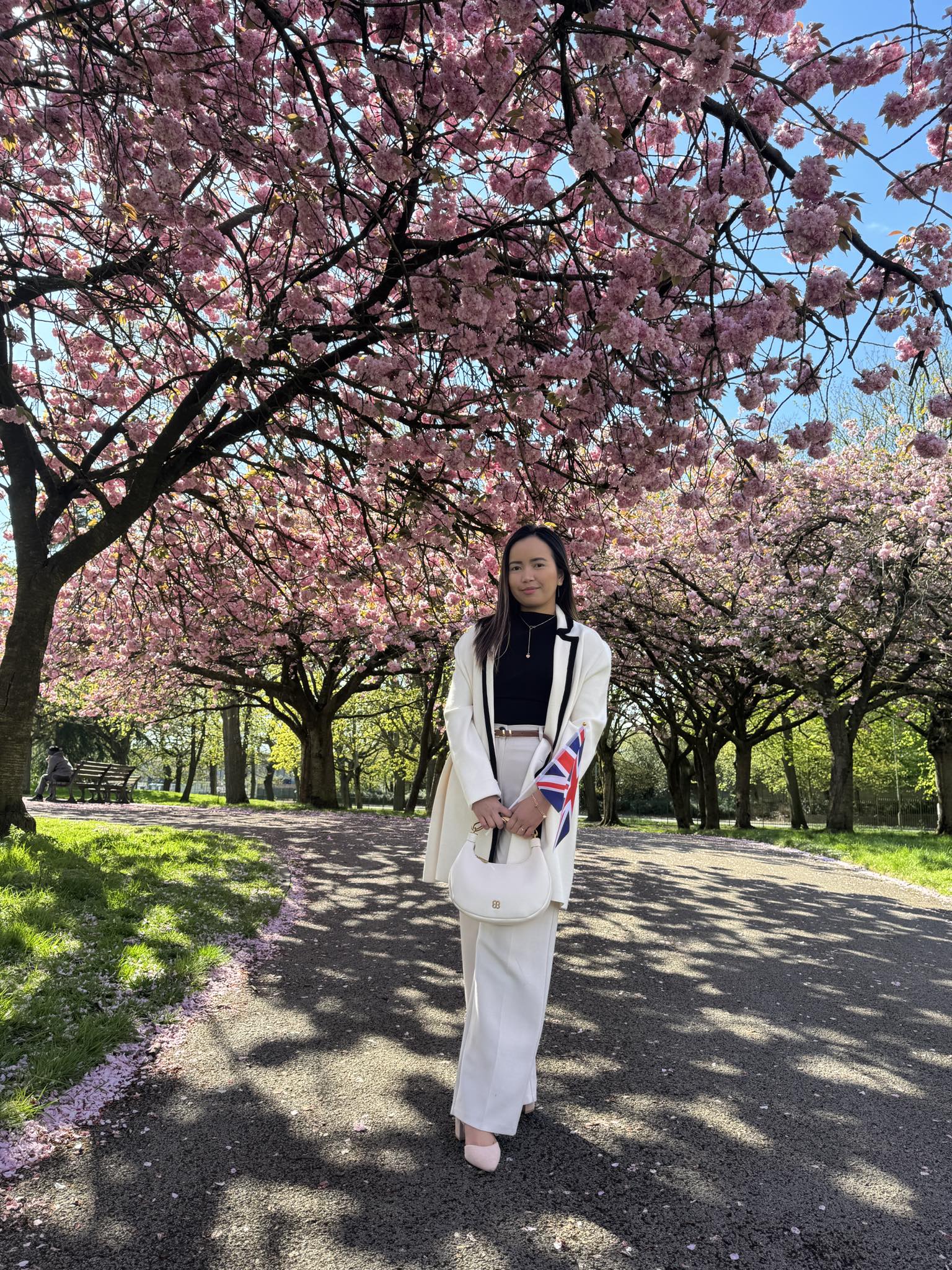
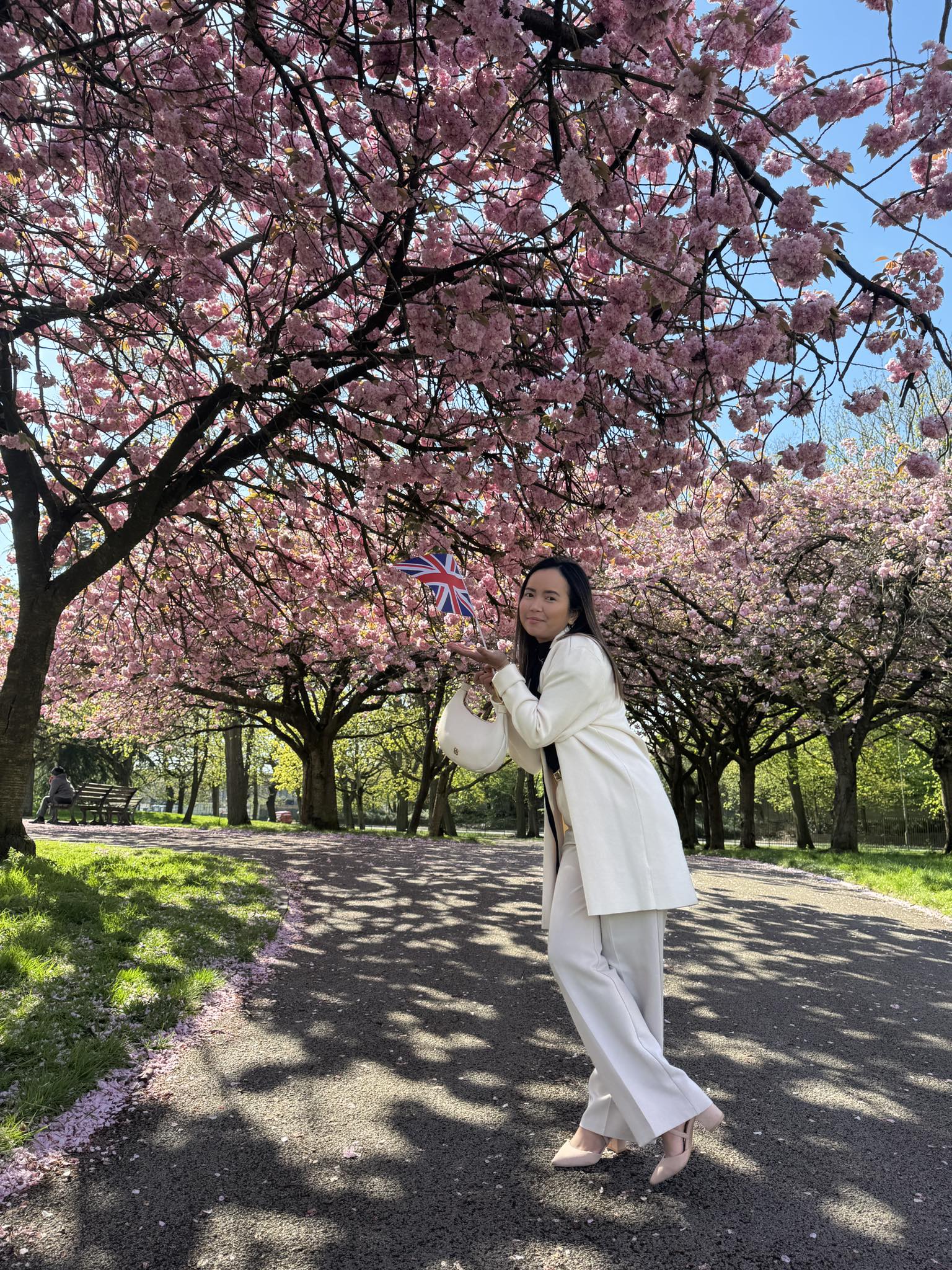
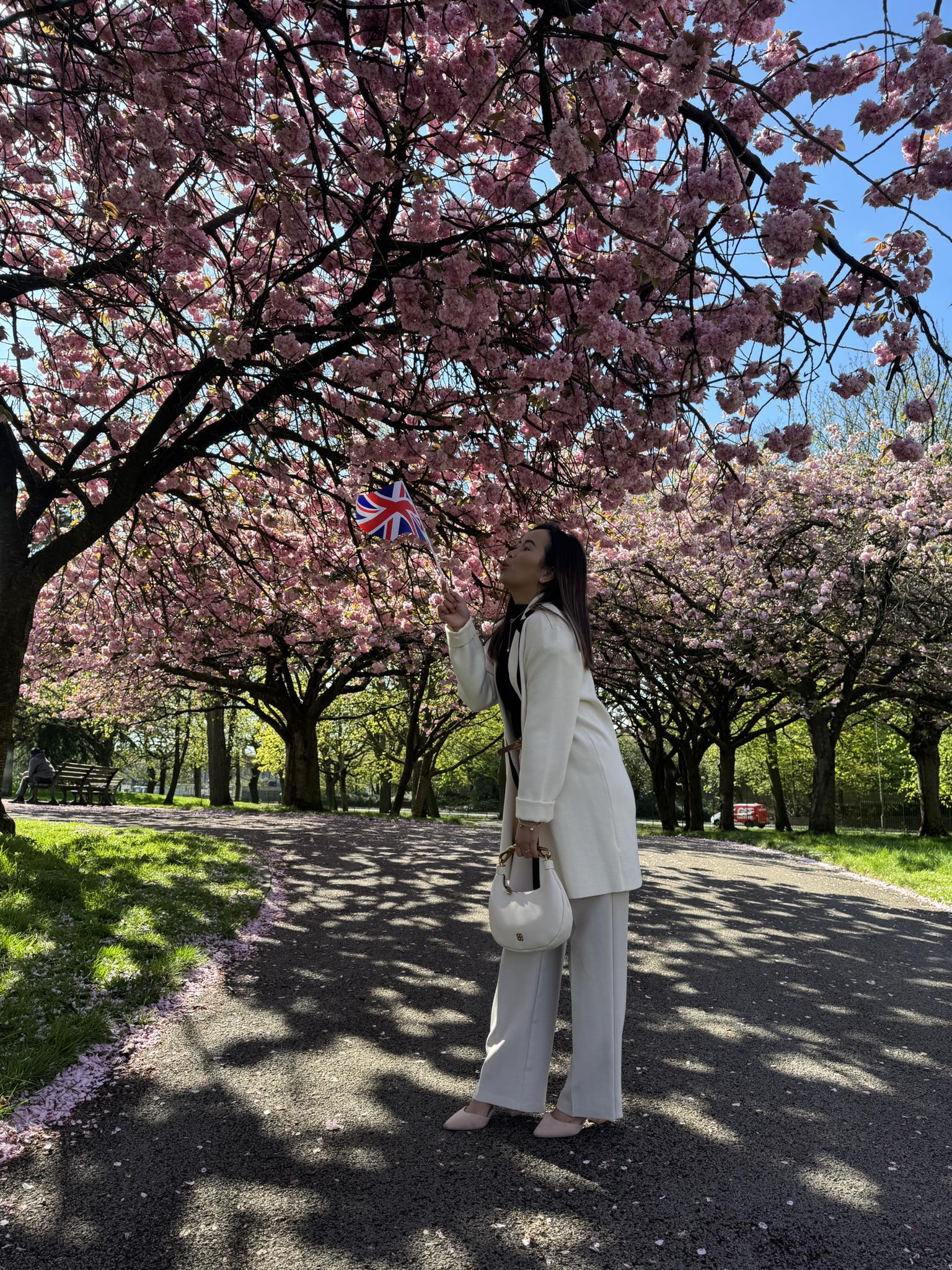
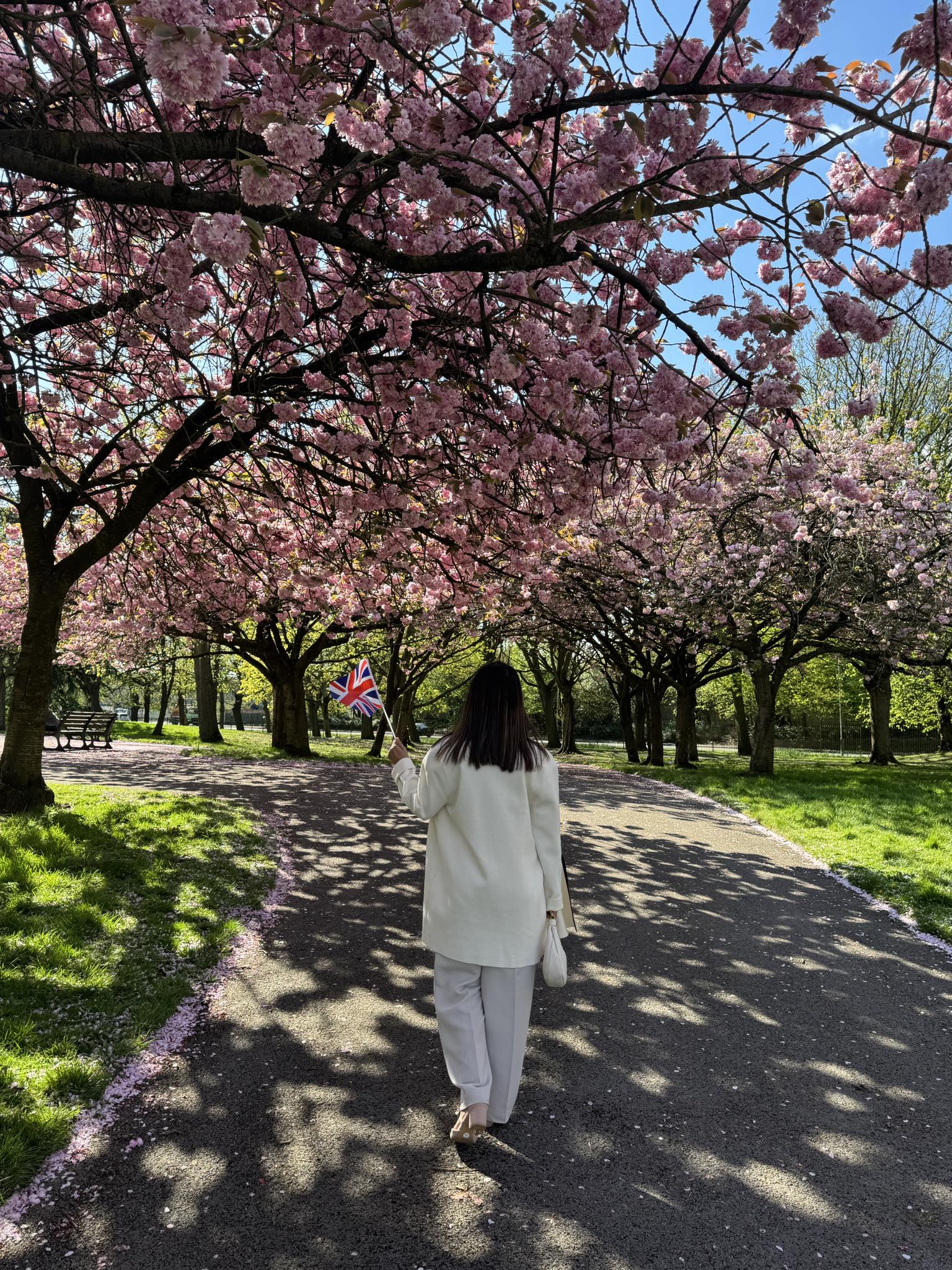
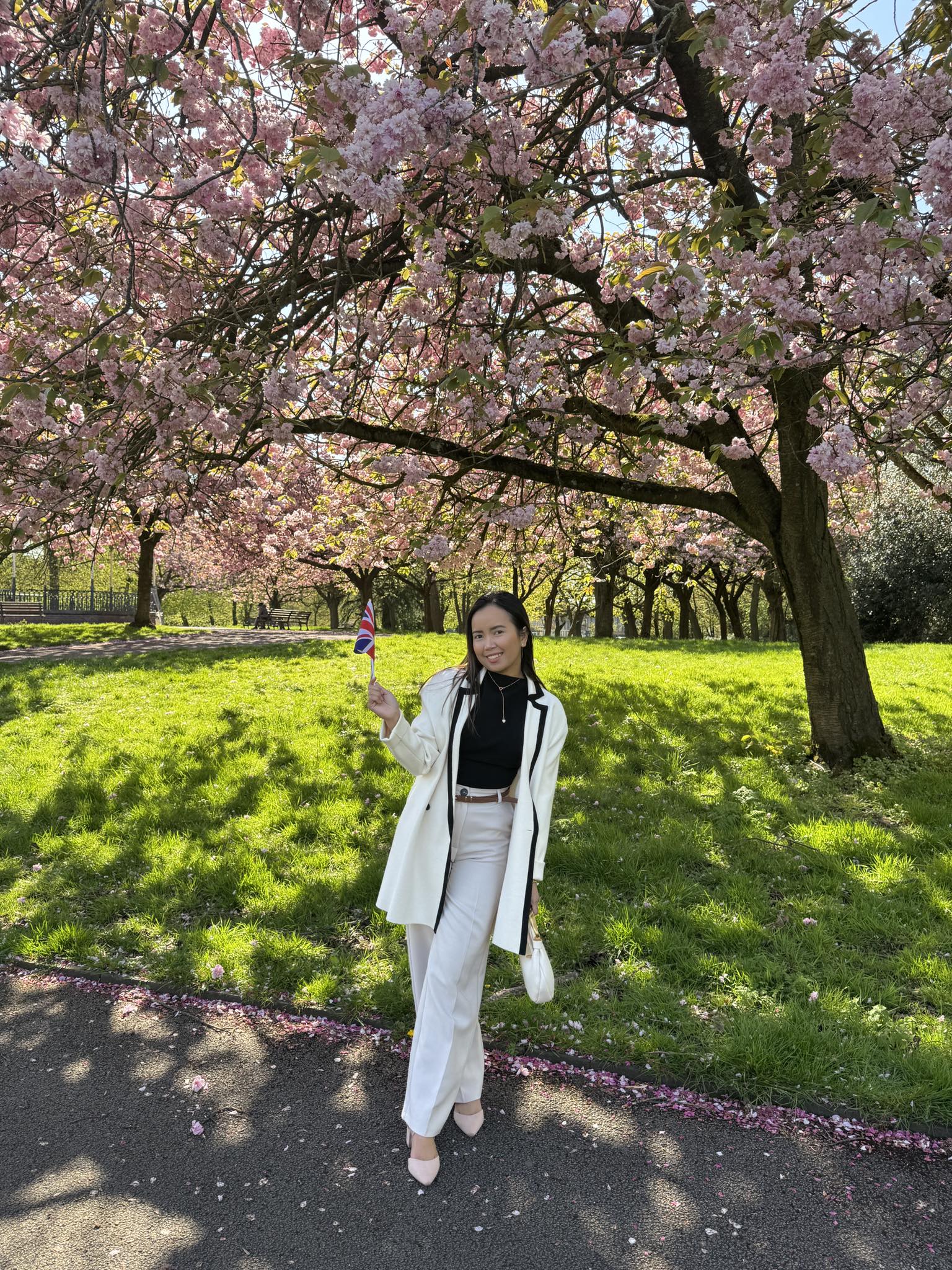
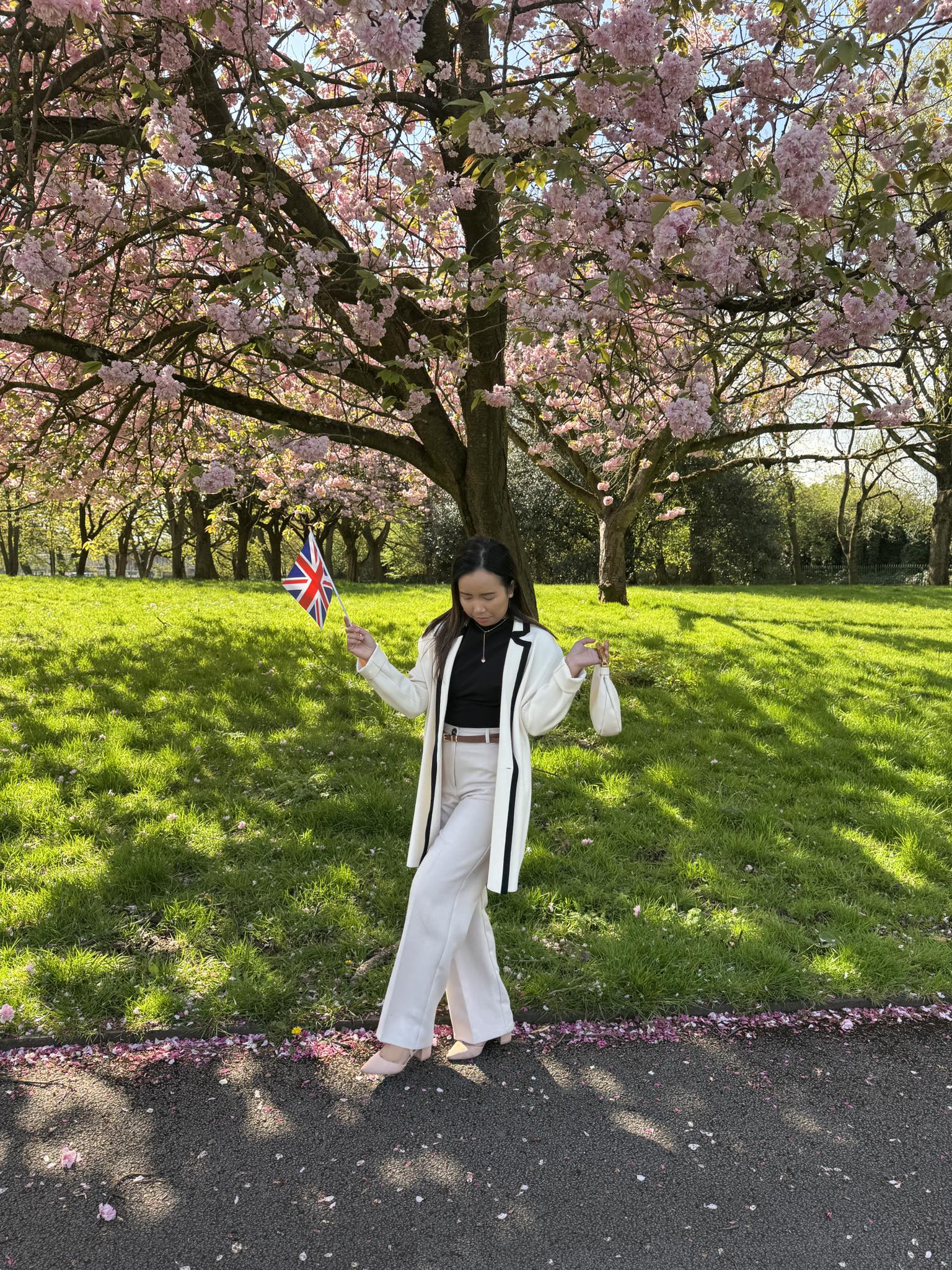
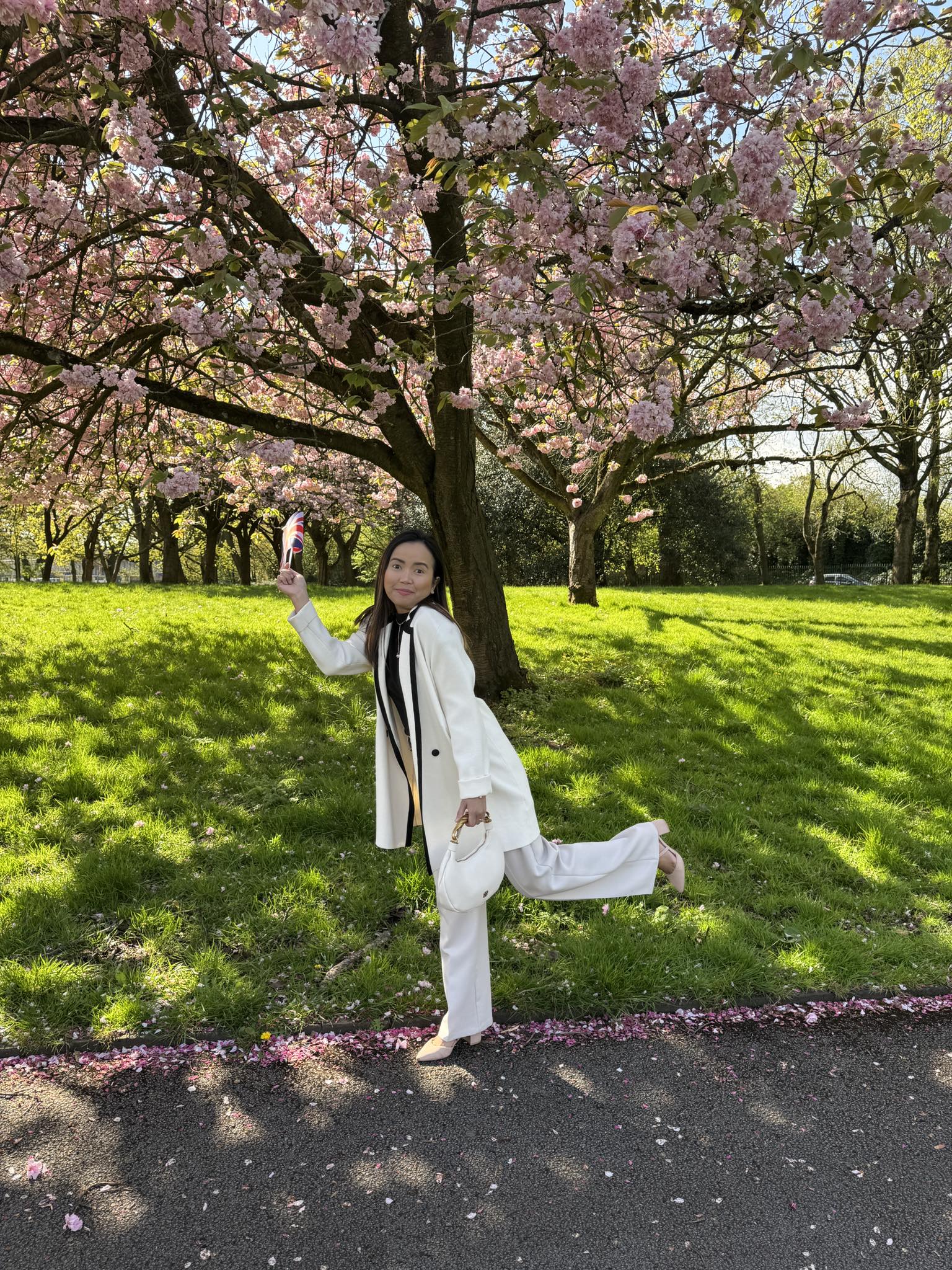
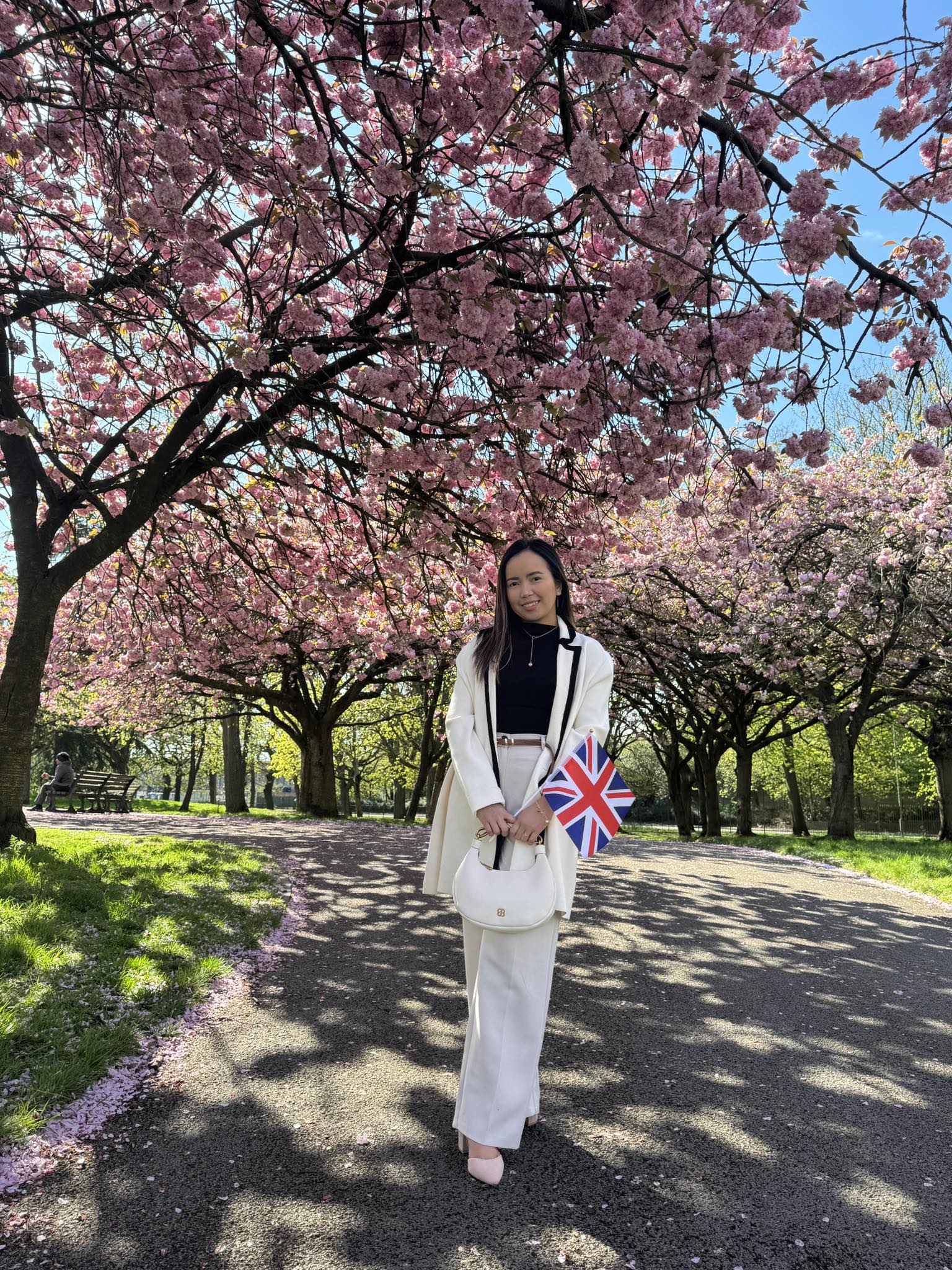
Then came spring 2026.
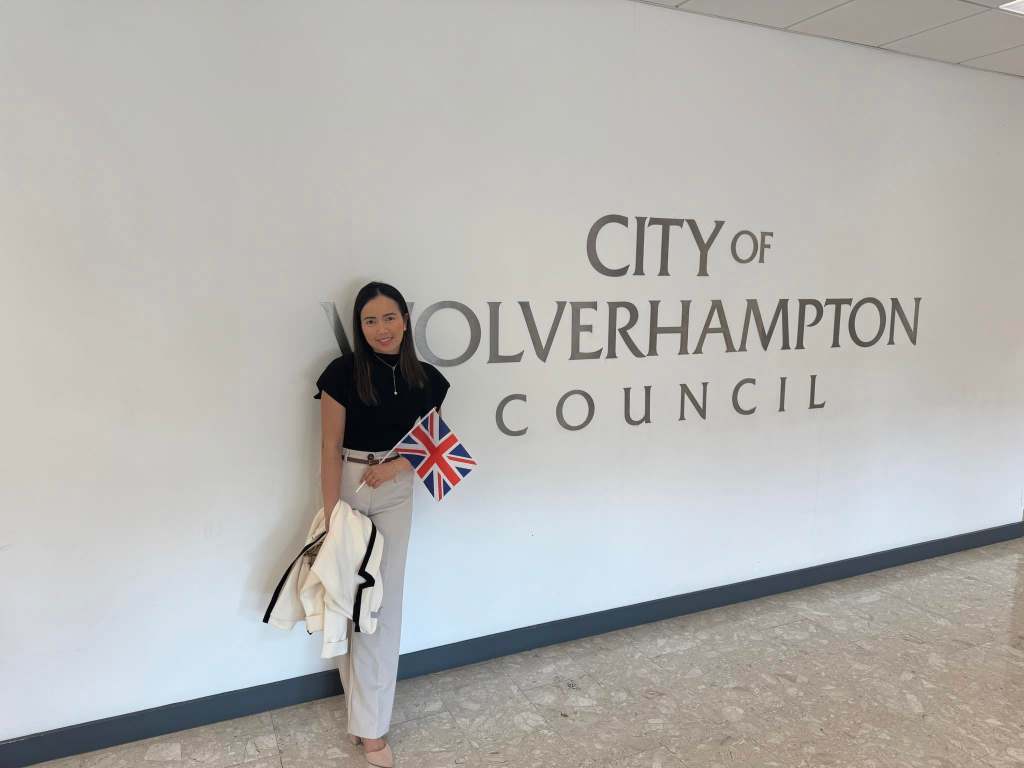
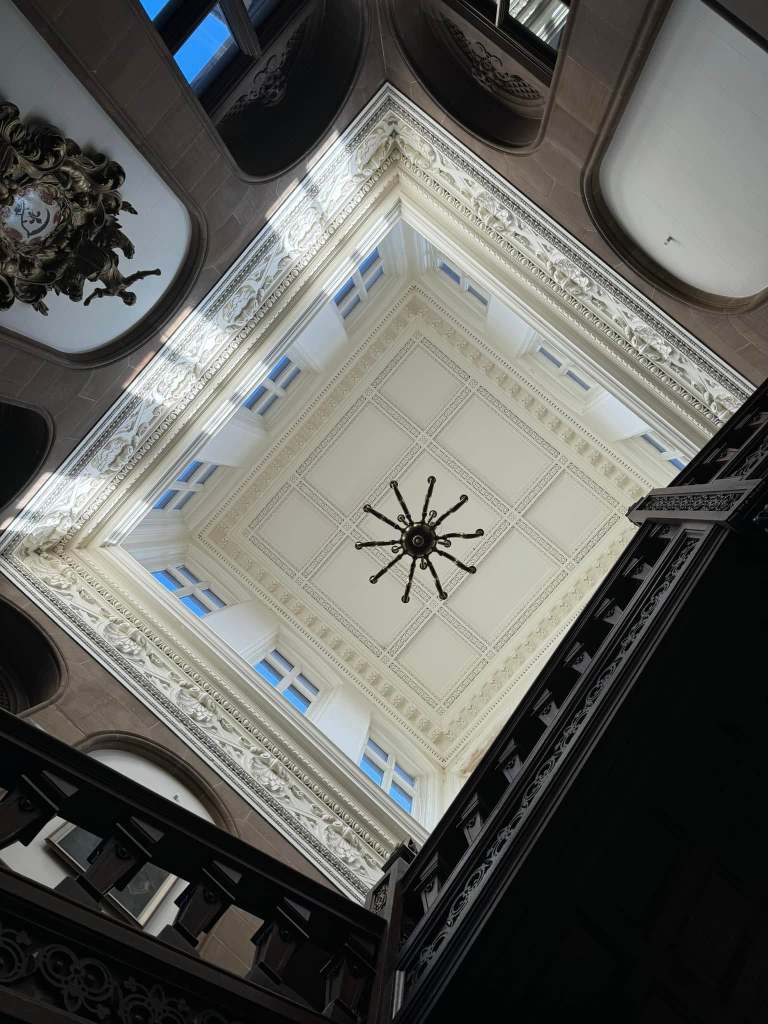
I stood in a room during my British citizenship ceremony holding a certificate. On paper, it was exactly that: a certificate, my name, an official recognition of citizenship. But paper has a strange habit of looking much smaller than the years required to reach it. I looked at what I was holding and thought about the woman who arrived in autumn 2019. She had no idea she was walking towards this room.
She did not know how many winters she would see first. She did not know how work would change her, how many patients would pass through her care, which people would become important to her or how familiar roads that once confused her would eventually become. She did not know which difficult days she would survive because, naturally, difficult days rarely provide spoilers. Standing there, I realised that I had spent years becoming part of a place while being too busy with everyday life to notice it happening.
Perhaps that is the problem with growth. We expect to feel ourselves changing. We imagine there should be some internal notification: Congratulations. You have successfully entered the next stage of your life. Instead, growth hides inside repetition. It happens while you are working, buying groceries, paying bills, learning routes, making friends, missing people, getting things wrong, trying again and wondering why there is always more laundry.
CLICK to Browse More Photos


The citizenship ceremony did not suddenly turn me into somebody new. That may be what made it meaningful. The certificate recognised something that ordinary life had already been building for years. I was still the woman who came from the Philippines. I still carried home with me—in my language, my food, my humour, my faith, my memories and the people I love. Becoming British did not require erasing any of that. A new root had grown without cutting away the old ones.
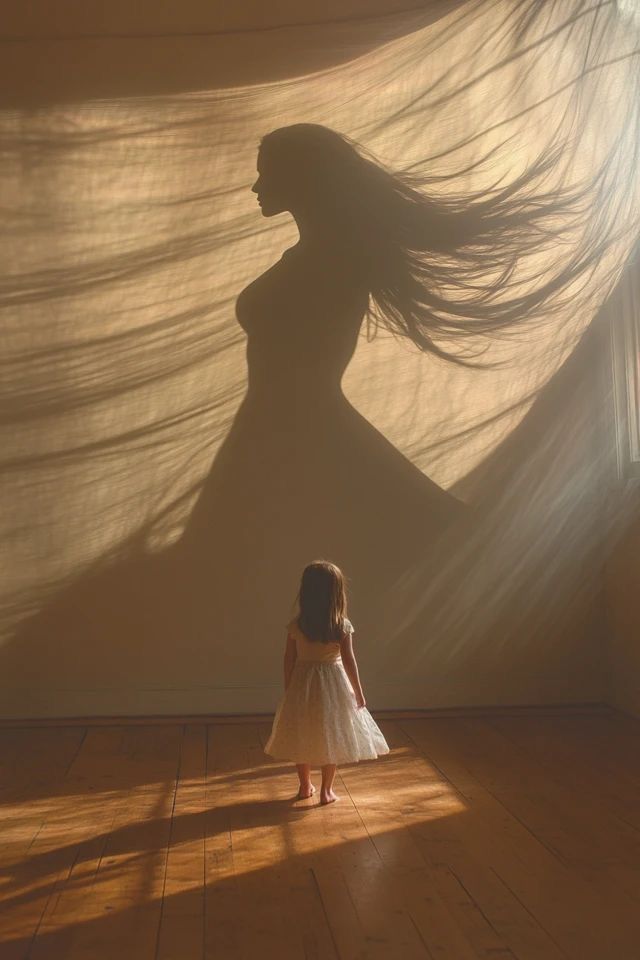
Perhaps that is what I misunderstood when I first heard, “Put down roots where you are planted.” I thought being planted meant I had already arrived, that finding myself in new soil was somehow the end of the journey. I know better now. Being planted is only where the becoming begins. Roots take time. They push through unfamiliar ground, endure seasons they would never have chosen and grow where nobody can see them. Autumn gave me somewhere new to stand. Winter asked whether I could stay.
And after all the seasons in between, spring finally allowed me to look back and see what had been growing beneath those ordinary years.


That certificate in my hands was never the whole story; it was simply one visible leaf on something that had been taking root since 2019. I came here thinking I had crossed the world to build a new life, only to discover that the life was building me too. And perhaps that is the meaning of all our seasons of becoming: we spend years wondering whether we have finally found where we belong, only to look down one day and realise that the roots beneath our feet have already answered us.
Apparently, roots don’t need a certificate,
Anj 🌱























Leave a Reply