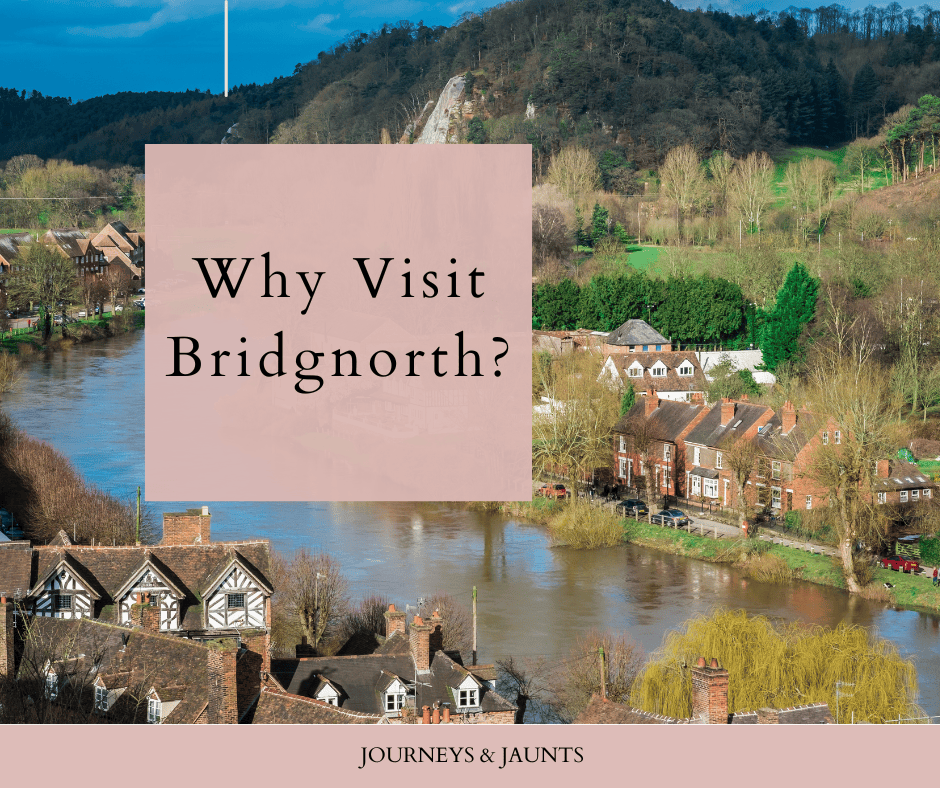
I Blame Bridgnorth
The plan was simple: go to Bridgnorth, walk around, take some photographs, eat something nice and come home. At no point did I schedule an existential discussion with a nineteenth-century railway, a leaning castle wall or the River Severn. Yet this is what happens when I travel. Give me an old building, a decent view and enough time to wander, and eventually I will assign emotional significance to something that has been minding its own business for several hundred years. My partner has probably accepted this by now. We went out for an ordinary Saturday and I returned with photographs, tired legs and several opinions about the passage of time.
Bridgnorth is particularly dangerous for people prone to unnecessary reflection because the town looks as though it has been left alone just long enough to develop character. Modern life is obviously there. Cars pass, cafés are busy, people are shopping and everyone still has a phone in their hand, so we had not accidentally travelled back to the eighteenth century. Yet the old buildings, narrow streets, church towers and the River Severn somehow make the place feel slightly detached from the rush happening everywhere else. Bridgnorth does not appear particularly concerned about keeping up with trends, which I respect enormously.
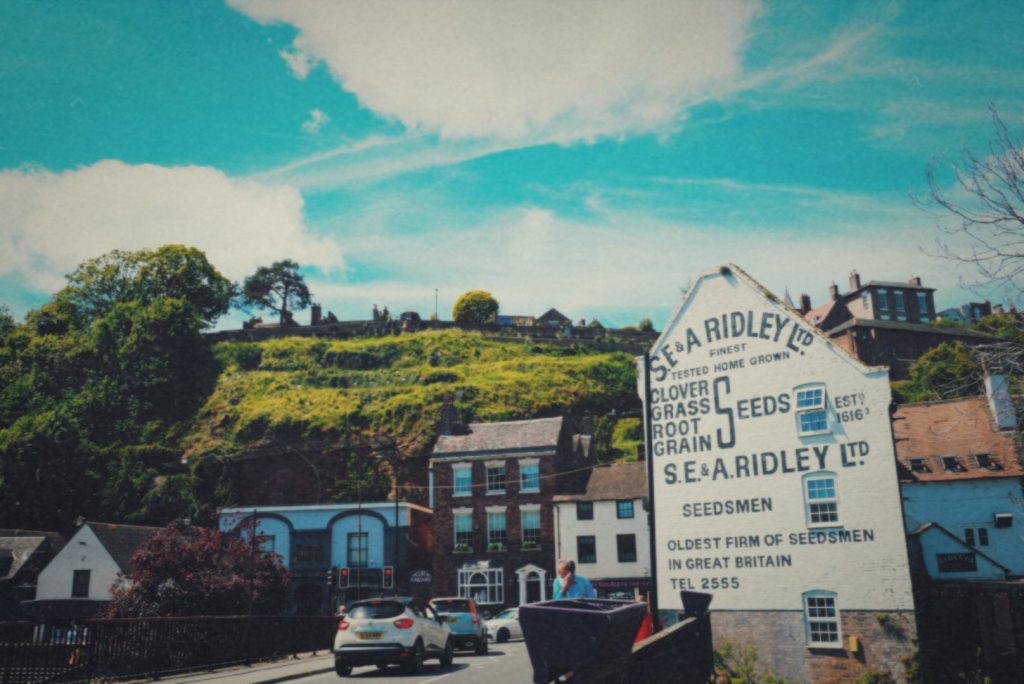
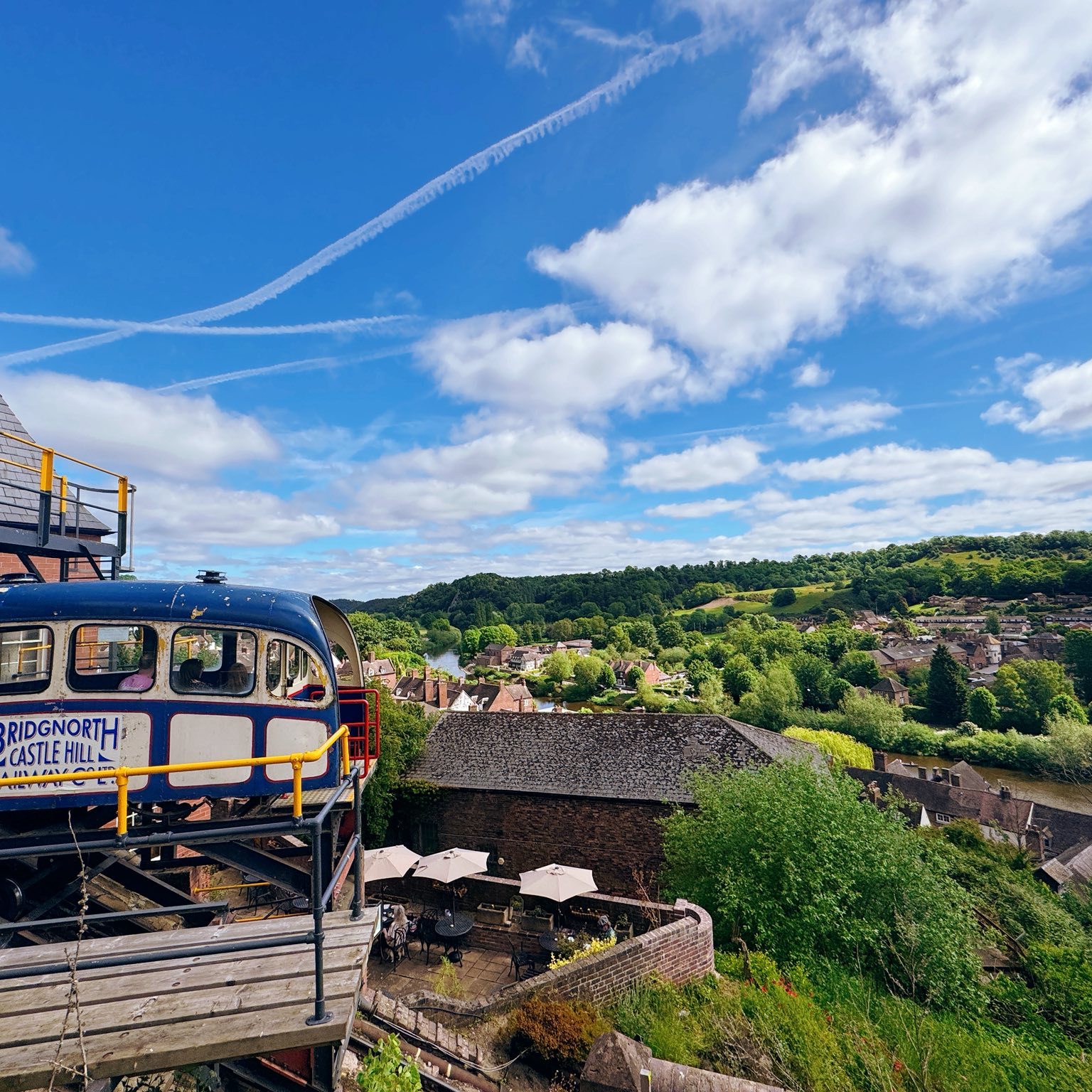
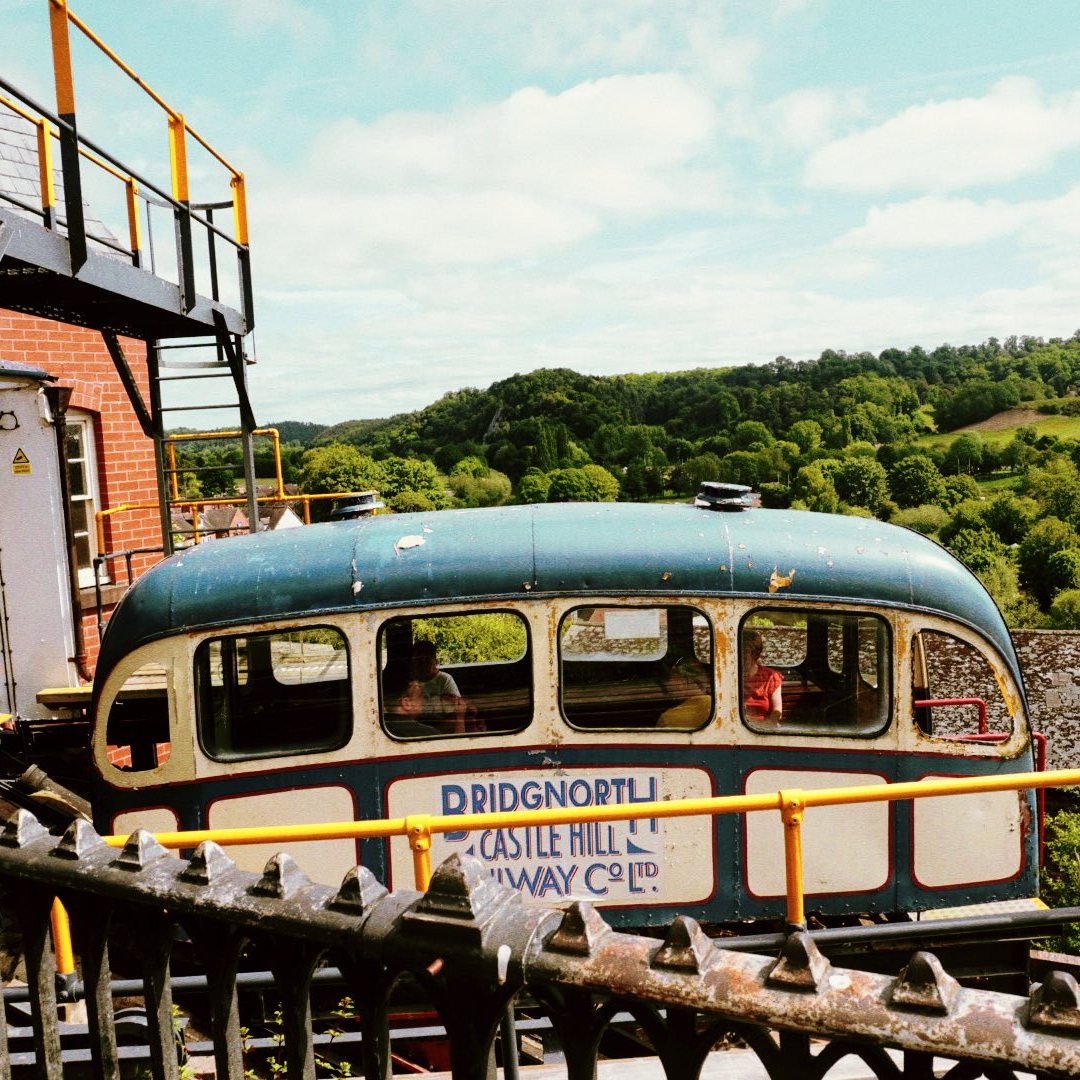
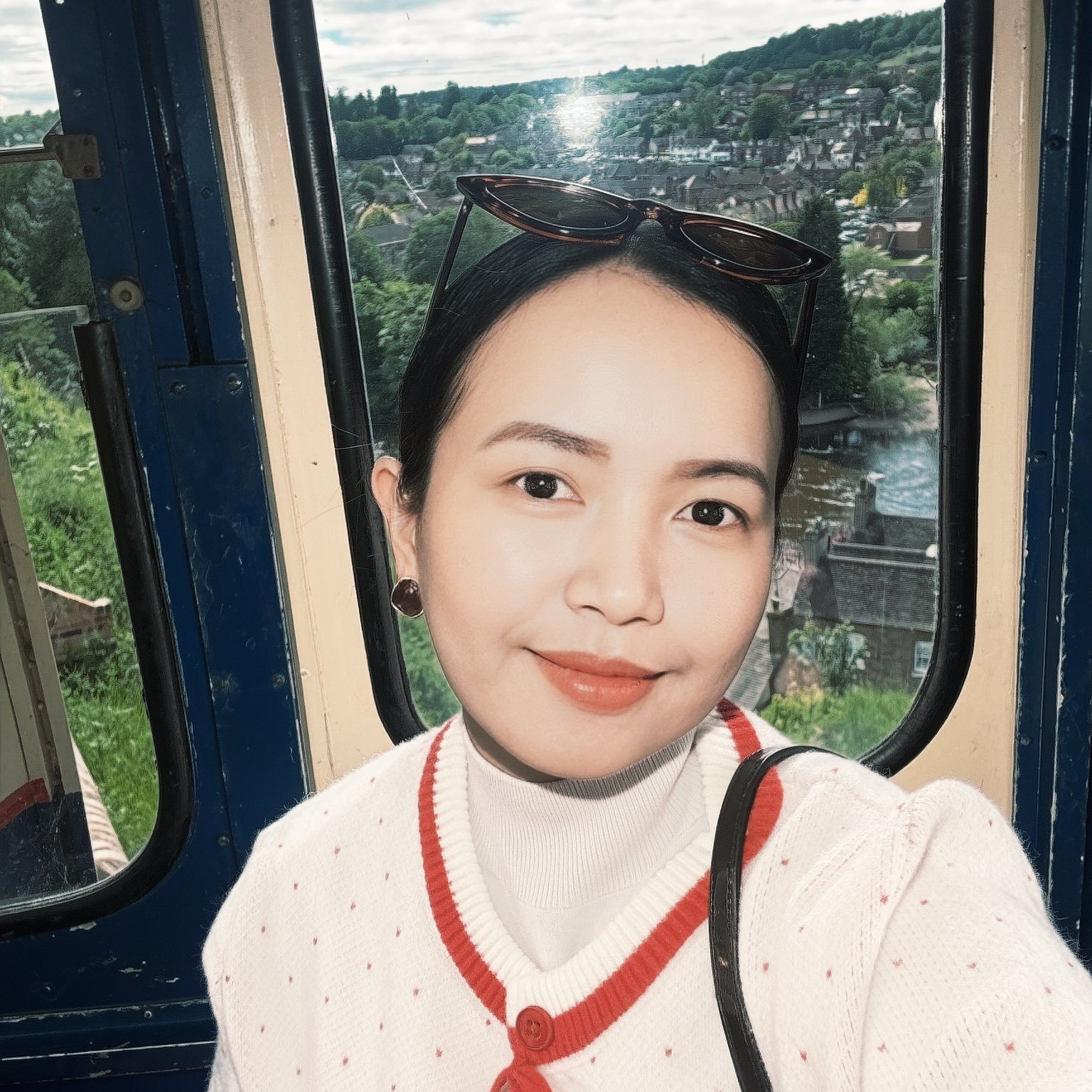
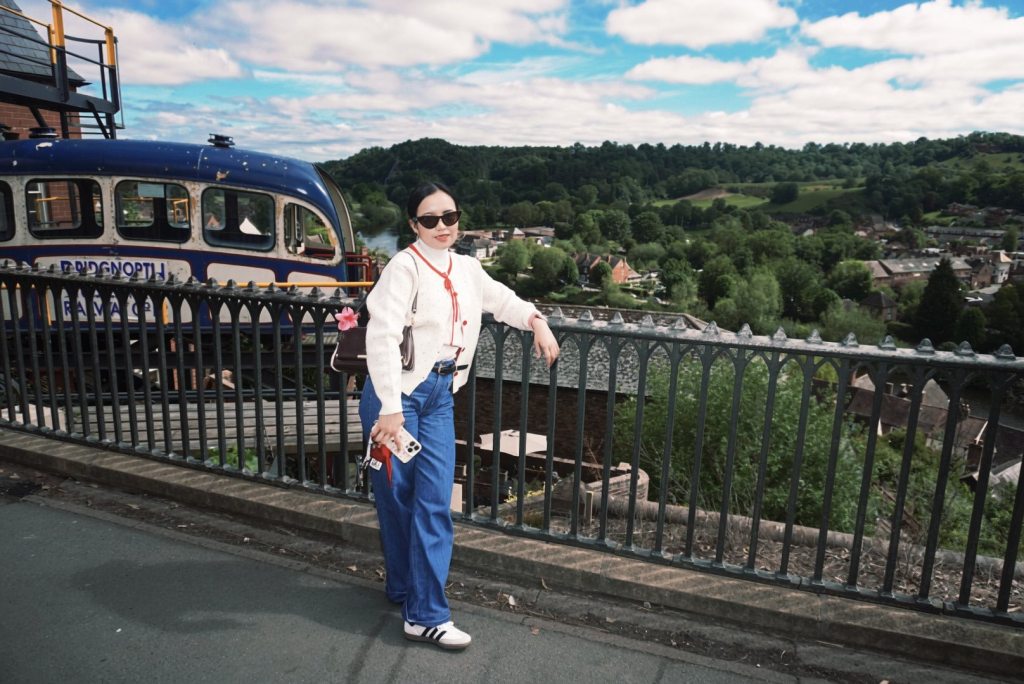
Then there is the Bridgnorth Cliff Railway, which connects Low Town and High Town and has apparently been carrying people up and down that cliff since 1892. It is described as England’s oldest and steepest inland funicular railway, which sounds far more dramatic than the experience itself. You sit inside a small carriage, the doors close, and it calmly gets on with the job it has been doing for well over a century. No motivational announcement. No app required. No need to scan a QR code explaining how innovation has transformed vertical travel. It simply goes up. I found this deeply satisfying.
We spend so much of modern life demanding speed that I think my brain briefly malfunctioned at how pleasant it was to move slowly. Faster internet, faster deliveries, faster replies, faster everything. A webpage takes three seconds to load and suddenly we are personally offended. Somewhere, a Victorian passenger from 1892 would probably be fascinated to learn that humanity eventually gained access to almost unlimited information and responded by becoming furious when it arrived slightly late. Meanwhile, I was sitting happily inside a little railway carriage watching Bridgnorth unfold beneath us and, for once, had absolutely no desire for anything to happen faster.
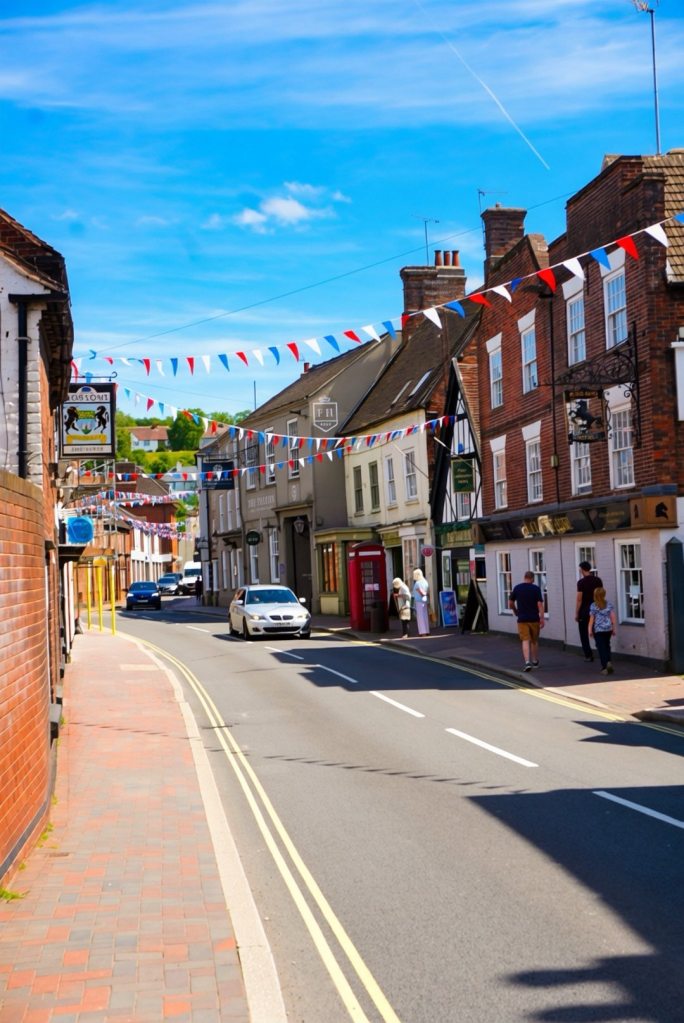
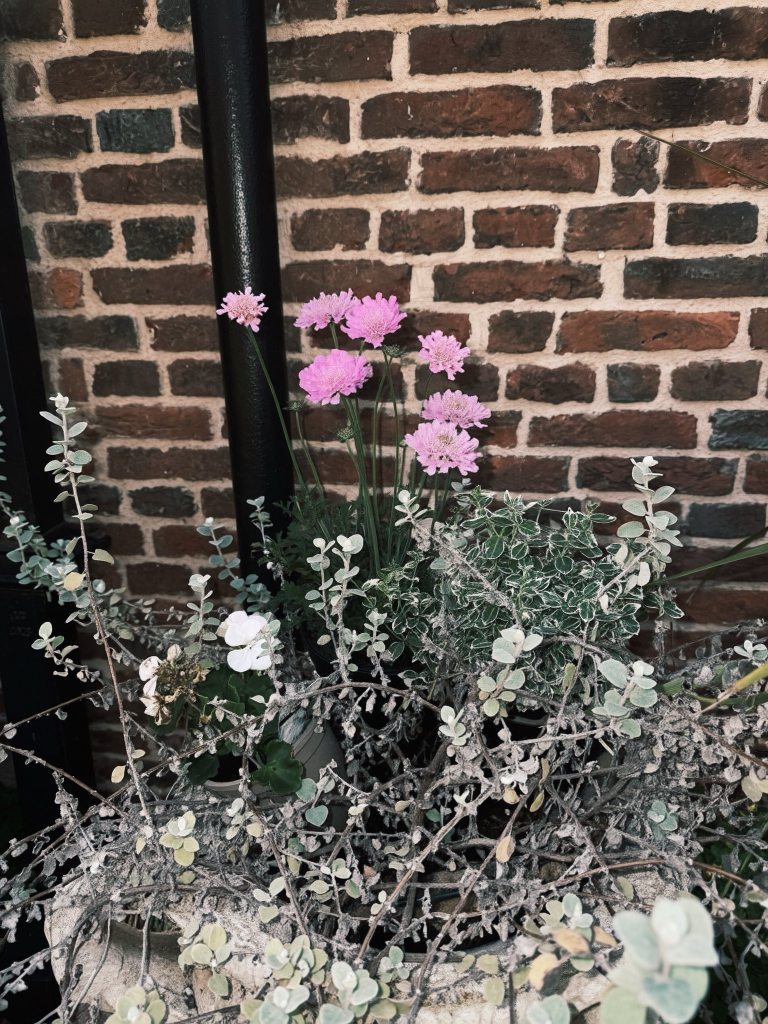
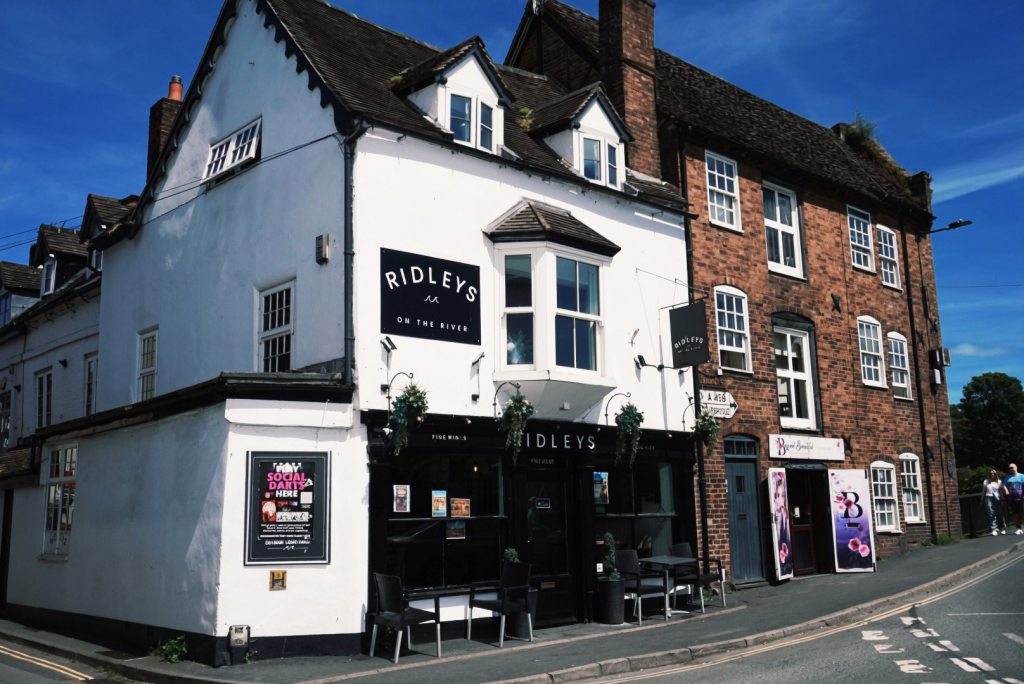
High Town created another problem: everything seemed photographable. Timber-framed buildings, old façades, flower baskets, crooked rooftops, windows that looked as though they had witnessed several centuries of neighbourhood gossip. Travelling with me in places like this requires additional time because Google Maps calculates walking distance without accounting for my need to stop every few metres and photograph another building. Twelve minutes on the map can easily become twenty-five once I have decided that a particular doorway has historical importance to my camera roll. My partner has learned that estimated arrival times are merely suggestions.
The strange thing is that the details I found fascinating would probably be completely ordinary to somebody who lives there. A weathered wall, an old window, flowers hanging above a street—things a resident might pass every morning without even looking. It made me wonder how many interesting things I regularly ignore simply because they are familiar. We travel somewhere new and suddenly become deeply invested in another town’s lamp posts while barely noticing the streets we use every day. Apparently novelty gives us excellent eyesight.
This should have been enough reflection for one afternoon, but Bridgnorth was not finished with me.
Old places have an irritating habit of putting personal problems into perspective. Stand beside something that has survived for centuries and whatever you were worrying about on Tuesday begins to feel slightly less permanent. Generations have walked through those streets carrying problems that felt enormous to them. They worried about money, work, relationships, illness, family and probably the weather because Britain could survive the collapse of civilisation and somebody would still comment that it looked like rain. They made plans, changed plans, waited for news and believed certain difficult days would never end. Then time continued anyway.
I find that strangely comforting rather than depressing. Human beings have always been very good at experiencing the present as though it is permanent. A problem arrives and suddenly our brain behaves as though this is simply life now and always will be. Old towns quietly disagree. They have watched enough people come and go to know that most things eventually change, including the things we were convinced never would.
Then we reached the castle ruins, including Bridgnorth Castle’s famously leaning section, and naturally I allowed a damaged wall to become another metaphor. In my defence, ruins practically invite this behaviour. A complete castle would certainly be impressive, but there is something fascinating about seeing only what survived and having to imagine everything that once surrounded it. The missing pieces somehow make what remains more interesting rather than less valuable.
Humans, meanwhile, spend a remarkable amount of energy trying to keep life intact. Plans must proceed correctly. Careers should move in the expected direction. Relationships are supposed to last. We construct versions of ourselves and become uncomfortable when circumstances begin editing them without permission. Then you stand in front of a ruined castle that people have travelled specifically to admire, and it becomes difficult not to think that perhaps losing pieces is not always the same thing as losing worth. This is considerably more philosophical responsibility than I intended to place on a wall, but again, I blame Bridgnorth.
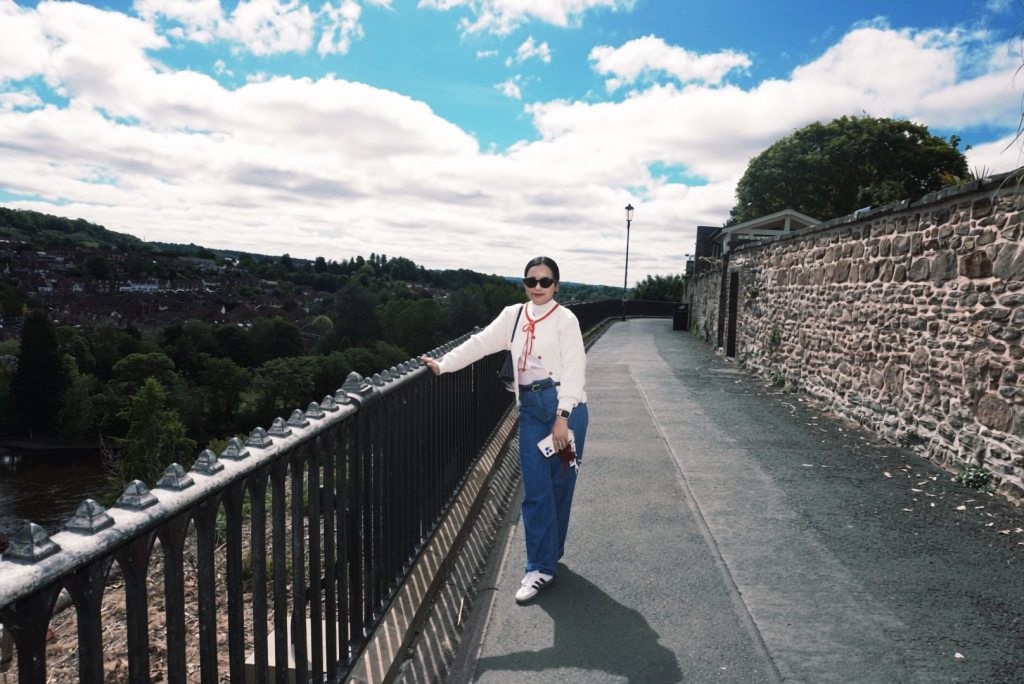
By this point, my legs were becoming less philosophical and more practical. Bridgnorth is beautiful, historic and apparently committed to inclines. Picturesque English towns photograph wonderfully because photographs do not record the moment your calves begin questioning why you rejected flatter destinations. Nobody uploads a lovely photograph of an old street with the caption, “Stunning architecture; lower limbs currently negotiating terms.” But tired legs are actually one of my favourite souvenirs from a good day out because they mean we walked enough to discover more than the obvious places.
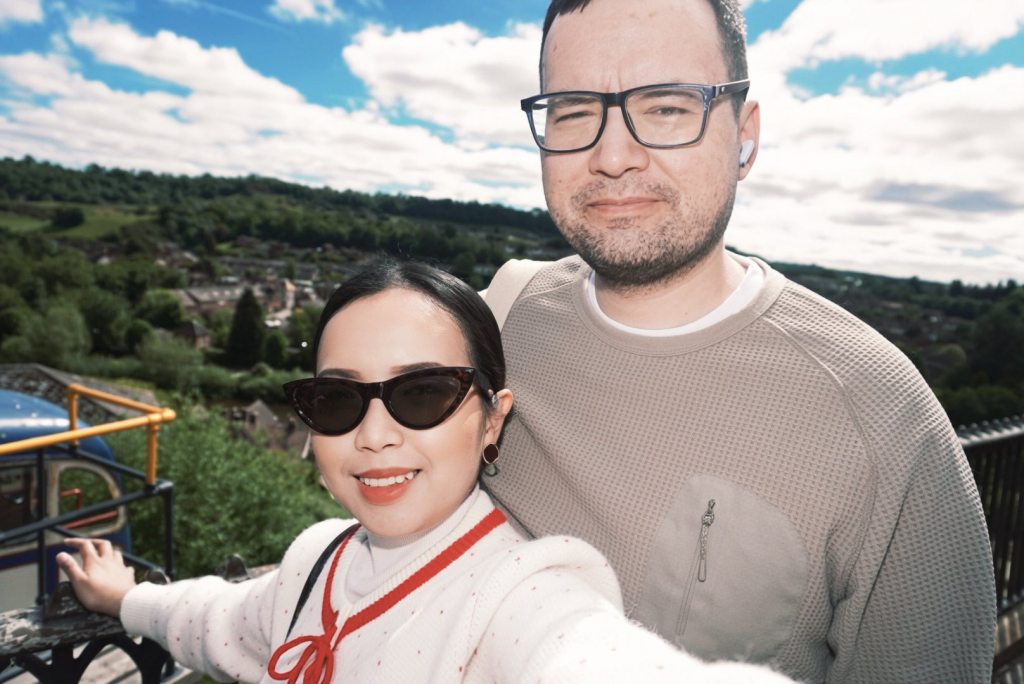
Eventually, there was ice cream beside the River Severn, which felt less like a snack and more like compensation.
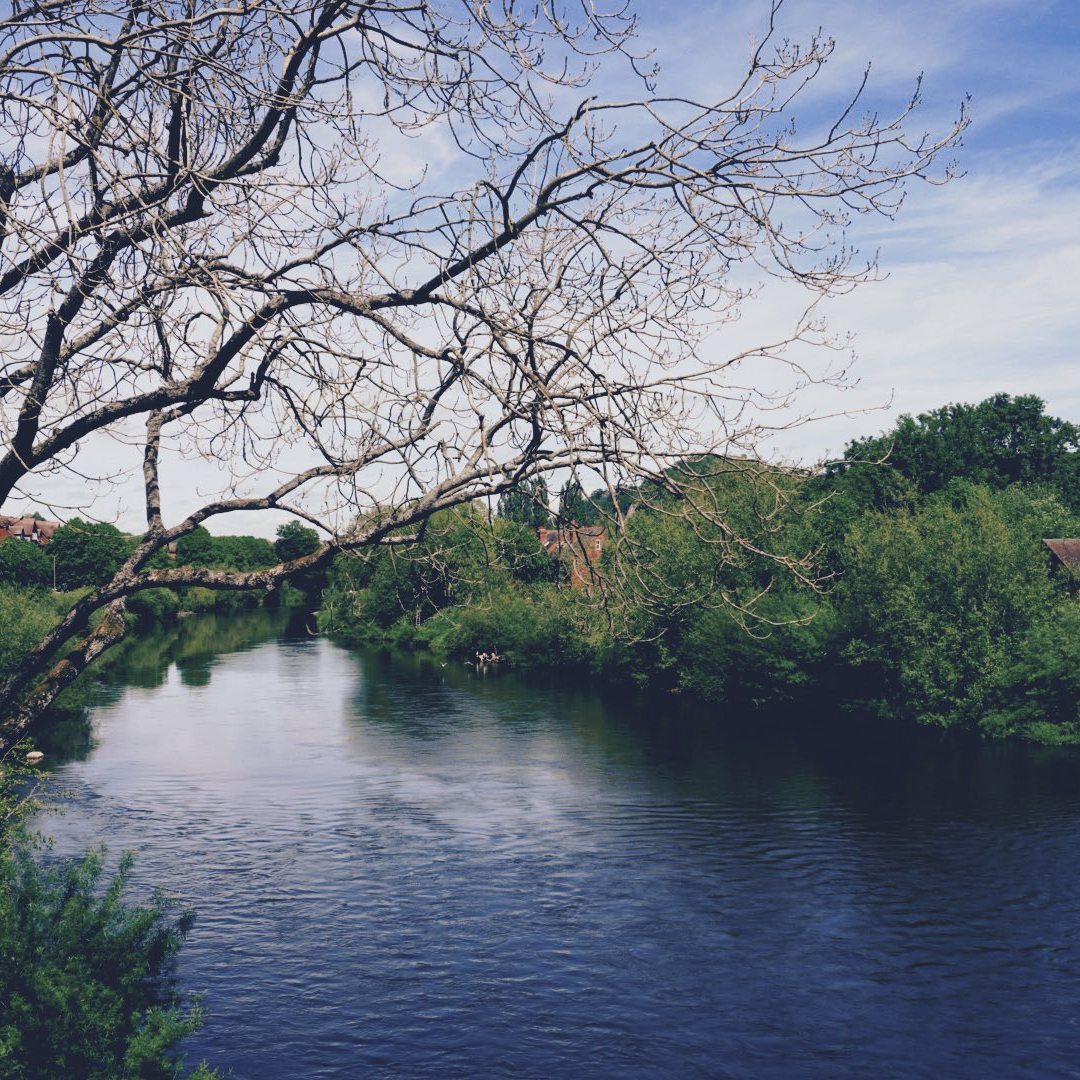
This should have been the point where my brain took the afternoon off. Instead, I watched the river and started thinking about identity. Completely normal behaviour while eating ice cream. Rivers are strange because they are constantly changing while remaining recognisably themselves. The water passing in front of you is gone almost immediately, yet we continue using the same name for the river. Somewhere between one spoonful and the next, I realised people are not terribly different.

I am not exactly the person I was ten years ago. Things I once thought were essential matter less now. Things I barely noticed before have become important. My ideas about happiness, success, home and what deserves my energy have changed. Life has added things, removed others and rearranged several parts without consulting me first. Yet I still recognise myself in all the previous versions. Apparently you can change considerably without becoming a stranger to your own story.
I would like to report that this profound riverside insight was followed by a moment of dignified silence. More likely I was trying to stop my ice cream from melting.
That is probably what I liked most about the whole day. Nothing spectacular actually happened. We walked through old streets, rode a little railway, looked at ruins, took too many photographs, ate ice cream and laughed. There was no dramatic event requiring a soundtrack. No major announcement. Nobody handed us a life lesson at the entrance. It was simply one of those ordinary days that somehow feels fuller when you look back at it.
I have become increasingly fond of that kind of happiness. The dramatic version is easy to recognise because it usually comes with congratulations, bookings, milestones or expensive outfits. But there is another version that is quieter and far more common. It is walking beside someone you love without needing to hurry. It is laughing because a photograph came out badly. It is buying ice cream because you feel like it. It is reaching the end of a long walk and being genuinely delighted by the sight of somewhere to sit. None of these things sound particularly important until enough years pass and you realise they were your life too.
Trips like Bridgnorth also remind me that travel does not always require an airport, a suitcase, several months of planning and a spreadsheet masquerading as an itinerary. Sometimes the place that interrupts your routine is an ordinary drive away. A different road can be enough. An unfamiliar town can make a Saturday feel longer. You do not necessarily need to escape your life; occasionally you just need to step outside the version of it you repeat every week.
For those few hours, I was not particularly interested in productivity. I was not working out what needed doing next, planning another achievement or mentally reorganising the following week. I was simply paying attention to where I was. Old buildings. My partner beside me. The railway. The river. Sunshine. Ice cream. My complaining legs. It turns out being completely interested in the present is surprisingly effective at making an ordinary day feel significant.
Looking through the photographs afterwards, I realised why I keep writing about places after visiting them. Photographs are excellent at proving where you went, but they are terrible at keeping everything else. They cannot properly record the pace of an afternoon, the conversation between photographs, the relief of sitting down after walking uphill or why one completely ordinary Saturday managed to stay in your head after other days disappeared. Words get slightly closer.
Bridgnorth did not actually stop time, of course. The clocks continued moving, the River Severn continued flowing and Saturday eventually became evening exactly as scheduled. The town did not pause the world for us simply because we had decided to visit.
I think I was the thing that slowed down. And perhaps that was enough.
We eventually drove away and returned to familiar roads, responsibilities and the ordinary rhythm waiting at home. Bridgnorth remained behind, carrying on perfectly well without us, the railway transporting somebody else between High Town and Low Town and the old streets collecting another Saturday. Somewhere during the journey home, the afternoon quietly became something we had done rather than something we were doing.
I went to Bridgnorth expecting a day out. I came home thinking about time, memory, change, happiness, ruins, rivers and whether modern society has become far too impatient. This was frankly excessive philosophical output for one afternoon.
Still, I cannot complain.
There was sunshine, history, ice cream and someone I love walking beside me. My legs recovered. The photographs survived. And if I accidentally turned an ordinary Saturday into another essay about life, there is really only one reasonable explanation.
I blame Bridgnorth.















Leave a Reply