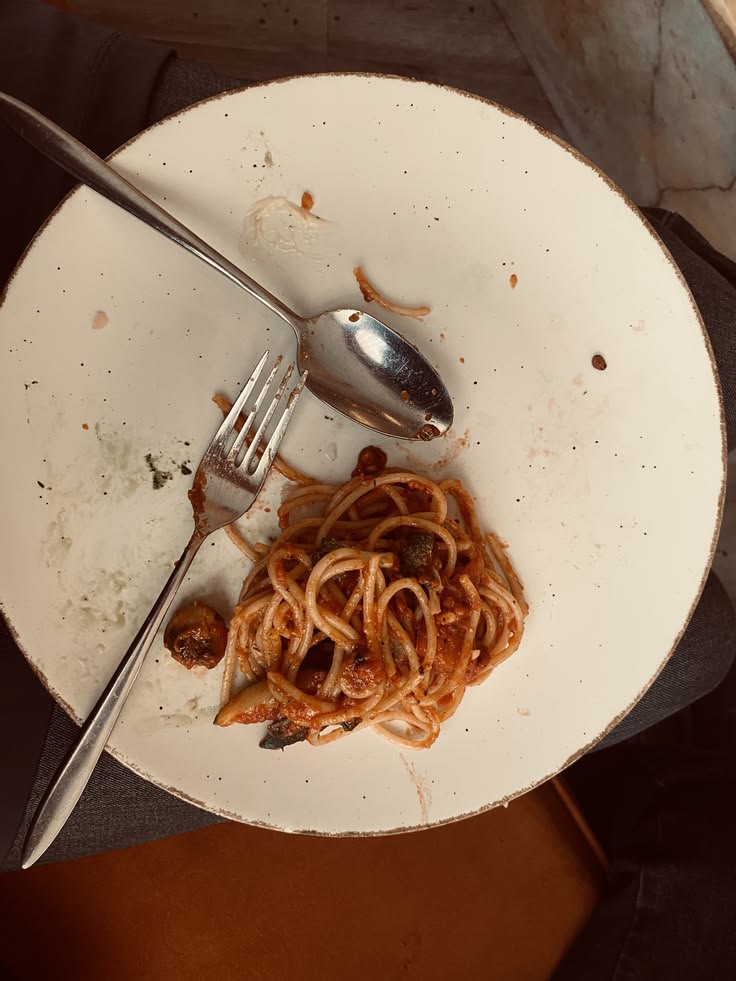
There is a particular kind of anxiety that begins when somebody places an unexpectedly generous portion of food on your plate. You have already eaten, you are comfortably full, and another spoonful of rice would require a formal negotiation with your stomach. You have reached that delicate stage of a Filipino gathering when standing up too quickly feels medically unwise, and then the host appears with the serving spoon. “Kaon pa,” they say. Eat some more. You smile and explain that you are full, but the host looks mildly offended by this information, as though fullness were not a biological condition but a personal decision you have made against the family.
“Gamay ra bitaw,” comes the reply. Just a little. Another serving arrives, because apparently just a little is a flexible unit of measurement in Filipino households. It can mean one spoonful, half a plate or enough food to sustain an expedition across the Visayas. You accept, naturally. Not because you are hungry, but because refusing the food somehow feels like refusing the affection with which it was offered. And so you sit there staring at a plate containing more generosity than your digestive system can reasonably accommodate.
I have always found this ritual fascinating because nobody is necessarily behaving badly. The host wants the guest to feel welcome. The guest wants to show appreciation. Both are trying to be kind, and yet the result is often a person eating beyond comfort while insisting that everything is delicious. It seems like a small thing, but the scene raises a larger question I think we encounter far beyond the dining table: what exactly do we owe people who have been good to us, and who gets to decide when that debt has been repaid?
Gratitude is usually treated as a virtue, and rightly so. We admire people who remember kindness, acknowledge sacrifices and recognise the help they have received. Human beings rarely accomplish anything entirely alone. Parents, teachers, friends, colleagues and strangers contribute to our lives in ways we may never fully measure, and remembering those contributions can keep us humble. The difficulty begins when gratitude quietly changes shape.
Someone helps us, we thank them, time passes, and years later the earlier kindness reappears during a completely unrelated disagreement. “After everything I’ve done for you?” is a powerful sentence because it takes something that once looked like generosity and turns it into evidence. The favour is no longer simply part of the relationship’s history. It has become an argument, and that is the point where I begin to wonder whether kindness changes character when it is used to demand obedience.
Imagine helping a friend through a difficult period. You offer money, time or practical support because you care about them and want to make things easier. Years later, they make a decision you dislike. Perhaps they cannot attend an event, disagree with your opinion or choose a path you would not have chosen for them. Suddenly the old assistance appears again, almost like a receipt retrieved from a drawer. Perhaps they do owe you some consideration, because relationships involve reciprocity and repeated disregard for another person’s effort can be unfair. But there is still a difference between gratitude and permanent compliance. One asks us to remember kindness, while the other may begin asking us to surrender autonomy.
I think this becomes especially complicated in Filipino culture because utang na loob can carry deep emotional meaning. At its best, it recognises something beautiful: that not all debts can be reduced to money. Someone helps us when we are struggling, and years later we remember. A relative supports our education, a neighbour helps during an emergency or a friend steps in when circumstances are difficult. The kindness becomes part of the relationship, and there is something admirable about that kind of remembrance because it acknowledges that individual success is often supported by collective effort.
But a debt of gratitude becomes difficult when nobody can explain its boundaries. What exactly must be repaid: money, time, loyalty, agreement, a career choice, a life decision? And when does the account finally reach zero? A financial loan is easier because the terms can be discussed. There is an amount, a repayment plan and usually some shared understanding of what is expected. Utang na loob is harder because the value can expand over time according to whoever is keeping the invisible ledger.
Something given years earlier can suddenly be used to influence decisions that have very little to do with the original help. The recipient may feel unable to object because disagreement can be interpreted as ingratitude. That is a difficult position, especially when the help genuinely mattered. I think this is where we need to hold two truths at once: someone helped us, and their assistance may have changed our life, but we can remain genuinely grateful without concluding that their generosity gives them permanent authority over our future.
Healthy gratitude should be able to remember without surrendering. The problem begins when help is treated like an investment. A person gives today but expects influence tomorrow. The recipient may not know the terms, but the giver has been maintaining an invisible account. Every favour becomes an entry, every sacrifice adds to the balance, and every disagreement creates an opportunity to reopen the books. Eventually, the relationship starts looking like a financial arrangement in which only one party ever received the contract.
That does not mean generosity must be completely free of expectation. Relationships do involve reciprocity, and if one person continually gives while the other takes without consideration, resentment is understandable. But reciprocity should grow out of mutual care, not permanent indebtedness. There is a difference between hoping someone remembers our kindness and believing that kindness gives us authority over them.
I think intention matters here. Why did we help? Was it because the person needed support, because we cared, because we wanted their circumstances to improve, or because some part of us expected that the favour would later purchase loyalty, agreement or access? Human motives are rarely perfectly pure. We can be generous and still enjoy being appreciated. We can genuinely help someone and also like the feeling of being needed. That does not automatically make the kindness insincere, but it does mean we should be honest about our expectations.
If someone expresses gratitude differently from how we imagined, do we become angry? If they choose independently, do we experience it as betrayal? If they cannot repay us in the way we expected, do we begin treating them as morally deficient? If so, perhaps the help carried conditions that were never stated. Unspoken conditions are particularly unfair because the recipient never had a chance to decide whether they were willing to accept them.
I think about education when I think about this. Many Filipino families make enormous sacrifices to help children study. Parents work long hours, relatives contribute money, siblings adjust plans and entire households sometimes reorganise finances around one person’s opportunity. Those sacrifices deserve recognition because they can change a family’s future, but they can also create complicated expectations.
A student may begin to feel that choosing a profession is no longer entirely personal because the education represents everybody’s sacrifice. Their future income may already be mentally allocated. Their success becomes a collective achievement, and sometimes their decisions become collective property. I understand why. Education can improve the financial stability of an entire family, and supporting relatives later can be a meaningful expression of gratitude. But there is a difference between choosing to give back and being treated as the permanent return on an investment.
A person who received an education is still a person, not a dividend. The same tension appears whenever sacrifice enters a relationship. A parent postpones personal plans, a sibling contributes financially or a friend gives time and effort during a difficult period. These things can be genuine acts of love, but the complication comes when the sacrifice later becomes a claim.
“I gave up so much for you” may be completely true, and hearing it can create enormous guilt. But perhaps the moral meaning of sacrifice depends partly on whether it was freely chosen. Someone can sacrifice because they believe it is the right thing to do without automatically gaining ownership over the recipient’s future decisions. Love can create responsibility, but it should not create permanent submission.
I know this can sound uncomfortable, especially within close-knit families. There is a danger of using independence as an excuse to ignore real obligations. We do benefit from other people’s care, and families and communities may reasonably expect members to contribute where they are able. But shared responsibility becomes healthier when expectations are clear enough to discuss.
What help is actually needed? What can each person realistically contribute? Is the arrangement temporary or ongoing? What limitations exist, and are the expectations fair to everyone involved? These questions may sound less sentimental than simply saying, “Family helps family,” but clarity can protect relationships from resentment. A person who agrees to help within reasonable limits may contribute more sustainably than someone who is pressured into obligations they cannot carry.
I also think gratitude and guilt are often confused. Gratitude says, “Something good was given to me, and I remember it.” Guilt says, “I have failed to meet an obligation.” Sometimes guilt is appropriate. If we have treated someone unfairly or broken a reasonable promise, guilt can push us towards accountability. But guilt becomes less trustworthy when it attaches itself to expectations that were never fair to begin with.
A person may feel guilty for declining a request they cannot afford. They may feel guilty for living far from home, choosing a career relatives do not understand or spending money on themselves after years of helping others. The feeling can be intense, but that does not automatically mean the decision is wrong. Emotions tell us something about our values and relationships, but they are not always reliable moral verdicts.
Perhaps guilt should be questioned before it is obeyed. What obligation do I believe I have violated? Was that obligation ever agreed? Is it reasonable? Does fulfilling it require neglecting something equally important? Would I demand the same sacrifice from someone else in my circumstances? Sometimes the answer will reveal genuine responsibility, and sometimes it will reveal social conditioning.
There is another uncomfortable truth here: another person’s disappointment does not automatically prove that we have treated them unfairly. A relative may wish we could give more time, a friend may want help we cannot provide, or someone who once supported us may expect a return we cannot reasonably offer. Their feelings matter, but if responsibility is determined entirely by the intensity of somebody else’s disappointment, then the most emotionally demanding person eventually gains the most power. That is not a particularly reliable system of fairness.
I think gratitude becomes more meaningful when it is accompanied by freedom. Someone helps us, and later we choose to return that kindness in a way that fits the relationship and our circumstances. We may offer practical assistance, encouragement, financial help, time or support during a difficult period. The return may not look identical to what we received, and perhaps it does not need to.
Sometimes kindness travels forward instead of backward. A teacher supports a student, and years later that student mentors someone else. A neighbour helps a family, and later a member of that family helps another household. The original kindness is never directly repaid, but its influence continues. I like that idea because it allows gratitude to become generative rather than transactional. Not every act of kindness needs to return to the person who first gave it. Sometimes it becomes part of how we treat the next person.
Of course, this does not erase specific debts. If money was borrowed, promises were made or practical obligations were clearly agreed, those things deserve responsible attention. But freely given kindness belongs to a different moral category from a loan. Confusing the two can damage relationships.
Perhaps the problem is that we are often afraid to clarify expectations at the beginning. Someone offers help, and asking whether repayment is expected feels awkward or suspicious. We do not want to appear ungrateful, so we accept. The giver imagines one arrangement, the receiver imagines another, and years later the disagreement finally emerges. One person believes their sacrifice has been forgotten, while the other feels that a gift has unexpectedly turned into a debt.
A difficult conversation at the beginning might have prevented a painful one later. Clarity is not the enemy of generosity. Sometimes clarity is exactly what allows generosity to remain generous.
I have also wondered whether some people become attached to being needed. They are dependable, helpful and generous, the person everybody calls when something goes wrong. Those qualities are valuable, but they can become complicated when the recipient eventually becomes more independent. Someone who once needed advice begins making decisions alone, someone who relied on financial support becomes stable, or a person who once asked for help constantly no longer needs the same level of involvement.
In theory, that should feel like success because the help worked and the person grew. But occasionally the giver feels displaced. If someone no longer needs us, perhaps we fear that they no longer value us. That is where past sacrifices can become tools for preserving influence.
Helping someone and needing to remain important to them are not exactly the same motivation. We can care deeply about someone and still enjoy the role of being necessary. But healthy support should eventually increase another person’s capacity, not preserve their dependence. If our generosity succeeds, the recipient may one day need less of it, and that should not automatically feel like ingratitude. It may be proof that the help did what it was supposed to do.
This matters in parenting, teaching, mentoring and friendship. Guidance should develop judgement, not permanent obedience. A teacher should eventually want a student to think independently. A mentor should be pleased when someone gains enough confidence to make decisions without asking every time. A parent may feel complicated emotions as a child becomes an adult, but independence is not necessarily rejection. Sometimes love has to tolerate becoming less necessary.
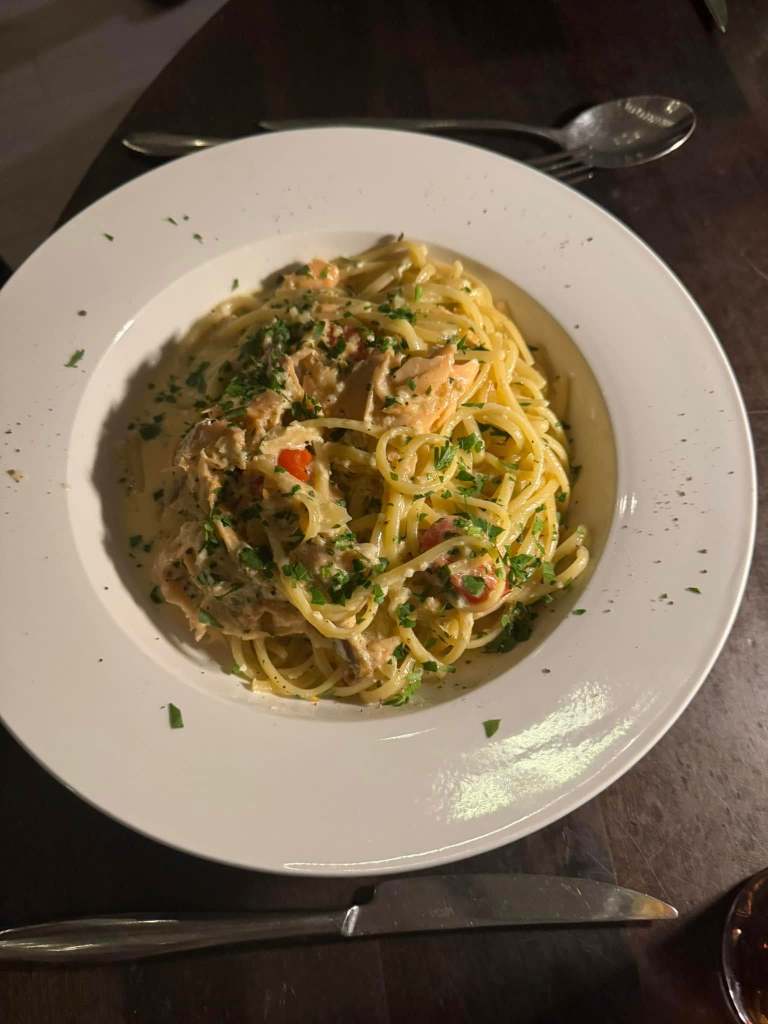
Which brings me back to the plate. The host has offered another serving, the guest is already full and both are trying to be considerate. The host believes generosity means giving more, while the guest believes gratitude means accepting it, and the rice keeps accumulating. It is a harmless enough scene until the guest begins wondering whether a second stomach can be acquired through determination.
Maybe there is a surprisingly useful lesson there. Generosity should consider what the recipient can actually receive, and gratitude should not require accepting more than we can reasonably carry. The host can offer food with affection. The guest can decline without insulting the relationship. Kindness does not become less genuine simply because somebody says, “Enough.”
I imagine a slightly different exchange. “Kaon pa,” the host says. “Salamat kaayo, busog na gyud ko,” the guest replies. Thank you very much, I’m really full. The host smiles and says, “Okay, basin unya.” All right, perhaps later. A miraculous outcome by Filipino gathering standards, admittedly, but nobody is offended, nobody is forced to eat and the food remains available. Affection has been offered without becoming an obligation.
Perhaps that is the better model for larger forms of generosity too. Offer freely, receive gratefully, respect limits and do not turn yesterday’s kindness into a permanent claim over somebody else’s tomorrow. Gratitude can remain sincere without becoming endless repayment. We can honour sacrifices while still building independent lives, and families can support one another without treating every contribution as an investment in future obedience.
These things may require uncomfortable conversations because family, sacrifice and responsibility rarely fit into one clean principle. But perhaps one question can help: when I give, am I helping someone or creating an obligation? And when I receive, am I expressing gratitude or surrendering more of myself than the original kindness ever asked for? The answers may not always be comfortable, but they may prevent love from becoming something both people eventually resent.
As for surviving Filipino gatherings, I have learned one practical strategy: accept a sensible portion, eat slowly and never allow an empty plate to remain visible for too long. An empty plate is not interpreted as evidence that you have finished. It is interpreted as a problem requiring immediate intervention. The strategy is not foolproof because an observant relative may still appear carrying rice. Some traditions have excellent surveillance.
But perhaps the important thing is remembering that affection does not need to be measured by how much we manage to consume. A guest can be genuinely grateful without accepting everything offered, and a host can be generous without insisting upon complete compliance. The most thoughtful form of hospitality may not be the one that keeps filling the plate. It may be the one that notices when the person sitting in front of it has already had enough.
I imagine the meal finally ending. The host sits down, the table remains crowded with dishes and someone asks whether the food was good. “Lami kaayo,” comes the answer. Very delicious. The compliment is sincere, the gratitude is real and no additional serving is required to prove either one.
Perhaps the same is true of the larger debts we carry. We can remember what people gave us, honour what they sacrificed and help when we reasonably can without offering the rest of our lives as repayment. Gratitude should make us remember kindness, but it should not make us afraid to say when the plate is already full.
Still grateful without overfilling the plate,
Anj




























Leave a Reply