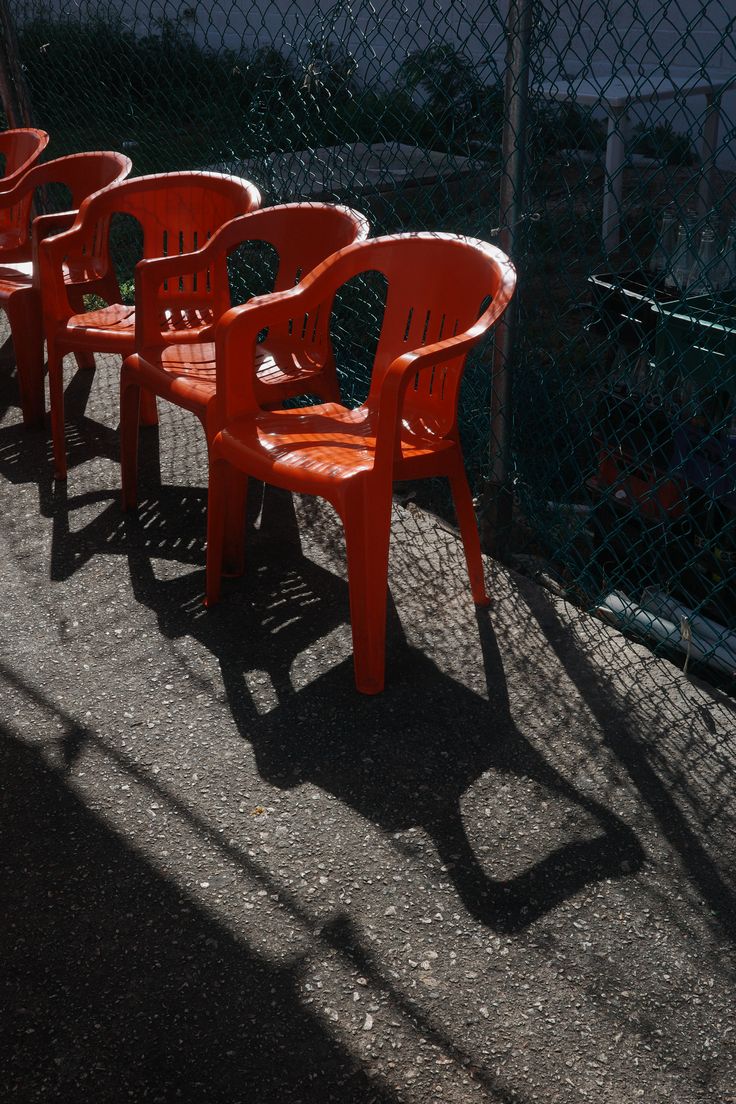
The plastic chair was perfectly capable of supporting a human being until someone important arrived. Then, apparently, it acquired a promotion. I have always found Filipino gatherings fascinating for their unspoken seating arrangements because a room may begin with several perfectly ordinary chairs arranged without any visible social hierarchy. People arrive, greet one another and sit wherever space happens to be available. Children occupy corners, relatives discuss family matters, and somebody inevitably starts rearranging furniture for a guest who was expected an hour earlier.
Then someone announces that a particular visitor has arrived. Perhaps it is a local official, a successful businessman, a respected professional or someone whose name is spoken with that slight change in tone suggesting that their presence deserves special consideration. Suddenly, an otherwise unremarkable chair becomes unsuitable for ordinary people. Someone stands, someone moves, a better seat is offered, and the room briefly behaves as though royalty has entered carrying a handbag.
There is nothing wrong with hospitality. Offering a comfortable seat to a guest can be thoughtful, particularly when age, health or circumstance makes it appropriate. What interests me is how quickly our behaviour sometimes changes after we discover that a person possesses status. A few minutes earlier, the chair belonged to whoever reached it first. Now it seems to belong to someone whose achievements have somehow improved the furniture.
That small scene makes me wonder whether we really distribute respect as evenly as we claim. Most of us prefer to think of ourselves as considerate people who do not judge others according to money, education or job titles, yet ordinary life gives us plenty of opportunities to test that belief. How do we speak to someone serving our food? How patiently do we respond to a person who cannot offer us anything in return? Do we listen more carefully when the speaker is wealthy, influential or highly educated, and would we behave exactly the same way if we had never been told who they were?
Status probably affects human relationships far more than we like to admit. Consider the difference between saying, “This is my friend,” and adding, “She’s a doctor.” The person has not changed in those few seconds, yet suddenly questions become more attentive, opinions seem to receive greater consideration and somebody may even adjust their posture as though the professional title has altered the gravitational conditions in the room.
Professional qualifications do matter in the areas where they establish expertise. A doctor’s medical knowledge, an engineer’s understanding of structures or a teacher’s experience in education can be directly relevant to a discussion. The problem begins when authority in one area is allowed to spread into every other subject. Someone is excellent at their profession and we quietly promote them from specialised competence to universal wisdom.
A brilliant scientist can still make poor decisions in relationships. A successful entrepreneur may know very little about education, and an accomplished professional can still be completely ordinary when discussing money, morality, politics or family life. Qualifications prove certain forms of knowledge and achievement; they do not automatically establish moral superiority. Yet the impressive title can make almost every opinion sound heavier.
Perhaps this happens because human beings depend on social signals. We cannot know everyone deeply, so we use information such as education, occupation, reputation, appearance and social connections as shortcuts. Those clues can sometimes be useful, but trouble begins when clues become conclusions. Wealth starts looking like intelligence, poverty like poor judgement, confidence like competence and professional status like evidence of superior character.
That is why I think it helps to distinguish respect from admiration. Admiration can vary because not everybody possesses the same talents, achievements or expertise. We may reasonably admire someone for courage, kindness, professional excellence or extraordinary contribution. Basic dignity, however, should not depend on whether a person has achieved something impressive enough to earn applause.
Someone may deserve professional recognition without deserving more courtesy than the person cleaning the room. A wealthy guest may have achieved remarkable things, but the person serving their meal is not therefore less worthy of patience. A highly educated individual may possess specialised knowledge, but that does not make an uneducated person’s experience meaningless. Prestige can differ without humanity being ranked.
I think this matters because many of the things that keep ordinary life functioning receive surprisingly little prestige. Someone collects rubbish, another maintains equipment, someone prepares food, a driver transports people, a farmer grows crops and a caregiver helps another person through daily tasks. Their work can become so familiar that we barely notice it, yet remove those people from daily life and civilisation becomes uncomfortable with remarkable speed.
Imagine a town where every person with an impressive office title continues going to work but nobody collects rubbish, repairs water systems, prepares food or maintains essential facilities. The organisational chart might remain beautifully intact while the actual town begins falling apart. Prestige and necessity do not always follow the same ranking, which should probably make us cautious about treating social status as a measurement of social value.
The language we use around work reveals some of this. We describe someone as having a “good job,” and usually mean that the position is secure, well paid or socially respected. Those things matter, but they are not the only possible measures of good work. Does the job provide meaningful service, reasonable working conditions and enough space for a life outside employment? Does it suit the person’s abilities and circumstances?
A prestigious profession may fail several of those tests, while a less celebrated one may satisfy many of them. Yet we often judge a career from the title before understanding the life attached to it. Sometimes what impresses us is not the work itself but the way it sounds when introduced at a gathering.
Children probably notice this hierarchy earlier than adults realise. They hear people praising the cousin who became a doctor, the neighbour whose child works abroad, the former classmate who started a business or the relative with the large house. Those achievements may genuinely deserve celebration, but children also notice who receives less enthusiasm, which jobs are discussed dismissively and whose circumstances become a source of concern or gossip.
Without anybody formally teaching them, they can begin assembling a hierarchy of human importance. Certain careers seem to produce admiration, others polite silence. Some life choices invite praise, others require explanations. Eventually, a young person may start choosing not only according to interest or ability but according to which title is most likely to command respect.
There is nothing unusual about wanting recognition. The problem begins when social approval becomes more important than whether the life attached to the achievement actually fits the person living it. Someone may spend years earning a qualification, enter the profession and discover that the work does not provide the satisfaction they expected. Leaving becomes difficult because the title has already become part of the family story, their identity and the way other people value them.
Perhaps they stay because the work remains meaningful despite its difficulties, which is perfectly reasonable. But perhaps they stay partly because losing the title feels like losing status. From the outside, those two motives can look identical. That is what troubles me about making professional identity too central to human worth: changing direction can begin to feel less like changing careers and more like becoming a lesser person.
Money produces a similar distortion. A wealthy person offers an opinion and people may listen carefully, while someone with fewer resources says something similar and receives less attention. The wealthy person may genuinely have useful experience, but financial success can arise from ability, effort, timing, inheritance, opportunity or several of these at once. It does not automatically turn every unrelated opinion into expertise.
Financial hardship does not prove the opposite either. A person can struggle economically and still be intelligent, thoughtful and responsible. Yet wealth often changes the vocabulary we use. A successful person is confident while someone less influential is arrogant. A wealthy eccentric is interesting, while a poorer person behaving similarly is simply strange. Someone with status speaks bluntly and is praised for honesty, while another person receives criticism for disrespect.
The behaviour can remain nearly identical while the interpretation changes around it. That becomes particularly uncomfortable when mistakes are involved because influential people are often given generous explanations. They were under pressure, the decision was complicated, the situation was difficult. Someone with less status may receive a shorter diagnosis: careless, irresponsible, unprofessional.
Context matters, and not every situation is equivalent, but fairness requires us to ask whether our standards would remain the same if the people exchanged places. Would we be equally patient, equally critical and equally interested in understanding what happened? If the answer changes with the person’s status, then perhaps hierarchy has entered our judgement more than we intended.
Customer service is one of the clearest places to observe this. Someone can be charming with the manager, friendly towards the owner and respectful when speaking to a person they consider important, then become impatient with the cashier. They make unnecessary demands or speak as though paying for a product includes purchasing temporary authority over someone else’s dignity.
The transaction is not actually complicated. One person provides a service and another pays for it, while both somehow remain human throughout the process. Yet service workers are often expected to stay polite even when customers are not, which creates an imbalance that some people exploit. They may hesitate to speak harshly to someone influential but feel perfectly comfortable doing it to an employee whose job requires restraint.
I think that reveals more about character than polished manners shown in situations where respect might benefit us. Courtesy is easiest when the person in front of us has something we want. The more revealing test is how we behave when there appears to be no reward for being decent.
The same principle appears in schools. A student may be highly respectful towards a teacher they fear while treating an unpopular classmate with little consideration. Someone academically successful receives attention, while another student struggling with a subject is dismissed. Achievement can deserve recognition, but difficulty does not reduce someone’s claim to kindness.
Social ranking exists for understandable reasons. Reputation, belonging and influence matter in human communities, so we naturally notice who has authority and whose approval may create opportunities. Networking, mentorship and professional cooperation can be valuable. But courtesy becomes ethically questionable when it functions entirely as a strategy.
We smile at the influential person, ignore the one who appears unimportant, offer assistance when recognition is possible and become less generous when nobody useful is watching. At that point, respect has stopped being a principle and become a transaction. I find that far less impressive than any title.
This does not mean every relationship requires identical behaviour. We naturally speak differently with close friends, strangers, relatives, teachers and colleagues, and different roles can appropriately involve different forms of deference. But beneath those variations, the recognition of dignity should remain remarkably stable. A person does not become more human when their title becomes impressive, nor less human when their circumstances become difficult.
That sounds obvious until ordinary life presents subtler versions. Someone speaks with an accent unfamiliar to us; do we assume they know less? A person struggles to express an idea clearly; do we dismiss the thought before understanding it? Someone wears inexpensive clothes; do we respond differently than we would to someone dressed elegantly? A quiet person enters a room; do we overlook them because somebody more confident has already attracted our attention?
These moments are small, but perhaps that is why they are revealing. Large declarations about equality are easy. The harder test is where our attention goes automatically and what assumptions arrive before we have had time to correct them.
I find it useful to ask what exactly I am respecting. Is it the person’s title, expertise, achievement, authority, influence or humanity? These things can overlap, but they are not interchangeable. Someone may deserve deference in a professional setting because they hold relevant responsibility, yet that does not make every personal preference correct. Someone may deserve admiration for a major achievement without becoming exempt from accountability.
Social hierarchies encourage us to imagine importance as one single quality, almost as though some people simply possess more of it. But human value is far less tidy. A person with little formal status may possess extraordinary insight, kindness or experience, while someone with great authority may exercise it poorly.
I also wonder what happens when our own status changes. Someone completes a qualification, receives a promotion, earns more money or enters a prestigious role, and suddenly other people begin responding differently. Their opinions receive more attention, relatives mention their accomplishments proudly and invitations appear that did not exist before.
Success can be encouraging, but it also creates an opportunity for self-examination. Do we begin believing that increased recognition means increased human worth? Do we become impatient with people occupying positions we once held? Do we forget what uncertainty and inexperience felt like when we were the beginner?
I think genuine achievement should ideally enlarge our ability to recognise the effort of other people. Someone who endured difficult training may become more understanding towards those still learning. A person who experienced financial hardship may become more aware of obstacles faced by others. Someone who gains influence may use that position to create opportunities instead of merely demanding more attention.
Success does not automatically create humility, but it certainly provides material with which to practise it.
Leadership demonstrates this distinction particularly clearly. Two people may hold identical titles while creating completely different environments around themselves. One encourages questions, recognises contributions, corrects mistakes respectfully and creates space for people whose abilities may otherwise go unnoticed. Another uses the same authority to reinforce distance, demand obedience and treat disagreement as disrespect.
The organisational title is the same. The experience of everybody around them is not.
Authority can be granted by appointment, while respect in the deeper sense is usually built through conduct. Someone may possess a very impressive position and inspire little trust. Another person may hold no official leadership title but become the colleague everybody approaches when they need guidance. Organisational charts rarely capture that distinction particularly well.
Eventually, I return to the gathering. The important visitor arrives, a comfortable chair is offered and people greet them warmly. There is nothing inherently wrong with any of that because hospitality can be generous and recognising someone’s contribution can be appropriate.
But then I imagine another person entering a few minutes later. Perhaps it is a neighbour, an elderly relative or someone whose work rarely attracts recognition. They have no impressive title, no influential connections and nothing obvious to offer the people in the room. Would someone still notice that they needed a chair? Would people listen when they spoke? Would their presence be treated as worthwhile?
I think the answers tell us more about the values of a gathering than the decorations, food or formal speeches ever could. It is easy to be courteous towards someone whose approval may benefit us. The more revealing courtesy is offered when there is no obvious return.
Perhaps social encounters would become simpler if we stopped asking what makes someone important before deciding whether they deserve consideration. We could begin with the assumption that dignity requires no résumé. Then, as we learn more about the person, we can recognise expertise, admire achievement, challenge poor behaviour or disagree with their opinions without confusing any of those judgements with their basic worth.
Some people will deserve extraordinary admiration. Others will deserve criticism. Some will possess authority that should be respected within an appropriate context, while others may have little status at all. None of that requires kindness to wait until the biography becomes impressive.
As for the plastic chair, it remains wonderfully impartial. It has no knowledge of professional qualifications, family reputation, income or social standing. It does not become sturdier when someone influential approaches, nor weaker when someone without status sits down. All of the hierarchy exists in the minds of the people arranging the room.
I find that useful because many of the rankings we defend as though they were natural facts are actually arrangements human beings created. If we created them, then perhaps we also carry some responsibility for asking whether they are fair.
I do not expect a world without distinctions because expertise matters, responsibility matters and achievement deserves recognition. Different social roles will continue to involve different expectations. But admiration should not be confused with dignity, and authority should not be mistaken for moral superiority.
The person occupying the best chair may have achieved extraordinary things. The person standing near the doorway may also have done remarkable things that nobody has thought to ask about. And even if they have not, perhaps they still deserve somewhere to sit.
That is the kind of gathering I would rather belong to: one where people are welcomed before their titles are announced, where someone is offered water because they are thirsty rather than influential, and where respect remains available even when there is no advantage in giving it. Nobody should need to present a résumé before receiving ordinary kindness.
I imagine the gathering continuing as the food is served and conversations begin. Someone eventually notices an older guest still standing near the doorway and quietly brings another chair. There is no announcement, no discussion of their achievements and no need to establish whether they are important enough to deserve the furniture.
Someone simply needed a seat.
Perhaps respect should look like that more often. Less concerned with determining who deserves the finest chair, and more concerned with noticing who has been left standing.
Still noticing who needs a seat,
Anj
































Leave a Reply