
The printer had developed a personal objection to my future. It would print an entire page beautifully, with all the confidence of a machine that understood its purpose in life, then suddenly decide that the final three lines of my curriculum vitae were an unreasonable demand. The paper would emerge crooked, the ink would fade at exactly the wrong place, or the machine would make a noise suggesting that several of its internal organs had resigned without notice. I stared at it for a while, partly annoyed and partly impressed by its timing.
I was already trying to make sense of an uncertain stretch in my own working life, and there was something almost insulting about having my CV held hostage by an appliance. I had qualifications, experience and a very real need for stable employment, yet before any employer could decide whether I was suitable for a role, I first had to establish a functioning professional relationship with a printer. Perhaps this was adulthood after all: not the dignified, independent life I had once imagined, but a sequence of negotiations with technology, money, institutions and relatives who were extremely interested in knowing what, exactly, I was doing with my life.
Somewhere between reprinting documents and checking vacancies came the familiar question: “Unsa naman imong trabaho karon?” What are you doing for work now? It was an ordinary question, which was precisely why it could be so uncomfortable. After my contract, I did not have stable employment. That was the simplest and most accurate description, but it did not capture the uncertainty beneath it: where to apply, which direction made sense, what opportunities were realistic and how long I could remain patient while waiting for something more secure.
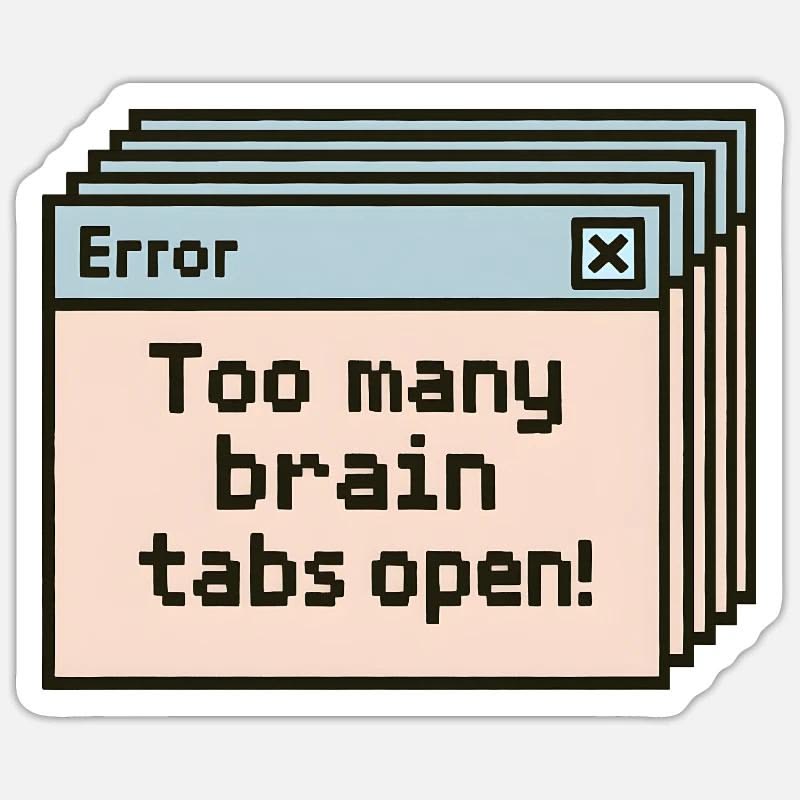
Being unemployed did not mean having a relaxing amount of free time. Looking for work became an occupation of its own, except it offered no salary, no guaranteed outcome and a performance review conducted almost entirely by my own imagination. There were vacancies to examine, documents to prepare, qualifications to review, requirements to organise and decisions about whether an opportunity was worth pursuing. Even on days when I was not actively submitting an application, employment occupied mental space, sitting somewhere in the background asking what came next while contributing absolutely nothing towards the electricity bill.
If worrying about the future had counted as paid labour, I would have qualified for overtime. That was one of the first things I learned about unemployment: it consumes resources before it produces income. Transportation to interviews costs money, documents may require fees, internet access matters, appropriate clothing can cost something and travelling for an opportunity may involve spending with no certainty of a return. The expenses are immediate while the salary exists only in theory, which is an impressive business model provided one does not examine it too closely.
I used to think finding work should be relatively straightforward. Someone needs a job, an employer needs a worker and eventually the two should meet somewhere in the middle, exchange documents and proceed with adulthood. That version of the labour market is wonderfully efficient and has the minor disadvantage of not resembling reality very closely. Employment depends on qualifications, experience, location, competition, timing, economic conditions and the specific needs of organisations, so a person can genuinely want to work without an appropriate vacancy existing at the moment they need one.
Understanding that intellectually is easy; living through it without taking the delay personally is harder. I had always associated education with possibility. Study hard, complete your qualifications, build experience and doors should gradually open. In school, effort and outcome seemed to have a reasonably understandable relationship: prepare for the examination, answer the questions and receive a result.
Employment had no universal examination paper, no standard marking scheme and no guarantee that doing everything reasonably well would produce an offer. You could prepare carefully and still be unsuccessful, possess useful qualifications and still find limited openings, or feel ready for responsibility while circumstances offered nowhere obvious to place it. That frustrated me because I liked plans. I liked identifying the steps, arranging them into a sequence and believing that progress could be measured if I was disciplined enough.
Unemployment refused to cooperate with this personality trait and seemed almost offended by the suggestion that it should follow a timetable. A promising possibility could remain uncertain for weeks, a sensible plan could need revising and something that looked like the next step might simply stop moving. I sometimes imagined life as an office where I had submitted all the correct documents, only to discover that the person responsible for approving my next chapter was permanently unavailable and had left no reference number.
Unemployment also changed my relationship with time. When work is stable, the week has a shape: there are shifts, rest days, deadlines and routines that organise everything else, even when those routines are exhausting. Without that structure, days can begin resembling one another. Monday becomes Tuesday, Tuesday becomes Wednesday, and the calendar continues advancing with an almost offensive level of confidence while your own circumstances seem stationary.
Nobody asks April to explain why it has arrived. A person without work, however, can reach the middle of the year feeling expected to explain why they have not moved equally efficiently. I began wondering whether part of the difficulty came from the meaning I had attached to employment. The financial concerns were real and could not be dismissed with positive thinking because stable income affects independence, planning and security, but another burden had begun to grow beside them: the belief that I should already be further ahead.
I imagined another version of myself who had apparently solved adulthood with impressive efficiency. She had stable work, clear plans, sensible finances and professional documents arranged perfectly, and her printer probably worked on the first attempt. I disliked her immediately, not because she had done anything wrong, but because I had created somebody with all my ambitions and none of my circumstances, then used her as evidence against myself. Of course she was doing better; she had been designed specifically to win.
That comparison became one of the quieter pressures of unemployment. I was not only looking for work; I was measuring the person I was against the person I believed I should already have become. The gap between those two versions could feel more personal than any rejection letter. Social conversations did not always help, especially when meeting an old classmate eventually led to the inevitable question: “So, where are you working now?”
Most people probably meant nothing unkind by it because occupation is one of the easiest ways adults ask what has happened in each other’s lives. But when work is uncertain, the question can feel less like conversation and more like an unexpected interview. Are you applying? Have you considered somewhere else? Do you know someone who can help? What happened to the previous plan? I sometimes wished adulthood came with a temporary card saying, Professional circumstances currently under review. Please proceed to food, weather or your own life.
The strange part was how often I worried about those questions before anyone asked them. I rehearsed explanations, anticipated judgement and tried to decide how much detail was necessary. In doing so, I sometimes created an audience more critical than the real people around me, and eventually I realised that the harshest observer was often already inside my own head.
That experience made me notice how tightly society connects work with identity. Ask someone what they do and the answer usually comes in the form of an occupation: nurse, teacher, engineer, driver, office worker, business owner. The answer tells us something useful about daily responsibilities, but we can quietly allow the job title to become shorthand for the person’s value. Unemployment disrupts that shorthand because there is no convenient professional label to present.
Yet a person without stable work has not stopped possessing skills, knowledge, character, interests or dignity. Employment status describes a circumstance, not an entire human being. I could understand this easily when thinking about someone else. If a friend were struggling to find work, I would not assume they had suddenly become incapable; I would understand that opportunities vary and that looking can take time. I was much less generous when applying the same reasoning to myself.
Part of that came from knowing every private doubt. I knew every plan I reconsidered, every morning when motivation felt thin and every moment I wondered whether I had taken a wrong turn. Other people saw only fragments of that, yet I sometimes imagined they were judging me with the same detailed criticism I directed inward. That was exhausting because it meant unemployment was not only something I was experiencing financially; it was something I had begun allowing to comment on my identity.
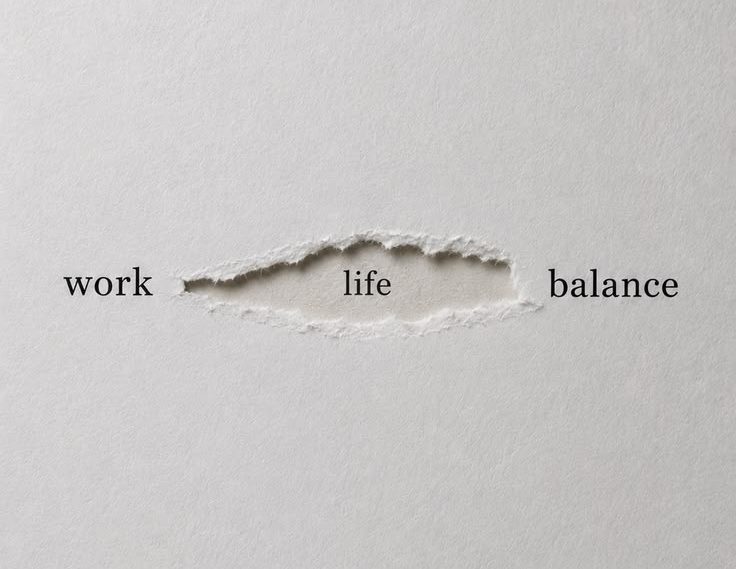
Work can provide routine, social contact, a sense of contribution and confidence, and when stable employment disappears, some of those structures disappear with it. My mental well-being was not at its strongest during that period, and there were days when ordinary things required more effort than I expected. Even writing became irregular, which surprised me because writing had always been one of the ways I made sense of the world.
A conversation, an ordinary object or a contradiction in society could usually become an essay if I sat with it long enough. But there were stretches when the ideas existed and the energy to organise them did not. My blog became quieter, and because I was already questioning other areas of my life, I began treating the silence as further evidence that I was failing to maintain the person I thought I should be. No stable work, uncertain plans and fewer essays began collecting themselves into one dramatic verdict.
Looking back, that verdict was far too large for the evidence. Employment was uncertain, and my mental well-being affected how easily I could do things I normally enjoyed. Those facts deserved attention, but they did not justify reducing an entire year to a conclusion about personal failure. I did not need to pretend everything was fine; I needed to stop allowing several difficulties to impersonate one final judgement.
I also became more sceptical of our obsession with productivity. There is always advice available for anyone with unstructured time: learn another skill, read more, exercise, start a project, improve yourself and build something useful. Much of that advice can be helpful, but the problem begins when every hour becomes another test of whether a person is using life correctly.
Someone looking for work may already feel pressure to demonstrate that they are trying hard enough. Rest begins to feel suspicious, hobbies compete with job applications and an afternoon spent doing very little can trigger guilt because nothing measurable has been produced. My imaginary internal committee had strong opinions about this, excellent attendance and almost no useful recommendations.
Eventually, I began understanding that meaning and productivity are not identical. A conversation can matter without improving a CV, rest can be necessary without needing to justify itself and a quiet afternoon can still belong to a worthwhile life. I understood this before I became particularly good at believing it, but even recognising the distinction helped me see how much pressure I had placed on myself to turn uncertainty into constant self-improvement.
The practical work of job searching still had to continue. That process made me increasingly aware of how strange it is that obtaining income can require money first. Transportation, documents, internet access, clothing and travel for interviews can all create costs before an employer has promised anything. For somebody with financial support, those costs may be manageable, while for another person they can determine which opportunities are realistic enough to pursue.
A job vacancy may therefore be technically open to everyone while the process of reaching it is easier for some than others. This does not mean employers should ignore qualifications or that every applicant deserves an offer because suitability matters and selection is necessary. It simply means discussions about unemployment should recognise that searching itself does not occur under equal conditions.
The experience also made me more cautious about the stories we use to explain joblessness. One version portrays the unemployed person as entirely the victim of circumstance, while another treats unemployment as proof of poor choices or insufficient effort. Real lives are usually much less cooperative than either story because decisions matter, economic conditions matter and so do skills, location, health, family responsibilities, timing and the simple availability of work.
Several factors can operate at once without giving us one tidy cause to blame. A person can be willing to work and still be looking. That should not be such a difficult idea to accept, yet the simplicity of moral judgement often proves more attractive than the complexity of reality.
Uncertainty also changed the way I understood confidence. I once thought confidence meant knowing what I was doing and feeling certain about where I was going. During that period, I began realising that a person could remain confident in their abilities while being uncertain about the outcome.
An unsuccessful application would not retroactively erase my education, and a delayed opportunity would not cancel previous experience. The absence of stable employment might affect how I felt about myself, but it could not objectively determine everything I was capable of contributing. That distinction mattered most on the days when uncertainty spoke with greater authority than evidence.
Filipino family life added another layer because employment is rarely treated as entirely individual. Work affects household finances, future plans and responsibilities, so relatives naturally become interested. That interest can be helpful when somebody shares a vacancy, offers advice or provides practical support.
Concern becomes heavier when the same question is repeated while the answer remains unchanged. “Wala pa gihapon?” Still nothing? It may be intended as simple curiosity, but to someone already worried about the situation, it can sound like another reminder that there is no announcement yet. The difficult part was that there could be effort even when there was nothing new to announce.
Applications, planning and reconsidering possibilities do not create very exciting family updates. “Excellent news, everyone, I have spent another afternoon reviewing options and everything remains unresolved” is technically accurate but unlikely to produce applause. Perhaps that is why kindness sometimes helps more than another question.
Some days a person genuinely needs advice, information or an introduction. On other days, they may need to talk about a film, laugh at something ridiculous, complain about the heat or eat without being asked to present a five-year plan to an unofficial family panel. The difference between support and monitoring can be surprisingly small.
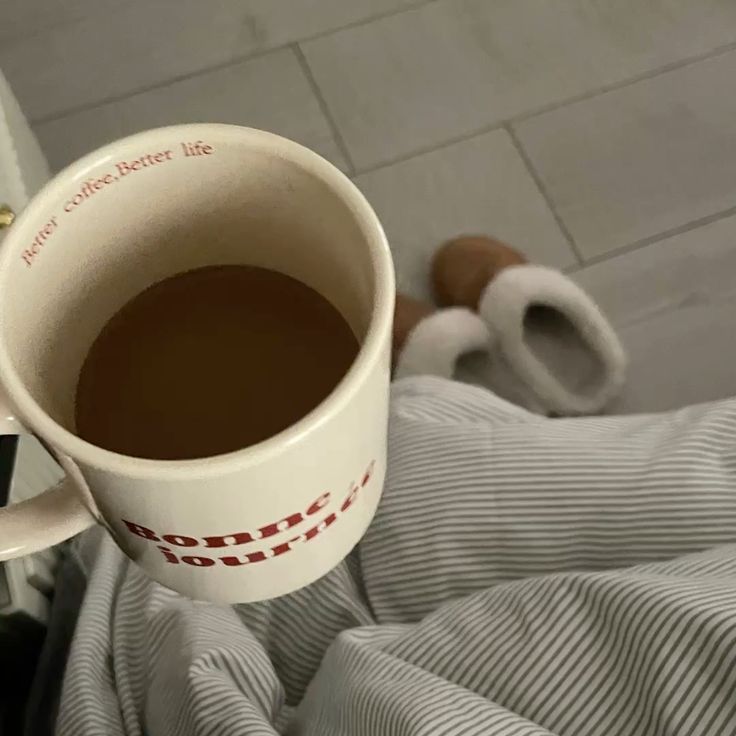
Financial uncertainty made ordinary decisions feel different too. A purchase was no longer simply a purchase; it became a calculation about what remained afterwards. An outing involved transport and food costs, and even something modest could trigger unnecessary internal debate. I could look at coffee and somehow turn it into a constitutional crisis: really, is this where the empire falls?
When income is predictable, money can be planned with greater confidence. When future income is uncertain, the same amount feels more valuable because there is no clear date attached to replacing it. Financial security therefore provides more than purchasing power; it changes the emotional meaning of risk.
A person with savings may treat a temporary setback as manageable, while somebody without a cushion may view the same setback as consequential enough to alter every other decision. This affects whether people relocate, pursue training, travel for interviews or wait for a role better suited to their qualifications. Again, the question is rarely just whether someone is ambitious enough because sometimes ambition has travel expenses.
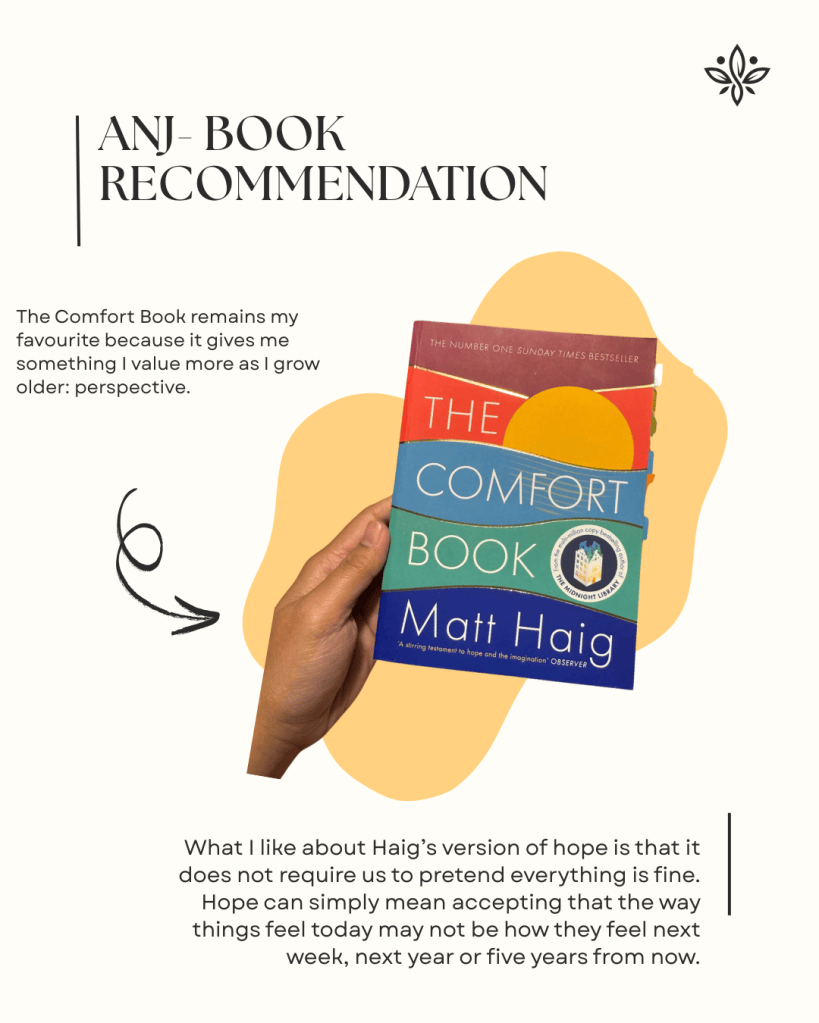
I also learned to think differently about hope. I had imagined hope as confidence that something good would eventually happen, but uncertainty made that definition difficult to maintain. Opportunities could fail, plans could change and the future was stubbornly unwilling to issue guarantees.
Perhaps hope is more practical when it means continuing to consider possibilities without pretending to know how they will turn out. That version leaves room for disappointment without allowing one disappointing day to become a permanent prediction. I did not need to believe every application would succeed; I needed to believe that an unsuccessful one did not settle the question of the entire future.
Still, I would be exaggerating if I claimed the year transformed me into a wonderfully patient philosopher. I was not delighted by unemployment, and I did not wake every morning grateful for another opportunity to practise tolerance for uncertainty. Some days I simply wanted a job, a routine, an income I could plan around and perhaps a printer capable of fulfilling the responsibilities for which it had been manufactured.
Not every difficult period needs to become inspirational while it is happening. Sometimes something is simply difficult, and forcing an immediate lesson onto it adds another task to an already tiring experience. Meaning can arrive later. Sometimes the most responsible thing is to acknowledge what is unpleasant, deal with what can be managed and continue without requiring yourself to produce a motivational speech before dinner.
I think I had spent too much time imagining adulthood as a staircase. Finish one stage, step onto the next and keep moving upwards in an orderly sequence. Unemployment made life look more like navigating a city with an unreliable map, where some roads worked, others stopped unexpectedly and a route that looked promising occasionally required reconsideration.
Sometimes I had to return somewhere familiar before deciding what to try next. A detour did not prove the traveller was incapable, and moving slowly did not mean moving without purpose. That distinction became important because I had been treating delay as evidence that the whole journey had gone wrong.
This realisation also changed how I saw the quieter periods on my blog. I had treated unwritten posts as missing evidence of productivity, but perhaps a blog is only an archive of selected moments rather than a complete inventory of a person’s existence. We live more than we publish, and some experiences remain private, some take years before we find language for them and some never become essays at all.
Their absence from an archive does not mean nothing happened. The empty pages had only proved that I had not written on them. Everything else was interpretation. What I needed was not a kinder fiction about 2016, but a more accurate account.
The accurate account was that employment was uncertain, I wanted greater stability and my mental well-being affected how easily I engaged with things I usually enjoyed. I was also still a person with abilities, responsibilities, interests and a life larger than my employment status. Those facts were capable of existing together without one cancelling the others.
Eventually, I returned to the printer. I had prepared the document, checked the formatting and followed the instructions, yet the result emerged imperfectly: a crooked margin here, faint lettering there and one stubborn section threatening to disappear. For a moment, I treated the whole page as a failure, until I looked at what was actually on it.
The qualifications remained, the experience remained and the information had not become worthless because the process of presenting it had gone badly. I do not want to ask more philosophical labour from a malfunctioning printer than is reasonable because it was, after all, an appliance and I would still have preferred that it simply worked. But the absurd little battle reflected something I had been doing to myself.
Because an outcome had not arrived as expected, I had begun treating the person waiting for it as the problem. That conclusion was neither fair nor logical. An application can fail for many reasons, a vacancy can disappear and an opportunity can take longer than expected, but none of those things alone constitutes a complete judgement of the applicant.
Perhaps I had been demanding from myself the same guarantee I wanted from the printer: preparation in, perfect result out. Life had never signed that agreement. I gathered the documents, straightened the pages and corrected what could reasonably be corrected, knowing there were still applications to consider and decisions ahead but no need to turn uncertainty into prophecy.
Outside, the afternoon carried on with its usual indifference to personal ambition. A tricycle driver called for passengers, a dog had apparently discovered something requiring immediate public commentary and neighbours were probably discussing food prices or family news. The world was continuing, and I still wanted to join it in a more settled way.
I wanted somewhere definite to report in the morning, responsibilities attached to a recognisable role, income I could plan around and a simple answer to an ordinary question. Those desires were reasonable, but the absence of stable work had not removed me from life while I waited. I was learning what uncertainty did to confidence, how financial insecurity altered decisions and how easily social expectations could make practical problems feel like personal deficiencies.
None of this belonged neatly beneath a heading on my CV, and no employer would issue a certificate for completing the experience. It was still experience. Eventually, the printer produced something usable: no fanfare, no dramatic music, just a few sheets of paper containing what I could offer and the possibility that somewhere an opportunity might eventually make use of it.
I placed the pages together carefully. For the moment, that was what I had: an application, a willingness to work and a future refusing to provide spoilers. I could not yet write the ending of that story, but perhaps an unfinished story is not the same thing as an empty one.
As for the printer, I switched it off. It had performed just enough work to remain employed as a household appliance, which at the time struck me as an enviable level of job security. I considered filing a complaint, but unfortunately management was also me, and I already had enough work.
Still learning that waiting is not the whole story,
Anj



















Leave a Reply