
Originally posted last 2015
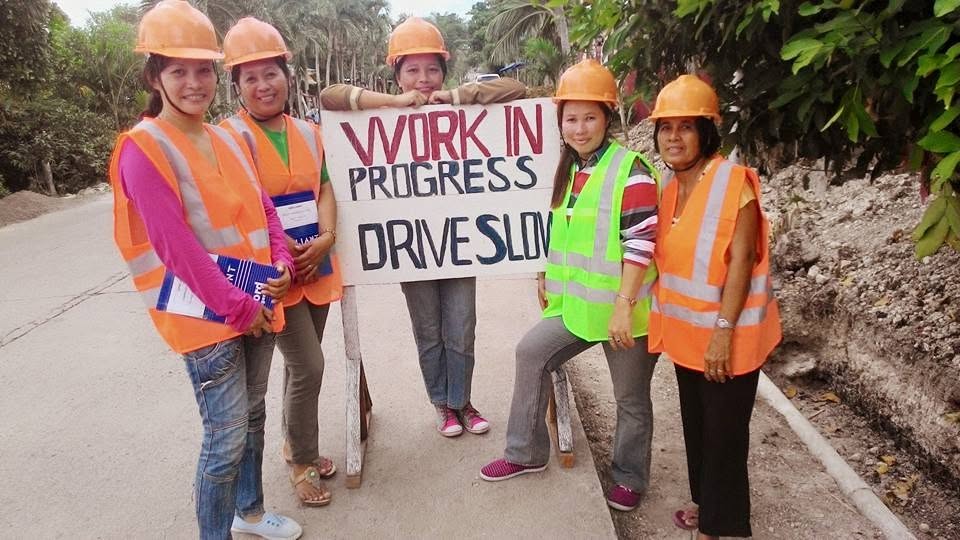
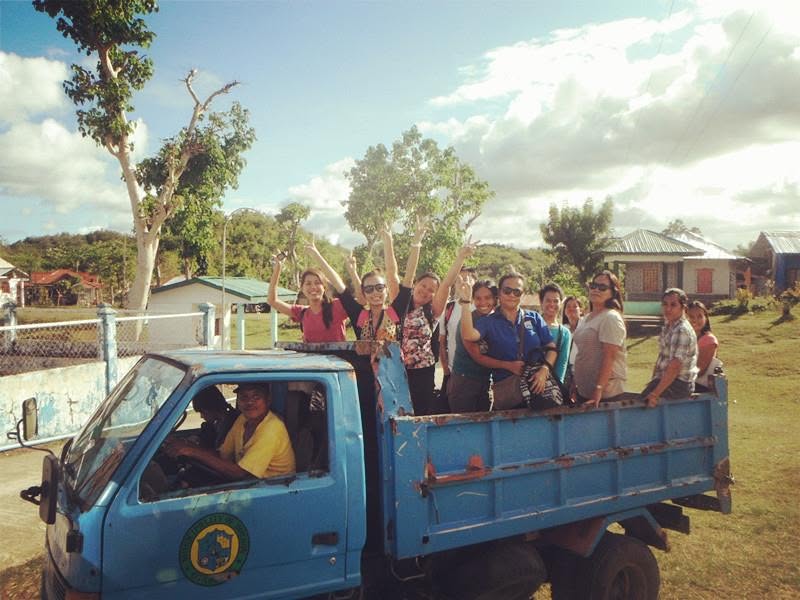
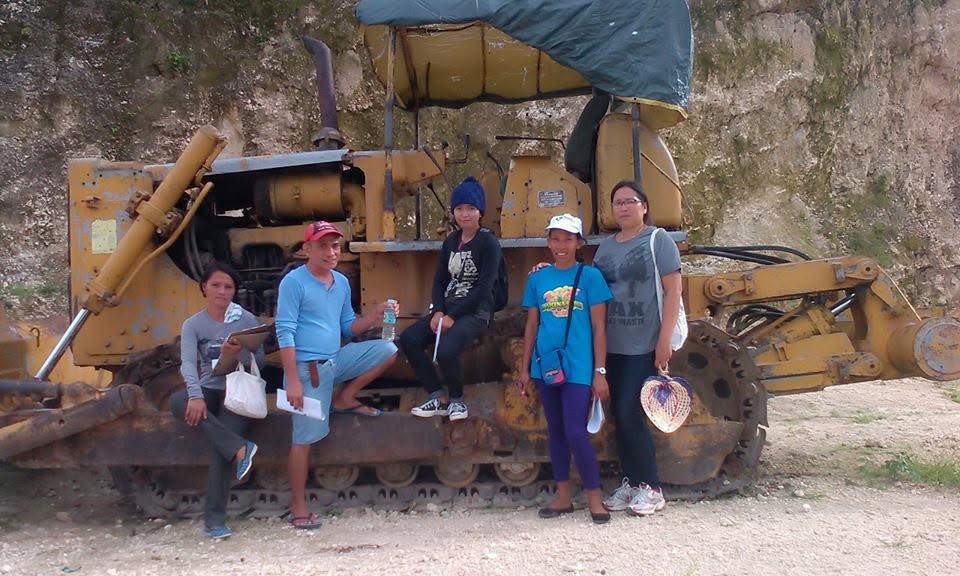
Borbon stole a year from my calendar. Not in any criminal sense—the municipality need not issue a statement—but with the quiet efficiency of a place I had only intended to work in and somehow ended up belonging to for a while. I arrived because my job brought me there, carrying the practical expectations of someone assigned to a new community: learn the roads, remember the barangay names, do the work properly, find my way around without looking hopelessly lost, and eventually go home. A year looked manageable when printed inside a calendar. Twelve months. Fifty-two weeks. A beginning on one side and an ending patiently waiting on the other. Borbon, however, had apparently not agreed to keep things that simple.
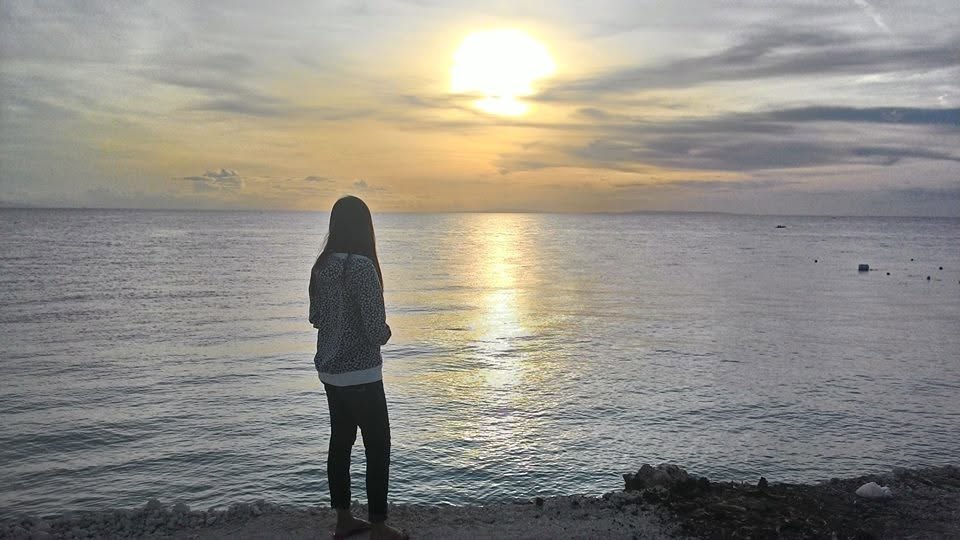
At first, the town introduced itself through necessity. I needed to know which road led where, which barangay came after the next bend, who I was visiting and how long the journey might take. Campusong, Poblacion, Bingay, Laaw, Sagay, Clavera, Managase and the other communities began as names connected to work, the sort of names you repeat in your head because confidently turning up in the wrong barangay is not the professional impression one hopes to make. Then something inconvenient happened to my tidy mental map: people began attaching themselves to it. A road stopped being merely a route because I remembered who lived along it. A house became the place where somebody had insisted I eat before leaving. A shoreline acquired a conversation. A barangay name began producing faces before directions. Borbon was quietly vandalising my map with memories.
That is the trouble with staying somewhere longer than a weekend. A tourist can leave with photographs. Live somewhere for a year and the place starts collecting evidence against you. It knows which roads you complained about, where you got tired, whose house fed you, which view made you stop, which family asked whether you had eaten and which people eventually stopped treating you as the woman who had come there for work.
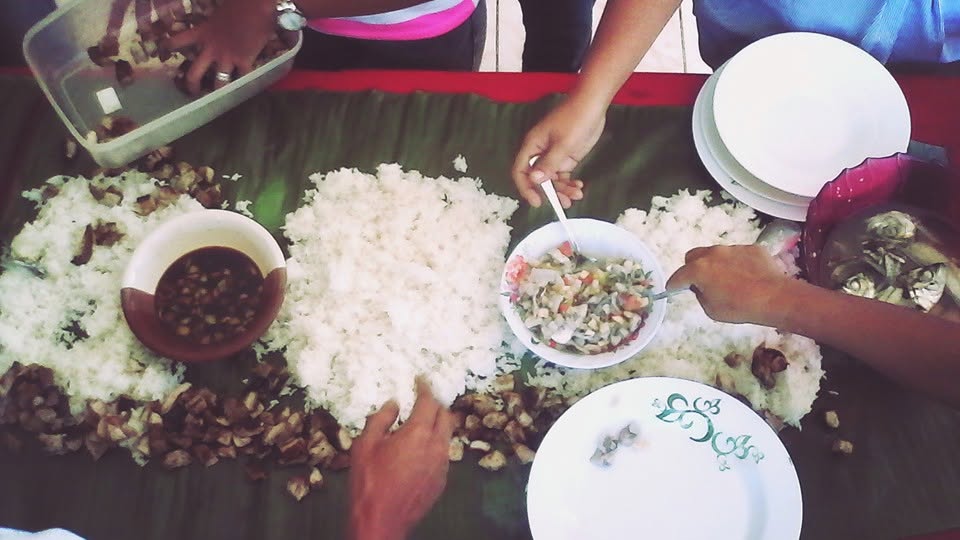
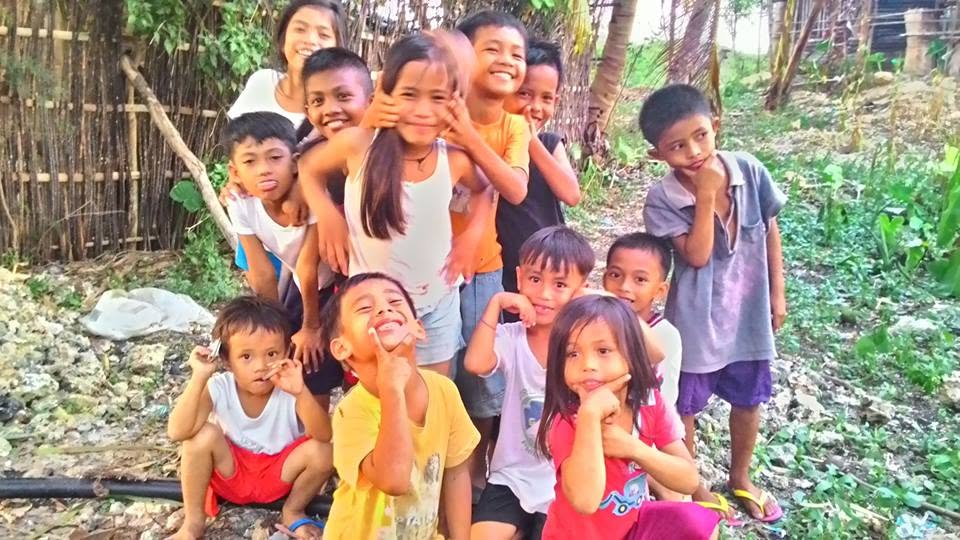
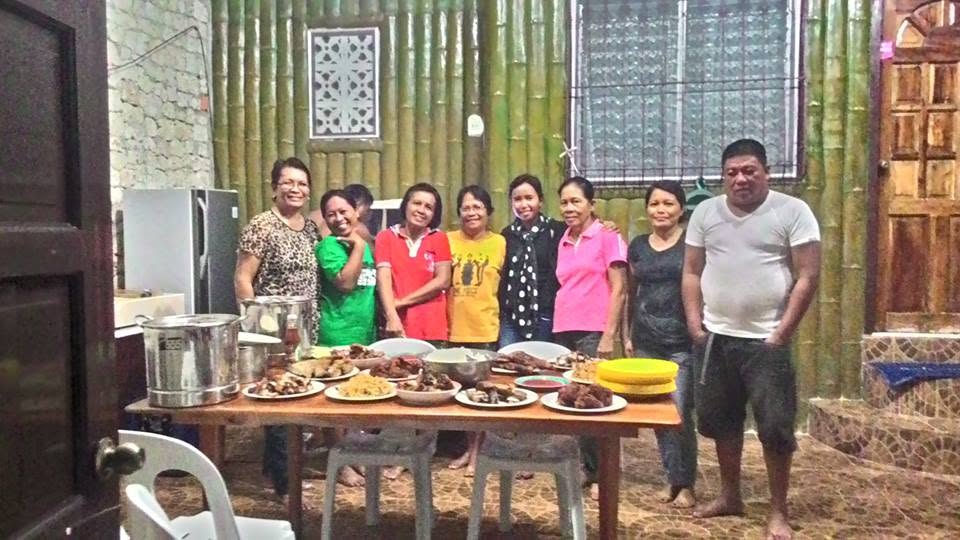
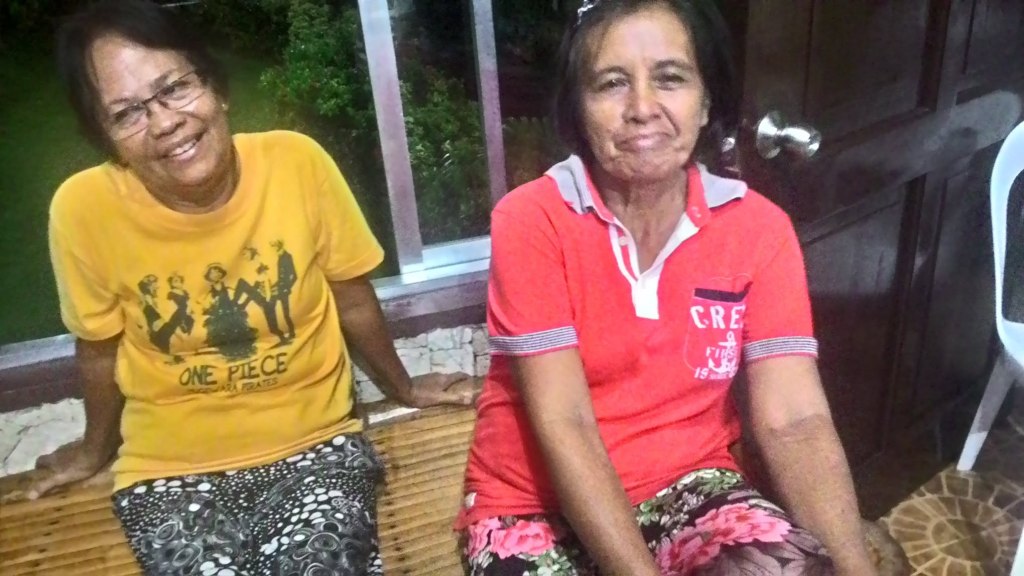
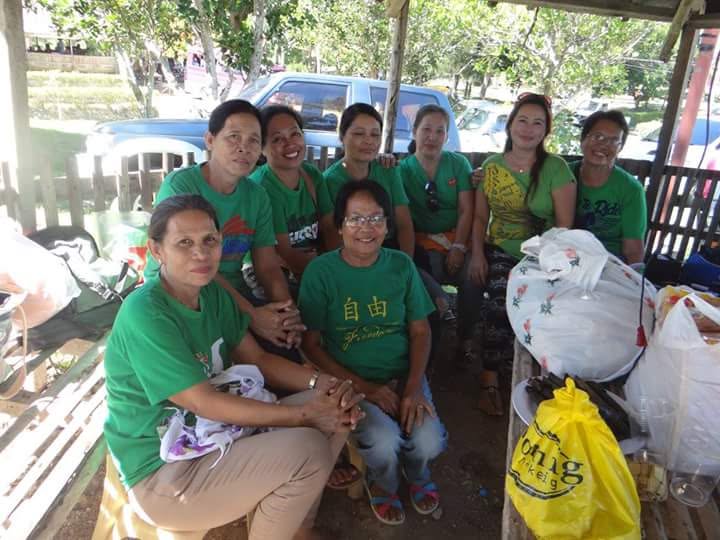
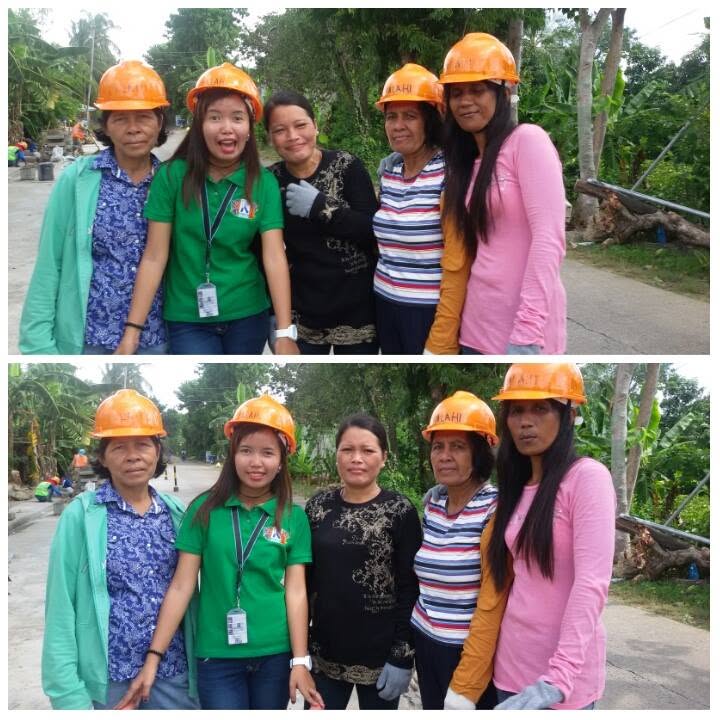
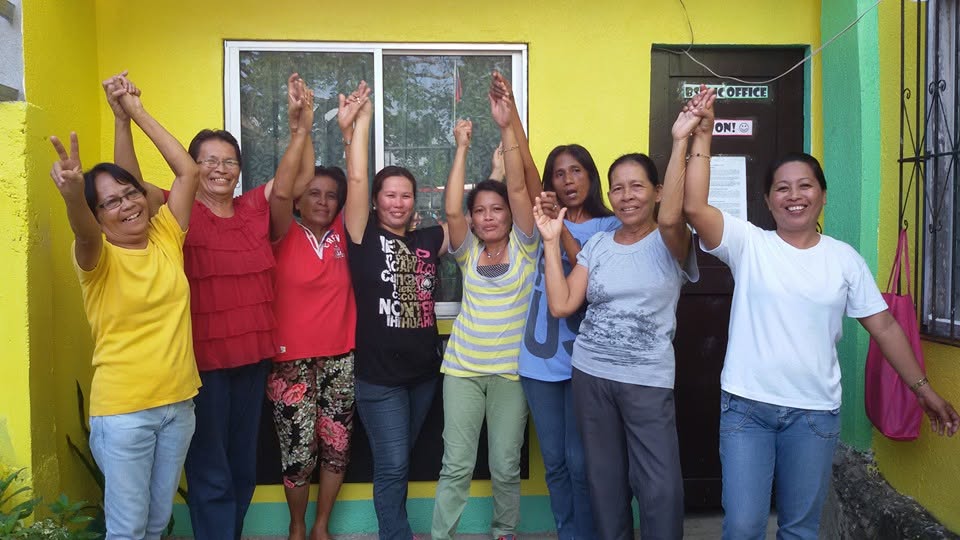
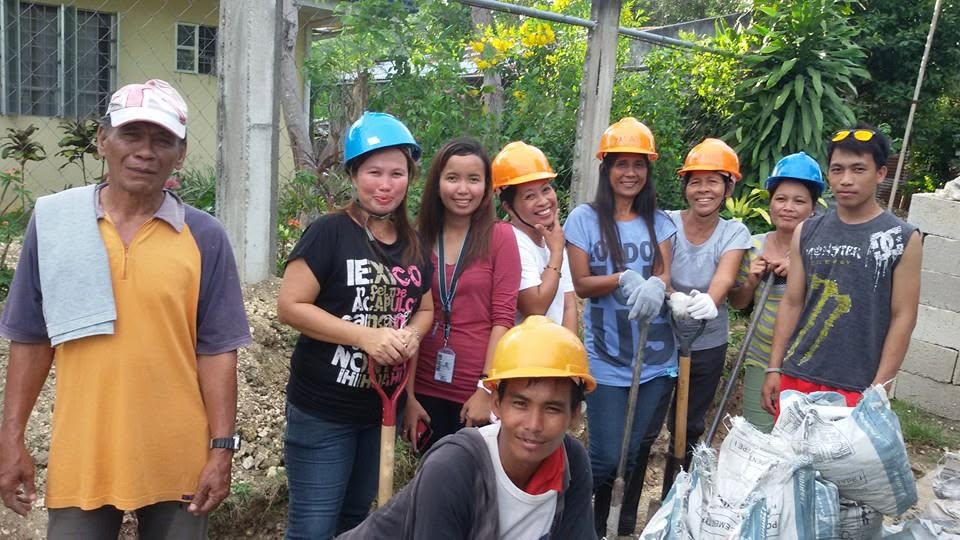
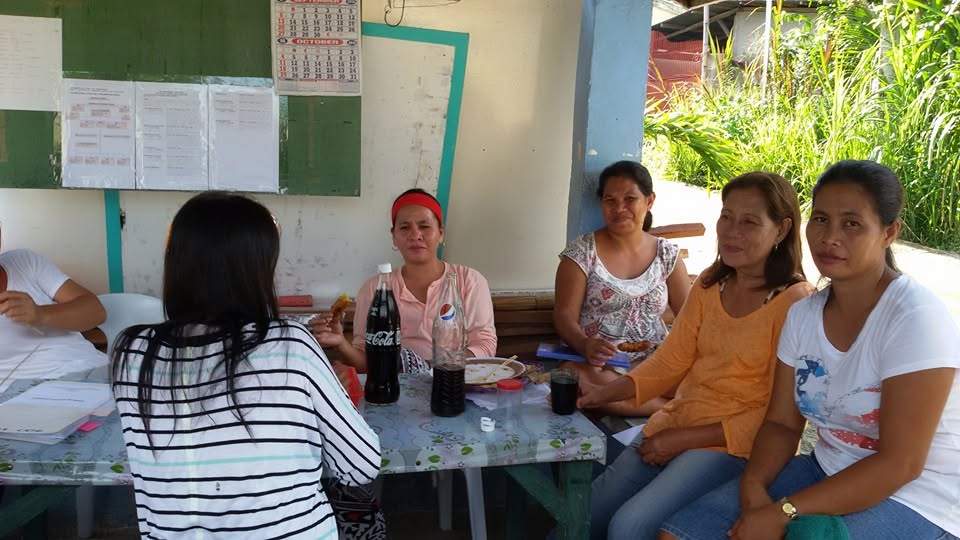
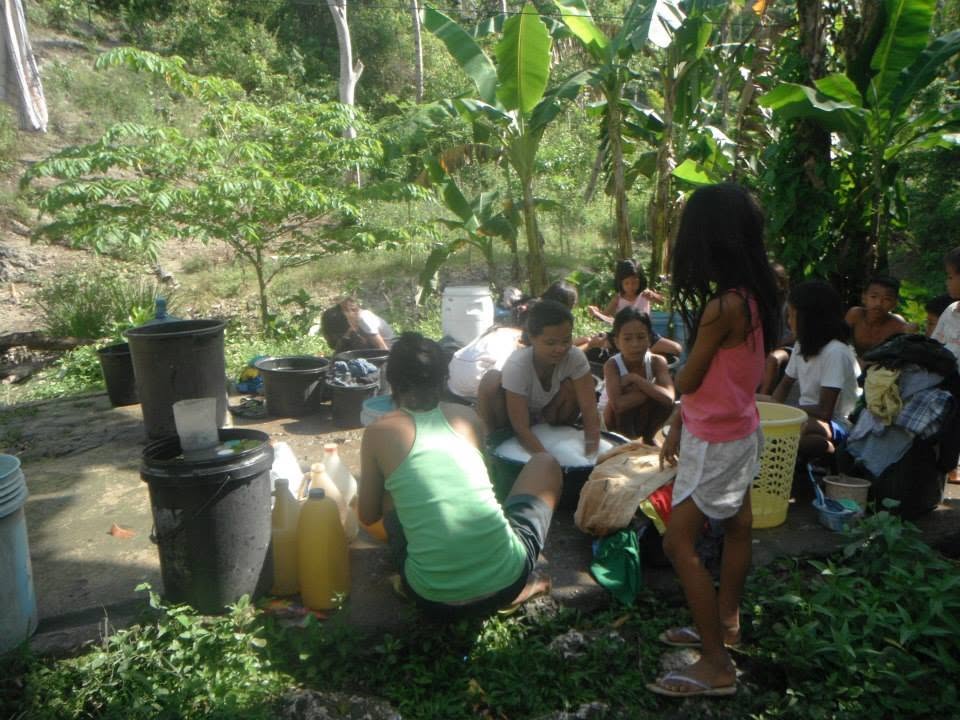
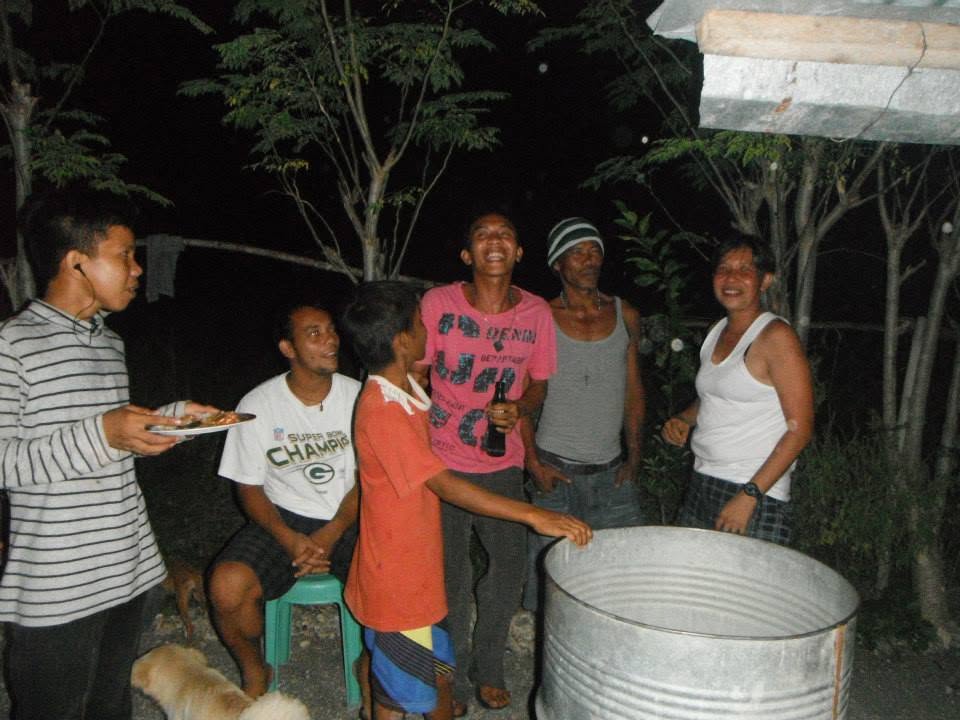
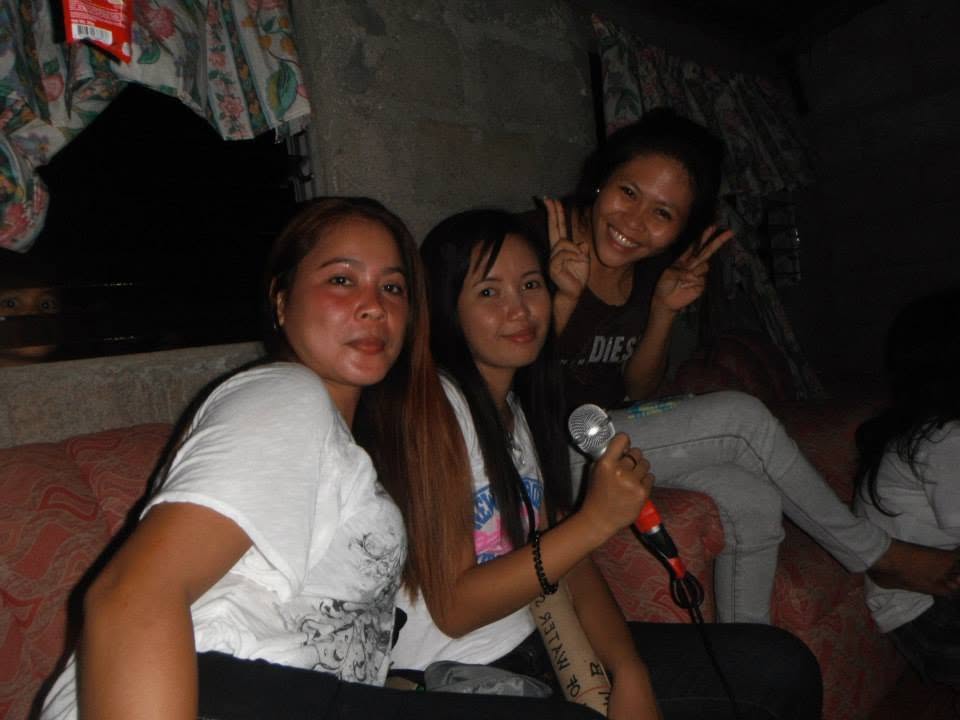
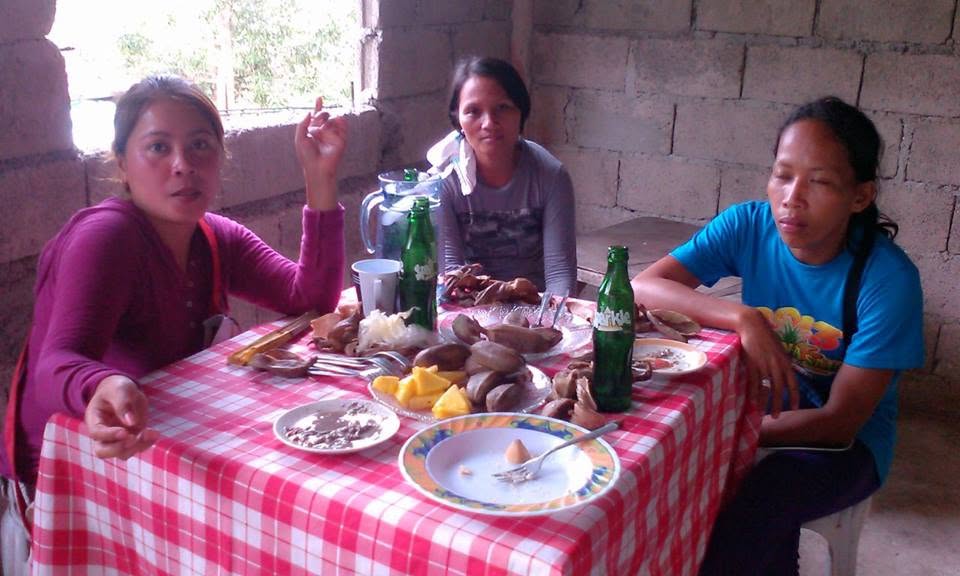
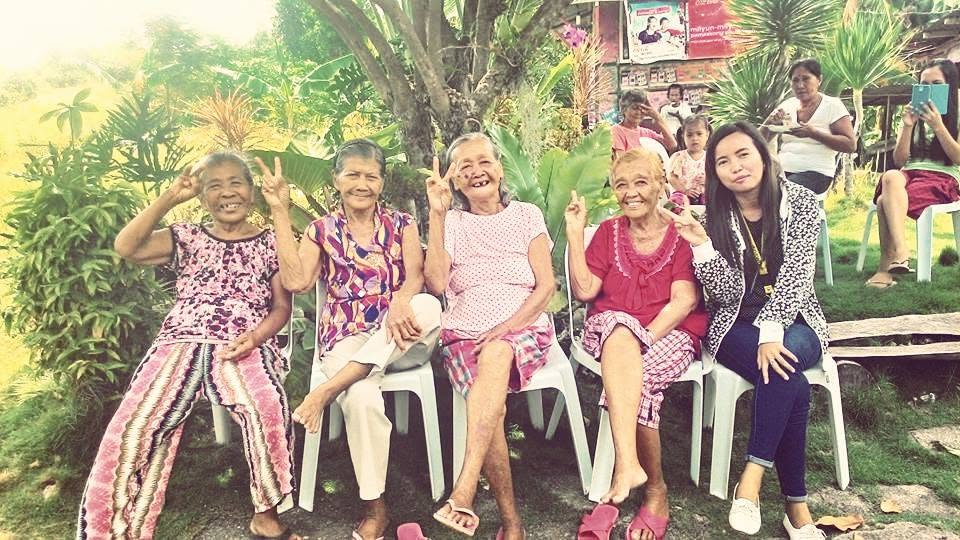
Campusong, Poblacion and Bingay became especially close to my heart for that reason. The people I met there did something I had not expected when I first arrived: they treated me like a daughter. Not ceremonially, not with elaborate declarations, but in the way Filipino families often express affection most convincingly—through concern, food, questions about where you are going, reminders to take care of yourself and the occasional refusal to accept your claim that you are already full.
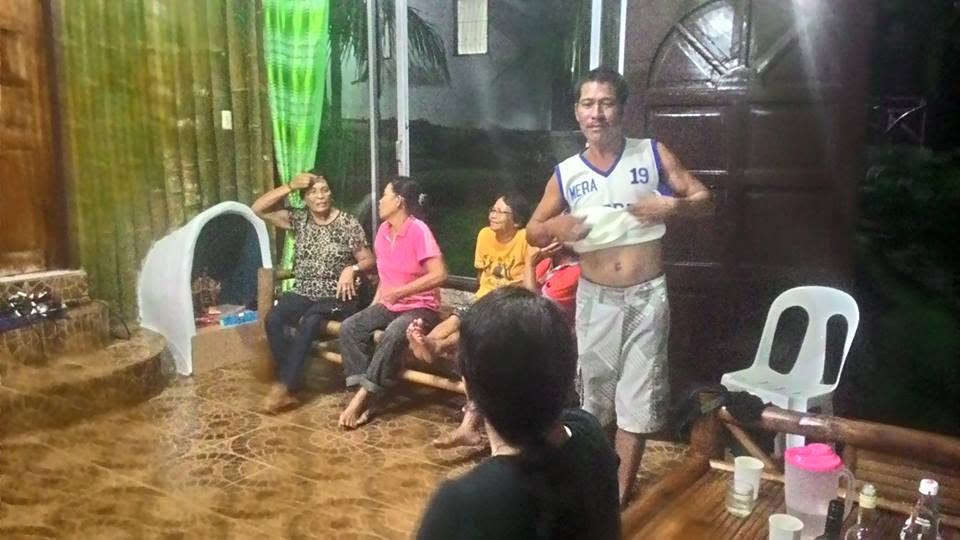
There is a particular warmth in being cared for by people who did not raise you but somehow begin behaving as though they have acquired partial parental responsibility anyway. They would ask if I had eaten, make sure I was all right and welcome me into their homes with the sort of ease that gradually made me forget I had once been a stranger there. Some people can make a chair at their table feel like an official document of belonging.
I had come to Borbon to work with the community. I had not realised the community might work its way into me.
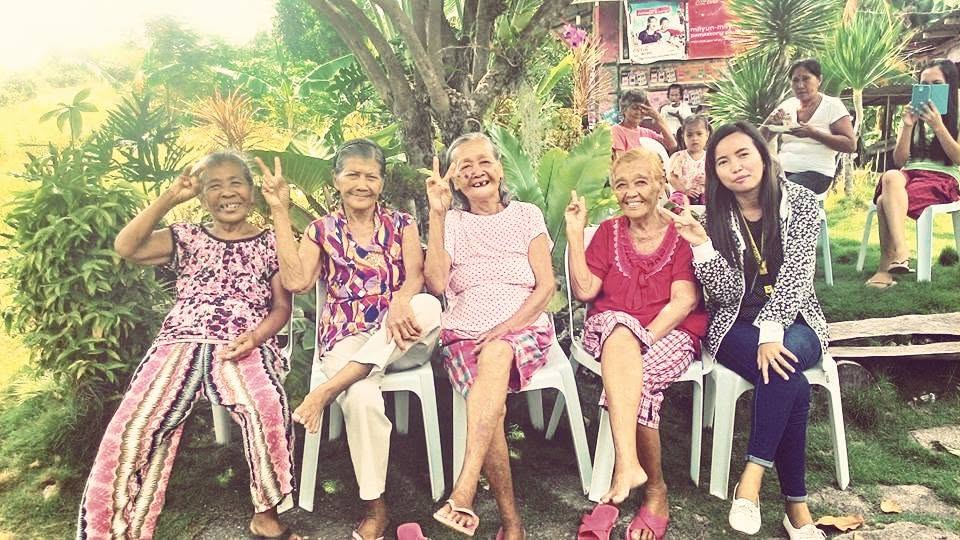
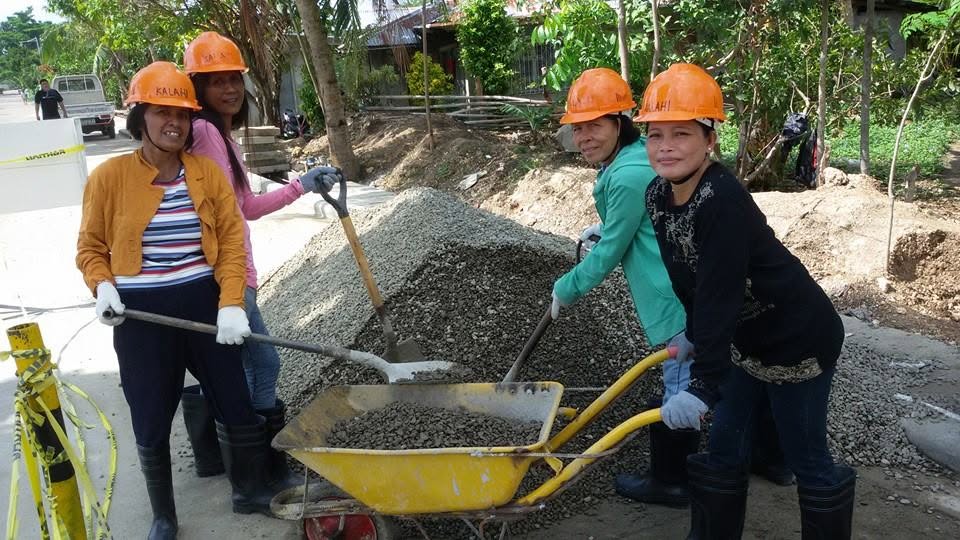
That distinction matters when I think about the town now. Borbon was never simply a collection of beautiful places I happened to photograph in 2015. I saw ordinary mornings there. I knew days when the weather was inconvenient and work was tiring. I travelled roads when nobody was trying to make them attractive for visitors. I met people when they were not performing hospitality for tourism but simply getting on with life. I saw Borbon without make-up, before breakfast and occasionally in a bad mood.
That is a much more intimate way to know a place.
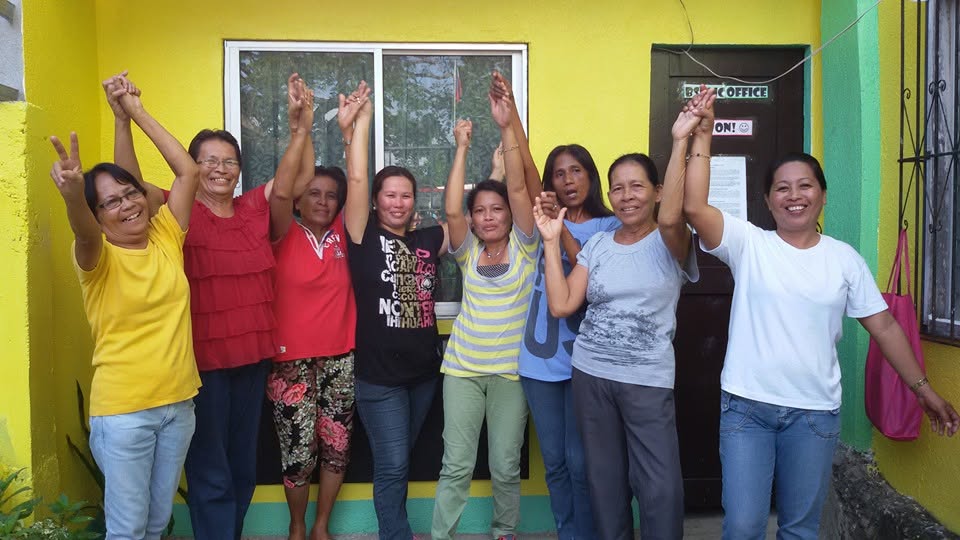
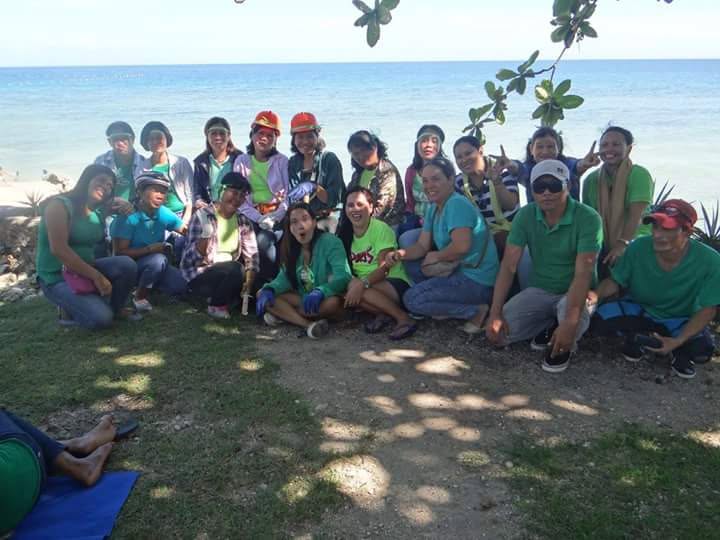
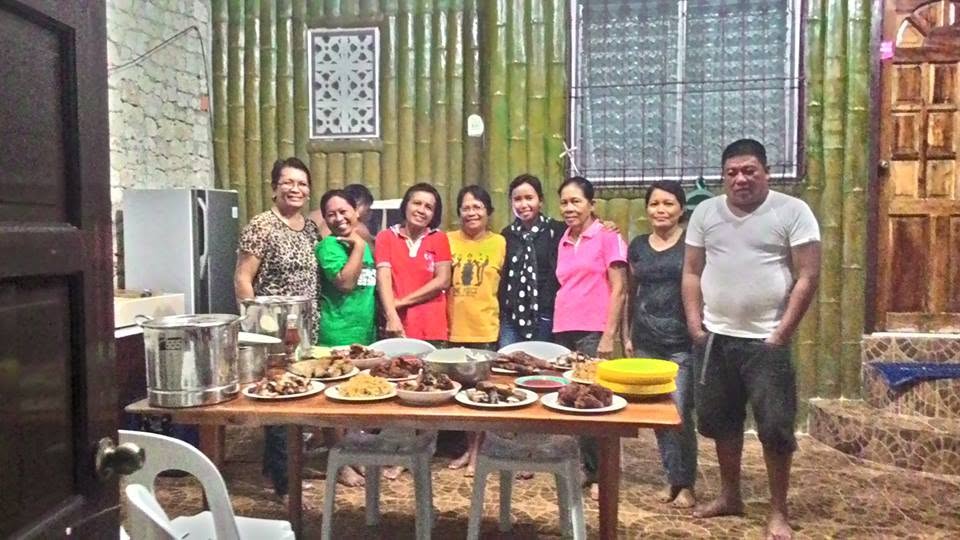
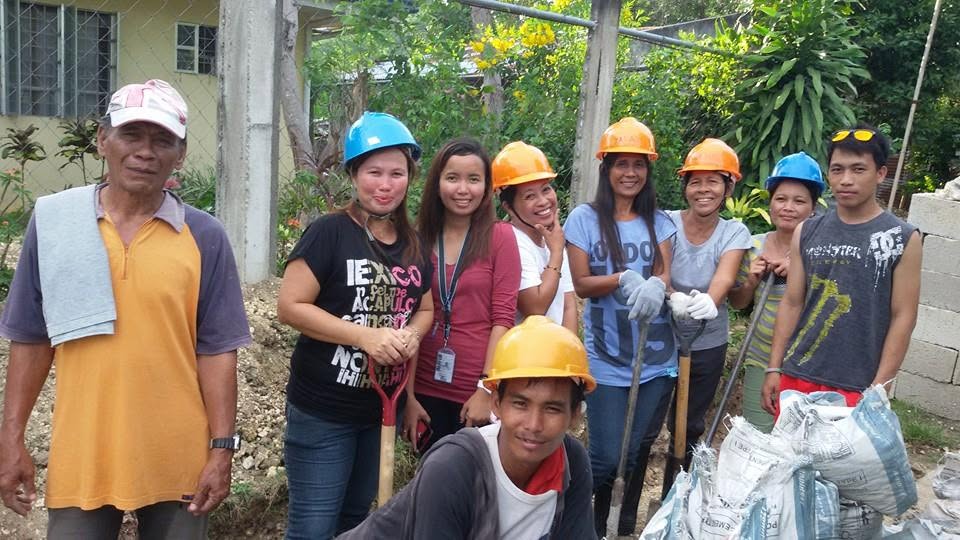
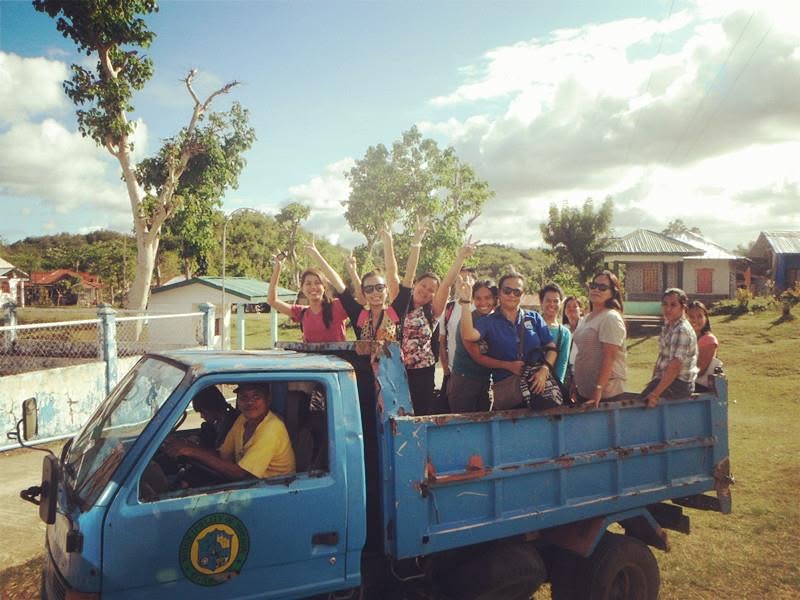
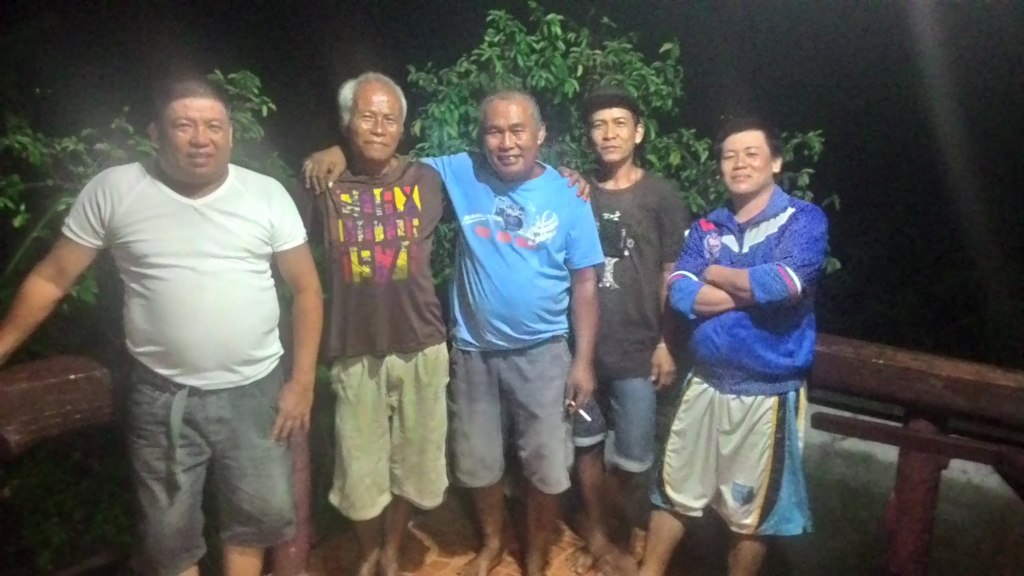
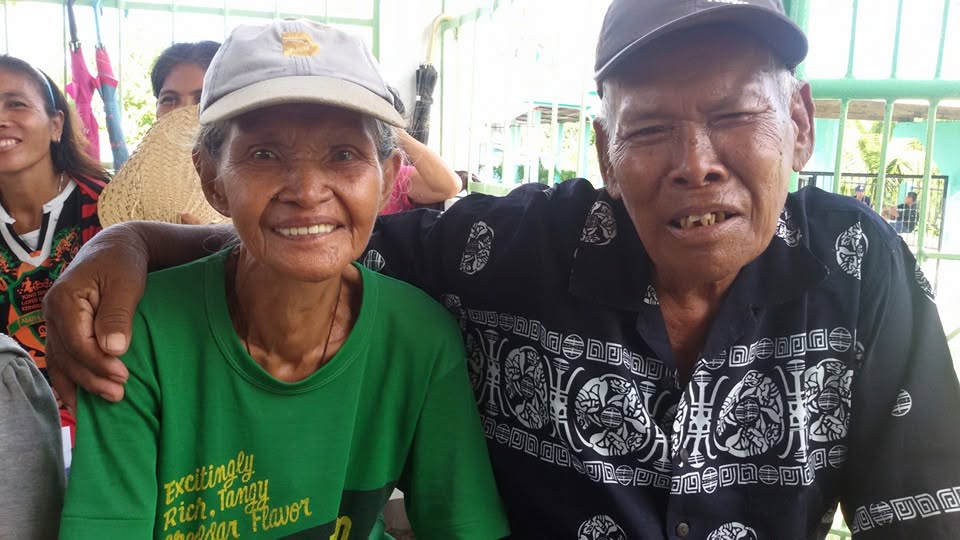
Bingay, Campusong and Poblacion became precious to me for reasons no tourism brochure could properly list. The scenery mattered, but again it was the people who fixed the place permanently in memory. There were people there who welcomed me with the sort of affection that makes you wonder when exactly you had been unofficially adopted. I might have arrived because of work, but they did not keep the relationship confined to whatever task had brought me to their door.
They looked after me.
That sentence is simple, but I mean it deeply.
Being away from your own family, even within Cebu, makes you notice people who begin offering little versions of home. Somebody checking whether you have eaten. Somebody making sure you get back safely. Somebody remembering what you like. Somebody speaking to you with the affectionate authority of a parent even though your birth certificate contains no evidence that they are related to you.
Campusong, Poblacion and Bingay gave me that repeatedly. They taught me that family can sometimes begin with blood and sometimes with somebody putting food in front of you and refusing to listen when you say, “Ayaw lang, busog pa ko.”
Filipino mothers, biological or acquired, appear to share an international policy that “I’m full” is merely the opening statement of negotiations.
1. Campusong, Borbon
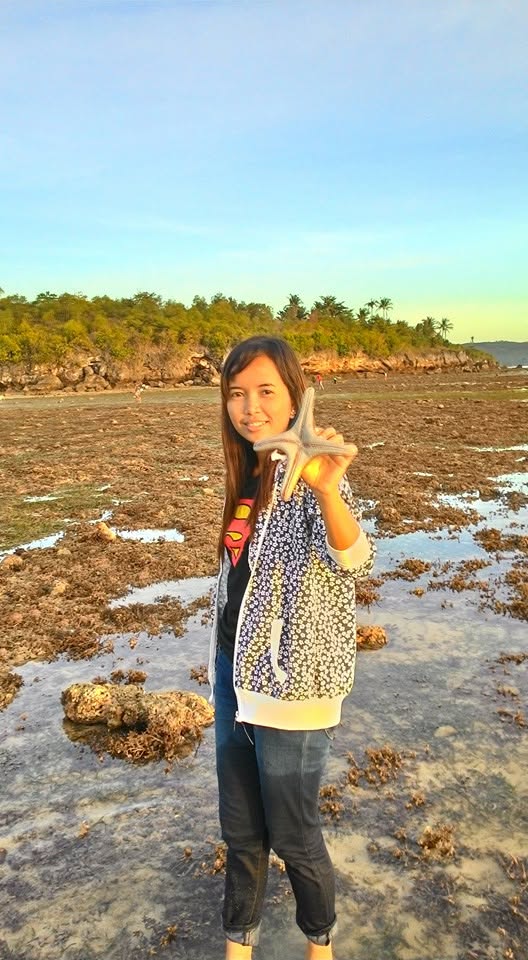
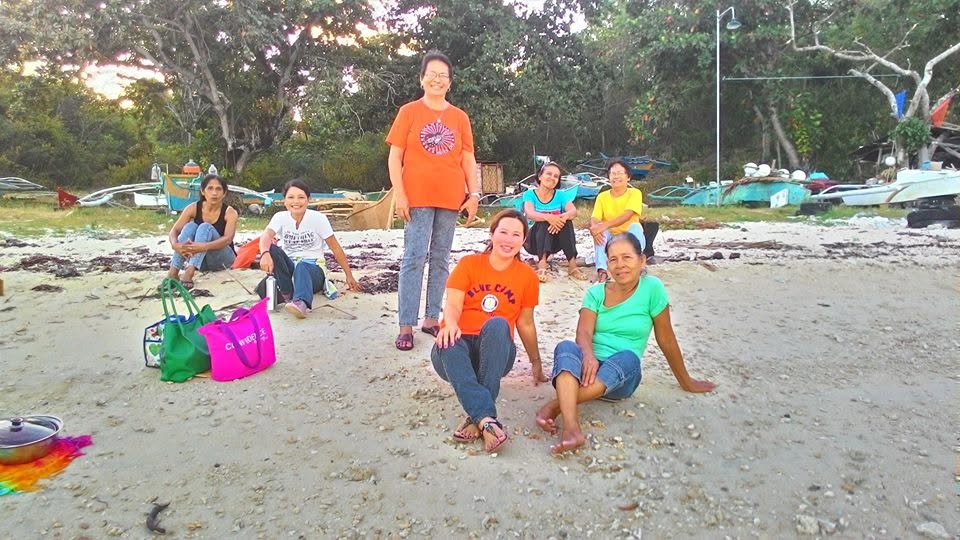
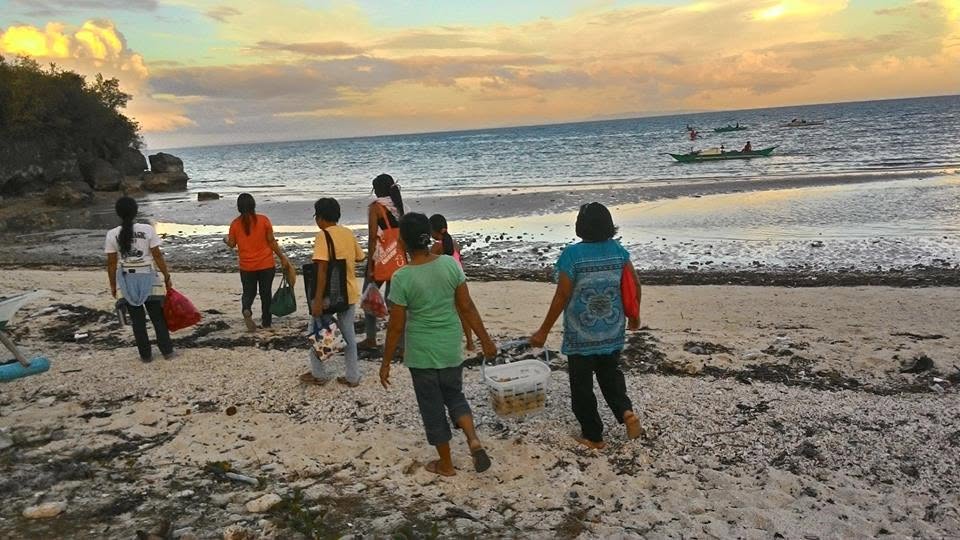
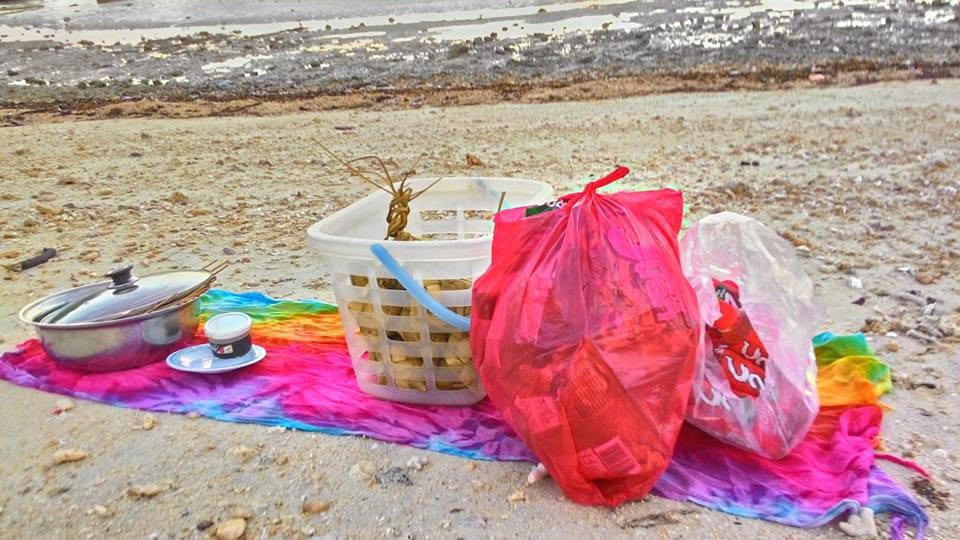
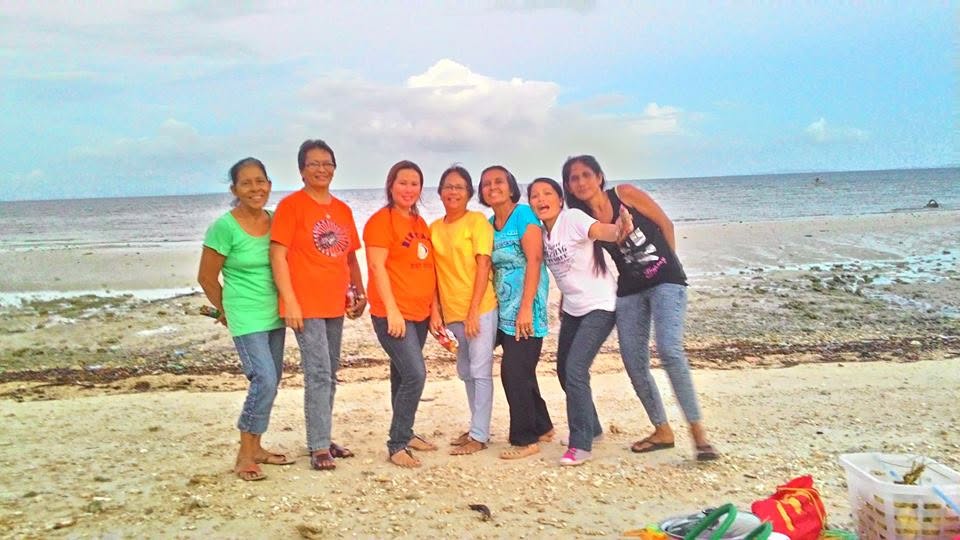
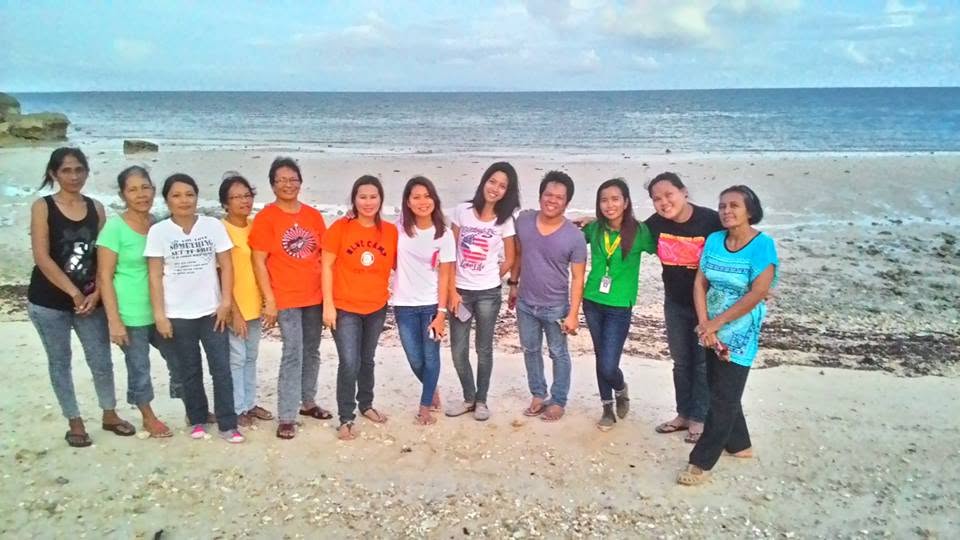
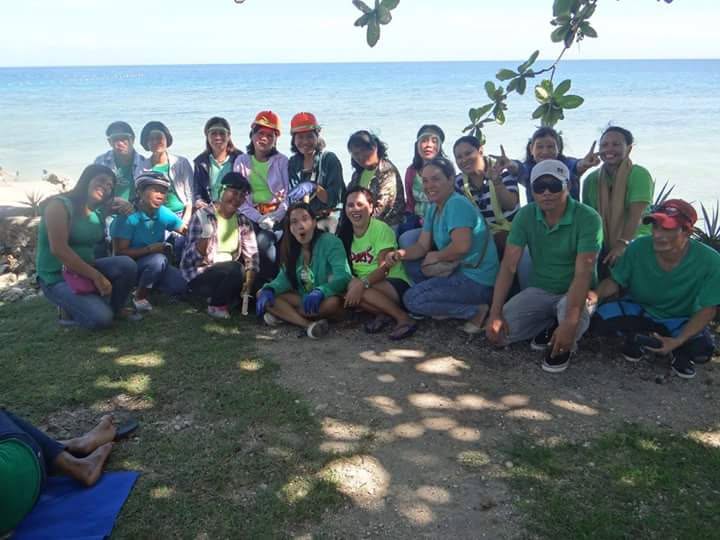
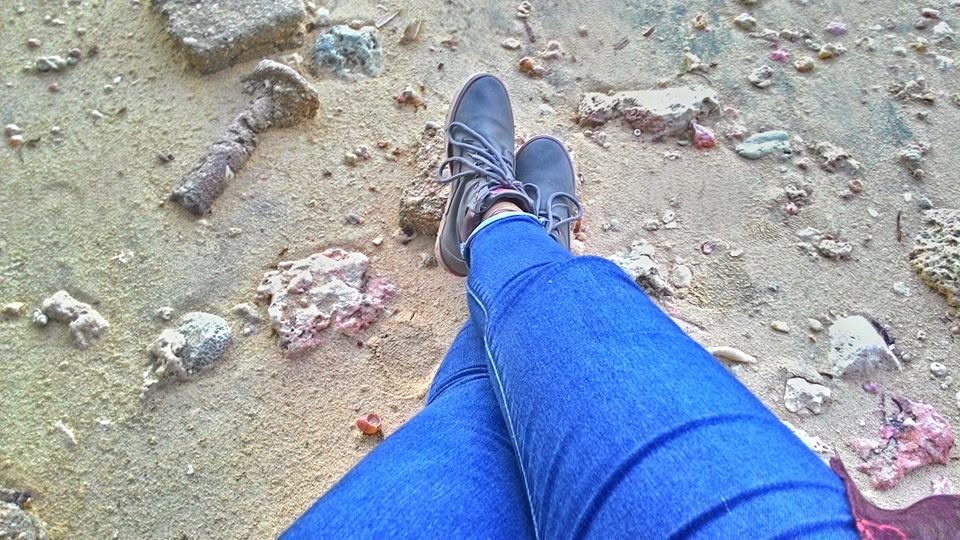
Campusong became one of those places where work and memory began overlapping. Its shoreline was simple, with pale sand meeting the sea and a small coastal community continuing its routines around it. I discovered parts of it while looking for somewhere to escape for a little while, and what I liked was precisely what it lacked. There was no complicated programme waiting for me. The beach could have benefited from a little more care in places, certainly, but I would rather remember it truthfully than polish it into a tourism advertisement years later.
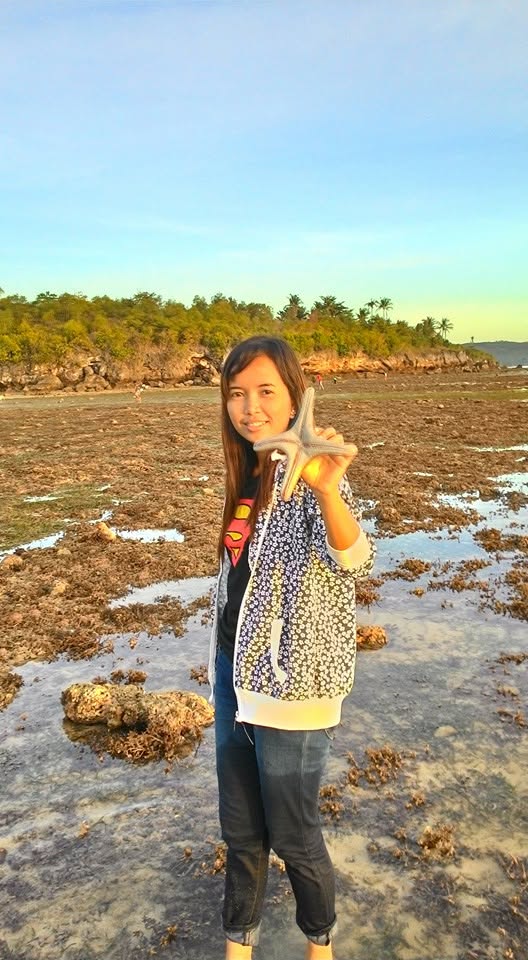

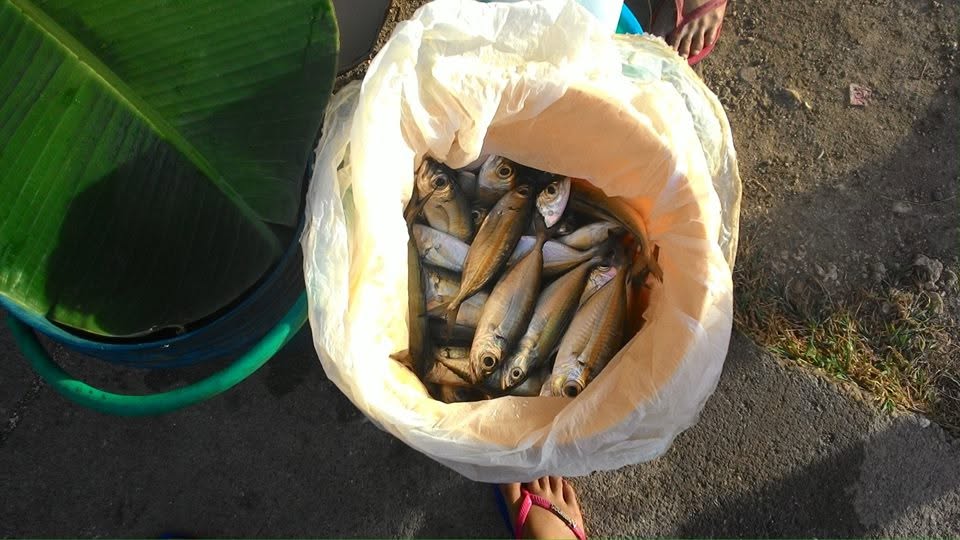
The sea did most of the work anyway.
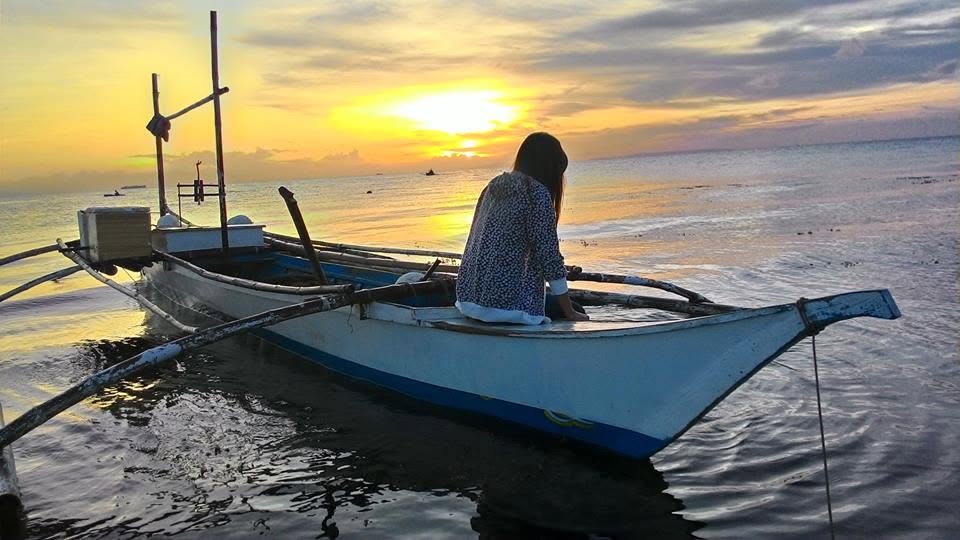
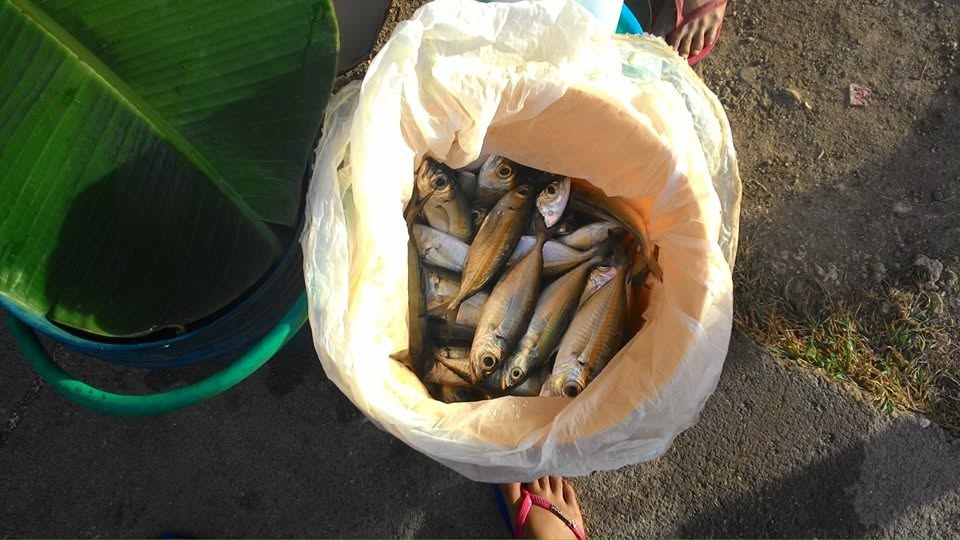
It came forward, folded itself onto the shore and withdrew again with the confidence of something that had been doing this long before any of us arrived with cameras. Fishermen carried on nearby, children played and houses sat close enough for the beach to feel connected to everyday life rather than fenced away from it. Campusong was never scenery separated from the community. People lived beside that water. Their ordinary Tuesday happened in a place someone else might consider a holiday photograph.

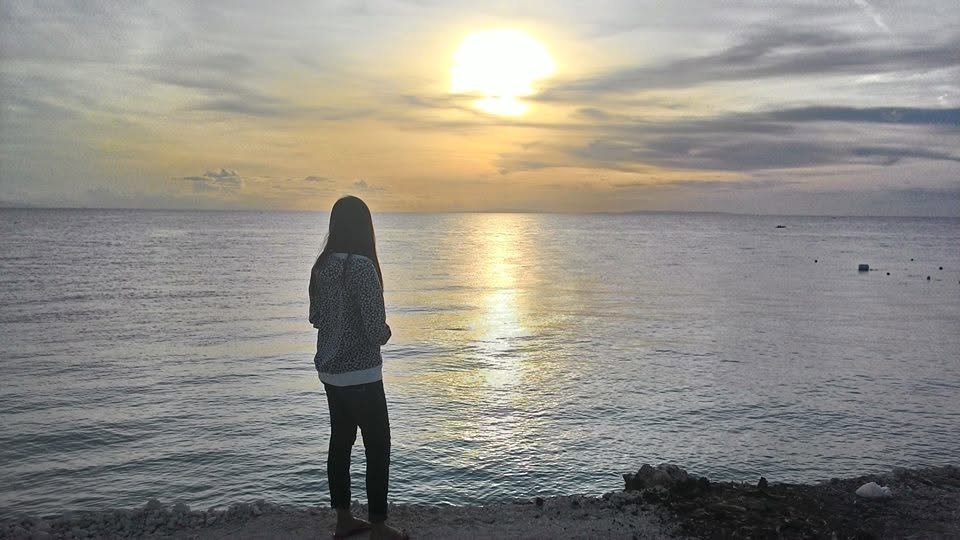
Perhaps that was why I became attached to it. Campusong was beautiful, but the people gave the beauty an address. Being treated with such affection there meant I could never remember the shore without also remembering the human warmth around it. A photograph might show the sea, but memory insists on adding the people just outside the frame.
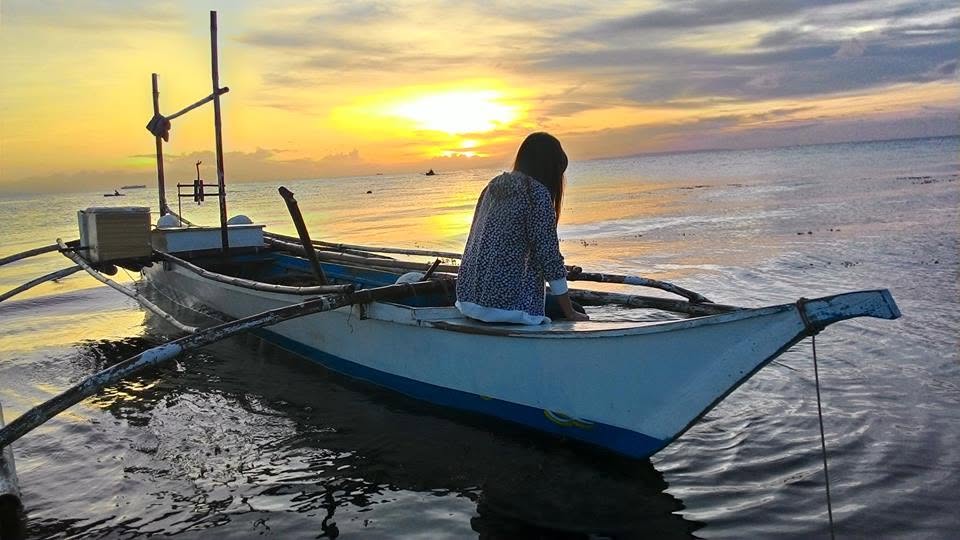
2. Laaw, Borbon
Laaw carried similar pieces of coastal Borbon—the meeting point between community and water, where the shore was not constructed around visitors but belonged naturally to the people living nearby. Boats, fishing and everyday routines existed beside whatever beauty I was admiring. Living there taught me to be careful about calling somewhere “peaceful” simply because I was looking at the sea. Someone nearby might have been working very hard in the same landscape I was using for reflection.
That awareness changed the way I travelled later.

3. Sagay, Borbon. Sagay showed me another side of Borbon. Rural landscapes opened around the barangay, and the warmth of the people gave the scenery a personality no photograph could carry by itself. You can take a beautiful photograph of hills or countryside, but the camera will never record the tone of someone inviting you inside, the sound of laughter after a conversation goes off topic or the small kindness of a person who remembers you the next time you return.
That became one of the lessons of my year there: geography tells you where a community is. People tell you why you remember it.

4. Silmugi River, Poblacion, Borbon
Then there was the Silmugi River, flowing through Poblacion and carrying a story far older than my brief year there. Local history connected the river with travel and livelihood, particularly when heavy rain caused its waters to swell enough for boats to move between upland communities and the sea. The river eventually lent its name to Borbon’s cultural identity and festival, which seems appropriate. Rivers are very good at becoming part of towns because they have been listening longer than most residents have been alive.
If Silmugi could speak, I imagine it would be an exhausting storyteller. It would know generations of gossip.
It has watched people come and go, rains arrive, children grow, roads change and families repeat familiar patterns under different names. Humans keep writing history in documents while rivers simply remain present for the entire meeting.


5. Clavera, Borbon
Clavera had its own character, surrounded by greenery and the kind of provincial scenery that does not appear to be doing anything extraordinary until you have lived somewhere else long enough to miss it. Wind moved through trees, roads connected small pockets of life and everything seemed to carry the practical rhythm of people who knew the land around them because they actually depended on it.
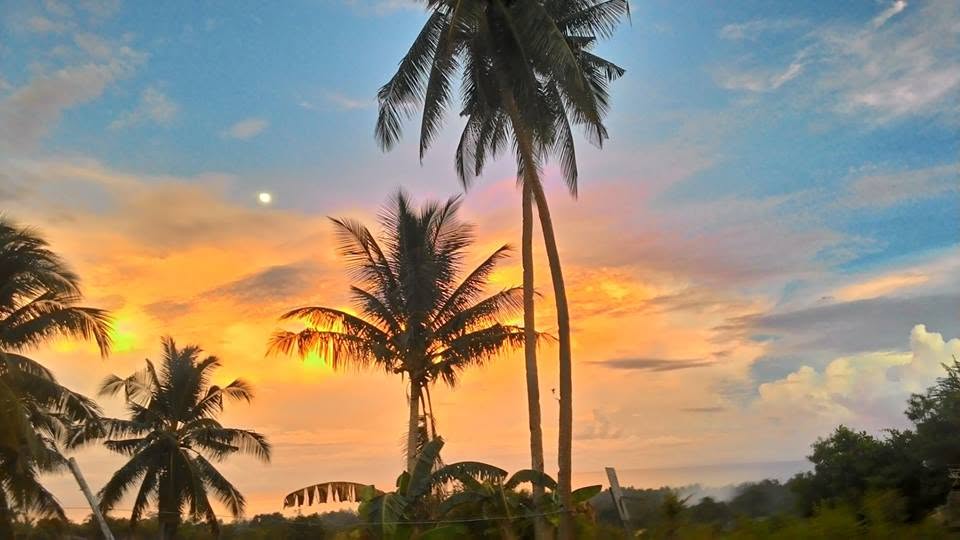
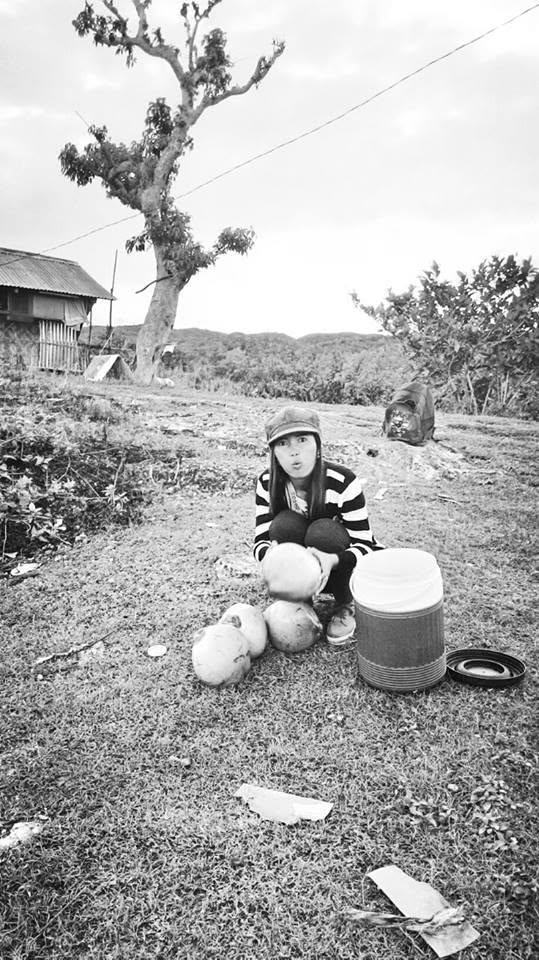
When you grow up in Cebu, landscapes like this can become so familiar that you forget how beautiful they are. Coconut trees become coconut trees. Hills become background. Fields become something you pass on the way elsewhere. Years later, living abroad has taught me how easily ordinary Philippine greenery can become something you ache for.

Silmugi Festival
The Silmugi Festival gave that river another life each January. Streets filled with dancers, costumes, colour, drums and movement in honour of Borbon’s patron saint and the town’s history. Watching street dancing always reminds me how much physical effort Filipino culture can disguise beneath beautiful costumes. From the roadside, everything looks graceful. Inside the performance, somebody is sweating beneath several layers of fabric while maintaining a smile large enough for the judges.

That deserves respect.
The festival carried gratitude as much as entertainment: thanksgiving for harvest, faith and community expressed through movement. The dancers turned familiar roads into a moving piece of Borbon’s story, and for a while the river’s name escaped the water entirely and travelled through the streets.
6. Managase, Borbon – Home of the Takyong Snail
Managase supplied one of Borbon’s more unusual characters: the takyong.
Before living there, I cannot say wild tree snails occupied a significant amount of my intellectual life. Borbon corrected this oversight. Takyong thrive around bushes and smaller trees, including labnog, coffee plants and jackfruit trees, and Managase is particularly associated with them. They cling to branches and emerge readily in the damp conditions after rain, going about their small snail existence completely unaware that humans have classified them as a local delicacy.

I find something inherently funny about a creature spending its afternoon peacefully attached to a jackfruit tree while somewhere nearby somebody is already considering a recipe.
Nature can be ruthless.
The takyong nevertheless became part of Borbon’s identity for me precisely because it was so specific to the place. Travel and community work are at their best when they introduce you to details too small for a generic guidebook. Everybody can photograph a beach. Not everybody returns home with opinions about tree snails.

7. San Sebastian Parish Church
Poblacion held another large portion of my Borbon year. As the centre of town, it naturally carried more movement, errands and familiar routes, but it also became part of my everyday rhythm. San Sebastian Parish Church stood there as one of those places that gathered more meaning with repeated encounters. Churches are interesting that way. The building stays roughly where it is while people keep bringing different versions of themselves through the doors.
Some enter grateful. Some enter worried. Some enter because it is Sunday and Mama has made attendance non-negotiable. Some light a candle because there are things easier whispered towards heaven than explained properly to another person.
For me, San Sebastian Parish Church became stitched into my memory of Borbon rather than remaining simply another landmark. Faith in small communities often lives close to everything else. The church is not sealed away from daily life; it sits among work, celebrations, funerals, fiestas, family problems, answered prayers and unanswered ones.

8. Pitogo, Poblacion
Pitogo offered another stretch of seaside life near Poblacion. Late afternoons suited it particularly well. The light softened, water settled into deeper shades and the coast gave you somewhere to stand while the day finished whatever business it had left. Like many places in Borbon, its appeal came partly from not demanding that you do anything elaborate.
The sea never handed me an itinerary.
I appreciated that.

Beautiful places are also workplaces, beaches are also livelihoods, mountains are also addresses, rivers are also routes, and the postcard somebody admires from a distance is often somebody else’s neighbourhood. The longer I stayed in Borbon, the less interested I became in separating what was beautiful from what was ordinary because, most of the time, they were occupying exactly the same ground. A fisherman could be repairing something while the sunset behaved magnificently behind him. Children could be shouting beside a beach someone online might describe as perfectly serene. A mother could be calculating tomorrow’s expenses while standing in scenery another person would happily travel hours to photograph. Real places are inconvenient that way: they refuse to remain scenery once you know the people living inside them.
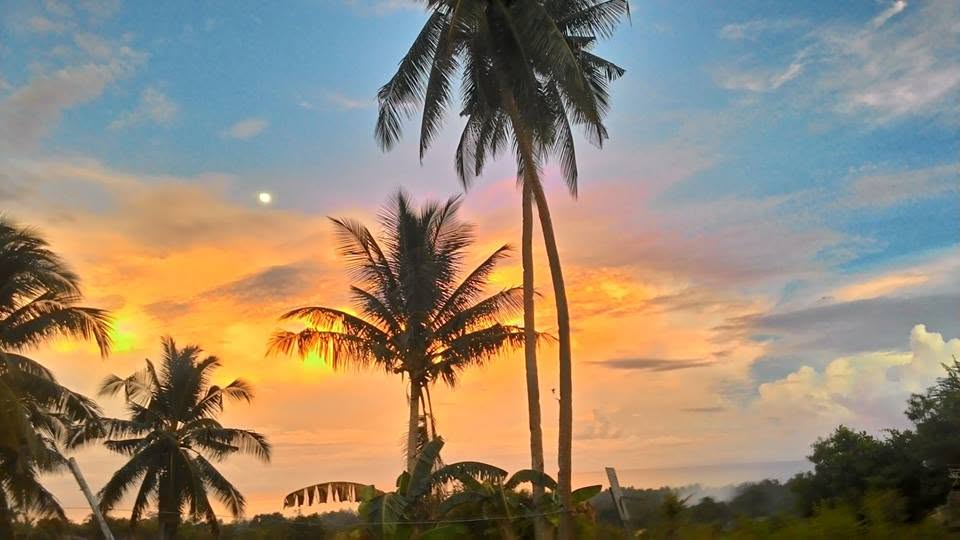
I think that was why one year in Borbon taught me more about the town than any short holiday could have done. Working within its communities made me look beyond what fitted inside a photograph. I noticed routines, relationships, small gestures and the ordinary ways people cared for one another—the things no “Top Places to Visit” article could properly capture. I also discovered that provincial hospitality can be hazardous to anyone attempting portion control. There was nearly always another serving waiting somewhere, and saying, “Busog na ko,” was treated less as a final decision and more as the opening statement in a negotiation. Your declaration would be heard, carefully considered and then ignored while somebody found more rice.
Eventually, the year began moving towards its final pages. I had known from the beginning that my stay was temporary, but calendars are deceptive little things. On paper, twelve months look wonderfully obedient: numbered squares arranged in tidy rows, each one given exactly the same amount of space. Living through them is another matter entirely. One square can contain an exhausting day at work, another an unexpected conversation that still makes you smile years later. One holds rain, another a festival, another a trip to the beach, and somewhere among them is an ordinary afternoon when somebody who was once a stranger asks whether you have eaten with such concern that you realise you are no longer being treated like a visitor.
By the time I was preparing to leave, Borbon no longer fitted neatly inside the word assignment. Campusong was no longer simply a shoreline, Poblacion was no longer merely the centre of town, and Bingay was no longer another barangay name I had first learned because work required me to know where I was going. Those names now carried people. More importantly, they carried people who had treated me like their own daughter. Once somebody has fed you, worried about you, checked whether you arrived safely and cared for you with the familiar authority usually reserved for family, geography becomes difficult to keep impersonal.
Perhaps that was why leaving felt strange. Nothing around me appeared particularly concerned that my chapter there was ending. Silmugi River continued towards the sea as though it had other appointments. San Sebastian Parish Church received another set of prayers. Waves kept returning to Campusong and Pitogo. Somewhere in Managase, takyong continued clinging to trees with absolutely no regard for my sentimental state. Borbon carried on with breakfast, work, laundry, conversations and whatever needed doing that day. Places can be terribly inconsiderate when we leave them; we secretly expect the landscape to acknowledge the occasion, while the landscape is usually more concerned with continuing to exist.
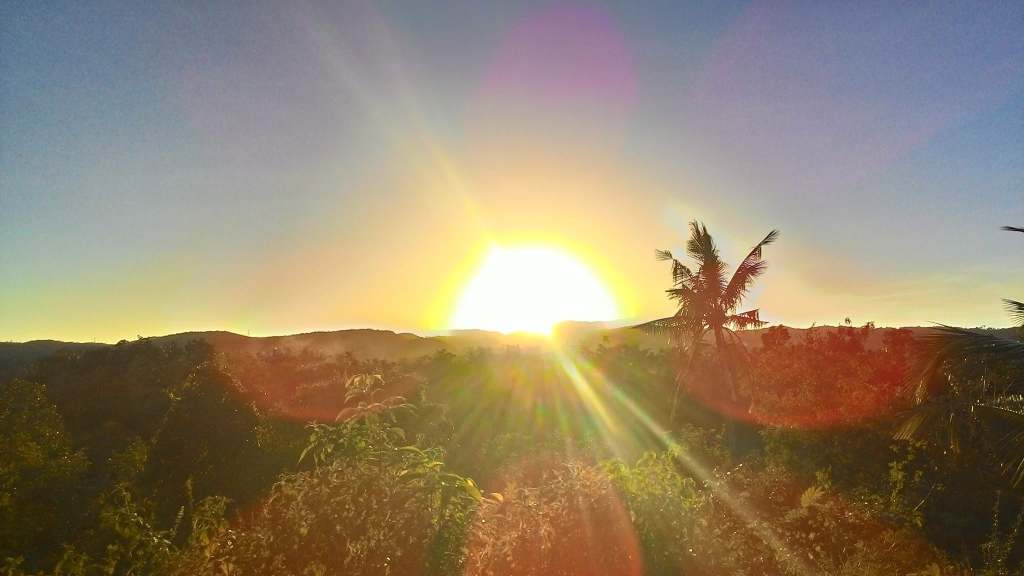
Memory, fortunately, is much more cooperative. It keeps the things a place refuses to pause for and attaches them to unexpected triggers. Years later, a photograph of Campusong can bring back somebody’s voice rather than merely the colour of the water. The word Bingay can summon a family before it produces a location on a map. Poblacion returns to me through familiar streets, church bells, faces and routines rather than coordinates. Even Silmugi River carries more than its own image because memory has filled the banks with everything I came to associate with that year.
Eventually, the calendar did what calendars always do and reached the last square. I left Borbon, but by then the town had already tampered with the year so thoroughly that it could not possibly return it in its original condition. The twelve neat months I thought I had temporarily given to work came back covered in handwriting. Campusong had scribbled along one edge and left saltwater on the paper. Poblacion had drawn roads through the middle and tucked San Sebastian Parish Church between the dates. Silmugi had dragged a river across January and splashed festival colour around it, while Managase had somehow attached a takyong to the page because apparently even my memories were not safe from snails. Sagay, Laaw, Clavera and Pitogo had occupied whatever space remained with hills, coastlines, conversations and faces.
Campusong, Poblacion and Bingay had written something deeper into those pages. They filled spaces where I had expected to record work with people who fed me, worried about me, welcomed me into their homes and cared for me with the tenderness usually reserved for someone who belonged to the family. I had arrived with my own mother and family waiting elsewhere in Cebu, yet during that year Borbon gave me people who somehow understood that being cared for does not become unnecessary simply because you are grown and working.
I had entered Borbon believing that I was giving the town one year of my life because my job required it. Looking back, I had the transaction completely backwards. Borbon took those twelve months, passed them through its barangays, let Silmugi carry some of them towards the sea, rubbed a little saltwater along the edges, introduced me to one unexpectedly memorable tree snail, and filled the remaining spaces with people I would still remember long after the dates themselves became useless.
So perhaps Borbon did steal a year from my calendar after all. It simply returned it altered beyond recognition. What had begun as twelve months of work came back carrying shorelines, rivers, festivals, meals, prayers, laughter and people who had decided that while I was there, I was somebody’s daughter too. Campusong, Poblacion and Bingay made especially certain of that.
I have never asked Borbon to give the year back properly.
I prefer what it did with it.
CLICK HERE TO VIEW MORE MEMORIES


With love,
Anj ❤
























Leave a Reply