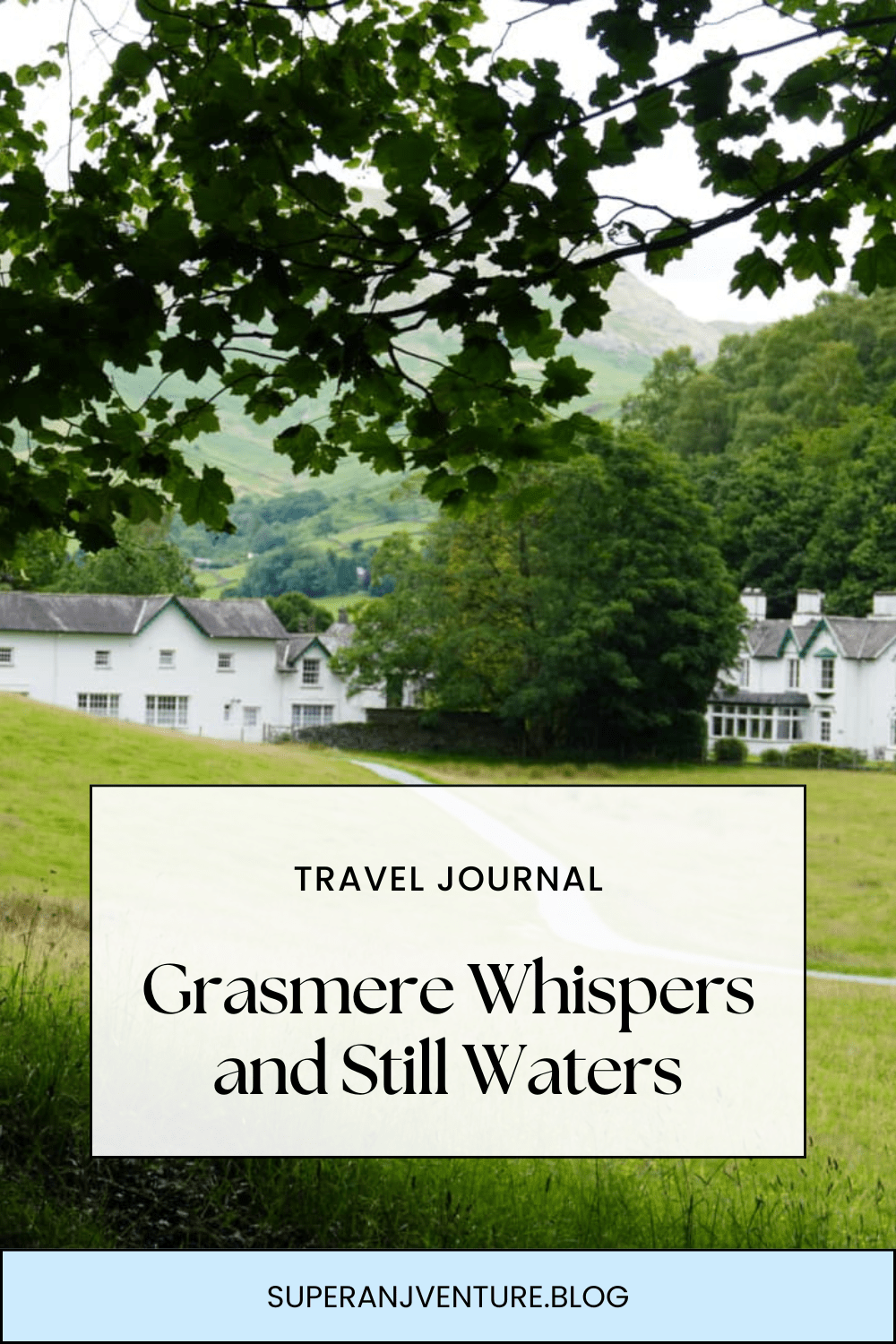
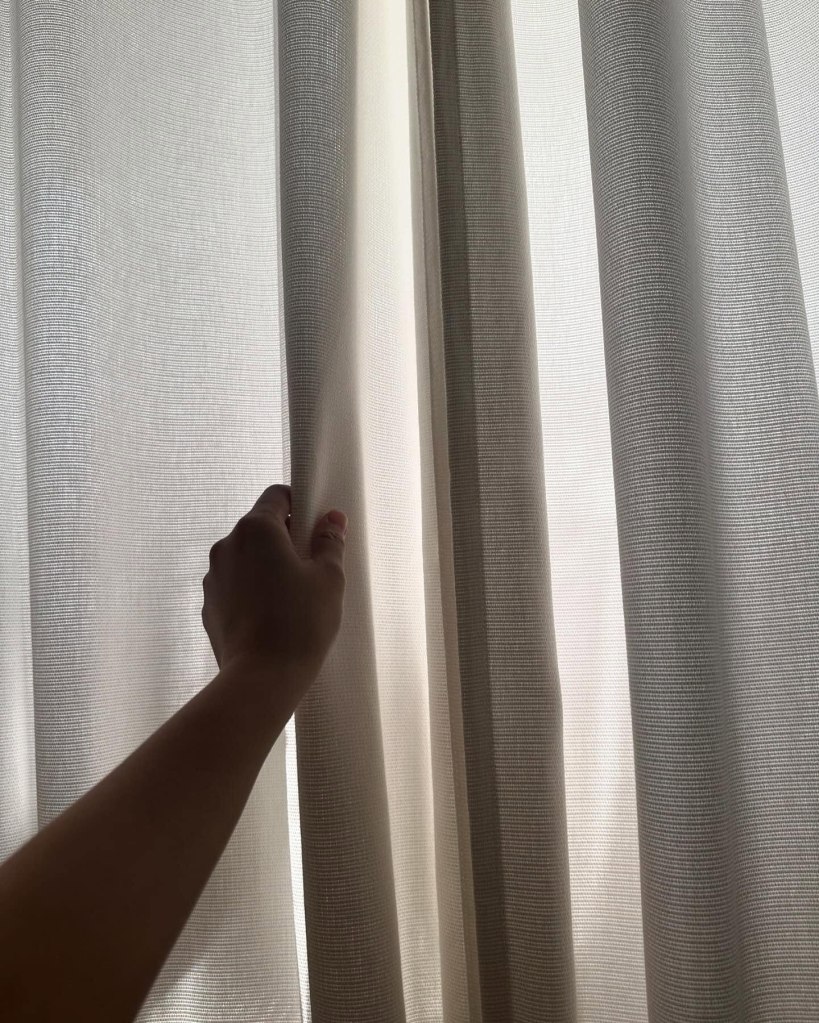
The third morning opened in shades of silver, green and hotel beige. Light crept through the curtains before I was fully awake, soft enough not to be rude but persistent enough to announce that Day 3 had begun without consulting my legs. By then, they had officially entered negotiations with management. Every step from the bed to the bathroom came with feedback, and bending down to find my shoes had become a small test of character. Still, the moment I pulled the curtain aside, enthusiasm returned faster than circulation. The Lake District appeared behind the glass like the first frame of a film: damp roofs, distant hills blurred by mist, a road still dark from overnight rain and a sky stretched pale and low above everything. Morning light spread across the room in a muted silver wash, catching the edge of the suitcase, the camera waiting on the table and the collection of chargers that somehow multiply whenever I travel. Outside, the air had that crisp look that tells you your coat will be doing actual work today. I stood there for a few seconds, half-awake, hair negotiating its own weather system, while somewhere nearby breakfast was beginning and the faint smell of coffee was already making a persuasive argument for leaving the room. My legs, naturally, were less convinced.
By Day 3 of our Lake District Anjventure, my camera roll had already become an unreasonable amount of evidence that Cumbria contained hills. We had driven beside lakes so still they looked digitally enhanced, watched mountains disappear into clouds and reappear several minutes later, and passed enough stone walls for me to wonder whether the entire county had once received a bulk discount. Every few hours, I had declared somewhere my favourite. Then another view appeared and forced an administrative review of the rankings. I was beginning to think the Lake District had taken this personally. Each new place seemed determined to ask, Still sure? That morning, aching legs or not, I was curious to see what it had prepared next.
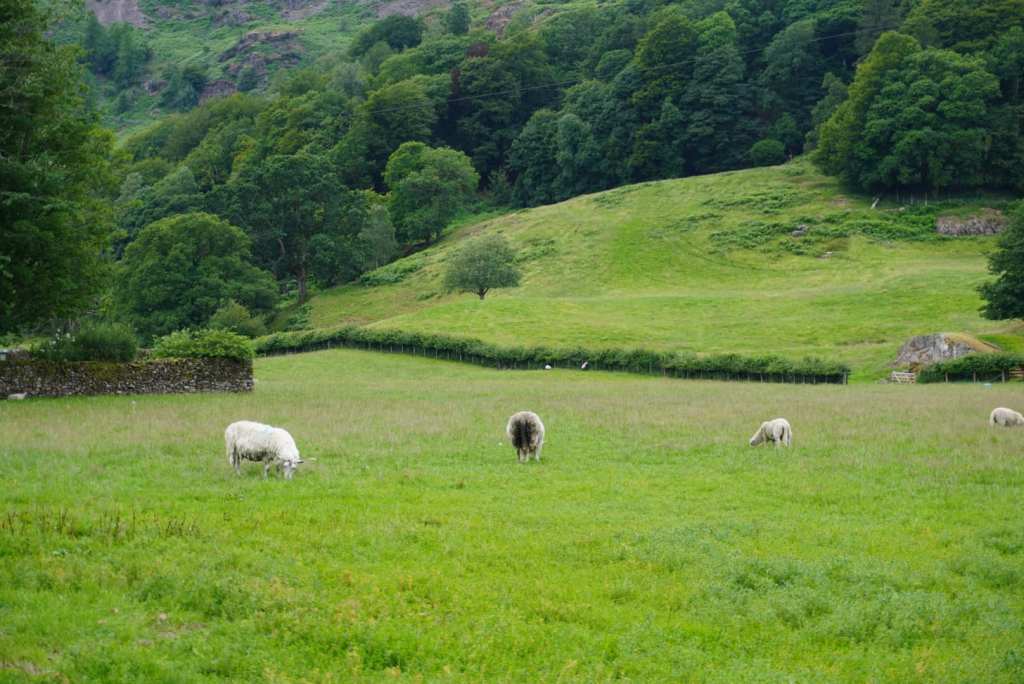
The drive towards Grasmere seemed to wake me properly. The countryside rolled past the windows in varying shades of green, freshly washed by rain. Stone walls followed the road as though they knew exactly where we were going, sheep occupied fields with the serenity of creatures entirely unconcerned by itineraries, and the occasional cottage appeared between trees looking suspiciously well placed. The air outside carried that wet, earthy smell of grass, stone and rain that seems particularly concentrated in the countryside. Even with the windows closed, the landscape somehow looked cold enough to smell.
Then Grasmere appeared.
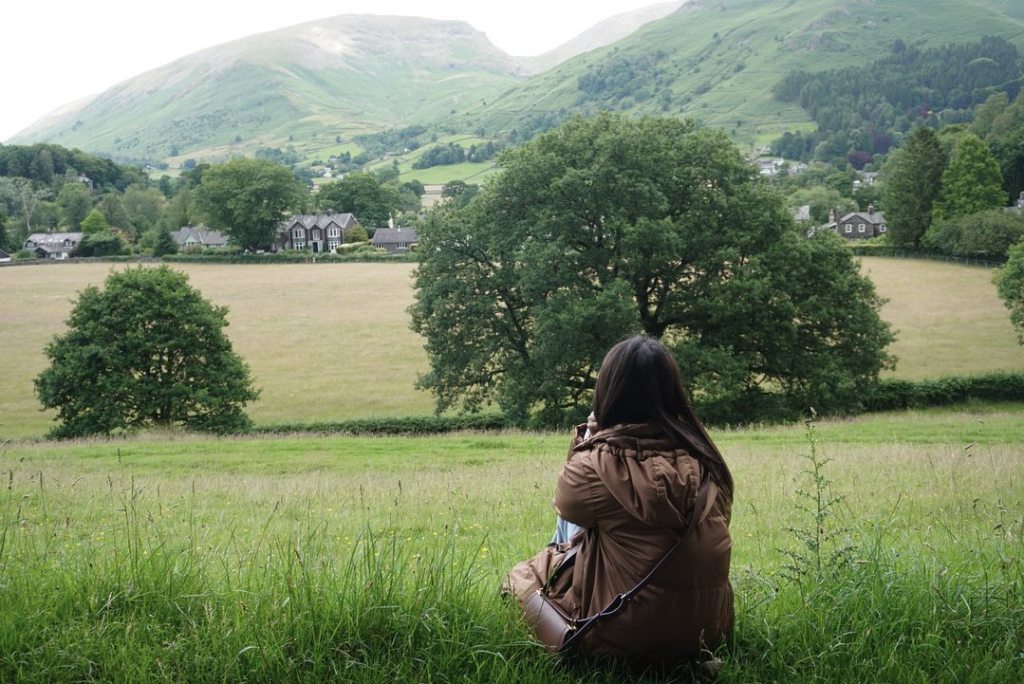
There are places that announce themselves with a landmark so obvious that you immediately know where to point the camera. Grasmere did something subtler. It unfolded. A cottage here, a narrow road there, slate roofs, gardens, old stone walls and green slopes rising behind the village until the whole place began to resemble something I had seen before without being able to name exactly where.
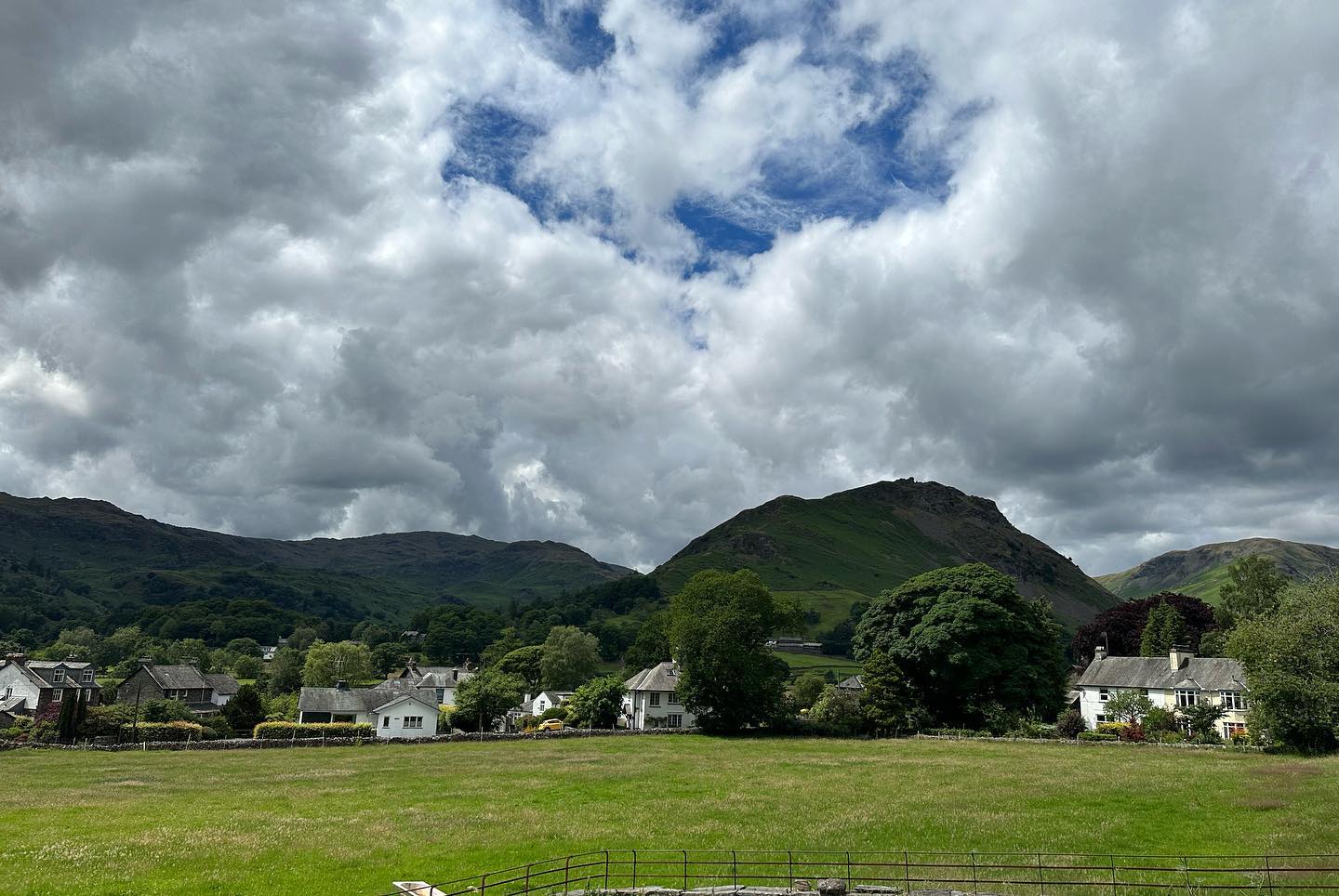
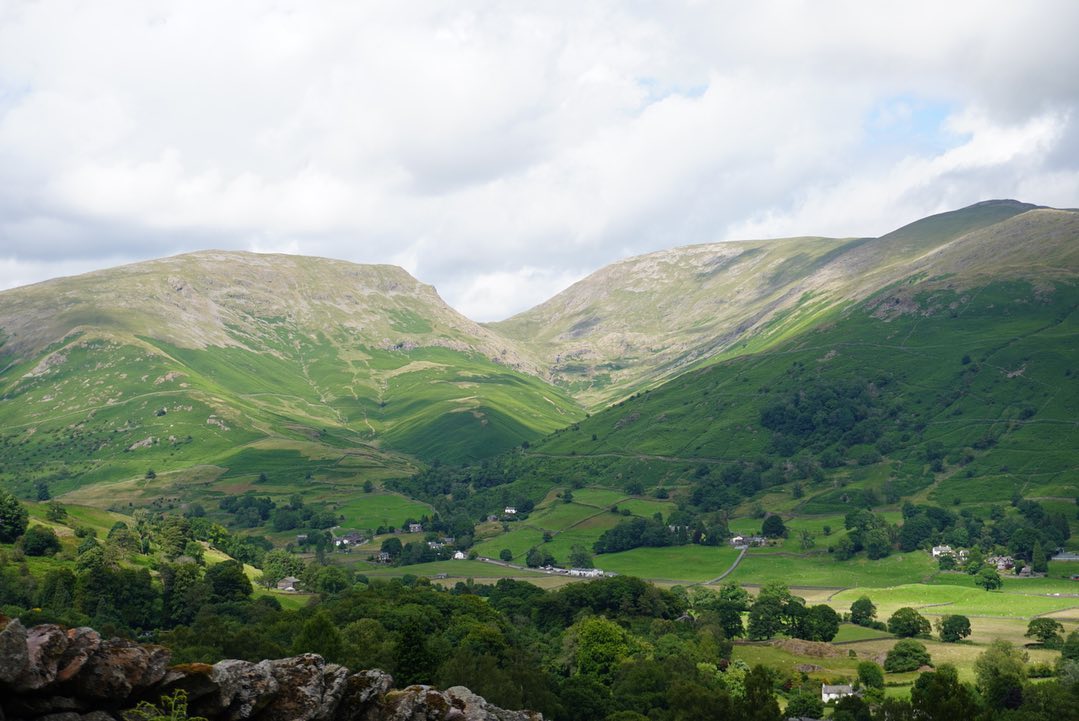

That was the peculiar thing about Grasmere. I had never been there, yet part of me recognised it.
Growing up in Cebu, places like this existed mostly behind glass. They lived inside television programmes, books, cartoons and films in which the English countryside seemed to consist almost entirely of green hills, stone cottages, sheep, ducks and people wearing coats while discussing the weather. I did not necessarily know the names of those villages. They simply belonged to the category of England in my childhood imagination. Somewhere cold. Somewhere green. Somewhere very far away. Years later, I was standing inside one of those scenes instead of watching it through a screen, except now the cold air was touching my face, my shoes were on the damp ground and the coat was no longer part of the costume. It was essential equipment.
William Wordsworth famously called Grasmere “the loveliest spot that man hath ever found,” which is an impressively confident statement even for a poet.
My immediate instinct was to question whether the man had perhaps become slightly biased. He had, after all, spent enough time there to develop a professional relationship with the scenery. Then I looked around properly at the village tucked between hills, the old cottages, narrow roads and green slopes, and had to concede that Wordsworth had brought evidence to the argument. Annoyingly good evidence.
The grey sky helped rather than spoiled it. I am normally very supportive of sunshine when travelling, mainly because I have already paid for the trip and would like the weather department to cooperate. But Grasmere seemed built for softer light. The clouds muted the sky while making everything beneath it richer. The grass looked greener, the stone walls warmer and the hills more dramatic. It was the sort of British grey that photographers call atmospheric and everyone else calls Tuesday.
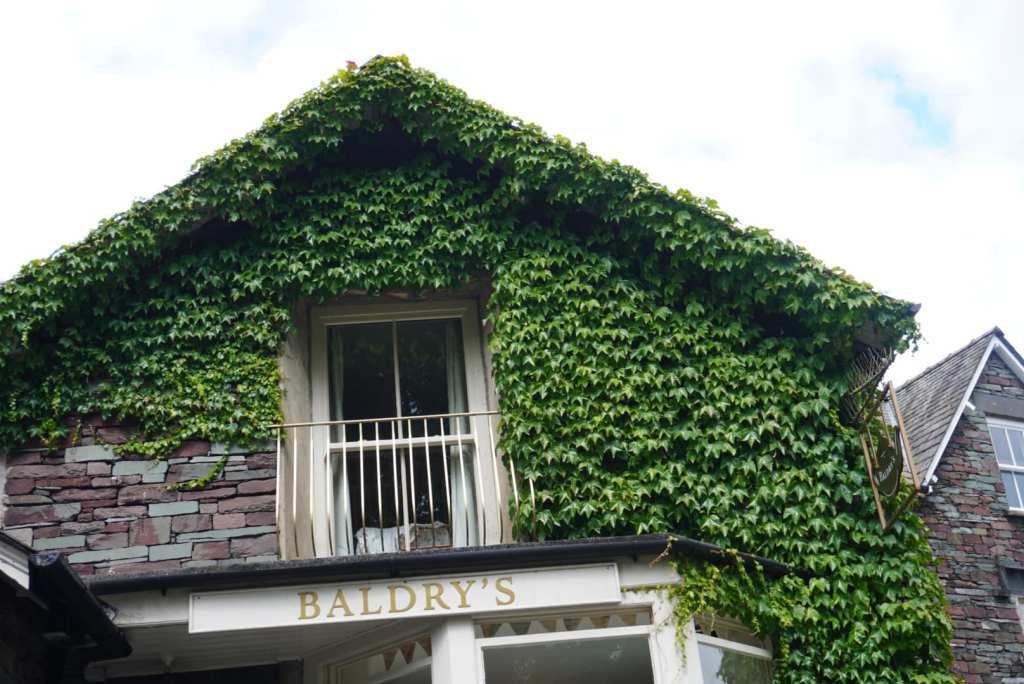
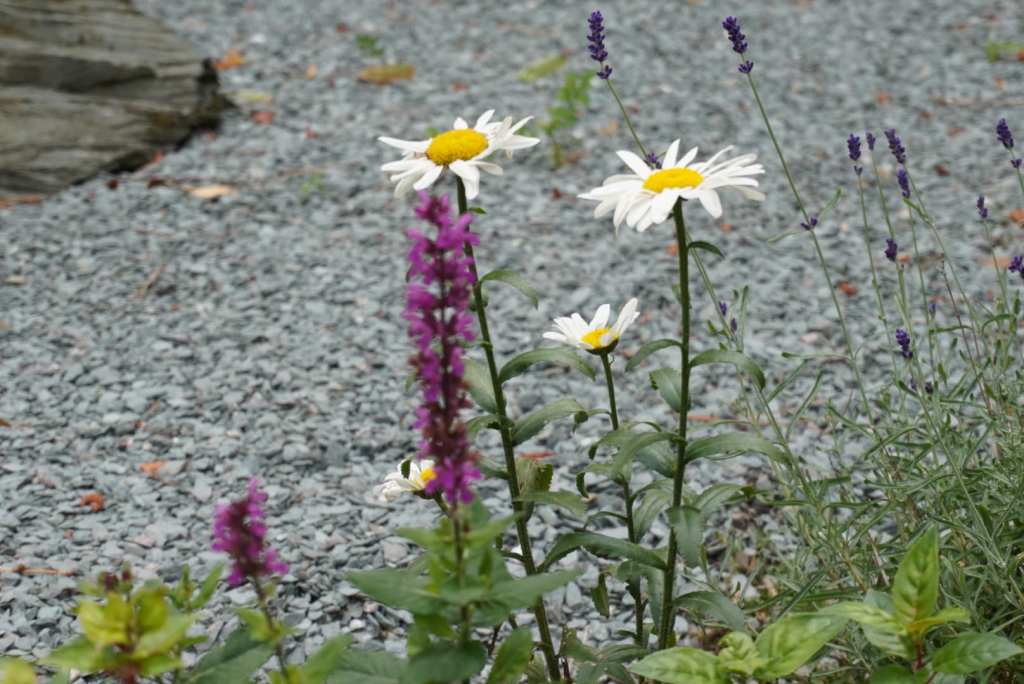
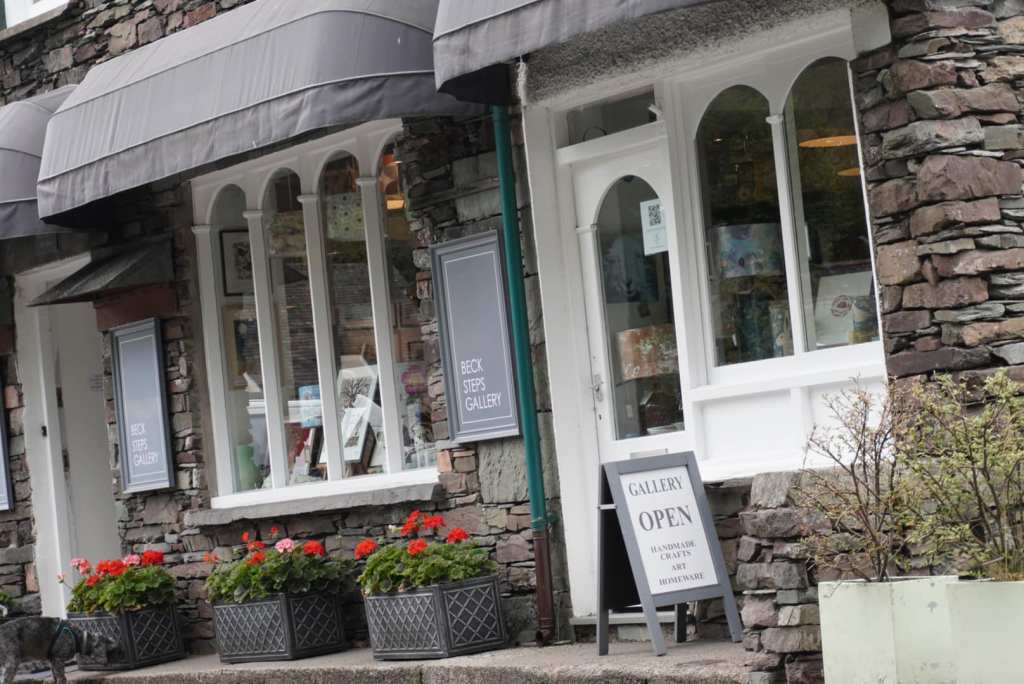
Walking through the village was less about reaching one particular landmark and more about being repeatedly distracted. A cottage would appear with flowers around the windows and I would stop. Then another cottage would appear with an even better garden and suddenly the previous photograph became historically insufficient. There were handwritten signs, slate roofs, tiny details around doorways and gardens behaving with a level of discipline none of my plants have ever displayed. I knew perfectly well that one photograph of a beautiful stone cottage should have been enough. My camera roll strongly disagreed.
Actual village life moved around all of this romance, which made me like Grasmere even more. It was not a film set patiently waiting for tourists. Cars needed parking. People were walking dogs. Children moved through the streets. Visitors stopped unexpectedly in the middle of paths because somebody had discovered another photogenic wall. An elderly couple fed ducks while everyone else attempted to photograph the scenery without accidentally creating a collection of strangers’ backs.
Naturally, I joined them.
Eventually, our wandering brought us closer to Wordsworth again, this time in a much more literal sense. Walking near the graves of William Wordsworth and his family changed the atmosphere slightly. I remember looking around at the landscape and thinking how strange it was that somebody had once stood among these same hills and lakes, tried to put what he saw into words, and managed to remain connected to the place centuries after his death. People still travelled here partly because he had loved it enough to write about it.
As someone who writes, I found that both inspiring and mildly offensive to my confidence. I can spend twenty minutes deciding whether a sentence needs a comma. Wordsworth somehow became part of the local tourism industry long after his death.
No pressure whatsoever.
Still, standing there made his attachment to Grasmere easier to understand. Landscapes like this are slightly unfair to writers because description always seems to leave something behind. You can say the hills were green, the cottages were made of stone and the lake was beautiful, and all of those things would be perfectly accurate. Yet the sentence cannot reproduce the cold against your cheeks, the weight of the damp air, the sound of shoes against the path or the odd feeling of standing somewhere unfamiliar that keeps brushing against an old memory.
Fortunately, before I could become too philosophical beside the grave of one of England’s most famous poets, Grasmere provided gingerbread.
This felt like excellent timing.

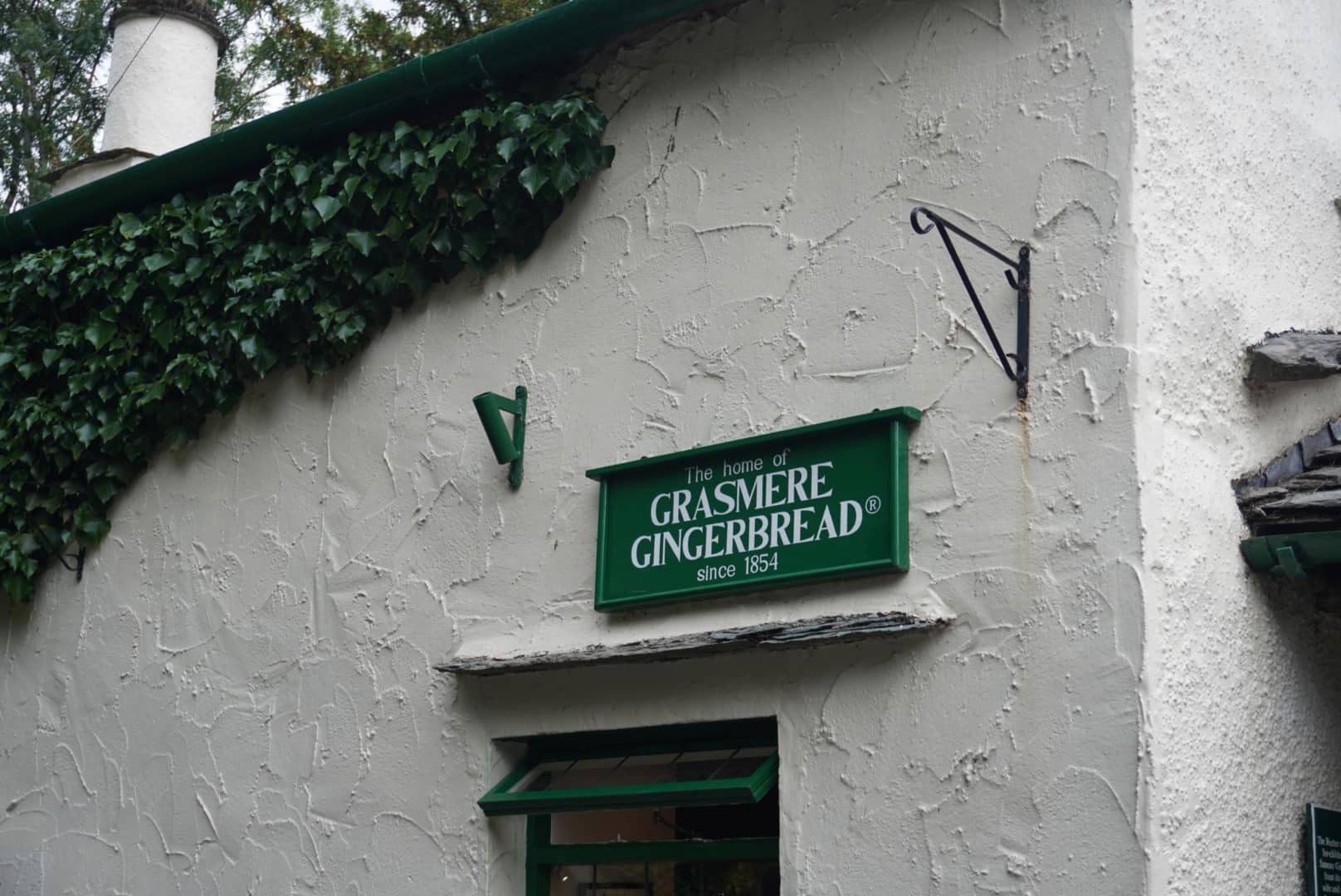
Sarah Nelson’s famous Grasmere Gingerbread shop is tiny enough that you could almost walk straight past it if the gathering of people nearby did not give the game away. The smell helps too. Warm ginger, spice and sugar drift into the street with considerably more persuasive power than any advertising campaign. After walking around in cool weather for long enough, the scent felt less like an invitation and more like a direct instruction.
I am very supportive of edible heritage.
The gingerbread itself was not quite the soft cake-like version my brain automatically produced when hearing the word. It was denser, crumbly, spicy and textured, somewhere between biscuit and cake but requiring neither category to enjoy it properly. We sat nearby and ate it without conducting an official tasting session, although I was mentally taking notes because apparently even snacks are now vulnerable to becoming blog material.
For a while, nothing profound happened, and I loved that. We were simply sitting near the church, eating gingerbread in a village that looked suspiciously similar to the English countryside I had watched from Cebu as a child. No revelation. No background music swelling at the correct emotional moment. Just cold air, tired feet, ginger on my tongue and the satisfaction of having nowhere urgent to be.

Travel has taught me that memory is strangely democratic about what it chooses to preserve. We spend so much effort chasing the grand viewpoint and the famous landmark, yet months later the brain may keep something far smaller. A snack eaten on a bench. Somebody laughing beside you. A duck behaving with unnecessary confidence. The moment you took fifteen nearly identical photographs because number sixteen might finally capture what your eyes were seeing.
Memory has questionable editing standards.
Eventually, we walked towards the lake. It did not arrive with a dramatic reveal. The path simply opened and there it was: water stretching ahead, hills gathered behind it, the sky reflected in muted silver and green. Conversation became less necessary. Some views make language feel like an interruption.
So, naturally, I took another photograph.

Not because arriving in England completed some childhood dream I had carefully planned. It did not happen that neatly. Life rarely respects a proper storyline. But there are occasional moments when the present accidentally resembles something your younger self once imagined, and you suddenly notice how far the story has travelled without you measuring every mile.
Grasmere gave me one of those moments.
Standing there, I thought again about the child I had been in Cebu.
She would not have known where Grasmere was. I doubt she had ever deliberately imagined herself standing beside that particular lake. She certainly had not designed some elaborate plan that would eventually take her from a tropical island in the Philippines to a village in Cumbria. Yet she had seen versions of this place before: green hills on television, stone cottages in books, countryside roads in cartoons, winter coats and lakes belonging to stories set impossibly far from home.
And now those images had temperature, smell and texture. That was what made the afternoon feel different from simply visiting somewhere beautiful. Grasmere connected two versions of my life that had never knowingly arranged to meet: the little girl watching the English countryside through a screen and the adult woman standing inside one. Somehow, both had arrived at the same place. The adult version, admittedly, had aching legs and colder hands, but she was very happy.
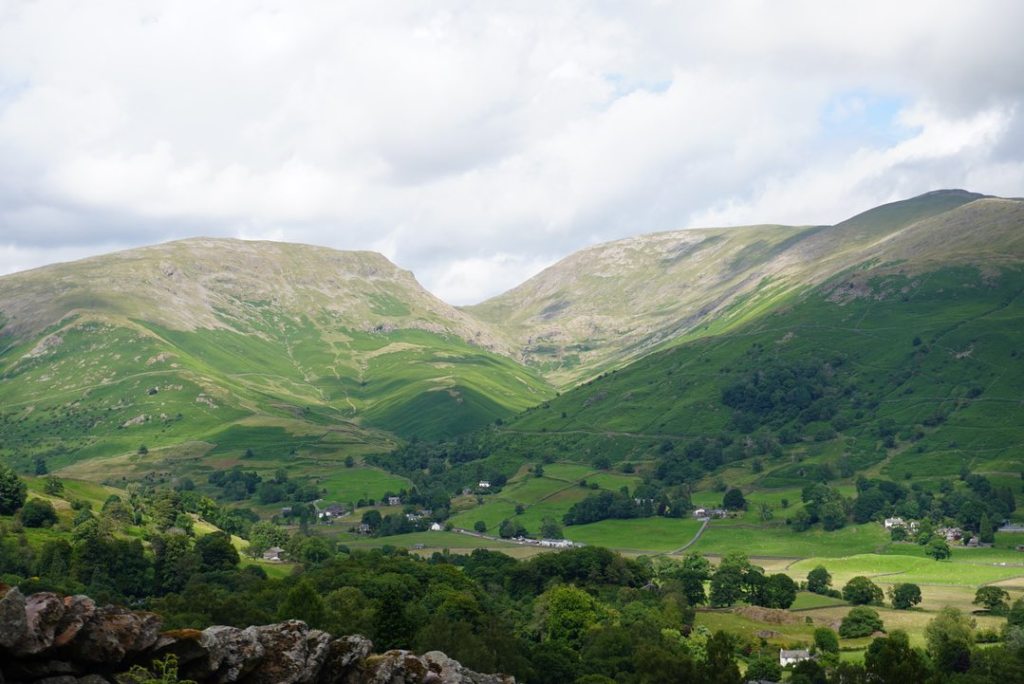
We stayed beside the water long enough for me to forget about the next item on the itinerary, which is worth mentioning because my brain does not naturally excel at this. It enjoys advance planning and is perfectly capable of worrying about tomorrow while today is still trying to finish lunch. There is usually another place to reach, another thing to check, another thought waiting impatiently for its turn. The lake did not seem interested in any of that, and neither did the hills. They had existed long before my itinerary and would remain after I had gone home, downloaded the photographs and resumed worrying about things that felt enormously important in ordinary life. There is something wonderfully corrective about standing in front of a landscape old enough to make your personal urgency look slightly overenthusiastic.
Around us, children played, couples walked and people sat by the water apparently achieving nothing whatsoever. Nobody seemed distressed by the lack of productivity. Nobody was measuring the afternoon according to output. The lake had no targets, the hills had no deadlines, and even the ducks appeared to have excellent work-life balance. Adulthood occasionally needs that reminder. We become so accustomed to asking whether time has been used efficiently that doing nothing except looking can begin to feel irresponsible. Did I accomplish something today? Did I finish enough? Was the trip productive? Meanwhile, a perfectly good lake is sitting there asking absolutely none of these questions. Grasmere did not demand productivity or even much of an itinerary. It simply rewarded attention.
Looking through the photographs later, I understood why I had taken so many. There were cottages, hills, streets, the churchyard, gingerbread, water and approximately seventeen attempts at capturing the same view because apparently persistence might eventually force a photograph to contain atmosphere. It never quite does. A photograph can preserve the outline of a hill but not the cold air that made you pull your coat tighter. It can keep the image of gingerbread but not the spice still lingering on your tongue. It can show the lake but not the sudden recognition that travelled through me while standing beside it. That is probably why I write after travelling. A photograph tells me where I stood; words help me remember who was standing there.
By the time we eventually left Grasmere, I had already developed the sort of affection for the place that makes me imagine returning before I have even properly left. This is a recurring problem when I travel. I can spend several hours somewhere and suddenly behave as though I have maintained a longstanding personal relationship with the municipality. Grasmere encouraged the delusion. I could imagine returning in another season when the light had changed and the hills wore different colours, buying more gingerbread for entirely legitimate research purposes, walking beside the lake again and inevitably taking another collection of photographs suspiciously similar to the first.
Wordsworth may have had considerably more elegant language available to him, but by the end of the day I understood the enthusiasm behind “the loveliest spot.” I am still unwilling to award any destination permanent first place because travel has repeatedly demonstrated that my favourites are subject to revision without notice. But on Day 3 of that Lake District trip, Grasmere won. It had the hills, the cottages, the lake, the history, the ducks and the gingerbread, which is frankly an unfair amount of evidence in one village.
That evening, I thought back to the morning in the hotel: that pale strip of light across the room, the camera waiting on the table, my protesting legs and the misty landscape beyond the window. I had stood there wondering what another day in the Lake District could possibly show me after everything we had already seen. I thought I was getting up to discover somewhere new, but Grasmere gave me the strange sensation of walking into something old—an image stored somewhere from childhood and now expanded beyond the edges of a television screen. The hills were no longer scenery behind glass, the stone walls had texture, the air had cold in it, the lake had its own smell and sound, and even the ducks had become unnecessarily real.
The morning had begun like the first frame of a film, and by evening I understood why Grasmere had felt familiar. I had never been there before, but some small part of me had been watching for it for years. And for once, Wordsworth had the final word. He had a point.
Wordsworth had a point.
Read Lake District Day 1 and Day 2 here.





















Leave a Reply