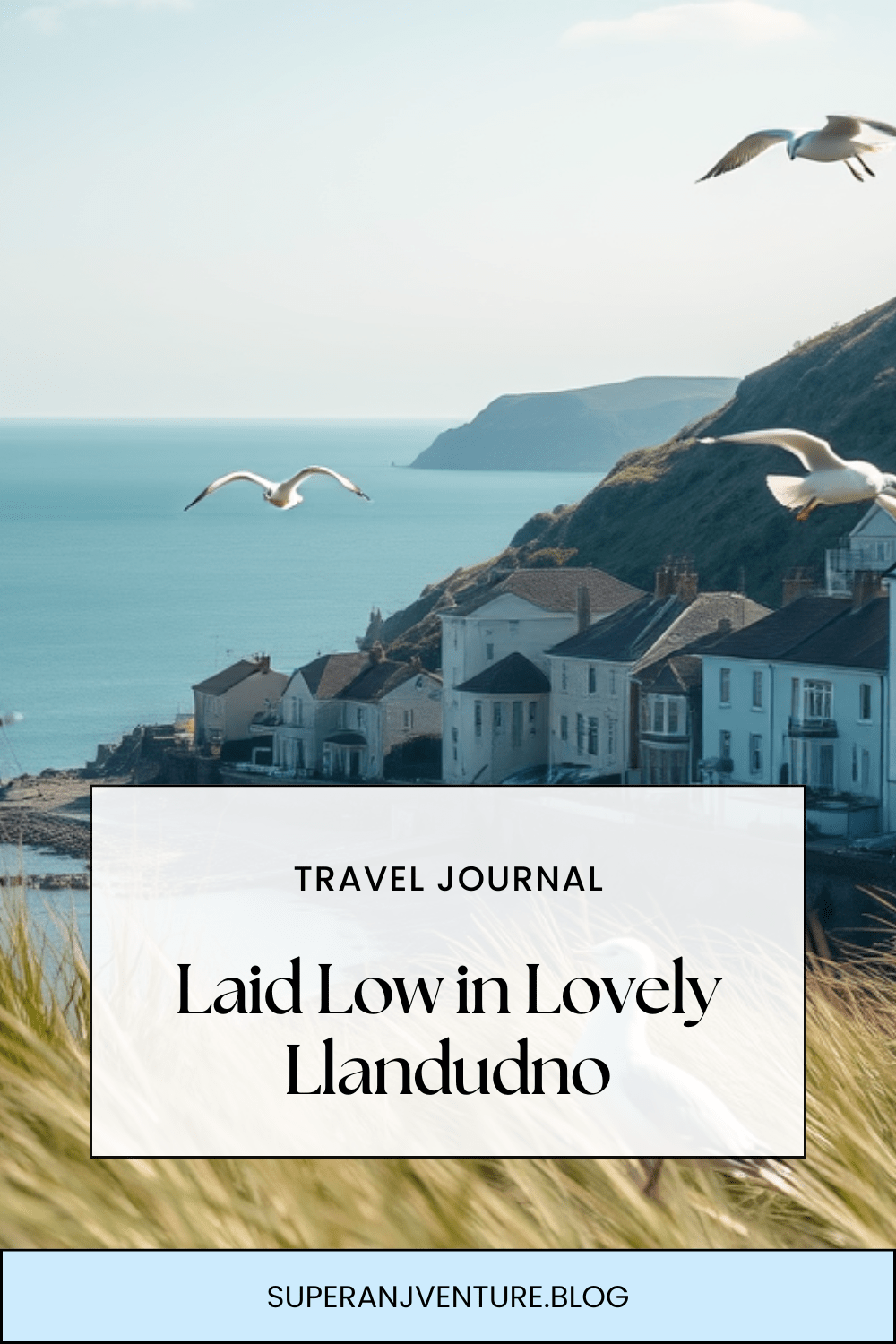
Llandudno welcomed us with blue water, pastel houses, rolling hills and enough wind to make every decision I had made about my hair that morning completely irrelevant. Within minutes, whatever style I had left the house with had been cancelled by the Welsh coast. My trench coat was doing its best, my hair had chosen freedom, and Jan seemed considerably less affected by the situation. This is one of the great injustices of travelling as a couple: one person gets “windswept,” while the other looks like they have recently survived an argument with a leaf blower.
I had been meaning to write about this trip for a while, but some days seem to improve after they have been left alone in memory for a bit. Looking through the photographs now, I remember less about what time we arrived or exactly which road we took and much more about how the day felt. I remember the cold air on my face, the sea stretching beyond the promenade, the gulls providing unsolicited commentary from above, and the general sense that nobody in Llandudno was particularly interested in rushing. Even the town seemed to have looked at modern life and politely declined.
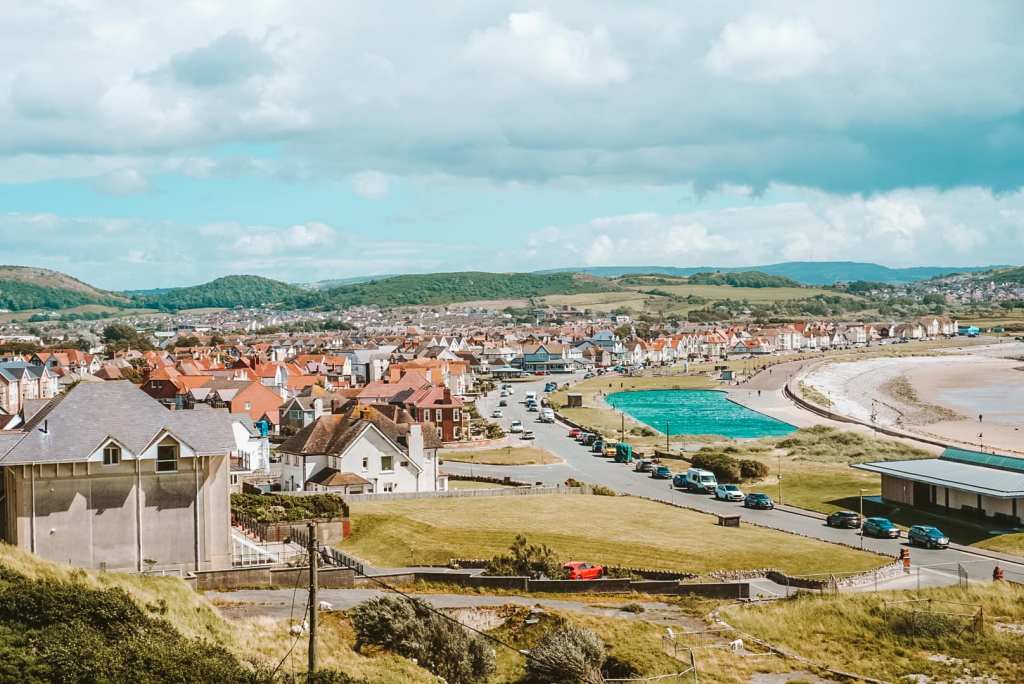

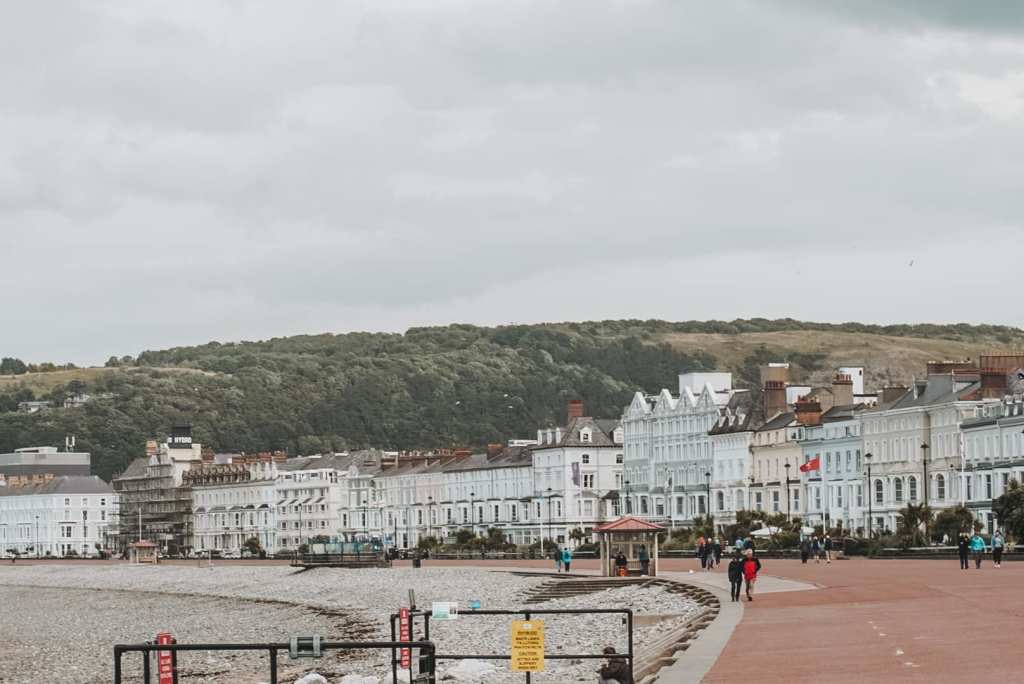
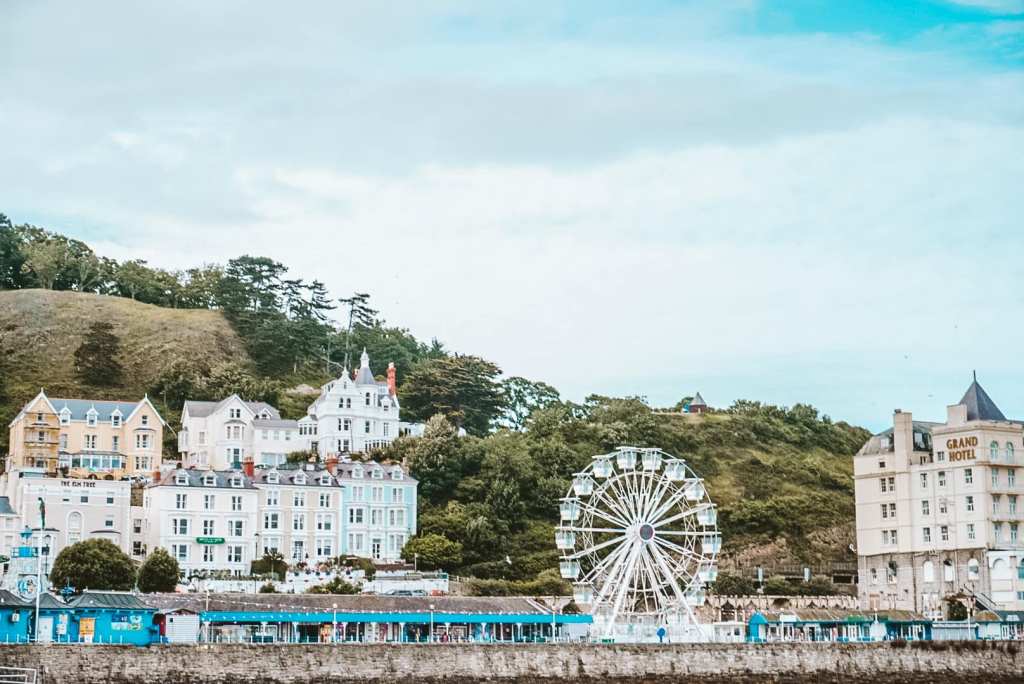
The Great Orme Tramway was one of the highlights. We climbed aboard and began making our way upwards while the town gradually shrank beneath us. The tram itself moved at a pace that gave you enough time to look properly rather than merely announce, “Nice view,” before being transported somewhere else. I liked that. At some point, sunlight came through the window, the hills opened around us and I stopped thinking about whatever had been occupying my head before we arrived. My hair was still losing its battle with the weather, but mentally I was doing much better.


The higher we went, the smaller everything below became. Roads turned into thin lines, houses became clusters of rooftops and cars looked like toys moving around somebody else’s model village. It is difficult to maintain the same level of anxiety about your to-do list when you can barely identify the road from up there. The problems were still mine, of course, but the view refused to treat them as the centre of the universe. I found that useful.
What I enjoyed most was not having to do anything with the moment. I did not need to solve something, answer someone or decide what came next. Jan was beside me, the tram kept climbing and I could simply look through the window.
As someone whose brain has an impressive ability to open seventeen mental tabs at once, this felt almost suspiciously peaceful.
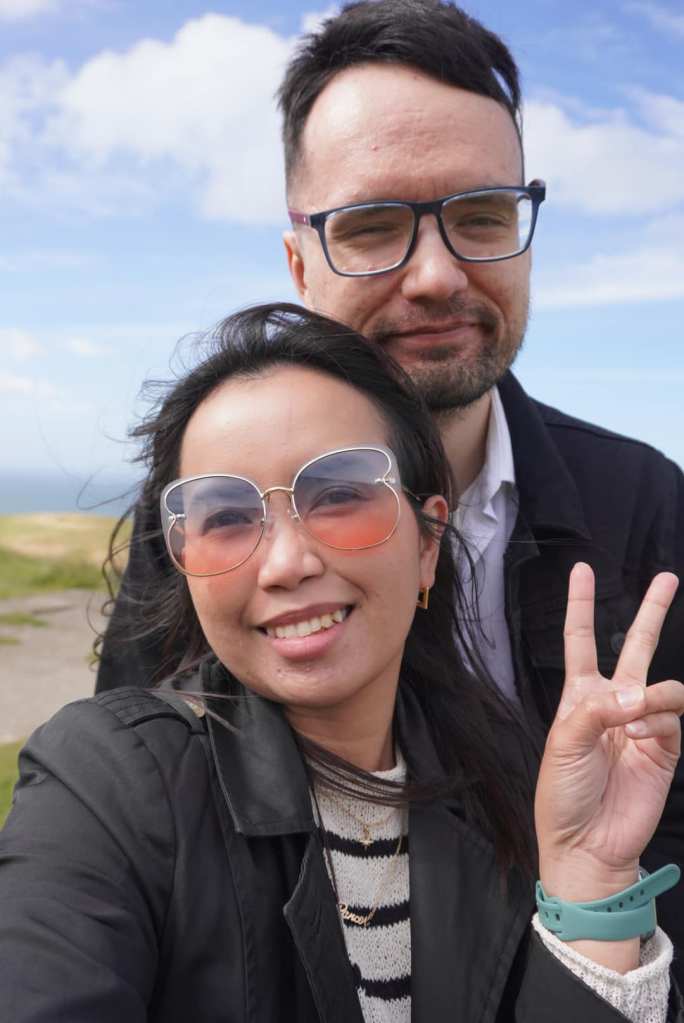
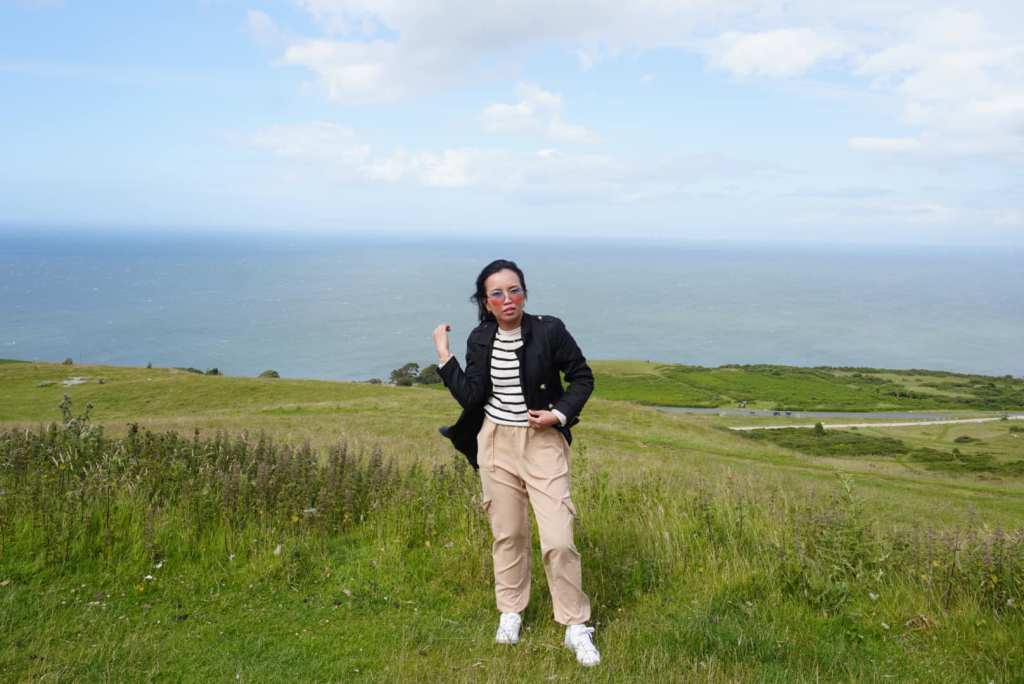
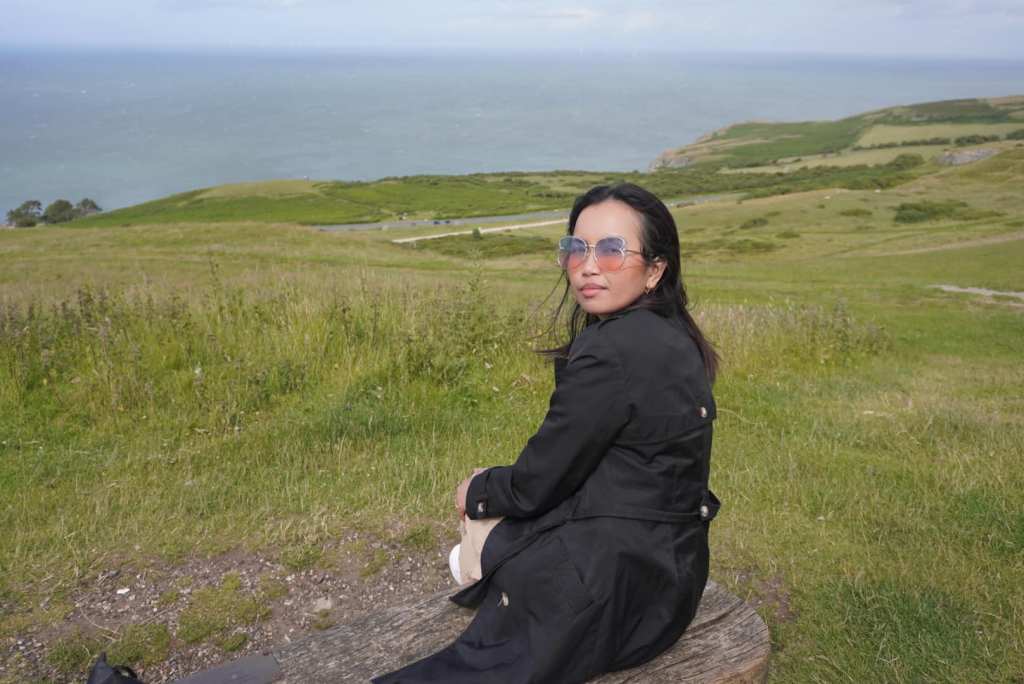
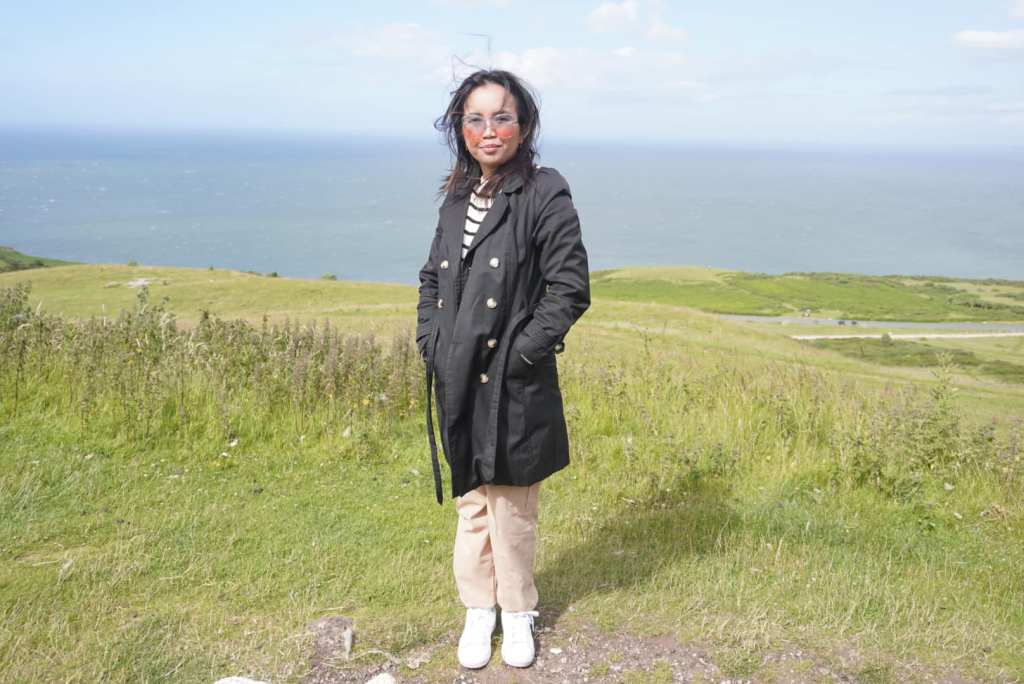
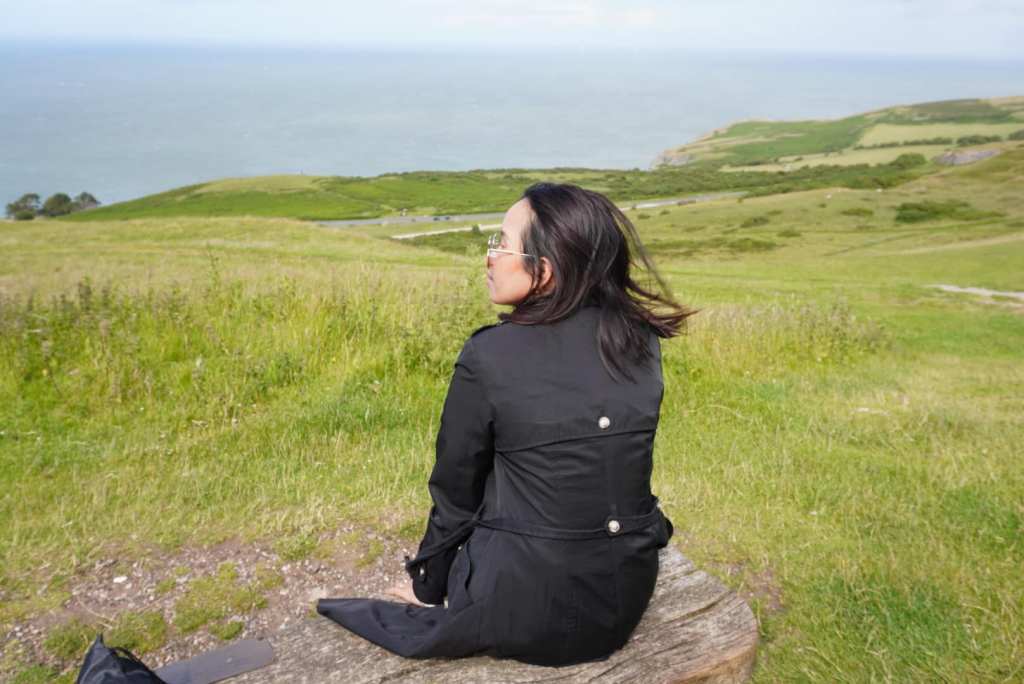
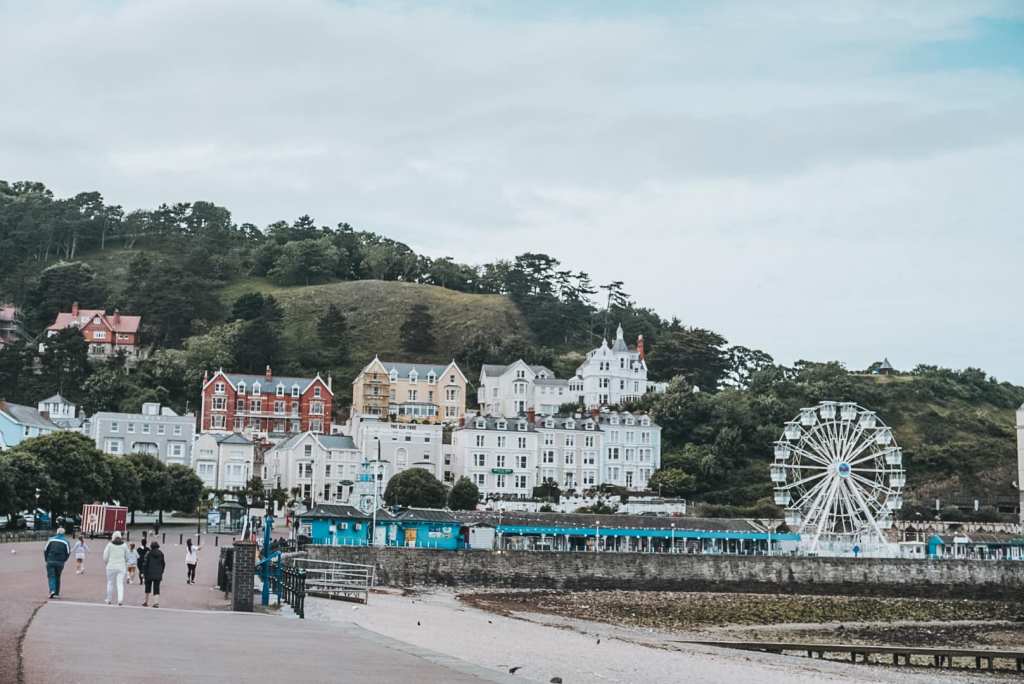
Back near the promenade, Llandudno became more playful. I remember stretching my arms towards the wind in one of the photos, which makes me look wonderfully carefree and at one with nature. The photograph does not reveal that nature was simultaneously attempting to remove my hair from my scalp. Travel photography is excellent at preserving the romance while quietly withholding the practical details.
The sea made up for it. I have always liked being near water because it demands very little. You can stand there for ten minutes without producing anything, achieving anything or explaining why you have stopped. The horizon just keeps being a horizon. Waves keep arriving. Gulls continue shouting about matters that sound extremely urgent to them. Nobody asks you whether you have been productive today.
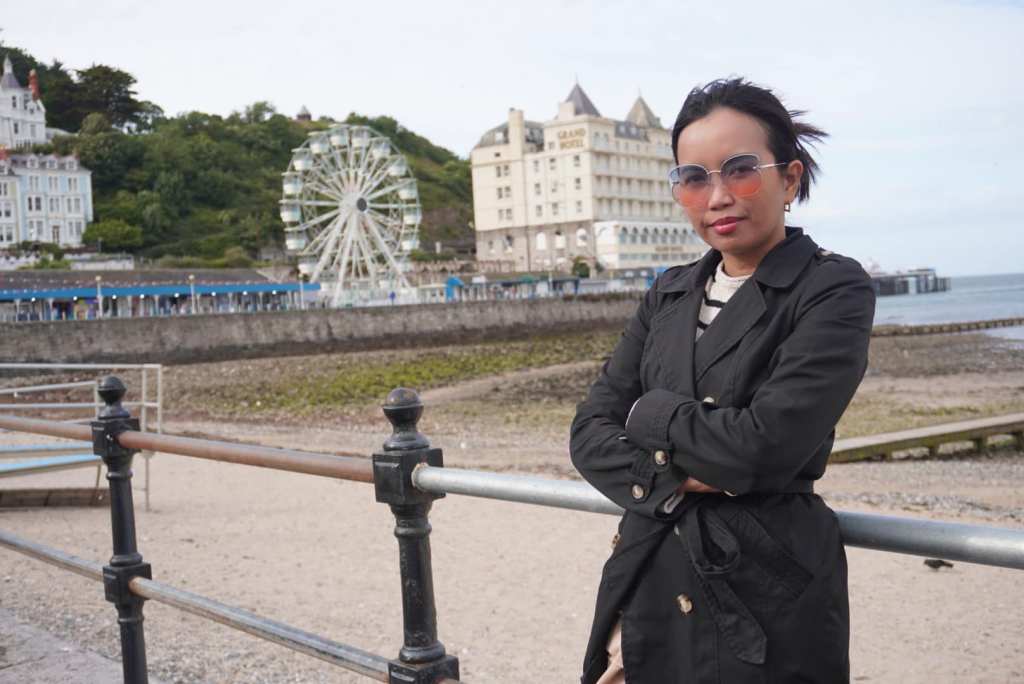
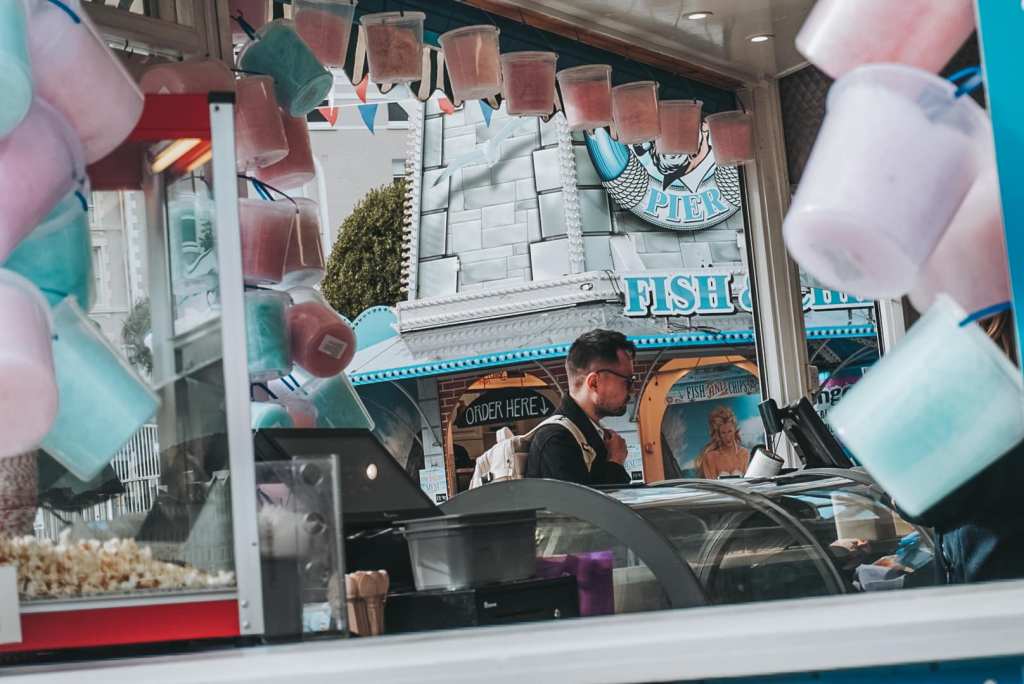
Then we reached the pier, and the entire mood shifted from scenic coastal escape to classic British seaside entertainment. There were sweets, candy floss, fish and chips, arcade-style colours and enough tempting food smells to undermine anyone who had recently announced they were not hungry. I love that seaside towns do not pretend to be sophisticated. A pier does not need a minimalist aesthetic. It needs chips, sugar, noise, amusement and at least one gull planning a robbery.
The gulls in Llandudno had confidence. They did not behave like birds hoping somebody might accidentally drop food. They behaved like shareholders. Every chip appeared to be under active surveillance. Eating near them required the situational awareness usually associated with far more dangerous environments. You could practically see one thinking, “Enjoy that while it lasts.”
That is the version of seaside happiness I understand: warm food in cold air, hair beyond rescue, a partner beside you and the constant possibility that lunch may become airborne. It does not require luxury. In fact, luxury might interfere. Give me a promenade, something hot to eat and enough wind to justify complaining about it, and I am surprisingly content.
Nearby, the carousel turned with its bright horses and familiar music while children waited with the seriousness of passengers boarding an international flight. I loved watching them. Adults can spend weeks organising something and still worry about whether they are enjoying it enough. Children see a carousel and immediately understand the assignment.
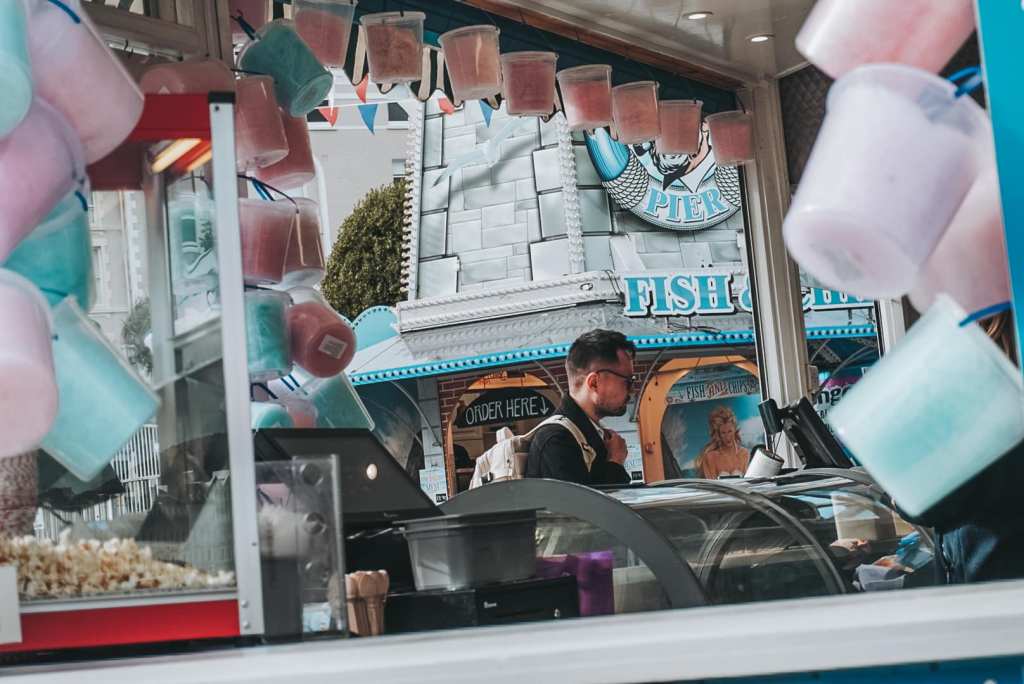


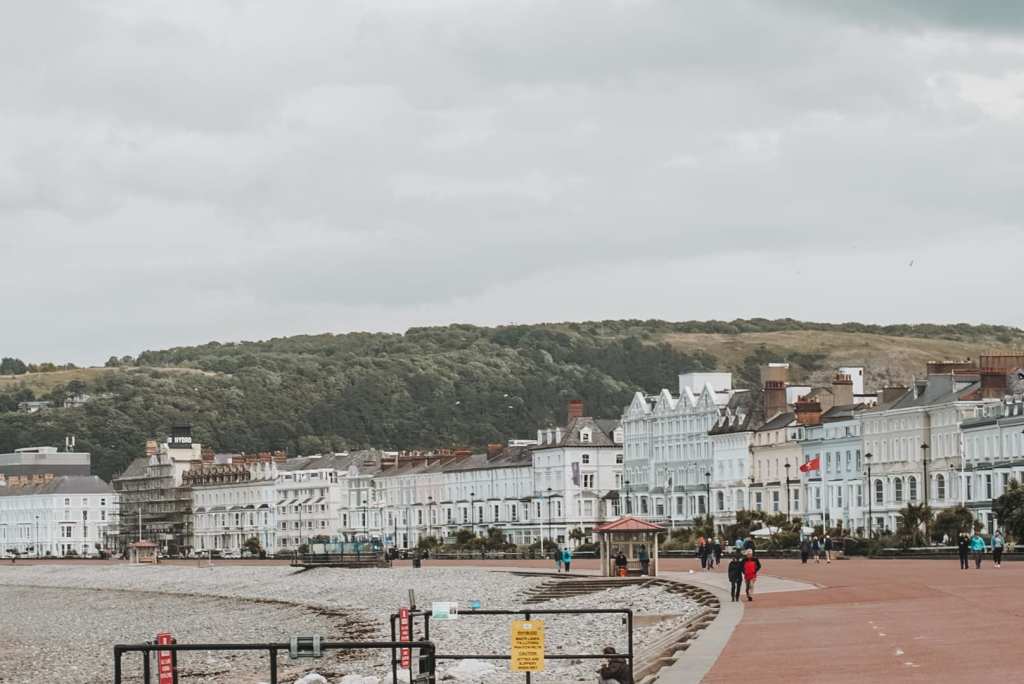
That was one of the things I kept noticing throughout the day. We did not need to personally participate in everything for it to add something to the trip. Sometimes we stood back and watched families taking photos, couples sharing food, children running towards whatever had caught their attention and older people sitting comfortably on benches facing the sea. Travel becomes much more enjoyable once you stop treating every attraction as something you are required to conquer.

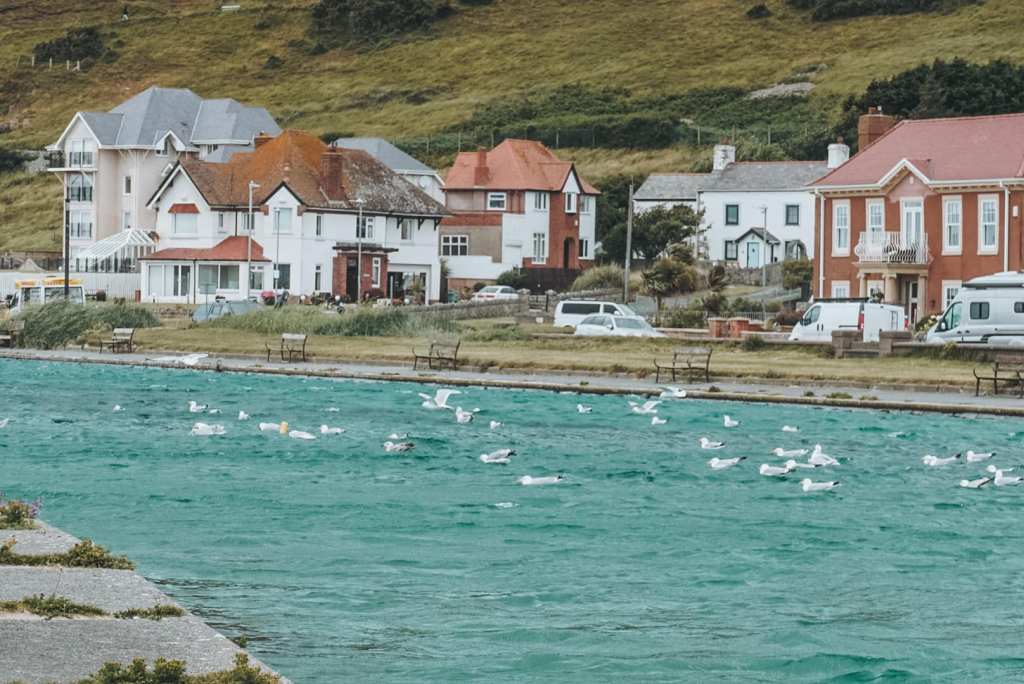
Later, we wandered past rows of houses that looked as though somebody had deliberately arranged them for a postcard. The photographs capture the soft colours, the hills and the water, but they also remind me how slowly we were moving by then. We had stopped caring about how many things we could fit into the day. If something looked interesting, we stopped. If the view was good, I took another photo. Jan has long accepted that “quick walk” and “quick photo” are highly flexible terms when travelling with me.
There were swans and gulls on the water looking far more composed than I did. Swans always appear as though they have somewhere elegant to be, even when they are doing absolutely nothing. I envy this skill. I can be standing perfectly still in a nice coat and somehow still look as though I am mentally checking whether I remembered to switch something off at home.
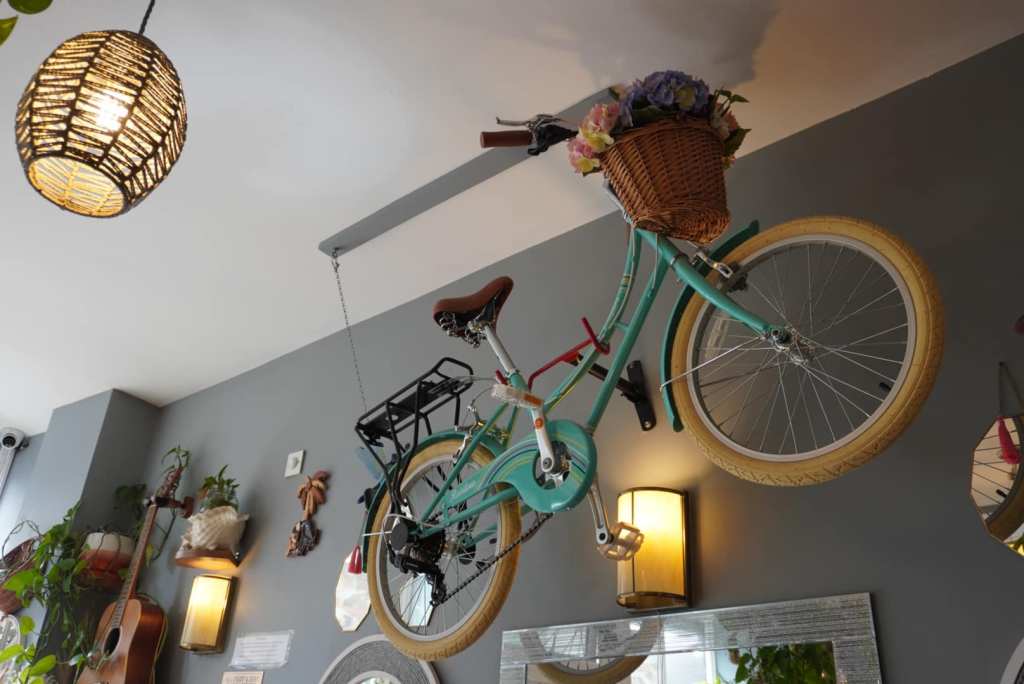
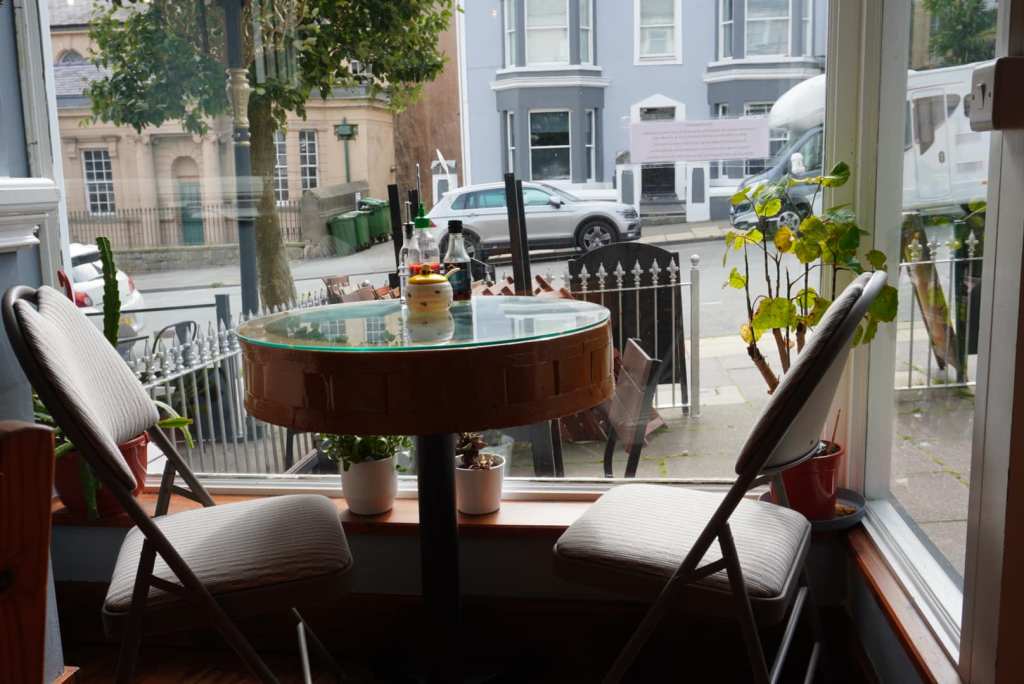
By late afternoon, the wind had successfully defeated every cosmetic ambition I had left, our legs had done respectable work and food had become increasingly important. That was when we found MerryMoon, a café that immediately looked as though someone had been allowed to decorate without being told when to stop. There was a bicycle suspended from the ceiling with flowers in the basket, vintage pieces around the room, cosy lighting and enough personality to make a plain table and four chairs seem like an unacceptable lack of imagination.—MerryMoon.



I loved it.
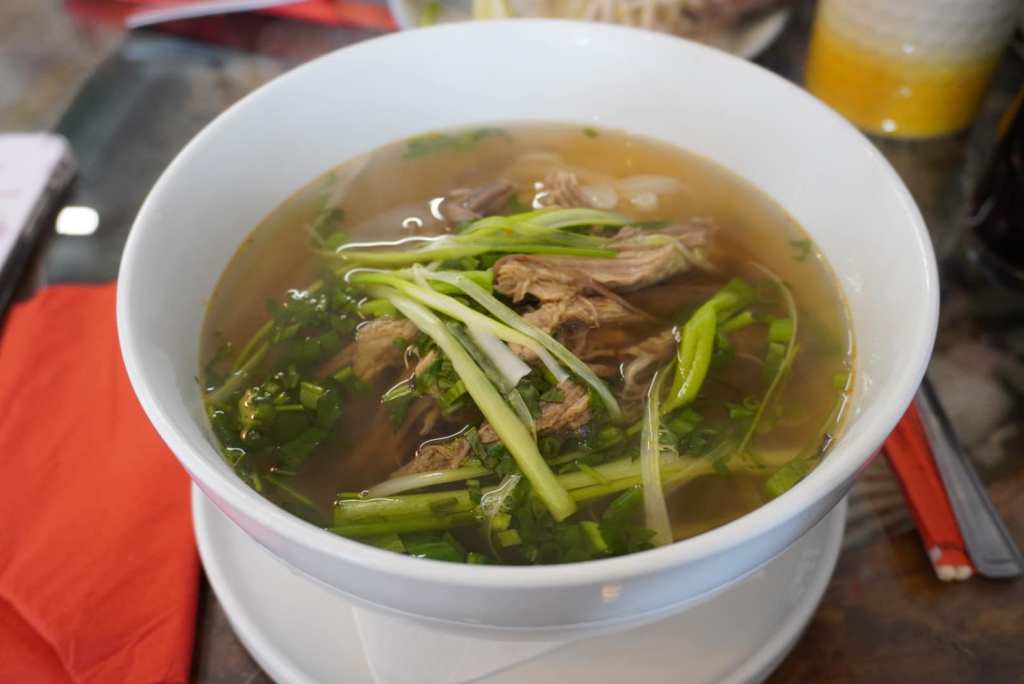
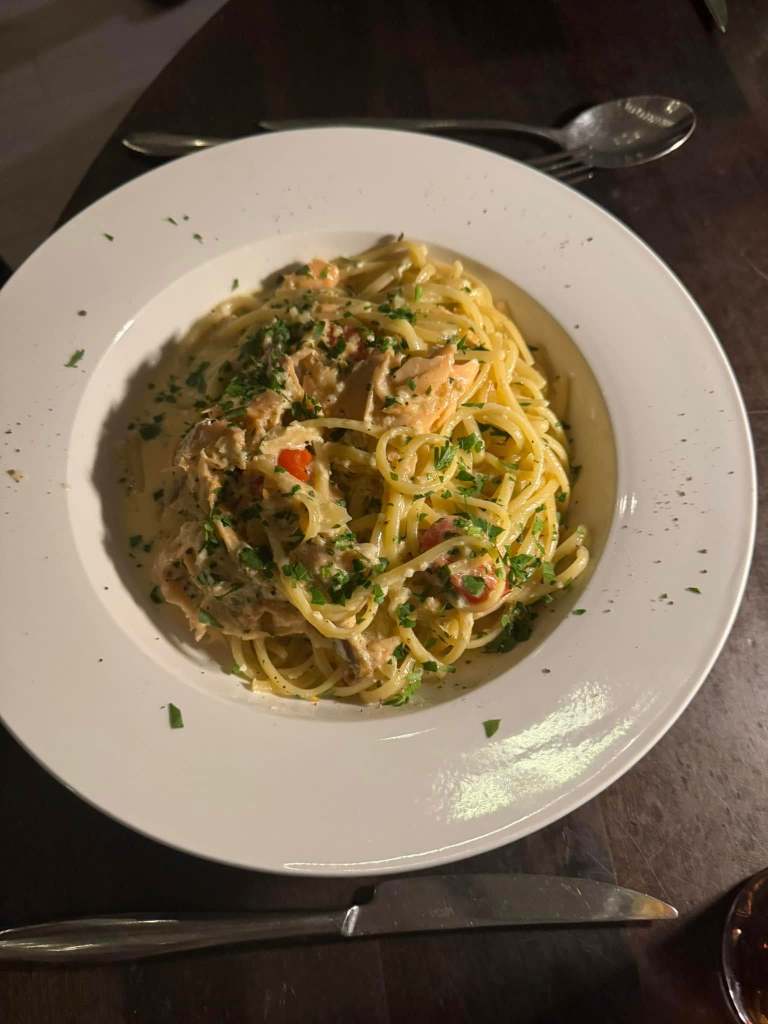
We found a spot by the window and ordered beef pho, crispy cauliflower bites and a colourful salad. Ending a Welsh seaside day with Vietnamese soup was not something I had predicted, but neither was having my hairstyle dismantled before lunch. Life had already stopped consulting me.
The pho was exactly what cold-weather walking required: hot, comforting and capable of making you temporarily forget that you still had to leave the café eventually. There are meals you eat because you are hungry, and then there are meals that arrive at precisely the right point in a day. This was the second kind. After wind, walking and several hours outside, that bowl of soup deserved its own thank-you note.
I remember looking across the table at Jan while we ate and thinking how unremarkable the scene would appear to anybody else. Two people having dinner. One of us probably checking a phone at some point. Food disappearing gradually from bowls and plates. No anniversary announcement, no candlelit declaration, no background violinist waiting to make the moment cinematic.
Yet those are the scenes I increasingly value.
A relationship cannot live entirely on milestones. Most of it happens in between them: sitting across from each other in cafés, deciding what to order, walking until your feet hurt, sharing something funny you just noticed, waiting while one person takes another photograph, and knowing when the other person has had enough walking without needing a formal statement.
Looking back at the photos from Llandudno, I like that they do not tell one grand story. One shows a view from the Great Orme. Another catches the promenade. There is the pier, the sea, houses, swans, food and the wonderfully overdecorated café. Some photographs probably show my hair behaving as though it had separate travel insurance. Together, they remind me of a day that was enjoyable precisely because it did not demand very much from us.
I used to think a good break had to feel substantial. Somewhere far away, something expensive, enough activities to justify the time and money spent getting there. I am less convinced now. A break can be a tram climbing a hill. It can be standing beside the sea until your hands get cold. It can be chips defended from gulls, watching a carousel turn or finding unexpectedly good pho at the end of the afternoon.
The test is simpler: did you come home feeling better than when you left?
I did.
Llandudno did not solve anything waiting for me back home. My responsibilities remained remarkably loyal and were exactly where I had left them. But for one day, they were not the main event. The sea was. Jan was. The ridiculous wind was. The food was. The views were.
That is enough for me now.
Some trips give you dramatic stories. Others give you a camera roll you keep returning to because every picture reminds you of how easy it felt to be there. Llandudno belongs to the second category. I remember laughter more than landmarks and the feeling of the day more than its schedule.
And if the price of that was spending half the afternoon looking like the Welsh wind had personally styled me, I can live with it.
My hair eventually recovered.
My mood had already improved.










Leave a Reply