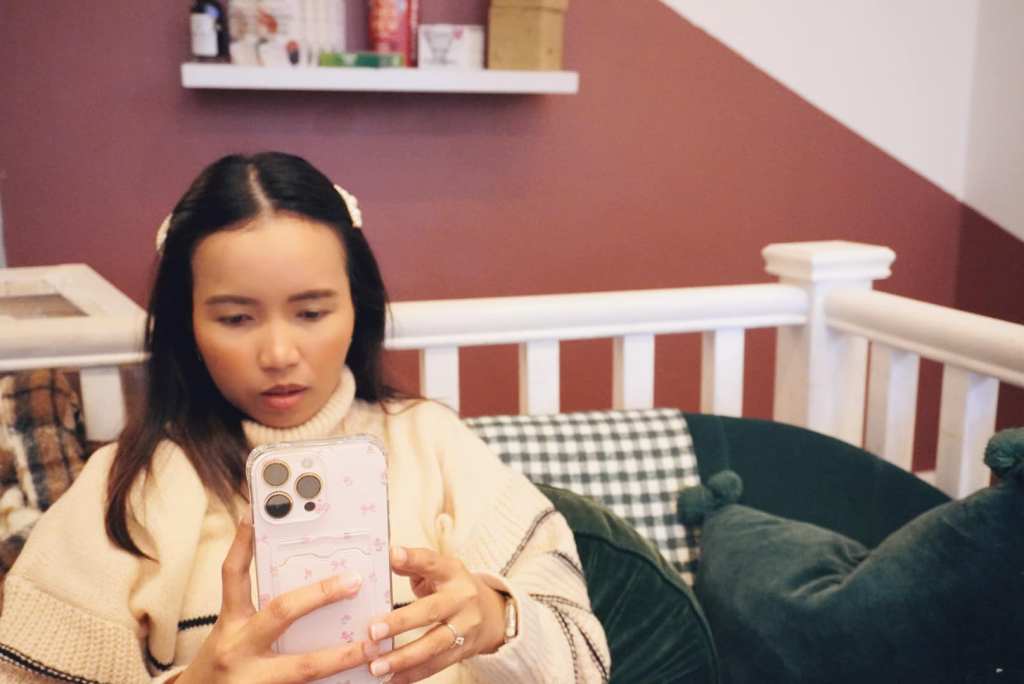
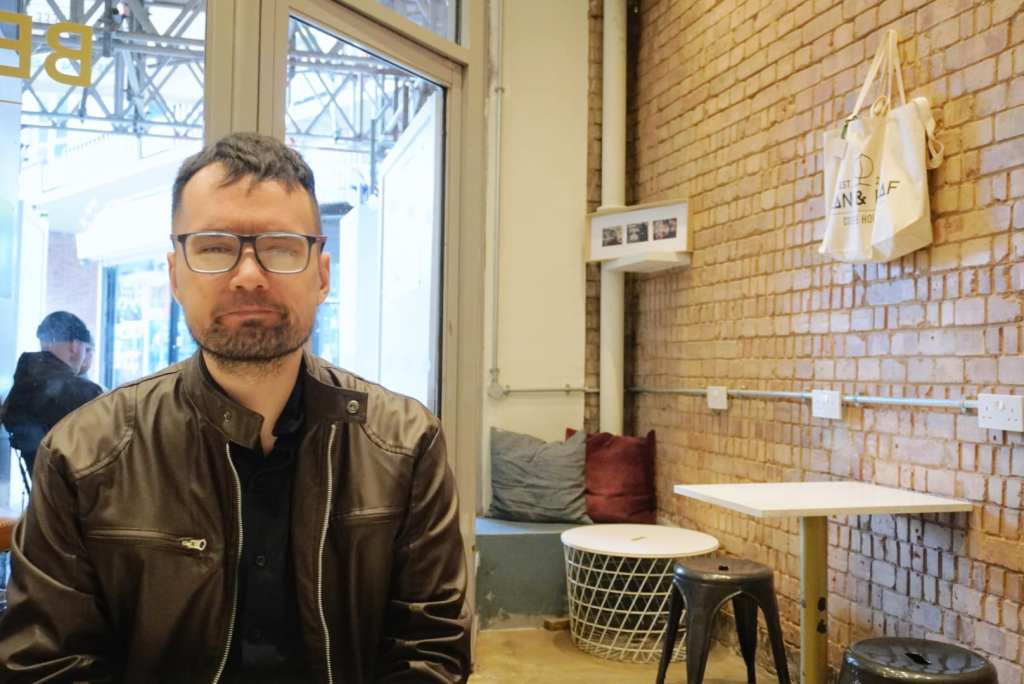
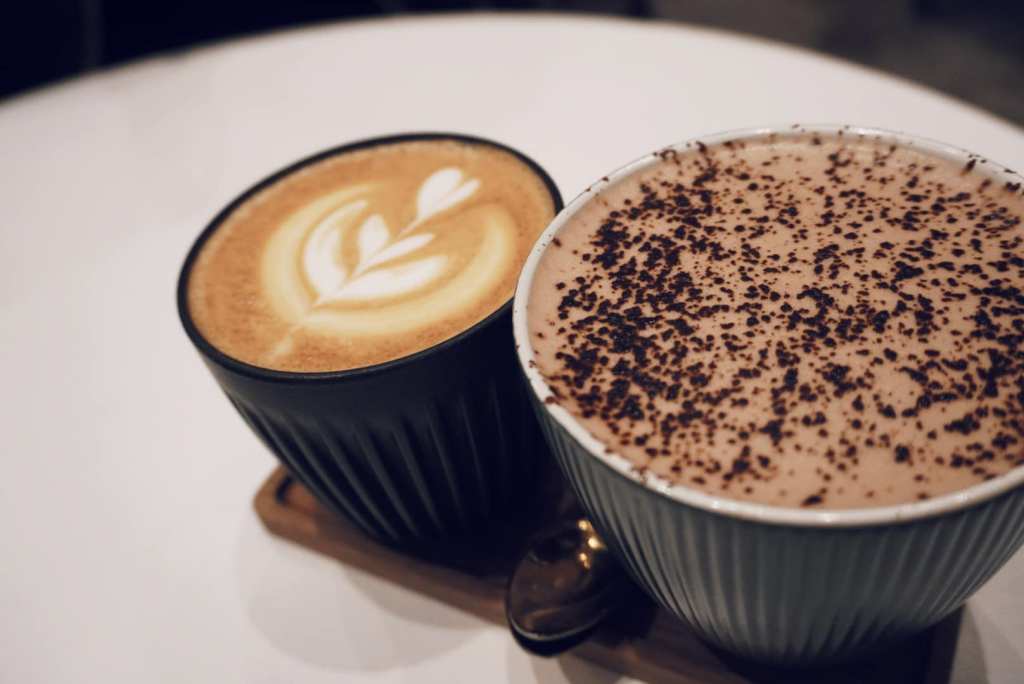
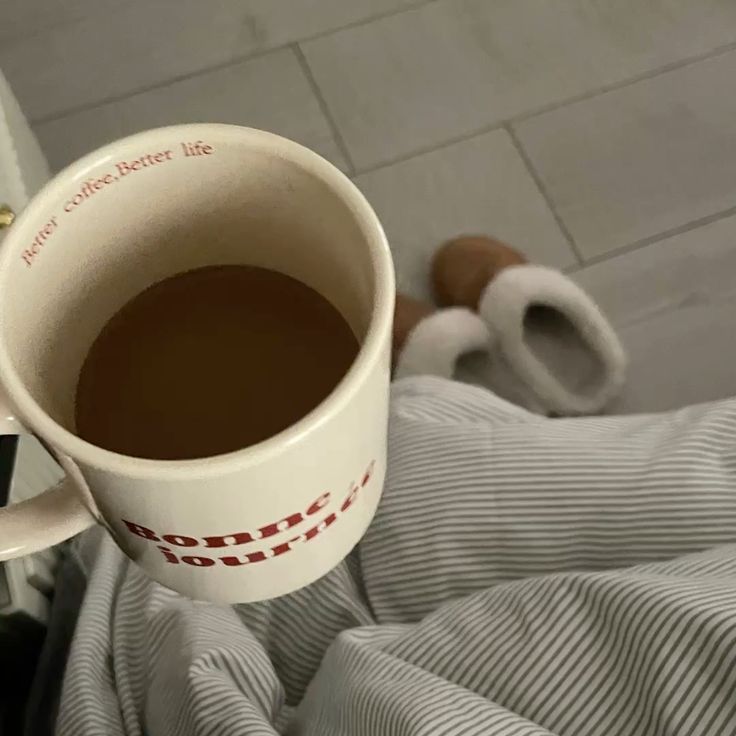
The day began with coffee, which felt reassuringly civilised. One cappuccino, one mocha, warm lighting, wooden walls and no particular rush to be anywhere else. Looking back at the photos now, this was clearly the calm before Coventry decided to show us everything it had. At that point, we were simply two people sitting comfortably with hot drinks, completely unaware that a few hours later we would be moving between cathedral ruins, art galleries, ridiculous museum photos, vintage motorcycles and a machine built to travel faster than sound. The coffee had no idea what was coming either.
I like travelling without knowing too much beforehand because it leaves room for a city to surprise me. Coventry had not been sitting on some carefully curated list of places I absolutely had to visit before a certain age. We simply went, walked where something looked interesting and allowed the day to decide what kind of outing it wanted to become. This turned out to be risky because Coventry could not seem to settle on one category. History? Yes. Art? Certainly. Architecture? Plenty. Cars and motorcycles? Why not. A supersonic vehicle? At that point, of course. Pasted text


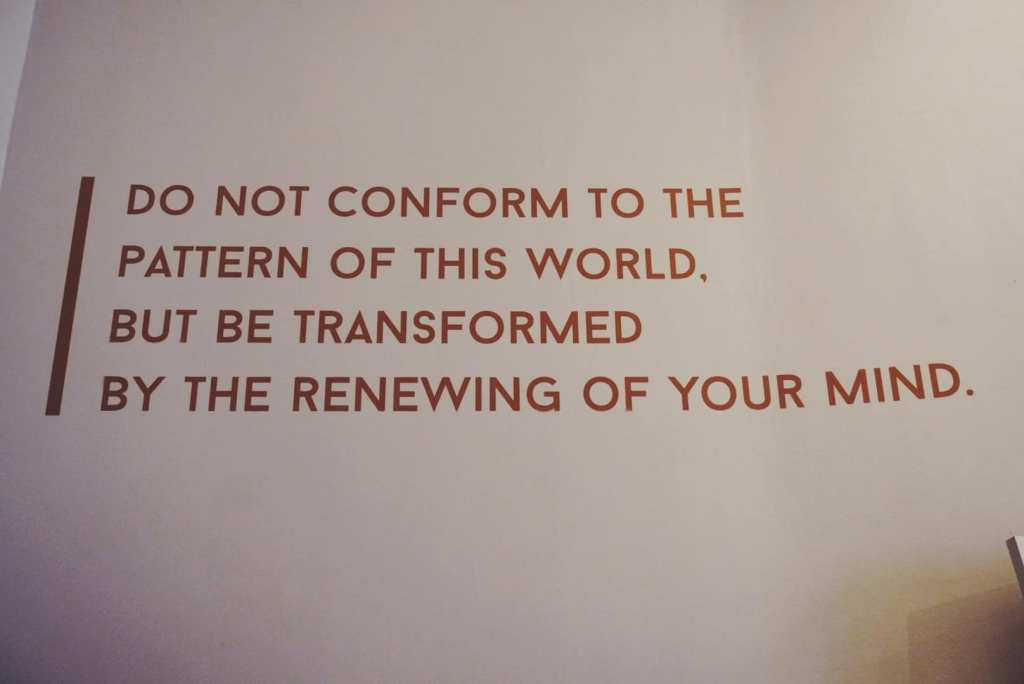
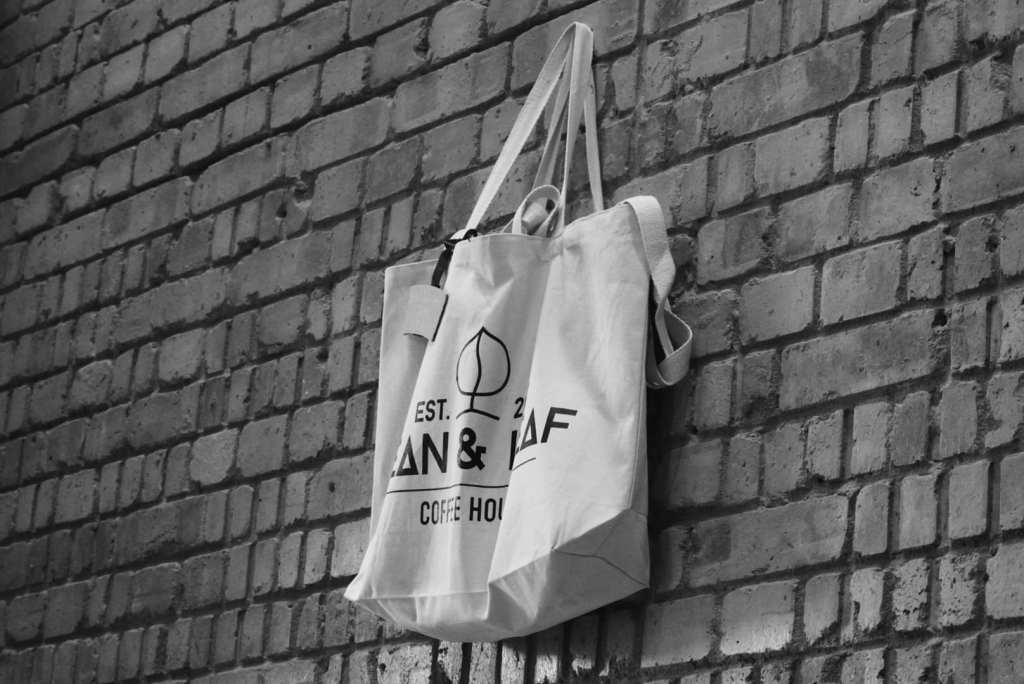

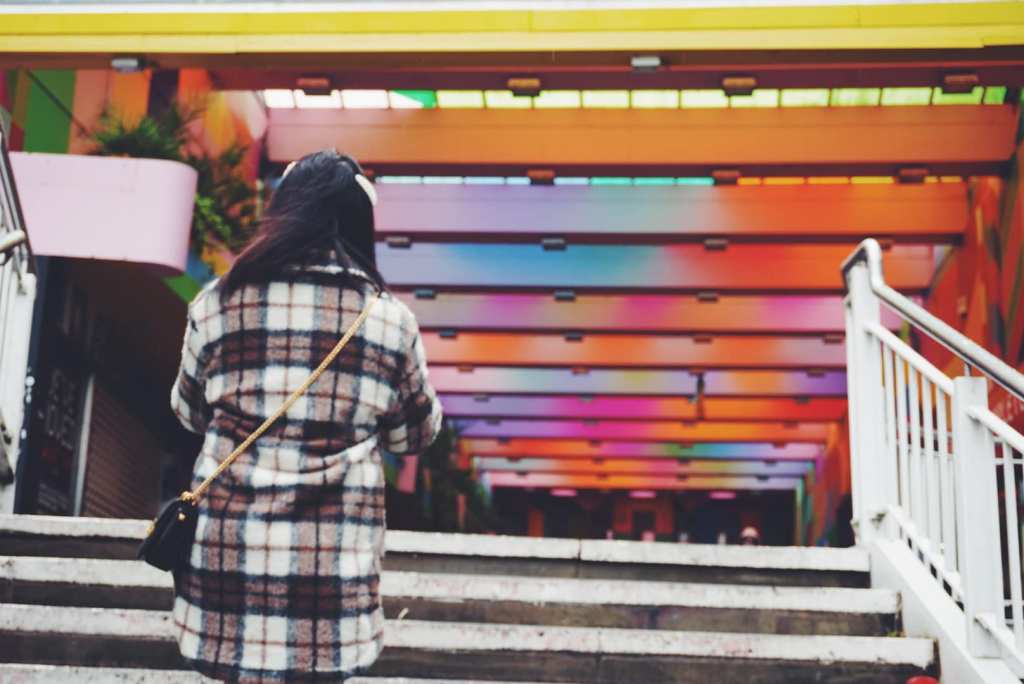
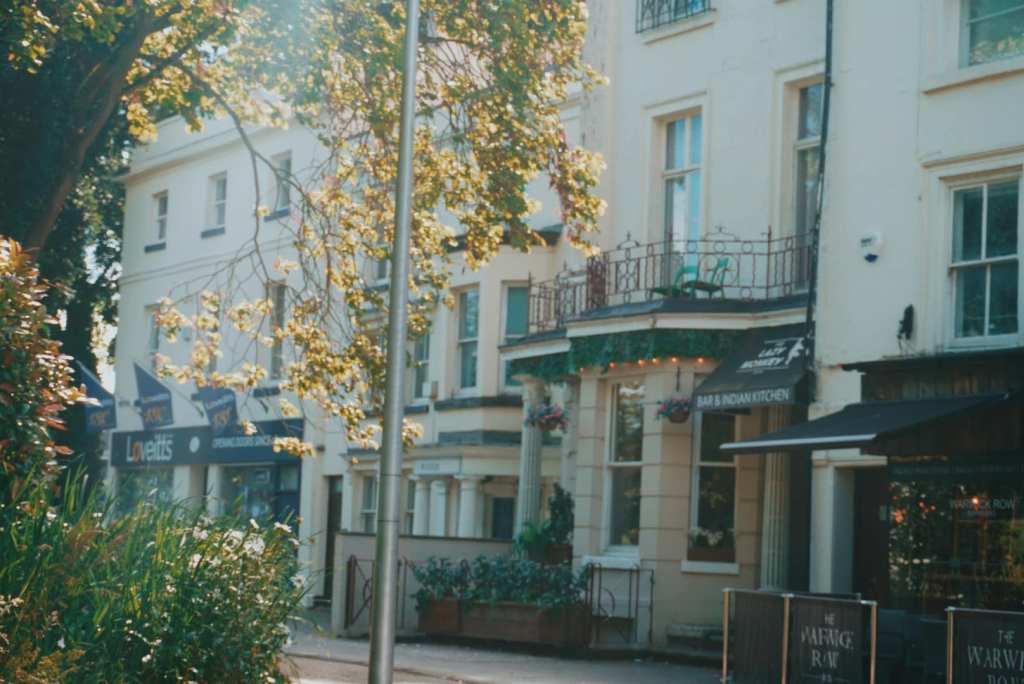
After coffee, we wandered through the city, and the first thing I liked was that Coventry did not feel excessively polished for visitors. There were old buildings beside newer ones, brickwork, murals, ordinary shops, buses, people going about their Saturday and enough architectural variety to keep me stopping for photographs. Some cities practically hold up a sign saying, “Photograph me here.” Coventry felt less concerned about posing, which naturally made me take more photos.
☕ That first sip of coffee felt like an exhale I didn’t know I was holding.
Processed with VSCO with f2 preset 
Processed with VSCO with nc preset 
Processed with VSCO with kp3 preset 
Processed with VSCO with f2 preset 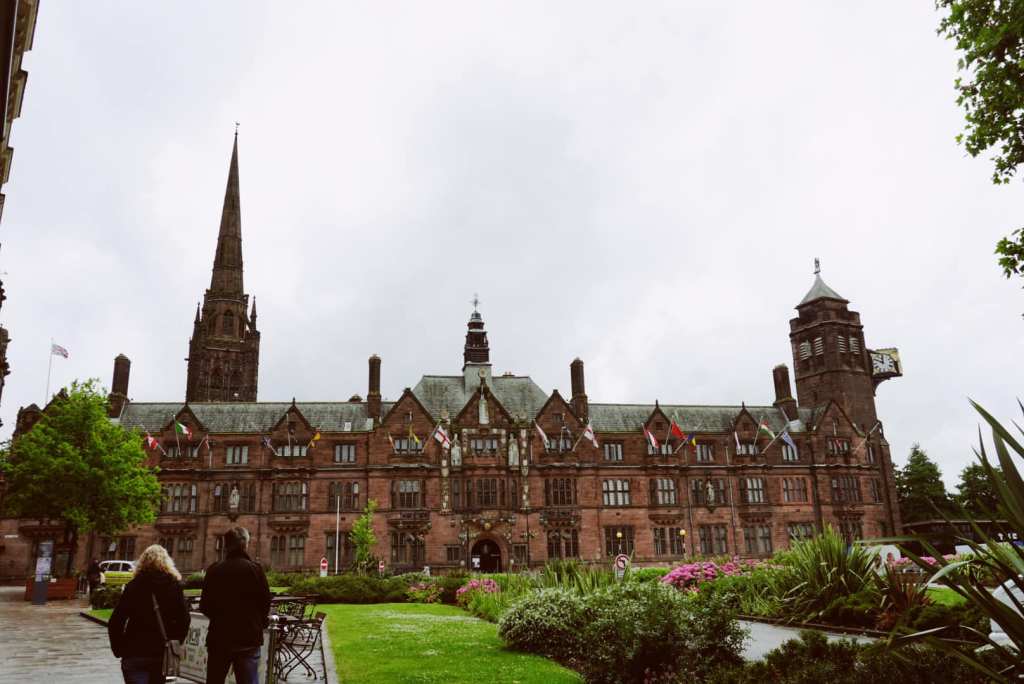
Processed with VSCO with fp2 preset 
Processed with VSCO with 6 preset 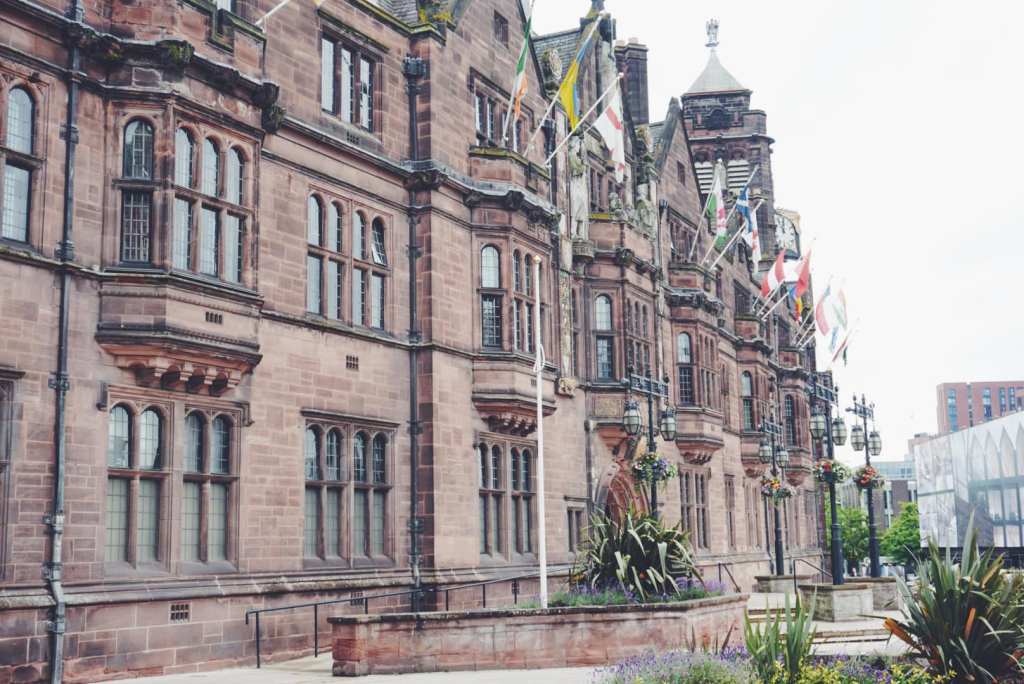
Processed with VSCO with f2 preset 
Processed with VSCO with n1 preset 
Processed with VSCO with al1 preset 
Processed with VSCO with q1 preset 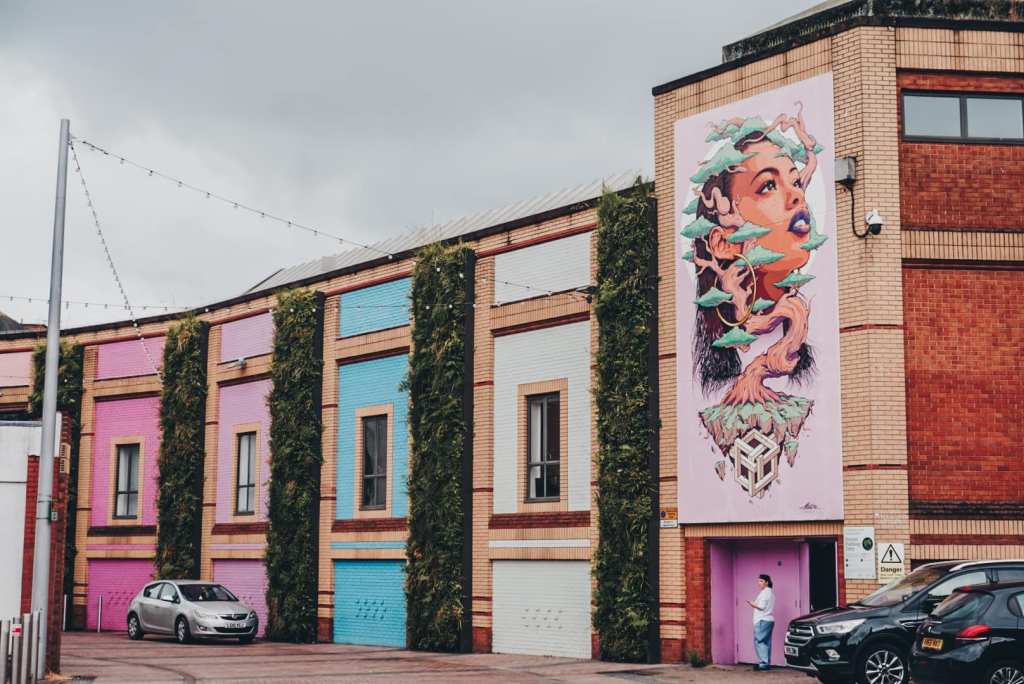

Processed with VSCO with e3 preset 
Processed with VSCO with e3 preset
Then we reached the cathedral ruins, and the mood changed completely.
There are places where you instinctively lower your voice even when nobody has asked you to. Coventry Cathedral was one of them. The old cathedral was devastated during the Coventry Blitz in November 1940, and the surviving walls and tower were preserved beside the newer cathedral. Standing there, with open sky where a roof once existed, felt very different from simply reading the history. It is one of those places where the photograph can show the stone but not quite explain why you stood still for longer than expected.
I took photos, of course, but this was not really the sort of place where I wanted to make everything clever. The humour could wait. There was something powerful about the fact that Coventry had kept the ruins visible instead of removing every trace of what happened. The damage remained part of the city without becoming the whole city. Beside the old cathedral stood something newer, and around both of them ordinary life continued.
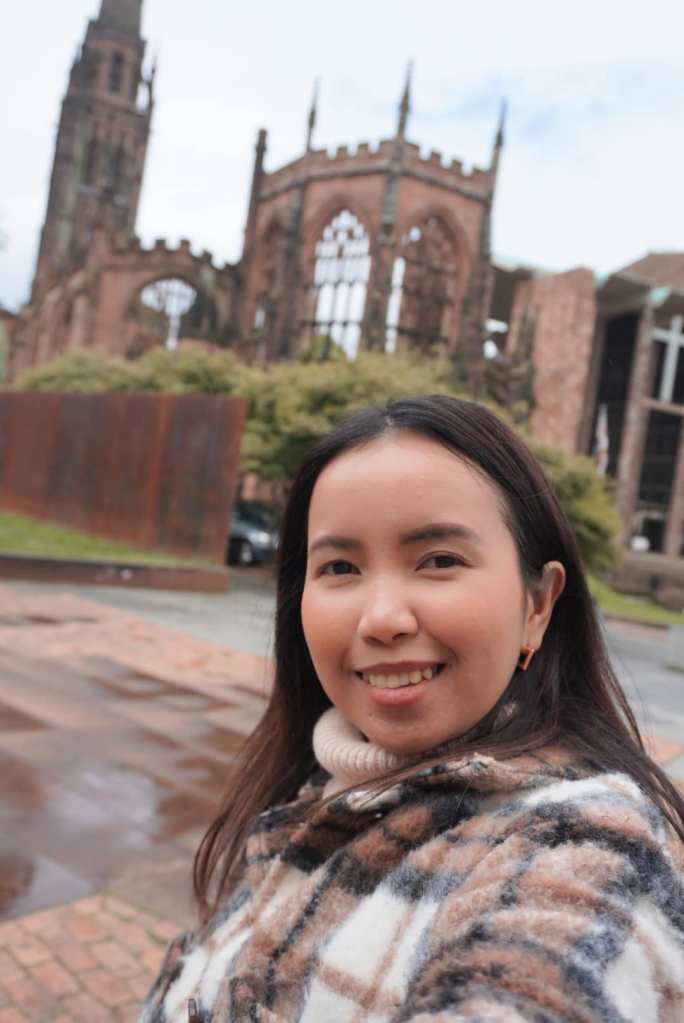
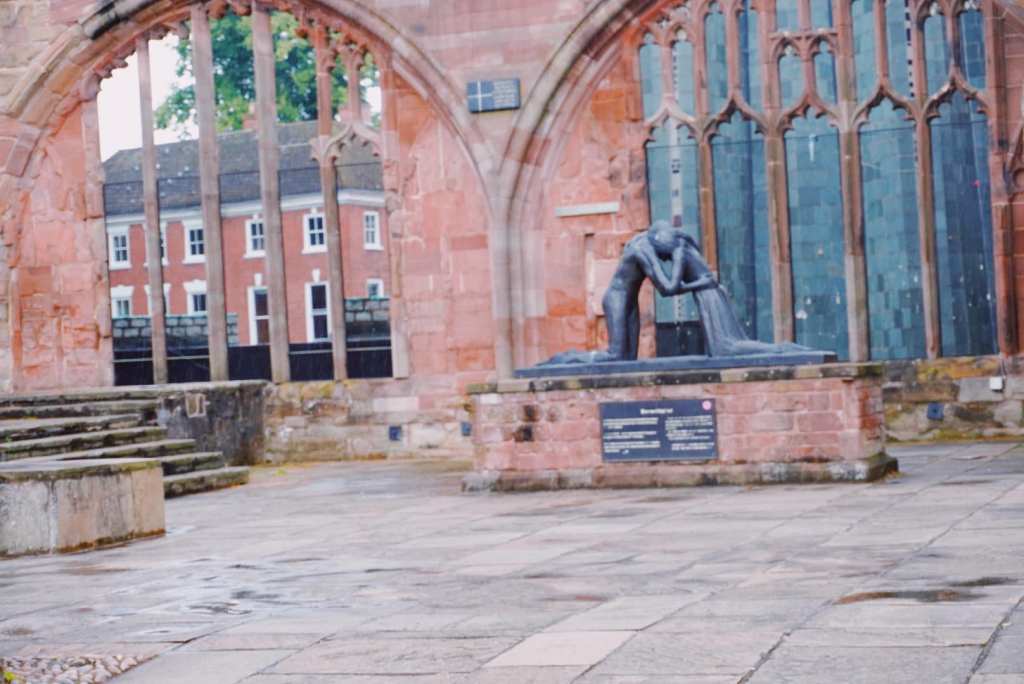
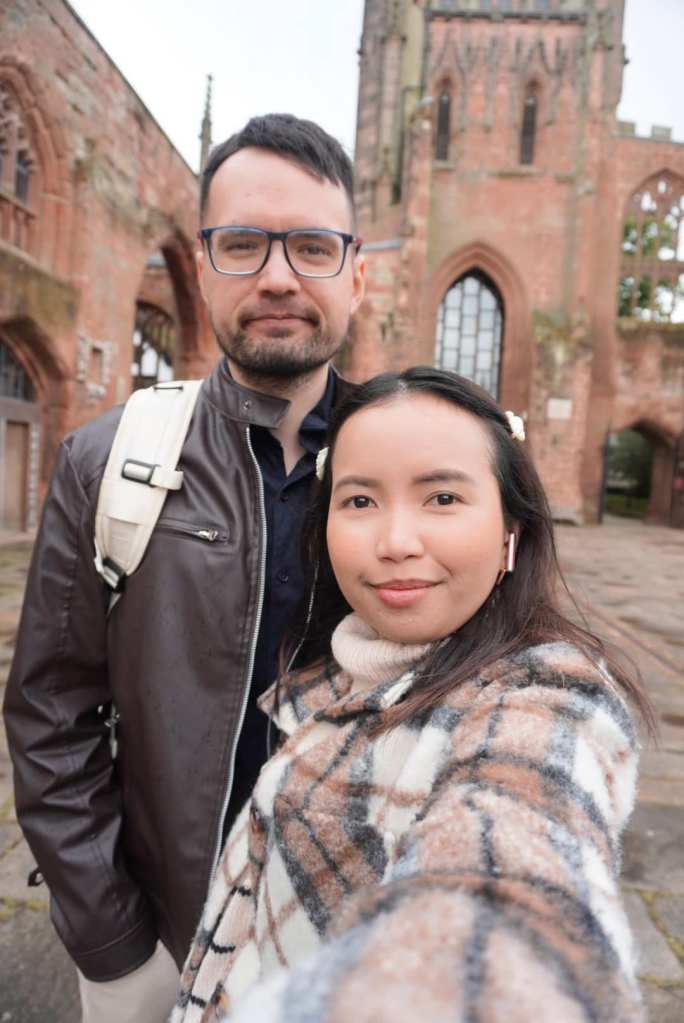
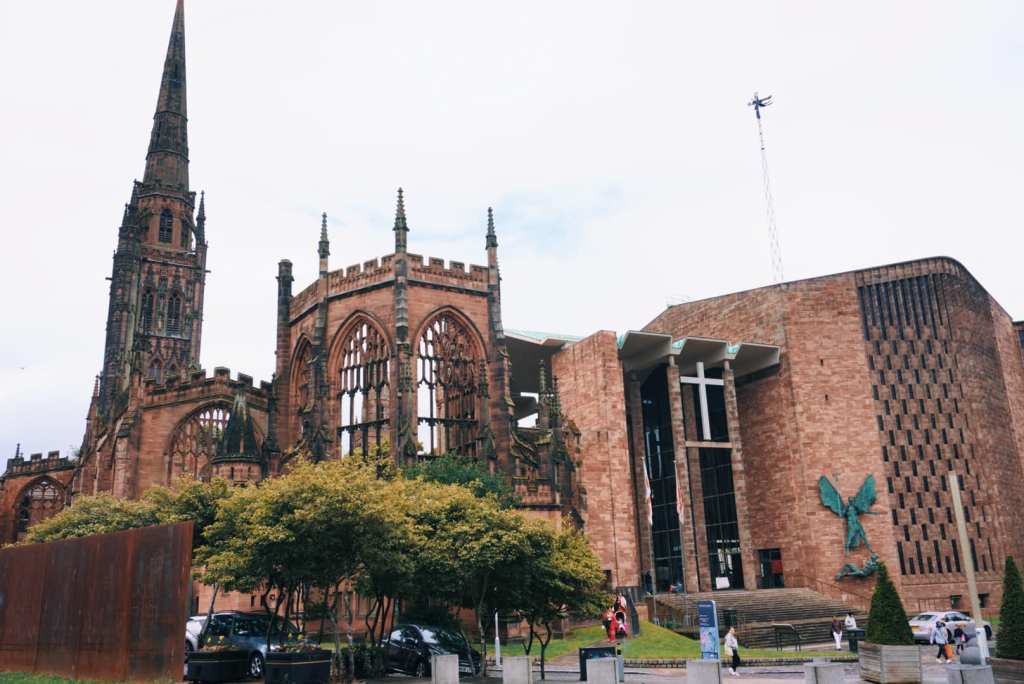


Once we left the cathedral, though, Coventry decided we had been serious for long enough.
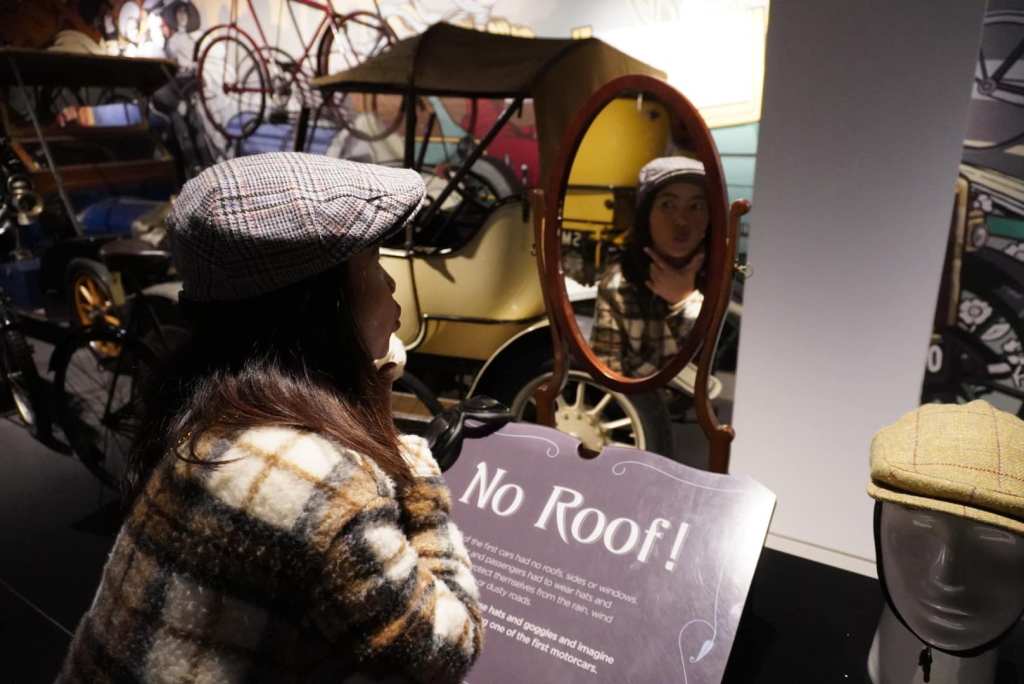
We went into the Herbert Art Gallery & Museum, where our cultural behaviour became considerably less dignified. Museums always bring out two completely different versions of me. One carefully studies an artefact and genuinely wonders about the person who once owned it. The other notices an opportunity for a ridiculous photograph and abandons all intellectual credibility immediately. Looking back through the pictures, both versions seem to have attended that day.
That is probably why I enjoy museums with my partner. There is no requirement to understand everything. We can look seriously at something historical, move into the next room, disagree about whether an object is interesting and then take a photo that contributes absolutely nothing to cultural scholarship. Museums become much more enjoyable when you stop behaving as though somebody will test you at the exit.

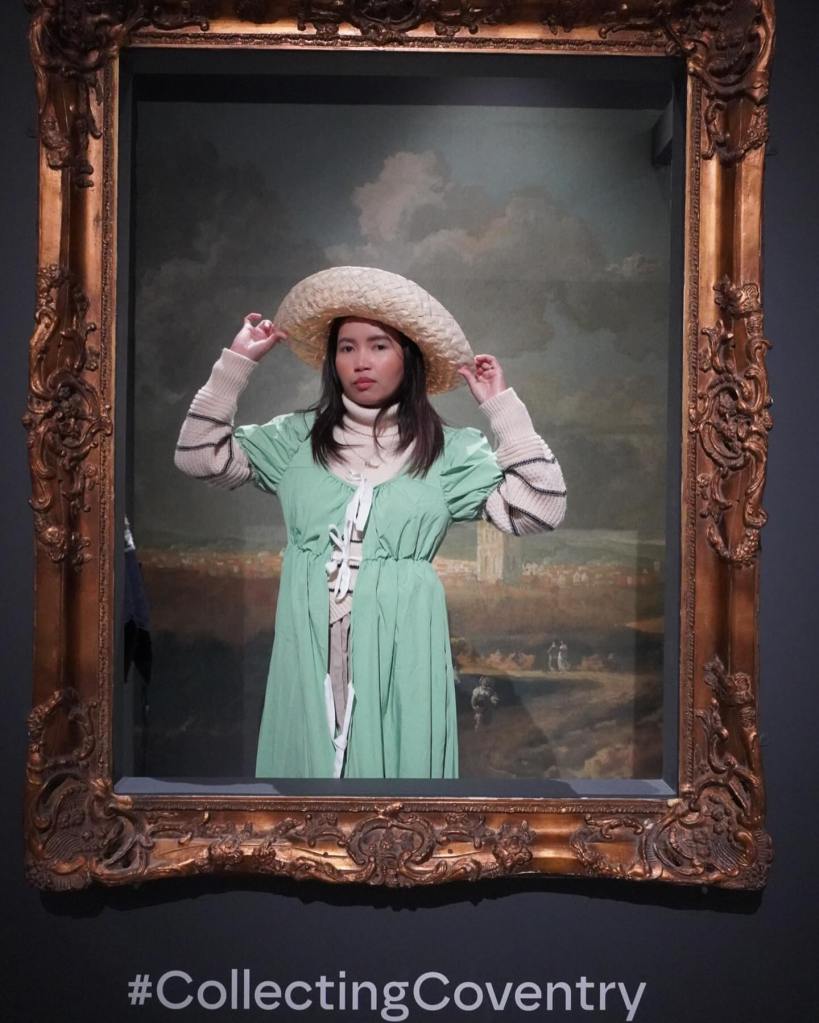
I also find it fascinating that objects can change status simply because enough time has passed. Something that once sat in somebody’s home becomes an artefact. An ordinary tool becomes evidence of an era. A piece of clothing acquires its own lighting. It does make me wonder what future museums might choose from our lives. I sincerely hope nobody displays my collection of half-used notebooks and describes it as “evidence of early twenty-first-century optimism.”
Somewhere through all of this were the quieter photos too: my partner beside me, hands held while walking, both of us simply occupying the same day. I like those images more as time passes. The grand backgrounds are wonderful, but sometimes what makes a photograph valuable is not the building behind you. It is knowing exactly who was beside you when it was taken.
By then, Coventry had already given us coffee, streets, wartime history, art and several opportunities to embarrass ourselves in photographs. A perfectly reasonable city would have stopped there.
Coventry did not.

Processed with VSCO with al3pro preset 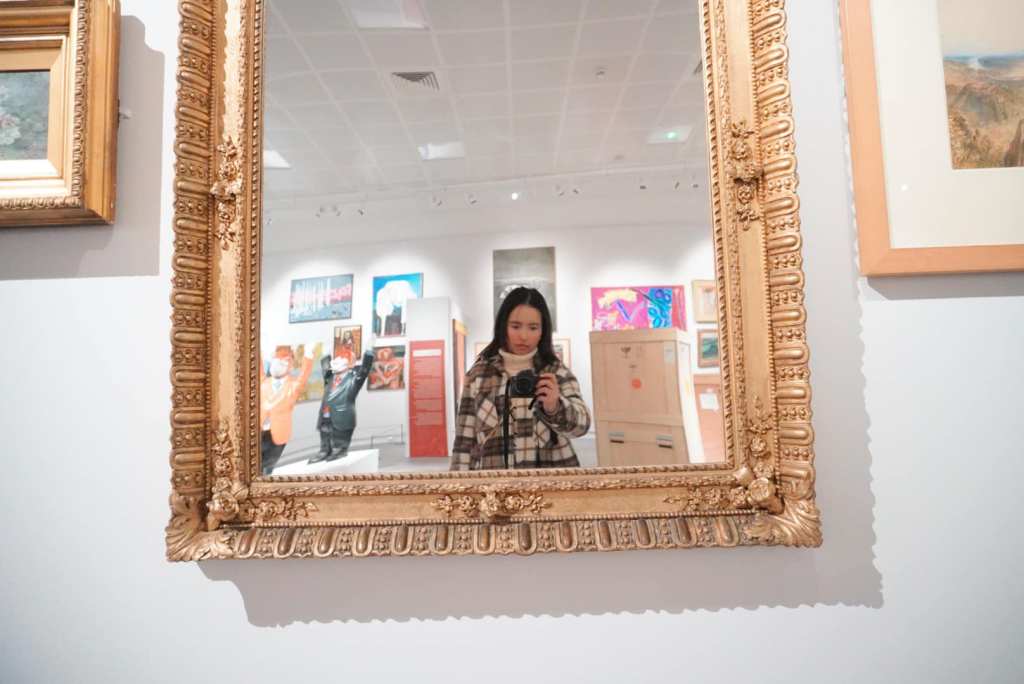
Processed with VSCO with al3pro preset 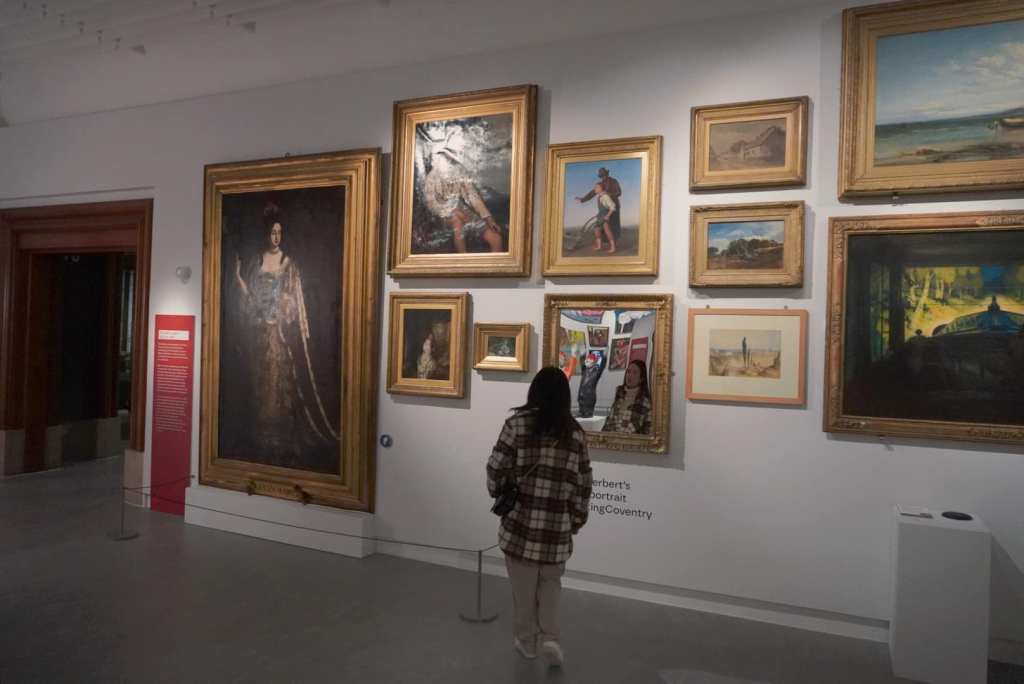
Processed with VSCO with v3pro preset 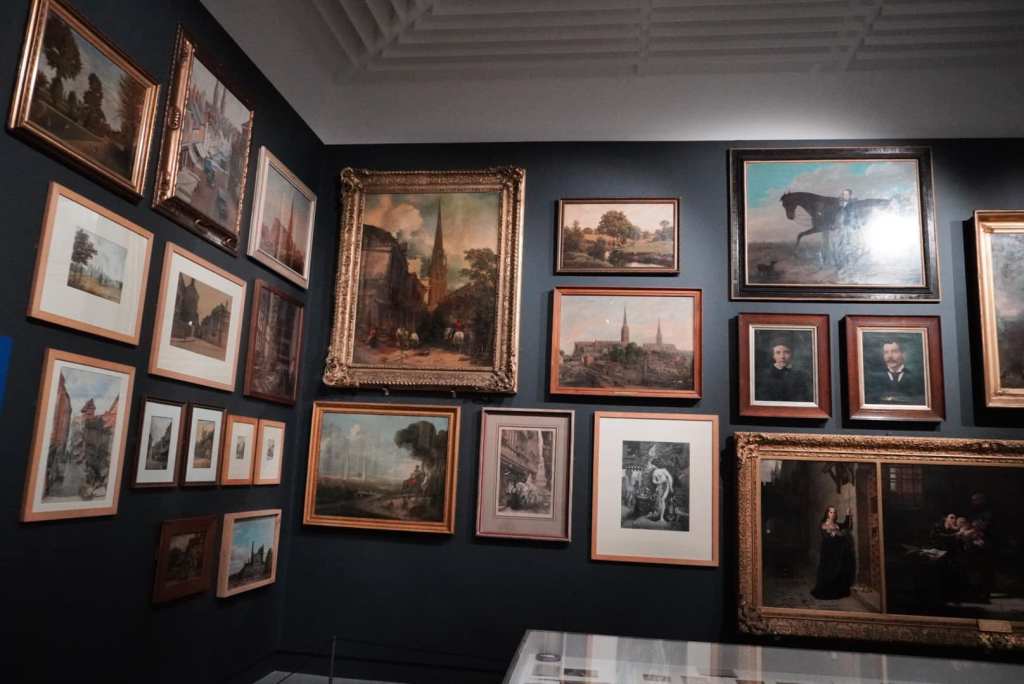
Processed with VSCO with al3pro preset 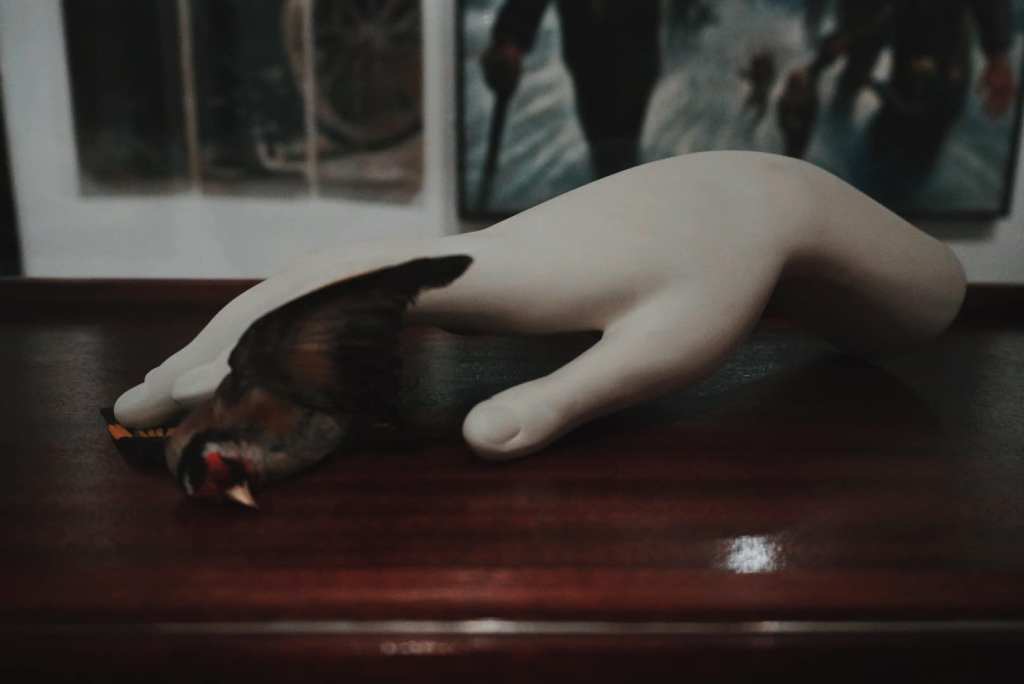
Processed with VSCO with c8pro preset 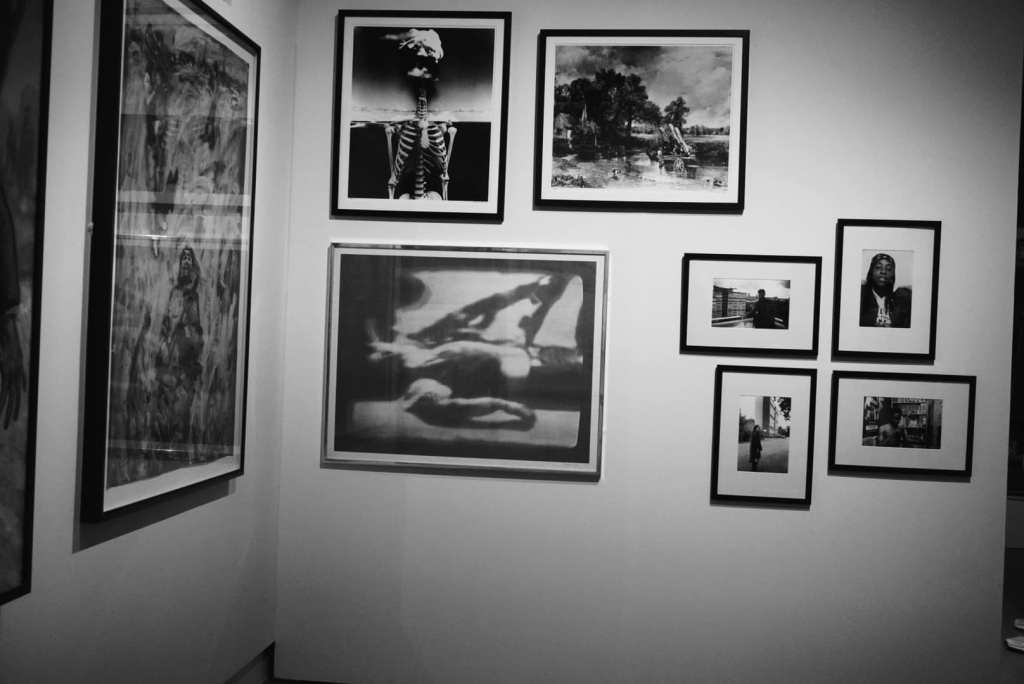
Processed with VSCO with 1pro preset 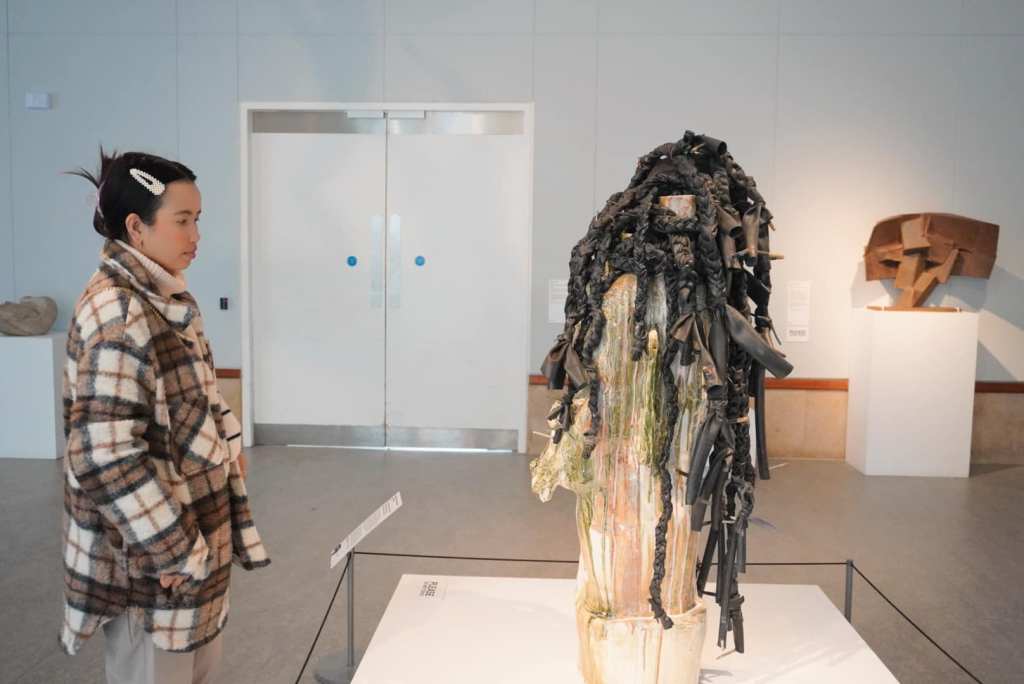
Processed with VSCO with al3pro preset 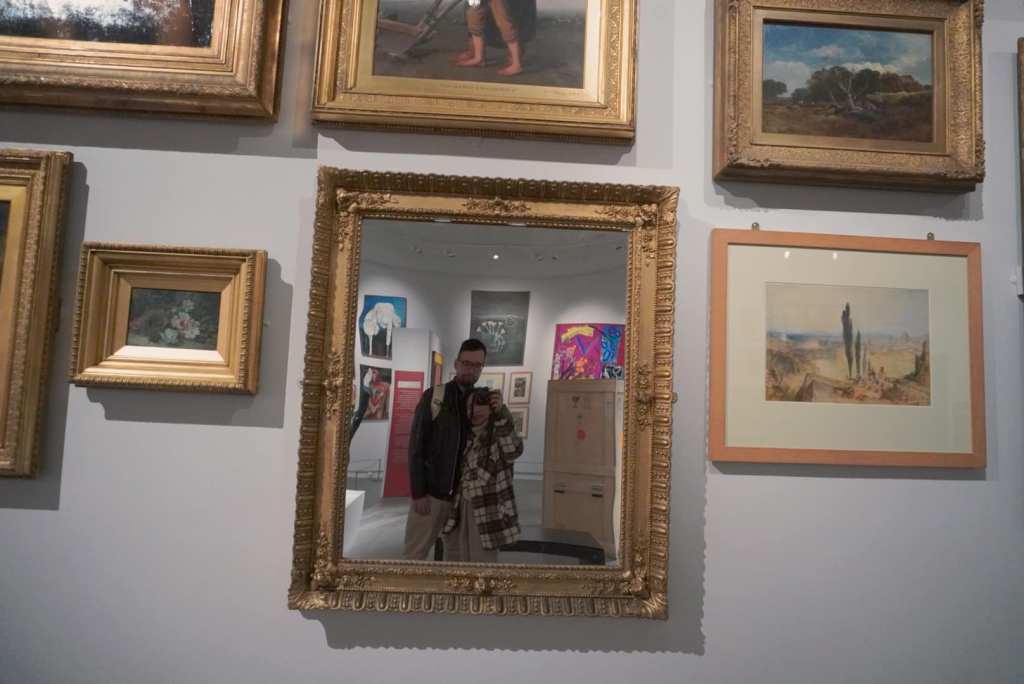
Processed with VSCO with v3pro preset 
Processed with VSCO with al3pro preset 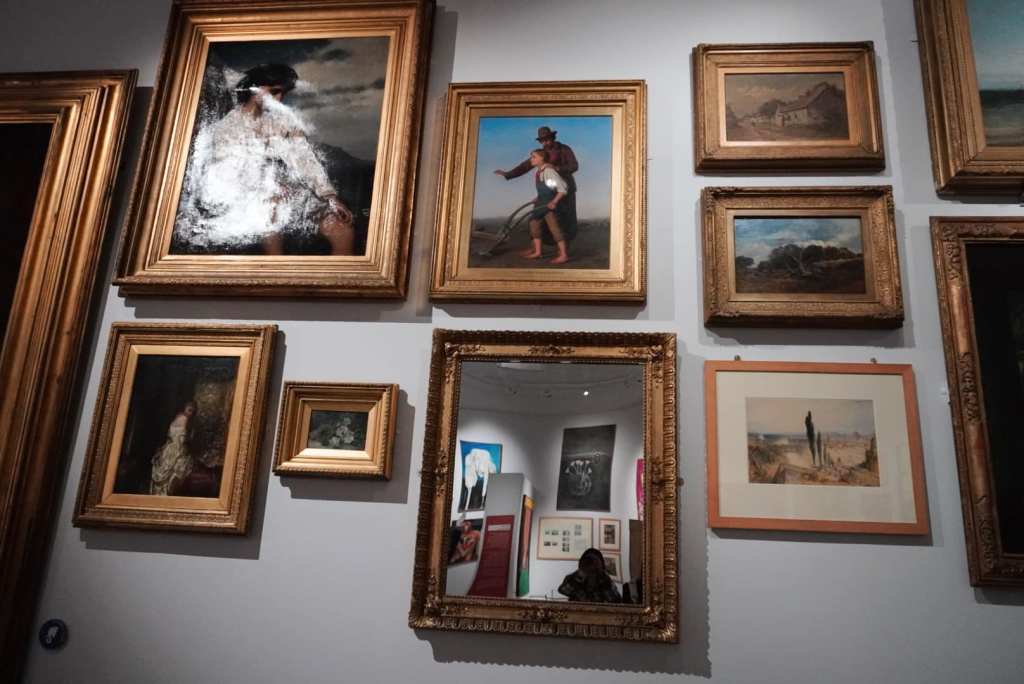
Processed with VSCO with al3 preset 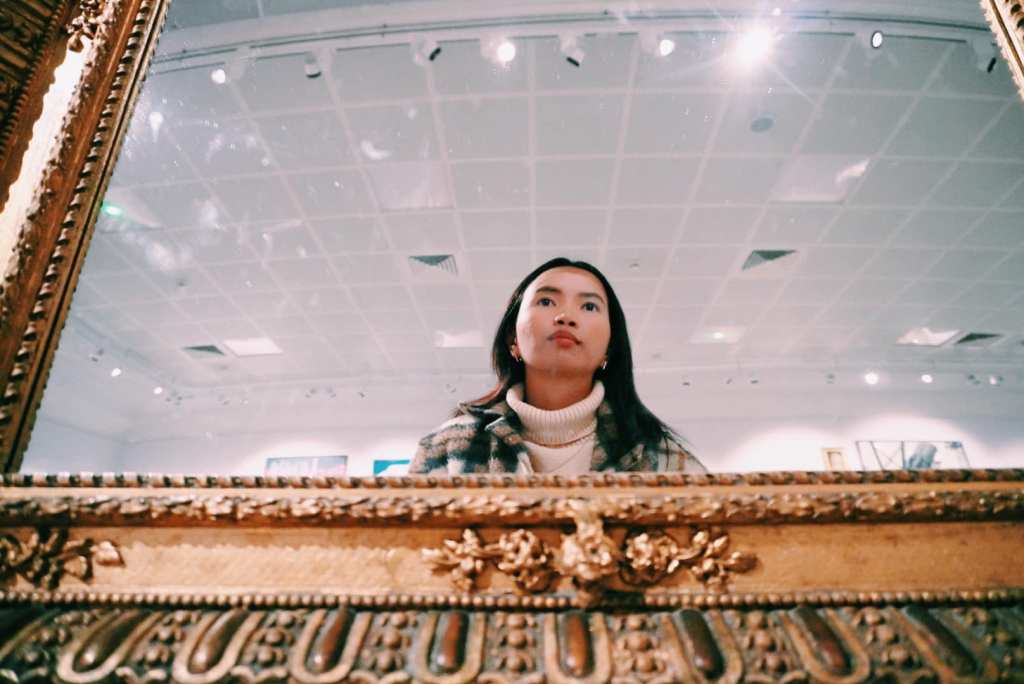
Processed with VSCO with c1pro preset 
Processed with VSCO with g6pro preset 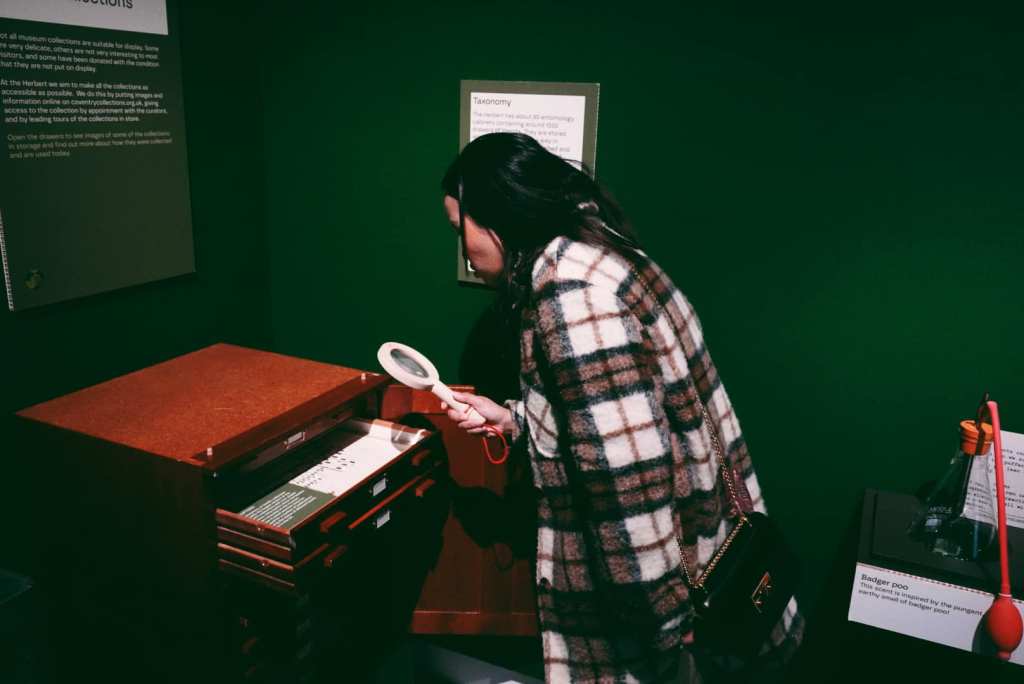
Processed with VSCO with 6 preset 
Processed with VSCO with al3pro preset 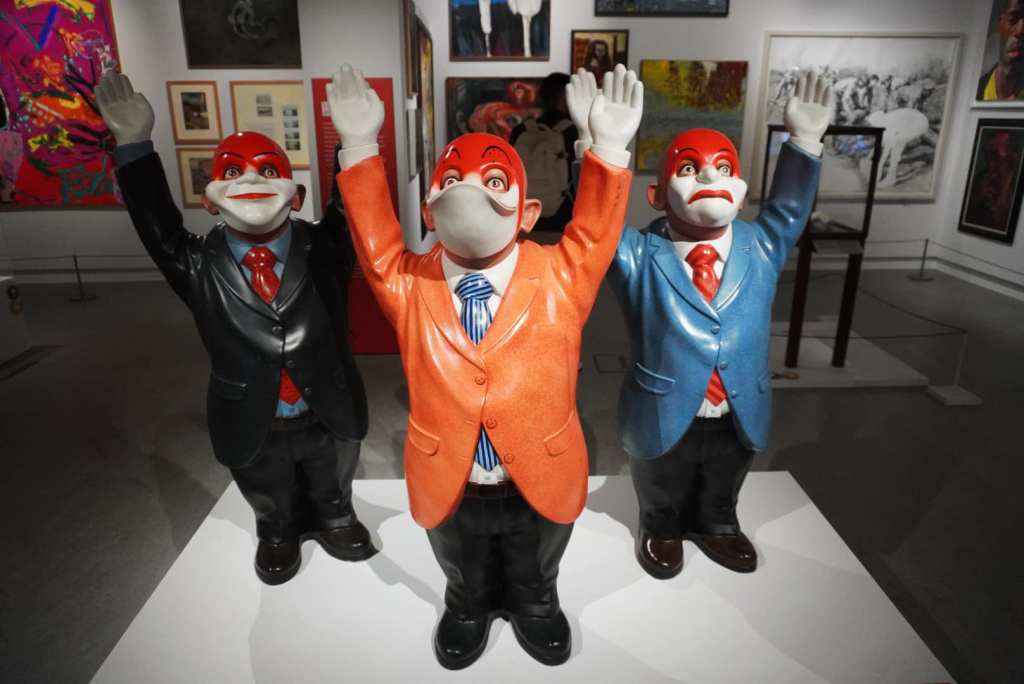
Processed with VSCO with ss1pro preset 
Processed with VSCO with ss1pro preset
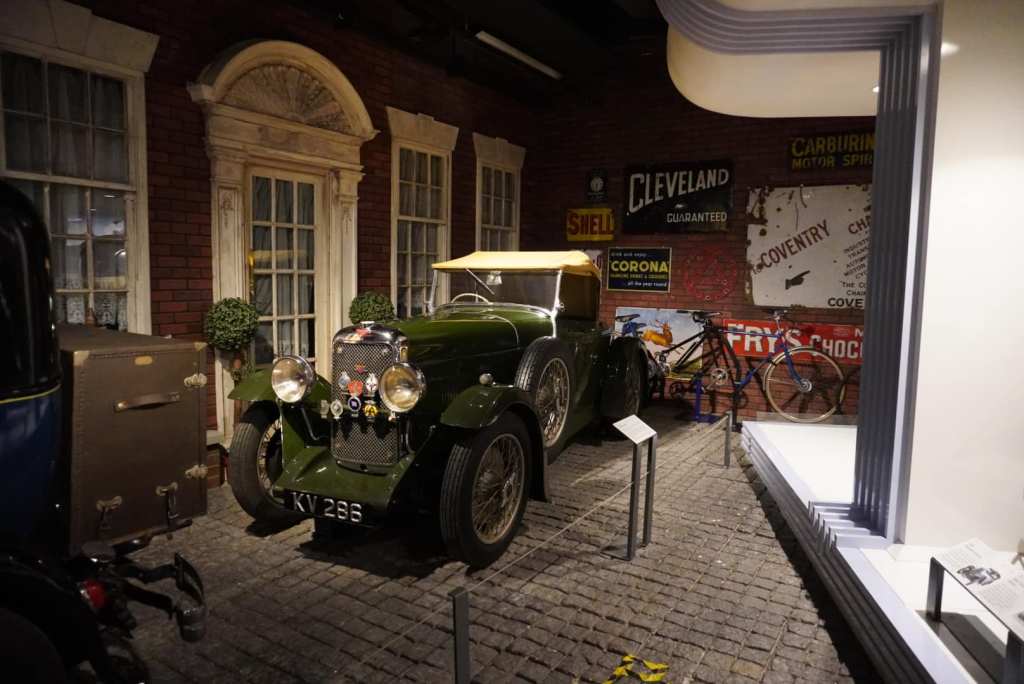
We entered Coventry Transport Museum and the day changed channels.
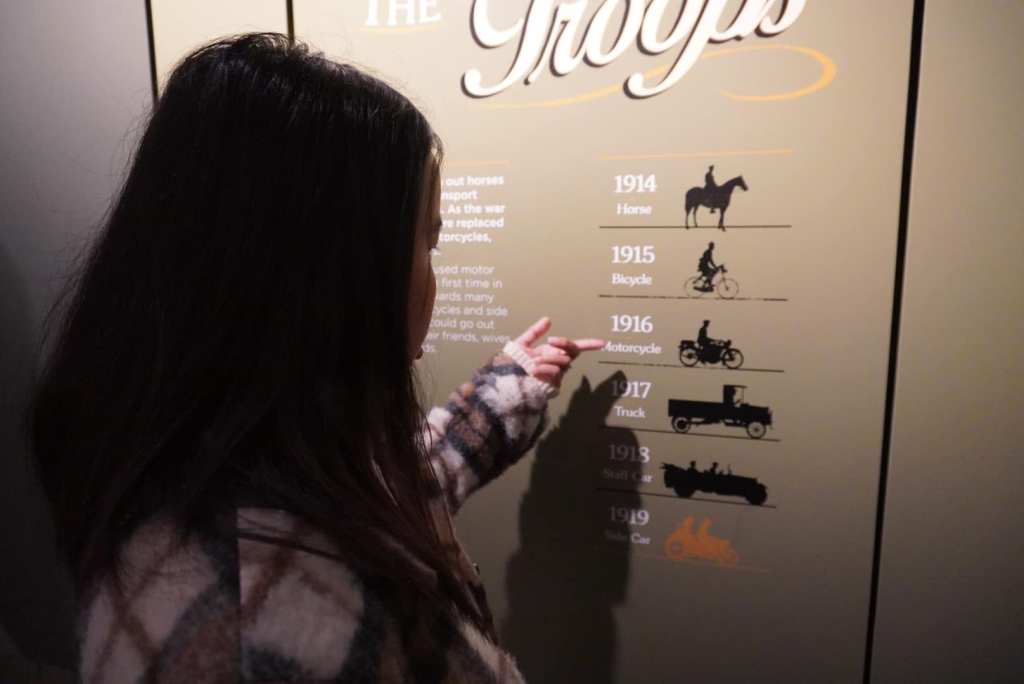
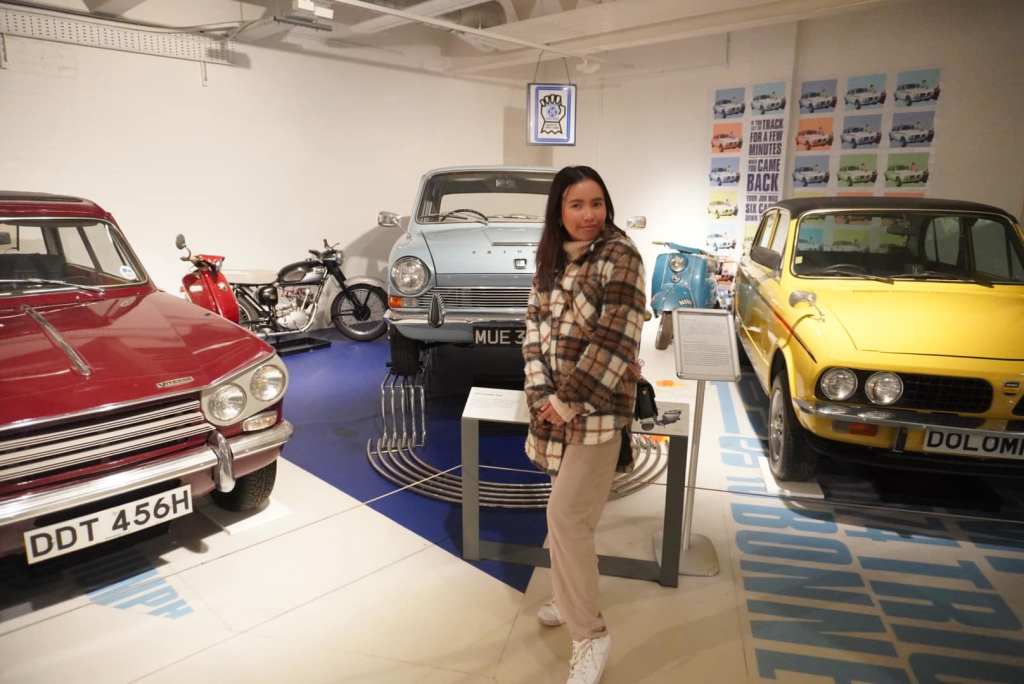
Suddenly there were bicycles, cars, motorcycles, engines and generations of engineering. My partner’s interest became very obvious around the vintage motorcycles. There is a particular expression people get when they encounter something they genuinely like. They lean slightly closer. They inspect details nobody else noticed. Conversation becomes optional. I took photos of him looking at the bikes, partly because I liked seeing him interested and partly because I had accepted that the motorcycles had temporarily outranked me.
I know enough about motorcycles to recognise that they have two wheels and that some are considerably more expensive than others, so I mostly observed his enthusiasm rather than pretending expertise. This is one of the underrated benefits of travelling with someone: you do not have to love exactly the same things. Sometimes you get to enjoy watching them love something.
Then we reached ThrustSSC.
Let me remind you that the day had begun with us slowly drinking coffee.
Now we were standing beside a supersonic car.
ThrustSSC set the world land-speed record in 1997, becoming the first car officially to break the sound barrier on land. There is something wonderfully absurd about standing completely still beside a machine created for extraordinary speed. It also felt like Coventry had been saving its punchline until the end. “You enjoyed your leisurely coffee? Lovely. Here is something that exceeded 760 miles per hour.”
Looking at our photos from that part of the day still makes me smile because the progression makes almost no sense. Coffee cups. Historic streets. Cathedral ruins. Museum displays. Motorcycles. Supersonic car. It feels less like an itinerary and more like somebody kept clicking “add to basket.”
And yet it worked.
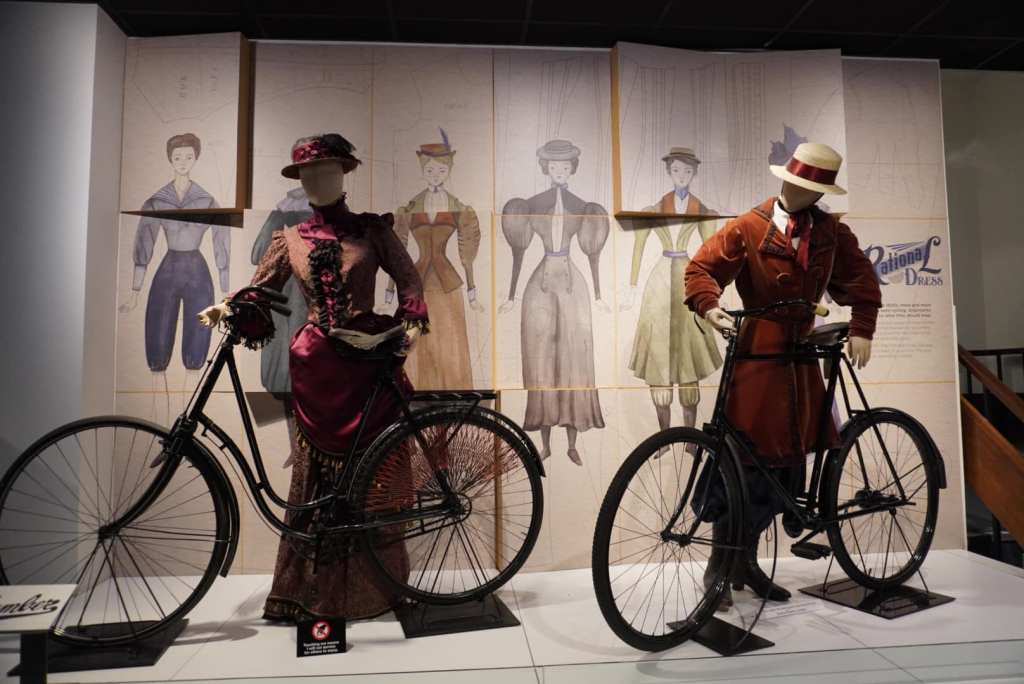

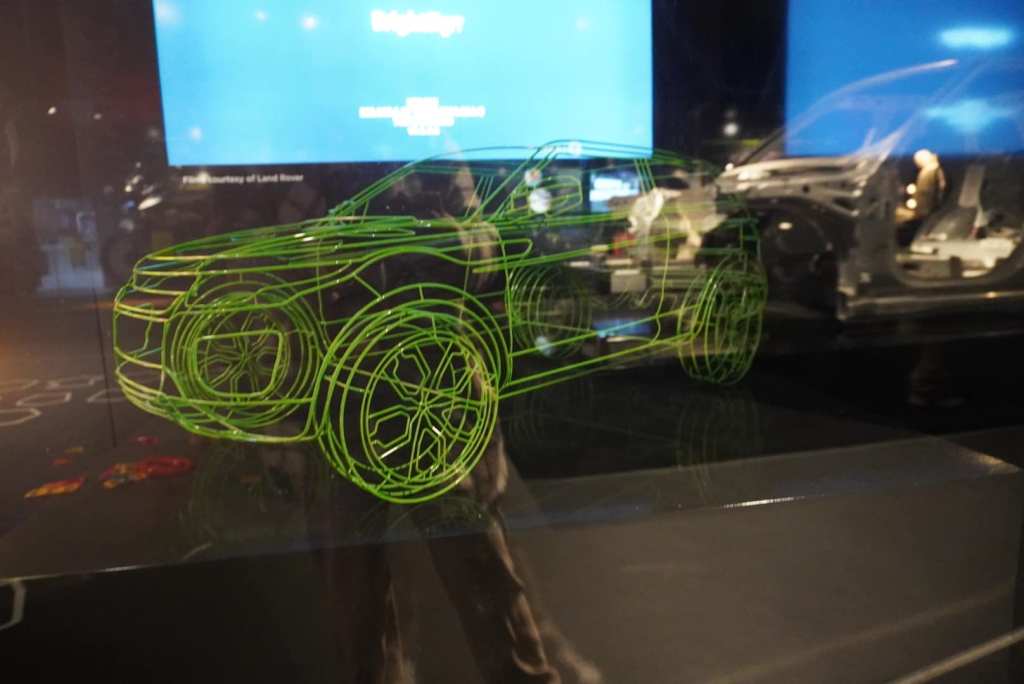
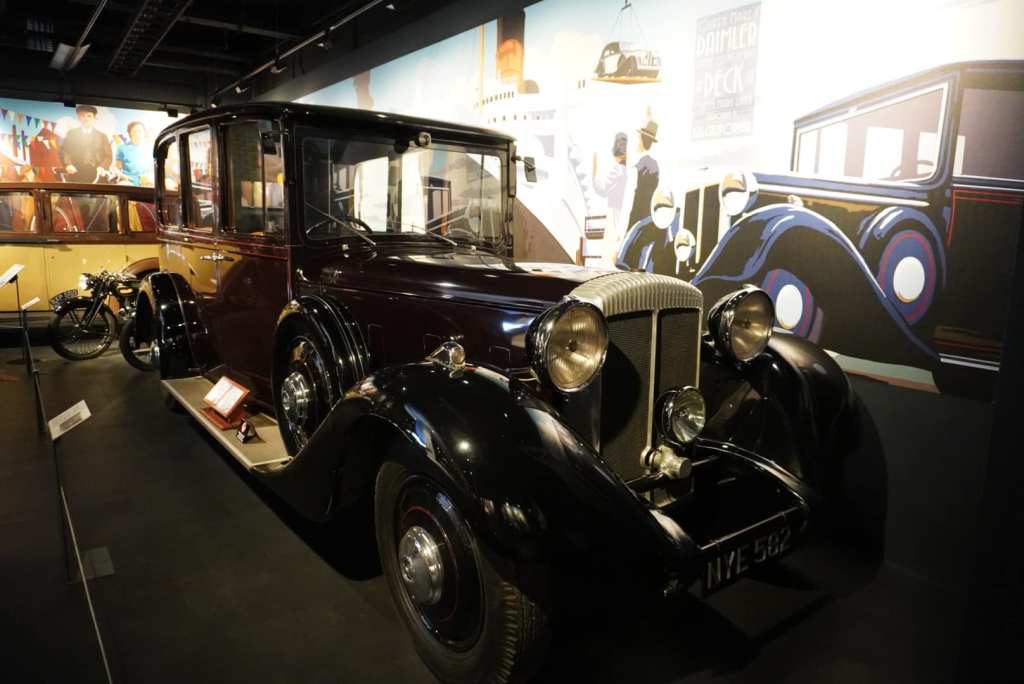
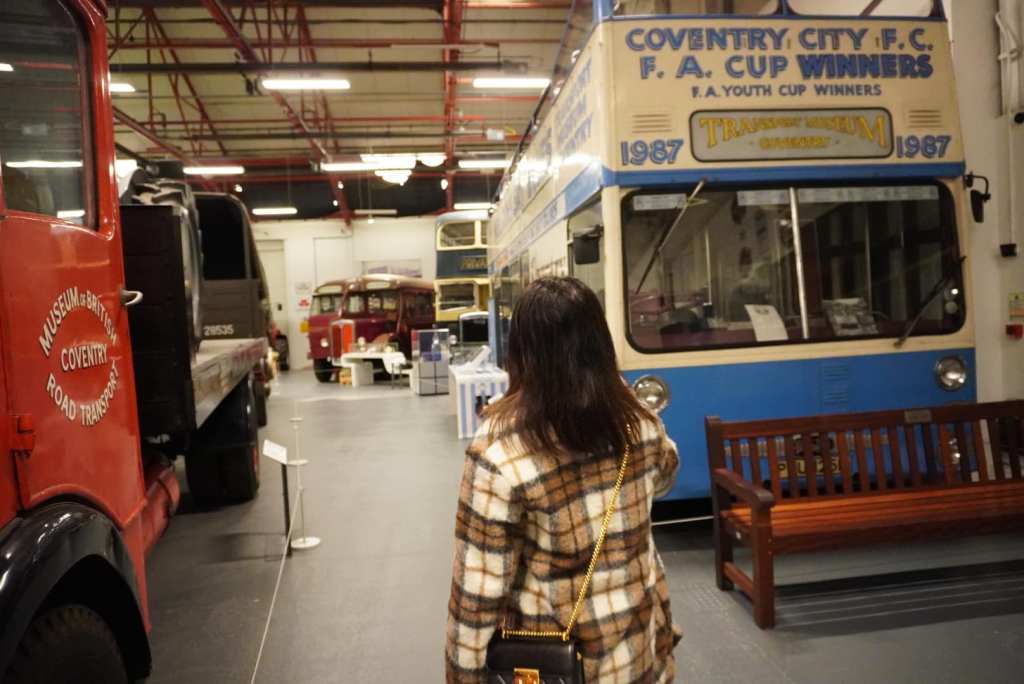


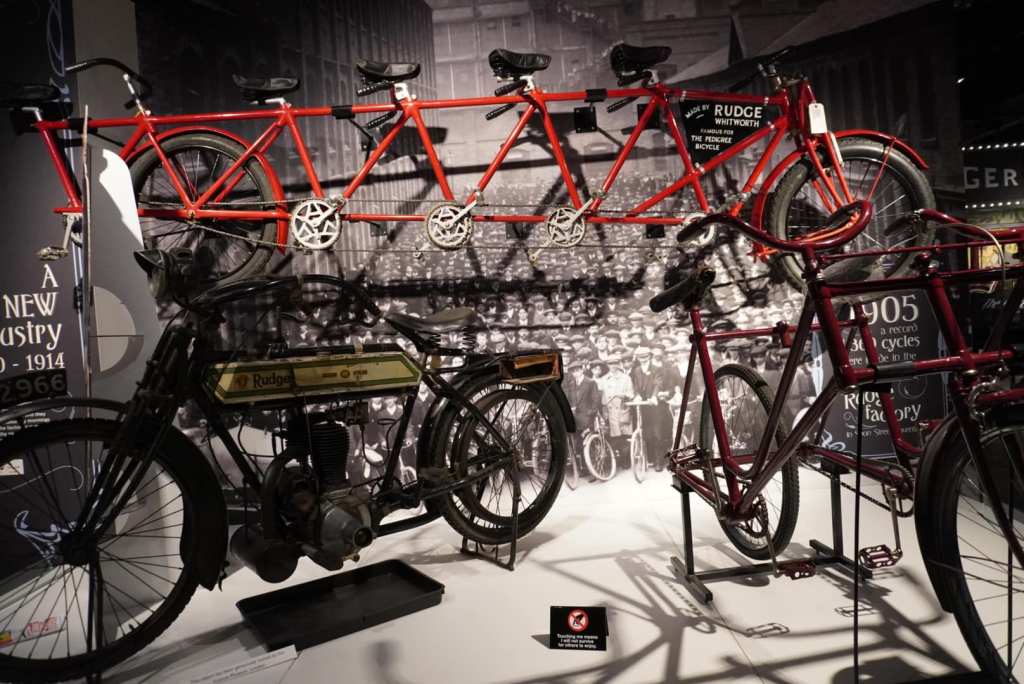

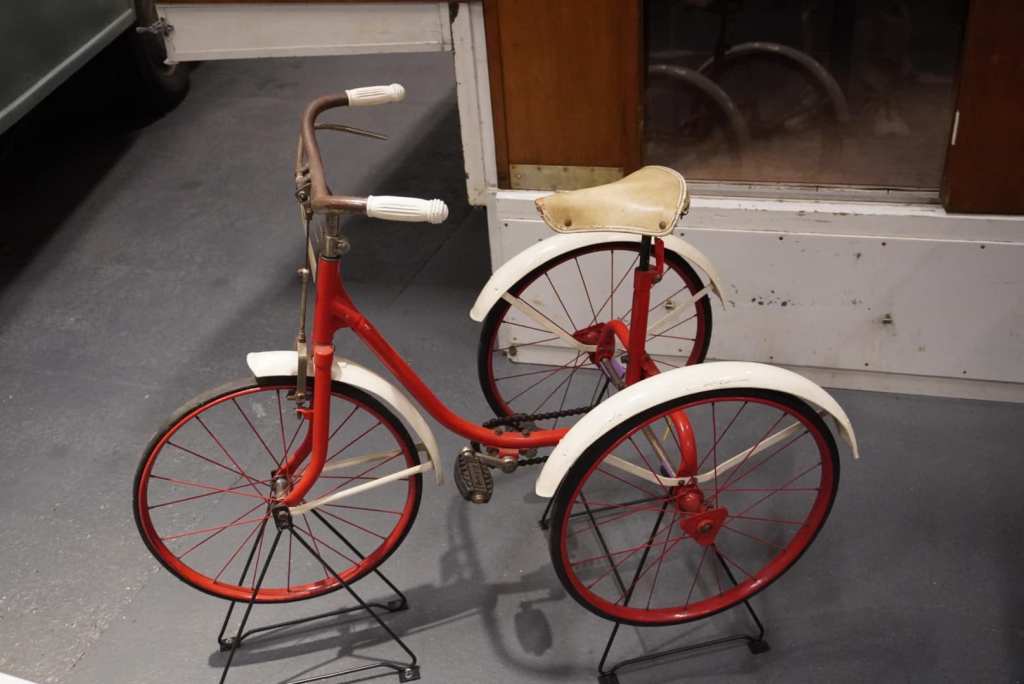
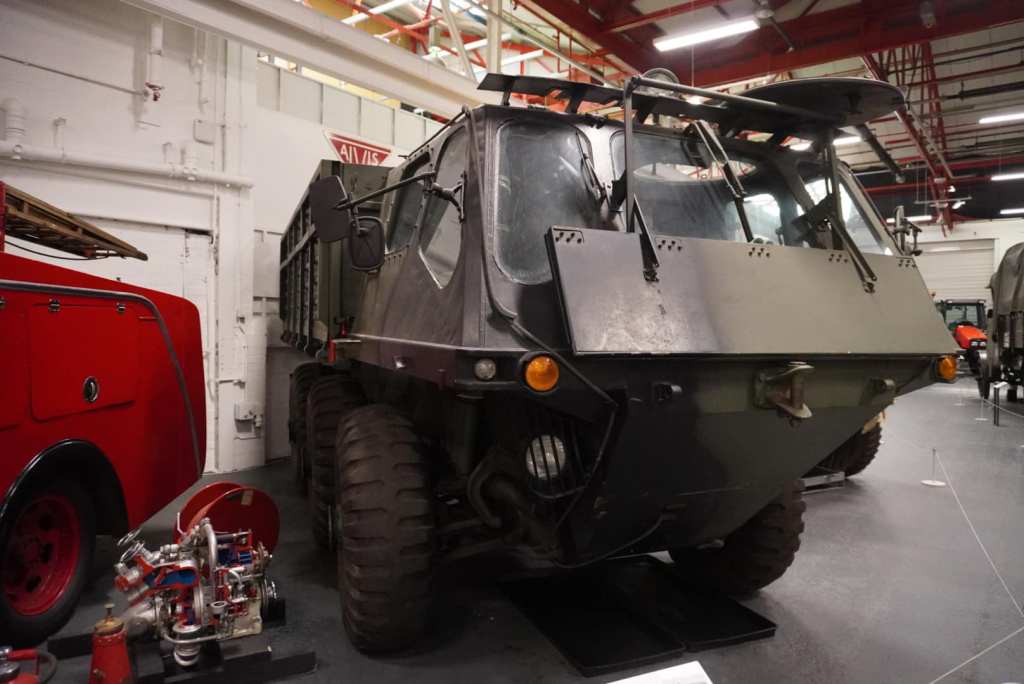

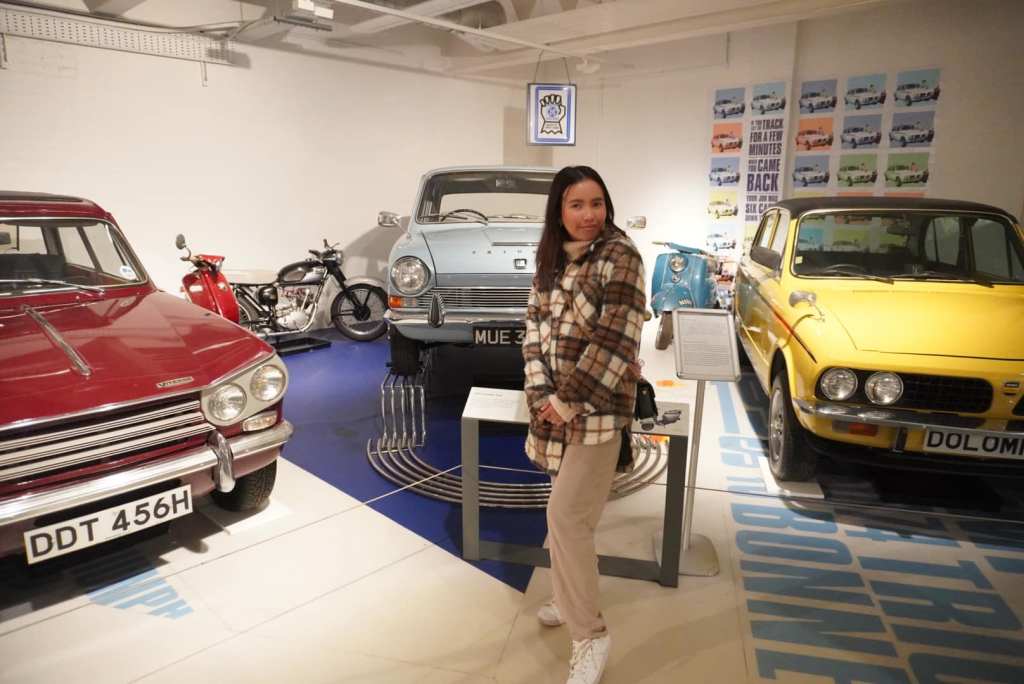
There was no need for every part of the day to match. Perhaps that is why I remember Coventry so well. It was not one continuous mood. Some moments made us quiet. Others made us curious. Some made us laugh. My partner could become absorbed in a motorcycle while I became more interested in photographing him being absorbed in the motorcycle. We could stand inside the remains of a cathedral in the morning and beside one of the fastest cars ever built later in the day.
A good day does not always need consistency.
Neither do we, really.
We can be thoughtful and ridiculous within the same hour. We can care about history and still become excited by a cool car. We can hold somebody’s hand in a museum and then laugh over a terrible photo five minutes later. Not every meaningful experience has to remain solemn from beginning to end.
That may be one thing I am learning from looking back at my travel photos. They rarely document only the attraction. They preserve the strange mixture surrounding it: the coffee before we started walking, the expression on someone’s face, the joke that happened immediately after a serious moment, the tiredness near the end of the day and the completely unnecessary number of pictures taken because one of us insisted, “One more.”
The posed photographs tell me where we were. The less perfect ones usually tell me more about what the day actually felt like.
By the time we stepped back outside, Coventry had given us far more than I expected when we arrived. Our responsibilities had not disappeared, tomorrow was still waiting and neither of us had experienced a dramatic personality transformation. We had simply spent a day somewhere different, looking at things that interested us and enjoying each other’s company.
I prefer that kind of travel now. I do not need every place to change my life. That sounds exhausting for both me and the destination. Sometimes I want a city to give me good coffee, something interesting to photograph, history worth learning, a few moments that make me laugh and enough material to annoy my partner later by saying, “Wait, I’m writing about that.”
Coventry managed all of those.
Looking back through the photos, I can still follow the day without needing to remember every street name. I see our coffee and remember how slowly the morning began. I see the cathedral ruins and remember becoming quieter. I see the museum photos and remember laughing. I see the motorcycles and remember watching my partner become absorbed in them. Then I reach the photos from the Transport Museum and think about how a perfectly relaxed day somehow ended beside a vehicle capable of breaking the sound barrier.
The day escalated quickly.
Thankfully, we did not have to.











Leave a Reply