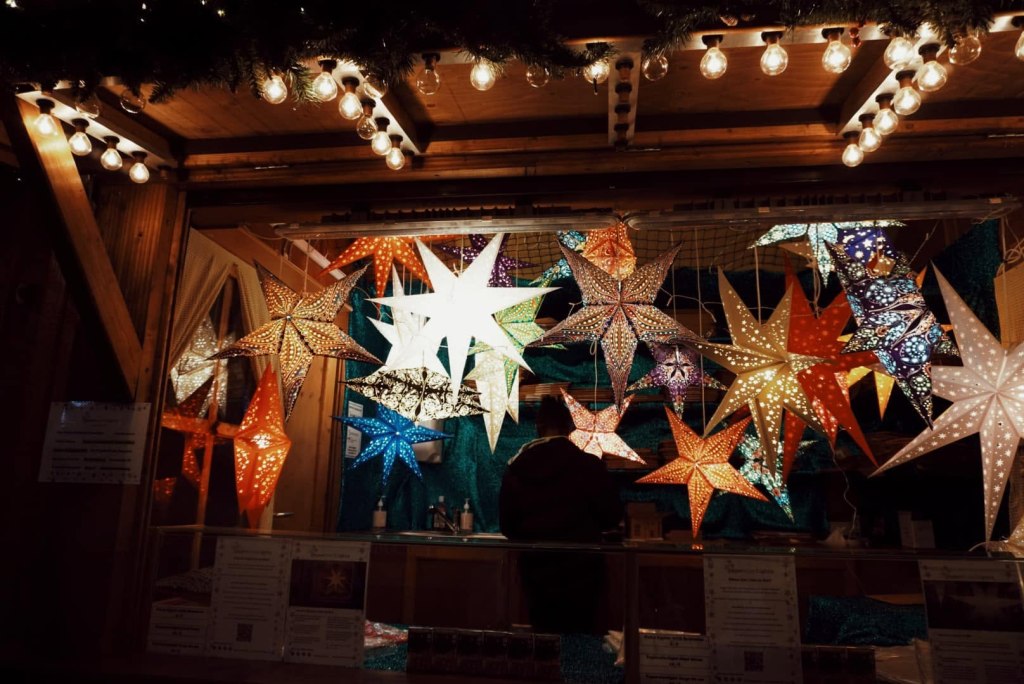
Christmas has two temperatures in my memory. One is warm enough for open windows, electric fans and children running outside long after dark. The other fogs your breath the moment you step beyond the front door and makes you reconsider whether whatever you forgot in the car is genuinely necessary. One smells of bibingka, puto bumbong and food being prepared in a kitchen already too warm for December. The other carries pine, roast dinners, damp wool coats and the occasional sweetness of something being sold from a Christmas market stall. They should feel like completely different holidays. Somehow, when December comes, they still meet beneath the same star.
I grew up in the Philippines, where Christmas has never understood the concept of arriving fashionably late. September barely introduces itself before somebody presses play on José Mari Chan and the entire country collectively accepts that Christmas has begun. The calendar may still insist there are nearly four months to go, but the Philippines has never allowed technicalities to interfere with enthusiasm. By the first ber month, malls begin hanging garlands, lights appear along streets, decorations emerge from storage, and the first familiar Christmas songs start following you through supermarkets with the persistence of relatives asking when you are getting married.
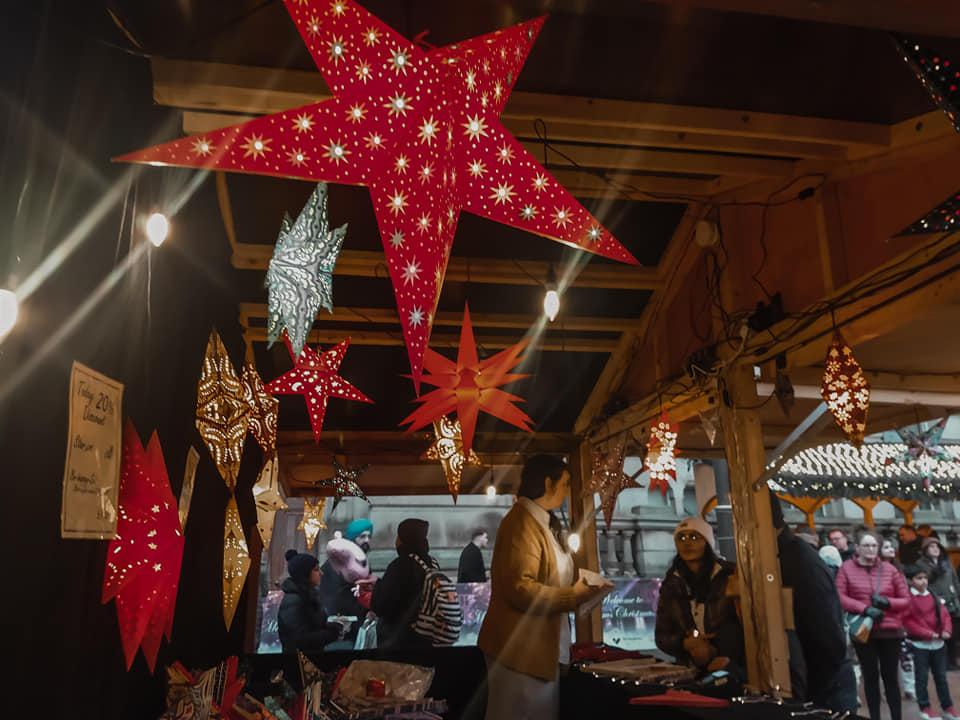
There is something gloriously excessive about a Filipino Christmas. We do not merely decorate; we illuminate. The parol appears in windows, outside houses, along roads and in places where one might reasonably wonder where the extension cable came from. Stars glow in red, yellow, blue and green, sometimes simple and handmade, sometimes large enough to suggest that Bethlehem itself may have relocated to the barangay. Neighbours admire each other’s decorations with approximately ninety percent Christmas spirit and ten percent competitive assessment.

The weather refuses to cooperate with the traditional snow-covered Christmas imagery, of course. December in the Philippines can still be warm and humid, and the closest many of us will come to snow is shaved ice surrendering beneath condensed milk in a dessert. Yet Christmas never felt incomplete because of that. Doors could stay open. Children could play outside. Neighbours could wander in without requiring several layers of thermal clothing. Fairy lights blinked against coconut trees and concrete houses rather than frost-covered roofs, and somehow I never questioned whether Christmas was supposed to look any other way.
It sounded different too. Tricycles passed outside while Christmas music played from houses and shops. Carolers appeared at gates with whatever combination of voices, tambourines and improvised instruments they had managed to assemble. Some groups were genuinely impressive. Others demonstrated admirable confidence. The important thing was enthusiasm.
And then there was food.
Food does a great deal of heavy lifting in Filipino celebrations, and Christmas asks it to work overtime. The smell of bibingka and puto bumbong near churches is still one of the quickest ways to return me mentally to Christmas at home. Bibingka arriving warm, slightly smoky and soft beneath banana leaves; purple puto bumbong covered with coconut and sugar; hands warming around food in the early morning after Mass. It is remarkable how easily the stomach becomes an archivist.
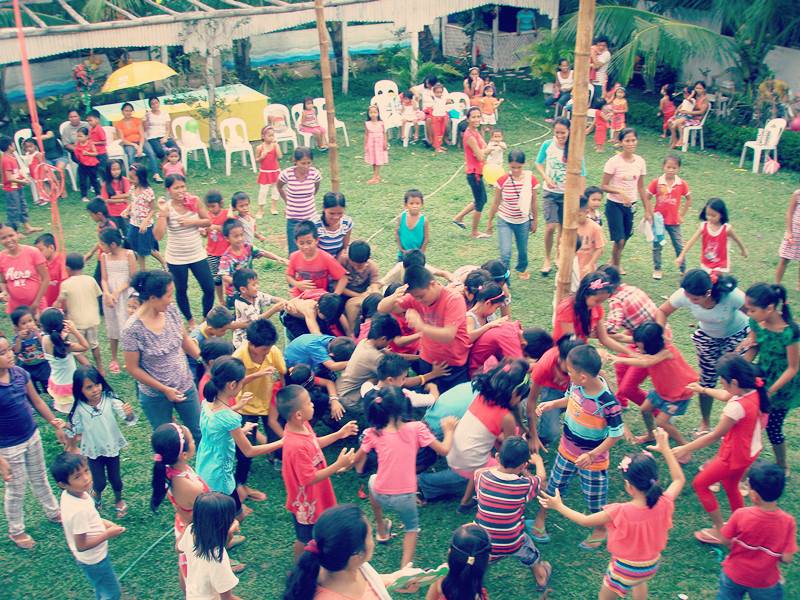
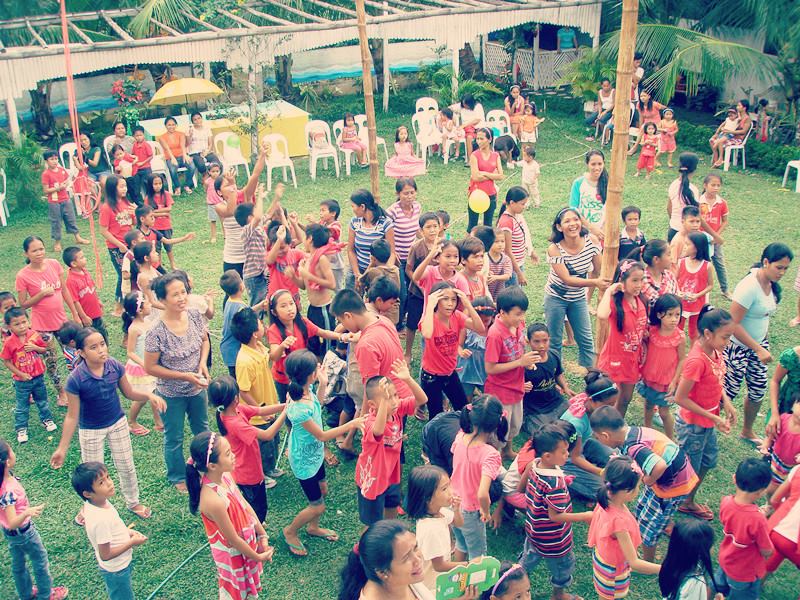
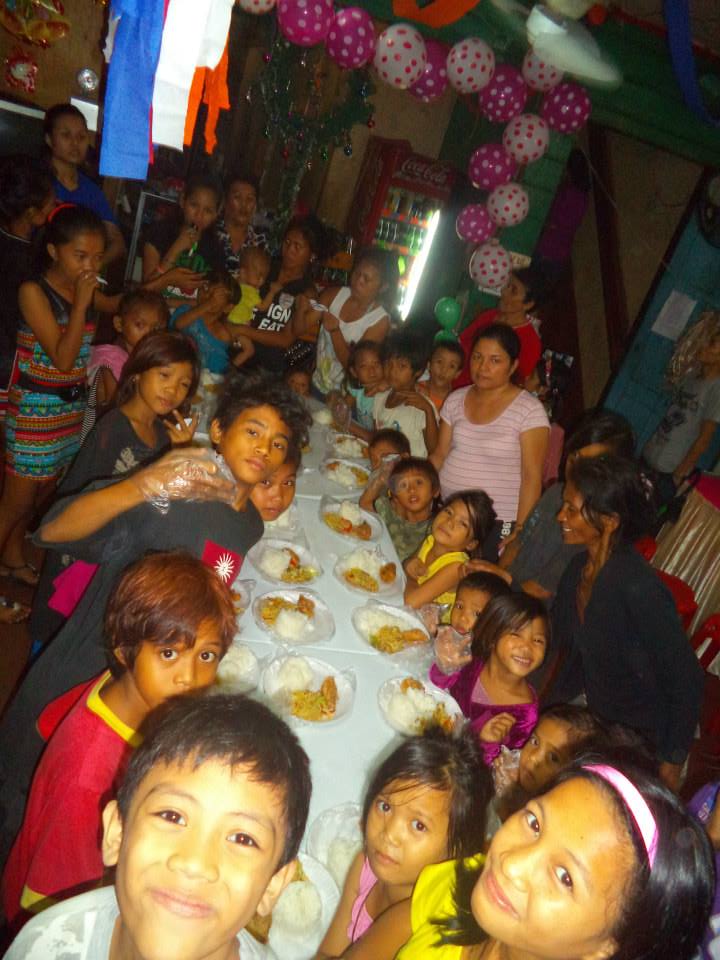
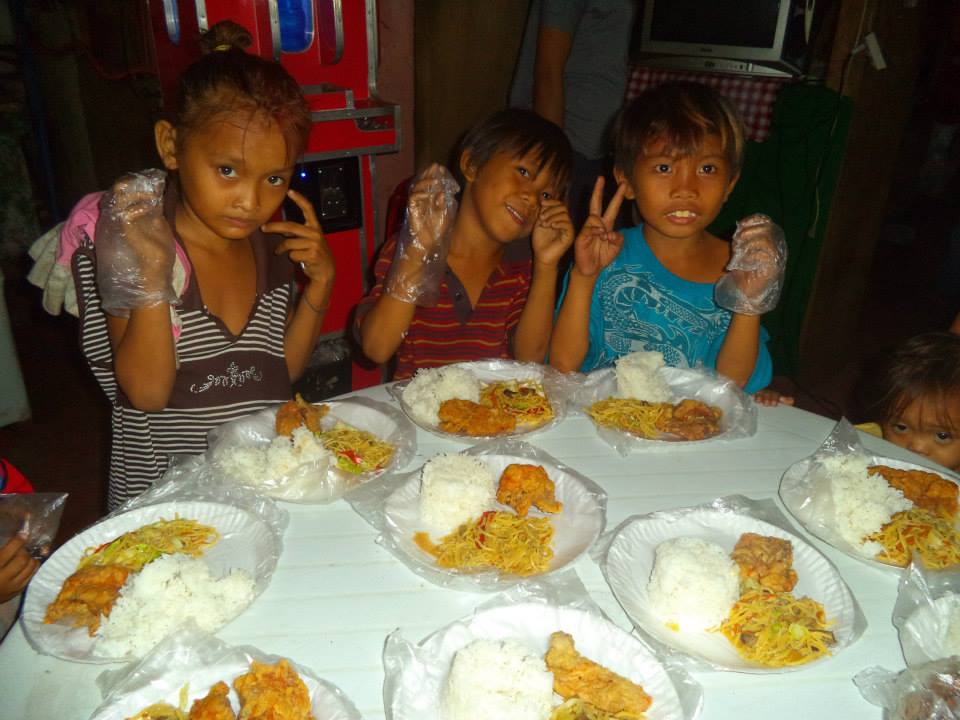
Some of my favourite Christmas memories were never really about receiving anything. I remember spending one December with friends feeding people who were homeless. We arrived carrying food, but I think we left carrying far more than we had brought. There is a peculiar humility in giving something simple and watching it become important to someone else. Christmas becomes less decorative after that. The lights are still beautiful, but you begin noticing the people standing beneath them.
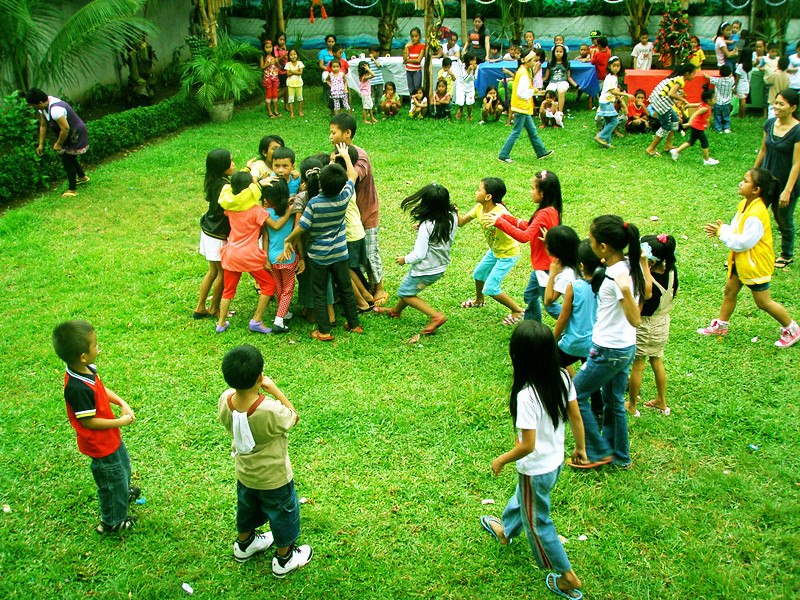
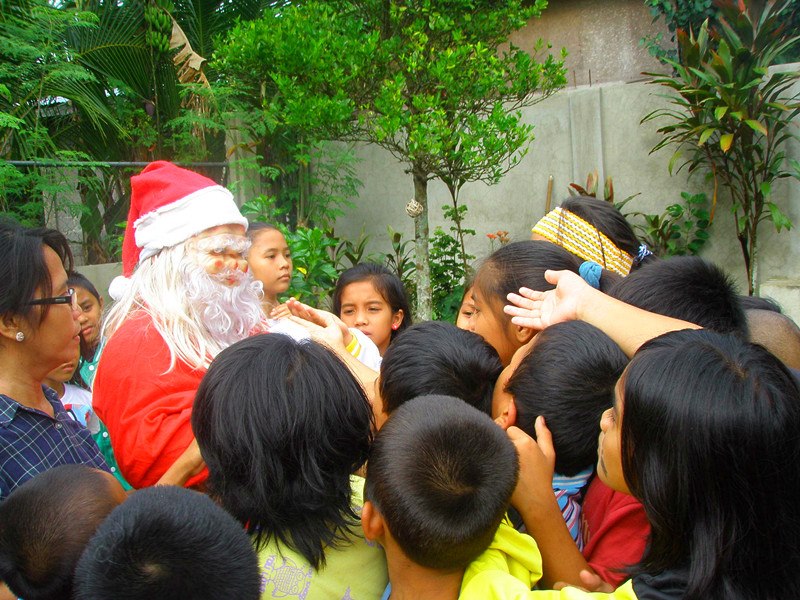
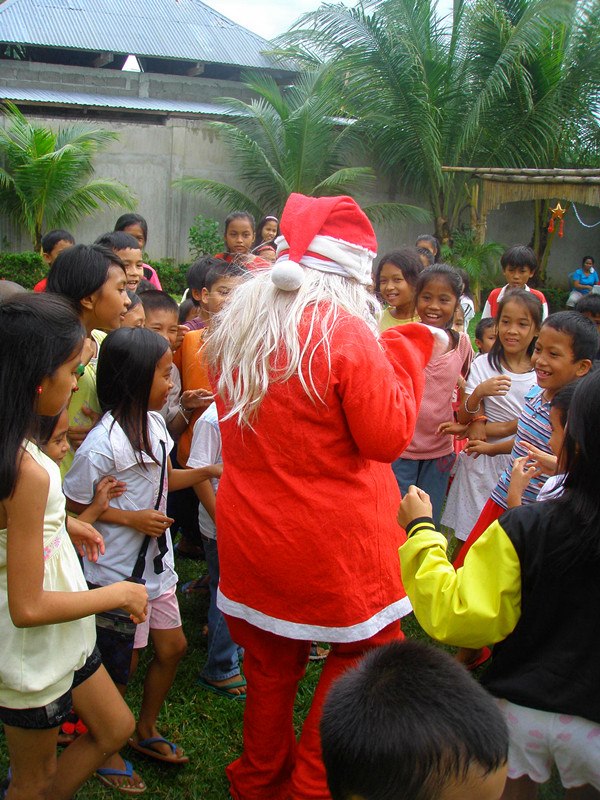
In my hometown, there were Christmas parties for children too—games, laughter, colourful wrapping paper, the usual joyful disorder that occurs whenever a group of excited Filipino children is placed near prizes and sweets. Nothing remained particularly organised for long. That was part of the charm. Somebody was always running in the wrong direction, somebody was crying because somebody else had won something, and five minutes later they were friends again because food had appeared.
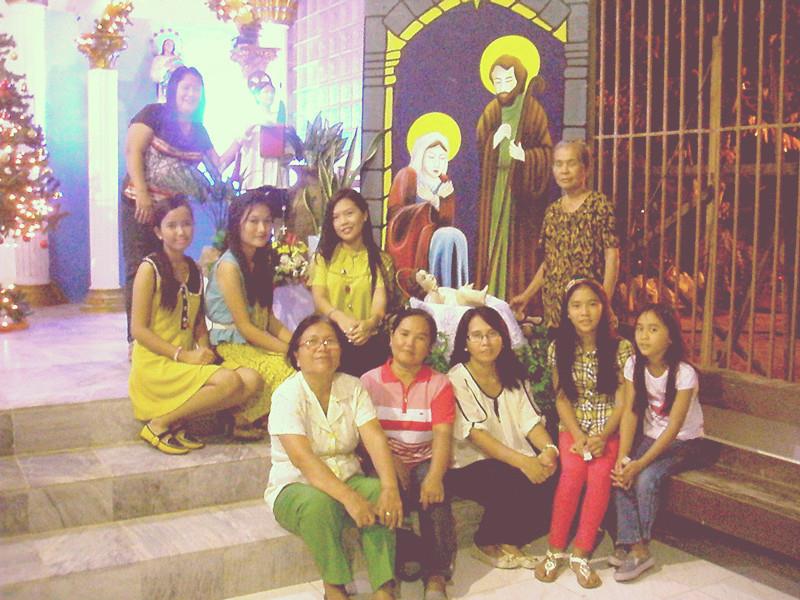
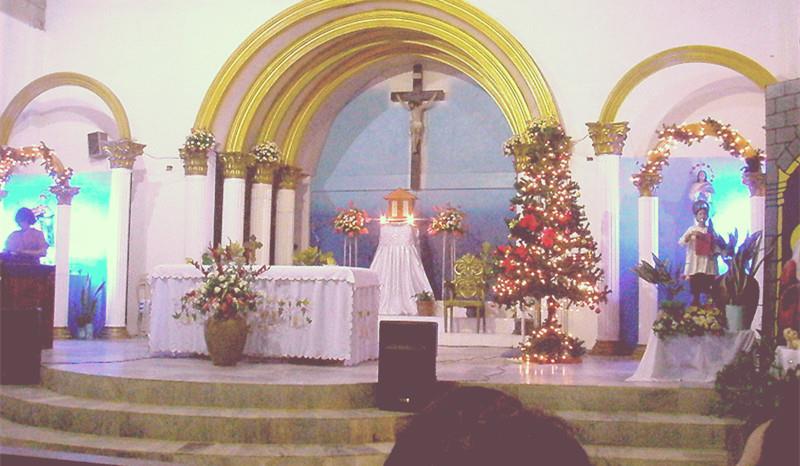
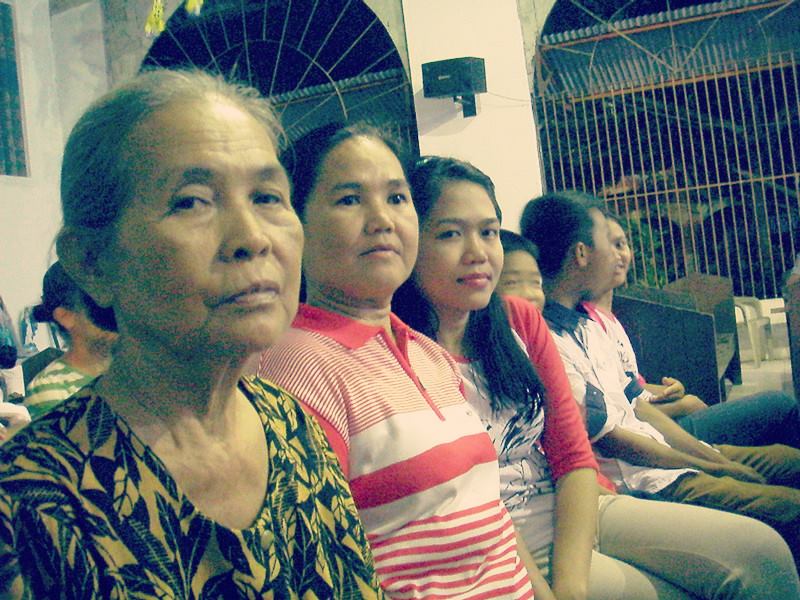
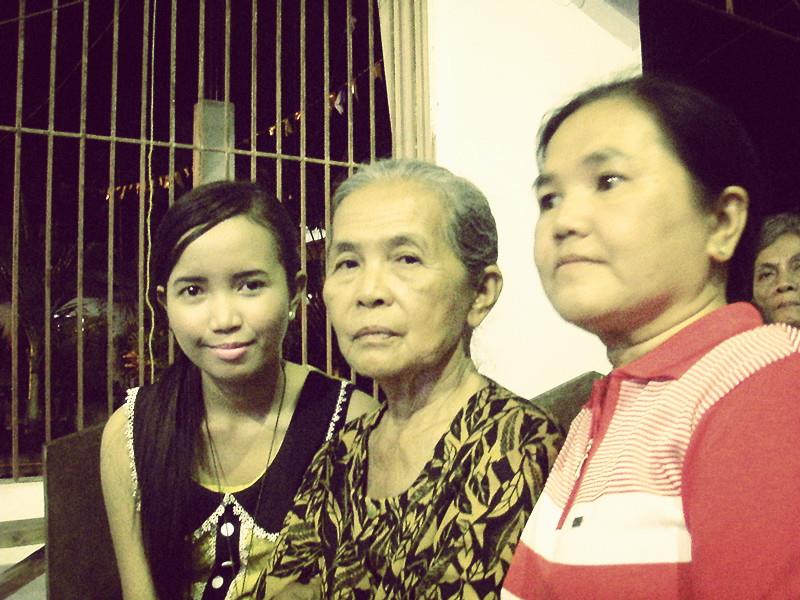
But Simbang Gabi remains one of the Christmas traditions closest to me. Nine Masses leading towards Christmas, attended while much of the world still seemed asleep. There was something special about leaving home before sunrise with my family, stepping into the cooler air and joining other people making their way towards church. Streets that normally belonged to darkness were suddenly occupied by families, friends, vendors and worshippers moving beneath lights towards the same place.
The church itself carried a different atmosphere at that hour. People arrived still waking, perhaps slightly cold by Philippine standards, some probably negotiating internally with the alarm clock they had abandoned. Yet once Mass began, the inconvenience of the hour seemed to matter less. Faith has a way of making certain sacrifices feel small after you have already made them.
Afterwards came one of Christianity’s more persuasive unofficial incentives: breakfast.
The smell of freshly cooked bibingka or puto bumbong waiting outside made the journey home considerably more cheerful. The sky would begin changing colour while people ate, talked and slowly dispersed. Dawn arrived almost as part of the liturgy—darkness gradually giving way to gold while Christmas drew closer one morning at a time.




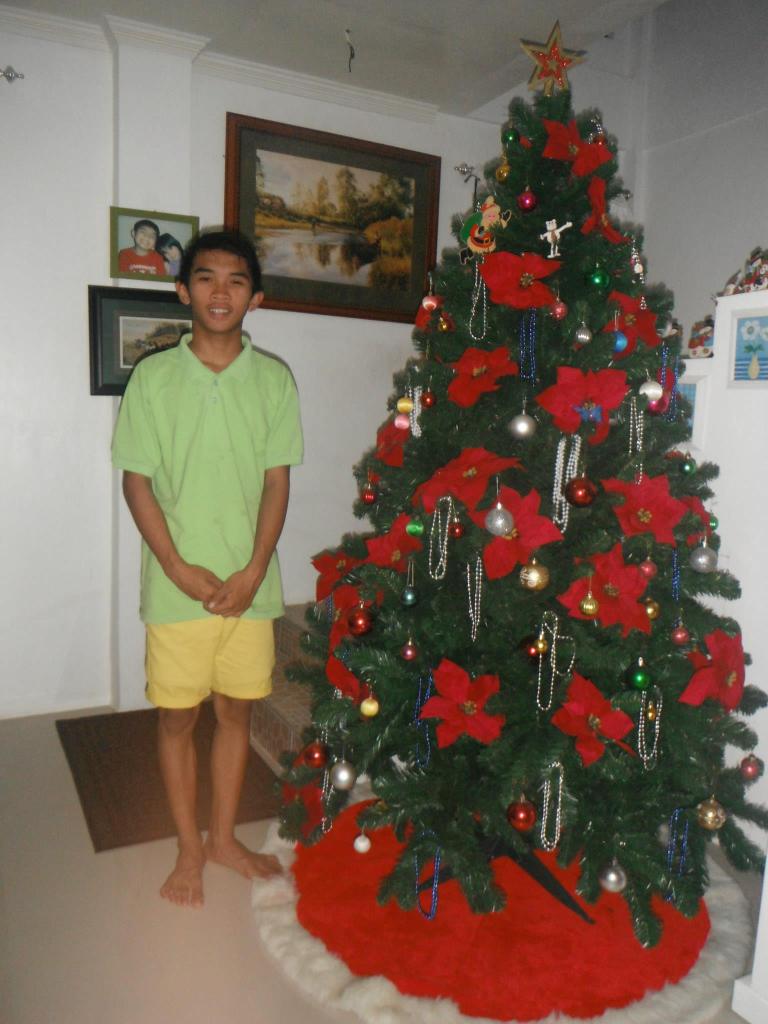
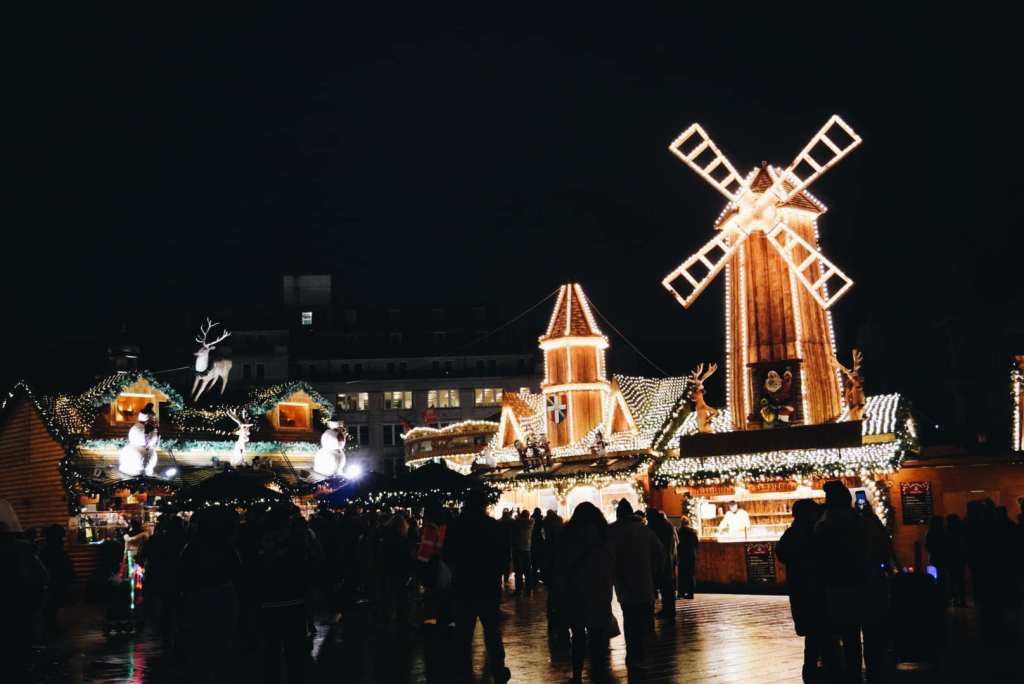
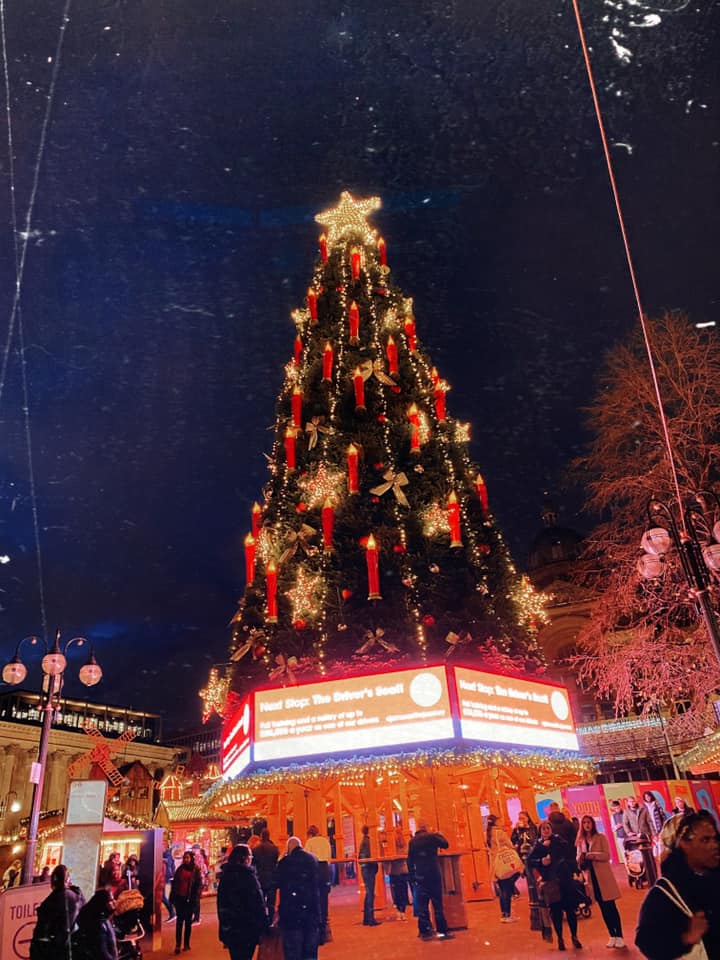
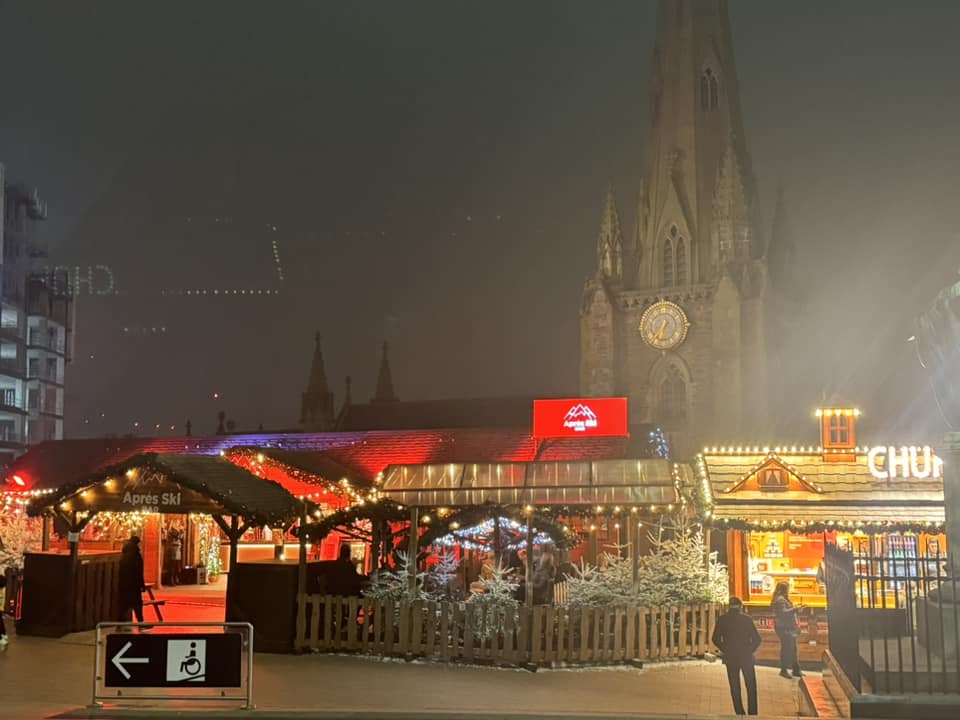
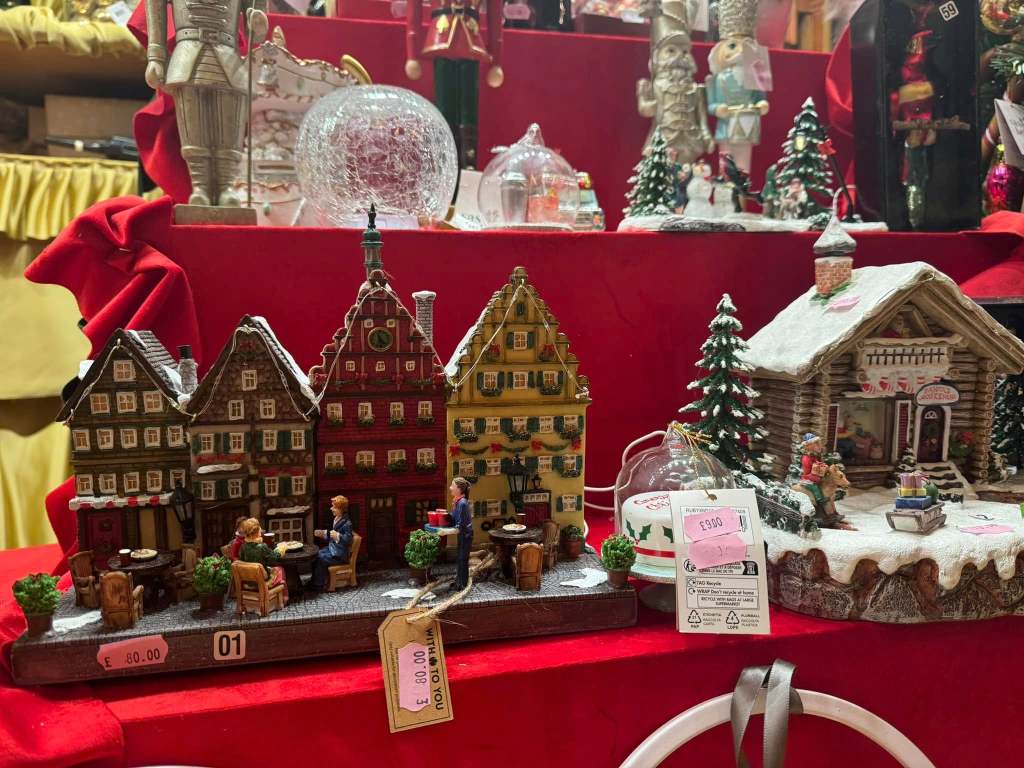
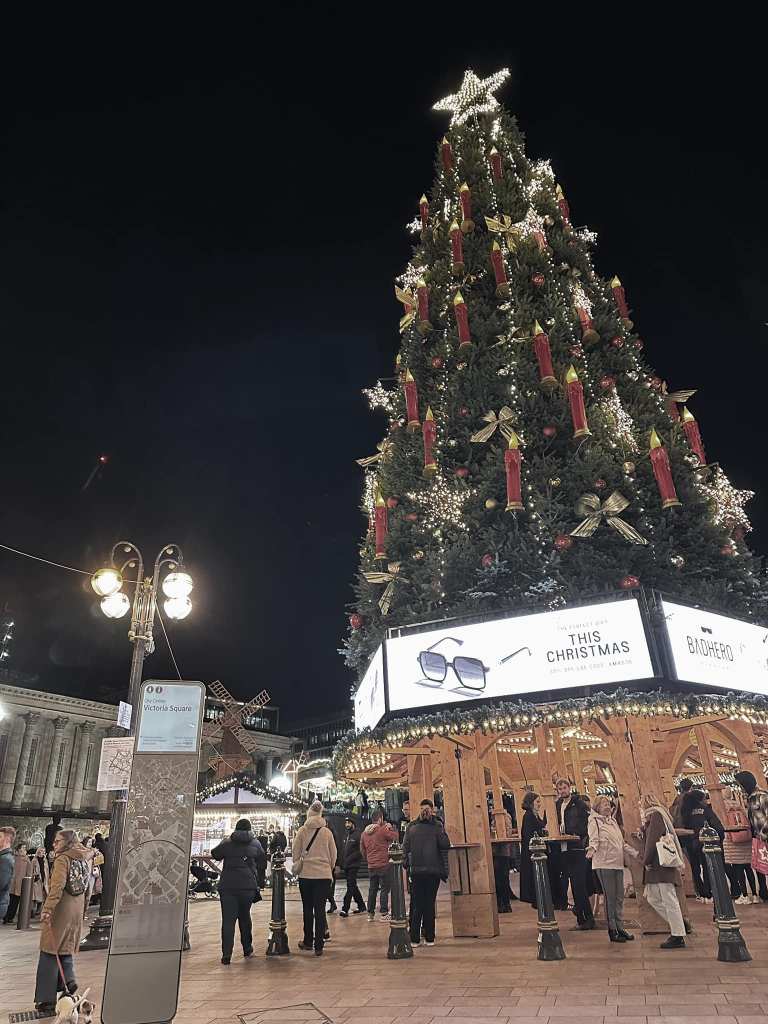
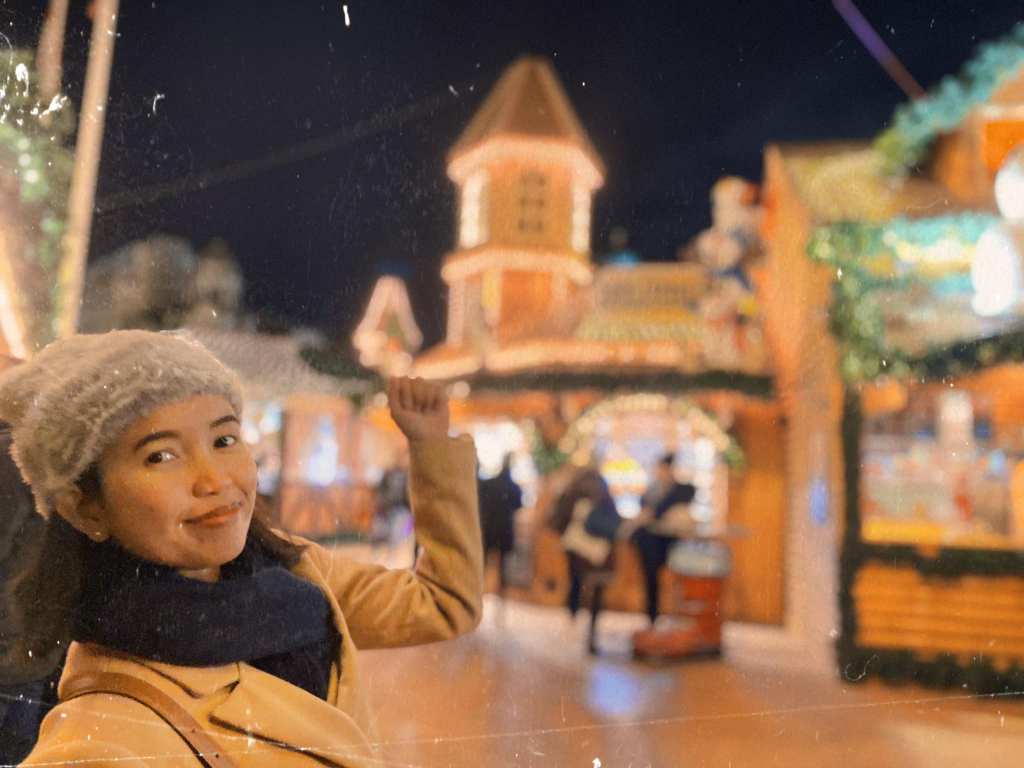
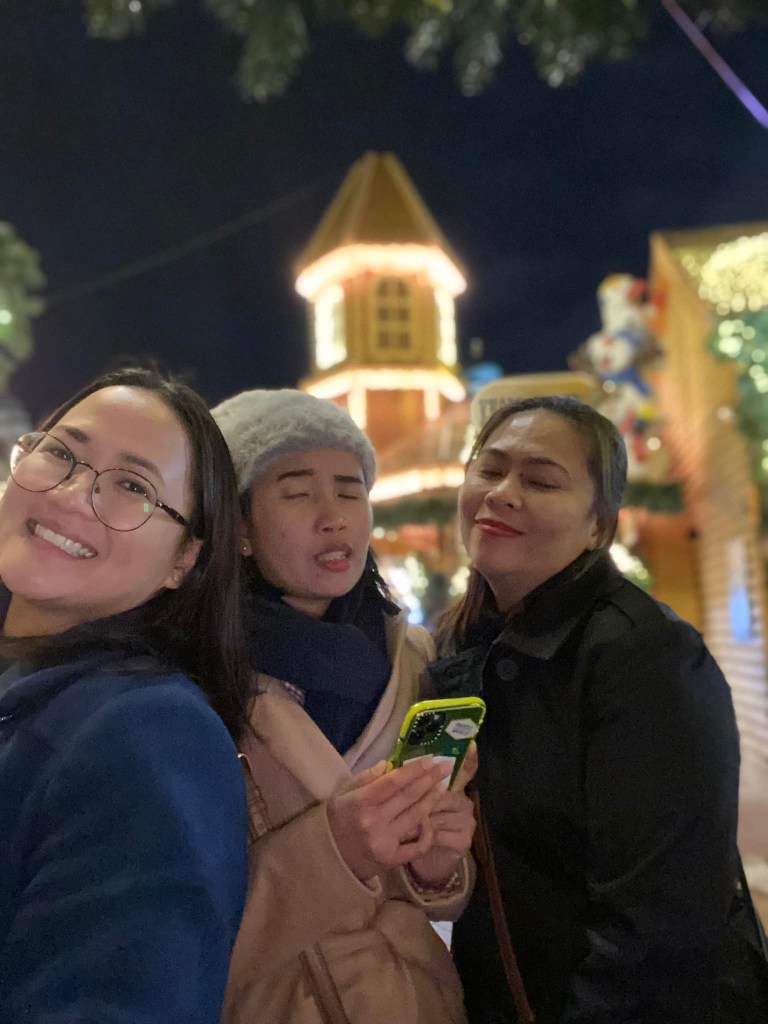
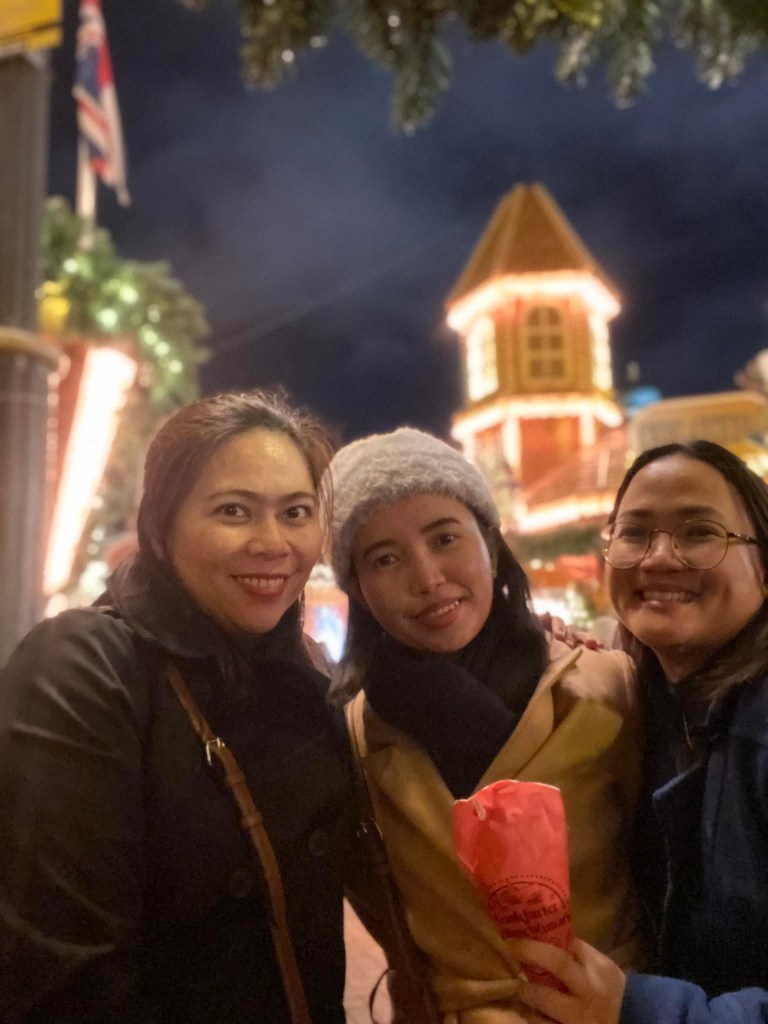
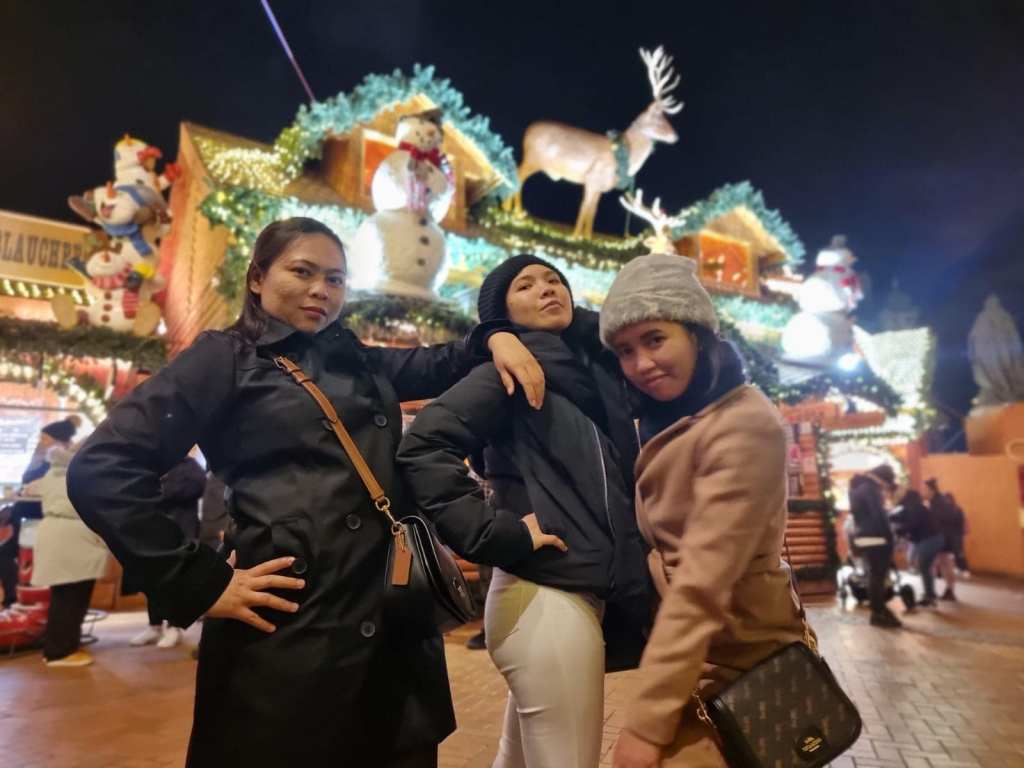
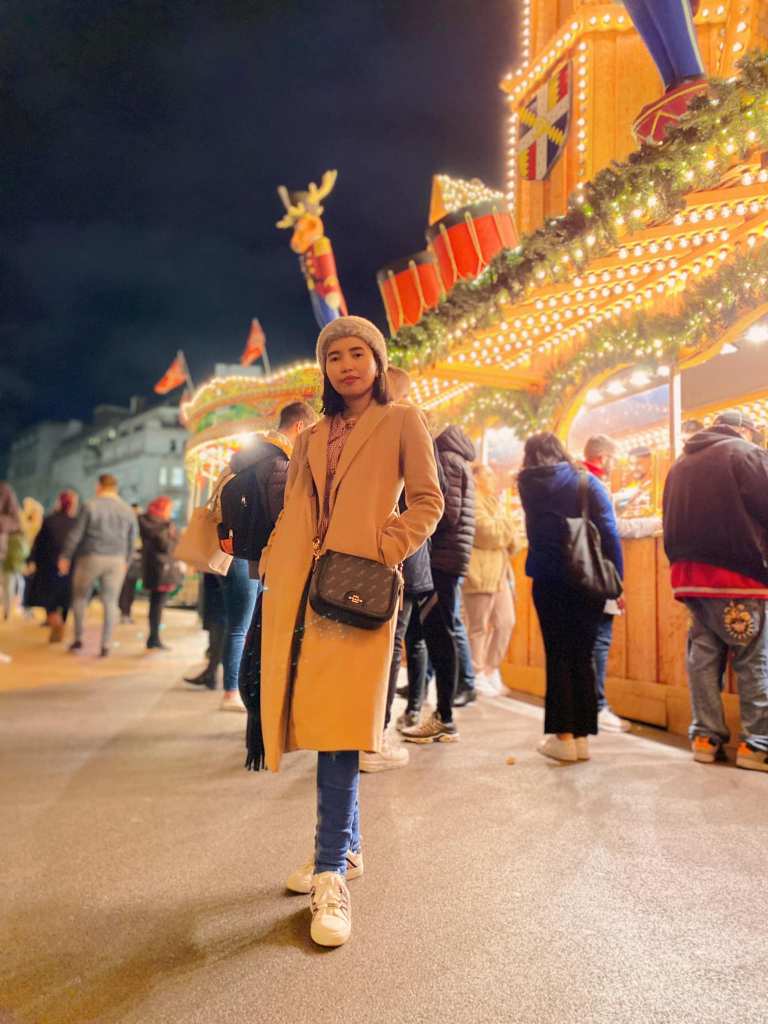
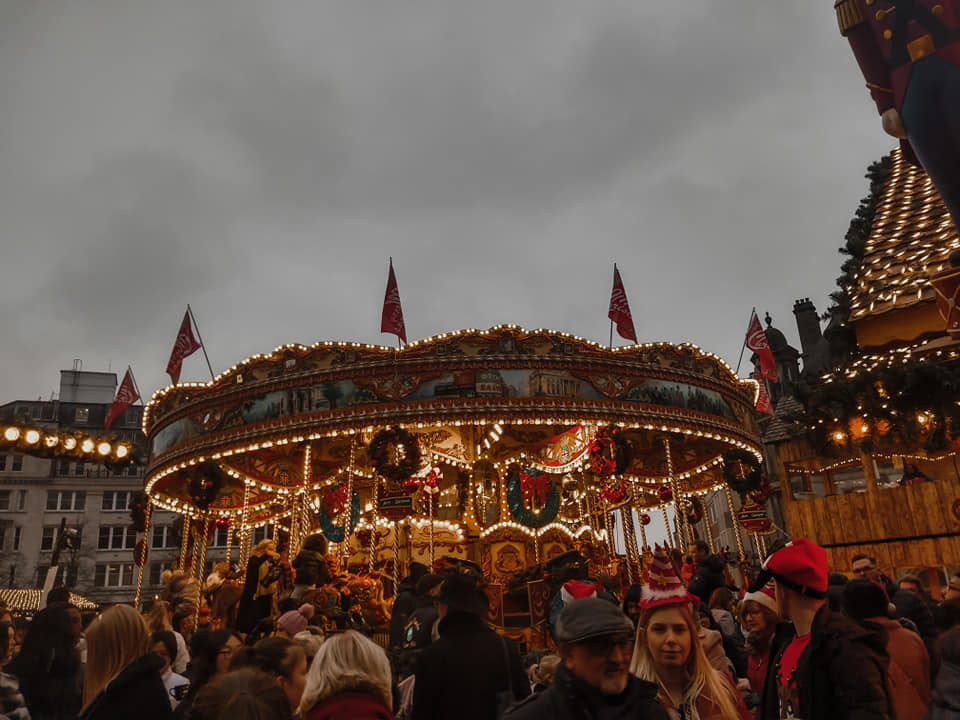
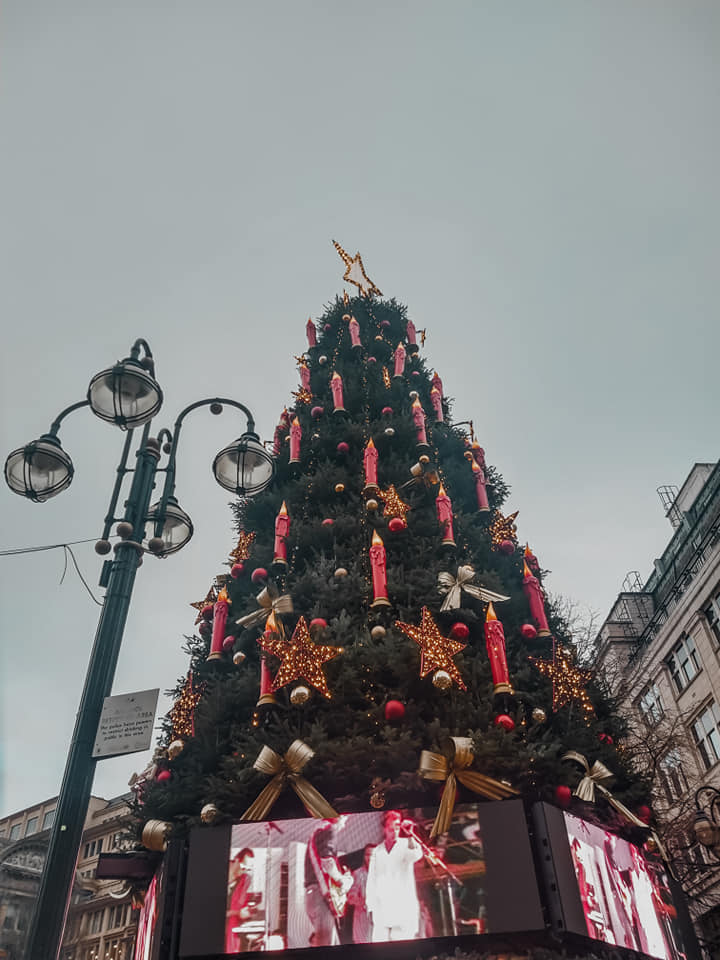
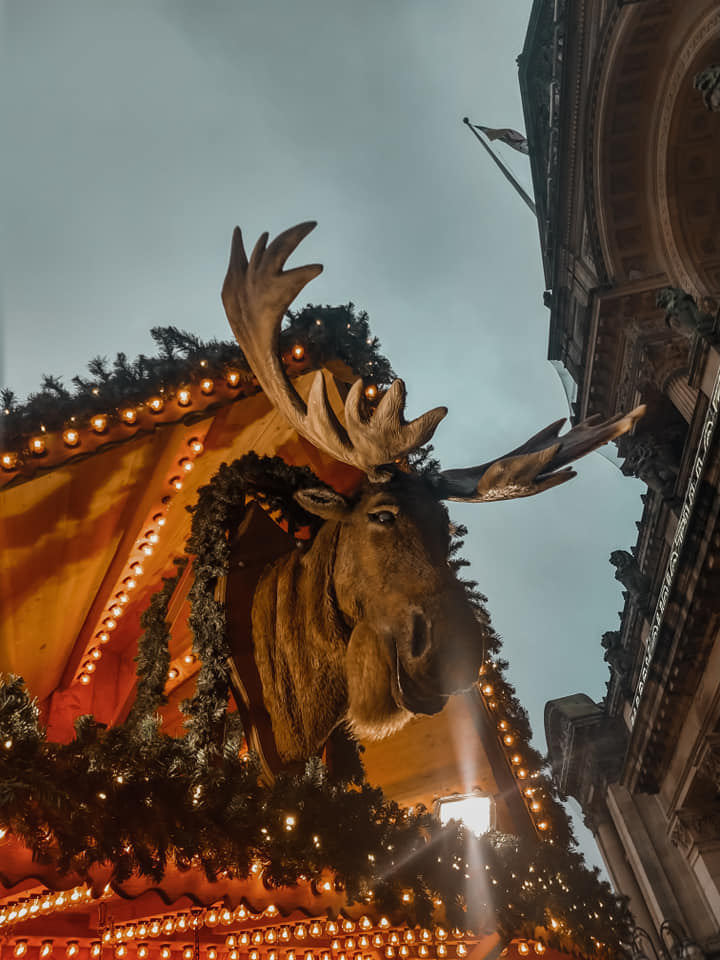
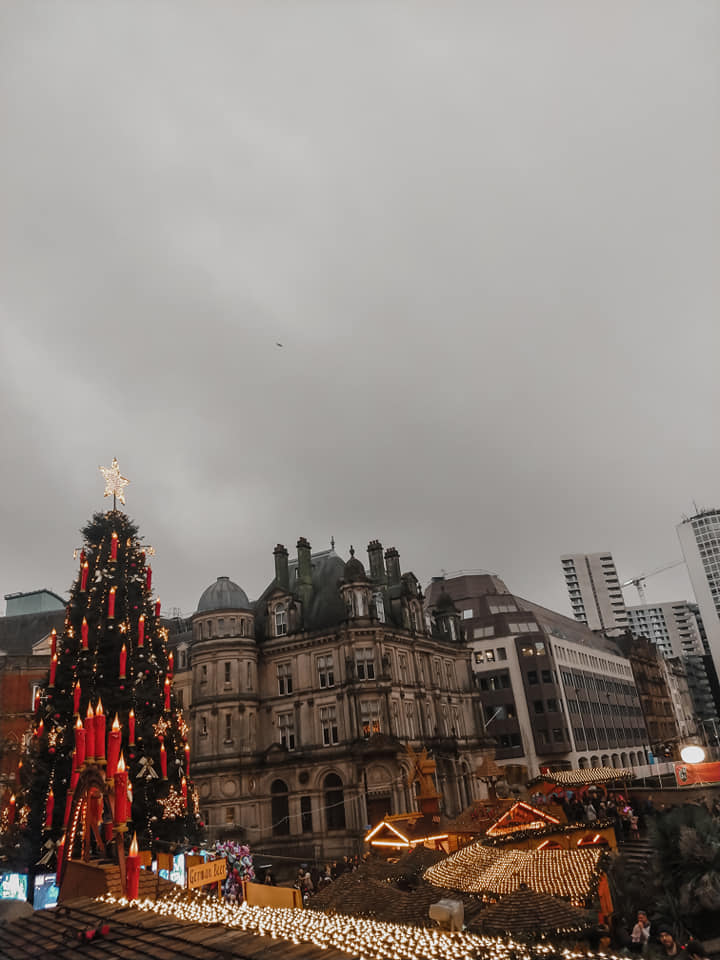
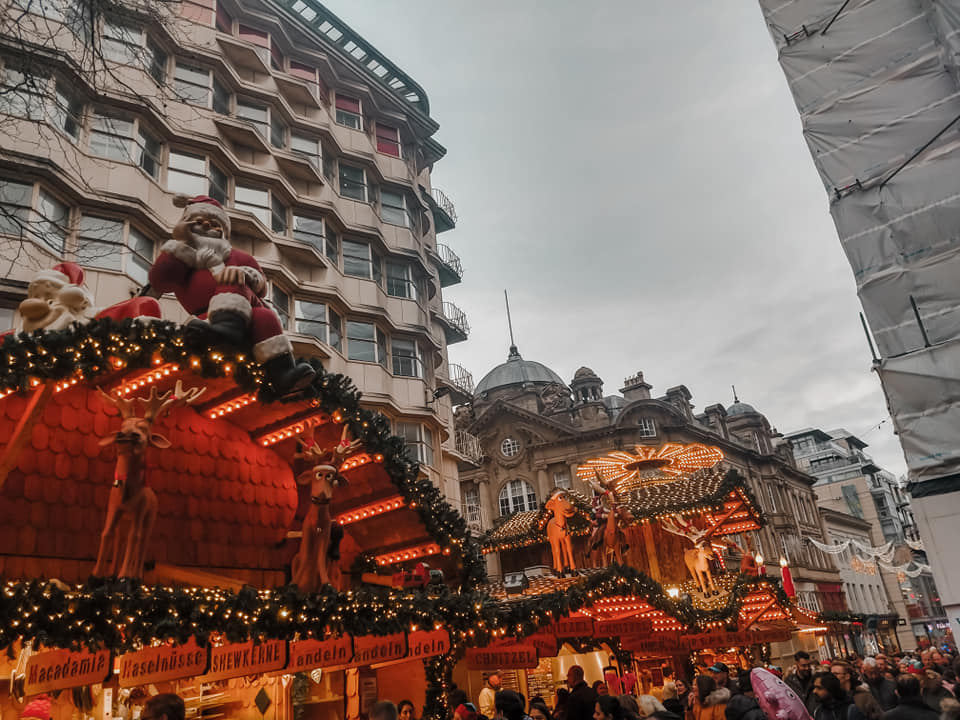
When I moved to England, Christmas changed costume. Here, it waits a little longer before making its entrance. Autumn has to finish first; leaves collapse into gutters, daylight begins disappearing at an unreasonable hour, and the first proper cold settles into the pavements. Then, gradually, the lights appear. Christmas in England feels cinematic in a way that still appeals to the part of me raised on films in which December always involved scarves, glowing windows and weather requiring attractive coats. Streets are threaded with fairy lights, shop windows become miniature stages, and real Christmas trees begin appearing outside houses and markets, bringing that green, resinous smell that somehow makes cold air smell even colder. On frosty mornings, roofs and pavements can look dusted with sugar, and even your own breath becomes part of the scenery. I remember being fascinated by that when I first experienced winter here—the little cloud that appears every time you breathe outside, something completely ordinary to people who grew up with it and strangely magical to someone from Cebu. Migration does that occasionally; it makes you feel like a child again because your body is finally meeting something your imagination had only known through films.
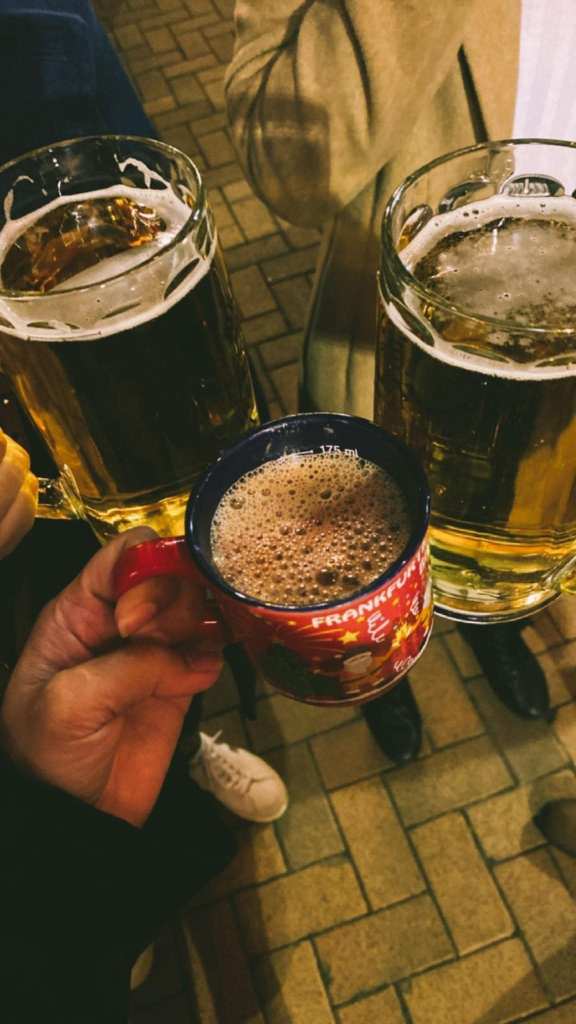
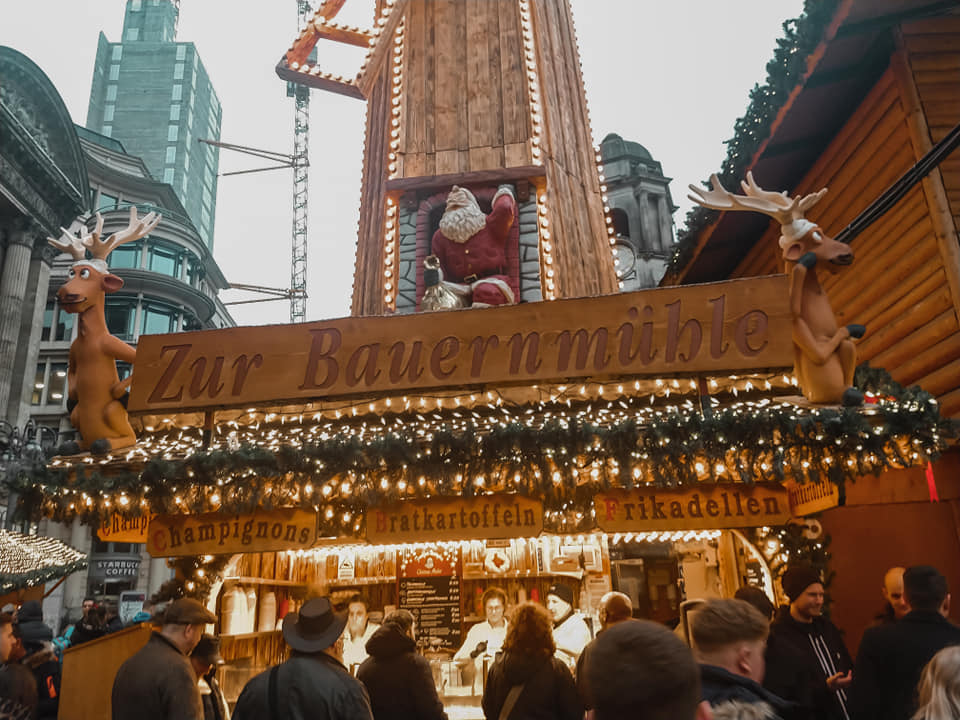
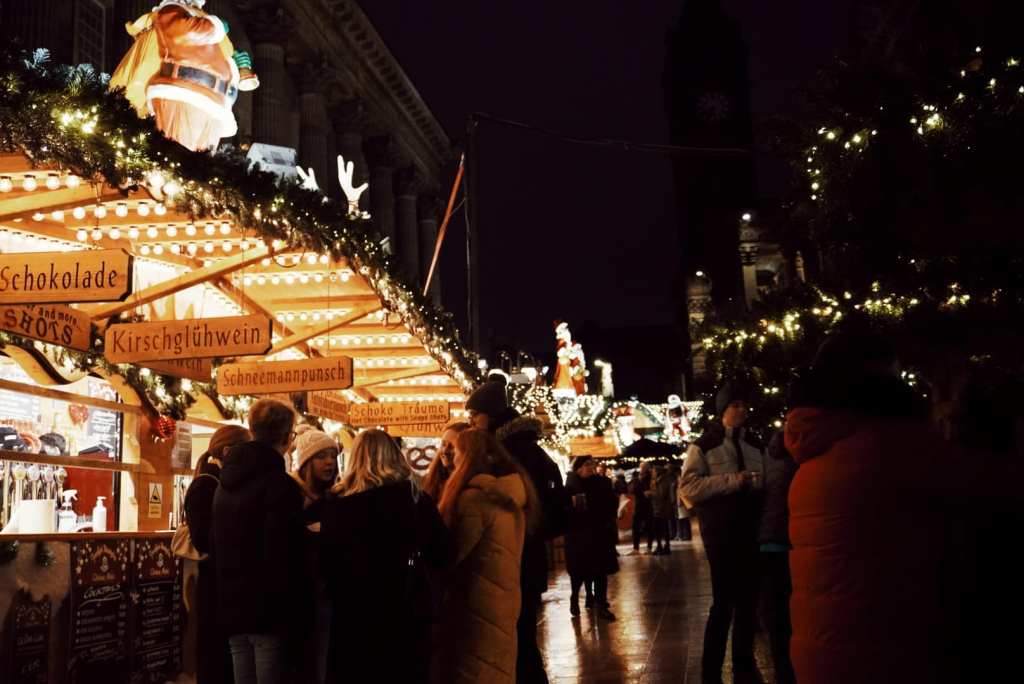
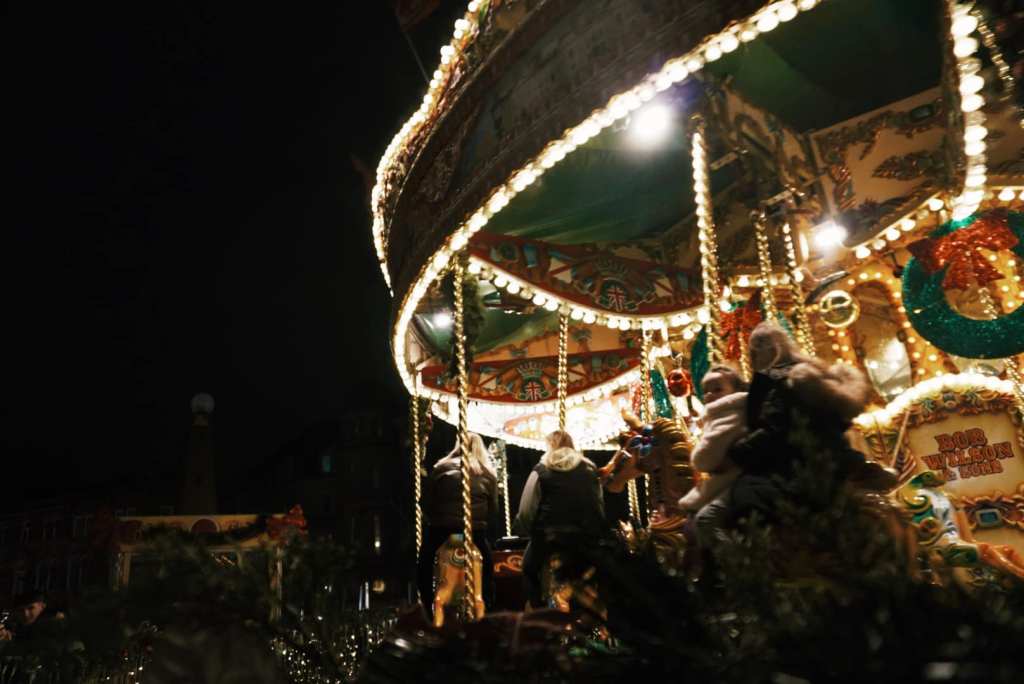
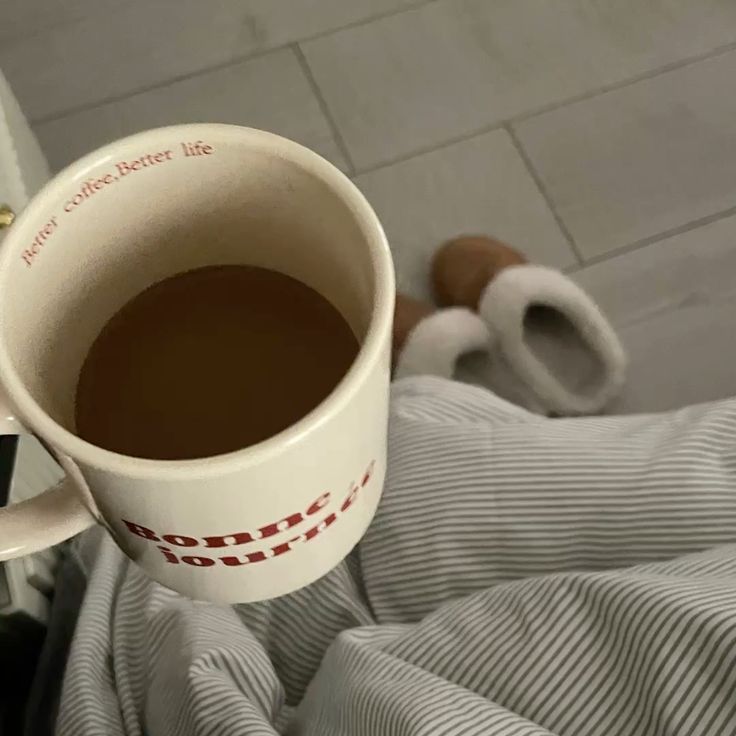
The Christmas adverts begin too, those beautifully produced little emotional traps designed to sell something while somehow making you think about family, ageing, kindness and whether you have appreciated your grandmother enough this year. I know exactly what they are doing, and I still occasionally cry, so marketing wins. The season here feels more restrained than the Filipino four-month campaign, but England knows how to make darkness beautiful. Fairy lights glow more intensely because the evenings come so early, warm cafés become more inviting because your fingers are cold, and a cup of tea acquires an emotional importance it probably does not deserve. Windows shine against dark streets, and for a few weeks the country seems determined to compensate for the lack of daylight by attaching lights to everything else.
Processed with VSCO with a6 preset 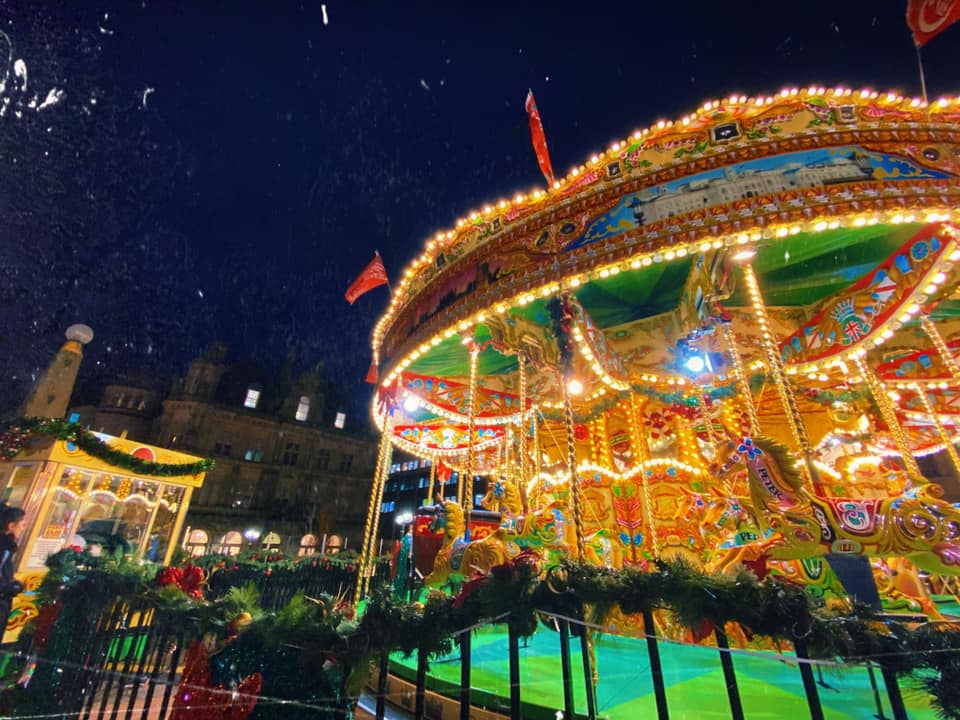


Processed with VSCO with g7 preset 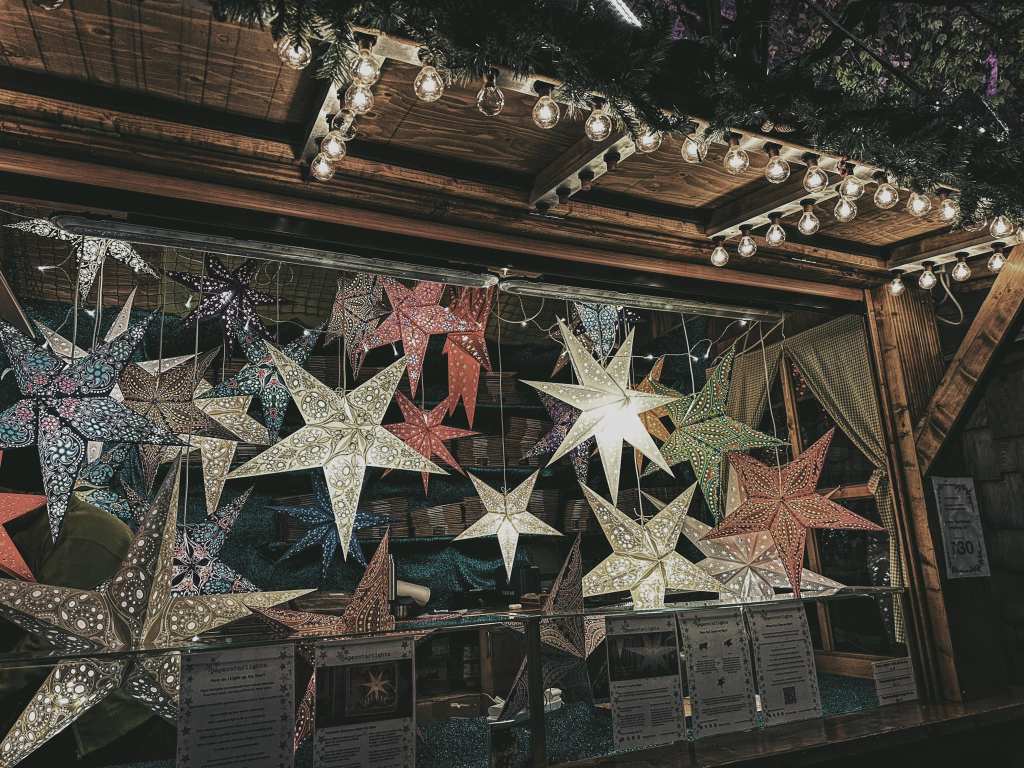
Processed with VSCO with a7 preset 
Processed with VSCO with a7 preset 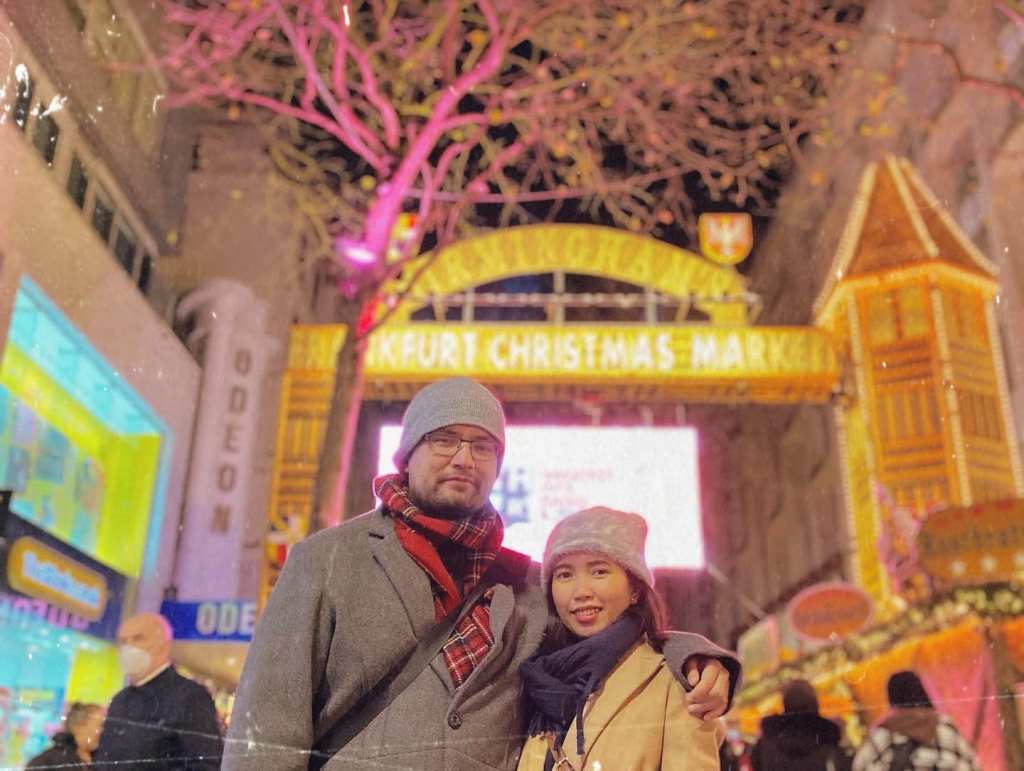






Processed with VSCO with j6 preset 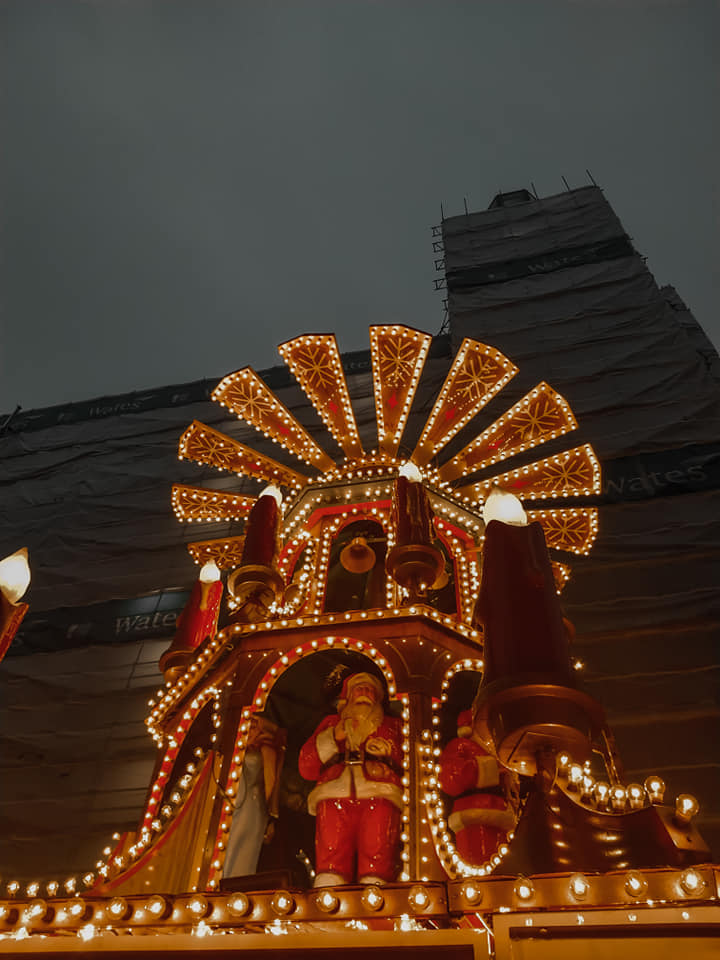
Processed with VSCO with j5 preset 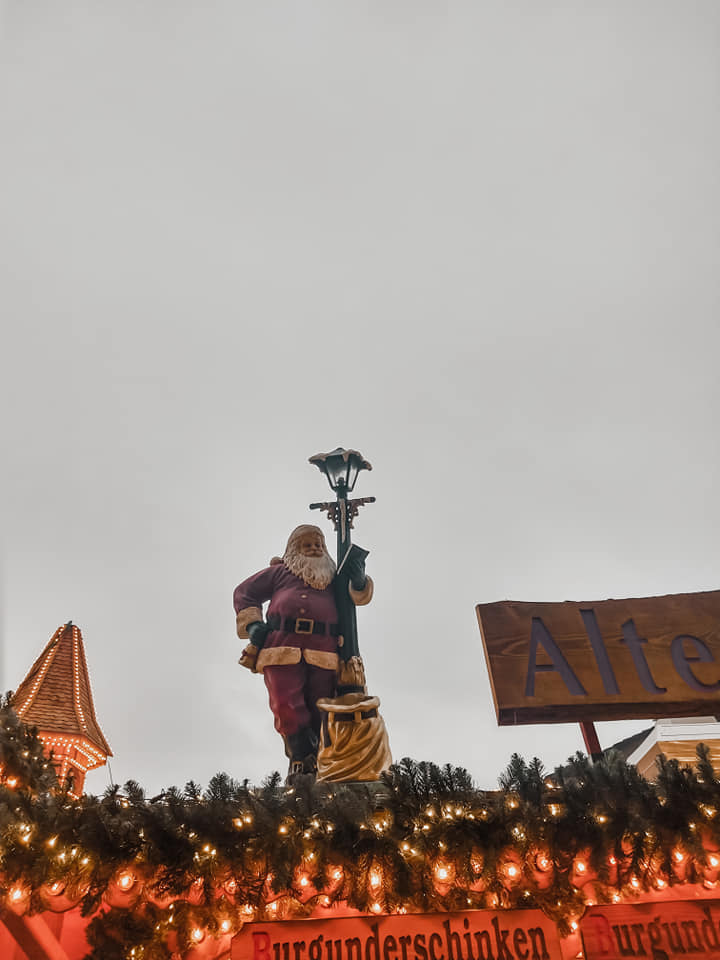
Processed with VSCO with j6 preset 
Processed with VSCO with aga3 preset 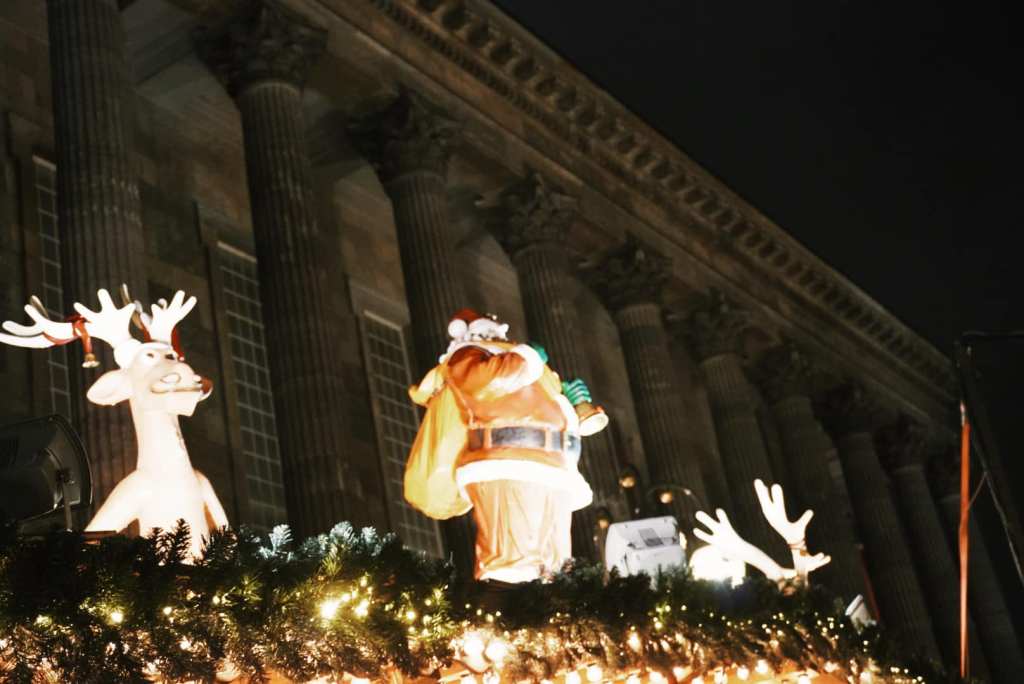
Processed with VSCO with j6 preset 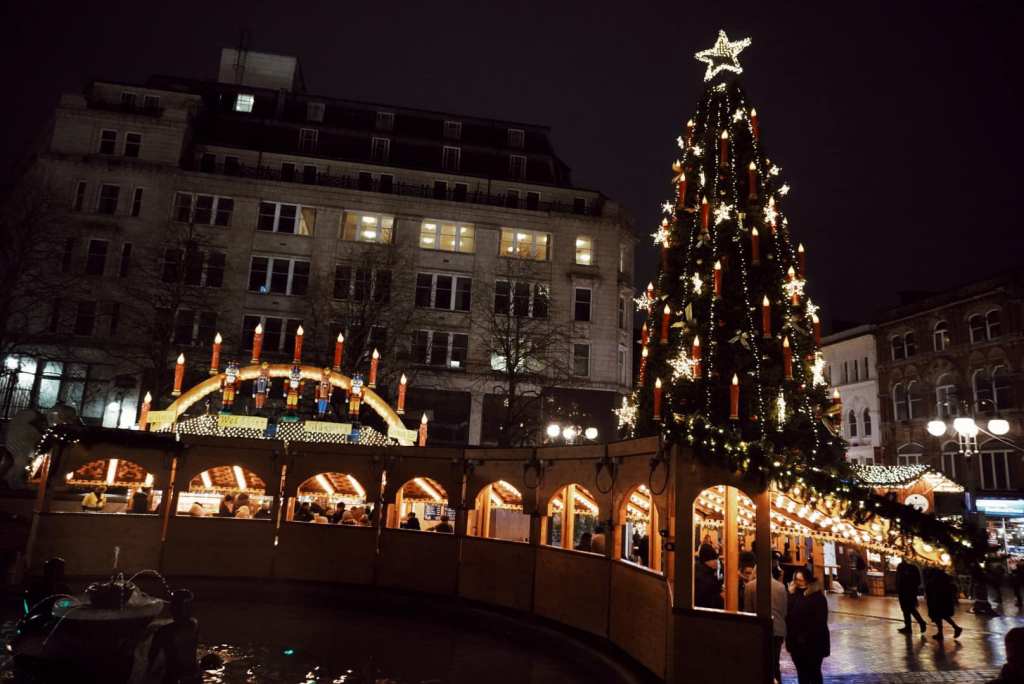
Processed with VSCO with j5 preset 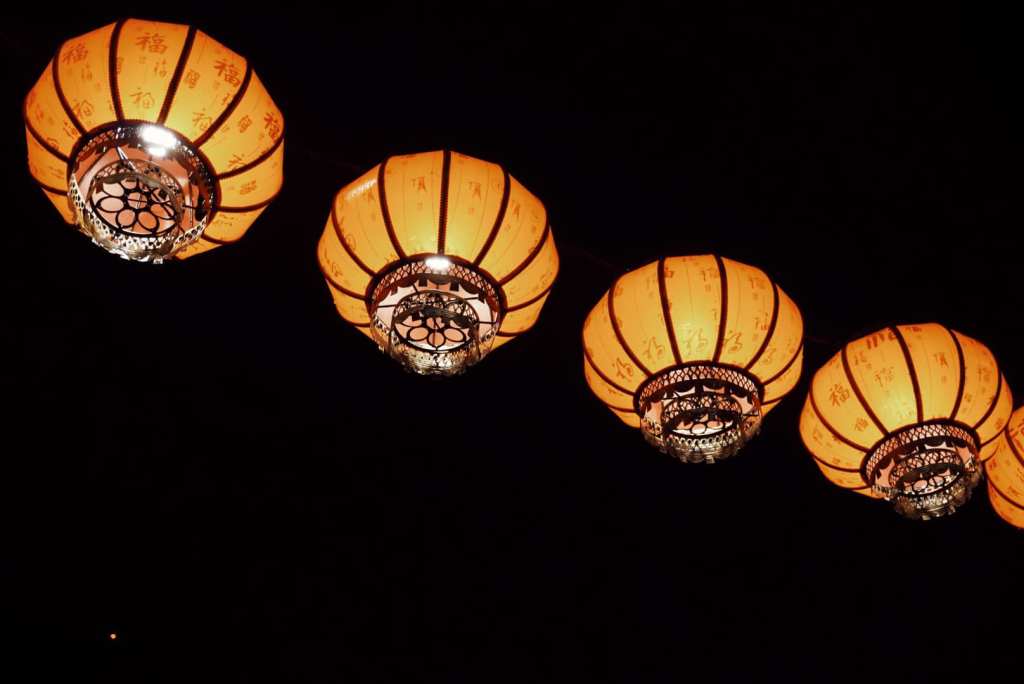
Processed with VSCO with j5 preset 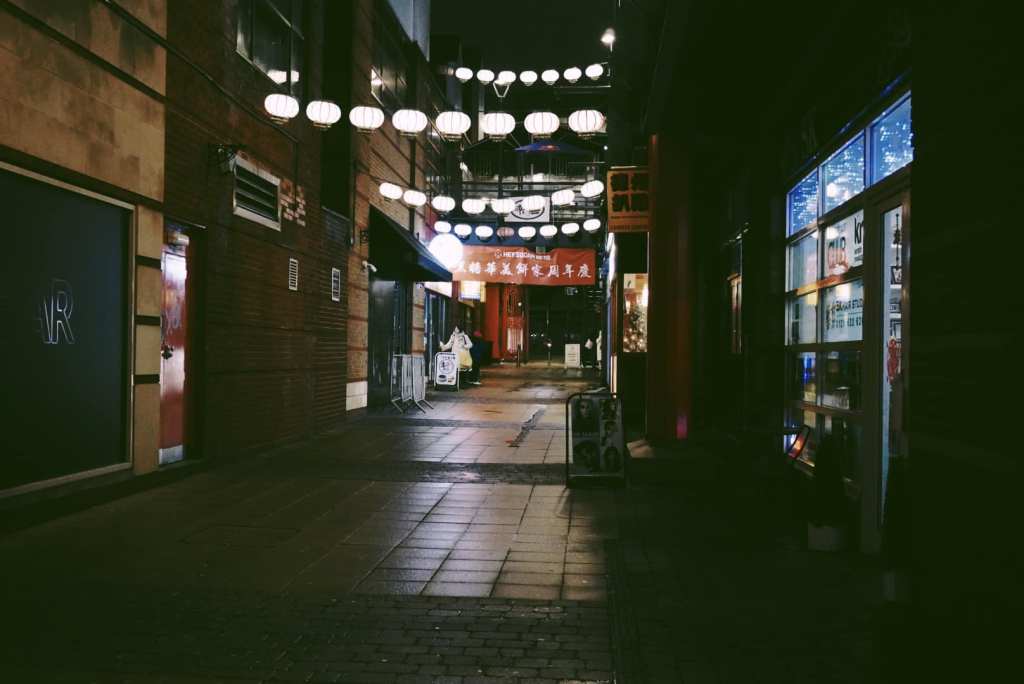
Processed with VSCO with aga3 preset 
Processed with VSCO with ss3 preset 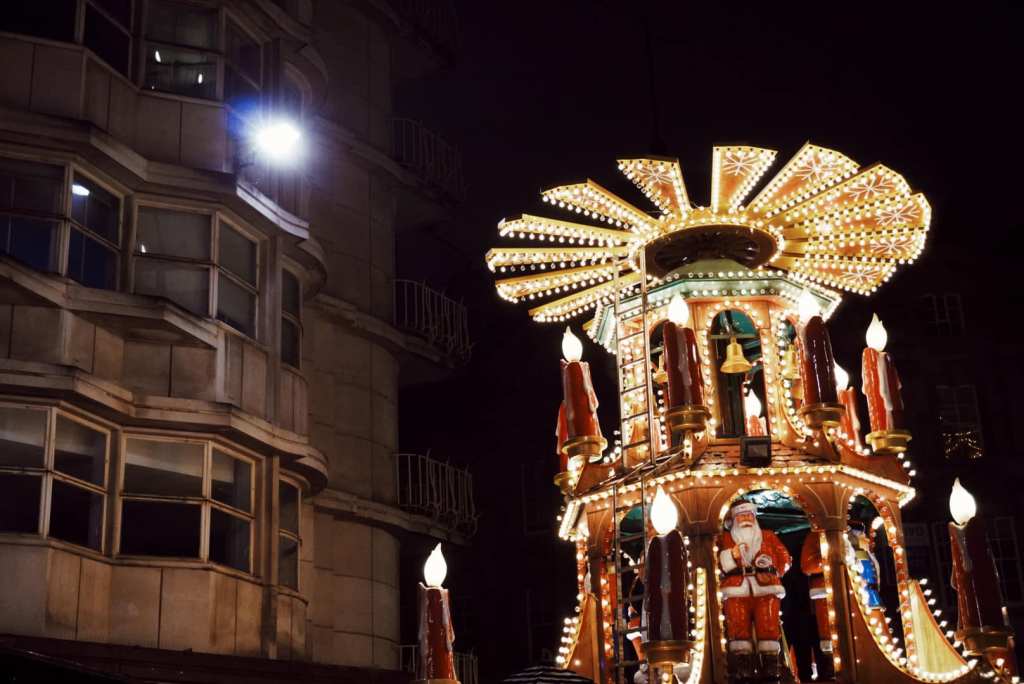
Processed with VSCO with j5 preset 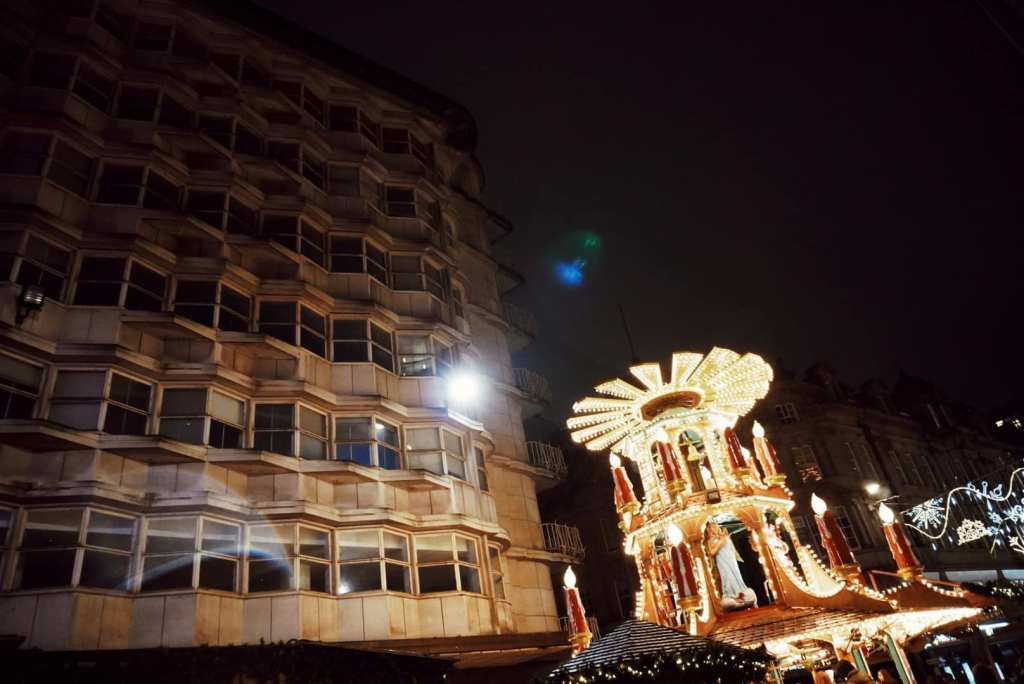
Processed with VSCO with j5 preset 
Processed with VSCO with j6 preset 
Processed with VSCO with j6 preset 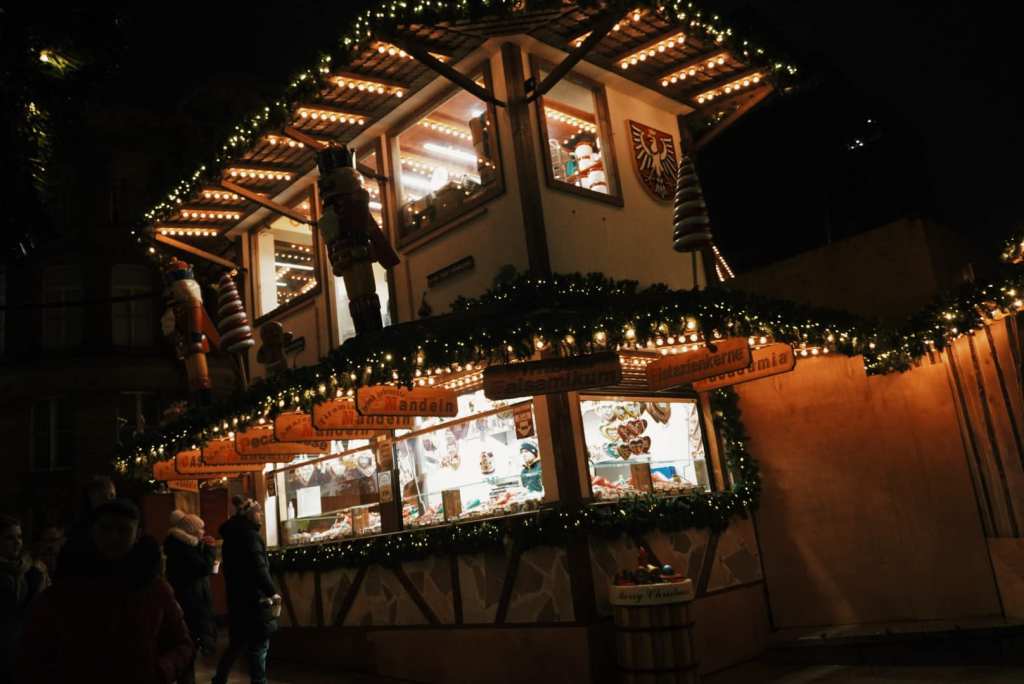
Processed with VSCO with j6 preset 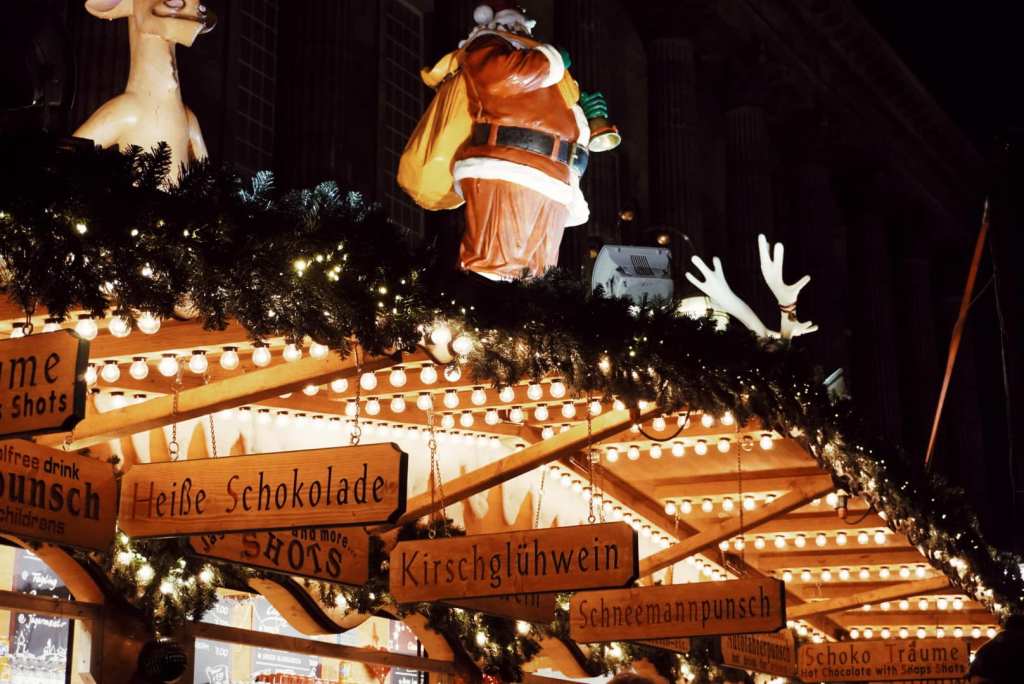
Processed with VSCO with j5 preset 
Processed with VSCO with j5 preset 
Processed with VSCO with j5 preset 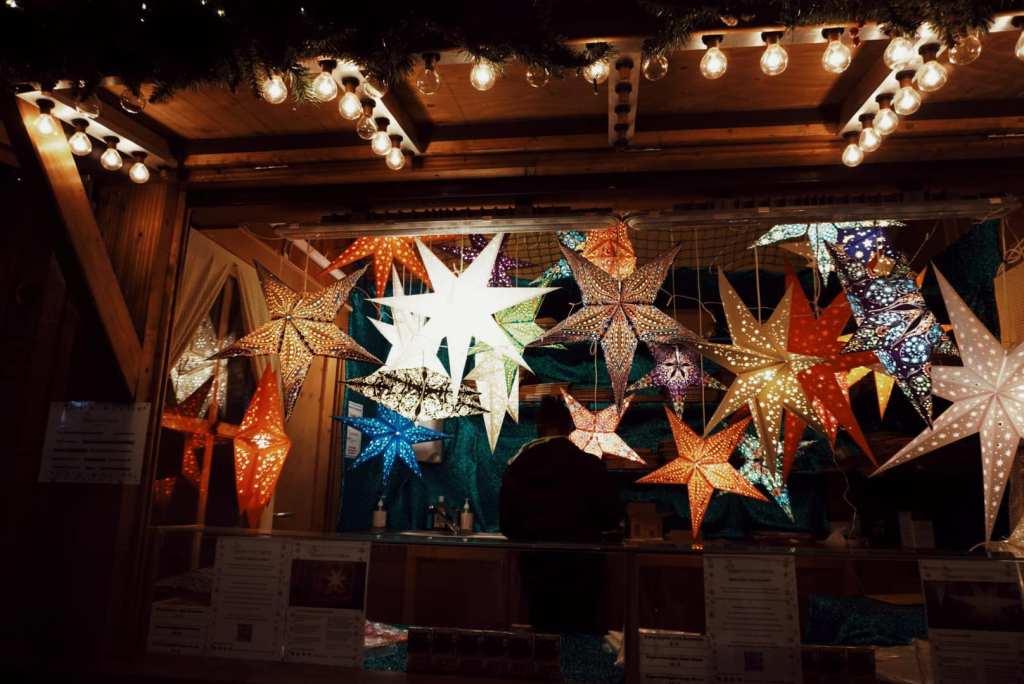
Processed with VSCO with j5 preset 
Processed with VSCO with j5 preset 
Processed with VSCO with c1 preset 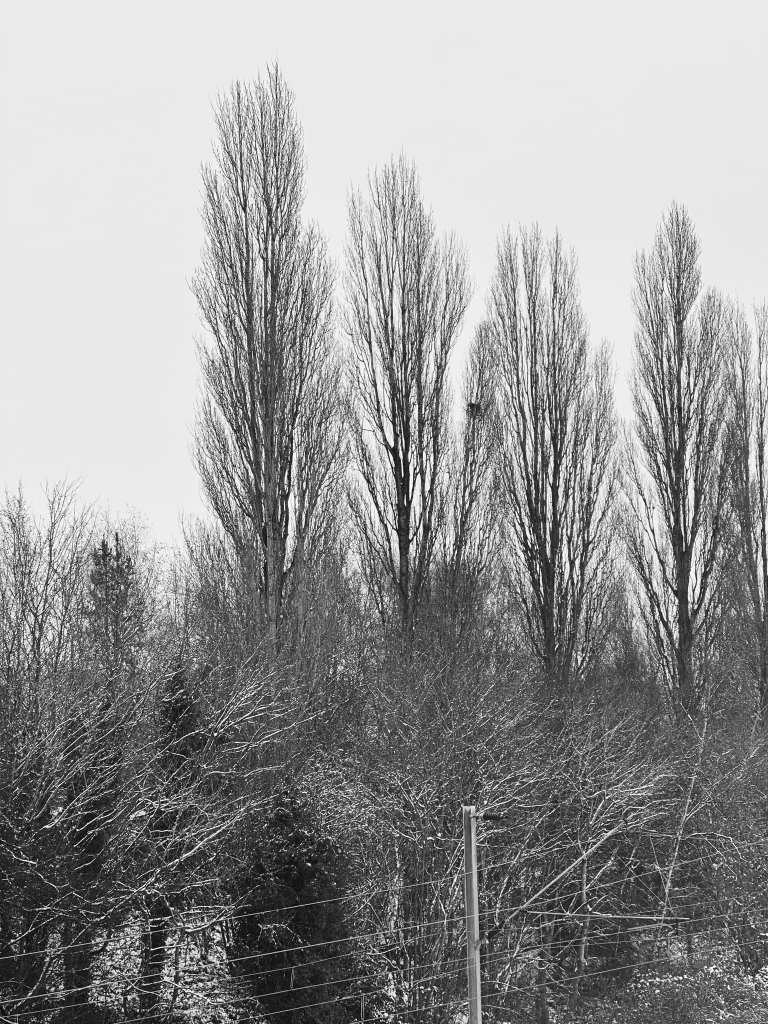
Processed with VSCO with b1 preset 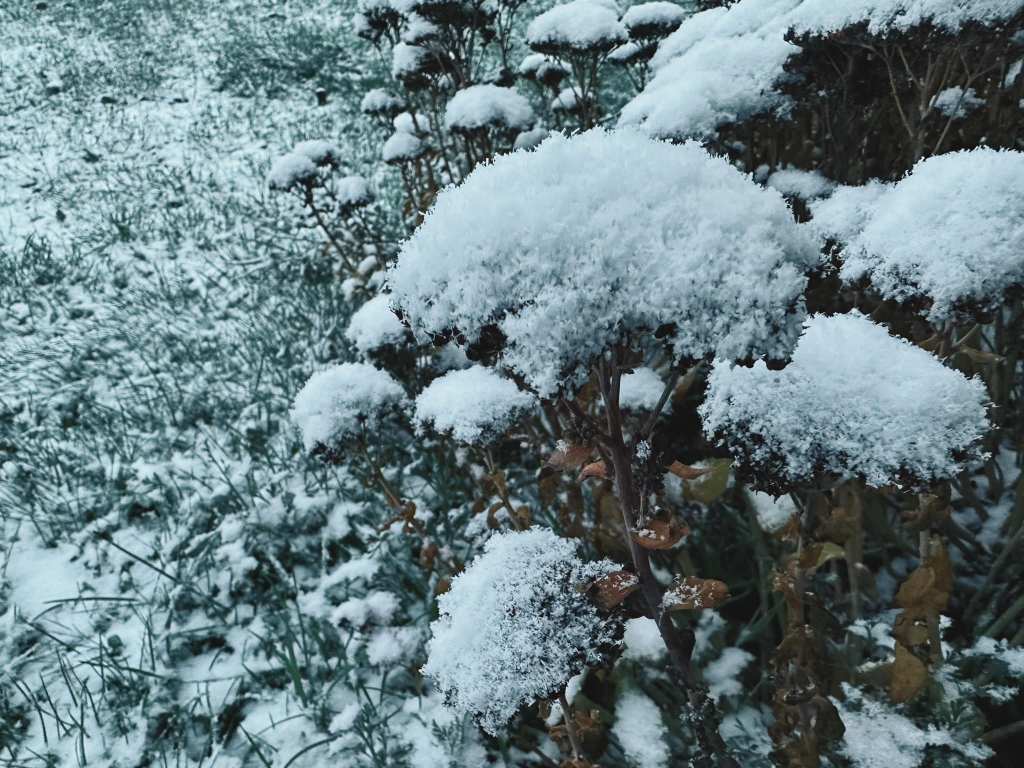
Processed with VSCO with l3 preset 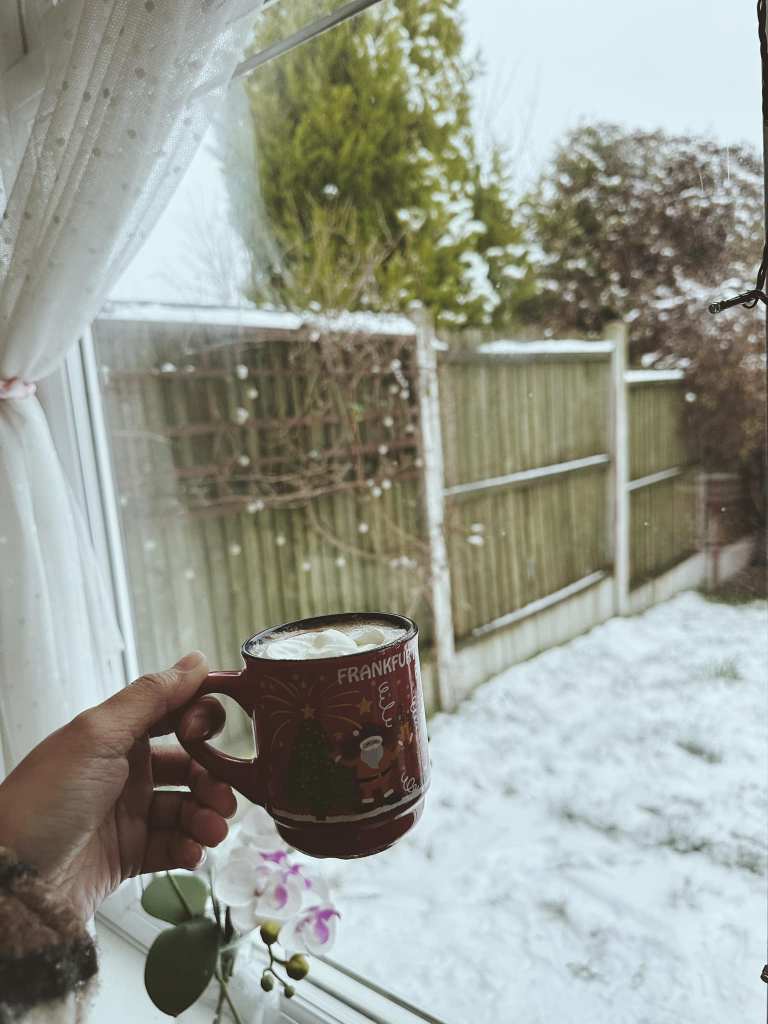
Processed with VSCO with m3 preset 
Processed with VSCO with s1 preset
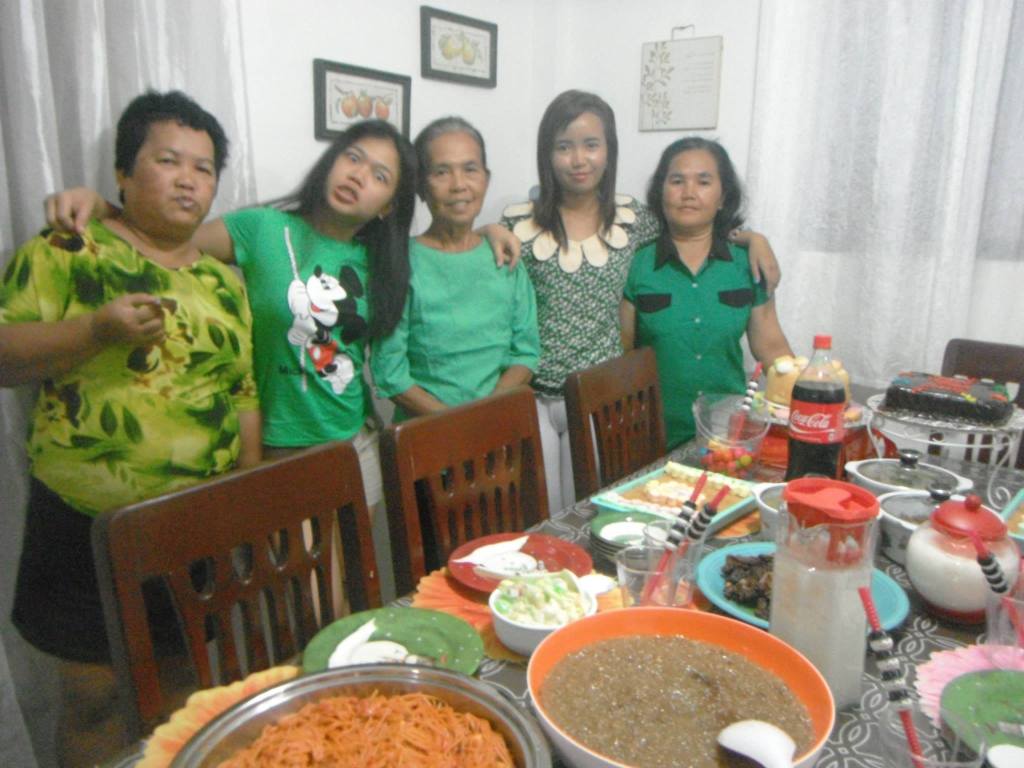
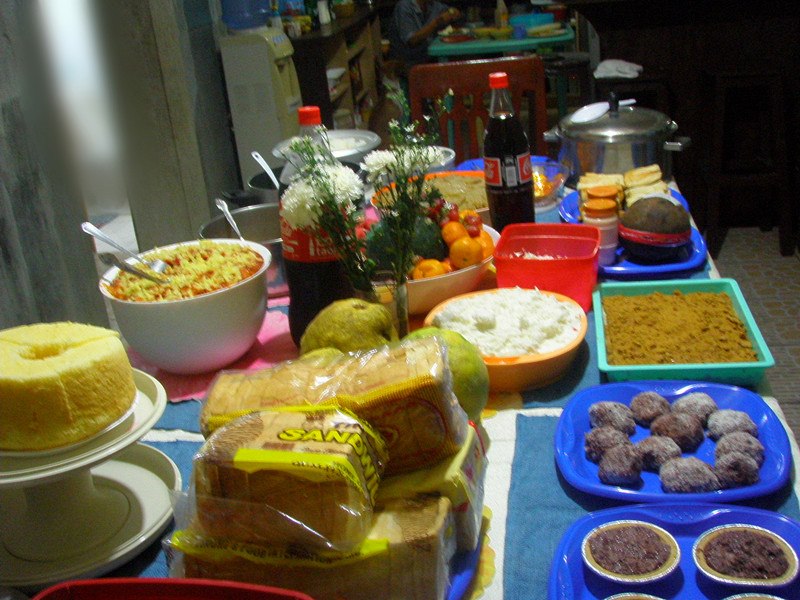
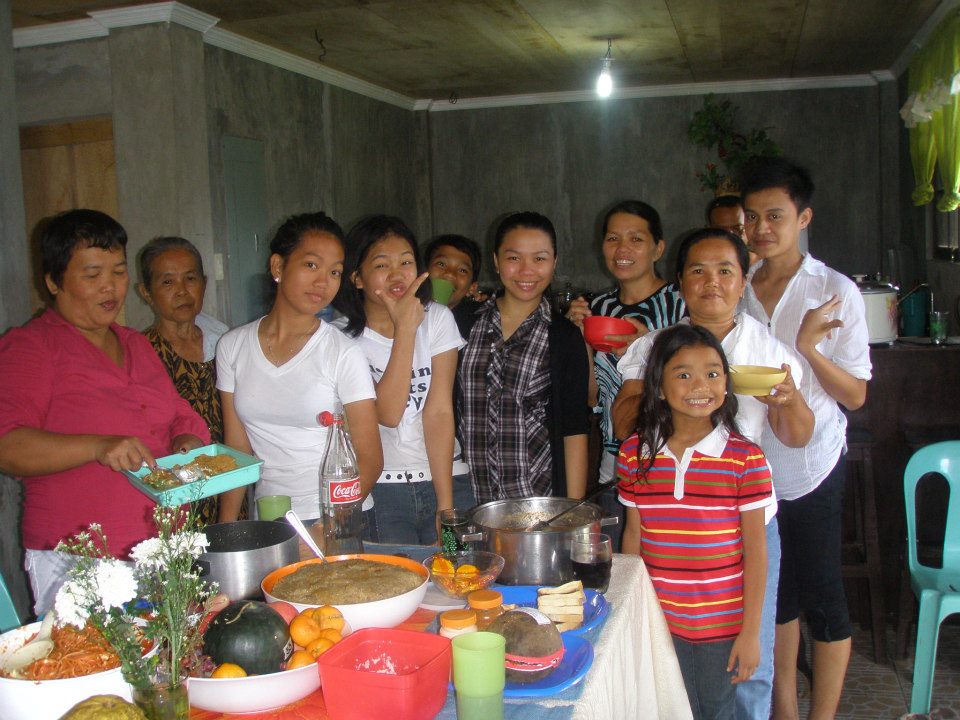
The celebrations feel different too. In the Philippines, Christmas Eve belongs to noise. Noche Buena stretches well beyond midnight, with family and friends crowded under one roof and tables carrying more food than the laws of structural engineering should reasonably permit. There is ham, pancit, lechon when circumstances allow it, rice of course, desserts, trays of kakanin and dishes that multiply because every household seems to operate under the belief that starvation may begin immediately after Christmas. Children run between adults, titás exchange family updates with the investigative precision of intelligence officers, and sooner or later somebody produces a microphone. Karaoke is less an activity in the Philippines than a constitutional right. An uncle may discover a guitar, someone who has repeatedly insisted they cannot sing will eventually sing, and someone who genuinely cannot sing will also sing. Midnight arrives surrounded by voices, food, laughter and the beautiful disorder of a family gathering where nobody appears to have enough chairs, yet somehow everybody remains.
England places more emphasis on Christmas Day itself. Morning often begins with presents, pyjamas, torn wrapping paper and a kettle already beginning its annual endurance test. The atmosphere can feel calmer and more contained, and there may be fewer people in the room, but every detail seems to have its own little ritual. Then comes Christmas dinner: turkey, stuffing, pigs in blankets, vegetables, roast potatoes that must achieve the correct theological balance between a crisp exterior and fluffy centre, and enough gravy to settle several family disagreements. Christmas crackers wait across the table to be pulled, producing paper crowns that fit nobody particularly well and jokes that have survived mainly because Christmas has agreed to lower the standard. I rather love that part. There is something wonderfully democratic about watching otherwise sensible adults sit through dinner wearing brightly coloured paper crowns simply because a cardboard tube instructed them to.

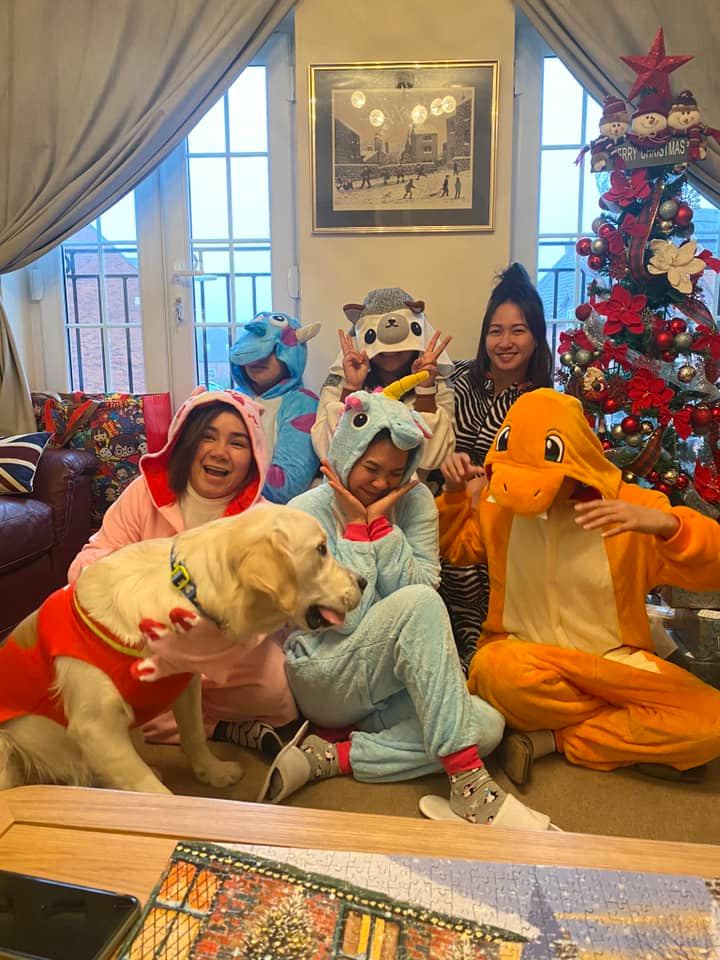
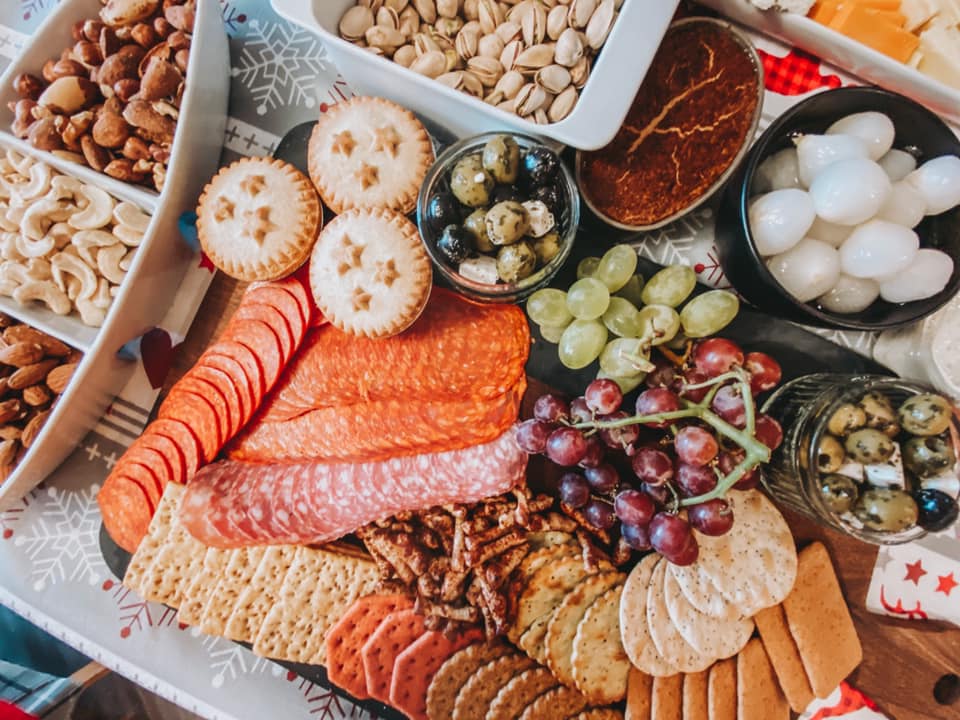
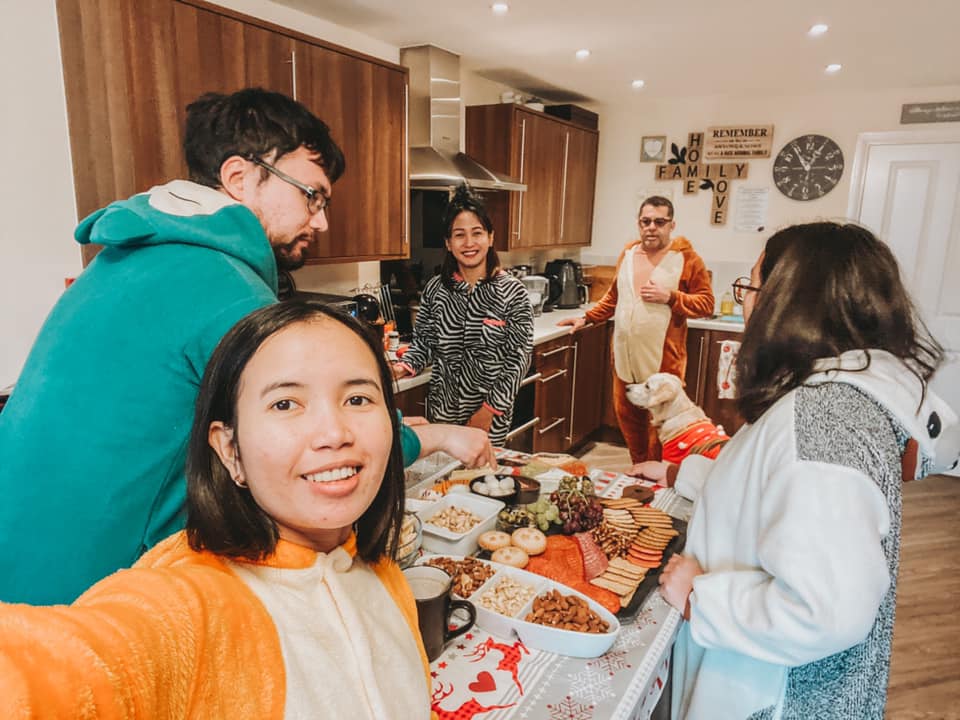
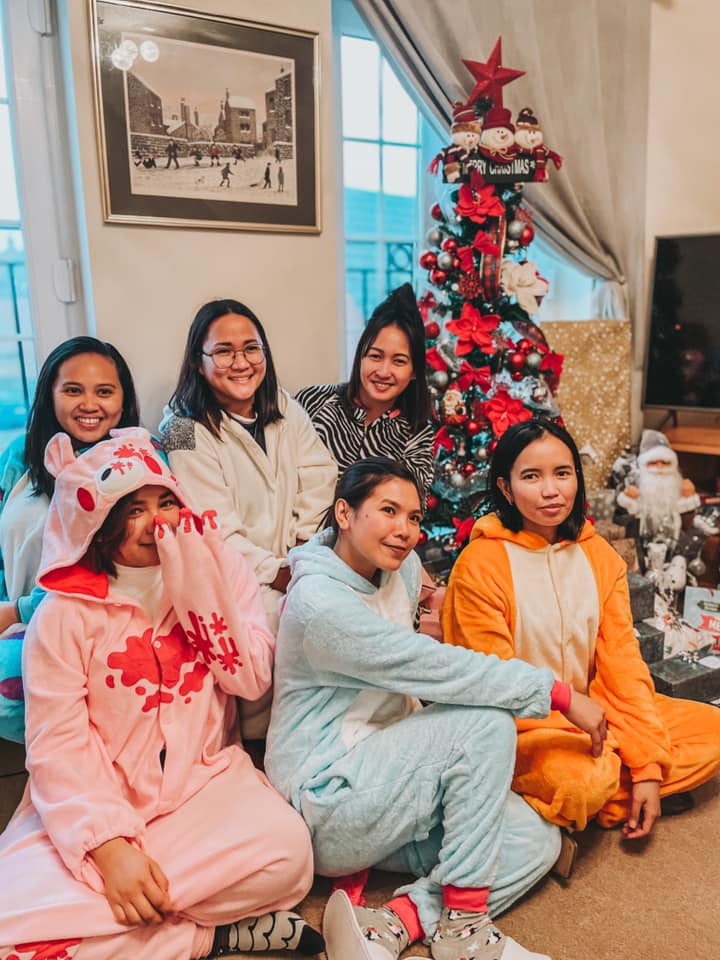
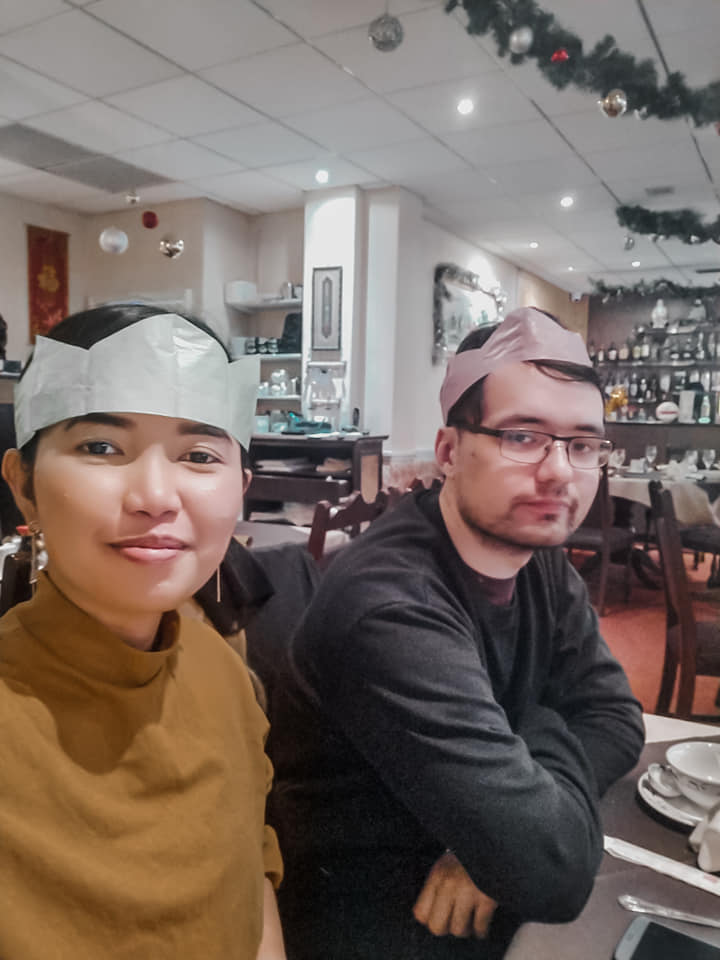

The afternoon settles differently too. Mince pies appear, drinks are poured, television Christmas specials begin, and the house grows warmer while darkness gathers outside. Eventually everyone reaches that peculiar stage of festive exhaustion when nobody wants another full meal but everybody continues eating small things for several more hours. Even the weather changes the emotional architecture of the celebration. A Philippine Christmas can spill outdoors; doors remain open, children keep playing outside, neighbours can wander in easily, and the border between one household’s celebration and another can become pleasantly vague. Warmth lets Christmas expand. An English Christmas seems to contract towards the house instead. Darkness arrives early, cold presses people indoors, curtains close, lamps glow, heaters hum and blankets appear while the weather remains outside doing its best impression of a Christmas card.
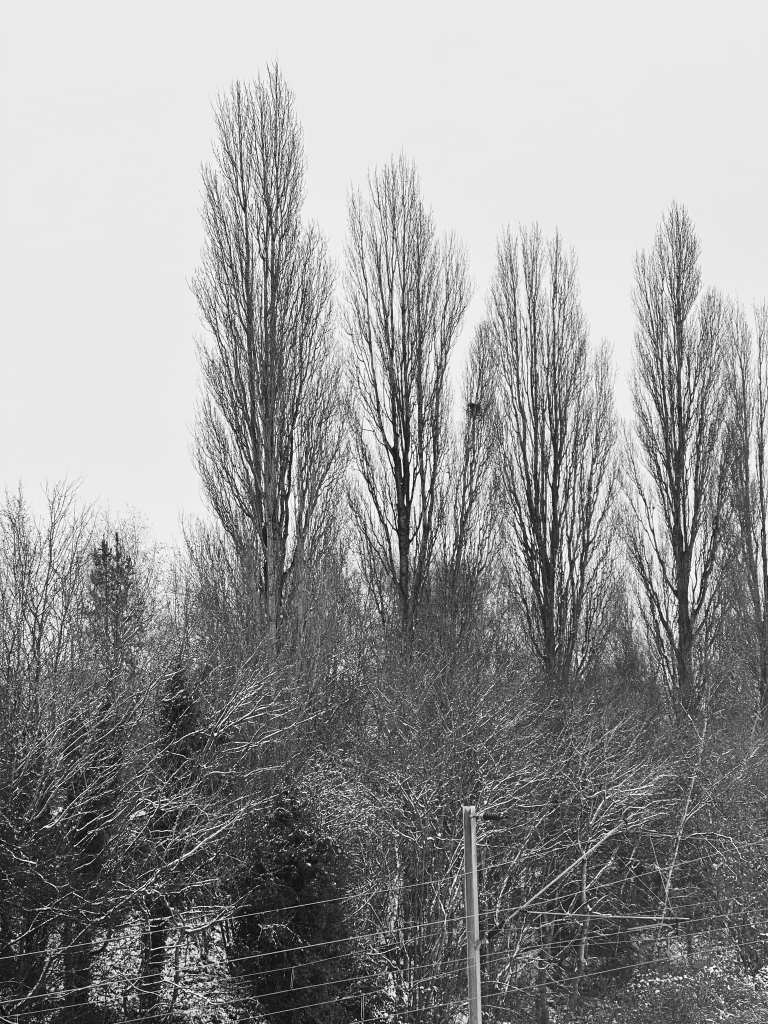
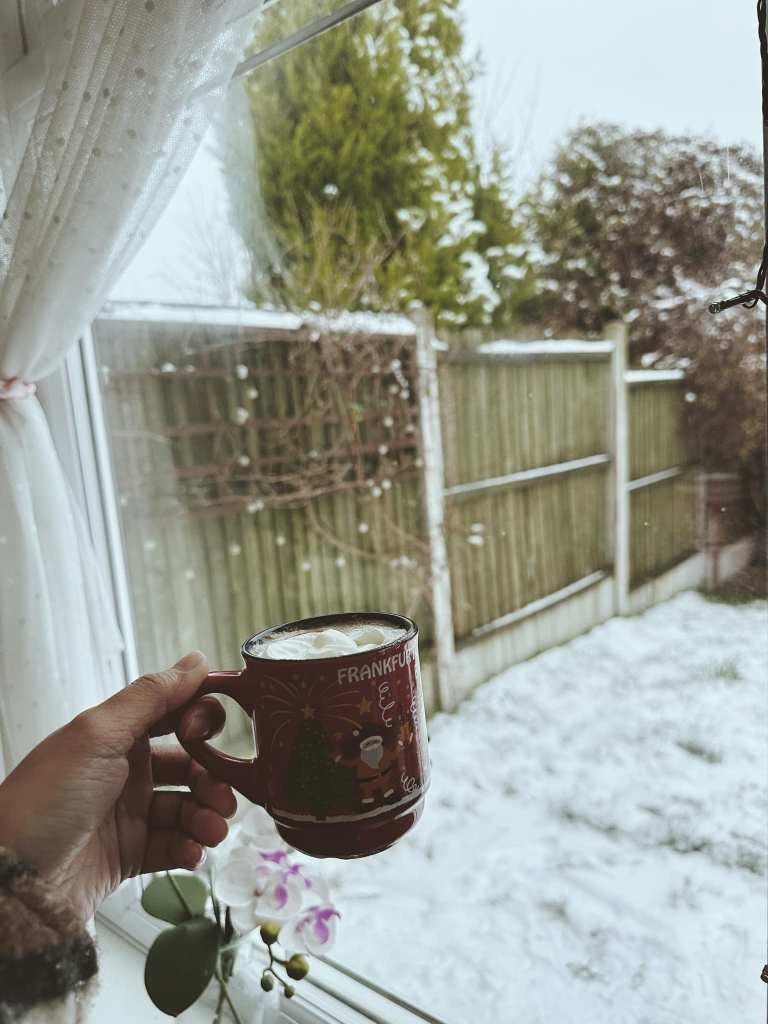
Occasionally, if you are fortunate, snow falls. I still understand why people become excited by it. Watching flakes descend beneath streetlights can make even an ordinary road look briefly fictional. The world becomes muffled, roofs turn white, cars lose their familiar shapes and every photograph suddenly seems capable of appearing on a Christmas card. Then, of course, you have to travel somewhere, and the magic becomes considerably more logistical. Both Christmases have taught me that beauty and inconvenience are often close relatives.

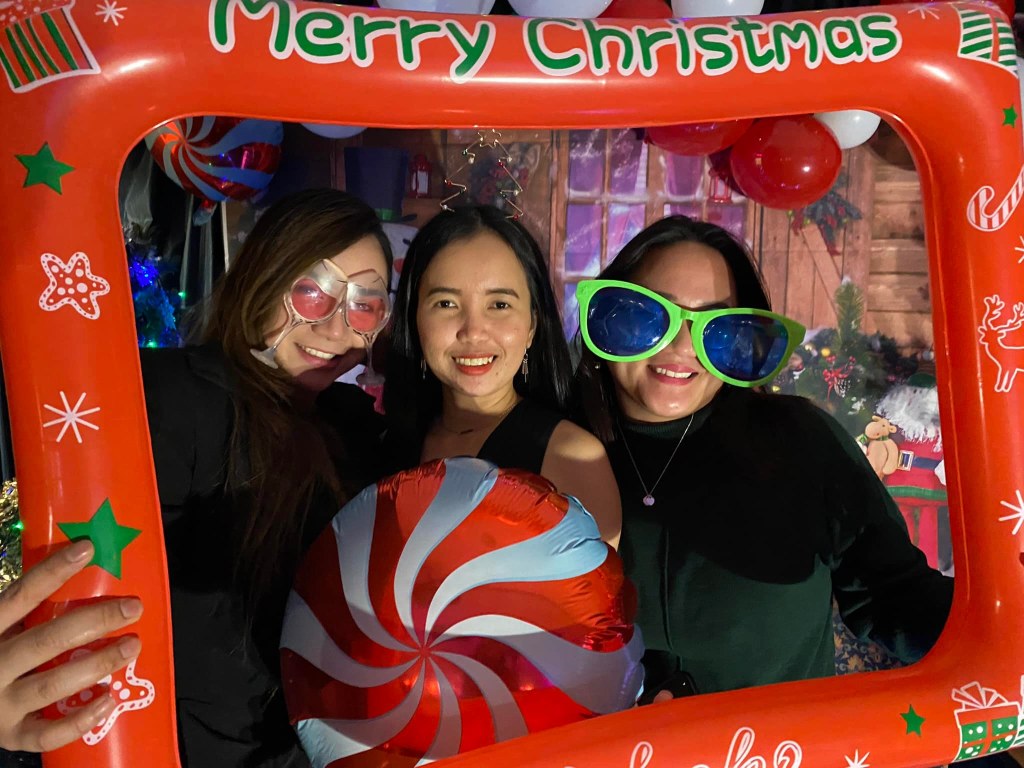
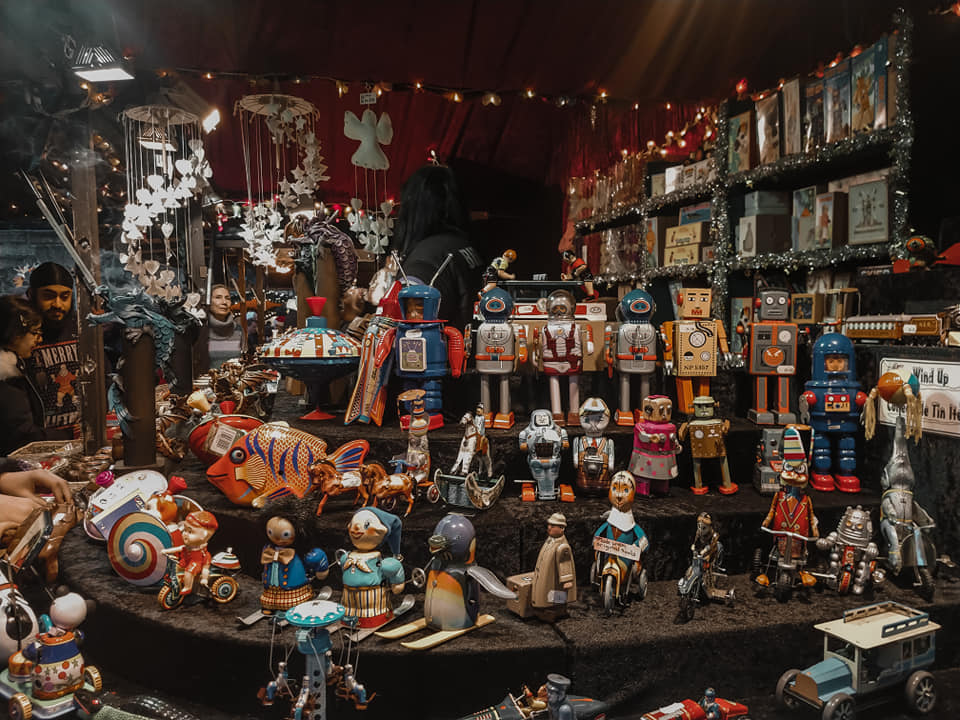
What interests me most after experiencing Christmas in both countries is how differently generosity expresses itself. In the Philippines, Christmas has always felt intensely communal to me. People give even when there is not much to give. Food is divided, another chair is added, children receive something small, a neighbour sends over a plate, and time itself becomes a gift because presence carries enormous value. England expresses generosity in its own ways too. Charity appeals become more visible, food banks receive donations, communities hold Christmas markets and fundraising events, and gifts are often chosen with careful attention to what a particular person might genuinely enjoy. There is a thoughtfulness in those gestures that I have come to appreciate.
Neither Christmas needs to defeat the other. I used to think living abroad might eventually mean choosing which traditions belonged to my “real” home, but experience has made that idea seem unnecessarily narrow. Culture does not always work through replacement; sometimes it accumulates. I can miss Simbang Gabi while appreciating a candlelit church here, crave bibingka while enjoying roast potatoes, love the chaotic abundance of Noche Buena and still enjoy the peculiar British ceremony of pulling a cracker before lunch. I can laugh at a paper crown while remembering a parol glowing outside a house in Cebu. Migration does not divide the heart as neatly as maps suggest; sometimes it simply teaches it another language for belonging.
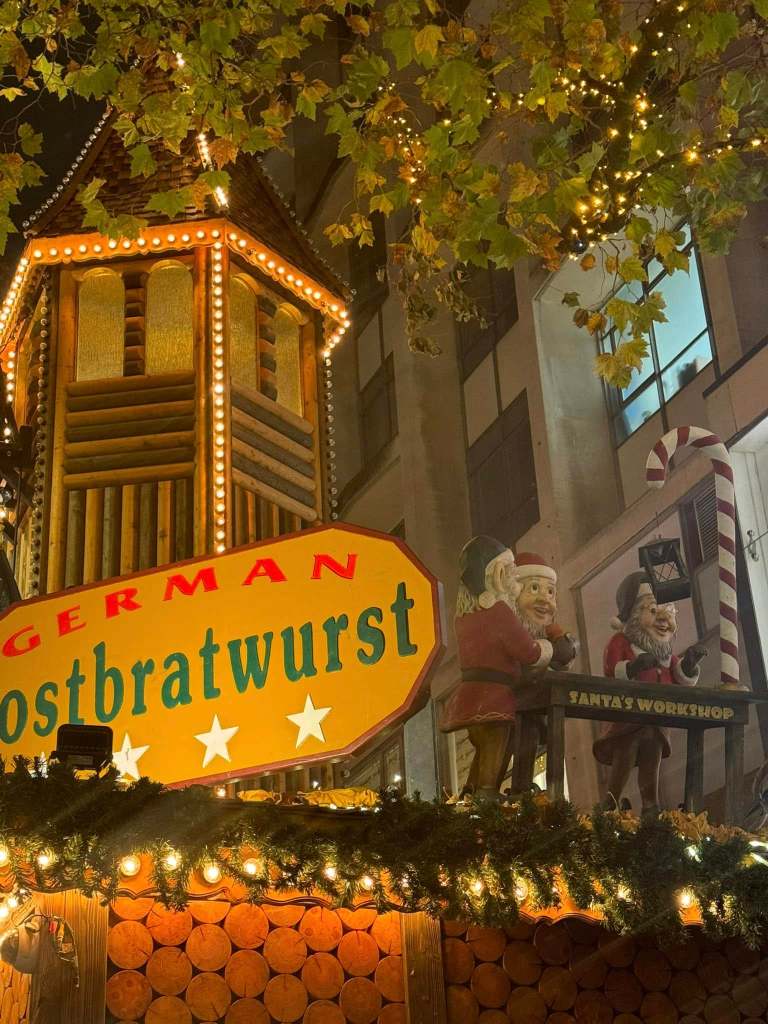
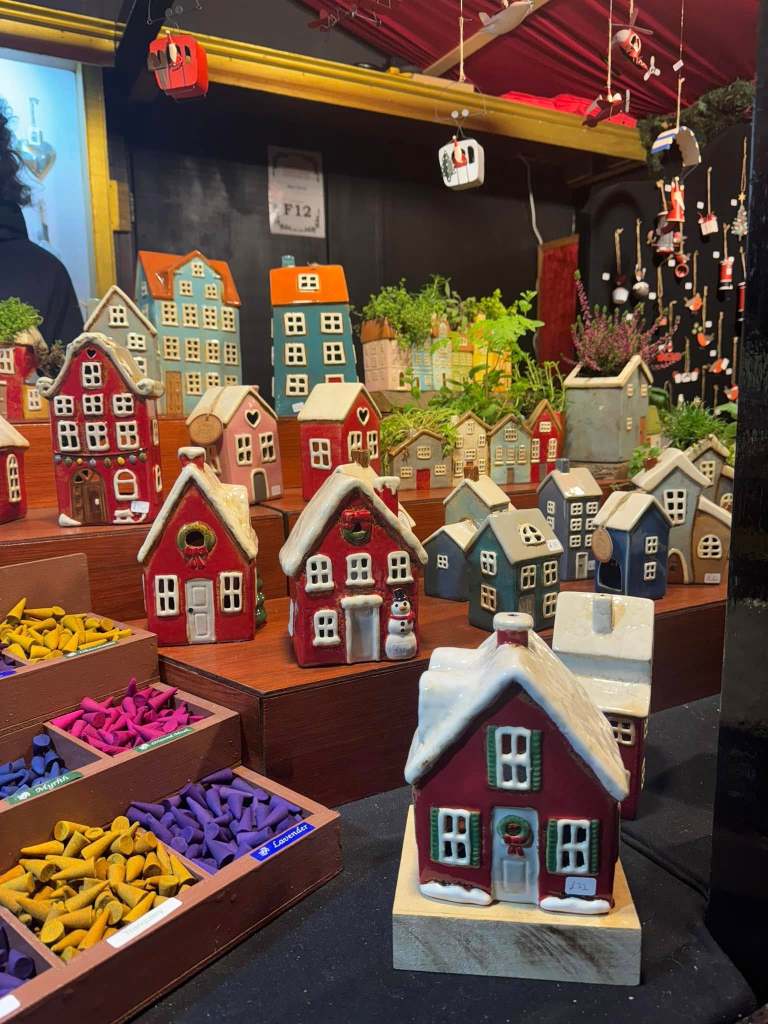
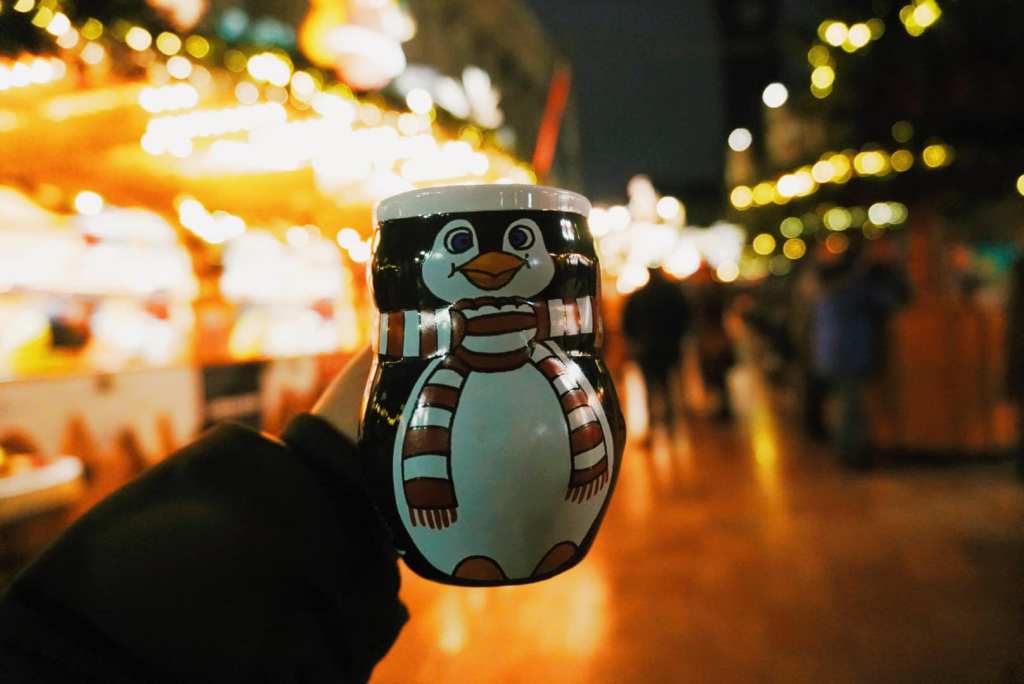
Christmas in the Philippines remains inseparable from family, faith, food and that extraordinary national ability to begin celebrating while other countries are still emotionally committed to summer. Christmas in England has given me frost, winter lights, Christmas markets, hot drinks held between cold hands and evenings when houses glow beautifully against the darkness. They are different worlds, but when I strip away the weather, menus and decorations, the centre is remarkably familiar. People gather, people remember, people give, and people make room. For me, faith remains beneath it all. Simbang Gabi taught me early that Christmas was never merely about the decorations surrounding the story. The star mattered because it pointed somewhere, and the celebration mattered because of whom we were celebrating.
Maybe that is why the parol has stayed such a powerful Christmas image for me even after moving thousands of miles away. In the Philippines, its star-shaped light belongs to streets filled with warmth, family noise and dawn Masses. In England, another star may rest above a Christmas tree while frost gathers outside the window. The houses are different, the climates are different and the traditions are different, but the symbol still looks upward.
I once thought living between cultures might eventually make Christmas feel divided, as though one celebration belonged to the past and the other to the present. Instead, the years have done something more interesting: they have allowed both to exist comfortably together. My Christmas now can contain memories of bibingka after Simbang Gabi and the smell of a roast cooking in an English kitchen. It can hold tropical nights and winter darkness, karaoke and Christmas crackers, parols and fairy-lit streets. One does not have to surrender for the other to belong. Perhaps that is one of the unexpected gifts of migration: sometimes you are given more than one language for joy.
So when Christmas comes now, I no longer ask which version feels more authentic. I know what both have given me. The Philippines taught me a Christmas that seems to burst through doors and pull everyone towards the table, while England showed me one glowing behind windows against the cold. Above both of them, in my memory at least, there is still a star—one above a parol beneath a warm Philippine night, another resting on a tree beside a frosted English window. Two different skies, perhaps, but I have learned to recognise the light.
With love from both sides of Christmas,
Anj 🖤
















Leave a Reply