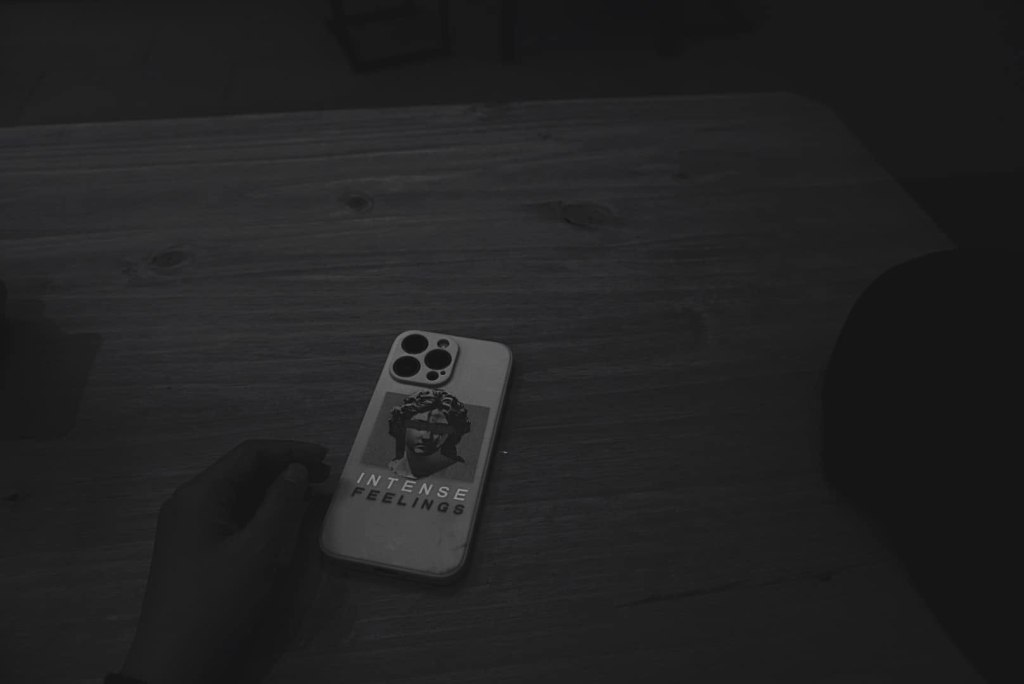
At the next table, four people were sitting together and nobody was looking at anybody. One was scrolling. One was typing. Another was photographing the food with the concentration of someone documenting a crime scene, and the fourth appeared to be watching a video important enough to require headphones and complete emotional withdrawal from the rest of civilisation. For about three seconds, I observed them with the mild superiority of someone who had clearly identified what was wrong with modern society. Then I looked back down at my own phone, which rather weakened the argument.
I had probably been doing exactly the same thing for several minutes. One screen had already taken me through somebody’s holiday, another person’s promotion, a breakfast arranged with suspicious precision, an argument I had no intention of joining, and at least one video I had opened accidentally but somehow watched until the end. Meanwhile, the actual room around me had continued without requesting my attention. Cutlery moved against plates. Coffee cooled. Somebody laughed loudly enough to make another table turn. People passed outside the window. The person sitting with me was still there, in three dimensions, requiring neither Wi-Fi nor a double tap.
That is what social media can do so cleverly. It does not feel as though we have gone anywhere. We are still sitting in the same chair, holding the same cup, surrounded by the same people. Yet within a few taps, our attention can be hundreds of miles away, moving through lives that have nothing to do with the room we are actually in. One minute I am having a perfectly ordinary day. Ten minutes later, somebody else is travelling, somebody is celebrating, somebody has achieved something, somebody looks impossibly happy somewhere impossibly beautiful, and somehow my own perfectly decent life begins looking less impressive without changing at all.
That is when I started thinking about how strange social media really is. We can know what dozens of people are doing before we have properly noticed what is happening around us. We can enter other people’s lives before we have fully entered our own. And I say that as someone who genuinely likes social media. I am not about to announce a digital detox, delete every app and begin spending my mornings silently communing with a houseplant. I still scroll. I still post. I still enjoy seeing where people have travelled, what they are celebrating and what ridiculous thing somebody’s cat has done. I still open one harmless video and occasionally emerge much later possessing knowledge I did not need and with no clear explanation of where the time went.
What has changed is not that I suddenly think social media is bad. I think I have simply become more aware of what it can do to my attention. Scrolling looks passive because physically we are doing almost nothing. A thumb moves. A screen changes. Another face appears. Another caption. Another video. But somewhere underneath all that apparently harmless looking, comparisons begin arranging themselves with remarkable efficiency. Someone gets promoted. Someone buys a house. Someone travels somewhere I have always wanted to visit. Someone announces a relationship milestone, a new job, a pregnancy, a degree, a business, an achievement I had quietly hoped would belong to me by now. Nothing in my own life has changed, yet after enough exposure to everybody else’s highlights, mine can begin to feel strangely inadequate.
That is the part I find most interesting. Sometimes dissatisfaction does not begin because anything is actually wrong. It begins because we looked away from our own life for too long. The same roof is still above us. The same people still love us. The same things we worked hard for are still ours. The same possibilities remain ahead. But attention is a powerful thing. Whatever we keep placing in front of it begins to feel larger, and whatever we stop looking at can temporarily feel smaller.
I think adulthood has taught me to notice the moment when scrolling changes character. At first, it is entertaining. I am laughing, catching up, seeing what people are doing, maybe finding something useful. Then, at some point, the atmosphere shifts. I cannot always tell exactly when it happens. Ten minutes. Thirty. Longer if I am already tired or emotionally vulnerable. But I recognise the heaviness now. So I put the phone down. Nothing ceremonial happens. I do not announce that I am “protecting my peace.” I do not delete the apps in a burst of enlightenment and return forty-eight hours later. I simply leave the screen for a while. I make coffee. I write. I tidy something. I speak to whoever is actually in the room. I go outside. I return to whatever belonged to me before I started measuring it against everybody else’s. Almost always, my own life begins to look normal again.
Perhaps that is one of the less glamorous skills adulthood teaches us: not everything that overwhelms us needs to be permanently removed. Sometimes we simply need to recognise when we have had enough. Food works that way. Noise works that way. Work definitely works that way, although work is less cooperative when asked to leave. Even people sometimes work that way. Social media may be similar. Peace is not always hiding on the other side of deleting everything. Sometimes it begins with knowing when to stop consuming.
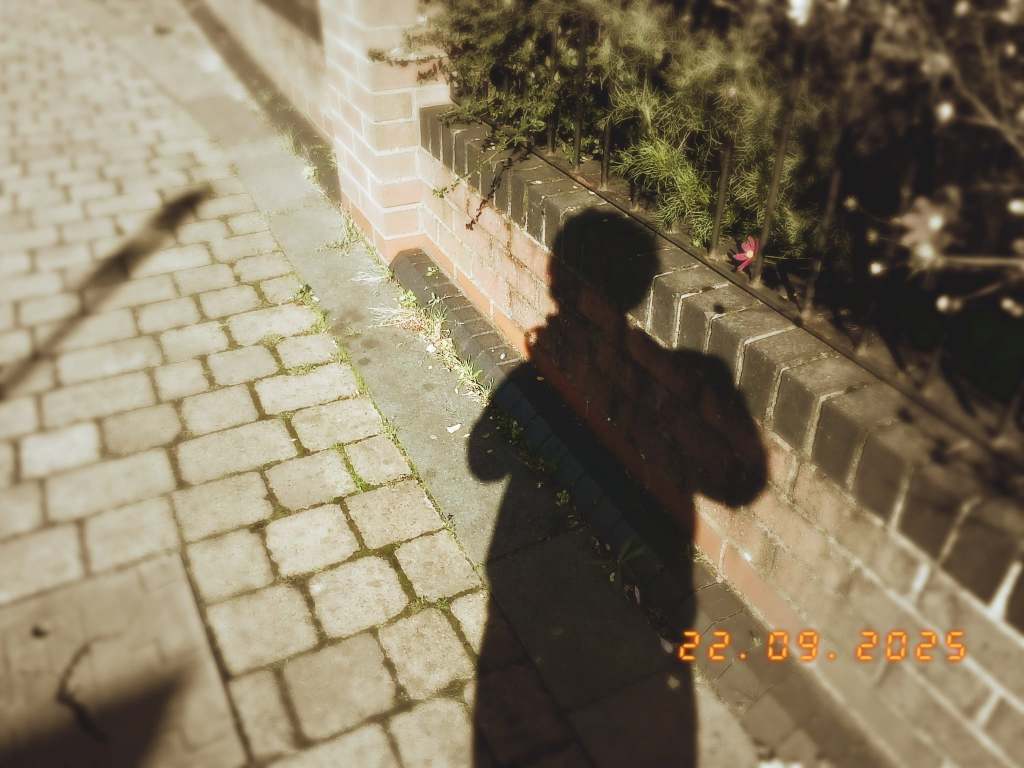
I have also become more selective about what I share. Not because I have transformed into a mysterious private person. That would be a very ambitious rebrand. I still enjoy taking photographs. I still document trips, meals, views, cats, ordinary moments and the occasional coffee that apparently requires its own portrait session. I love looking back because photographs preserve versions of life that memory eventually starts editing. But I no longer feel that everything beautiful needs to be shown.
Some pictures stay in my camera roll. Some good news belongs to the people who heard it first. Some conversations remain with the people who were actually there. Some moments are photographed and never posted. Others happen so completely that I only realise afterwards that I never took a picture at all. Years ago, that might have bothered me. Now I sometimes think those are the moments I inhabited most fully.
There is a difference between preserving something and presenting it. The line can be surprisingly thin. I still want photographs because time has already taught me their value. A face, a room, a table, a journey, a voice caught accidentally in a video—ordinary things can become priceless once life changes. But I also want memories that were never arranged for an audience. No caption forming in the back of my mind. No deciding which picture looks best. No checking later to see who reacted. Just the experience itself, complete before anybody else confirms that it was worth having.
Not everything beautiful becomes more meaningful after it is shared. Sometimes the opposite is true. A dinner can matter without appearing on Instagram. A relationship can be secure without regular proof of life online. A holiday can be unforgettable even if half the photographs never leave the phone. An achievement still belongs to us without an announcement. Happiness does not require witnesses to become legitimate.
I think privacy means something different to me now too. I used to associate it with hiding, as if something kept private must somehow be secretive. But privacy can also be a form of care. Some things are valuable enough that I do not want them immediately converted into content. Some parts of life feel different when they have not yet been exposed to commentary, reaction or interpretation. They remain closer to the original experience.
And yet I would never pretend social media has only taken things from us. It has also given us something extraordinary: proximity. People move away. Careers become demanding. Families grow. Time zones interfere. Years pass with frightening efficiency. Social media allows a photograph to say, I’m still here. A message can restart a conversation that had gone quiet. A post can remind you to check on somebody you have not spoken to in months. I have seen friends’ photographs and realised how much I missed them. I have written something alone and discovered that another person, sitting somewhere else entirely, understood exactly what I meant. There is something beautiful in that.
Writing is probably the part of the online world I value most. Social media asks, What happened? Writing makes me ask, Why am I still thinking about it? There are things I only understand after I have tried to put them into sentences. I can begin writing about one memory and discover halfway through that the memory was never really the point. A photograph preserves where I was. Writing sometimes tells me who I was while I stood there.
That may be why I keep returning to blogging. The internet moves quickly. Writing makes me slow down long enough to notice what all that movement left behind. There is a difference between telling people where I went and understanding why the place stayed with me. There is a difference between posting what happened and sitting with it long enough to discover what changed afterwards. Some memories become photographs. Others insist on becoming stories.
The difficulty, of course, is remembering that everything we see online is incomplete. A beautiful photograph is one moment. A happy caption is one moment. An achievement announcement is one moment. A holiday carousel contains selected fragments, not an audited account of somebody’s entire existence. We rarely know what happened before the picture was taken or five minutes after it. We do not see the argument in the car, the financial worry, the disappointing email, the exhaustion, the insecurity, the unanswered prayer, or the night someone cried before posting a smiling photograph the following morning.
That does not mean everybody is pretending. I think that accusation is too easy. Most of us simply do not post everything. I certainly do not. The problem begins when I know every unedited detail of my own life and compare it with somebody else’s selected fragments. I know my worries, insecurities, bills, mistakes, awkward conversations, delays and failures. Then I see somebody else’s best photograph and wonder why their life looks so much easier. Of course it looks easier. I am comparing my entire manuscript with the paragraph they chose to publish.
The word behind becomes especially dangerous there. Behind whom? According to whose timetable? Social media can make adulthood look as though everybody has been issued the same route and some of us have simply failed to maintain the correct speed. Someone has the house at twenty-five. Someone finds love at forty. Someone succeeds early and starts again later. Someone appears completely settled while privately wondering whether they chose the right life. There are too many variables to turn human existence into a race, but give us enough announcements in one afternoon and the mind will happily build a starting line.
We see the promotion but not the years before it. We see the engagement photograph but not the private work of the relationship. We see the destination without the wrong turns. We see somebody holding the certificate but not the nights they wanted to stop. We see the good news after it has become good news.
And then there are the numbers. Likes, views, followers, reactions. I would be lying if I claimed they never feel good. Of course they do. Positive attention is pleasant. But I no longer want numbers deciding whether an experience mattered. If ten people like a photograph from a beautiful day, the day does not become less beautiful. If ten thousand people like it, the weather was not suddenly better. The meal did not improve retrospectively. The person sitting beside me did not become more valuable. The moment existed before the numbers arrived.
Writing has taught me the same thing. Not everything meaningful becomes popular, and popularity does not automatically make something meaningful. Sometimes one person finding a piece of writing at exactly the moment they needed it matters more than thousands of people scrolling past. Sometimes writing something because I needed to write it is already enough. Attention and connection are not the same thing. A thousand people can see us without knowing us. One person can sit beside us and understand the sentence we never finished.
Being visible is not the same as being known.
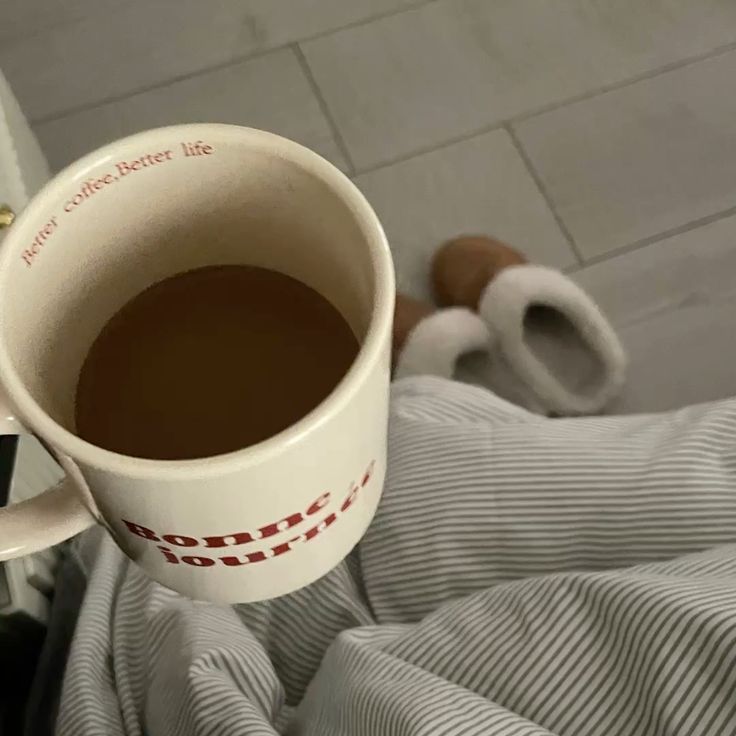
These days, I think of social media as somewhere I visit rather than somewhere I live. That distinction helps me. I go there. I scroll. I laugh. I post. I read. I catch up. Sometimes I stay much longer than intended because apparently “one more video” is one of the internet’s most successful lies. Then I leave because my actual life is still waiting beyond the screen. There is coffee getting cold beside me. There are conversations happening in rooms I am physically sitting in. There are places that deserve to be looked at with my eyes before I reduce them to a frame. There are books waiting, roads to travel, words to write, people to call, cats requiring unnecessary supervision, and ordinary days moving past with no concern for whether they are sufficiently interesting to upload.
Those ordinary days matter more to me now than they used to. The older I get, the more I realise that life is mostly made of them. Not announcements. Not milestones. Not photographs with excellent lighting. Ordinary mornings. Ordinary dinners. Ordinary drives home. Ordinary conversations. Ordinary evenings when nothing worth posting happens. Then time passes, somebody leaves, circumstances change, a chapter ends, and suddenly one of those ordinary moments becomes something we would give anything to repeat.
Social media is excellent at teaching us what looks extraordinary. Life eventually teaches us the value of what once looked ordinary.
Maybe that is why I no longer want to spend too much of my own life watching everybody else’s. I still want to share pieces of mine. I probably always will. But social media can have pieces. It does not need the whole thing. Some photographs can remain unseen. Some victories can be celebrated around a table before they are announced. Some sadness belongs with people I trust rather than people who follow me. Some memories can exist without strangers deciding whether they are beautiful. Some parts of me do not need an audience.
Eventually, the phone goes dark. Notifications stop appearing. The screen becomes nothing more than a small black rectangle in my hand. And everything that matters most is still there: the people who know me without needing an update, the memories that existed before they became photographs, the conversations nobody recorded, the places I actually stood, the work I did when nobody was watching, the person I am when there is nothing to post.
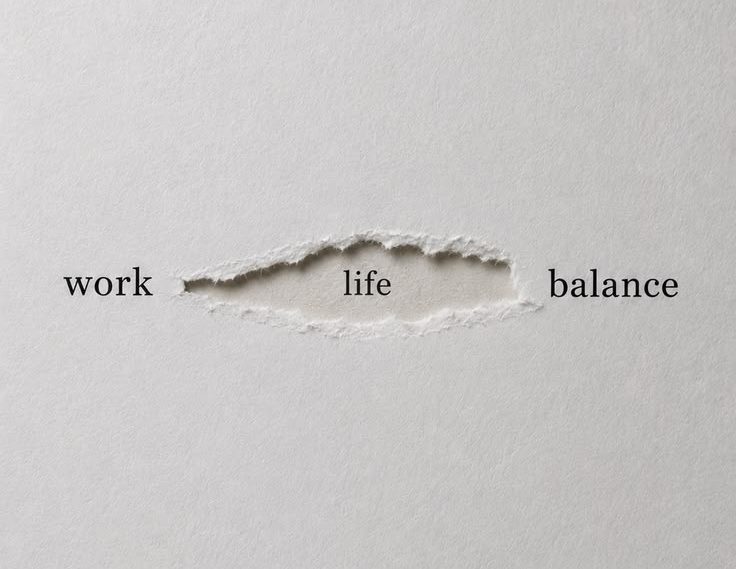
Perhaps that is the balance I have been trying to find all along. Not disappearing from the online world, but remembering to return from it. I can enjoy other people’s photographs without treating them as measurements of my own life. I can share something beautiful without believing it became beautiful because I shared it. I can participate without handing the screen every available piece of my attention.
And that brings me back to those four people at the next table. I had watched them for three seconds and thought, rather smugly, Look at them. Together, but somewhere else. Then I lowered my eyes and discovered I had been somewhere else too. Perhaps that is the joke social media keeps playing on us. We can be physically present while our attention is touring several other lives at once.
I am sure I will still do it tomorrow. I know myself too well to promise otherwise. I will pick up my phone. I will check notifications. I will probably scroll longer than intended. I may laugh at something ridiculous before coffee has had a chance to make me civilised. But perhaps I will notice sooner when the room starts disappearing around the screen.
Then I will put the phone down, look at the person in front of me and come back.
Because I was there all along.
I just do not want to keep missing the room I am actually in.
Logging off before the room disappears,
Anj 🖤













Leave a Reply