Life Lately | May 27, 2026 (A Late Post)
I have always been suspicious of afternoons that seem to be doing absolutely nothing. They rarely announce themselves properly. No one sends flowers. Nobody raises a glass. There is no email beginning with “Congratulations,” no suitcase waiting by the door, no reason to think the date will matter later. They simply pass through the calendar wearing ordinary clothes. You wake up, get ready, go somewhere, eat something, talk to someone, come home. At the time, the whole thing feels too small to deserve preservation. Then months later, one photograph appears on your screen and suddenly the afternoon has acquired a strange authority it never possessed while you were living it.
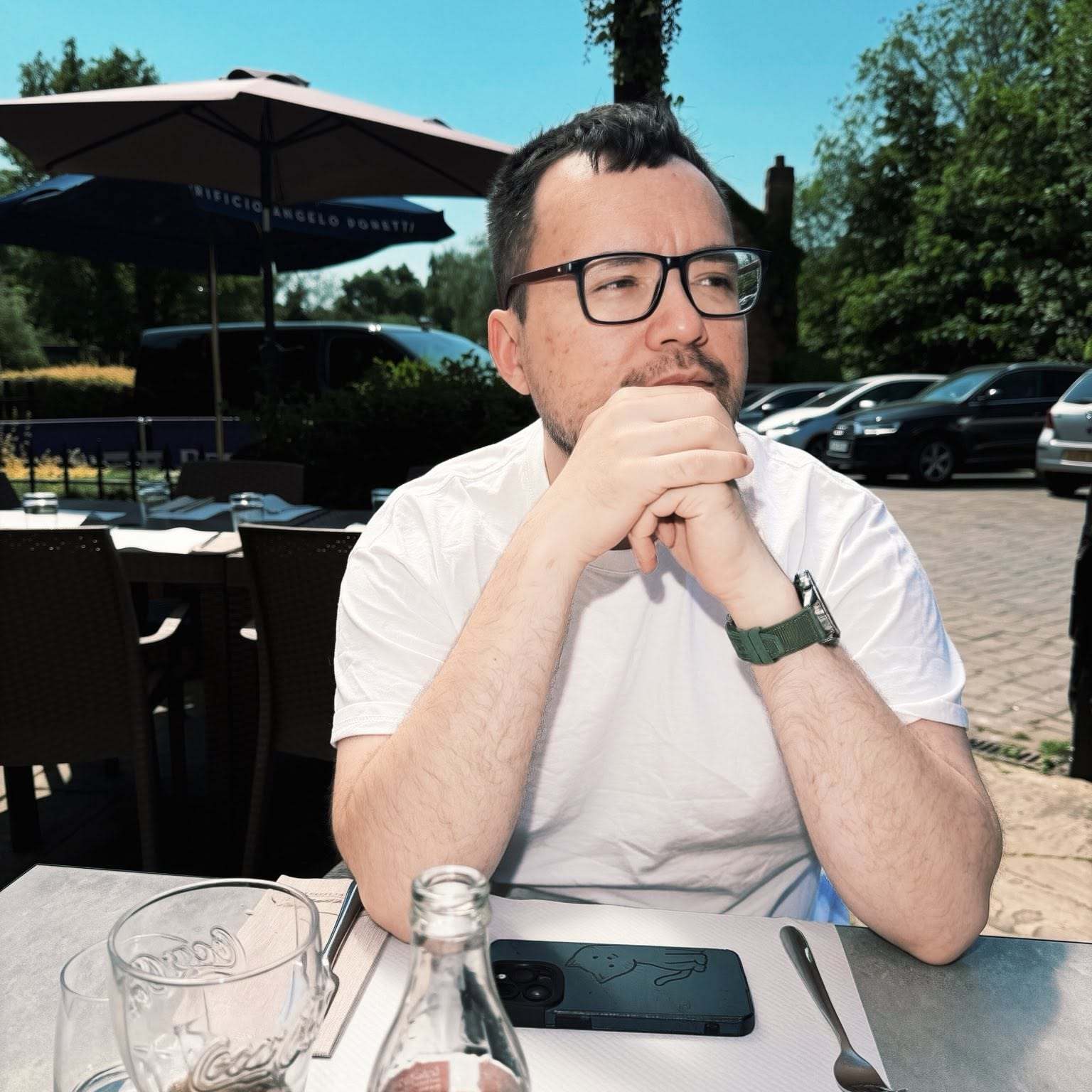
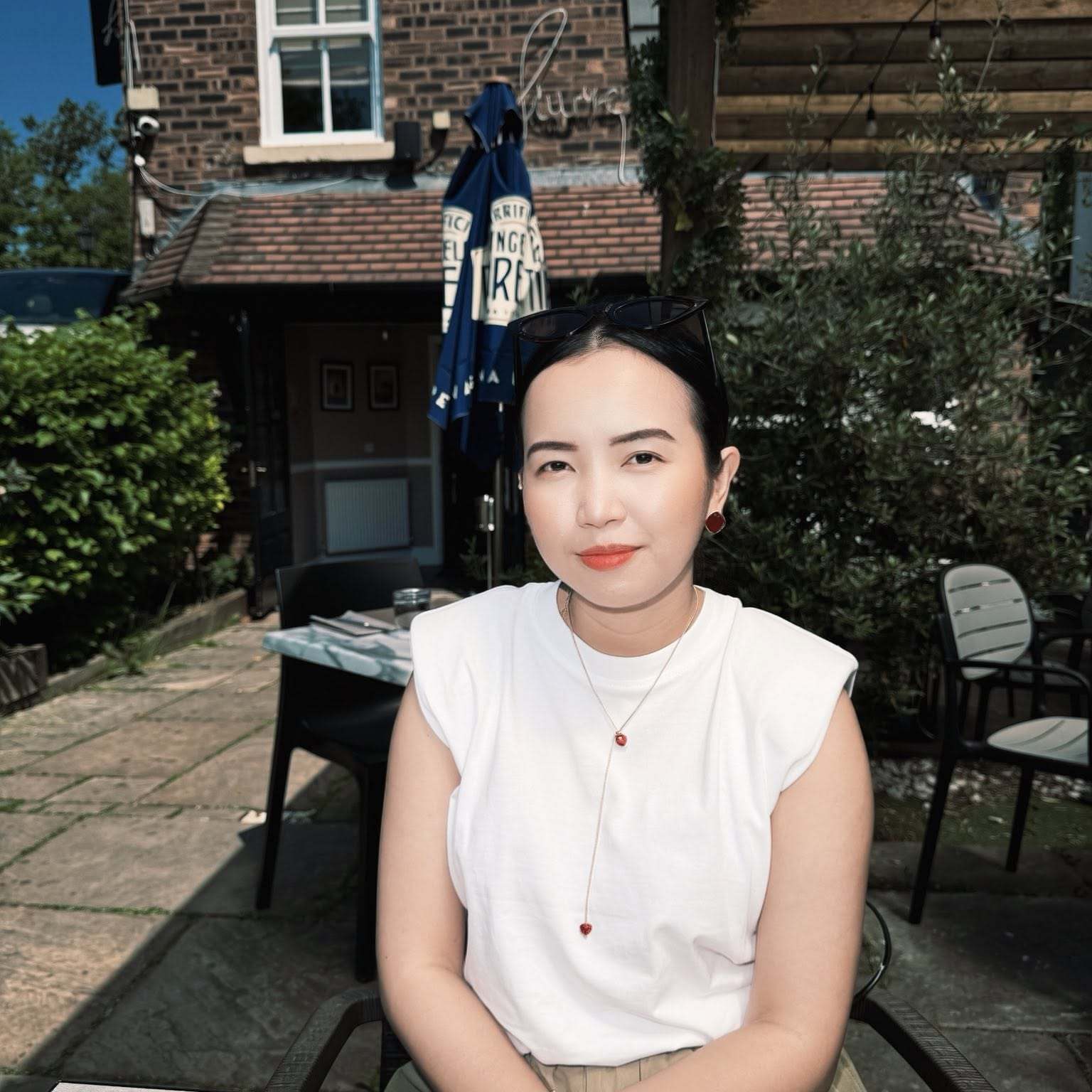
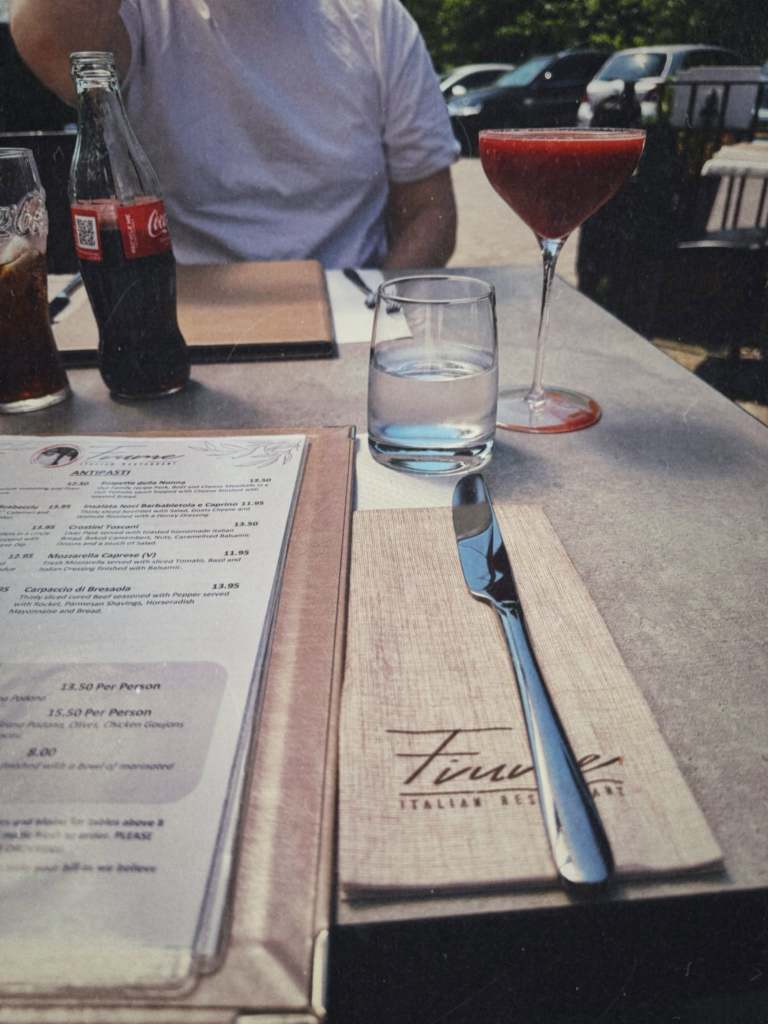
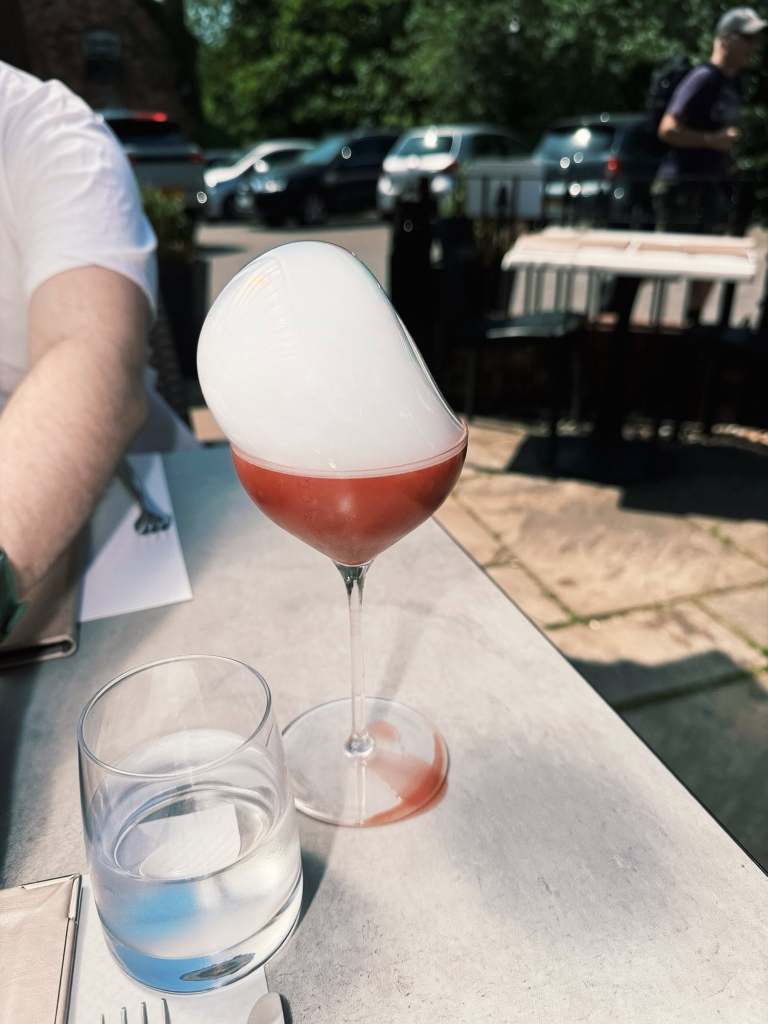
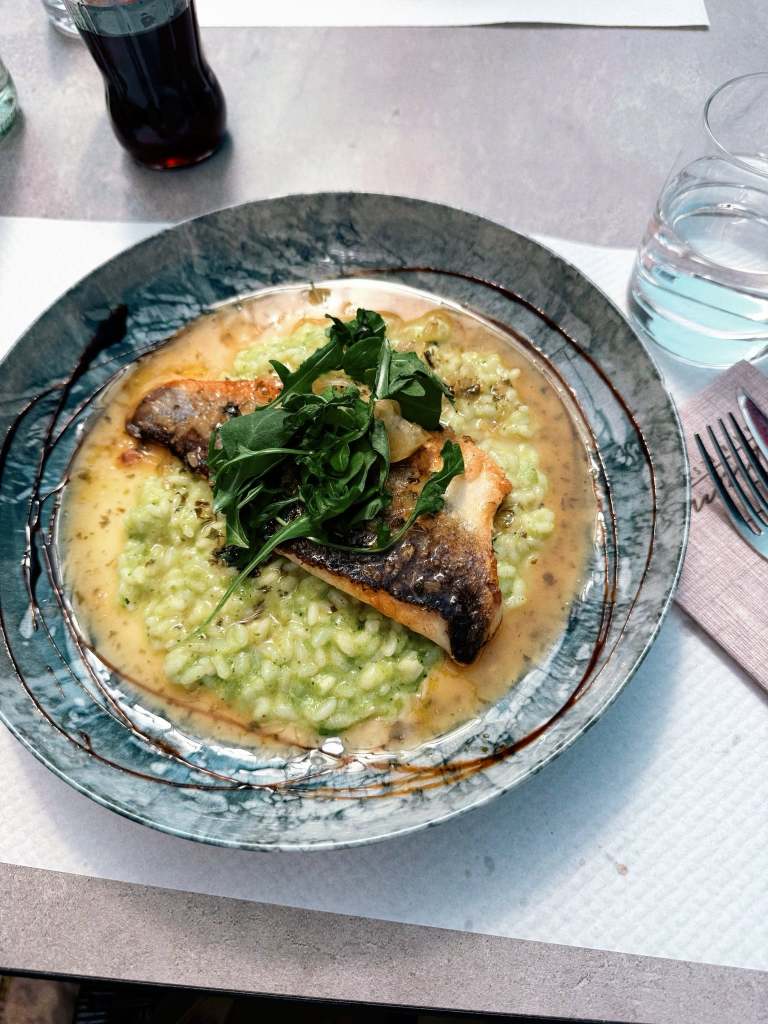
That happened to me with May 27. I was scrolling through old photographs when a sunlit table pulled me backwards. The memory returned in pieces rather than as a complete scene: first the brightness, then the drinks catching the light, then the person sitting across from me, and finally the ridiculous number of photographs I had taken of lunch before allowing anyone to eat it. The weather had been unusually cooperative for Britain, which meant outdoor tables had become competitive territory and people were behaving as though summer had personally issued a written guarantee. We had found a place outside a small Italian restaurant, and nothing important was happening. No birthday. No anniversary. No announcement. Just lunch on a sunny weekday.
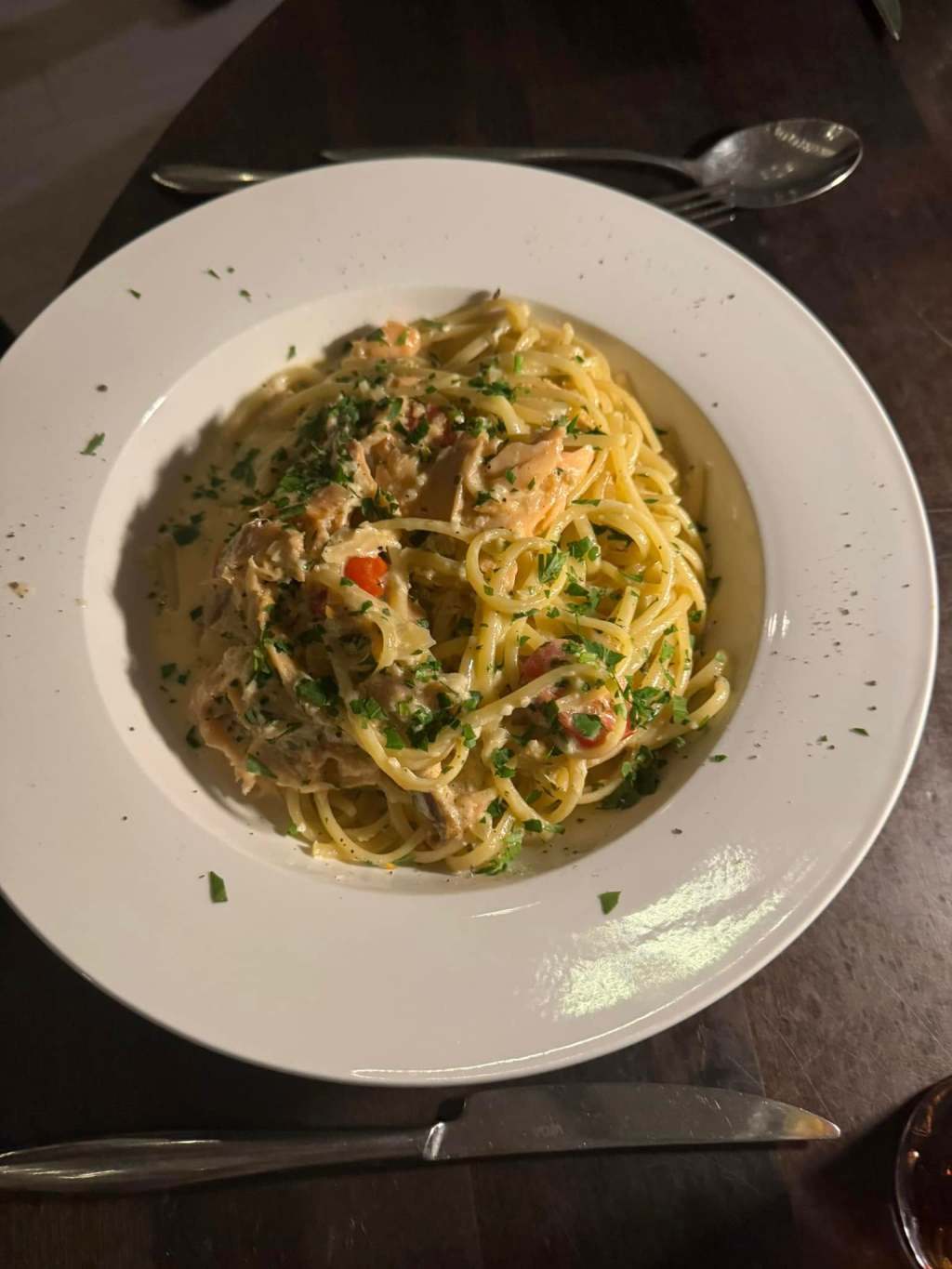
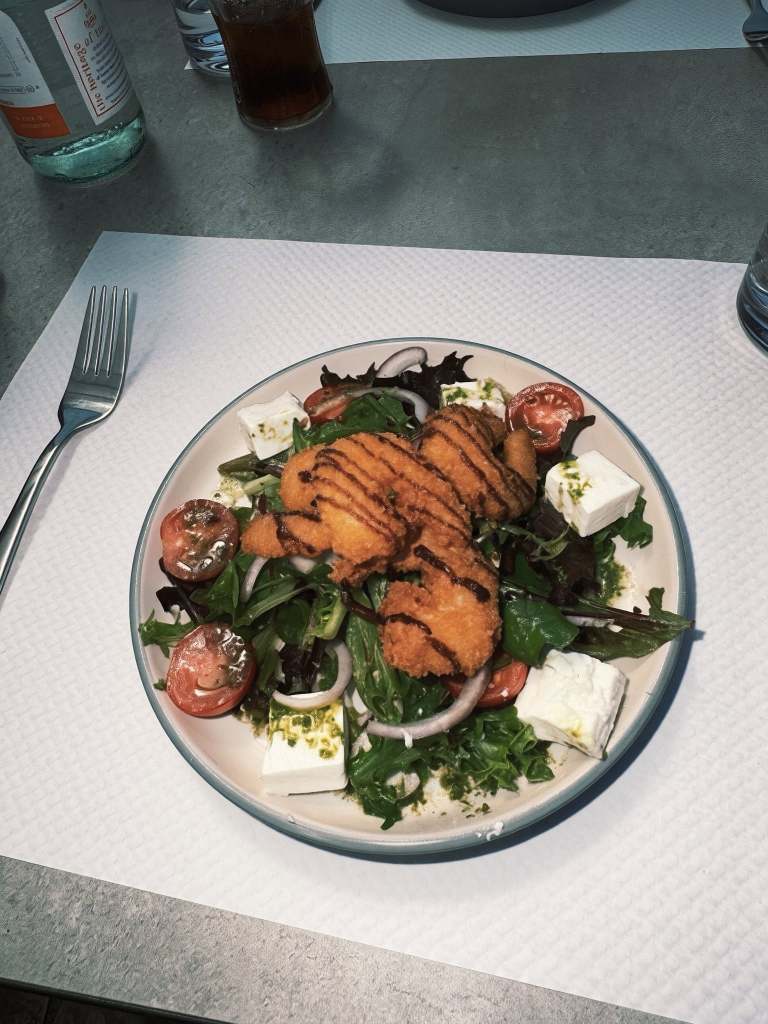
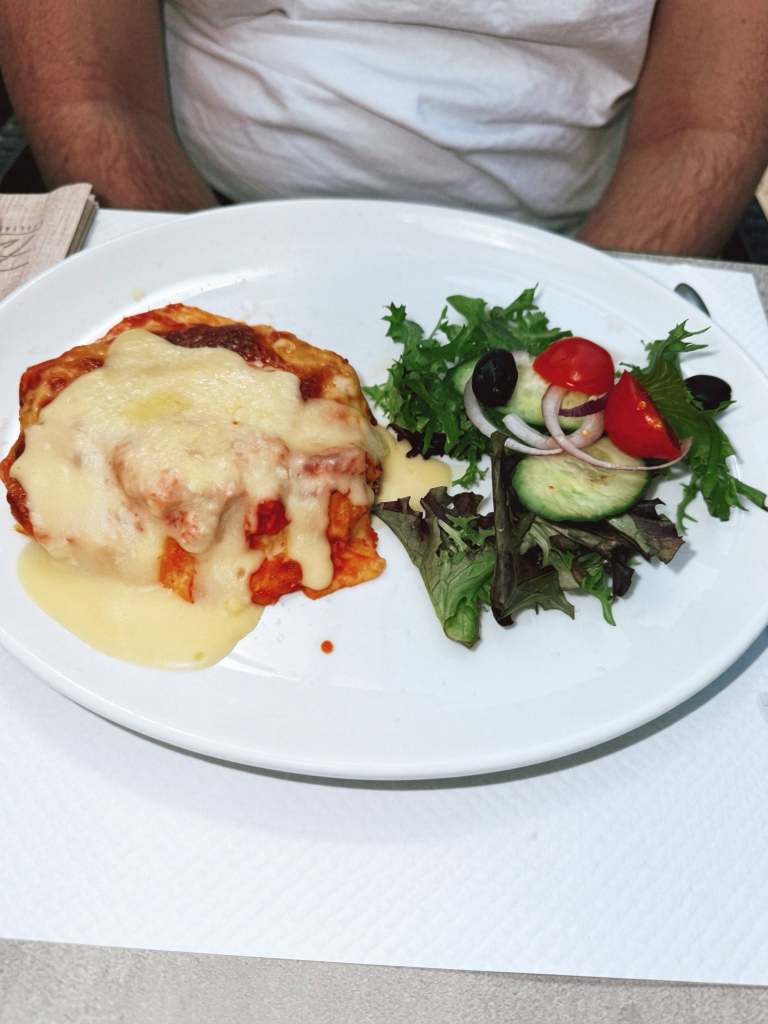
Naturally, I had taken photographs before eating. I have accepted this as one of the less dangerous flaws in my personality. There are people who can receive a beautiful plate of pasta and simply begin eating, free from the burden of documenting its existence first. I admire their freedom. I, meanwhile, seem to require photographic evidence that carbohydrates were once present. Somewhere in Britain, pasta has probably spent a measurable percentage of its working life waiting for me to finish adjusting my phone by three centimetres because apparently the light was better there. I call it preserving memories. The pasta may describe the arrangement differently.
The post itself had been sitting unfinished in my drafts, which somehow felt appropriate for something about slowing down. May became June, work continued, errands multiplied and life carried on with absolutely no concern that I had failed to complete a reflective essay about lunch. The photographs stayed buried in a camera roll full of thousands of other moments I once considered important enough to save. When I found them again, however, it was not the food I remembered first. It was the sunlight. Then the table. Then the sensation of having nowhere urgent to be.
That last part has become surprisingly luxurious.
We were sitting outside, drinks catching the light while people moved past us. Conversation wandered without needing to arrive anywhere. I was not checking the time every few minutes. There was no shift waiting immediately afterwards, no appointment requiring us to hurry, no pressure for the afternoon to justify itself by becoming useful. Two people were having lunch on a sunny day. From the next table, we probably looked entirely unremarkable. Perhaps that is why the memory stayed.
I used to think memorable days needed credentials. Birthdays qualified. Graduations qualified. Holidays, weddings, good news and boarding passes all came with obvious reasons to remain in memory. Ordinary afternoons seemed like the material between important things, the bits you moved through while waiting for life to reach the next milestone. Growing older has made me suspicious of that idea.
If I stripped my life down to only the days that would qualify as major events, I would be left with a surprisingly thin collection. Most of a lifetime is not made from celebrations. It is made from mornings when nobody announces anything, drives home, supermarket trips, cups of coffee, food eaten because somebody was hungry, conversations with no agenda and afternoons when the weather happens to be good enough to sit outside. Perhaps the days I once thought were “between” things were never between anything. Perhaps they were the life itself.
Of course, I was not sitting there staring deeply into a bowl of pasta contemplating mortality. I was mostly trying to eat before my photography habit turned lunch into leftovers. Meaning has a habit of arriving late to my appointments. Only afterwards did I begin wondering how many good moments I had lived without recognising them until they became photographs. Time has an irritating talent for improving our eyesight after the moment has passed.
There are things we barely notice while they are available too often. A familiar voice. Somebody sitting across from us. A house we walk through every day. A pet sleeping in the same ridiculous position. A routine we occasionally complain about. Repetition feels dependable enough that we confuse it with permanence, even though permanence never actually agreed to the arrangement.
Perhaps that is why my relationship with photographs has changed. I still take too many, obviously. Personal growth has not yet solved my storage problem. But I no longer believe every picture needs to document something impressive. Some of the photographs I value most would fail every technical standard imaginable. The lighting is wrong. Somebody is looking away. There is clutter in the background. Nothing interesting seems to be happening. Then life changes, and suddenly even the clutter becomes something you miss.
A casually recorded video can preserve a voice that memory later struggles to reproduce. A photograph of an old house becomes different once everybody has moved away. A badly framed dinner picture may eventually become evidence of who sat where, what the table looked like, and what life looked like before something shifted. So yes, I photograph pasta. Time has provided a surprisingly good defence for me on that one.
That afternoon also made me think about how quickly people become accustomed to things they once wanted badly. We can spend years working toward something, finally receive it, and then in a remarkably short amount of time start treating it like part of the furniture. Humans are adaptable creatures, which is useful for survival and occasionally terrible for gratitude.
There were years when eating at a restaurant without mentally calculating every penny would have felt far more luxurious than it does now. There were years when sitting outside on a weekday afternoon without feeling that I should be somewhere else sounded like a version of life belonging to someone else. There were prayers I carried, goals I worked towards and circumstances I once imagined from a distance that eventually became normal enough for me to complain about them. That thought made me slightly uncomfortable.
How much of my present life did an earlier version of me once ask God for?
Probably more than I remember.
The mind has an extraordinary ability to ignore ten things going well because the eleventh has not happened yet. There is always another plan, another financial goal, another place to visit, another version of ourselves apparently waiting somewhere beyond the current one. Wanting those things is not wrong. I still have plenty of ambition. I still make plans and occasionally become offended when those plans appear to be operating on a timetable I was never consulted about. But there is a difference between wanting another chapter and refusing to read the page already open in front of us.
Nothing outside the restaurant had been solved by lunch. Work still existed. Responsibilities were not cancelled because somebody brought Italian food to the table. Whatever concerns belonged to me before sitting down remained mine when we paid the bill. Sunshine cannot reorganise finances, answer every prayer or fold laundry. A good meal is not a treatment plan for grief, stress or exhaustion.
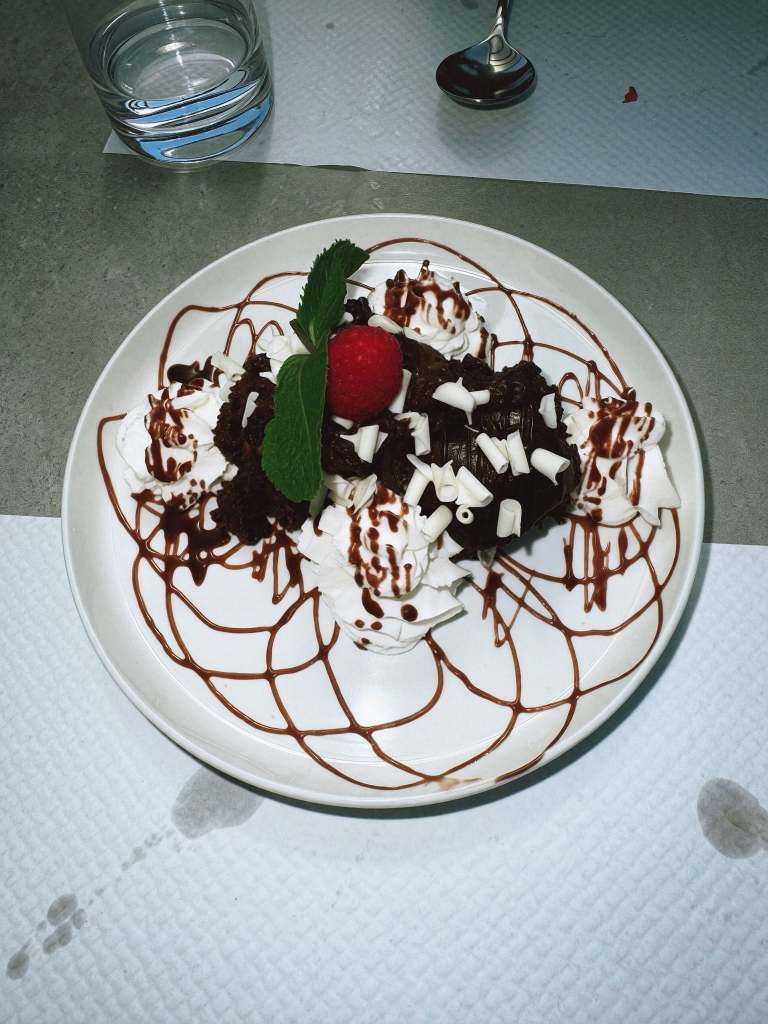
That is why I am slightly cautious about the phrase “romanticising life.” Taken too literally, it can become ridiculous, as though every unpleasant thing can be improved by adding a candle and adjusting the exposure. Some days are genuinely awful. Some problems need decisions, courage, money, conversations or help. Grief cannot be decorated into something charming. Exhaustion remains exhaustion even under attractive lighting. But perhaps there is another version of romanticising life that makes more sense. Maybe it simply means refusing to postpone every pleasant thing until life behaves perfectly. It is noticing the sky on the drive home after a difficult shift. Using the nice mug when nobody important is visiting. Ordering dessert without waiting for a birthday to make it socially acceptable. Buying flowers for your own table. Taking the photograph because the light looks beautiful. Sitting outside because the British weather has, for once, approved the application.
That May afternoon was romantic in exactly that ordinary way. Nobody ran through an airport. There was no violinist hiding behind the restaurant. No cinematic confession arrived in the rain. There was food, sunshine, conversation and enough time to stay seated after the meal. The older I get, the more I appreciate that last part: enough time not to leave yet. There is a kind of wealth in an afternoon that is not chasing you.
When we are younger, happiness often looks dramatic in our imagination. We expect to recognise it because something remarkable will happen. Later, happiness becomes harder to identify because sometimes it resembles nothing more than being comfortable for a few hours. No announcement. No achievement. No fireworks. Just contentment. Perhaps we underestimate contentment because it has terrible marketing. Excitement gets the photographs. Achievement gets applause. Big moments come with flowers, speeches, dates and congratulations. Contentment can sit beside us through an entire lunch and leave without introducing itself. Sometimes we realise it was there only afterwards.
That is what happened with May 27.
At the time, I ate, talked, photographed the food and went home. The next day arrived and pushed the afternoon one square farther into the past. Only later, looking through the photographs, did I understand why those few hours had stayed with me. There is something lovely and mildly unfair about that. We expect memories to announce when they are becoming memories. They almost never do.
One day, perhaps that restaurant will change. Maybe the table will be replaced. The street may look different. I might open the photograph years from now and have absolutely no idea what I ordered despite the extraordinary effort I invested in photographing it. The person sitting opposite me will be older. I will be older. Whatever occupied my mind in May 2026 may have been solved, forgotten or replaced by worries I cannot yet imagine.
Time rarely removes an entire picture all at once. It changes small details until eventually the arrangement preserved in an old photograph exists nowhere except inside the photograph. I do not want that thought to make ordinary days frightening. I have no desire to approach every lunch as though it might be the last and therefore requires intense emotional appreciation between bites. That sounds exhausting and would almost certainly ruin the meal. I simply want to become less careless with repetition.
Another coffee does not guarantee there will always be coffee with that particular person. Another journey home does not promise that the road will always lead back to the same arrangement of people and things. Another ordinary evening is ordinary partly because I have been lucky enough to receive so many of them.
That does not mean every moment needs documenting. I am still learning the difference between preserving a memory and accidentally missing it because I was too busy trying to preserve it. Sometimes attention requires a photograph. Sometimes it requires putting the phone down.
I want to become better at noticing. Not perfectly—there is no danger of that. I want to notice when my body is tired instead of treating fatigue like an inconvenient colleague who should stop complaining and carry on. I want to notice when somebody I love is talking instead of listening with half a brain while the other half is trapped inside a screen. I want to taste coffee before it goes cold beside me. I want to recognise good days while they are still days, not only once they have become photographs.
I will fail at this repeatedly because I know myself. There will still be mornings when I rush, evenings when I complain, meals eaten distractedly and days when I spend too much time thinking about what has not happened yet. There will be conversations whose importance I understand only afterwards. Perhaps noticing does not require perfection. Maybe it simply asks us to remember to return.
When I look at those photographs now, I no longer see only lunch. I see time without urgency, somebody I love sitting across from me, sunlight on the table and a version of my life that existed for a few hours before disappearing quietly into the calendar. An earlier version of me might have looked at that scene and wondered why I was still behaving as though happiness were waiting somewhere farther ahead. I still have unfinished plans, prayers I carry, places I want to go and enough ambition to become impatient with the future, but perhaps that afternoon corrected something in me. A life does not need to be complete before it becomes worth noticing.
I will probably keep taking photographs. Personal growth has limits. I will still inspect the light, move the phone slightly to one side and convince myself that one more picture is necessary. But perhaps I can become better at recognising the moment before it has to become a memory first. Maybe I will put the phone down sooner, taste the food while it is still warm, listen properly to the person in front of me and stay long enough to appreciate the complete absence of anything impressive happening.
Months later, I remembered the sunlight before I remembered what I had ordered. That may be the funniest part. I had spent so much effort photographing lunch as though the plate were the thing worth saving, when the photograph preserved everything around it instead: the weather, the company, the time, the freedom to sit there without rushing and an ordinary afternoon I did not yet know I would value.
And somewhere in the middle of all that, completely ignored while I tried to preserve the moment, the pasta was getting cold.
Still learning to eat before the pasta gets cold,
Anj 🍝
Continue to the Gallery











Leave a Reply