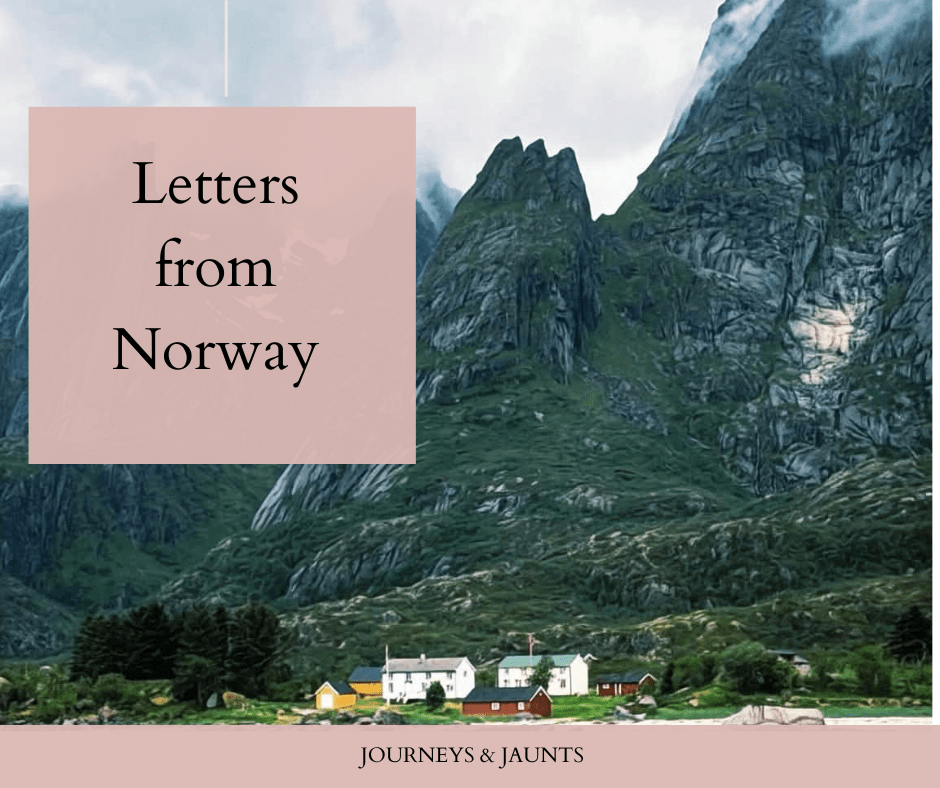
I have a problem when I travel: I do not know when I have already taken enough photographs of the same mountain. Apparently, one photograph is documentation, five are appreciation, and somewhere around the fifteenth I am simply hoping the mountain will reveal a new personality. This became particularly obvious in Lofoten, where I would take a photo through the car window, look at it, decide it was beautiful, then see the road bend slightly and immediately take another one as though Norway had completely redesigned itself within the last thirty seconds. Jan, who has known me long enough to understand that interfering with this process would achieve nothing, continued whetever he’s doing while I behaved like someone personally responsible for preserving the Norwegian landscape before it disappeared. Every now and then I would lower my phone, announce to myself that I finally had enough, then another mountain would appear looking suspiciously better than the previous one. Norway was making restraint unnecessarily difficult.


To be fair to me, Lofoten did seem incapable of producing an ordinary view. The roads curved between water and mountains, disappearing ahead of us before revealing another piece of scenery I was apparently required to photograph immediately. Sharp peaks seemed to rise straight from the sea while little houses sat beneath them looking almost comically small, as if human beings had negotiated with the mountains for a few metres of land and wisely decided not to ask for more. In some places, the water became so still that the mountains appeared twice, one standing beneath the sky and another floating upside down in the reflection. I would start telling Jan something completely unrelated, glance outside and lose whatever point I had been making. Somewhere along those Norwegian roads are probably several unfinished conversations abandoned because a mountain had better timing.
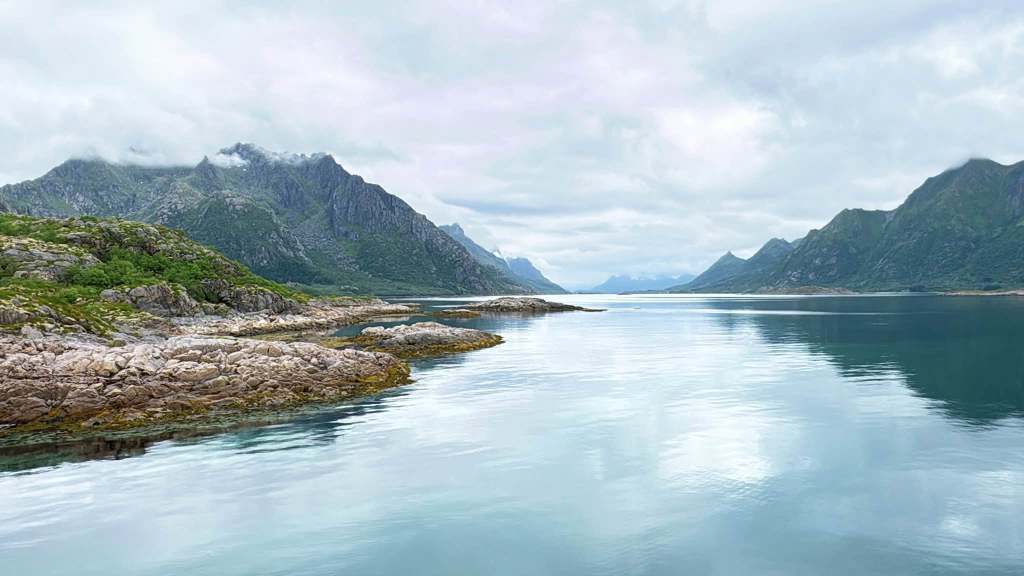
Before travelling there, I had already seen Lofoten through photographs, videos, travel pages and those suspiciously perfect social-media posts that occasionally make you wonder whether nature actually looked like that or someone had developed a serious relationship with the saturation slider. I knew there would be mountains, villages, winding roads and sea. What photographs could not explain was proportion. A mountain on a screen behaves itself. It stays between four corners and allows you to scroll past whenever you are finished admiring it. A mountain standing in front of you has no such manners. It takes up your vision, forces your head upwards and makes you aware of how small a human body really is beside something that has existed longer than every problem you brought there.
I had brought several problems with me, or perhaps “problems” is too dramatic a word for some of them. They were the usual collection of adult concerns: work, finances, plans, responsibilities, things still waiting to happen, decisions about the future and the annoying habit of wondering whether certain parts of life should have happened sooner. Emotional baggage, I discovered, has an excellent airline policy. It does not require a suitcase, never gets weighed at check-in and follows you across borders without needing a passport. Mine had arrived safely in Norway with me, but somewhere in Lofoten it began to look slightly less impressive. Nothing had actually changed. I was simply seeing it beside mountains.
Perhaps that was also why it took me a little while to remember that the trip was happening during my birthday week. Thirty-six had followed me all the way to Norway. When I was younger, thirty-six sounded extremely adult, almost professionally adult. I imagined a woman of thirty-six would know exactly what she was doing. She would understand mortgages, pensions and official letters without rereading the same paragraph four times. Her cupboards would probably be organised. She would have a reliable five-year plan and know where all her important documents were kept. She certainly would not open the refrigerator three times within ten minutes expecting new food to have appeared. Having now reached thirty-six, I feel my younger self may have been given misleading information.
My birthdays growing up were simple. I never had a debut, and there were no elaborate venues, months of preparation or decorations requiring an entire production team. We celebrated according to what we had. Food appeared on the table, family gathered, people remembered the date, I became another year older and the next morning everybody went back to ordinary life. I never remember thinking that something important was missing. At that age, I had not yet developed the adult habit of measuring one celebration against another. A birthday was a birthday, and being remembered felt like enough.
It is strange that childhood can teach us something so naturally and adulthood can spend years complicating it. When we are young, we accept affection without conducting an audit. Someone prepares food and we eat it. Someone buys a cake and we are happy there is cake. Family gathers and we assume that is simply what family does. Only later do we begin to recognise the effort hidden inside ordinary gestures. Food had to be bought and prepared. Somebody remembered the date. Somebody made time. Somebody stretched whatever was available so that a child could feel celebrated. What looked simple from the child’s side of the table may have required considerably more love than the child understood.
As I grew older, birthdays gradually became more like checkpoints than celebrations. Another year would arrive and, without being asked, my mind would produce an annual report. What have I accomplished? What remains unfinished? What should I already have by now? Why has that plan taken so long? Why does somebody else seem to have reached a chapter I am still trying to begin? We construct timelines when we are young and then become strangely offended when life reaches the relevant age and refuses to cooperate with them. Apparently life never signed the agreement.
Standing beneath the mountains in Lofoten made some of those measurements look slightly ridiculous. The mountains did not know I was thirty-six. The sea had no opinion about what I should already own. The road did not care whether another road had travelled farther. One mountain did not seem offended because another one was taller. Nothing around me appeared to be competing, and yet everything somehow belonged exactly where it was. For someone accustomed to wondering about the next thing, there was relief in looking at something that had no interest whatsoever in my timetable.


I thought about God many times during those drives, although the thoughts were rarely sophisticated. Most of them were some variation of, “Lord, this is beautiful,” followed by another photograph. I sometimes think we make prayer unnecessarily complicated because we want the words to sound worthy of the feeling behind them. Lofoten did not make me eloquent. It made me stare. There are places where admiration itself feels like a form of worship, where looking carefully becomes enough because there is nothing useful to add.
I liked feeling small there, which surprised me. In ordinary life, smallness usually sounds negative. We spend years trying to make ourselves significant, capable and useful. We gather qualifications, responsibilities and proof that we can handle things. Under the mountains, being small felt like relief instead. My problems still mattered because they belonged to my life, but they did not have to become the size of the entire world. The world was already much larger than them.
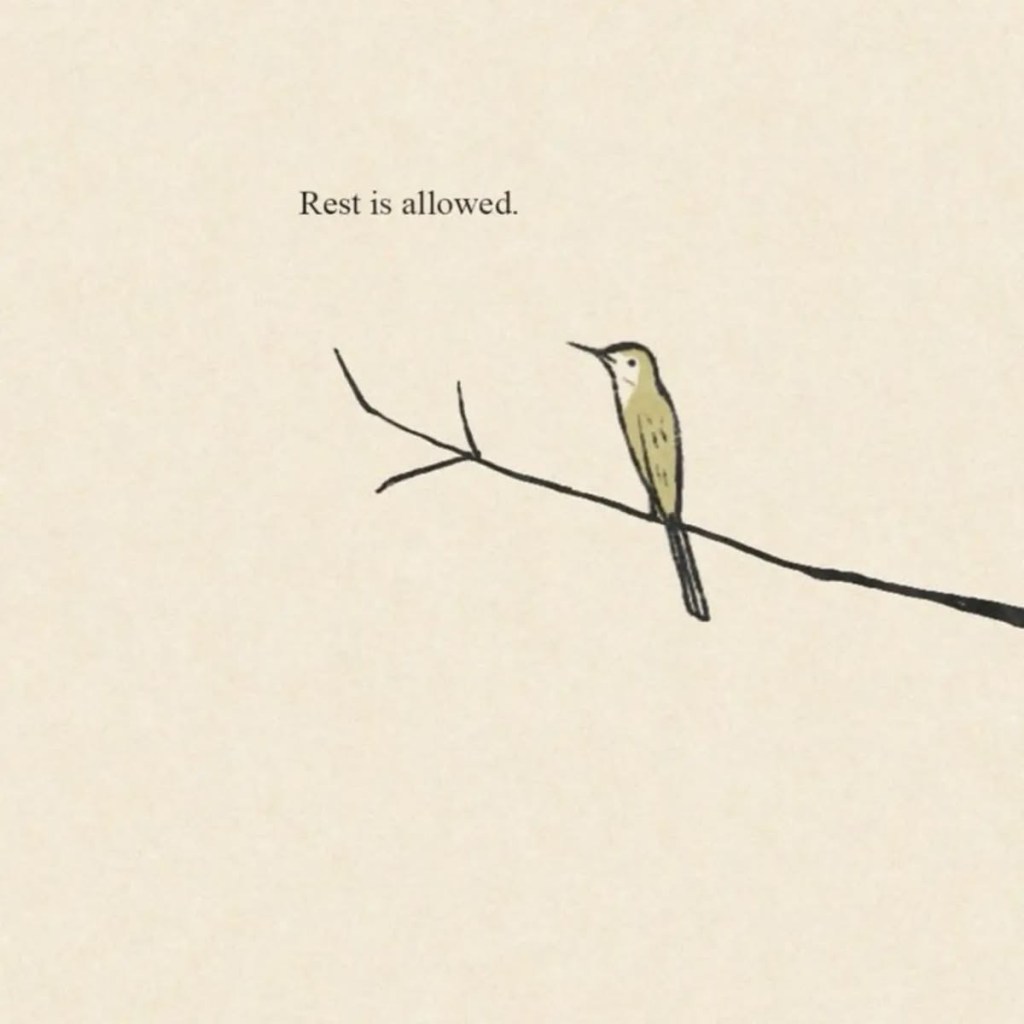
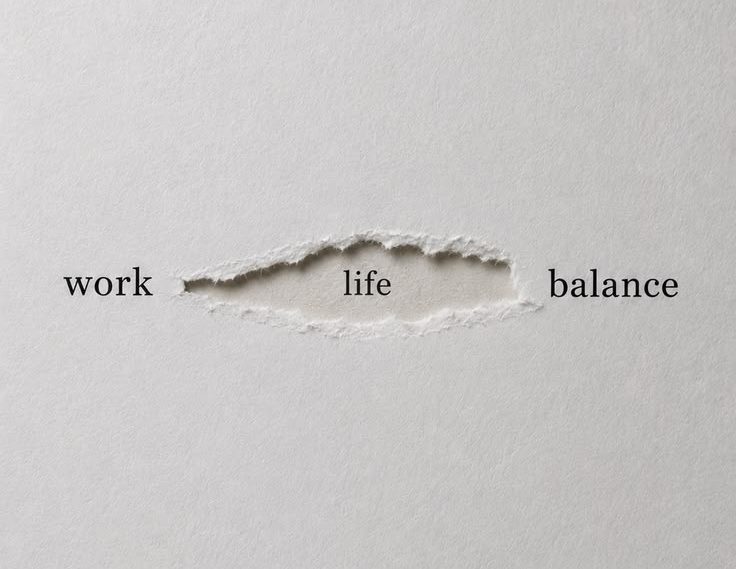
Perhaps I needed that because I have become very good at continuing. Nursing probably has something to do with it. You learn that tiredness does not automatically cancel responsibility. There is another patient, another referral, another phone call, another problem requiring an answer. Then you go home and discover adulthood has opened another department containing bills, appointments, laundry, shopping, messages and the daily question of what to eat, despite having answered exactly the same question the previous day. I have told myself countless times that I will properly rest once everything is finished. Everything has repeatedly refused to participate in this arrangement.
Lofoten seemed to follow another set of rules. The sea was not rushing anywhere. The mountains had apparently spent thousands of years doing nothing that could be entered onto a productivity spreadsheet and still looked fairly successful. The northern evenings arrived at their own pace. Even the roads seemed determined to slow us down because each bend offered another excuse to stop and stare. It made me wonder when I had started confusing constant movement with a life being lived correctly. I did not solve that question in Norway, but I carried it with me.
The fjord tour gave me another problem because I had again convinced myself that photographs had adequately prepared me. I had seen Norwegian fjords in travel pages and videos, so I thought I understood what one would look like. Then the boat moved farther into the water and the landscape began rising around us instead of merely sitting in front of us. Mountains climbed on either side, dark cliffs dropping into the fjord while waterfalls drew pale lines down the rock. Birds crossed overhead. The air had that northern sharpness capable of finding whichever patch of skin you had foolishly left exposed.


The farther we travelled, the more the water seemed to carry us into somewhere separate from ordinary life. People still spoke around us, but voices seemed naturally lower. Nobody had announced a rule demanding silence. It simply felt strange to compete with the landscape. I remember looking from one side of the boat to the other and having the peculiar feeling that whatever direction I chose, I was probably missing something happening behind me.
Naturally, this caused a photographic emergency.
I took pictures of the mountains, waterfalls, water and Jan. Then I photographed another mountain, which may have been the first mountain from a different angle. I have never pretended to be one of those travellers who takes three tasteful photographs and then spends the rest of the holiday fully detached from technology. I admire such people from a safe distance. My own camera roll tends to look as though I have been commissioned to produce a complete geological archive.
At some point, however, I lowered the camera. I cannot remember deciding to do it. Perhaps my hand was cold. Perhaps even I had reached temporary saturation. I simply stopped looking through the screen and looked directly at everything around me. There was the fjord beneath us, the mountains rising on either side, the cold against my face and Jan standing nearby. Nothing needed to become a post. No photograph needed to prove I was there.
I was there.
The moment stayed with me differently, perhaps because I had not immediately turned it into evidence. A camera is wonderful at remembering appearances, but our own attention remembers different things. It remembers the temperature, the sound, the smell, the person beside us and whatever thought happened to pass through the mind before the shutter interrupted it. I still took plenty of photographs afterwards because one brief philosophical breakthrough was never going to reverse my entire personality, but occasionally I remembered to look first.
Perhaps that is one of the reasons I write. I photograph things because I want to remember what they looked like. I write because I want to remember what they meant. A photograph of the fjord will show me mountains and water years from now. Words may remind me that there was a moment when I put the camera down and realised I did not need to preserve everything in order for it to matter. A photograph records where I stood. Writing tells me who I was while standing there.
Having Jan beside me gave the whole journey another layer. There is something amusing about standing beside someone you love in scenery that looks cinematic when that same person has witnessed you in circumstances no film crew would select. Jan knows me without Norwegian mountains in the background. He knows exhausted me, hungry me, stressed me, overthinking me and the version who insists that “one more photograph” is a mathematically valid statement despite years of evidence suggesting otherwise.


Travel photographs are particularly skilled at hiding reality. They show two people smiling against a magnificent background but rarely disclose what happened ten minutes earlier. They do not show sore feet, bags becoming mysteriously heavier, hunger, changing plans, minor disagreements or the discussion about where to eat when two tired people have reached the dangerous point where neither cares as long as food appears quickly. I like remembering those details because they prevent the trip from becoming too perfect in memory.
Perhaps long-term love grows in those unphotographed spaces as much as anywhere else. There are grand gestures, anniversaries and special occasions, but there are also long drives, luggage, shared food, exhaustion, waiting, being slightly irritated with each other and still turning towards the same person when something remarkable appears outside the window. Sometimes love is not an elaborate declaration. Sometimes it is simply saying, “Look,” because something beautiful appeared and that is the person you instinctively wanted to see it too.
My birthday celebration carried that feeling. Jan’s family made me feel remembered, and I remain deeply grateful to Tita Marydean for the lovely hotel stay and birthday dinner. Sitting there in Norway, another year older and surrounded by people who had made an effort for me, I found myself thinking about the simple birthdays of my childhood again. The distance between Cebu and Norway suddenly felt larger than geography.


There had been a girl who celebrated with whatever was available around the family table, and now there was a woman turning thirty-six in another country. It would have been easy to interpret that as evidence that life had somehow become grander. Strangely, I felt almost the opposite. Norway did not make those earlier celebrations look smaller. It made me appreciate them more.


Love had simply changed its clothing.
Sometimes it looked like food prepared at home and relatives gathering around the table. Sometimes it looked like a hotel stay and a birthday dinner in Norway. The surroundings were different, but the message underneath them had remained remarkably similar: we remembered you, and we are glad you are here. Money can alter the background of a celebration. It cannot automatically improve the affection inside it.
Perhaps my younger self understood that before I learned to complicate it. She did not need a birthday to prove that life was progressing correctly. She did not look at the cake and calculate whether somebody else had a better one. She wrote stories because she liked writing them, enjoyed whatever celebration was there and received what was given without comparing it against everything that remained absent. Sometimes I think adulthood gives us wisdom. Other times it simply gives us more things to overthink.


After Lofoten and the fjords, Oslo felt like Norway changing character. The wide roads, peaks and open landscapes gave way to architecture, museums, history, harbour views and people moving through a capital city. I liked that contrast because it stopped Norway from becoming one single postcard in my memory. Lofoten had made me think about what exists beyond us. Oslo made me think about what people build while we are here.
The Oslo Opera House immediately caught my attention because it seemed less interested in being admired from a respectful distance than most important buildings. Its pale sloping roof appeared to rise from the waterfront and practically invited people to walk over it. So we did. As we climbed, the harbour began opening below us, with boats moving through the water, modern buildings lining the waterfront and people crossing the open spaces beneath us.
After days of looking upwards at mountains, I was suddenly standing above part of a city looking outward.
There was something almost embarrassingly literal about the lesson in that. Move your feet, stand somewhere different, and the same place changes. Nothing below the Opera House had altered simply because I had climbed the roof, yet the view had. I wondered how often I insist that a situation has only one possible meaning because I have refused to move from the place where I first looked at it. Then I reminded myself that I was supposed to be enjoying my holiday and perhaps did not need to turn Norwegian architecture into a therapy session.
We wandered around Oslo’s harbour afterwards and I enjoyed walking without requiring every step to accomplish something. At home, walking is usually functional. I am going to work, to a shop, to an appointment or towards another obligation. On holiday, walking can be delightfully inefficient. You can follow a road because it looks interesting. You can stop because a boat catches your attention. You can stand somewhere for several minutes without having to justify why.
Maybe we need more inefficient walking.


The harbour had movement without making me feel hurried. Boats came and went, people crossed the waterfront, buildings reflected another version of Oslo against the water, and we simply moved through it. It is sometimes difficult to know whether a city creates a mood or merely gives us enough space to notice the mood we already carried. Perhaps Oslo was calm. Perhaps I had become calmer while travelling through it. Both explanations can exist.
Akershus Fortress changed the atmosphere again. Old stone always does something to my sense of time. There is a heaviness in historic places that no photograph can entirely reproduce. People had stood within those walls hundreds of years before us. They had looked over Oslo Fjord from another version of the city and worried about lives that felt just as immediate and important to them as ours feel to us.
They had loved people there. They had been frightened there. They had waited for news. They had wondered what tomorrow would bring. Eventually, their tomorrow became history.
I find that strangely comforting rather than depressing. We spend so much time believing our current concerns are enormous because the present is the only moment we can physically inhabit. Then an old fortress reminds us that thousands of people have already lived through their own enormous presents. Their worries mattered while they were living them, but time eventually placed edges around them. It made me wonder which things keeping me awake now will one day become stories I tell casually over coffee.
The National Museum made me think about another way human beings resist disappearing. Museums are filled with things somebody decided should remain. Streets tell you what a city is doing now; museums show you what it has chosen not to forget. Standing in front of art created long before my own lifetime made me think about how persistent human emotions really are.
Seeing Edvard Munch’s work in Norway made that especially clear. Fear is not new. Neither are loneliness, grief, desire, confusion, love or the uncomfortable parts of being human that we sometimes imagine nobody else could possibly understand. People felt them before smartphones, blogs, cameras and social media gave us endless ways of announcing them. They painted them. Sculpted them. Wrote them down.


Perhaps art has always been humanity leaving notes for strangers in the future. I was here. I felt this. Please do not let it vanish completely. Maybe that is why writing has stayed with me for so long. I often understand something better after I have written it. A mountain does not need my paragraph. The fjord will continue perfectly well without my interpretation. But I need the words because experience changes once it enters us, and if I do not write some of it down, I worry I will eventually remember only the outline.
Vigeland Park gave me another set of thoughts entirely. Walking among the sculptures, I kept noticing bodies represented at different ages, in different relationships and different states of being. Some figures felt tender, some peculiar, some almost funny and others uncomfortable in a way that made me stop longer. Together they seemed to contain a simple fact we regularly forget: there is no single version of a human life.
We spend years changing.


The girl celebrating simple birthdays in Cebu became the woman walking through a sculpture park in Oslo. The new nurse became more experienced. The person who once imagined adulthood would contain all the answers became somebody considerably more suspicious of anyone claiming to have them. Work changed me. Loss changed me. Love changed me. Living abroad changed me. Some experiences made me harder in places and softer in others.
Relationships have to survive that movement too. When we stay beside someone for years, we are never loving exactly the same person. We keep meeting another version. The ambitious version, tired version, disappointed version, successful version, frightened version, ridiculous version and the one who has reached a point in life neither person knew existed when they first met.
Jan and I were not exactly the people walking through Norway that we had been years earlier. Yet there we were. Still deciding where to eat. Still sharing the road. Still looking at things together. That feels more believable to me than any grand statement about love conquering everything.
Even football found its way into our Norwegian story. Oslo had supporters gathering around screens and wearing their colours, and there was that unmistakable energy that appears when otherwise reasonable adults suddenly become emotionally dependent upon twenty-two people chasing a ball. I remained loyal to England, naturally, but watching Norwegian supporters made me think about how belonging attaches itself to places.
The Philippines remains part of me in a way geography cannot remove. Cebu holds childhood, family, language, memory and the earliest version of who I was. England became home differently. It holds my work, adulthood, independence, routines and years of learning how to build a life far from where I began. Norway now occupies its own smaller room because of Jan, his family and this particular birthday. Perhaps the heart is capable of having several geographical addresses.
Eventually Norway began moving towards its ending, as holidays rudely insist upon doing. Hotel rooms we had started treating like ours became places we had to inspect carefully before checkout. Suitcases came out. Clothes that had somehow fitted comfortably before the trip developed a completely different relationship with space on the return journey. I remain suspicious of what happens inside luggage during holidays.
There are few experiences more humbling than sitting on a suitcase while attempting to convince a zip that everything absolutely fitted several days earlier. No amount of spiritual reflection beneath Norwegian mountains can protect a person from baggage allowance. Travel insists upon restoring practicality eventually.
I like remembering those details too. There were beautiful views, but there were also tired legs. There were impressive places and heavy bags. There were lovely meals and moments before those meals when hunger made everybody considerably less philosophical. There were plans that changed and probably things that did not happen exactly as intended.
Perfect holidays exist mainly after photographs and memory have edited them. Real journeys contain inconvenient paragraphs. Real lives probably do too.
We are sometimes too quick to interpret inconvenience as evidence that something has gone wrong. Perhaps seeing everyone else’s edited version contributes to that. Nobody normally uploads a photograph of the sore foot, the suitcase argument, the wrong turn or the expression made while calculating whether the baggage is overweight. Yet those moments do not cancel the mountain. They exist beside it.

On our final days, places began looking slightly different because I knew we were leaving them. That happens to me often. A view I walked past without much attention suddenly deserves another look when I know it may be the last one. A room becomes familiar the morning I have to give back the key, and roads somehow begin turning into memories while I am still travelling on them. Endings sharpen the eyes. Maybe birthdays do something similar. They create an artificial line in time and make us look at what happened before crossing it. Thirty-five ended. Thirty-six began. Nothing inside me transformed at midnight, yet the number became a checkpoint, and checkpoints have a habit of making people look backwards. I had spent other birthdays asking how far I still needed to go. Norway made me wonder how much distance I had already crossed without giving myself much credit for it.
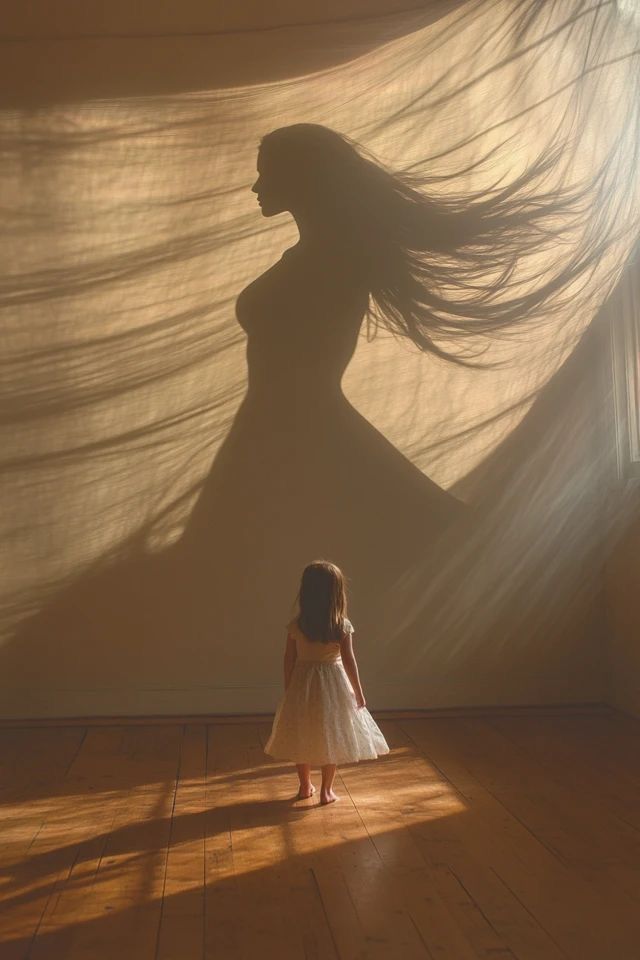
There was once a girl celebrating simple birthdays in Cebu who had no idea Norway existed anywhere in her future. She did not know she would eventually live in England. She did not know what kind of nurse she would become, what work would ask from her, which people she would meet, what she would lose or what she would somehow survive. She did not know Jan would become part of her story. She had never seen Lofoten, had no reason to imagine herself on a fjord cruise, and certainly would not have pictured herself wandering around Oslo, standing inside Akershus Fortress, looking at Munch in the National Museum or walking among the sculptures of Vigeland Park. If I could show her one photograph from Norway, I think she would probably be impressed by the mountain first. Then, knowing her, she would have questions.
I would like to believe that the older version of me would have plenty of useful answers for her, but the more I think about it, the more I suspect she might have something useful to remind me too. She knew how to enjoy a birthday without examining whether life had met enough targets. She knew how to write because she liked writing, not because it needed to become anything. She could celebrate because there was something to celebrate and receive what was given without immediately comparing it with whatever remained absent. Perhaps growing older is not always about teaching our younger selves. Sometimes we travel far enough to discover that they knew a few things before we complicated them.
I would still tell her a few things if I had the chance. I would warn her that the road towards thirty-six will look nothing like the straight line she probably imagines. There will be losses. There will be questions that remain unanswered much longer than she thinks reasonable. There will be plans that make perfect sense until life gets involved and rearranges them. There will be nights when work empties her of almost everything except the ability to continue. But I would also tell her there will be roads through Lofoten where she will repeatedly interrupt conversations because another mountain has appeared outside the window and apparently requires immediate photographic documentation. There will be a fjord where, surprisingly, she eventually lowers the camera. There will be people who make room for her in countries far from where she began, and there will be birthdays she could never have designed because she did not yet know those places—or those people—existed. I would probably tell her not to hurry too much, although she would likely hurry anyway. I know this because I still do.
When we returned to England, my life had not reorganised itself in our absence. Work remained waiting. Messages required answers. Bills had apparently received no information about my birthday and continued operating normally, and laundry had made absolutely no effort towards becoming self-sufficient. The contrast was almost funny. One day I was staring at Norwegian mountains and not long afterwards I was back among the ordinary things that constitute most of a life. Yet I did not feel that the ordinary had somehow cancelled the extraordinary. If anything, Norway made me realise how dependent beauty can be on contrast. Mountains remain memorable partly because we do not wake beneath them every morning. Holidays feel precious because eventually the suitcase has to close. A birthday means something because the year before it cannot be repeated.
I came home with photographs, memories, probably enough material for several posts and the slightly uncomfortable realisation that I am more than the things I manage. That matters because usefulness is easy to confuse with worth. I love my profession, but I am not only the person wearing the uniform. I am also the person staring through a car window, the one writing afterwards, the woman travelling beside someone she loves, and still, in some ways, the girl who grew up with simple birthdays. She remains somewhere underneath the thirty-six-year-old who occasionally worries that life is taking too long. Thirty-six did not arrive carrying all the answers I once expected adulthood to provide, and perhaps that is fortunate. There are still places I have not seen, things I want, plans moving at their own irritating pace and questions about the future that Norway very politely declined to answer. I still worry. I still compare sometimes. I still take on too much, become tired and then behave surprised by the tiredness.
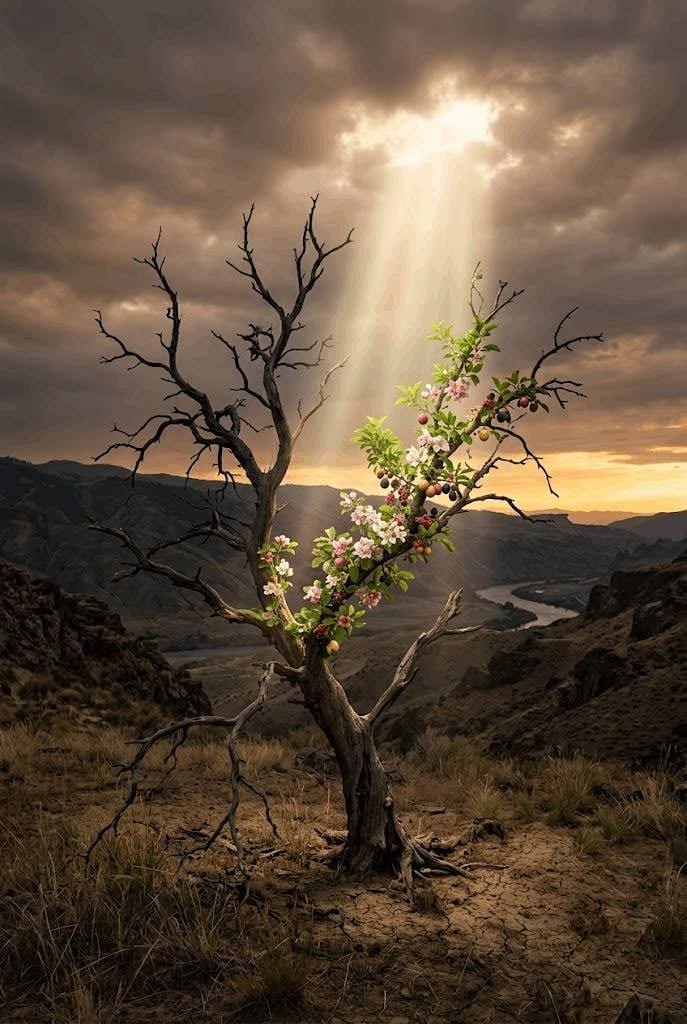
The mountains did not cure any of that, nor would I want to pretend they did. They simply gave me another way to look at what I carried. Maybe that is what the years have been teaching me more than anything else. Life happens without asking whether we approve of the arrangement. Plans change. People leave. Opportunities appear while others disappear. Some prayers become yes, some become later, and some return to us wearing an answer we never requested. We do not always choose what arrives, but we keep choosing what we become around it. I can become bitter because something took too long, or I can admit that I am disappointed and continue. I can spend another birthday studying everything absent from my life, or I can also notice what is already sitting at the table. I can photograph a beautiful place until I possess evidence from every conceivable angle, or every now and then I can put the phone down and look properly.
I suspect I will spend much of my life moving between both. That contradiction feels more believable to me than pretending I returned from Norway transformed into somebody permanently peaceful, patient and grateful. I did not. I returned as myself. I still complain, still worry and still take far too many photographs. Perhaps the difference is only that my eyes came home slightly adjusted. When I think of my thirty-sixth birthday now, the number is not the first thing I remember. I remember Lofoten appearing through a car window and Jan driving while I repeatedly interrupted whatever we were discussing because the scenery had committed another offence against normality. I remember cold air on the fjord and the strange feeling of lowering my camera when everything around me seemed worth photographing. I remember standing on the Oslo Opera House and looking over the waterfront, walking beside the harbour without urgently needing to arrive anywhere, and standing within the old walls of Akershus Fortress wondering how many generations had once believed their own present would last forever.
I remember the National Museum and thinking about the people who had somehow managed to leave pieces of themselves behind through art. I remember Munch and the strange familiarity of emotions travelling through unfamiliar hands from another century. I remember Vigeland Park and all those human forms reminding me how many shapes one lifetime can contain. I remember football supporters filling Oslo with another sort of belonging. I remember my birthday dinner, the hotel, the generosity of Tita Marydean, Jan beside me and the peculiar gratitude of being remembered thousands of miles away from the place where my first birthdays began. Those places are now tied together in my mind, not simply as an itinerary of somewhere I visited, but as evidence of the strange distance between the life I imagined as a child and the one I somehow ended up living.
There are things photographs will remember better than I can. They will remember which mountain looked like what, the harbour seen from above, what I wore and probably details I will eventually swear happened differently. But there are things I need words to preserve: the size of my worries beneath Lofoten, the stillness inside the fjord, the thought of God appearing without the need for a complicated prayer, and that younger version of me unexpectedly turning up beside my thirty-sixth birthday to remind me that a life does not become more valuable simply because its scenery improves. I hope years from now, when this journey has moved farther into memory, I still remember that Norway was beautiful but beauty was never the entire story. There was Jan, there was family, there was another year, and there was a girl from Cebu who had travelled much farther than she once knew how to imagine. There was also a woman of thirty-six who still did not have everything figured out and, for once, did not feel an urgent need to pretend otherwise. There was God somewhere inside the gratitude of it all, and there was me, still deciding what I wanted to carry forward.
On one of those drives through Lofoten, I probably told myself I had taken enough photographs. I probably looked at my screen, saw an unreasonable collection of mountains and decided the situation had become excessive. Then the road turned, another mountain appeared and I lifted the camera again. I think I understand that impulse slightly differently now. Maybe I was not only trying to keep the scenery. Maybe some part of me already understood that the moment was moving away even while I was standing inside it. We cannot keep a mountain, hold a birthday in place or persuade a journey not to end; we can only notice these things before the road bends again. So I took another photograph, and another year came with me. I am still deciding what to do with both.
With love,
Anj ♥

















Leave a Reply