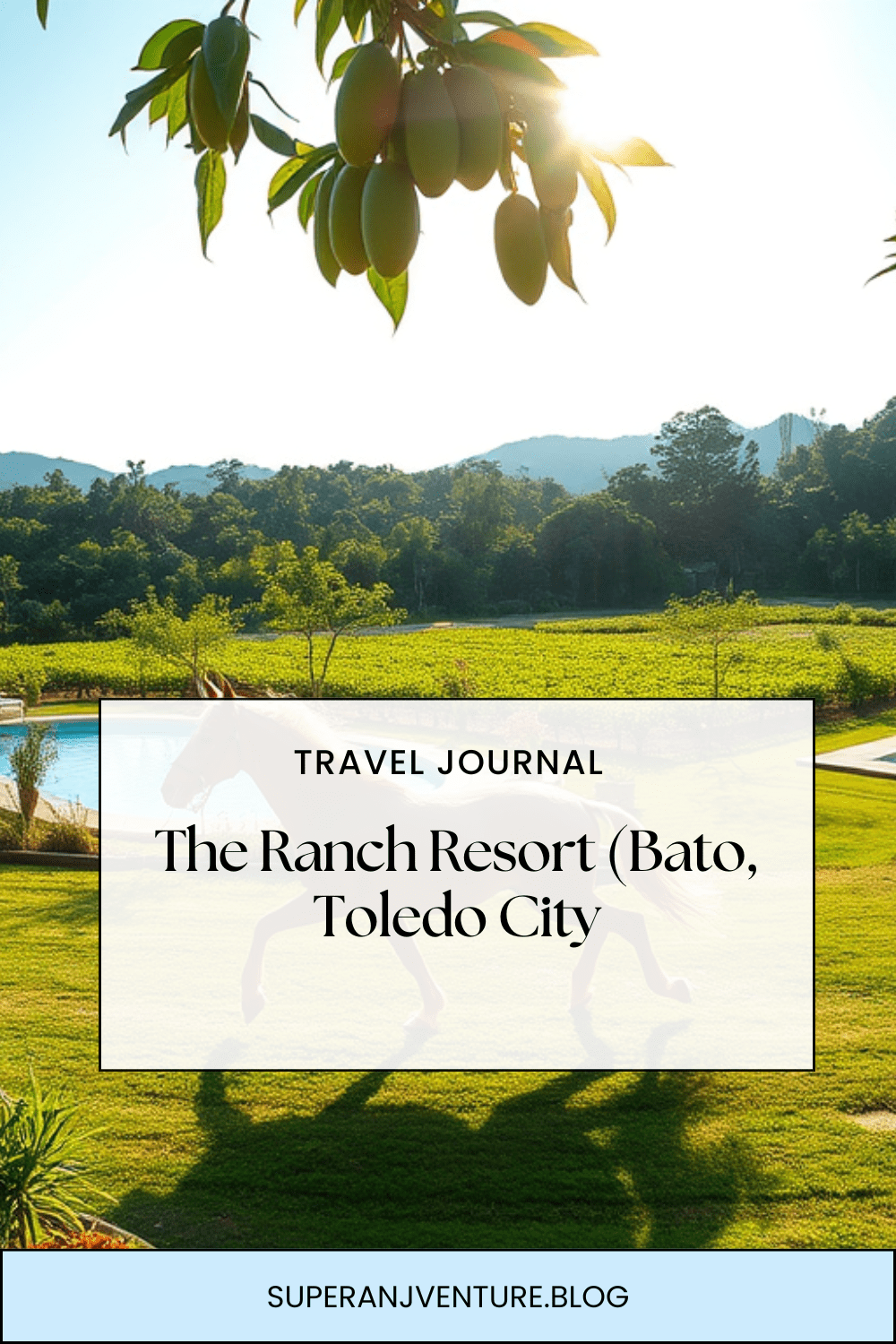
Growing up in Toledo City, I thought the hills and I had an understanding. They had always been there, rising behind familiar roads, changing shades depending on the weather and keeping watch over a city I never had to introduce myself to. Toledo was home. I knew its heat, its streets, its copper-mining identity, the rhythm of ordinary days and that peculiar confidence we have with places we grew up in—the assumption that because we belong there, we must already know what it contains. The hills, apparently, found this assumption amusing. Somewhere in Barangay Bato, they were keeping a place that would eventually become The Ranch Resort, and I would discover it before most people even knew there was something there to discover.
My first introduction to The Ranch actually came months before the resort officially opened. A friend of mine invited me because her mother is a close relative of the owner, which meant I had the unusual privilege of seeing the place while it was still preparing to introduce itself properly to the public. There is something special about visiting somewhere before the polished version arrives. A resort before opening has the feeling of a stage before the audience enters: things are taking shape, corners are still finding their purpose, and you can almost sense the place rehearsing what it is going to become.
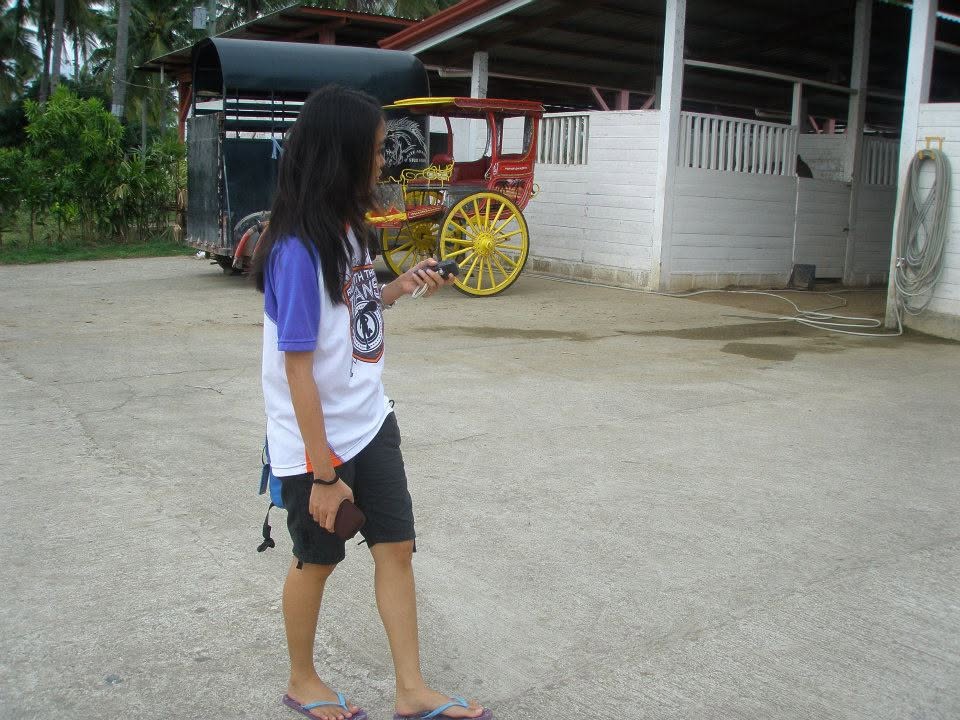

At the time, I did not know that this would not be a one-off visit. I simply knew that somewhere inside my own hometown was a large countryside property I had somehow never properly known. That amused me. I could dream about beaches several islands away and save photographs of destinations I would need ferries, flights or annual leave to reach, while Barangay Bato had apparently been sitting there with its hills folded across its chest thinking, Whenever you are ready.
Perhaps that is one of the strangest things about exploring where you grew up. When we travel somewhere unfamiliar, our eyes immediately become hardworking employees. We examine buildings, photograph roads, notice trees, read signs and treat even public transport as part of the cultural experience. At home, our eyes become dangerously comfortable. They recognise the route and stop filing detailed reports. Familiarity makes life easier, but it can also make nearby places disappear into the furniture.
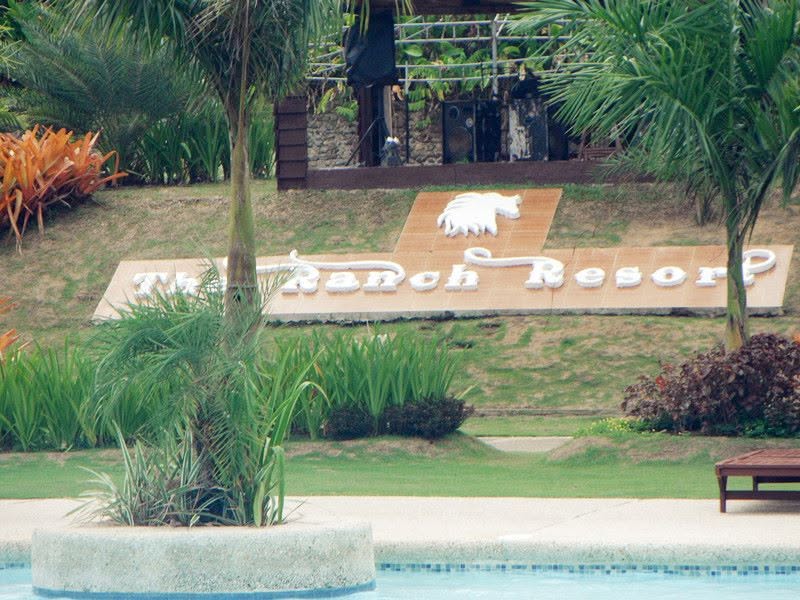
The Ranch became one of those reminders for me. Located in the highlands of Barangay Bato, it belonged to Toledo—the same city I came from—yet stepping into the property showed me a version of home that did not appear in my ordinary routine. Once known as Gaite Ranch, the sprawling property covered several hectares, with gardens, plantations, pools, guest rooms, horses, birds and enough greenery to make Toledo’s familiar Copper City identity share the page with something much more pastoral.

The journey towards Bato helped with the introduction. Familiar Toledo gradually rearranged itself as the road climbed. Houses became fewer, green spaces took more of the view and the hills seemed to move closer, as though they had decided that if I had finally bothered to visit, they might as well show me around properly. I liked the irony of it. I could spend hours researching somewhere far away, yet my own hometown required only a short journey and the willingness to look at it as though I had never seen it before.
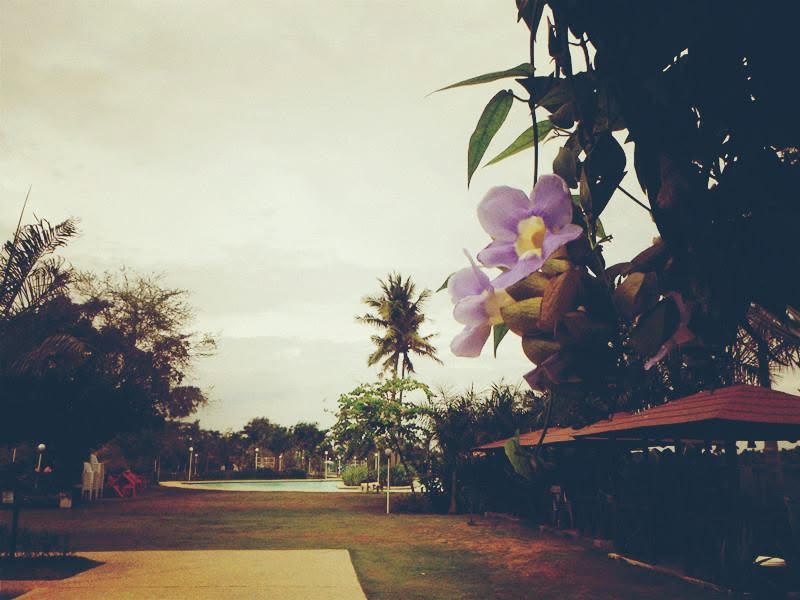
When we reached The Ranch, the first thing I noticed was the space. The property seemed to stretch itself after the road ended. Trees had room to spread their branches, gardens wandered through the grounds and the highlands sat behind everything like they had been assigned permanent background duty. The air felt different too, fresher and cooler than the heat I associated with the lower parts of Toledo. It was still home, but home had changed clothes.
Because I had seen the place before its official opening, returning later carried its own satisfaction. I had watched it before it became a destination people deliberately searched for, then saw it gradually settle into its role as somewhere families, groups of friends and visitors could spend a day or celebrate an occasion. It was almost like knowing someone before they became popular, except The Ranch never borrowed money from me or forgot to reply to messages afterwards.
The guest rooms offered the option of staying overnight, surrounded by plantations and greenery rather than the usual city view. The accommodation suited the property because it did not try to wrestle attention away from the countryside. A giant hotel block would have looked as though it had turned up at the wrong address. Here, the rooms existed within the ranch rather than demanding that the ranch organise itself around them.
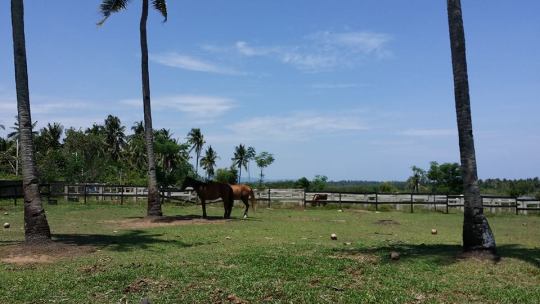
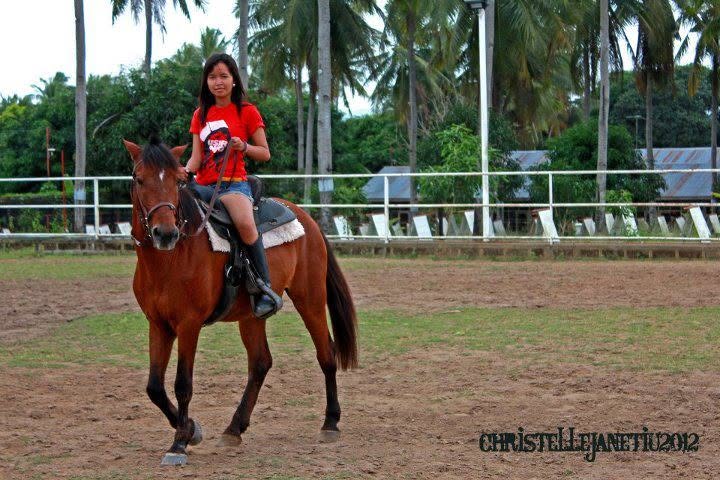
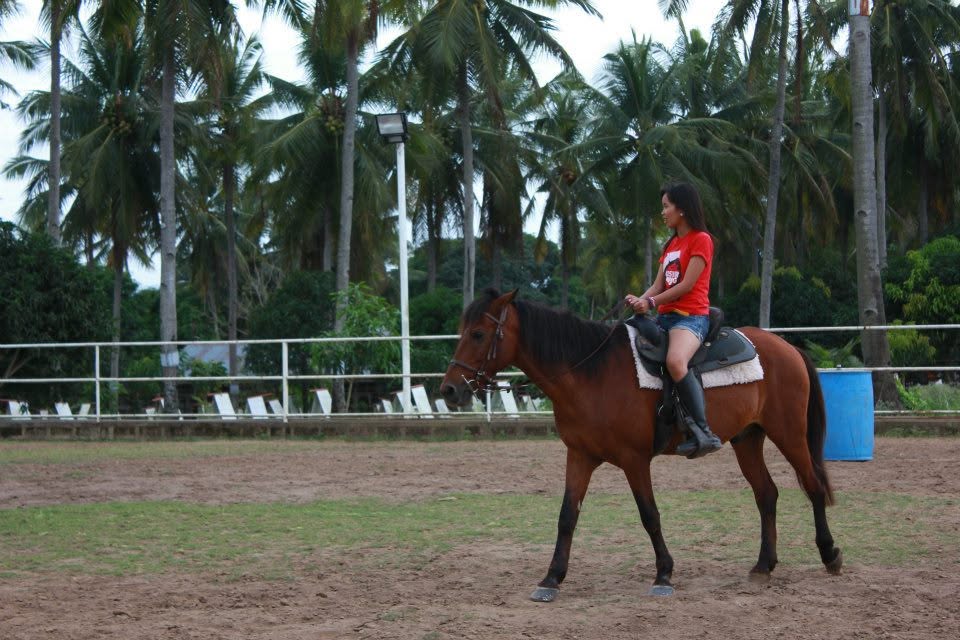
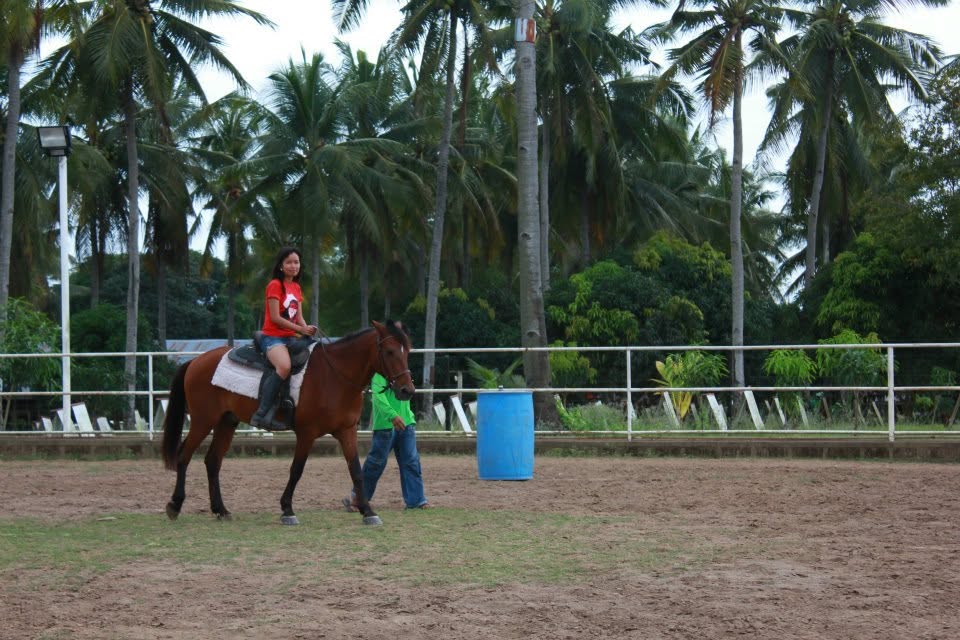
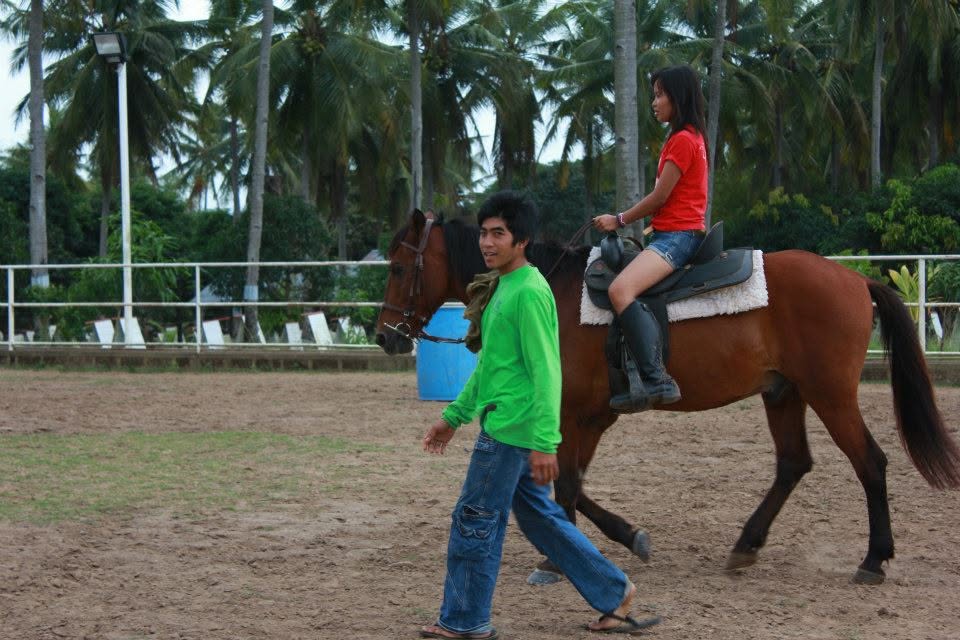
Then there were the horses. Arabian horses gave the property one of its most memorable features, and seeing them against the trees and open grounds immediately justified the name. Horses possess an irritating talent for appearing elegant without effort. A horse can stand beneath a mango tree doing absolutely nothing and somehow look like it is posing for a calendar. Put a human beside the same horse and suddenly there are questions about posture, balance and whether the animal has detected that the smile in the photograph is covering mild uncertainty.
Horseback riding through the property made the familiar hills of Toledo feel strangely new to me. Paths passed between trees and plantations, while greenery appeared in every direction. I had known these hills as part of the geography of home, but seeing them from within the ranch felt like meeting someone you had known for years and discovering they had an entire hobby you had somehow never heard about.

The gardens and plantations gave the place another character. Fruit trees, vegetables and mango orchards made parts of the resort feel less manufactured than many leisure destinations. There was something satisfying about seeing plants still attached to the places where food actually begins. Supermarkets allow vegetables to arrive washed, arranged and labelled with the confidence of produce pretending it has never encountered mud. Farms are much less interested in maintaining that fiction.
The working bee farm added another industrious population to the property. While we were technically there to relax, the bees had refused to acknowledge the concept of leisure. They were busy pollinating, organising themselves and producing honey with a work ethic that could make the rest of us uncomfortable if examined too closely. No emails, no unnecessary meetings, no one asking whether the honey-production update could have been a Teams message. I admired them, preferably from a respectful distance.
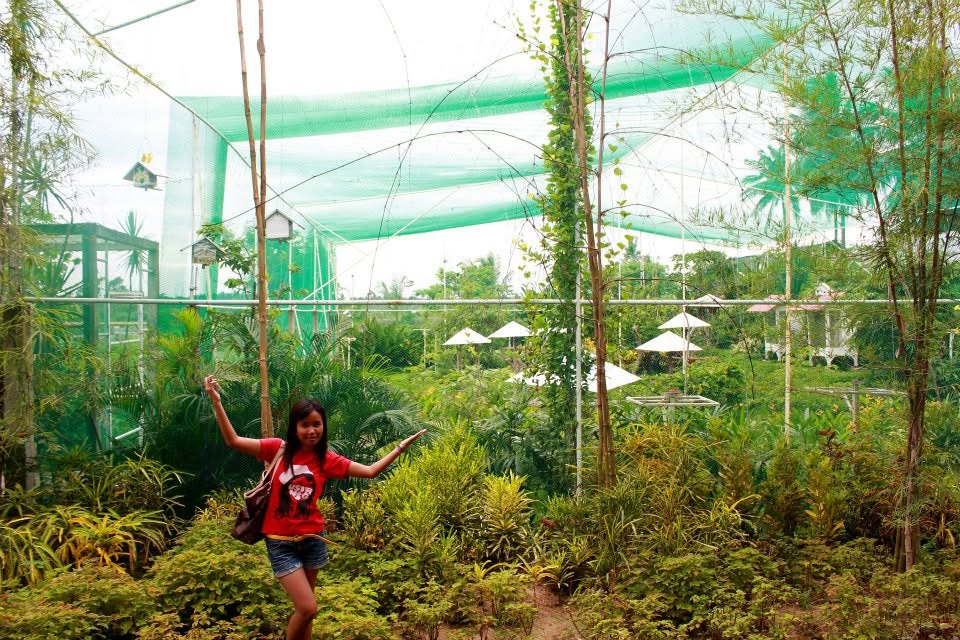
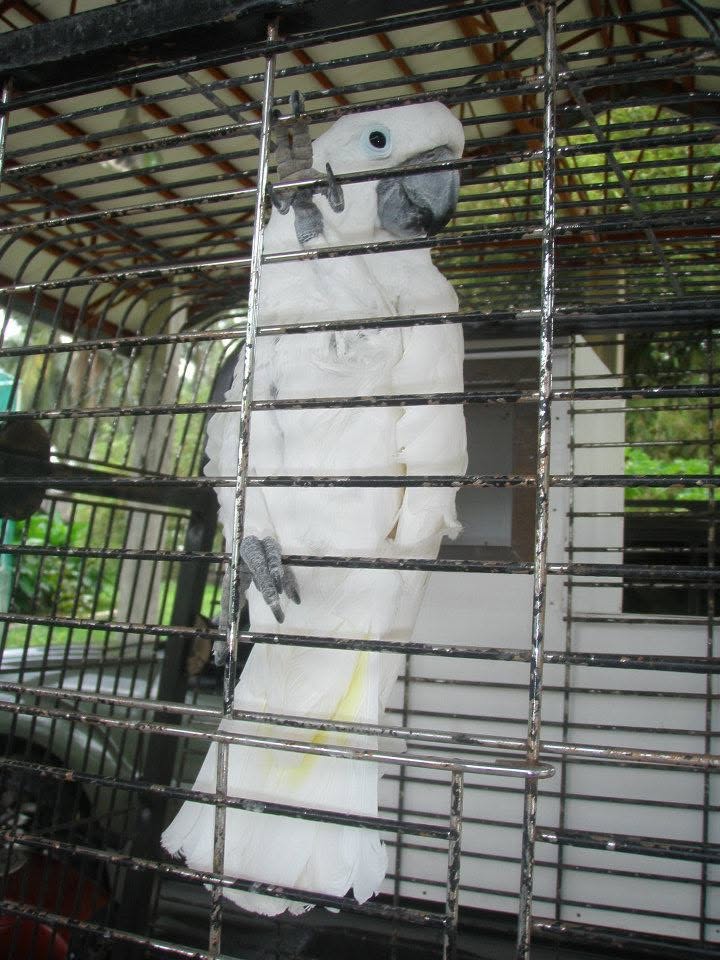
The aviaries gave us another reason to wander through the grounds. Birds brought movement and sound into the greenery, although I sometimes wonder who is actually observing whom in places like that. We arrive with cameras convinced we are studying the birds, while somewhere behind the wire a bird may be looking back thinking, Here comes another human holding a rectangle.
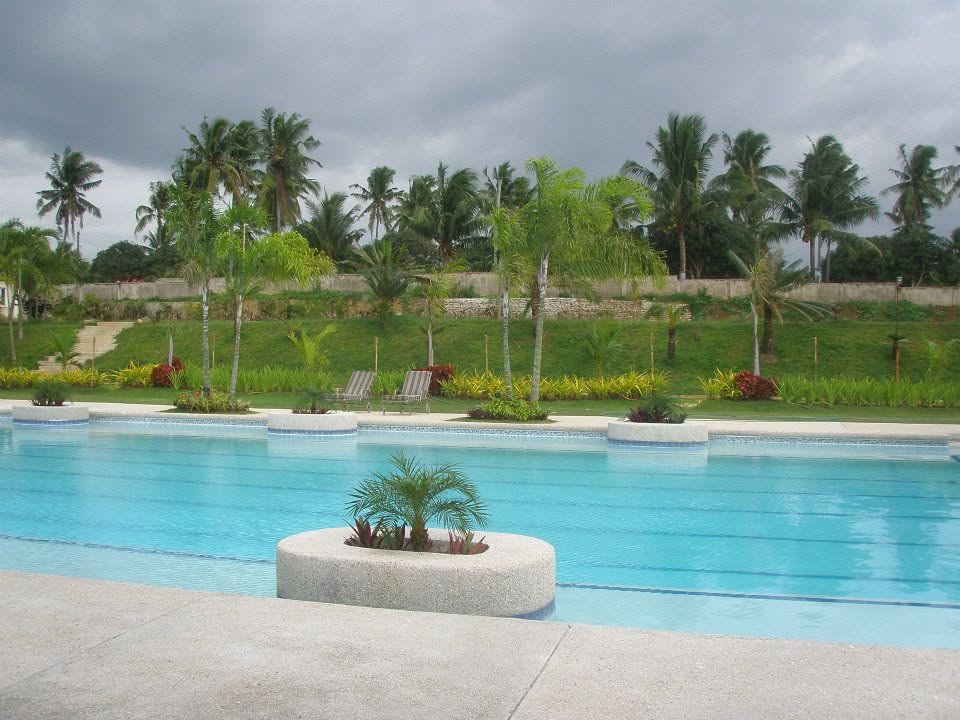
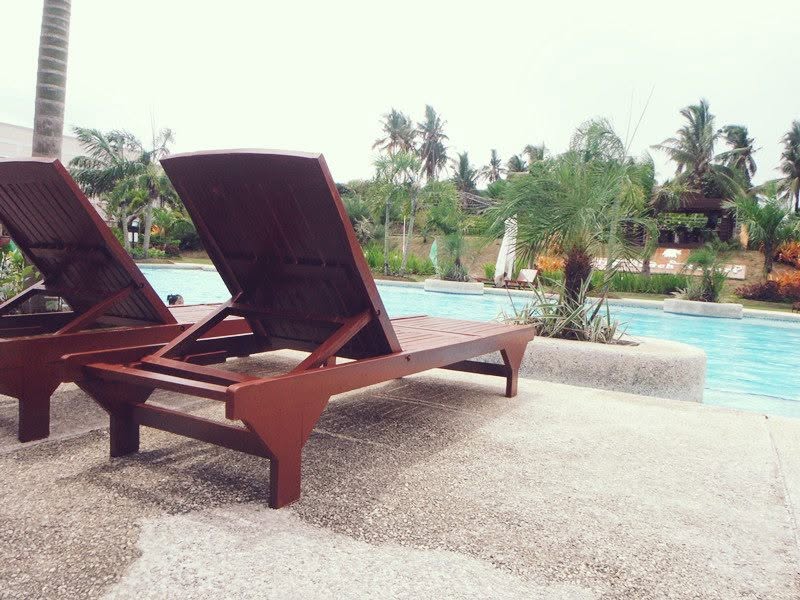
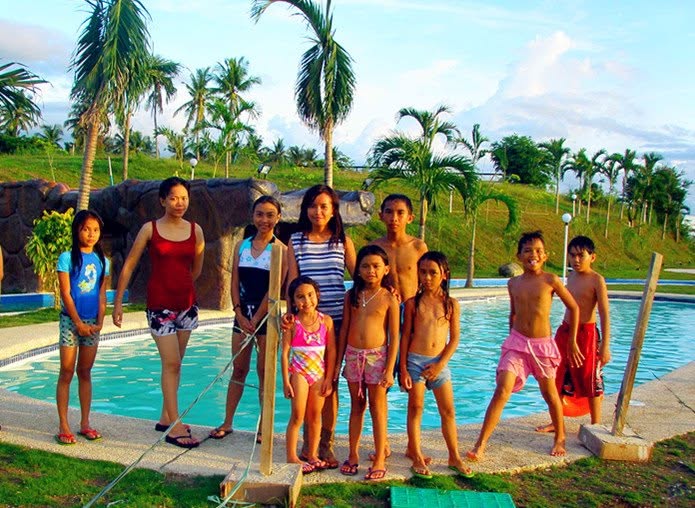
The swimming pools required much less analysis. Toledo heat and a swimming pool already make a convincing partnership, but add a background of hills and trees and the argument becomes almost impossible to refuse. Water looked especially inviting after walking around the property, and the highland setting made it easy to forget that we had not travelled particularly far from the places I had known all my life.
That was one of the things I came to appreciate about The Ranch over repeated visits. You did not need an enormous journey to create the feeling of getting away. Sometimes the difference between an ordinary day and a small escape was simply taking a road you did not normally take and spending several hours somewhere that asked different things of your attention.
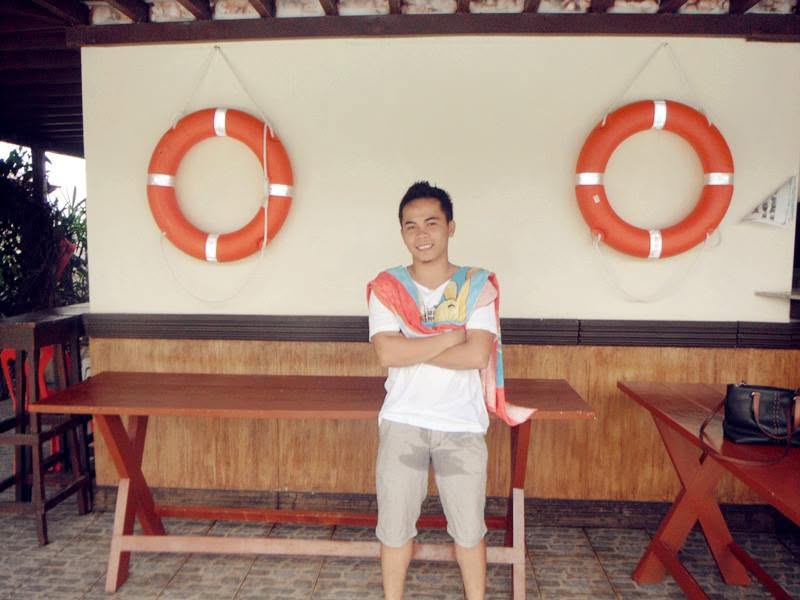
Going with friends made it even better. Countryside resorts seem naturally suited to conversations that refuse to follow a schedule. You walk, sit, eat, swim, take photographs and somehow several hours disappear without anybody being able to identify exactly where they went. Group photographs, naturally, consumed some of those minutes. Somebody blinked, somebody disliked their angle, another person was not looking at the camera and suddenly one photograph required enough retakes to qualify as a minor film production.

Food became part of the ritual too. The Ranch served familiar Filipino dishes, refreshments and treats, and over the years I learned that visiting was not simply a question of whether I had free time. There was also the practical matter of whether my wallet agreed with the plan. Adult leisure has several departments, and Finance is unfortunately one of the most powerful.


So I returned whenever life allowed it—when my schedule behaved, when the budget could accommodate the entrance fee and food, or when there was a birthday, gathering or another special occasion that gave us an excellent excuse. Some months, the rota would win. Other times, the bank account would look at the suggestion and politely recommend staying home. But every now and then the timing, money and occasion would cooperate, and I would find myself back in Bato again.
Perhaps that is why The Ranch became different from destinations I visited only once. One-time trips often become preserved memories: one set of photographs, one particular year, one version of yourself. A place near home changes alongside you. You return with different friends, for different occasions, with a different amount of money in your wallet and a different level of energy depending on what work has done to you that week.
The Ranch gradually became one of those places I could revisit rather than simply remember. Sometimes it was an outing with friends. Sometimes there was a celebration. Sometimes I simply had the rare combination of available time and enough spare money to justify entrance, food and whatever else inevitably became necessary once we arrived. A nearby resort may save you airfare, but it does not entirely abolish mathematics.
I liked seeing how the place changed over time because my first memory of it belonged to that period before its official opening. I had seen it while it was still becoming The Ranch people would later recognise. Every return therefore carried a small comparison with the earlier version stored in my head. Something had developed, another corner looked different, or the property simply felt more settled into itself.
What remained familiar were the hills. They had been there before the resort, before my first invitation and before any of us began taking photographs by the pool or beside the horses. They stood behind everything with the patience of scenery that knows humans will keep changing the foreground.
That is probably what I value most about The Ranch now. It belongs to my memories not because it is somewhere spectacularly distant, but because it is woven into the geography of home. Toledo had always been the Copper City to me, but it was never only copper. Beyond the identity most people associated with it were farms, uplands, mango trees, rural communities and roads leading towards places like Bato.
Growing up somewhere can make its landscape blend into the background of your life. Mountains become the mountains. Roads become that road. Trees stop receiving introductions because they have always been there. We assume familiarity equals knowledge, when often it simply means we have stopped asking questions.
The Ranch reminded me otherwise.
There is something comforting about discovering that home can still contain places you have not exhausted. We spend so much time saving destinations on maps, planning trips across provinces or countries and imagining that discovery requires substantial distance. Sometimes it begins with a friend saying, essentially, Come, there is somewhere here you should see.
Years later, whenever I returned to The Ranch, the experience was never exactly the same as that first visit before it opened. There were more people, more memories attached to different corners and more reasons for returning. Yet some part of me still remembered being invited there early, before the resort had properly introduced itself to everyone else.

When it was time to leave after each visit, Bato simply folded back into the familiar geography of Toledo. The pools remained behind, the horses returned to their routines, the bees continued working without requesting overtime and the hills resumed pretending they had told me everything.
I know better now.
At the beginning, I thought I knew those hills because I was from Toledo. Then they showed me The Ranch. And because I have been fortunate enough to return from time to time—whenever work, money and occasion form the rare holy trinity of adult recreation—I have learned that home does not reveal itself all at once. It keeps a few things behind the next bend, waiting for us to stop assuming we have already seen everything. The hills I thought I knew were never hiding only one secret. I simply had to keep coming back long enough to notice.
CLICK HERE TO VIEW MORE PHOTOS
With love,
Anj ❤















Leave a Reply