An unofficial local’s guide to historic houses, beautiful parks, good food, and the unexpected pleasure of calling the Black Country home.
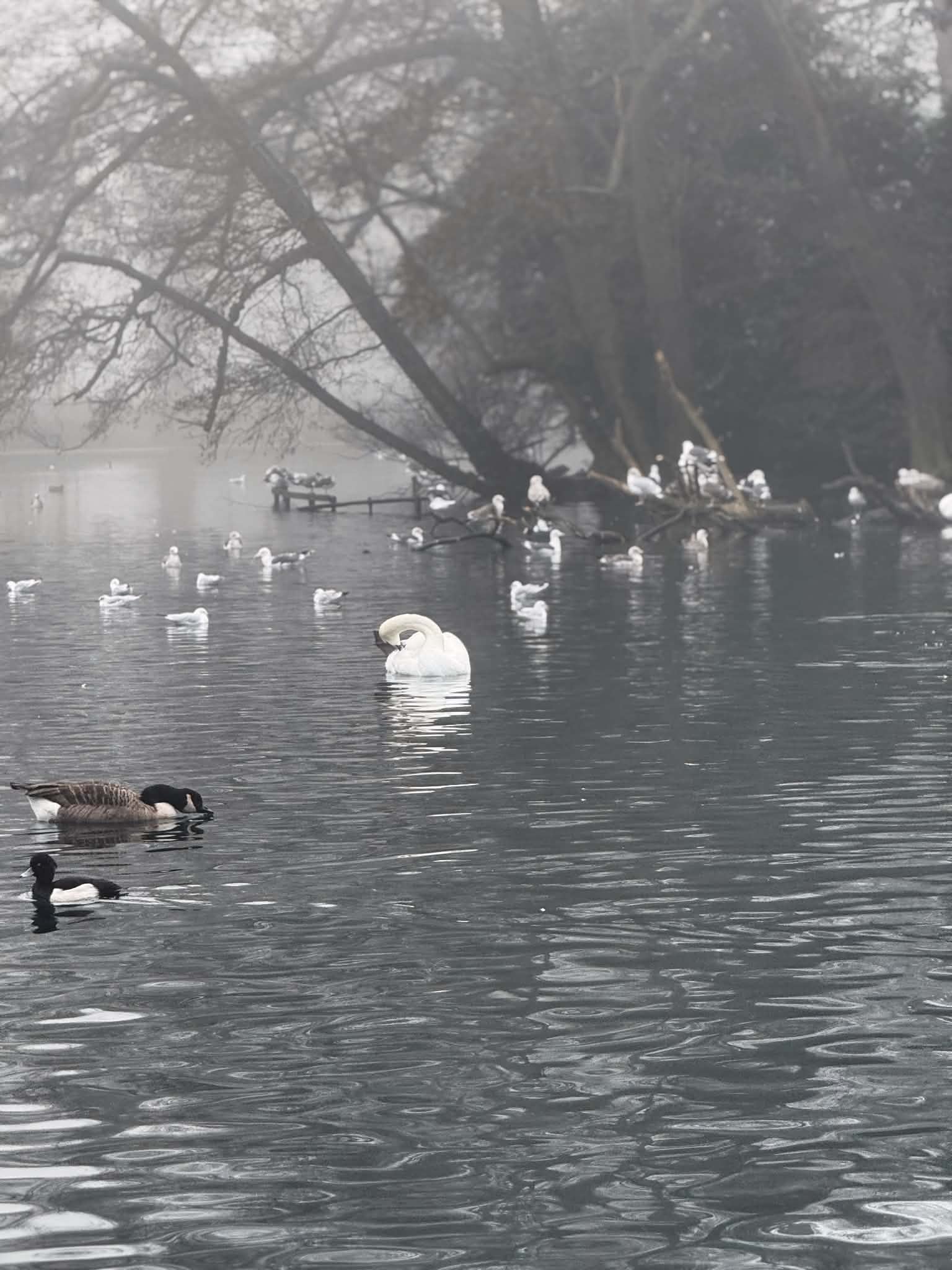
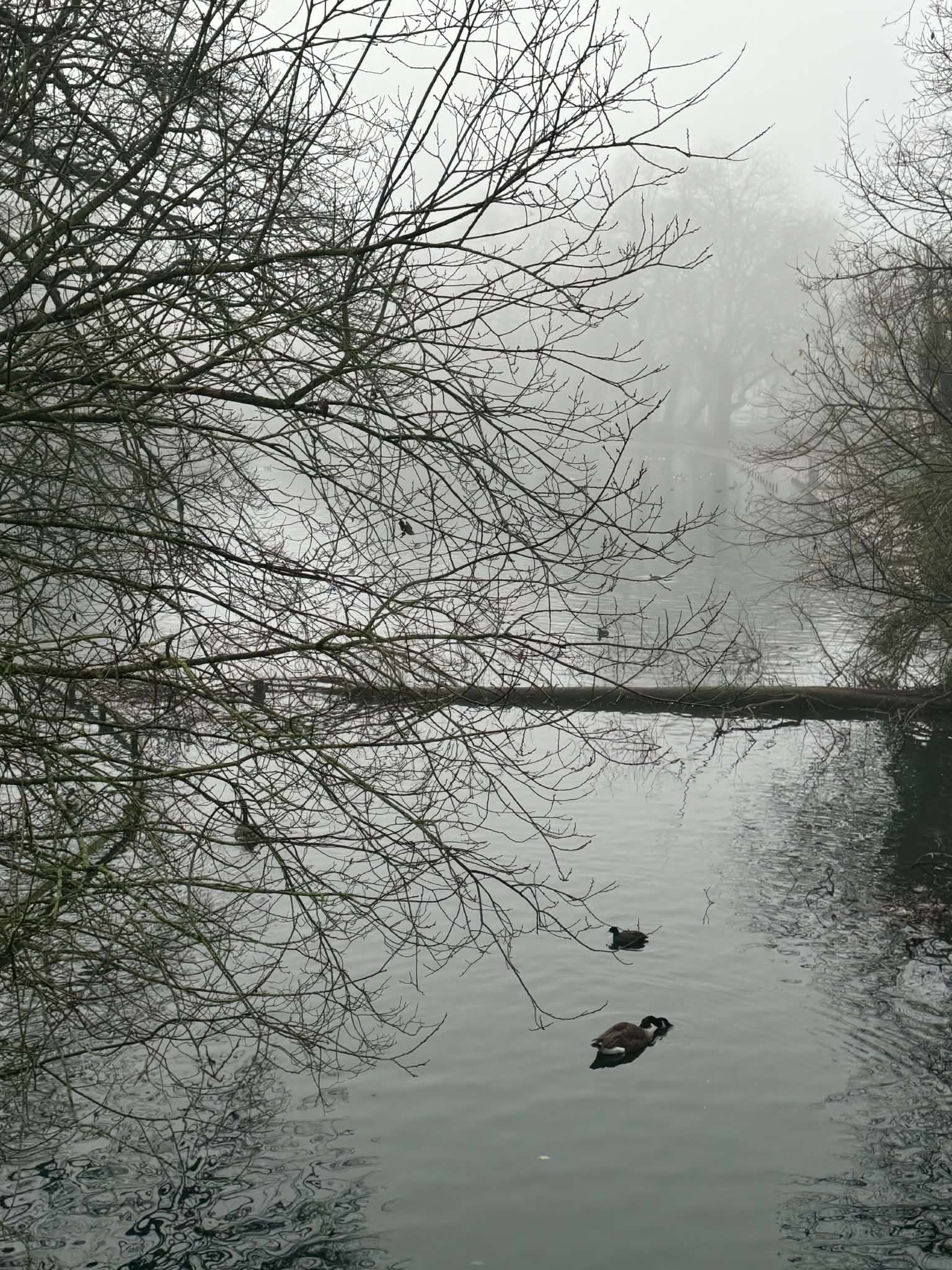
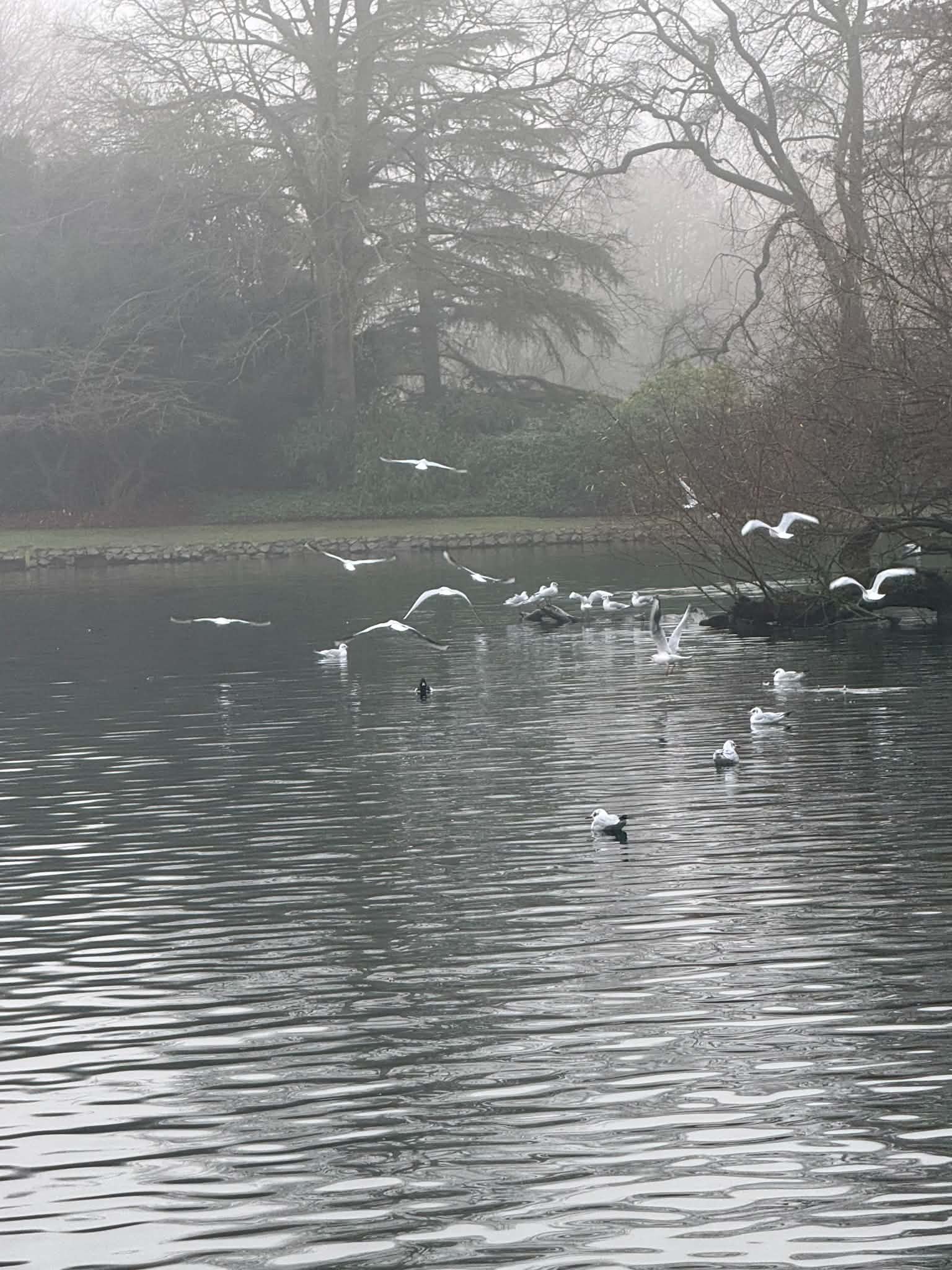
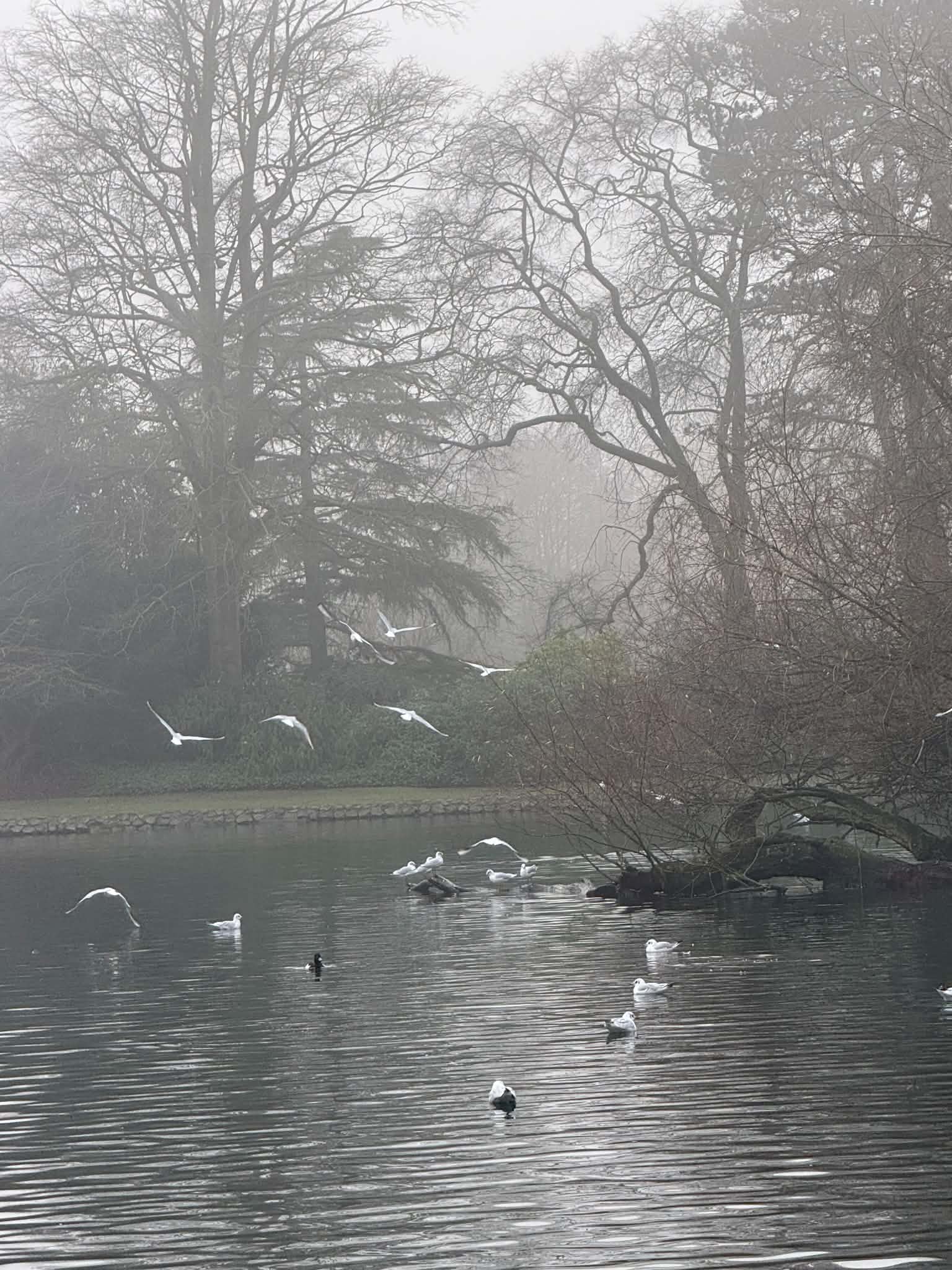
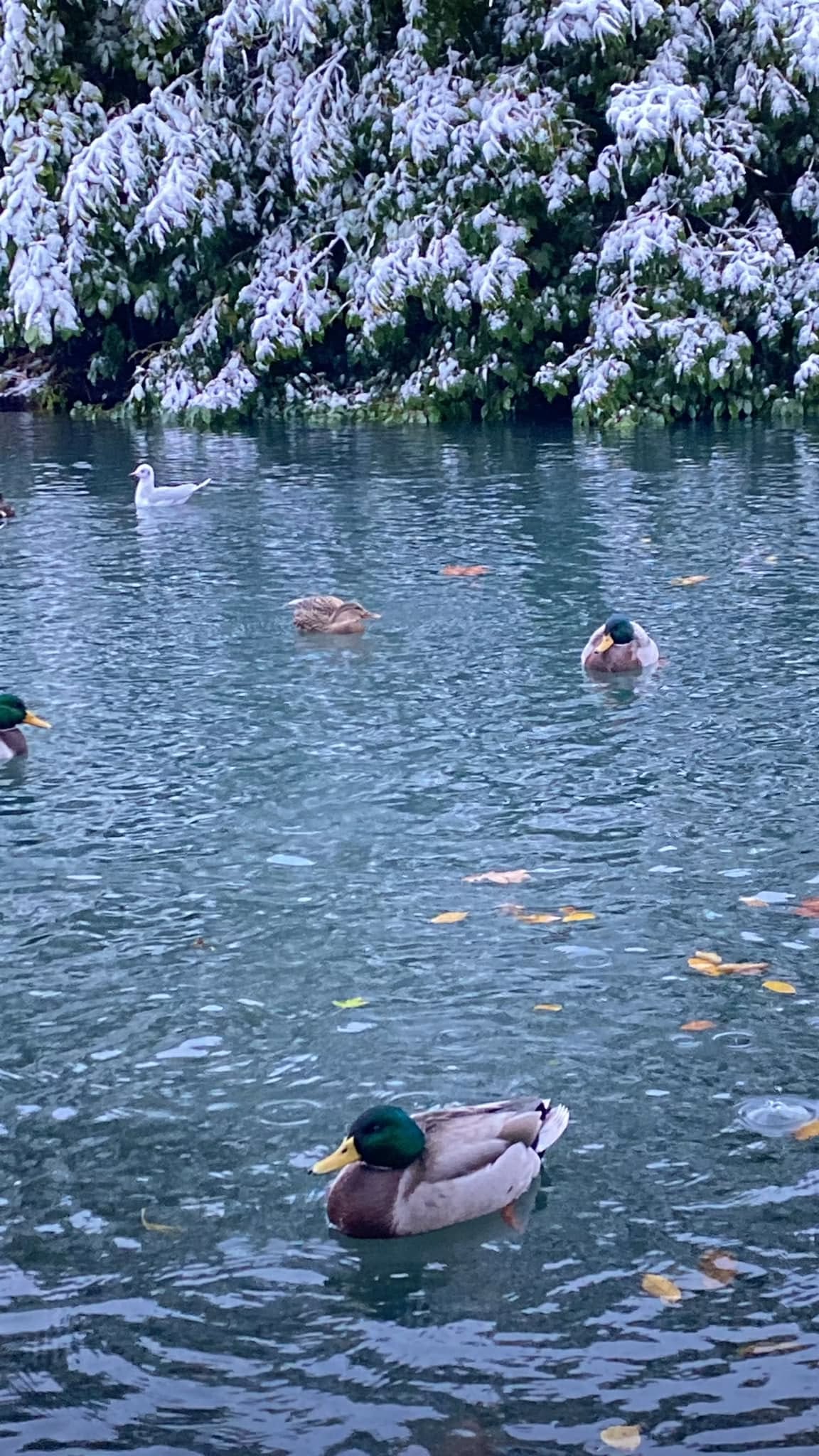
The first thing to disappear was the opposite bank of the lake. Then the trees, the distant pathways, and most of the buildings beyond them. West Park had been gradually swallowed by a thick winter fog, leaving only the nearest branches and a few birds moving across the grey water. A swan glided into view with the composure of someone arriving fashionably late to an important engagement, while several other birds appeared to be conducting their usual business without the slightest concern for visibility. There was no dramatic soundtrack, no carefully arranged film set, and certainly no director instructing the mist to drift across the lake at precisely the right moment. Just an ordinary morning in Wolverhampton, a city that has rarely been accused of possessing too much romance, looking suspiciously like somewhere from an English period drama. I raised my camera. The swan turned away. Apparently, even the wildlife had opinions about my photography.
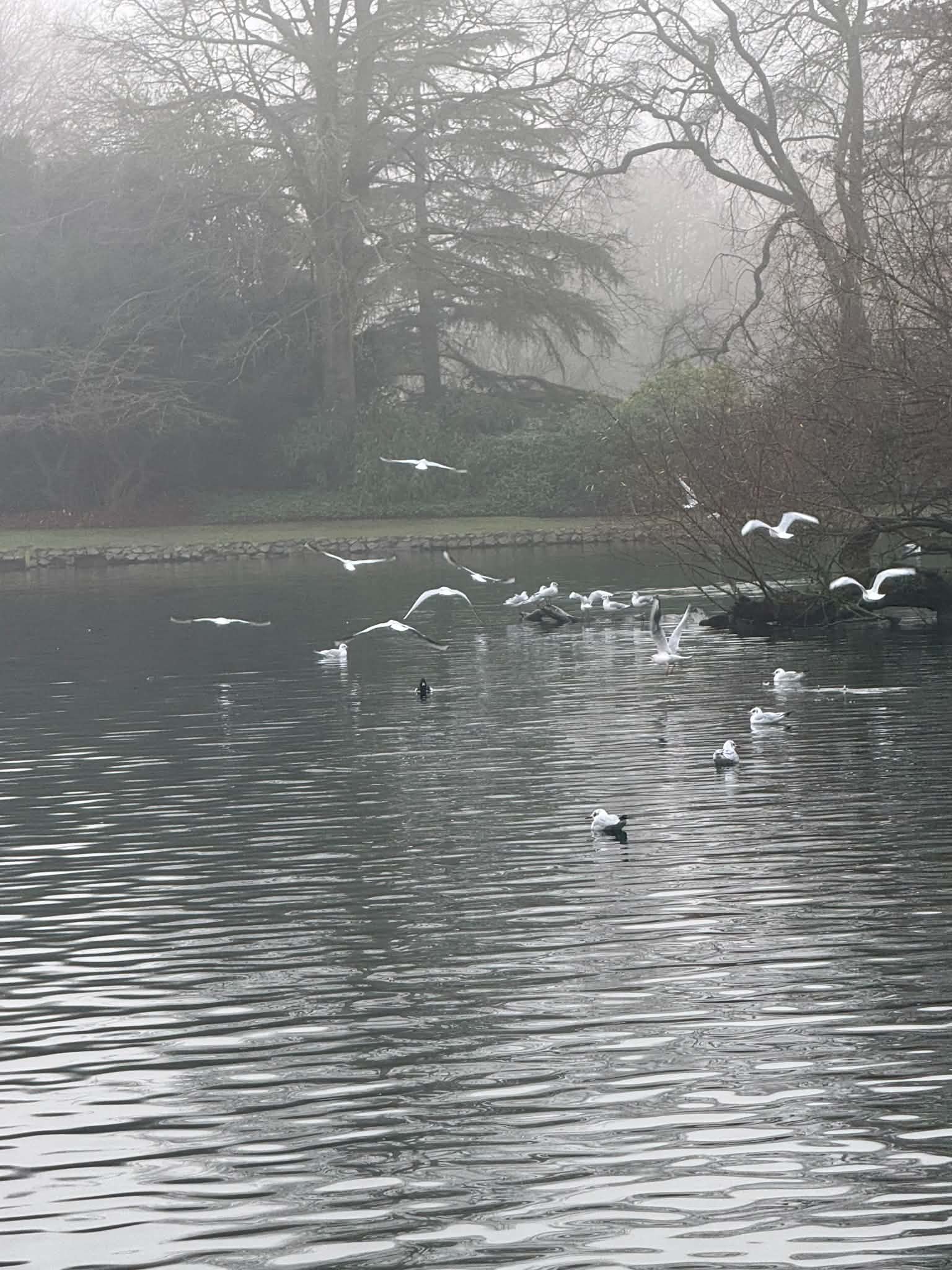
I remember thinking how little this scene resembled the Wolverhampton people sometimes describe. Mention Edinburgh, Bath, or Oxford, and the conversation quickly fills with castles, architecture, and the sort of streets that make tourists spend unreasonable amounts of money on postcards. Mention Wolverhampton, and you may receive a thoughtful pause followed by the observation that Birmingham is not particularly far away. It is hardly the most enthusiastic endorsement of a city. Yet I have lived here long enough to recognise a curious injustice in those reactions. Wolverhampton may not possess the theatrical grandeur of Britain’s most celebrated destinations, but it has a character that becomes more interesting the longer you pay attention.
When I moved from Cebu to England, I had an admittedly romantic impression of British scenery. I imagined countryside cottages with climbing roses, ancient manor houses, cobbled streets, autumn trees, and buildings that appeared to have been designed specifically for television adaptations of nineteenth-century novels. I had not spent much time imagining Wolverhampton. It was not the location I had pinned to a travel board or dreamed of visiting after seeing a particularly beautiful photograph. It was where I came to build a life, work, establish routines, and learn how to navigate the complicated business of becoming at home in another country.
There is a difference between visiting somewhere and living there. Tourists encounter a place when it is trying to make an impression, while residents become acquainted with its ordinary habits. We learn which roads are congested, which shops close earlier than expected, where to find a satisfying meal after a long day, and which park looks particularly lovely when the leaves begin changing colour. We know the places that disappoint us as well as those we enjoy. Eventually, familiarity gives us a more complicated relationship with a city than admiration alone could ever provide.
And perhaps that is how Wolverhampton grew on me. Not through one spectacular attraction or a particularly impressive weekend, but through a collection of small discoveries. A historic house surrounded by spring flowers. A public park transformed by autumn. The strange elegance of birds moving through winter fog. A canal looking unexpectedly beautiful under snow. A restaurant worth returning to because an ordinary evening feels better when somebody else is responsible for the cooking. The city did not reveal itself all at once. It allowed me to become familiar with it first.
Wightwick Manor
If I were introducing Wolverhampton to somebody who had never visited, I would begin with Wightwick Manor, particularly in spring. There is something wonderfully improbable about discovering a house of such artistic character in a city more commonly associated with its industrial heritage. Approaching the manor, you encounter dark timber framing, patterned brickwork, tall chimneys, and the deliberately irregular silhouette of a building that appears older than it actually is. It has the confidence of a house that knows it possesses excellent architectural taste and feels no obligation to be modest about it.
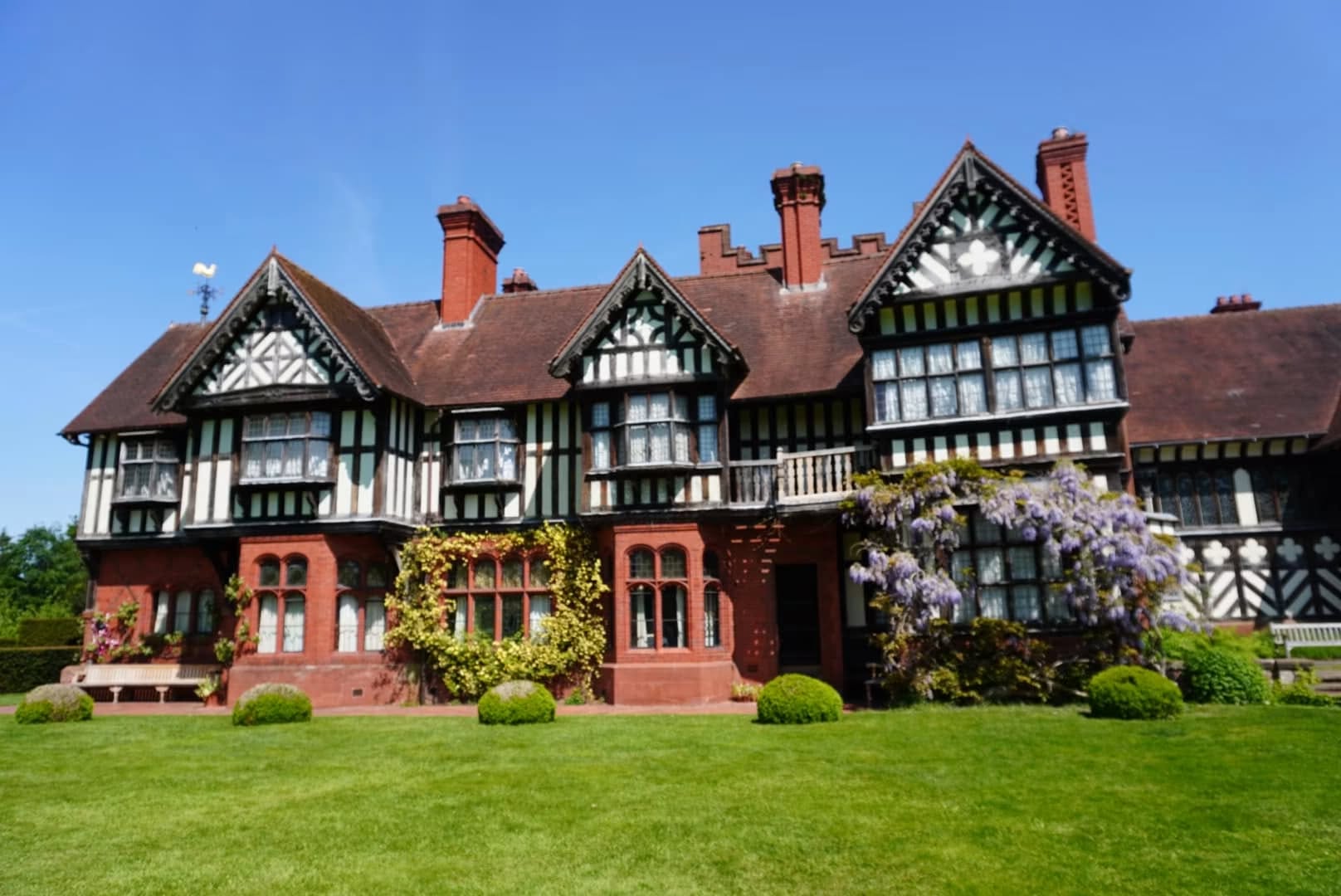
Wightwick Manor was built in the late nineteenth century for Theodore and Flora Mander, whose family was connected to Wolverhampton’s paint and varnish industry. The house reflects the ideals of the Arts and Crafts and Aesthetic movements, with interiors influenced by William Morris and the belief that beautiful design should belong to everyday living. There are richly decorated rooms, patterned wallpapers, stained glass, woodwork, and an extraordinary collection of Pre-Raphaelite art. It is the sort of place where even a wall can become a legitimate subject of prolonged admiration, which suits my tendency to photograph architectural details considerably more than it probably suits whoever is waiting for me to finish.
What fascinates me about Wightwick is that it feels like a house shaped by the personalities and interests of the people who lived there, rather than simply a grand building filled with expensive possessions. Its rooms reflect an affection for craftsmanship, painting, literature, and the decorative arts. The Pre-Raphaelite works, including paintings associated with artists such as Dante Gabriel Rossetti and Edward Burne-Jones, bring another dimension to the experience. You begin noticing how art, furniture, fabrics, and architecture were intended to complement one another. Even if you know very little about Victorian design, the atmosphere makes you curious about the people who considered such details important enough to surround themselves with them every day.
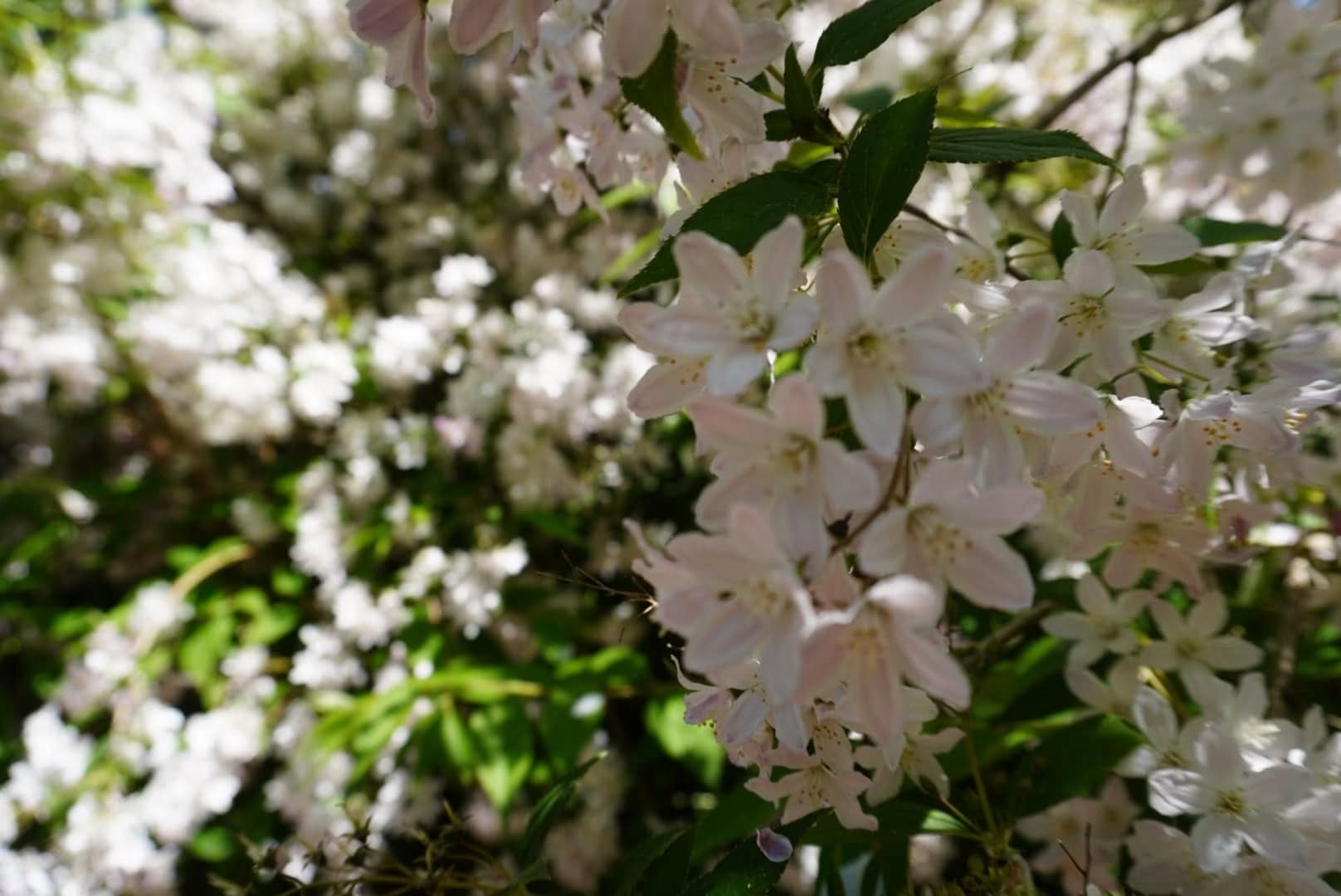
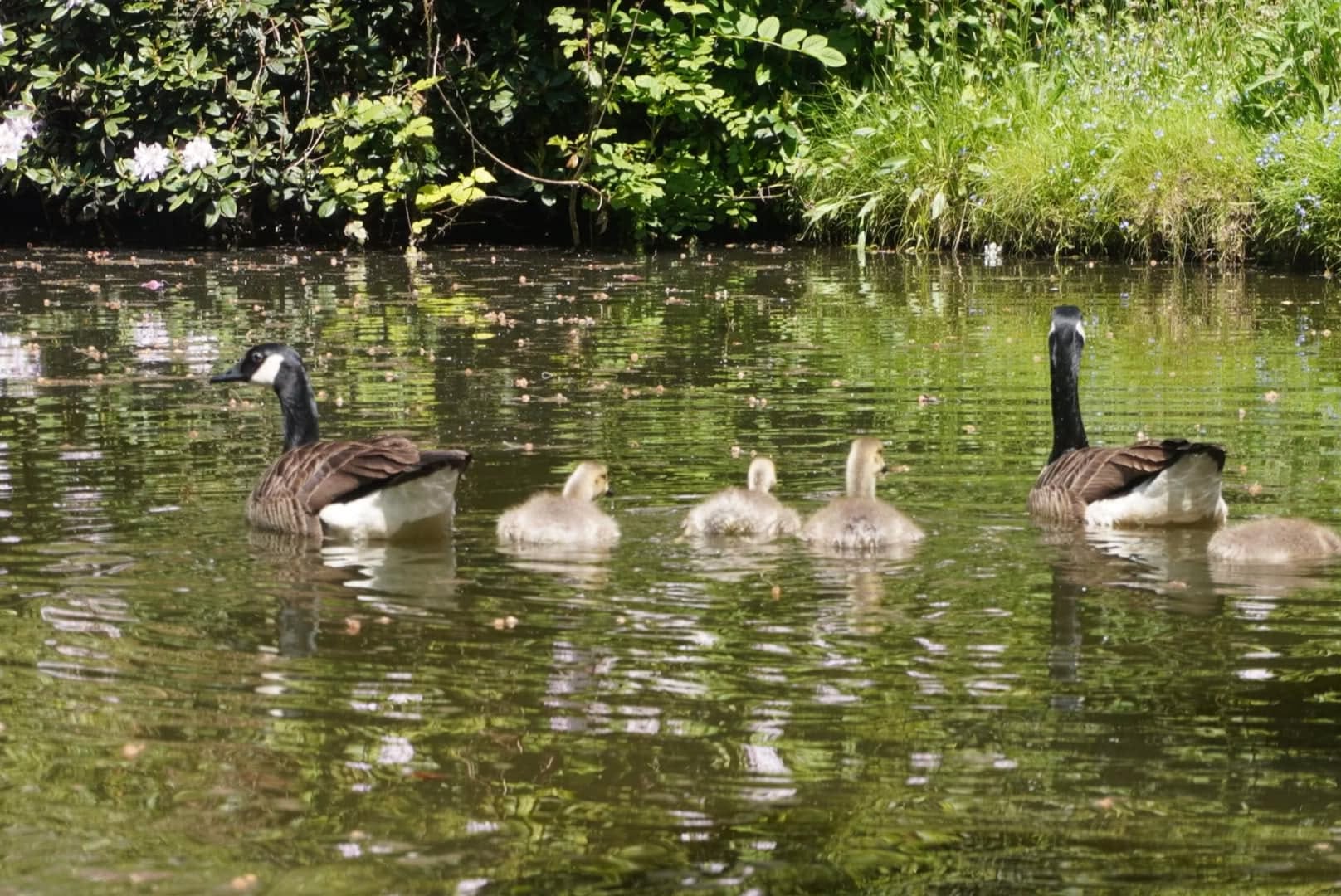
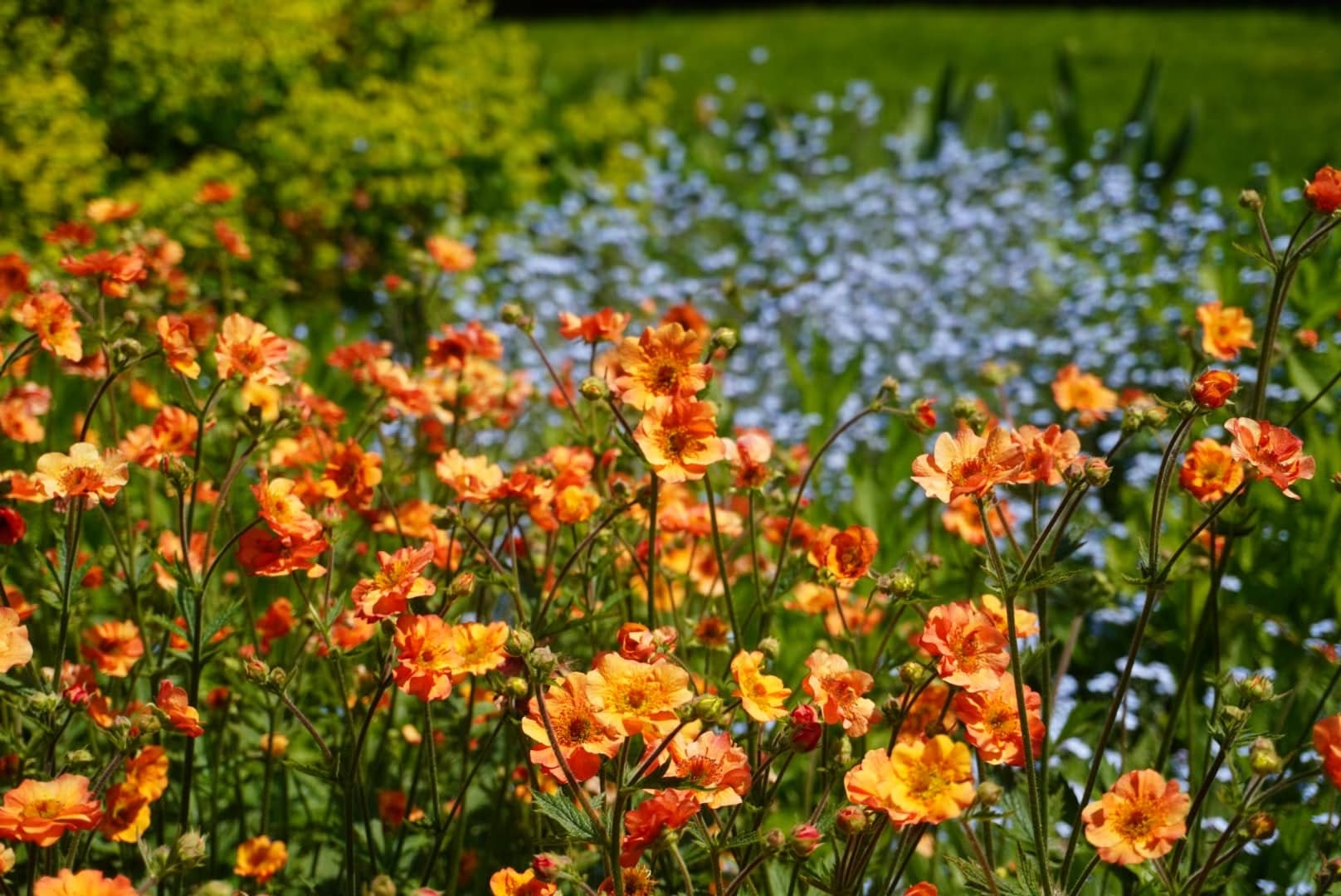
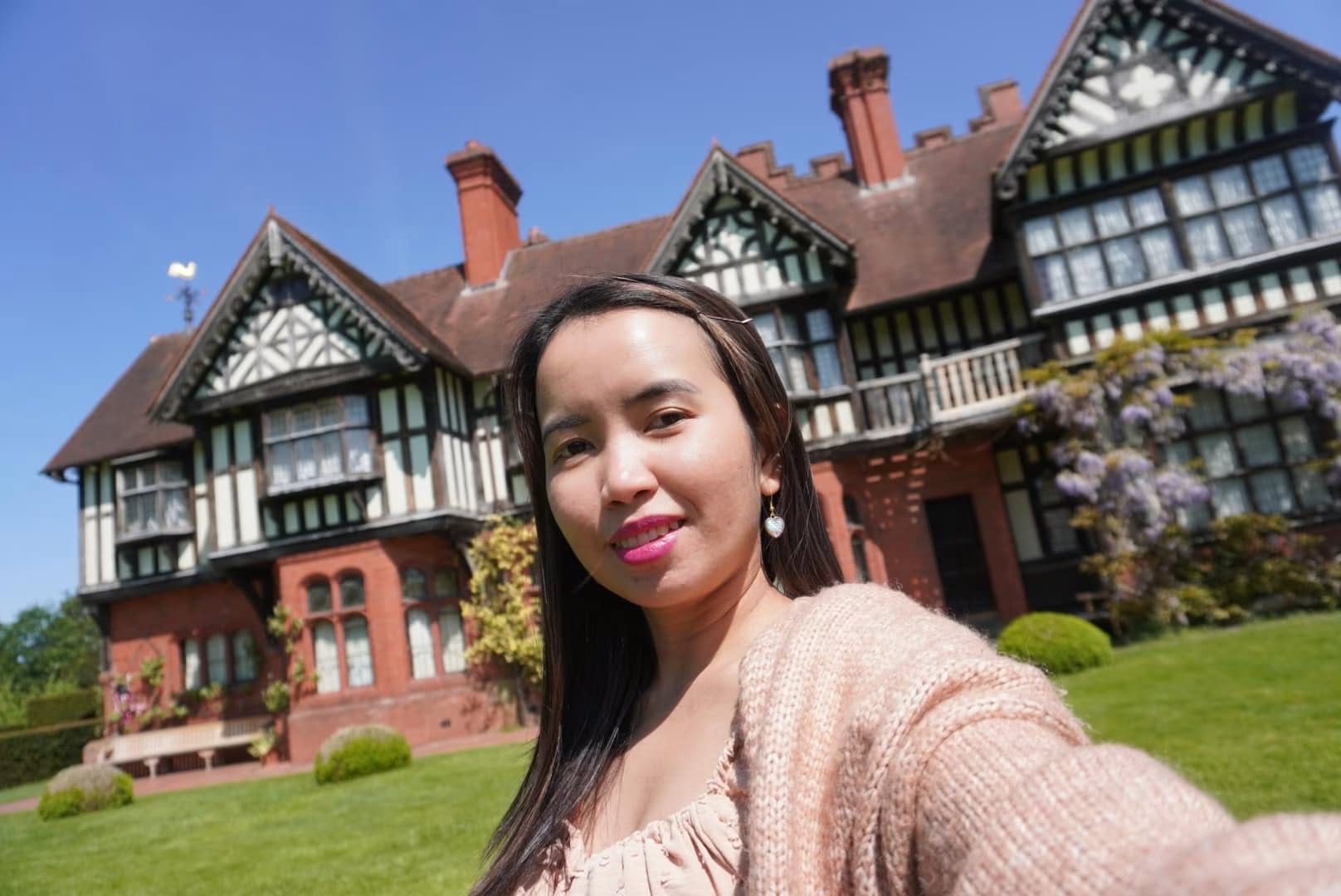
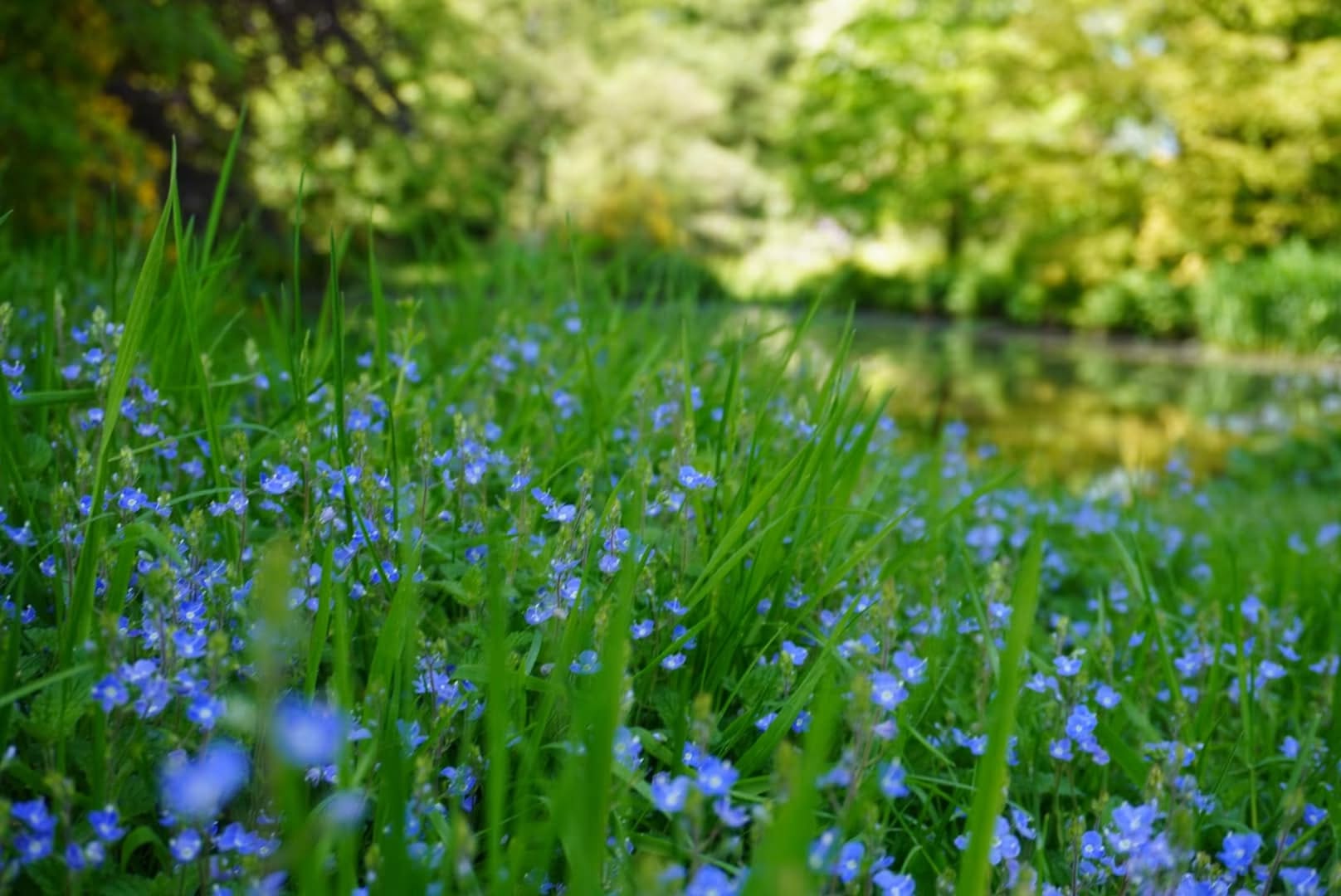
But if you ask me when to visit, I would choose spring without hesitation. The gardens give the manor another personality altogether. New leaves soften the building’s dark timber exterior, flowers begin providing colour around the paths, and the formal terraces gradually lead into more informal planting and woodland. There are orchards, pools, garden spaces, and a delightful contrast between the carefully planned landscape and the abundance of things beginning to grow. I enjoy how the architecture remains imposing without overwhelming the gardens. The two seem to belong to the same conversation, one concerned with preserving beauty and the other with allowing it to change.
For anyone who enjoys photography, I would recommend resisting the temptation to photograph only the most recognisable front view of the house. Walk around the grounds, notice how the timber framing changes appearance with the light, and look for compositions where the gardens lead the eye towards the building. It is also worth going indoors rather than treating Wightwick simply as a picturesque backdrop. The interiors explain why the house matters historically, while the gardens reveal why it is such a lovely place to spend an afternoon. I would set aside a few hours, bring comfortable shoes, and allow time for a visit to the tearoom. It is particularly suited to visitors who enjoy history but prefer discovering it through the atmosphere of a place rather than through a long procession of dates.
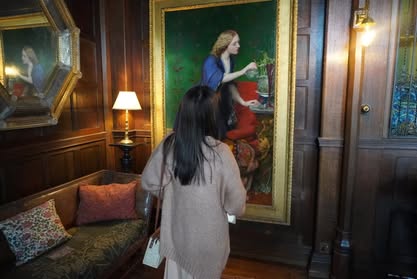
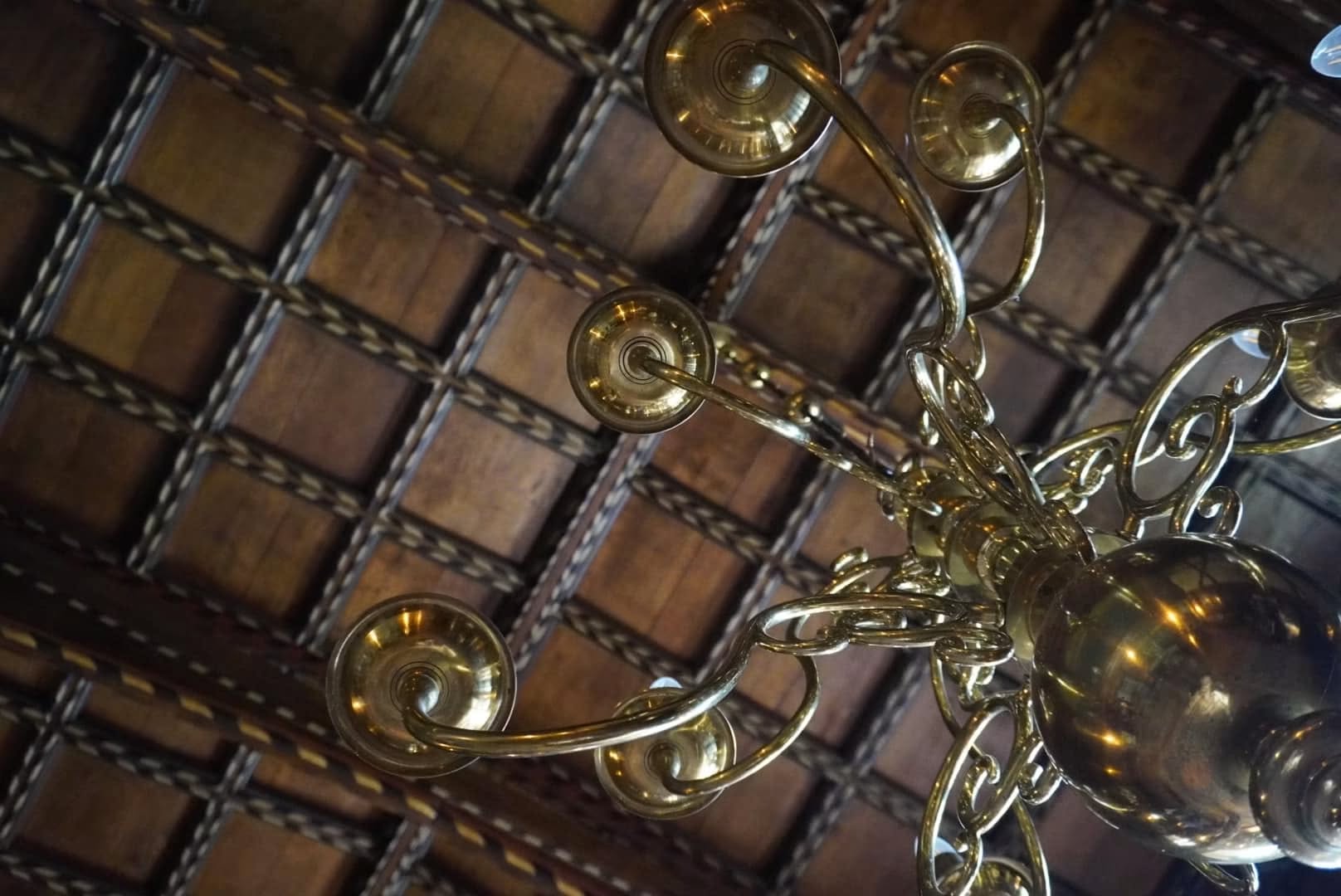
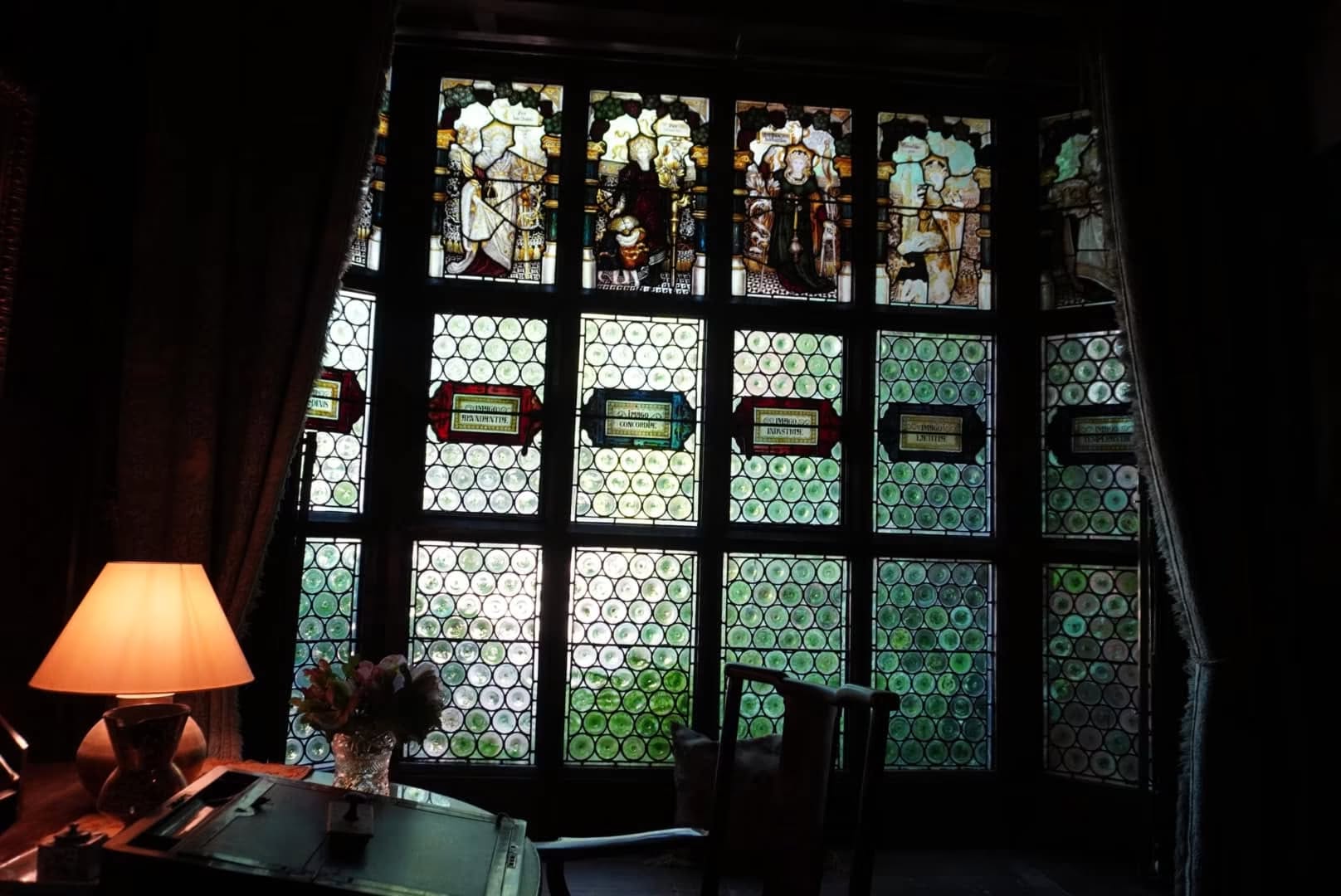
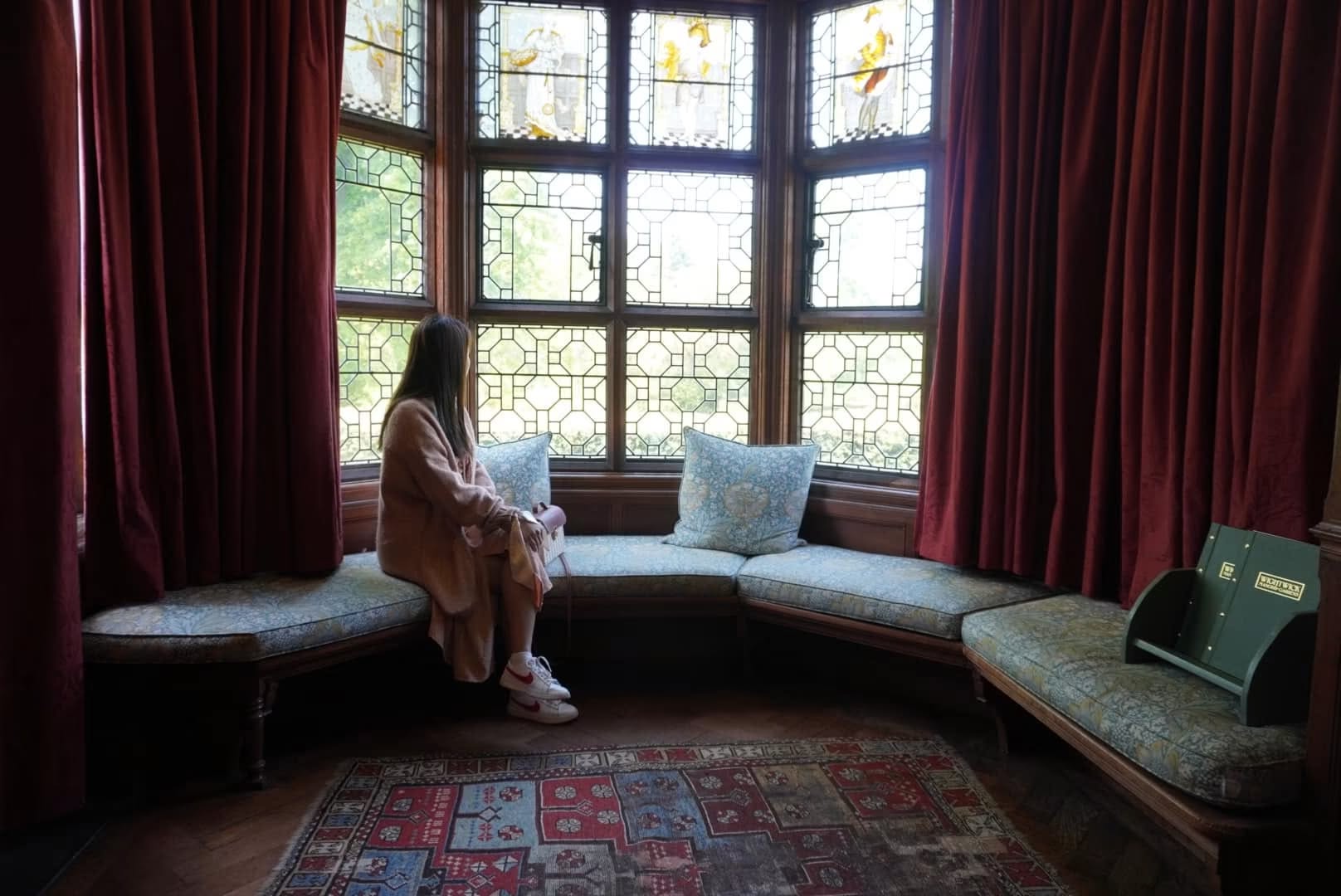
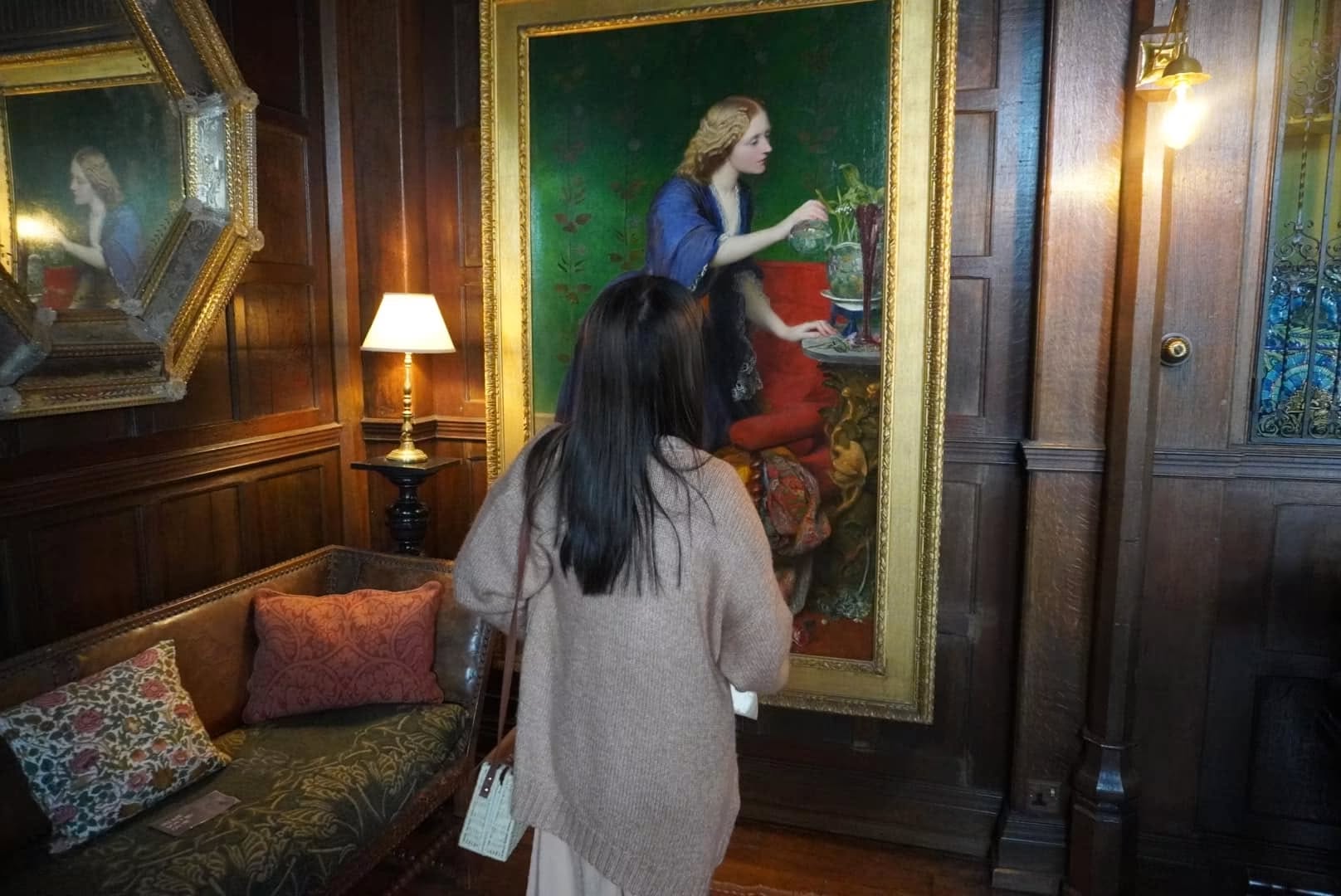
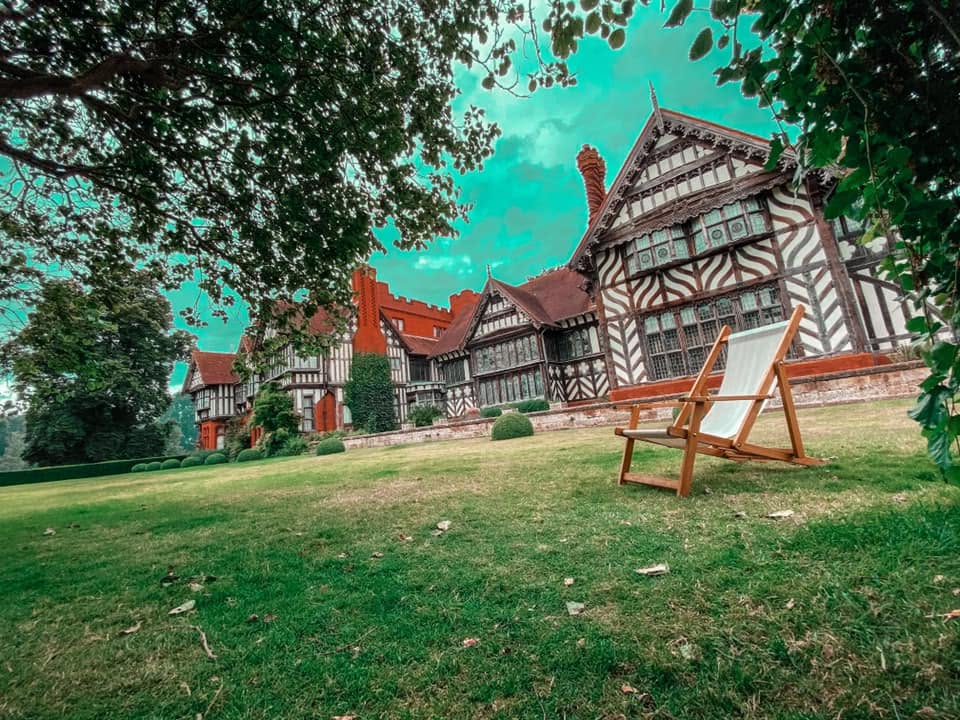
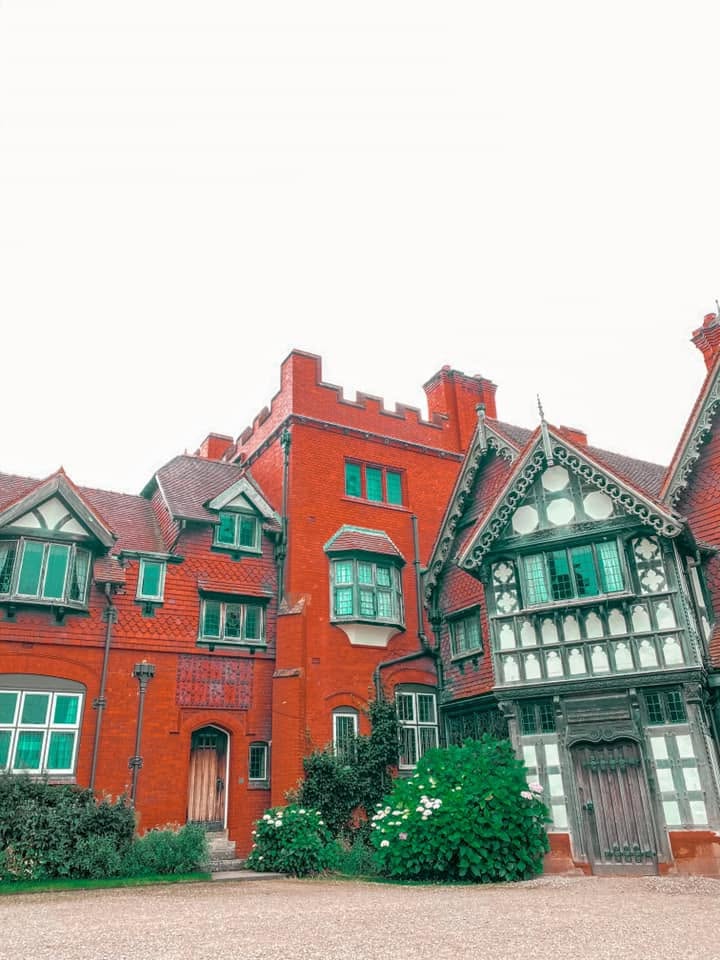
There is an appealing irony in Wightwick Manor’s history. The wealth that helped create such an artistic home came from Wolverhampton’s industrial economy. This was not a house detached from the region’s working past; its existence was connected to it. I rather like that. It challenges the assumption that industry and beauty occupy separate worlds, or that a city associated with manufacturing cannot also produce extraordinary artistic heritage.
East Park
For another side of Wolverhampton, I would take visitors to East Park, preferably when spring is arriving or autumn has begun its annual rearrangement of the colour palette. East Park does not introduce itself with grand gates leading to a stately home, nor does it promise the polished spectacle of a landscaped tourist attraction. It belongs to the everyday life of the city, with open green spaces, paths, trees, sports facilities, and areas where families and children can spend time outdoors.
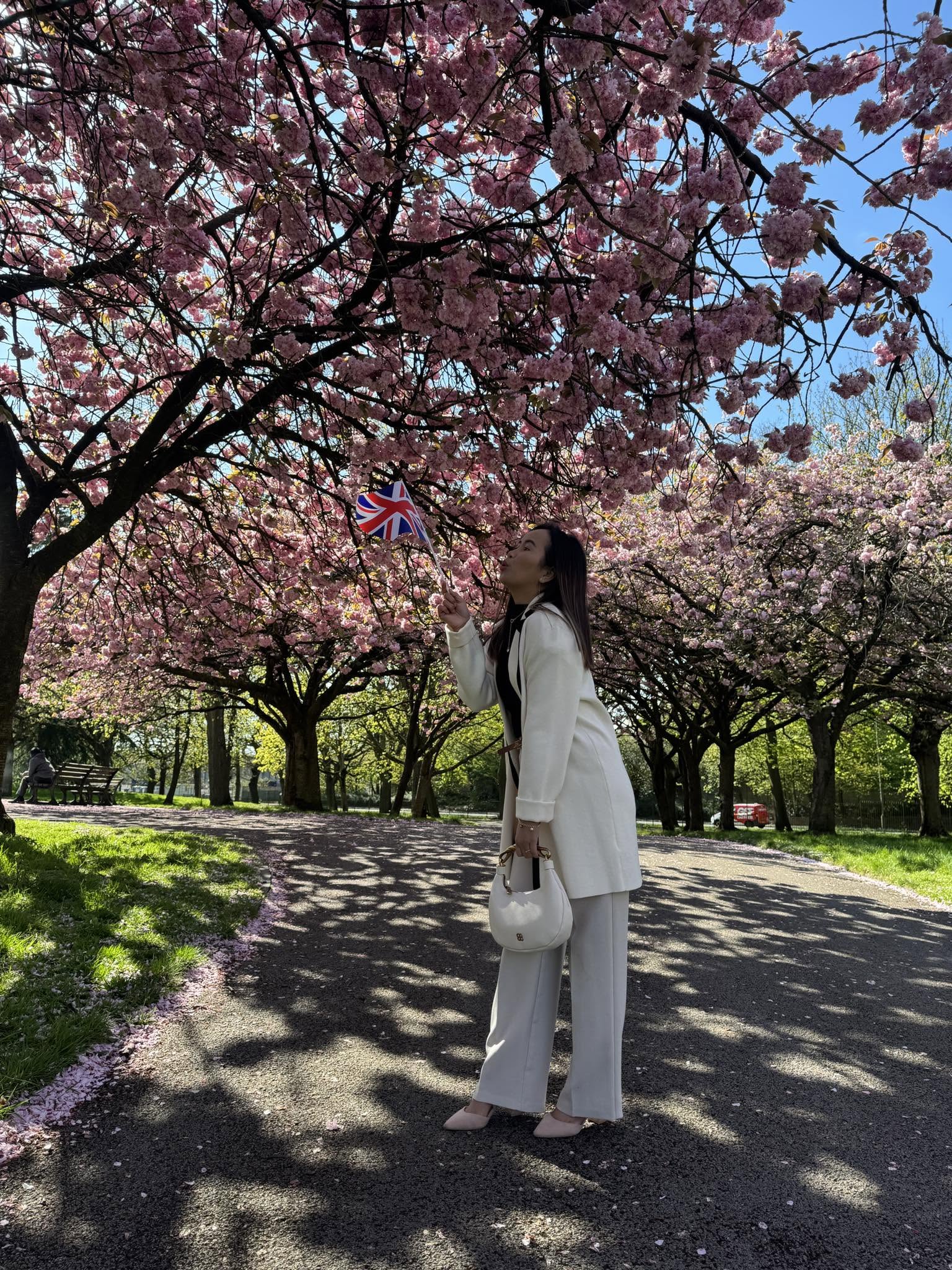
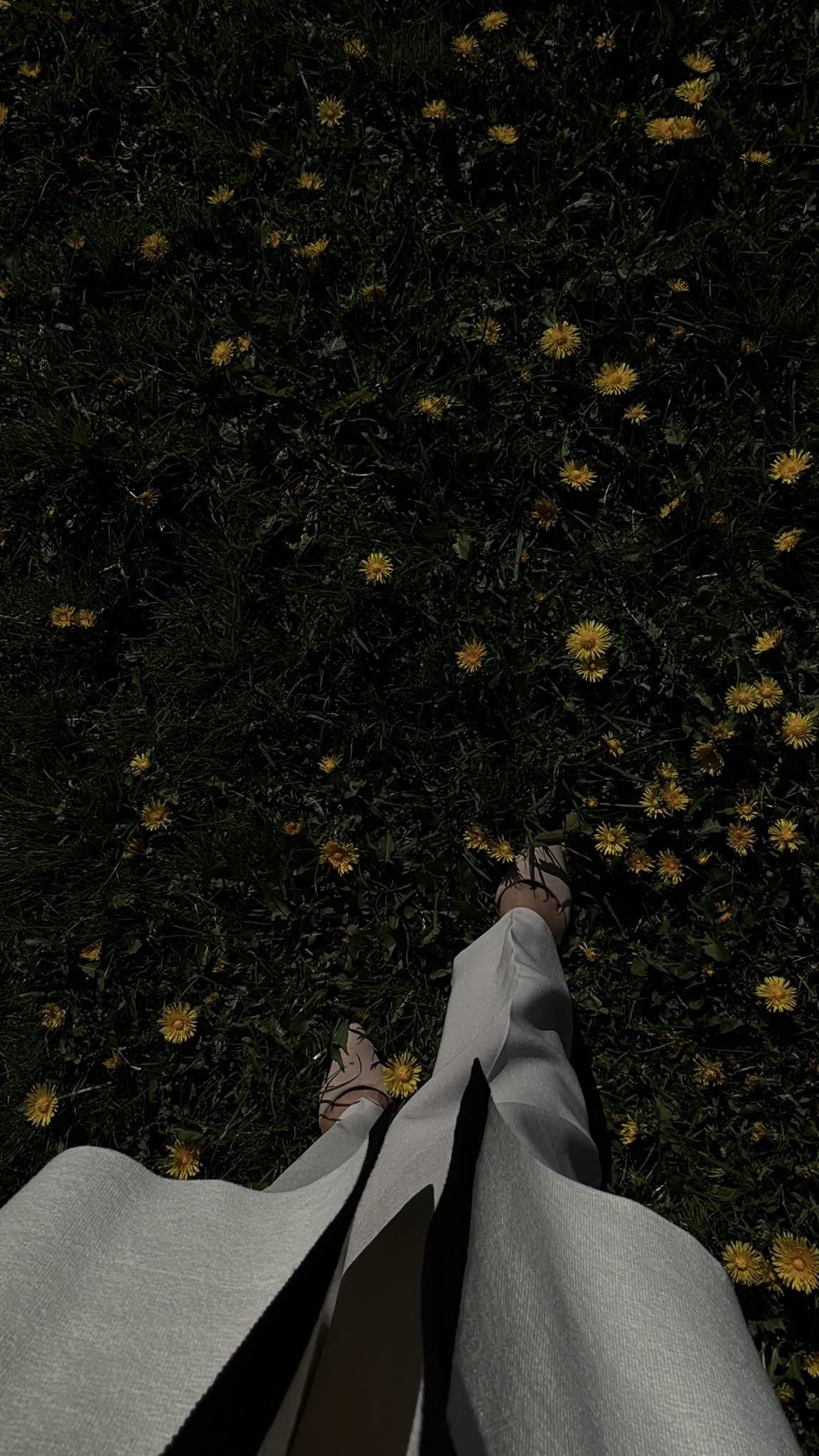
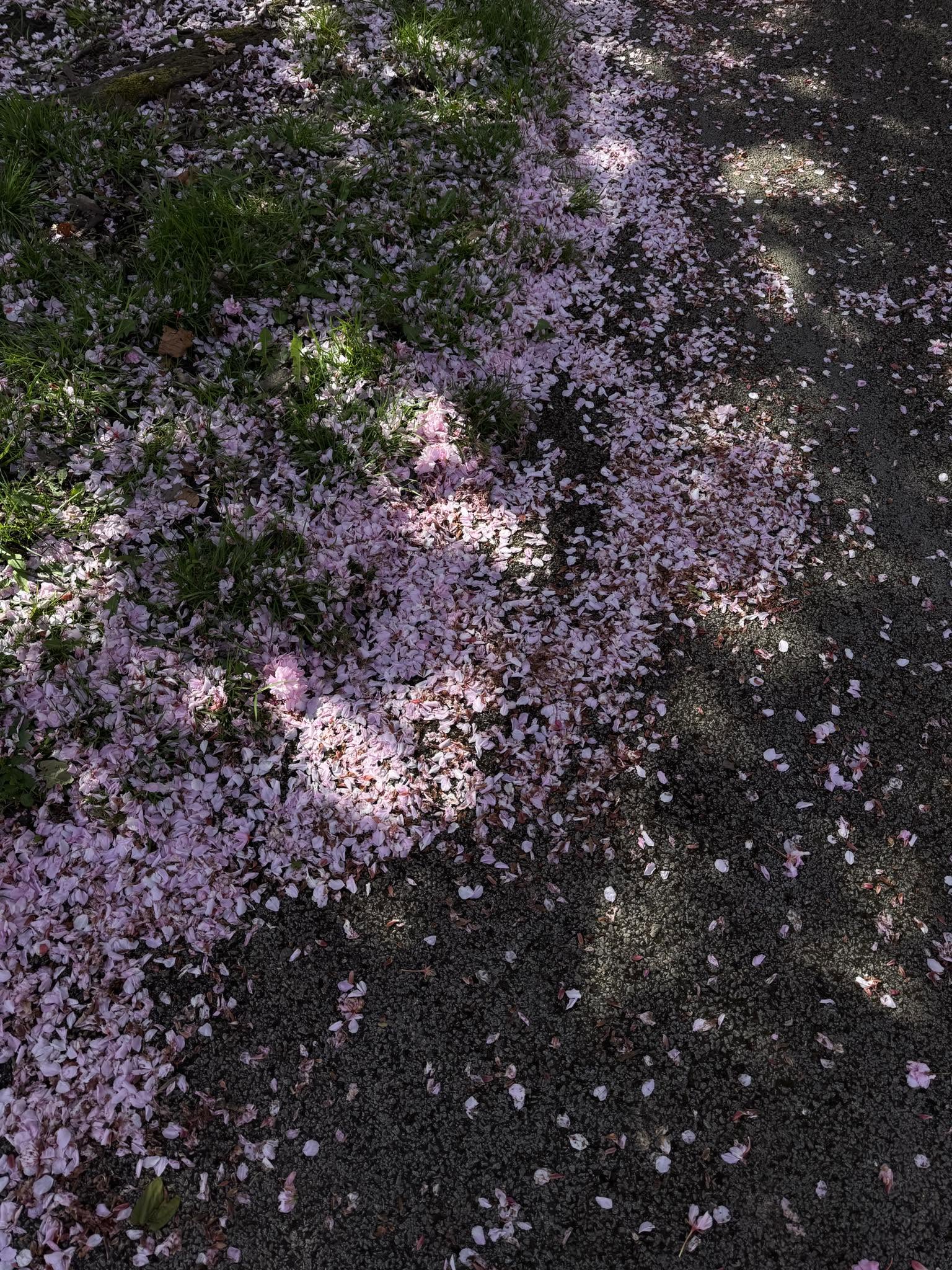
Its charm lies partly in that lack of ceremony. People come to walk, play, exercise, or enjoy a change of surroundings. Nobody needs an elaborate reason to be there, and I find that quite refreshing. In spring, there is a visible sense of the park returning to life after winter. Fresh greenery emerges, the branches gradually fill out, and the changing light gives familiar paths a different appearance. It is pleasant to see the landscape recover its colour after the colder months, particularly in a country where the weather can sometimes behave as though sunshine is an unreasonable personal request.
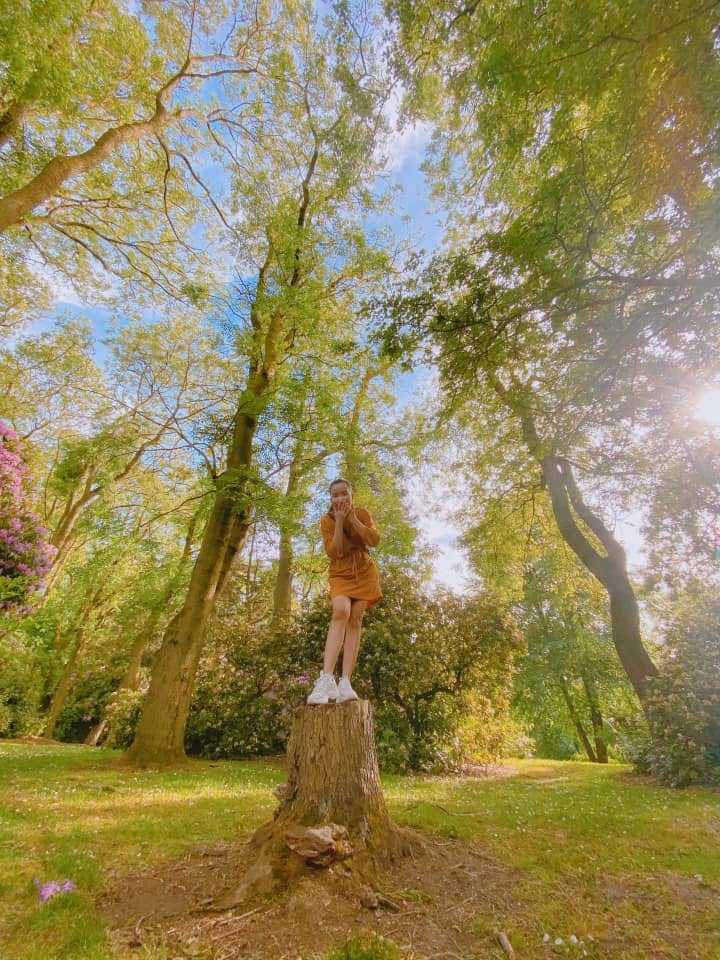
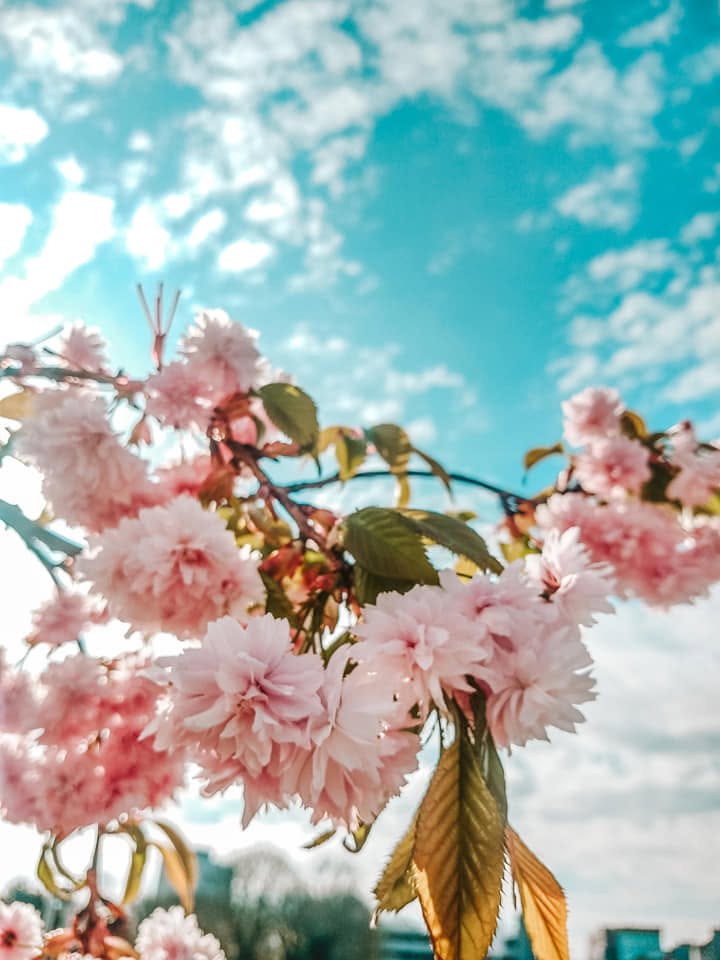
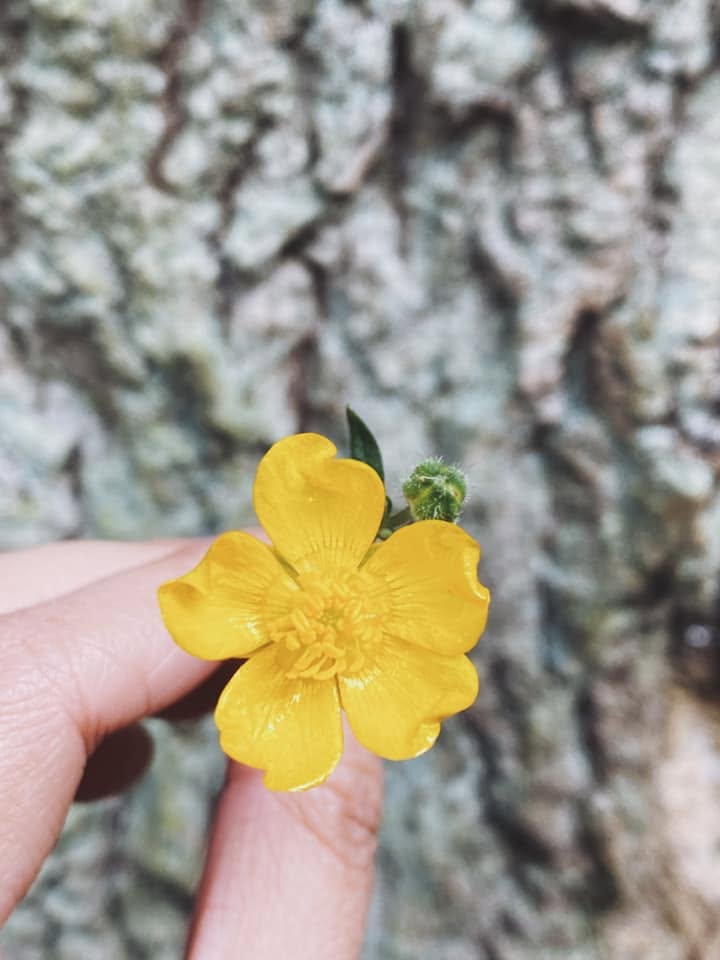
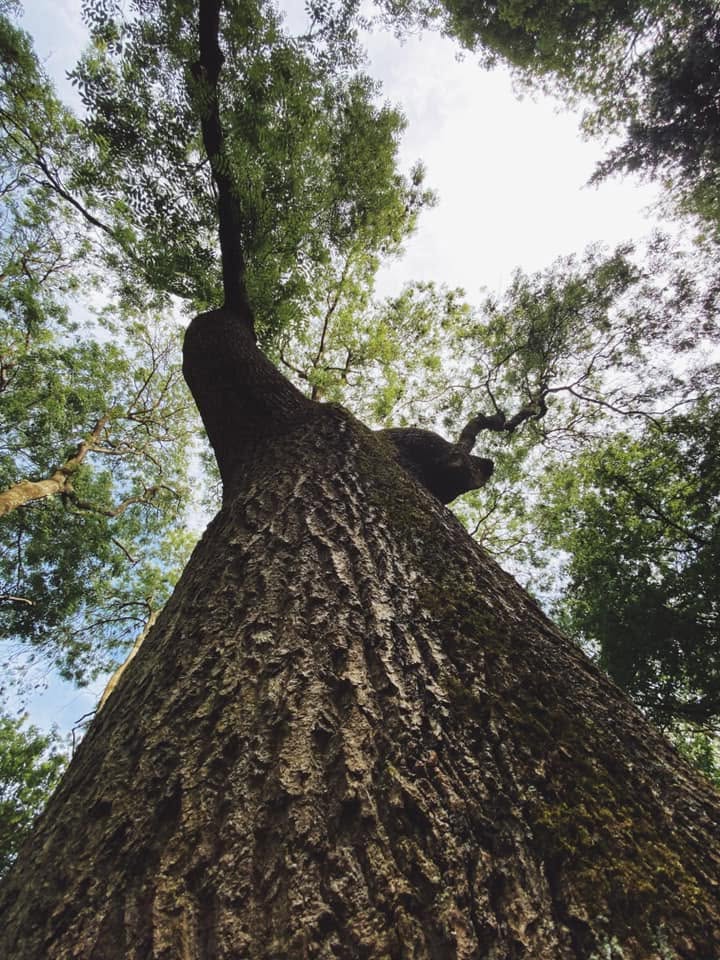
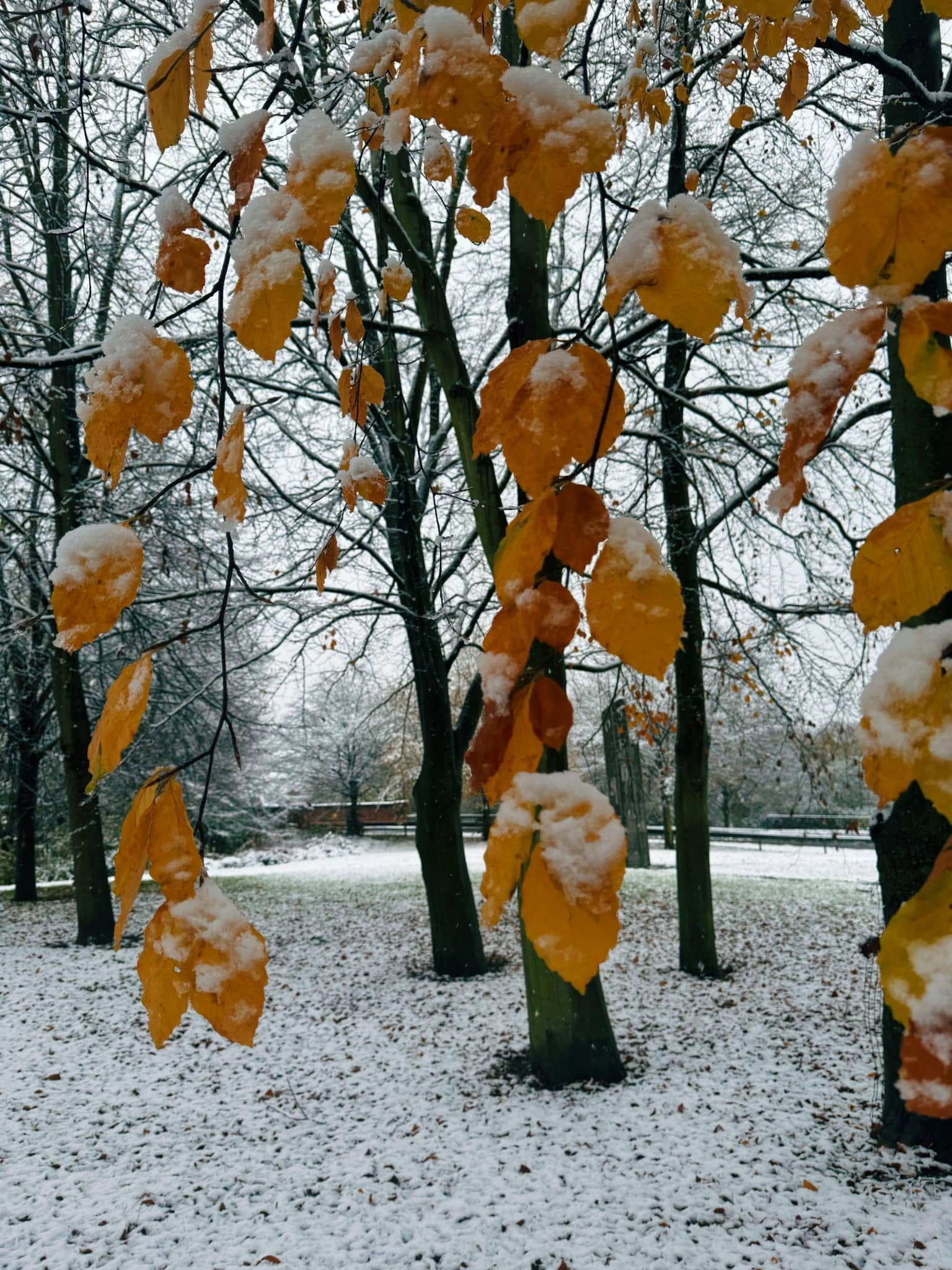
Autumn, however, is when East Park appeals most strongly to the photographer in me. The trees begin shifting through yellows, oranges, golds, and browns, and the fallen leaves gather along paths that looked entirely ordinary a few weeks earlier. I love the way the trees create layers of colour, especially when sunlight filters through the remaining foliage. There are moments when a simple view becomes so striking that I find myself stopping to photograph it, even though I know perfectly well I already have a substantial collection of autumn trees on my phone.
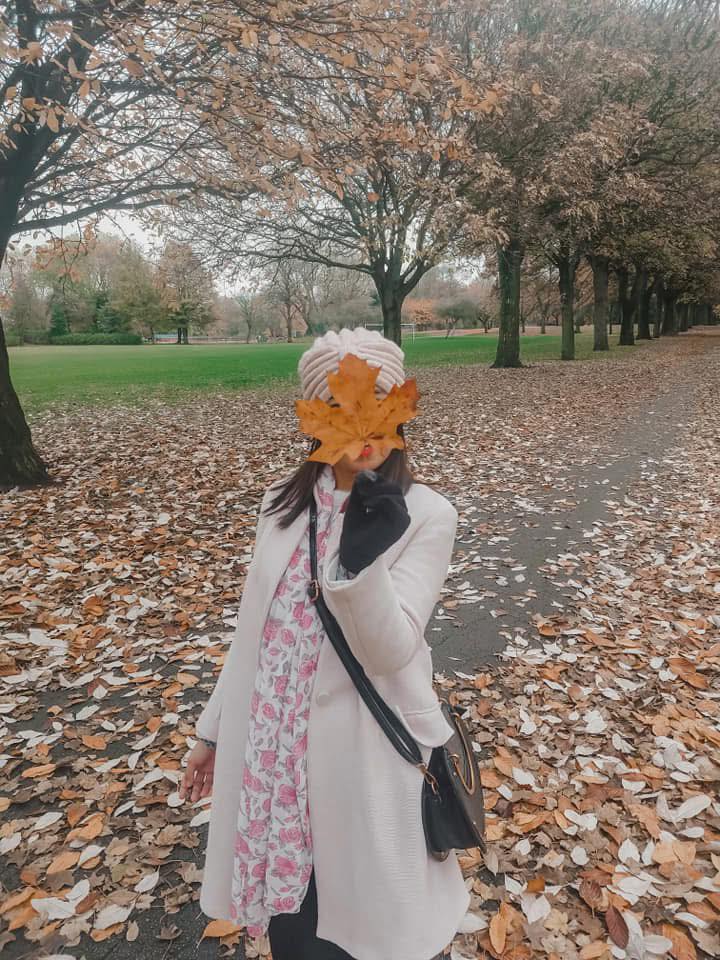
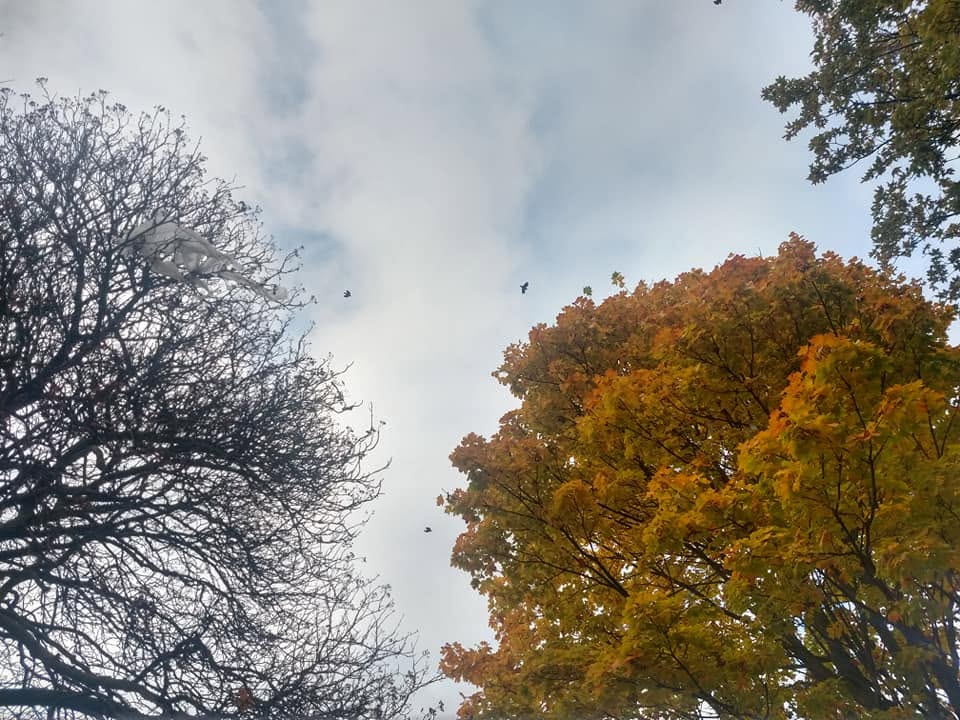
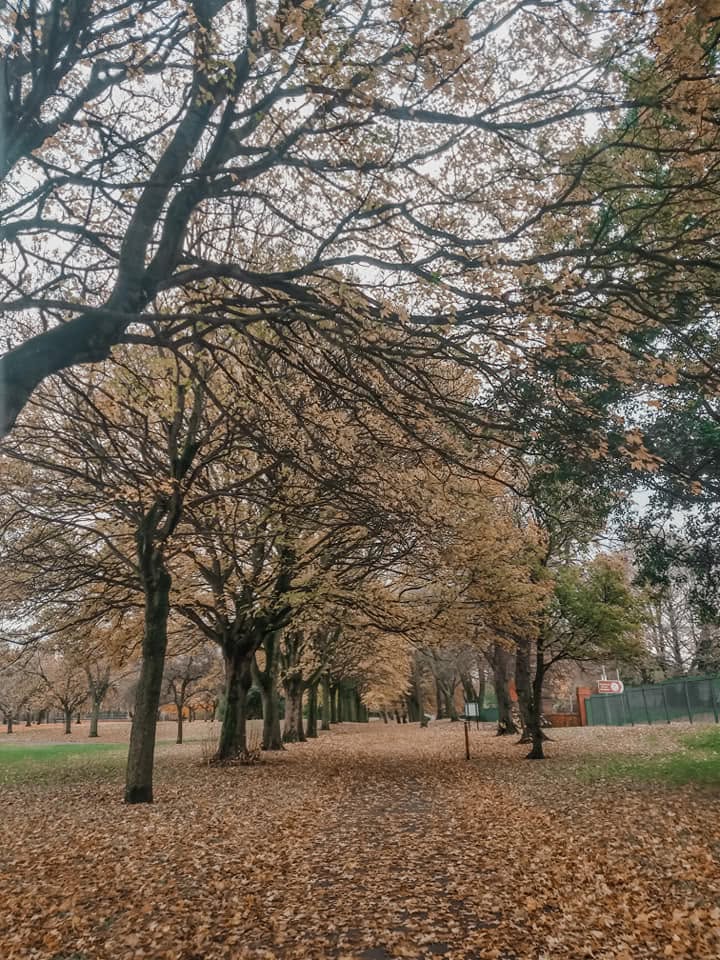
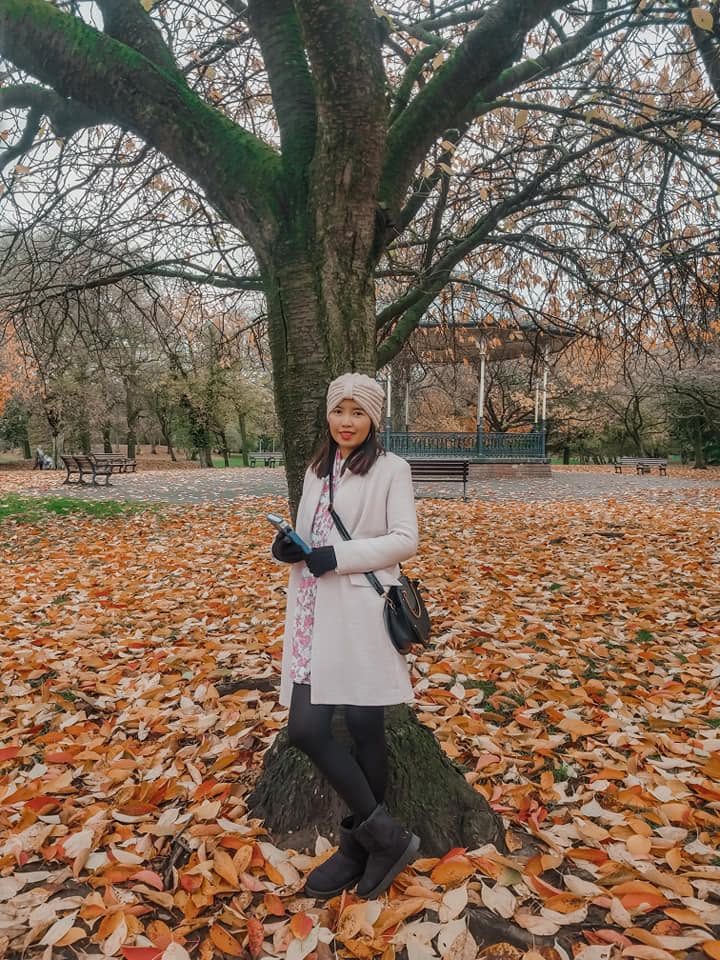
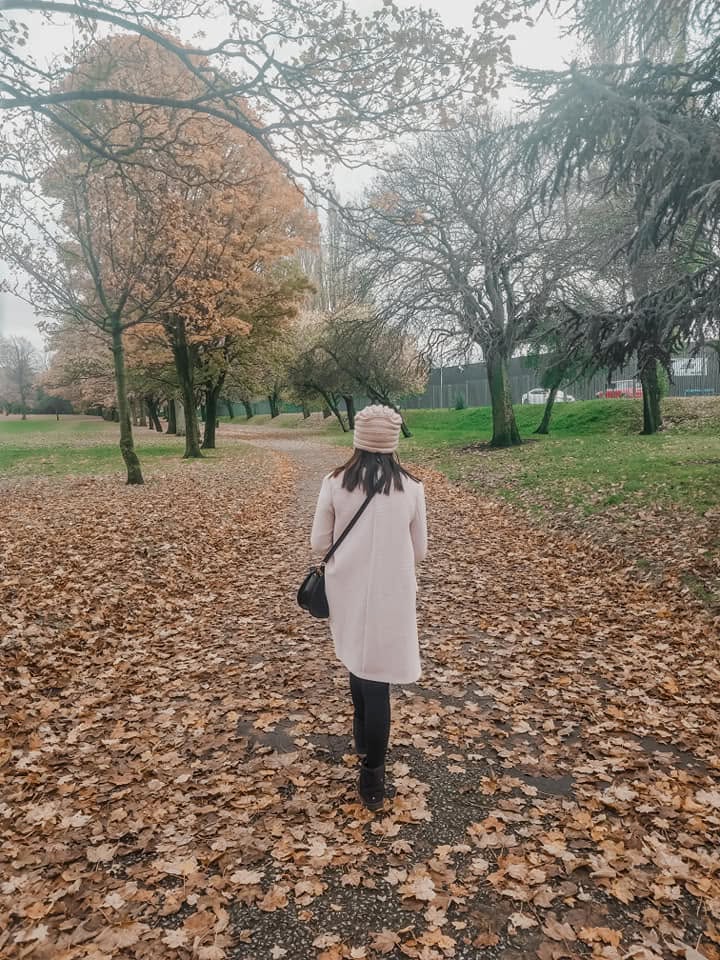
I have accepted that some people collect shoes, others collect stamps, and I apparently collect photographic evidence that leaves change colour every year.
What I would encourage visitors to experience at East Park is the changing season itself rather than one specific attraction. Walk without rushing. Notice how different groups use the space, how the pathways change under the trees, and how an ordinary public park becomes part of the city’s daily life. It is particularly appealing if you enjoy relaxed photography, outdoor time with family, or simply somewhere to walk without spending money. East Park is not asking you to be impressed. It is offering you room to enjoy the day, which is sometimes far more valuable.
West Park
West Park is a different story, partly because I have a particular weakness for its winter personality. It is one of Wolverhampton’s finest historic green spaces, a Victorian municipal park with landscaped grounds, mature trees, a lake, paths, a bandstand, and a conservatory that forms part of its architectural heritage. The grounds are beautiful throughout the year, but there is a particular atmosphere in colder weather that I find difficult to resist.
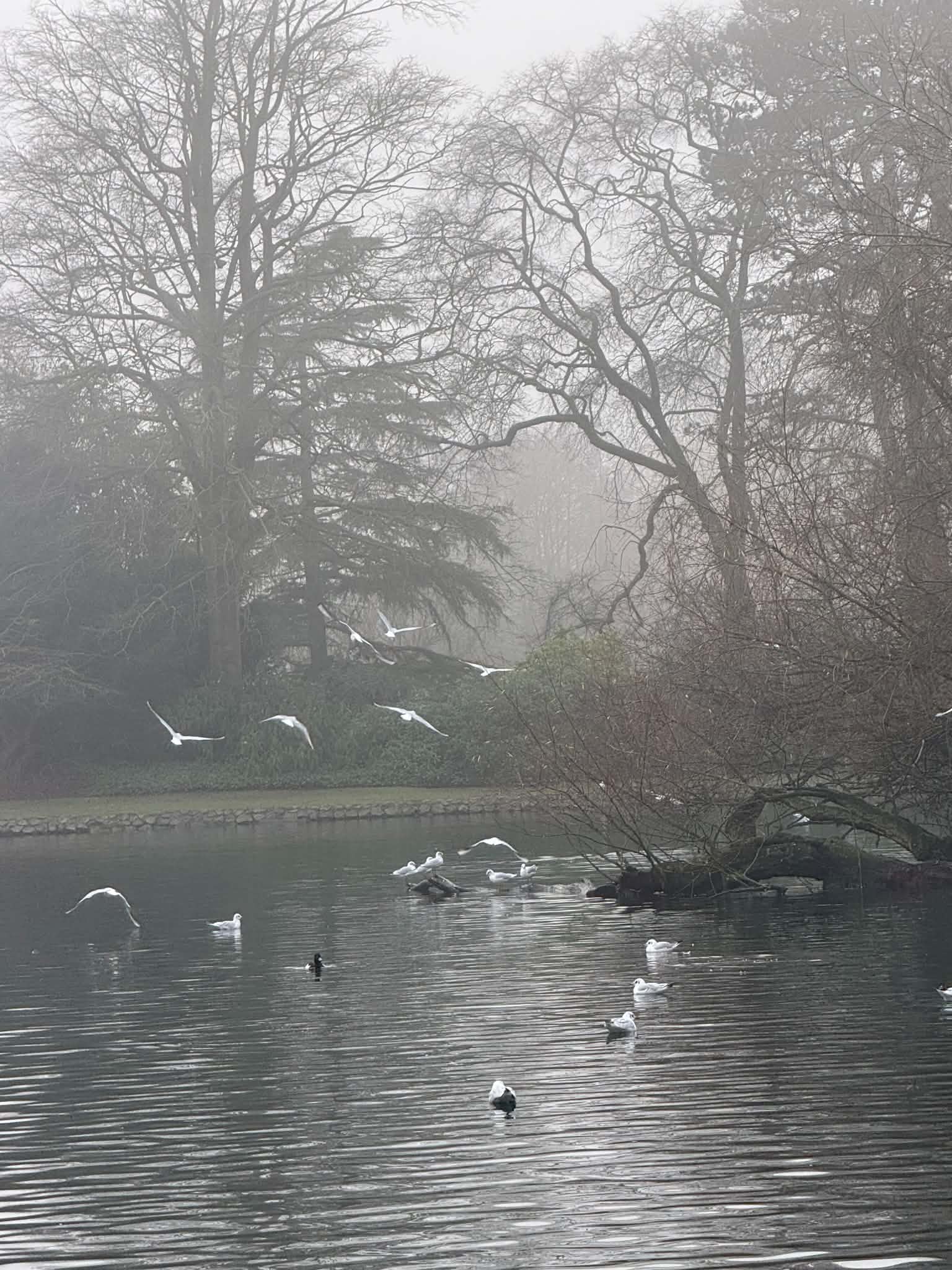
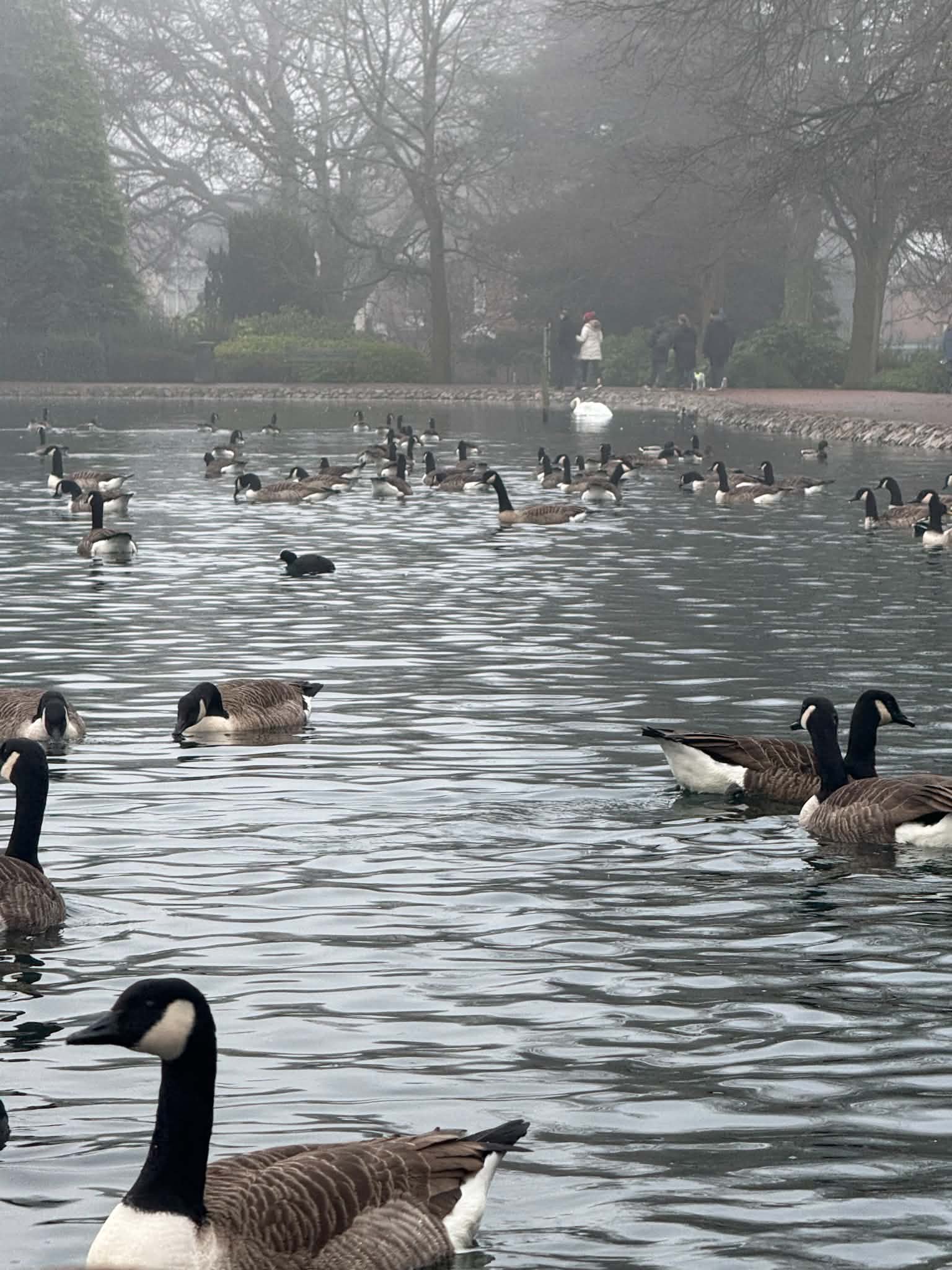
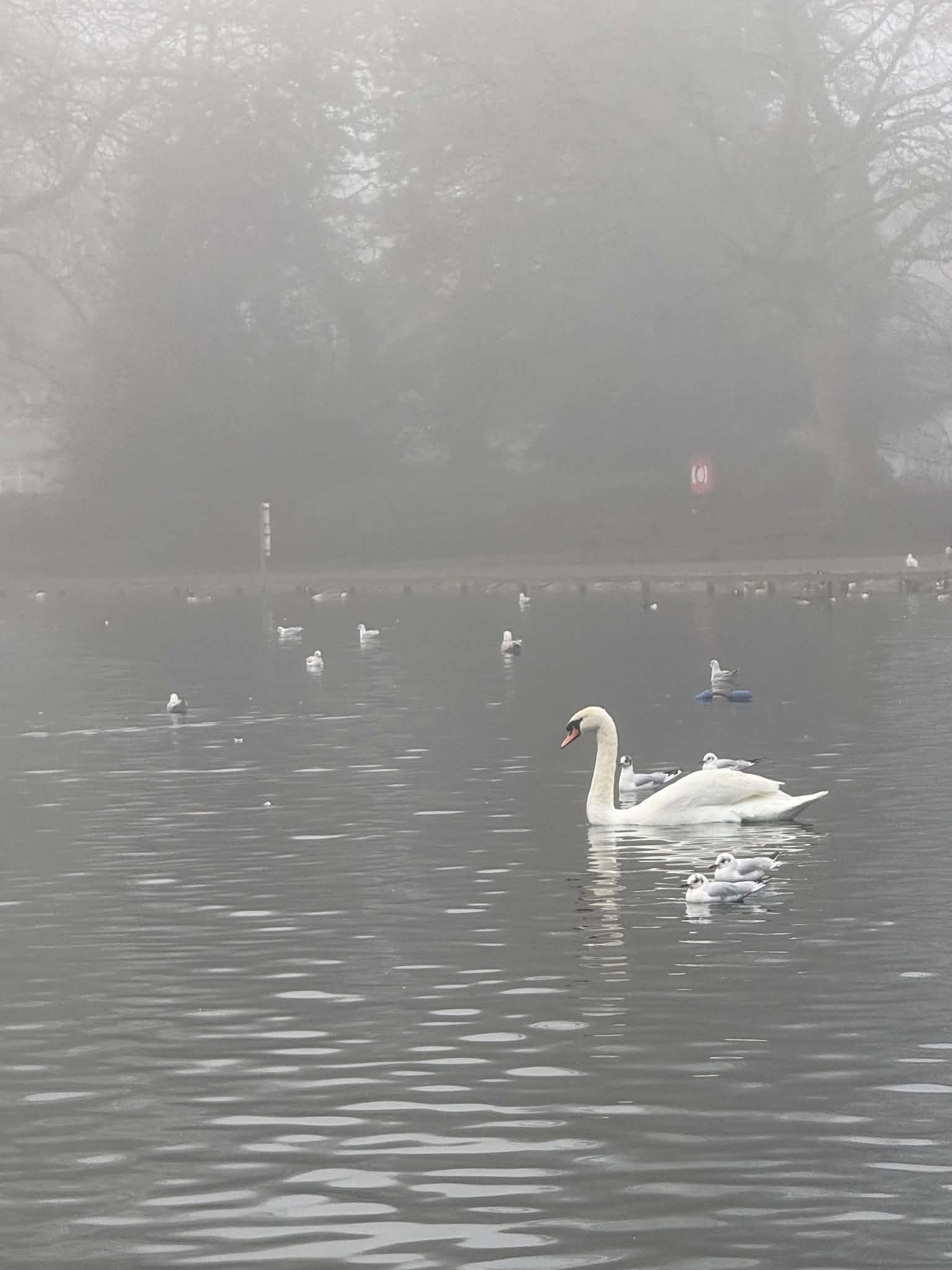
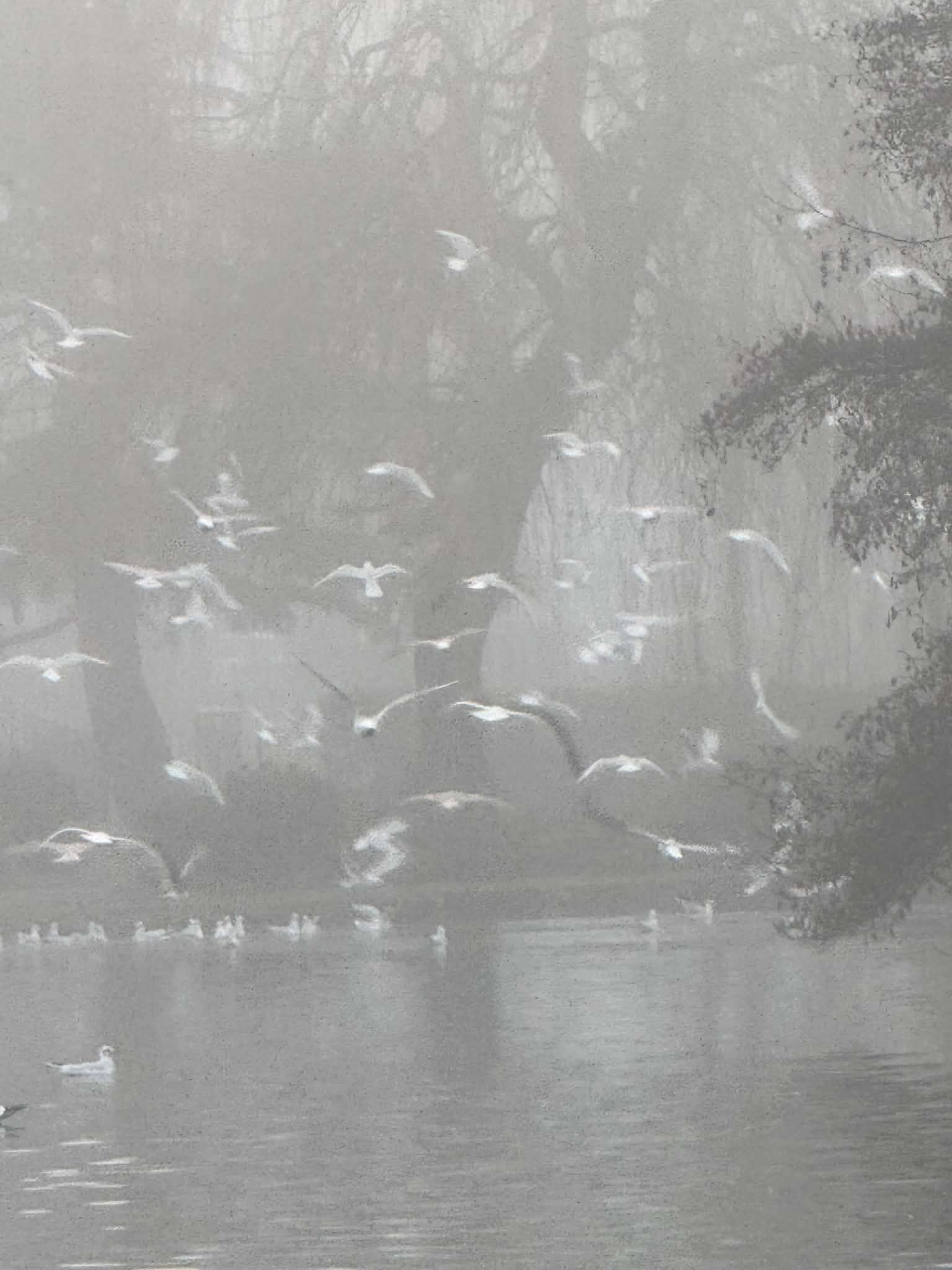
I love what happens to the lake when fog settles over it. The water begins reflecting a world that has partly disappeared, and the trees on the opposite bank gradually become indistinct silhouettes. It feels as though somebody has reduced the visibility of the entire landscape to encourage people to notice the nearest details. The ornamental bridge, the old park features, and the bare branches contribute to the impression of a place that has stepped outside its ordinary time. I have walked through enough British parks to know that fog does not automatically make somewhere magical, but West Park seems unusually capable of making the weather work in its favour.
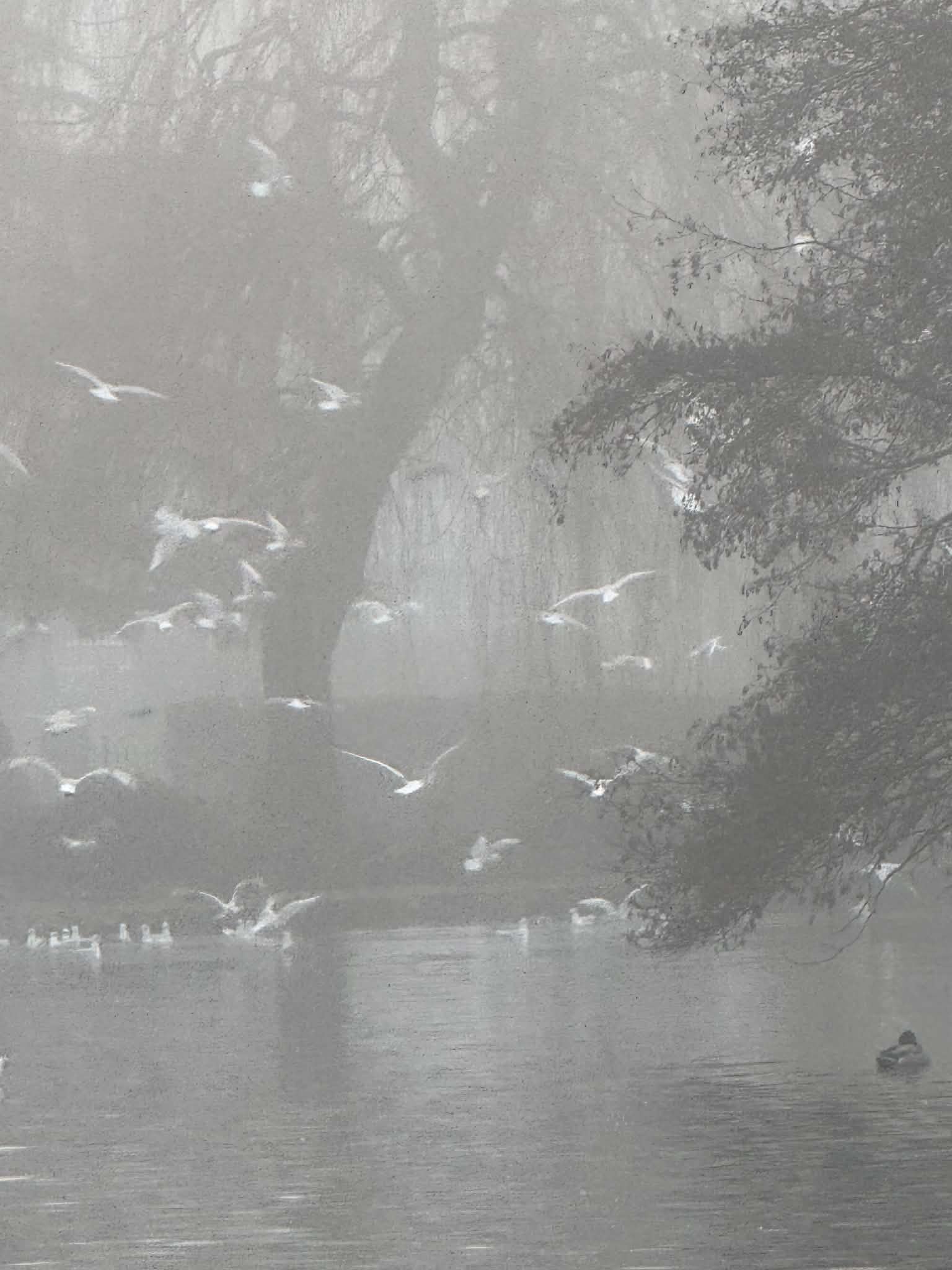
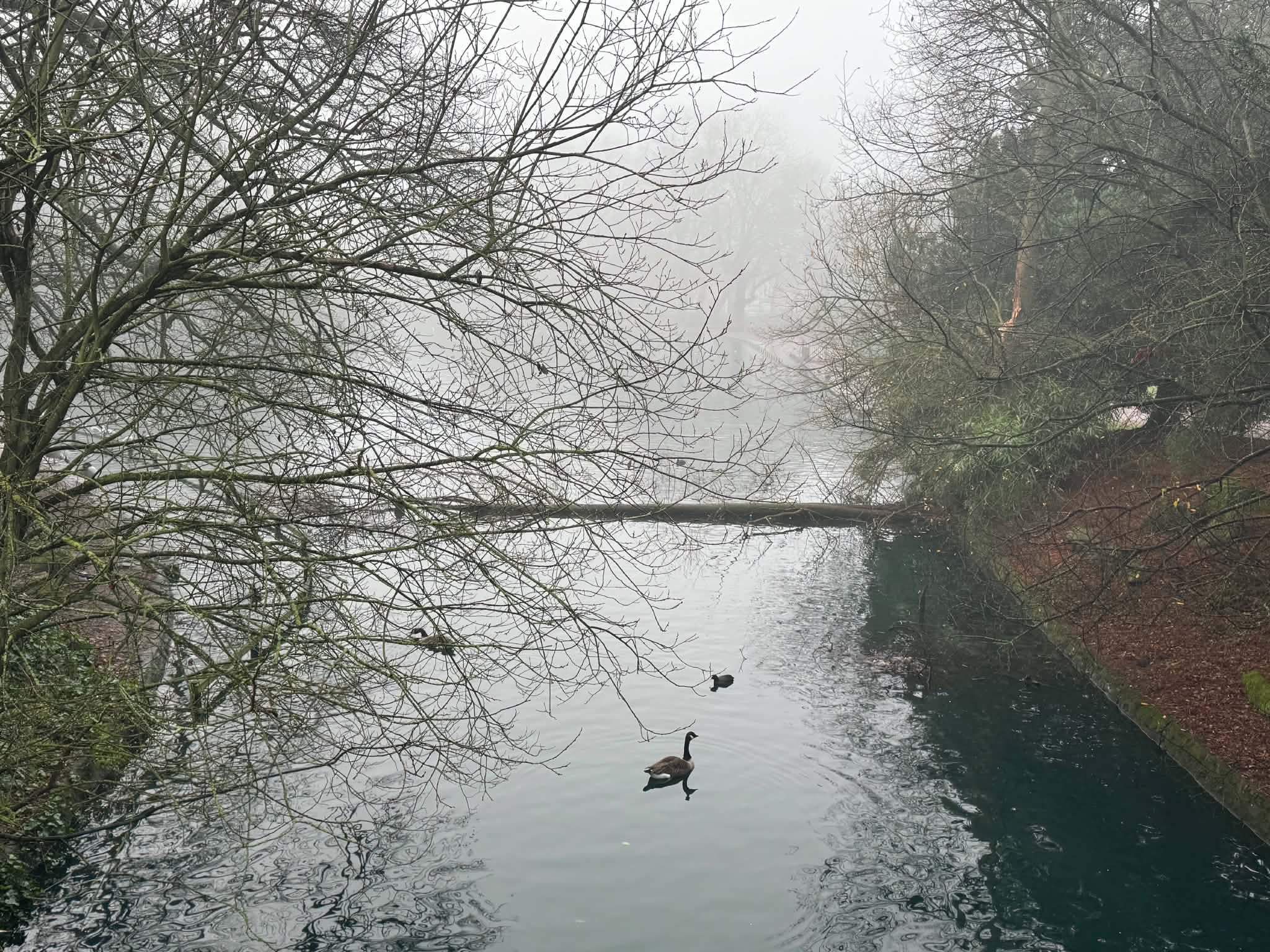
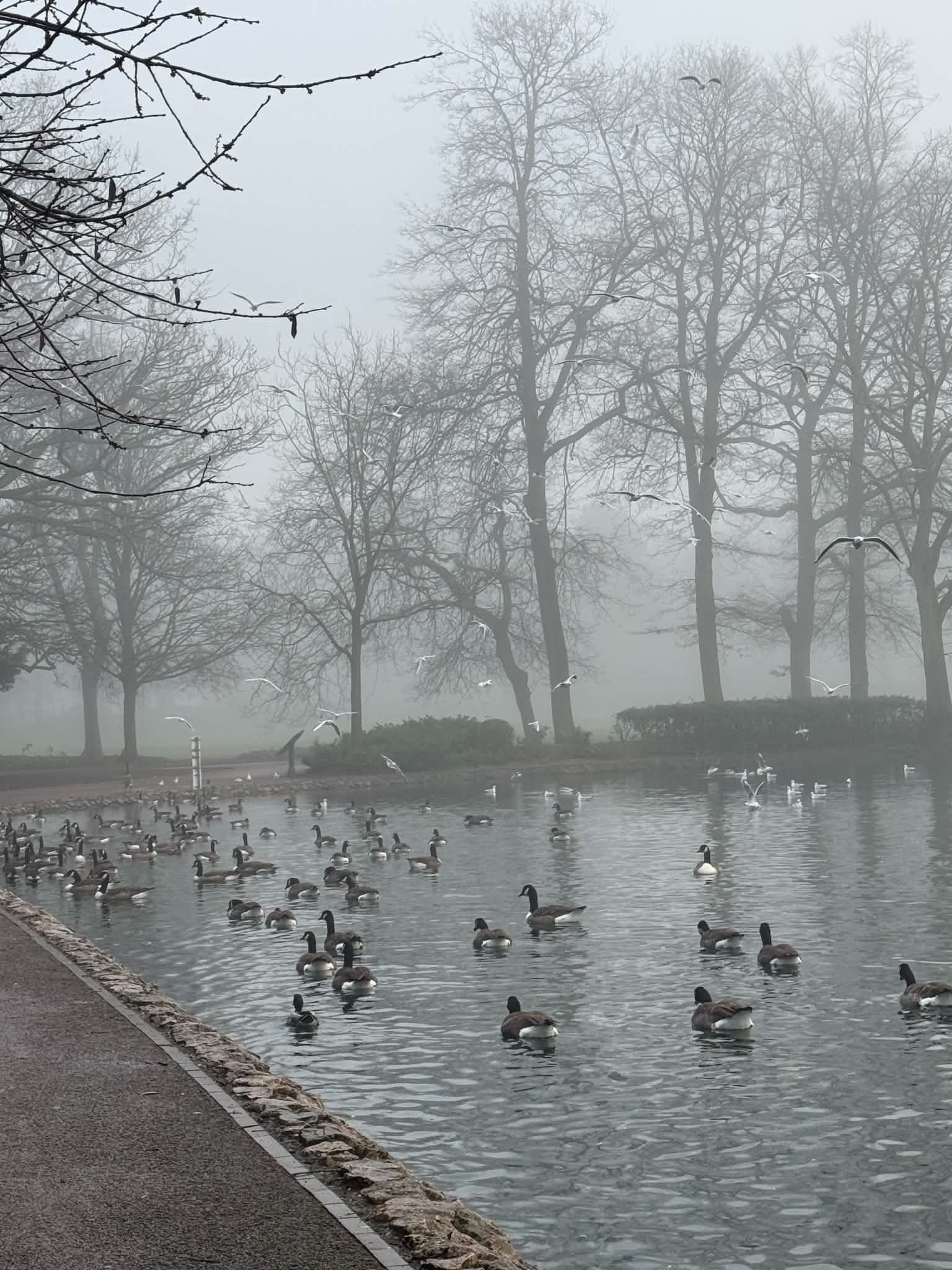
And then there are the birds.
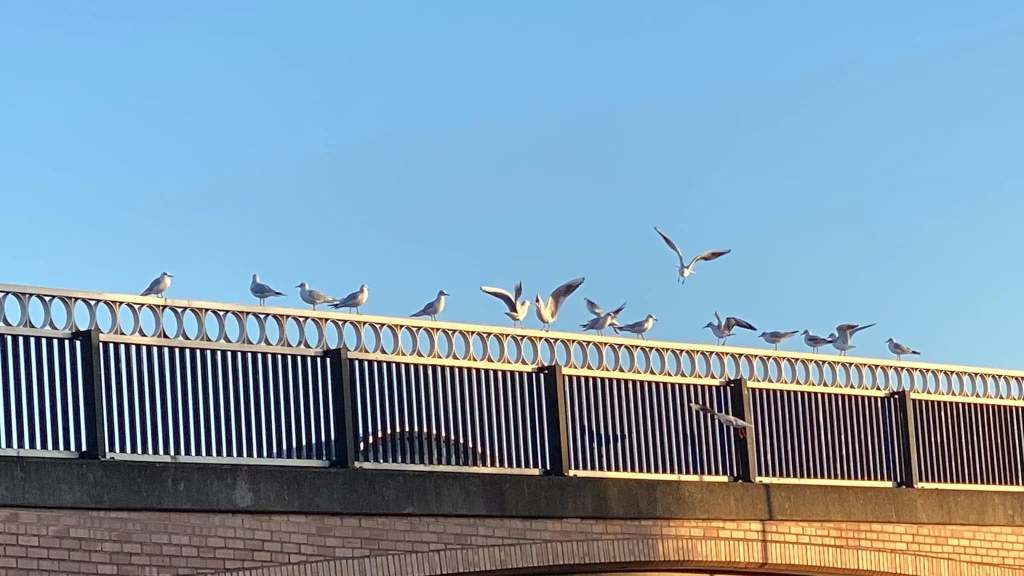
I find them absolutely beautiful to observe, whether they are moving across the lake, resting near the water, or gathering in small groups that seem to have developed their own social arrangements. Swans have an unmistakable elegance, particularly when viewed from a little distance. Ducks possess a different sort of charm, although their behaviour occasionally suggests that elegance was not discussed during their evolutionary development. There is something therapeutic about watching the movement of birds against still water, especially when the surrounding landscape has become muted by winter.
I would recommend West Park not only to photographers but also to anyone who enjoys spending time outdoors without requiring constant entertainment. The paths offer opportunities for a leisurely walk, and the lake provides a natural focal point as the scenery changes around it. The historic design gives the park a sense of character beyond its greenery. You can appreciate the bandstand, the landscape, and the Victorian features while remembering that public parks were created, in part, to give urban communities access to pleasant outdoor spaces.
For photography, early morning can be especially rewarding when conditions are suitable. You may find beautiful reflections, mist over the water, and quieter pathways. But visitors should not assume that the conservatory is open; it has been closed to the public pending arrangements for its future use. I would also recommend watching your footing around wet or icy paths and giving the birds their space. A good photograph is wonderful, but a peaceful encounter with wildlife is worth more than getting unnecessarily close.
Wolverhampton Art Gallery
Wolverhampton Art Gallery provides another kind of experience entirely. Located in the city centre, it is an option I would recommend particularly to visitors interested in art, social history, and the ways a city represents itself. The gallery’s historic building feels suitably distinguished, yet the collections inside extend well beyond what someone might expect from a regional museum. Its holdings include Victorian works, important Pop Art, and contemporary pieces, including art connected to Black British experiences and the history of the Black Country.
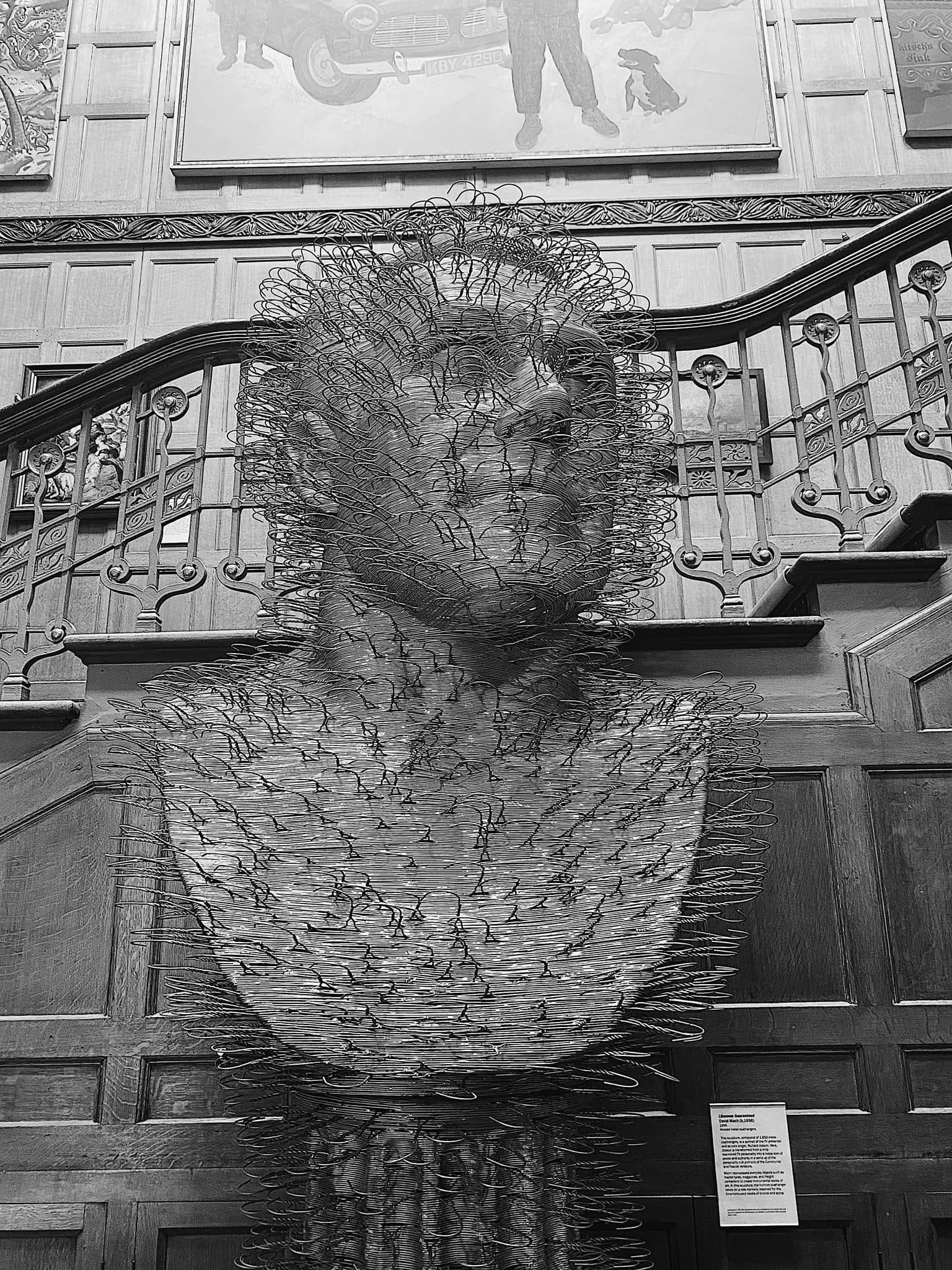
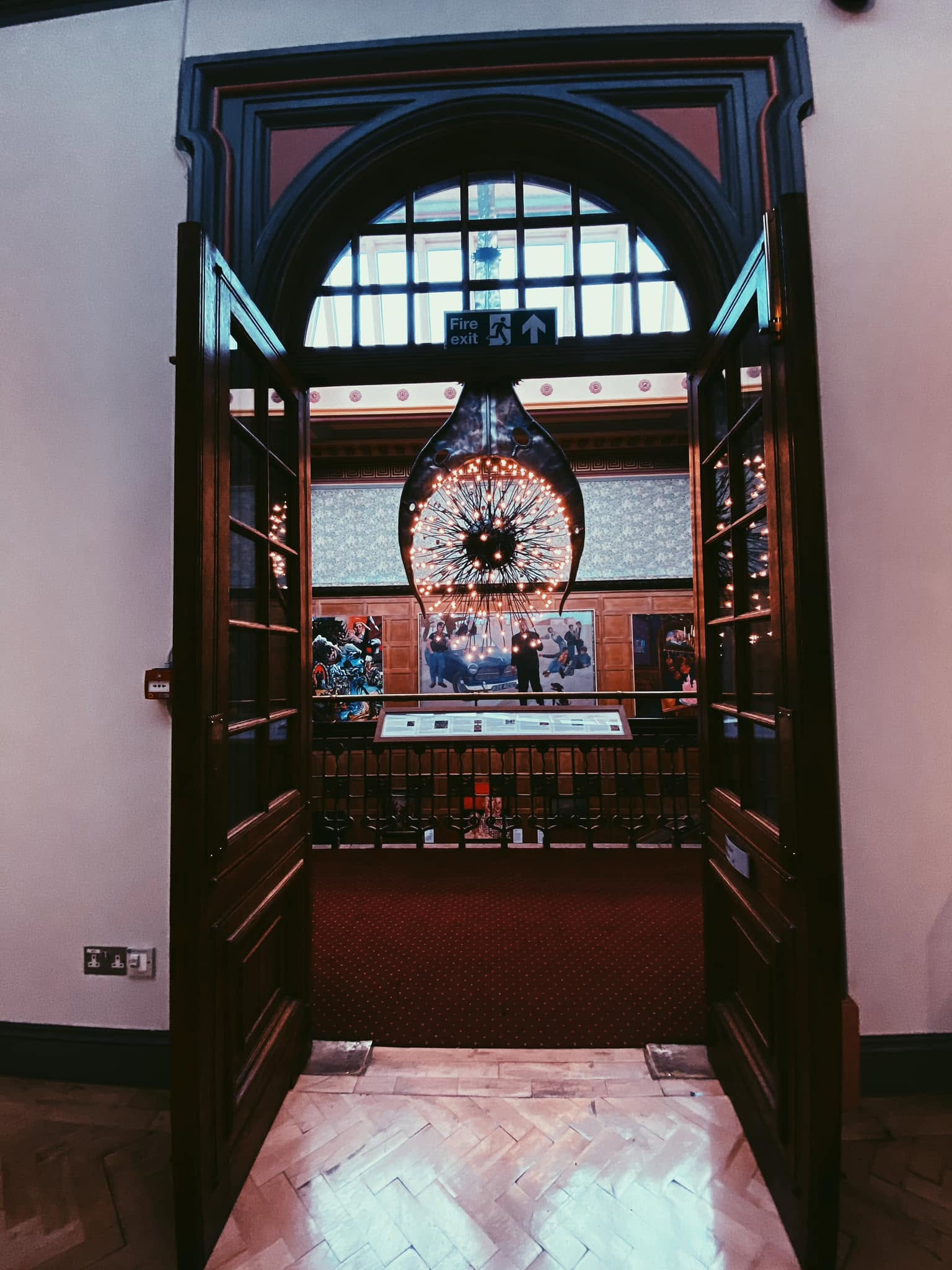
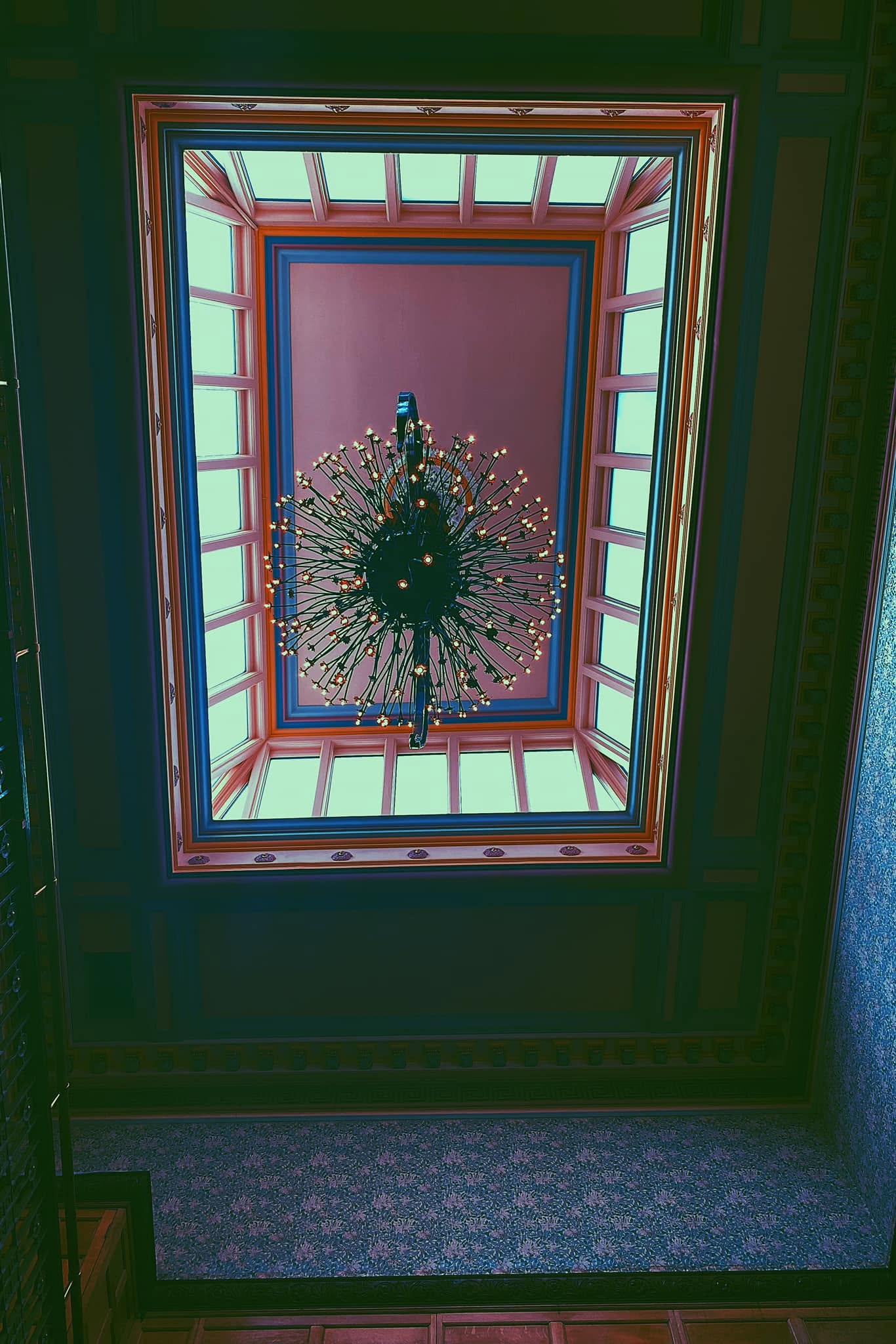
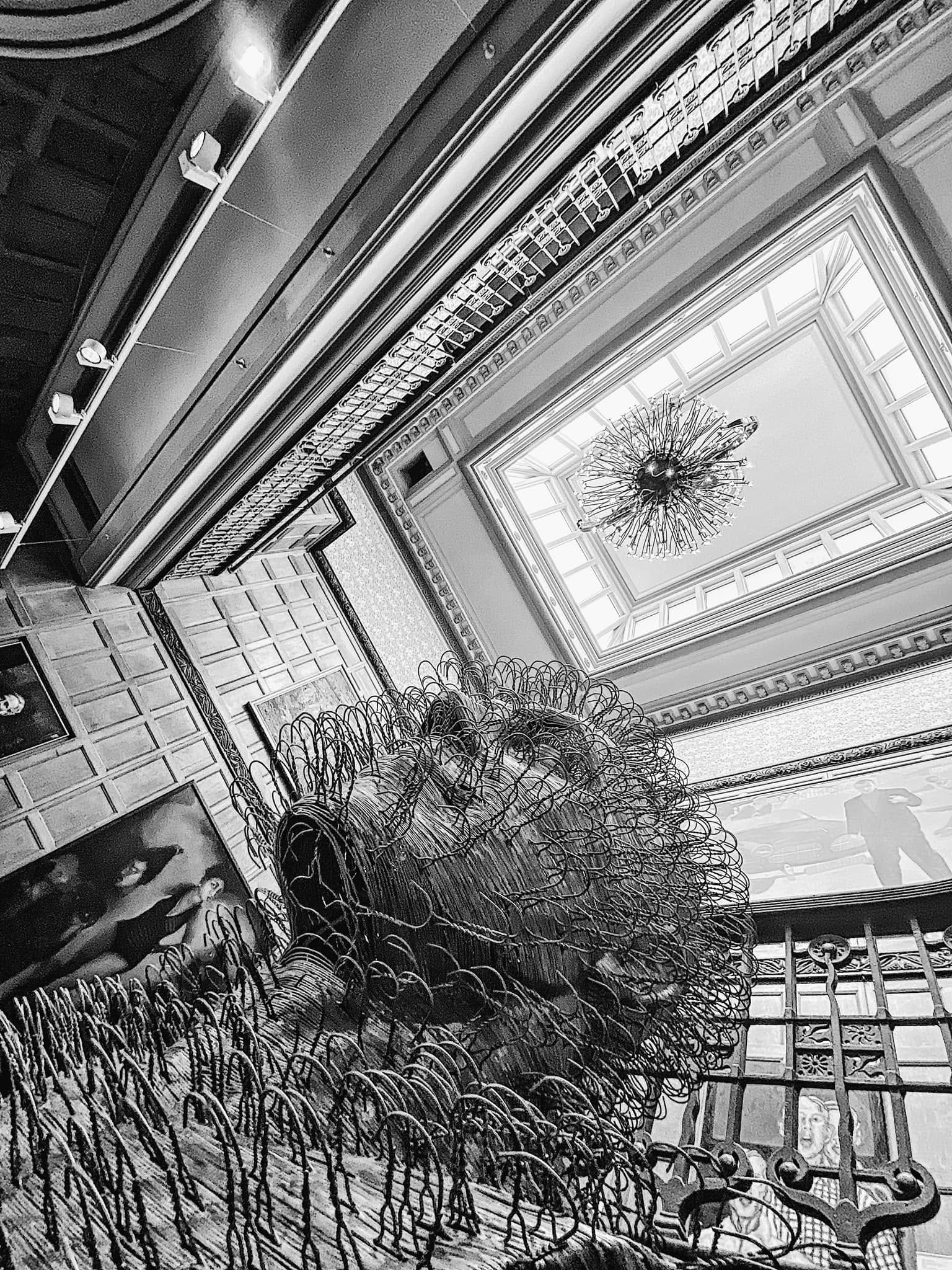
I like the contrast between the gallery’s nineteenth-century origins and the bold visual language of Pop Art. After spending time looking at historic paintings, you may encounter work influenced by advertising, popular culture, commercial imagery, and the changing visual world of the twentieth century. It is an interesting reminder that art does not have to look solemn or traditional to deserve serious consideration. Sometimes it can be colourful, provocative, or surprisingly ordinary in its subject matter, challenging our assumptions about what belongs inside a gallery.
My relationship with art is not always particularly scholarly. Sometimes I admire a painting because of its composition, light, or subject. Occasionally I stand in front of something contemporary and spend several minutes wondering whether I have understood it or whether the artist would find my interpretation deeply entertaining. I do not consider that a failure. Part of the pleasure of visiting a gallery is being allowed to respond honestly to what you see.
I would encourage visitors to give Wolverhampton Art Gallery a chance even if it would not ordinarily appear on their itinerary. Admission to the main gallery is free, making it an accessible cultural stop, particularly on a rainy day. It also offers an opportunity to encounter a side of Wolverhampton that rarely enters the popular conversation about the city. You leave with a better understanding of its cultural ambitions and perhaps with a new appreciation for something you had never thought to seek out.
But one of the most unexpectedly beautiful experiences I associate with Wolverhampton requires neither a gallery ticket nor a grand historic house. It involves the city’s canals, particularly when snow has managed to settle over the surrounding landscape.
The waterways of the Black Country carry an industrial history that deserves far more attention than many casual visitors give it. These canals were built for practical purposes, connecting places of production and allowing goods and materials to move through a rapidly developing industrial region. They were part of the infrastructure of work, not designed as picturesque routes for people carrying cameras and hoping for attractive reflections.

Yet time has changed the way we experience them.
Today, stretches of canal offer opportunities to walk beside the water, pass under old bridges, notice narrowboats and historic structures, and see a different side of the city. I enjoy the contrast between the industrial materials and the softer elements of the landscape. Brickwork, iron, stone, still water, and trees create scenes that are often more interesting than the polished beauty of a place designed specifically to impress visitors.
Snow makes the contrast especially striking. A covering of white changes the appearance of familiar towpaths and bridges, softening the hard edges of the industrial surroundings. Narrowboats become colourful details against the pale landscape, and the water reflects a winter sky that may contain considerably more shades of grey than any reasonable person needs to identify. It is beautiful precisely because the scene is not what people usually imagine when they think of Wolverhampton.
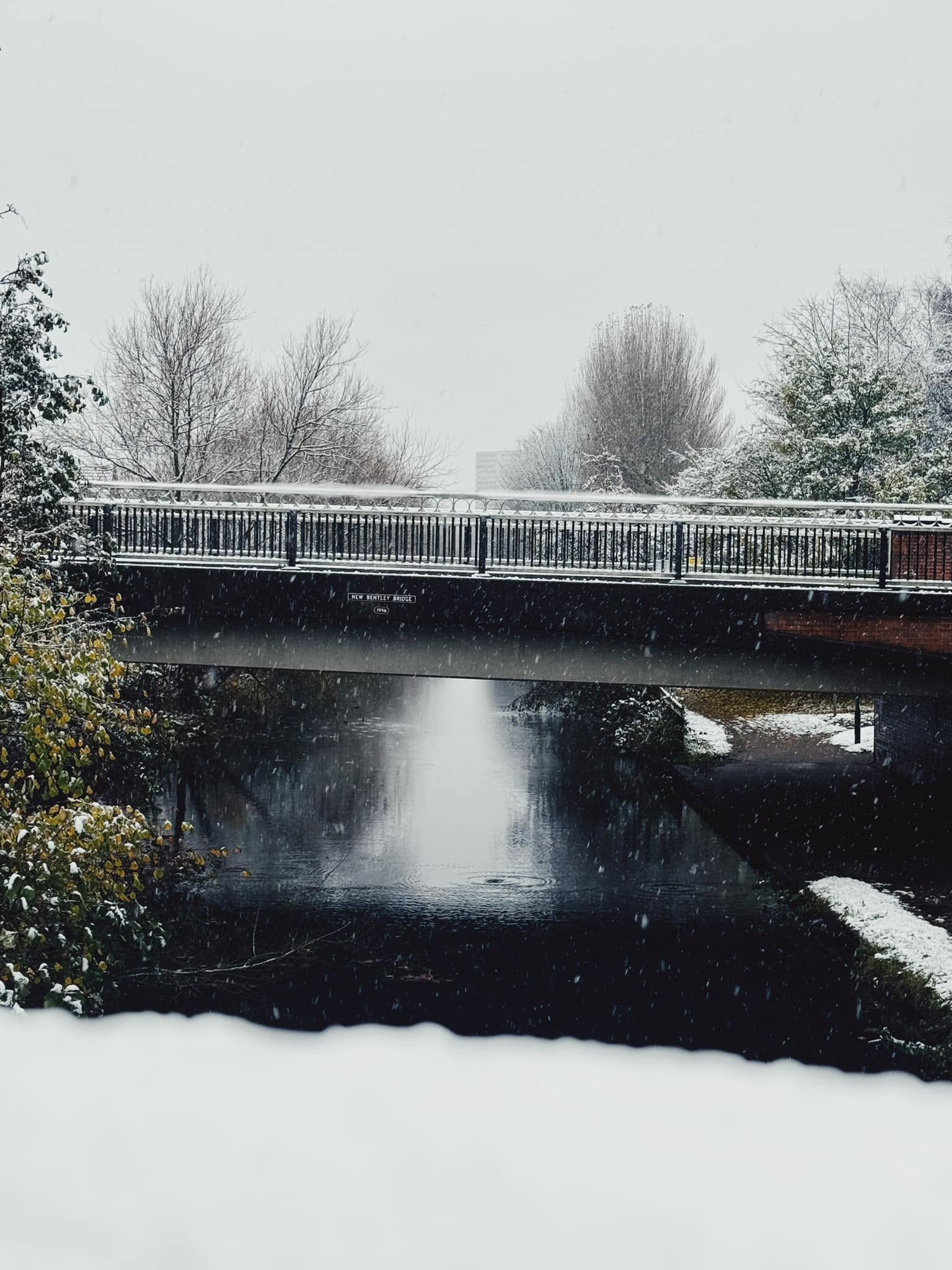
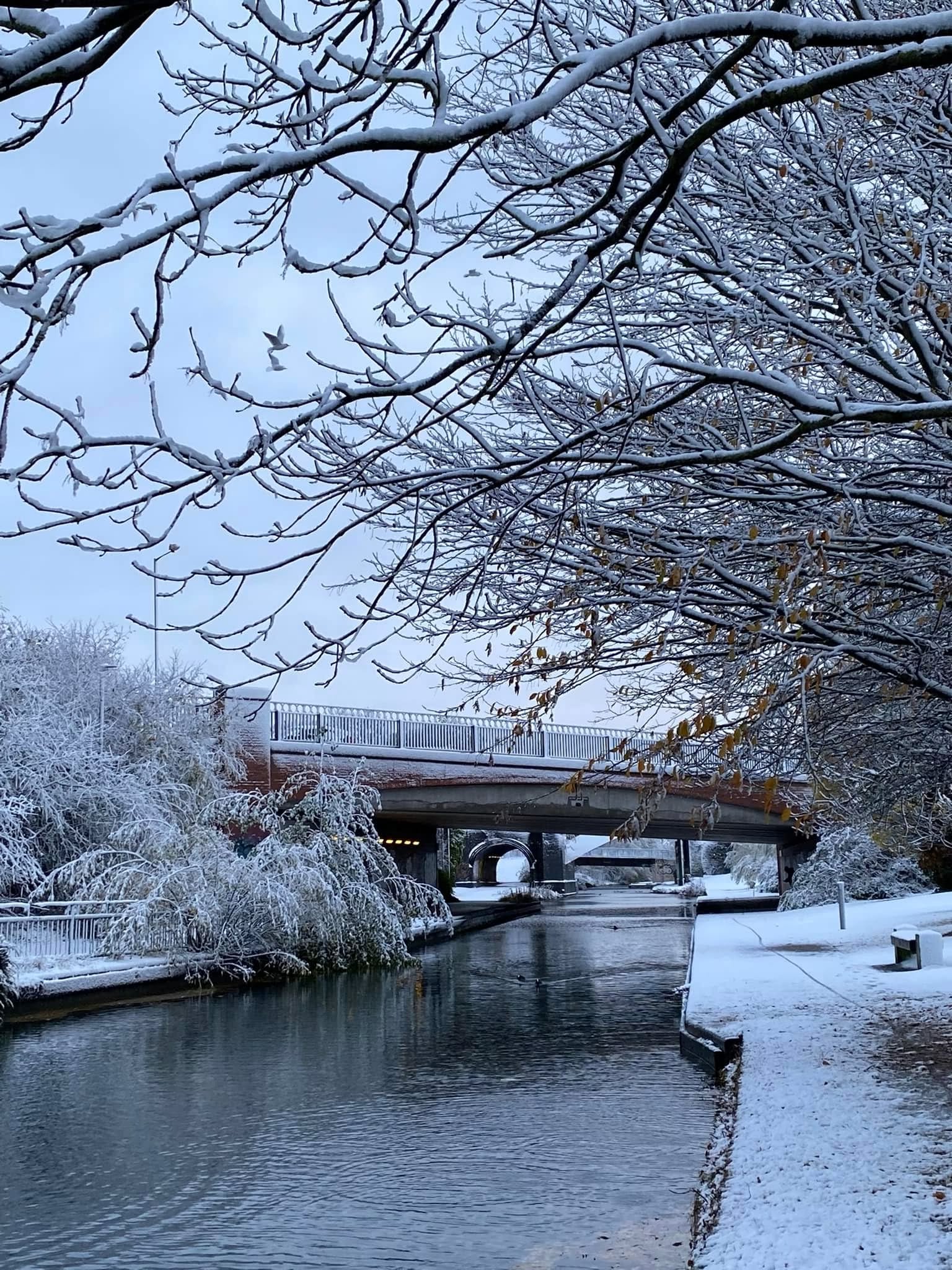

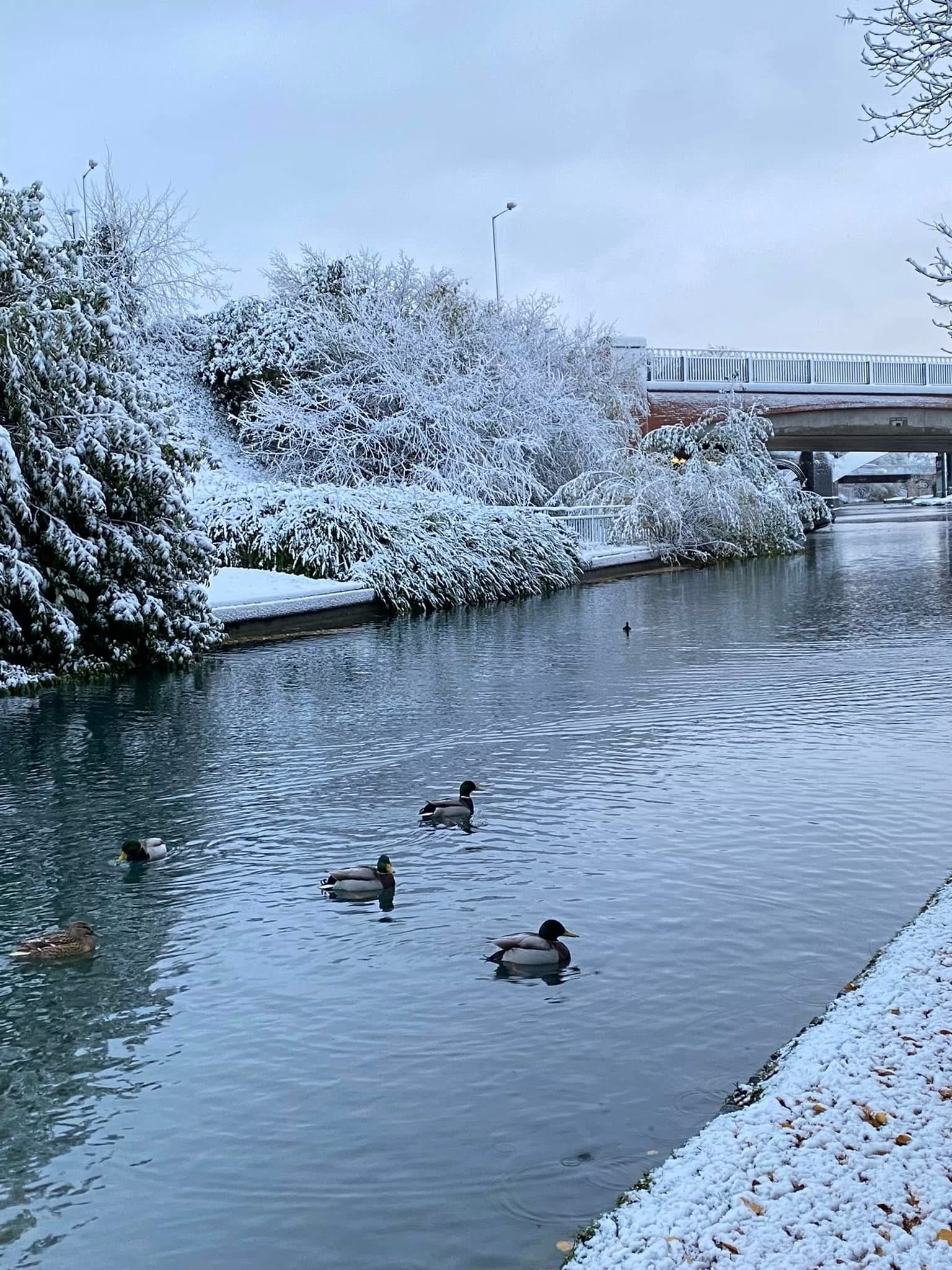
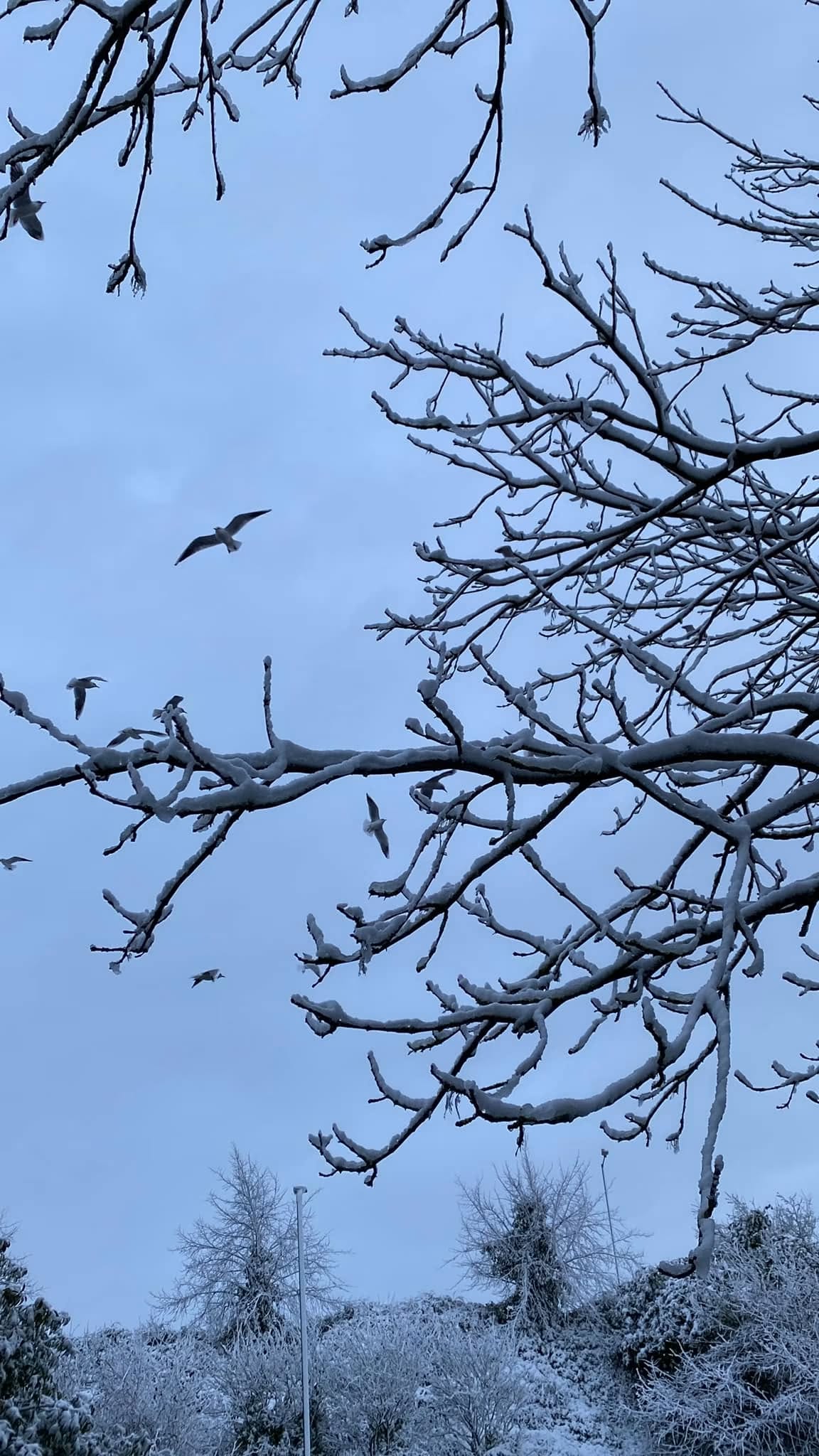
I would encourage visitors to explore a suitable canal route in ordinary weather too, rather than making the experience dependent upon snowfall. The waterways offer a chance to appreciate the city’s working history while enjoying a walk away from some of its busier roads. However, winter canal walks require caution. Towpaths may become slippery, some stretches are poorly lit, and ice near the water can be dangerous. If conditions are unsafe, it is far better to admire the view from a secure location than attempt to obtain the perfect photograph.
I have never considered falling into freezing canal water an essential part of appreciating British heritage.
several restaurants and cafés
All this exploring, of course, creates a perfectly reasonable need to eat. And Wolverhampton has several restaurants and cafés I would recommend depending upon the sort of occasion you have in mind.
Fiume
Fiume, in Compton, is one of my choices when I want a proper Italian meal in a setting that feels a little more special than an ordinary dinner out. What appeals to me is the combination of food, atmosphere, and location. The restaurant sits near the canal, which gives it a character of its own, particularly when the weather is pleasant enough for the outside surroundings to become part of the evening.
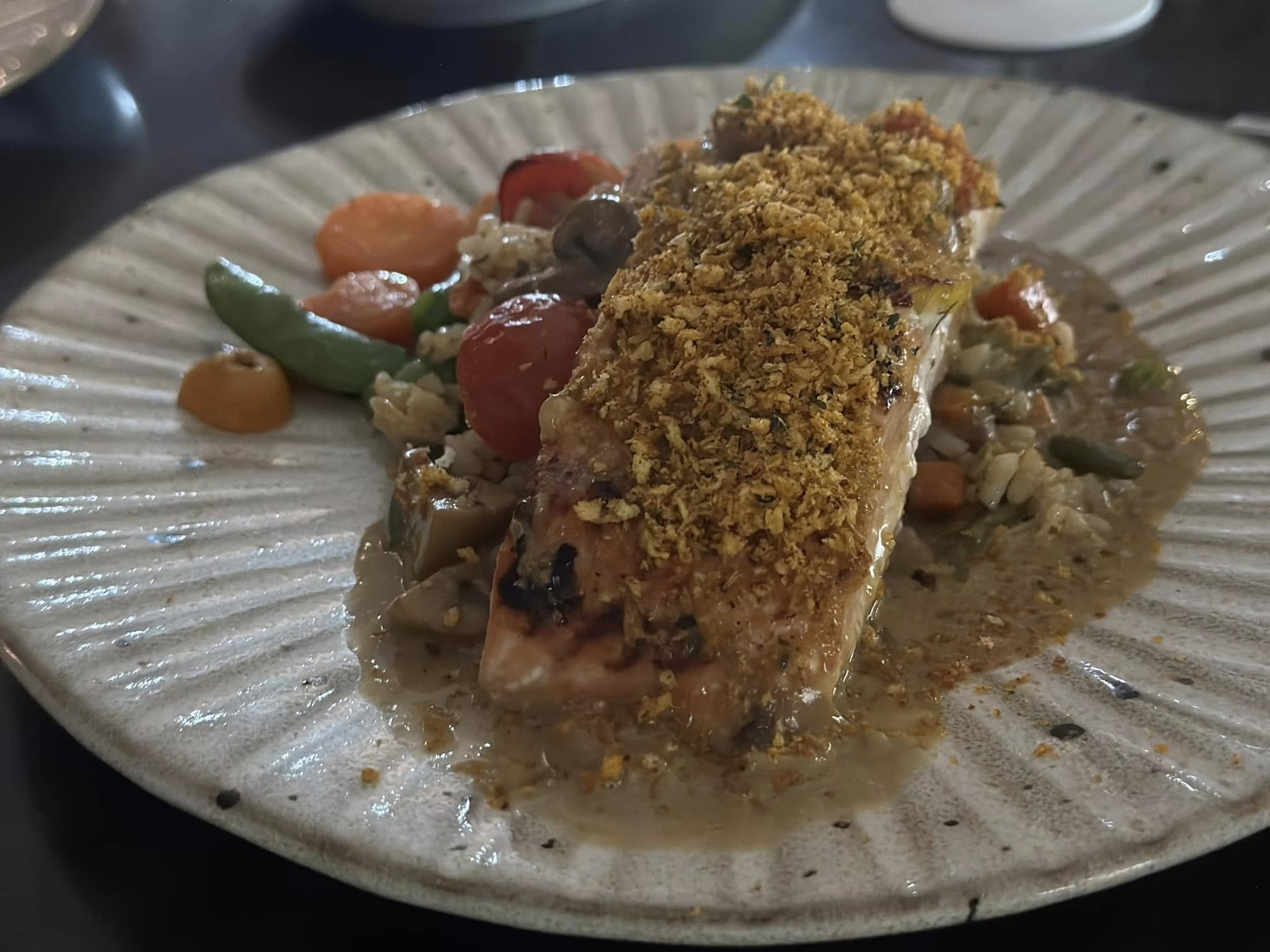
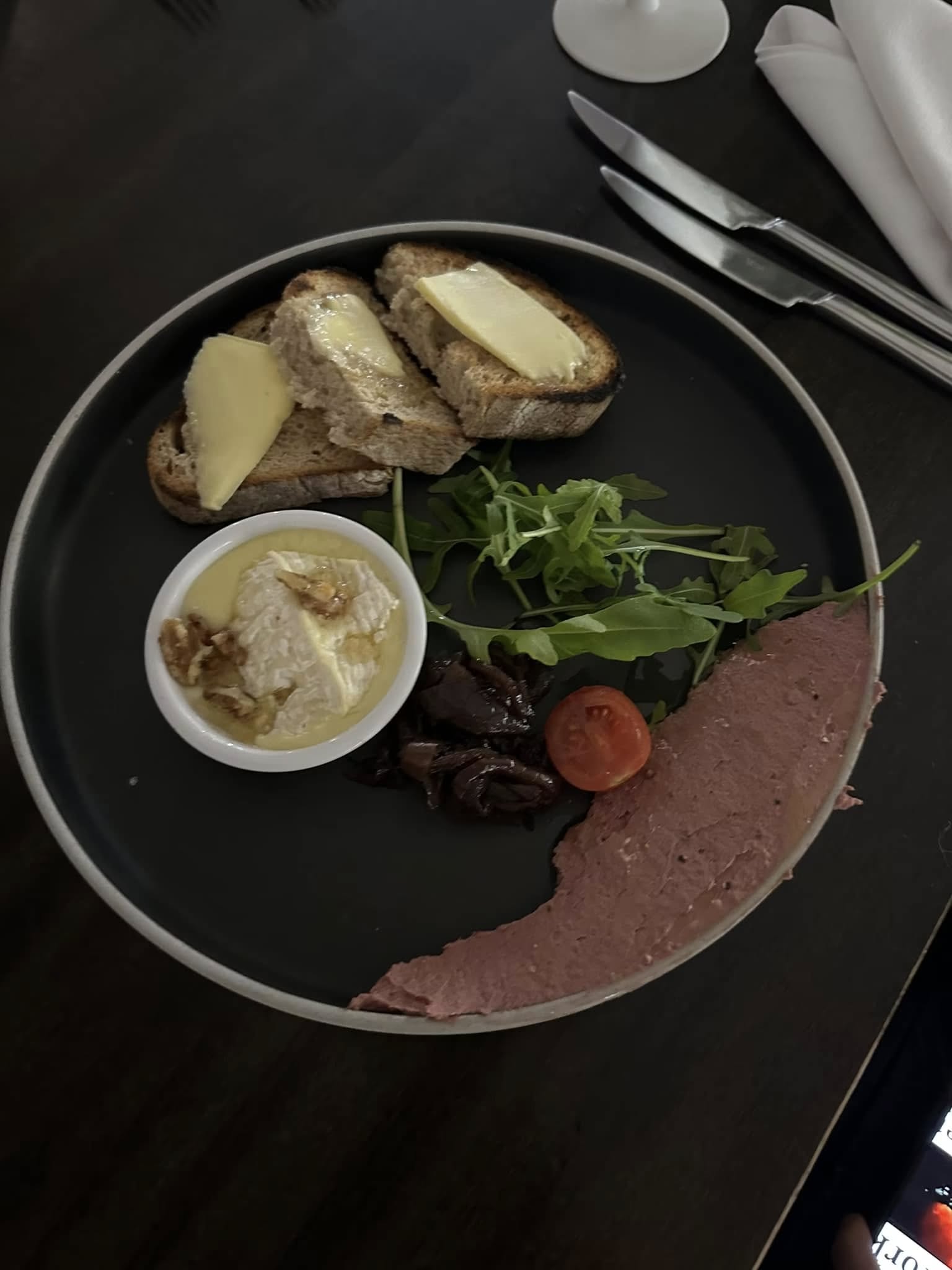
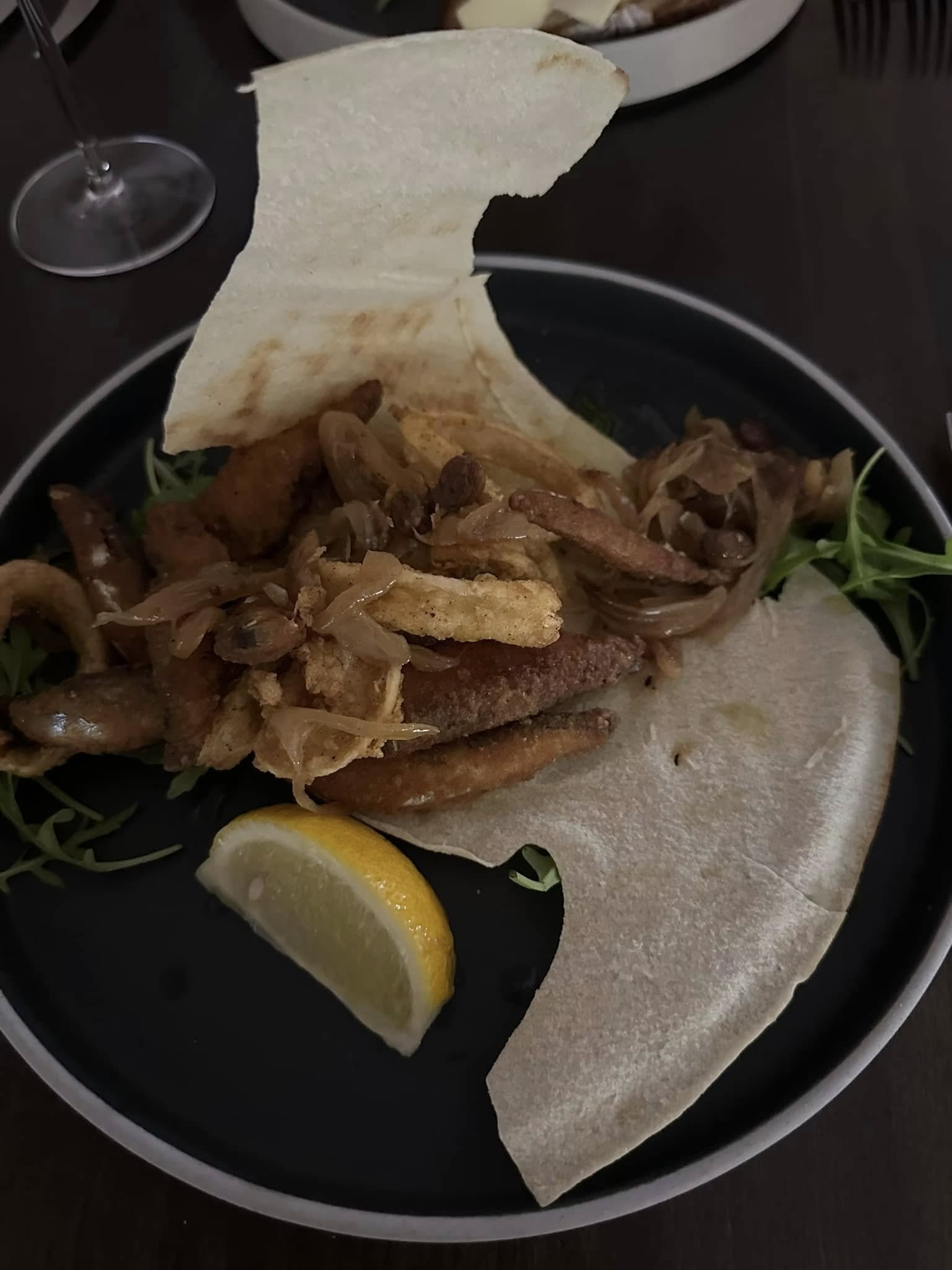
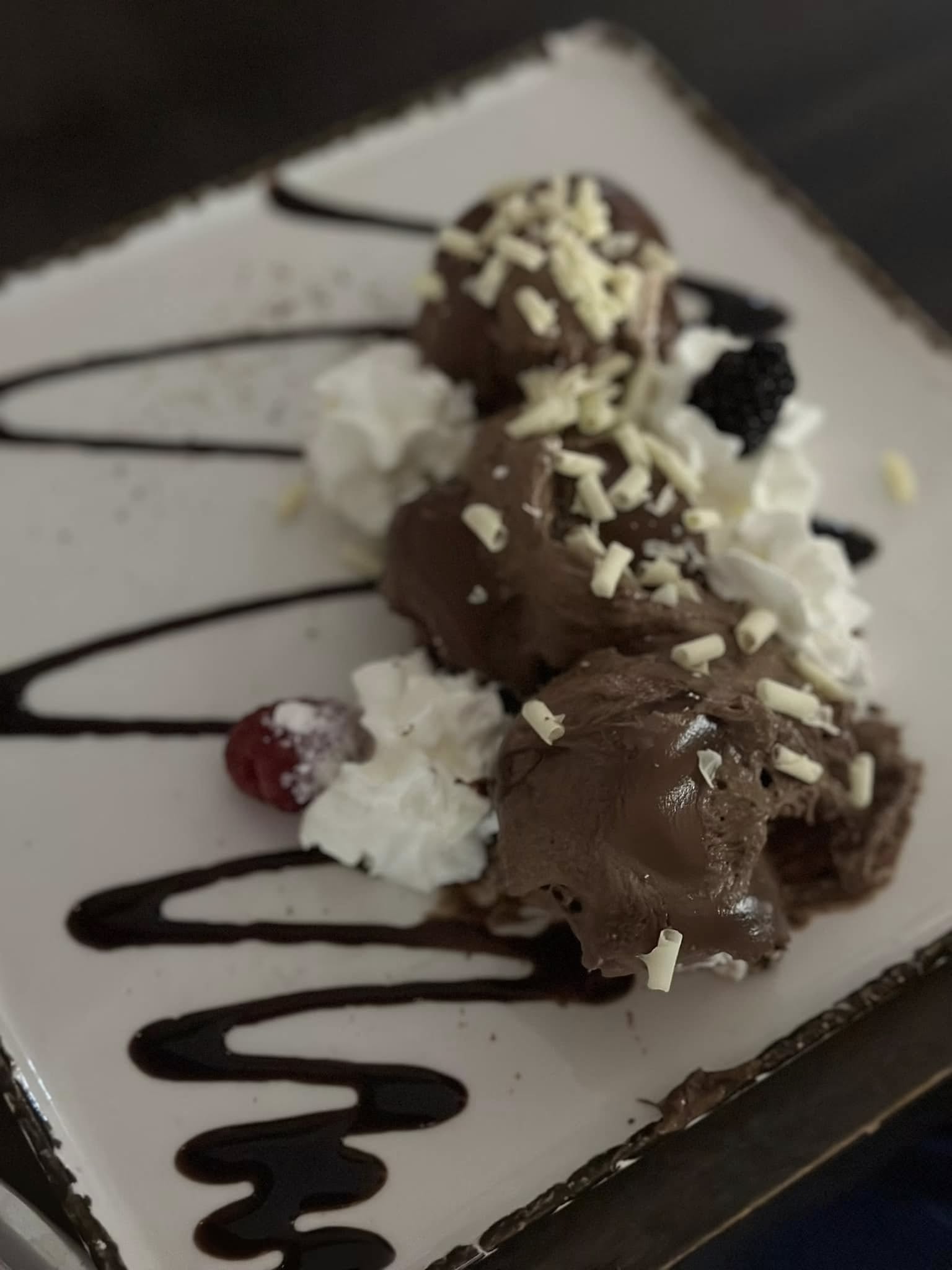
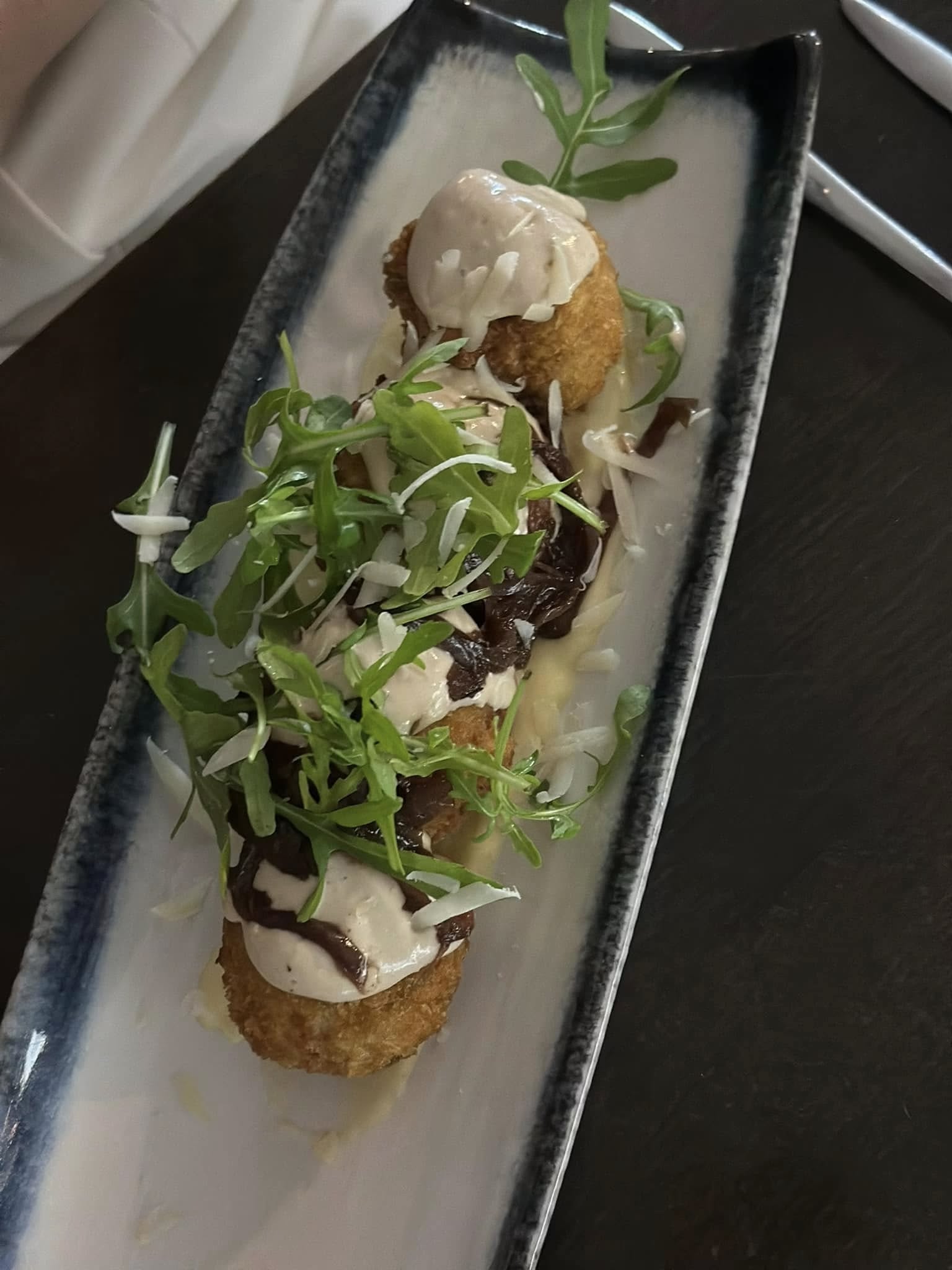
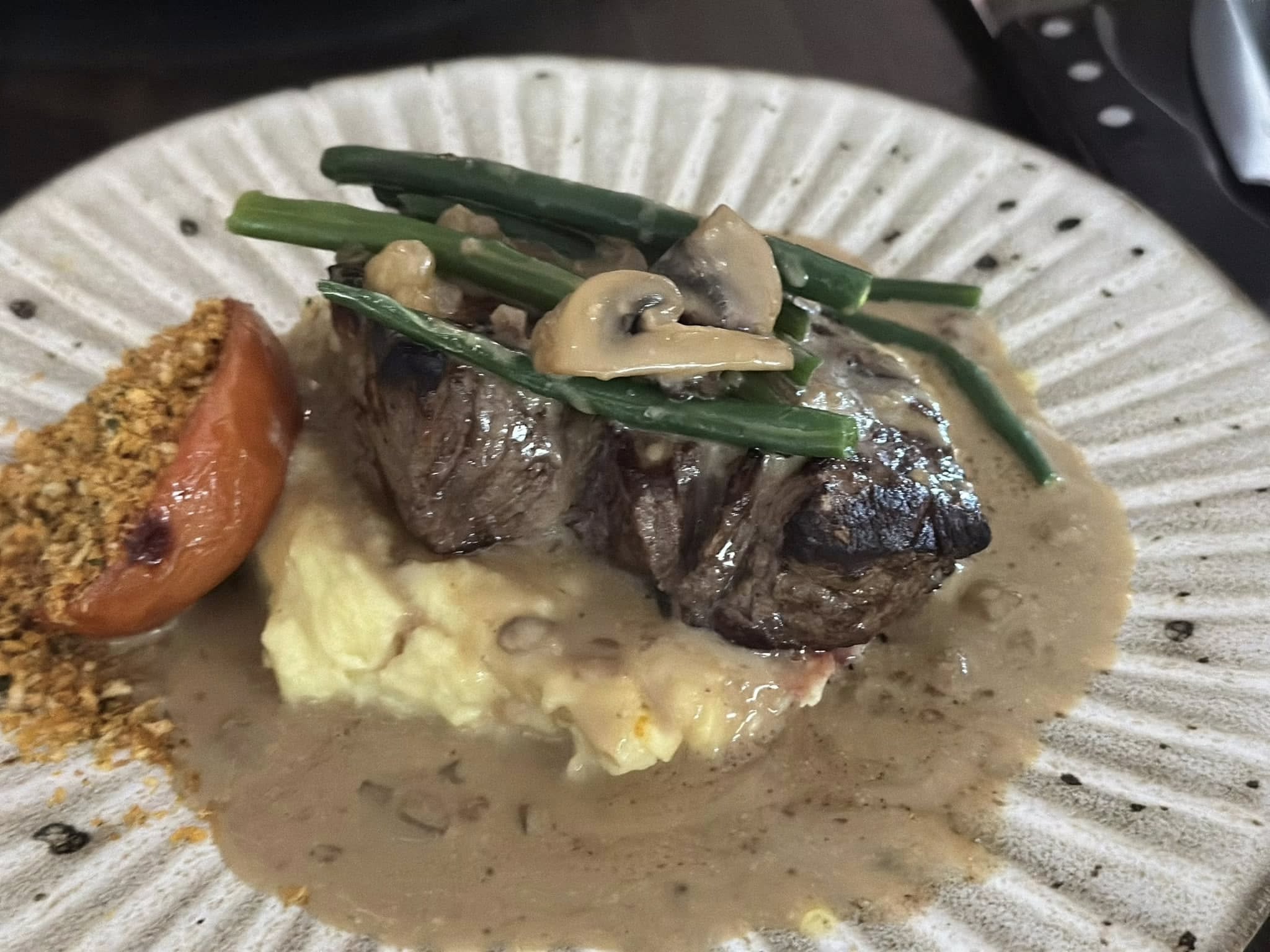
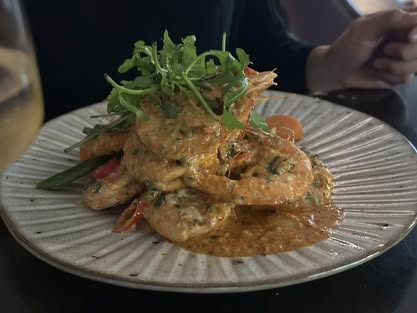
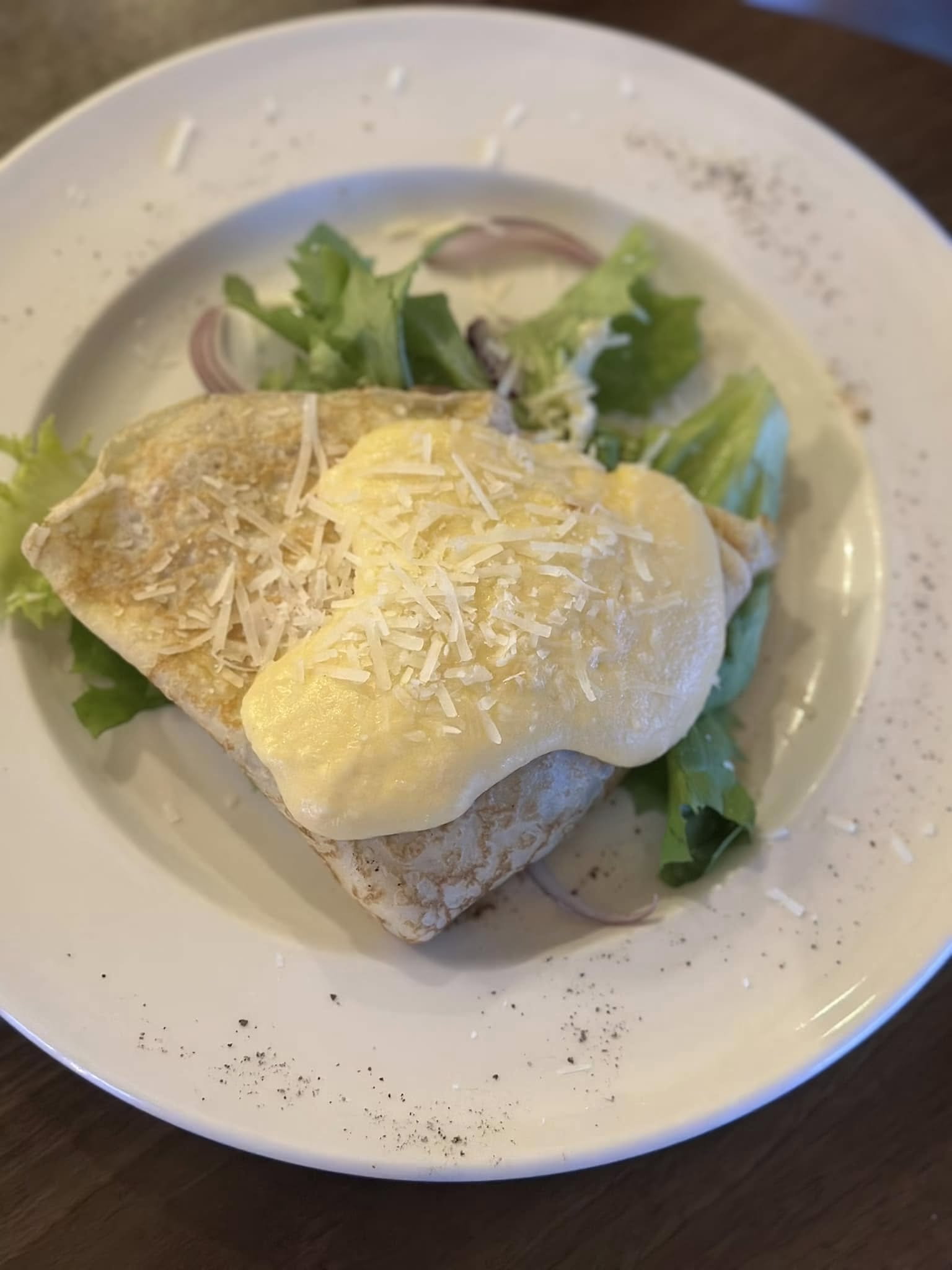
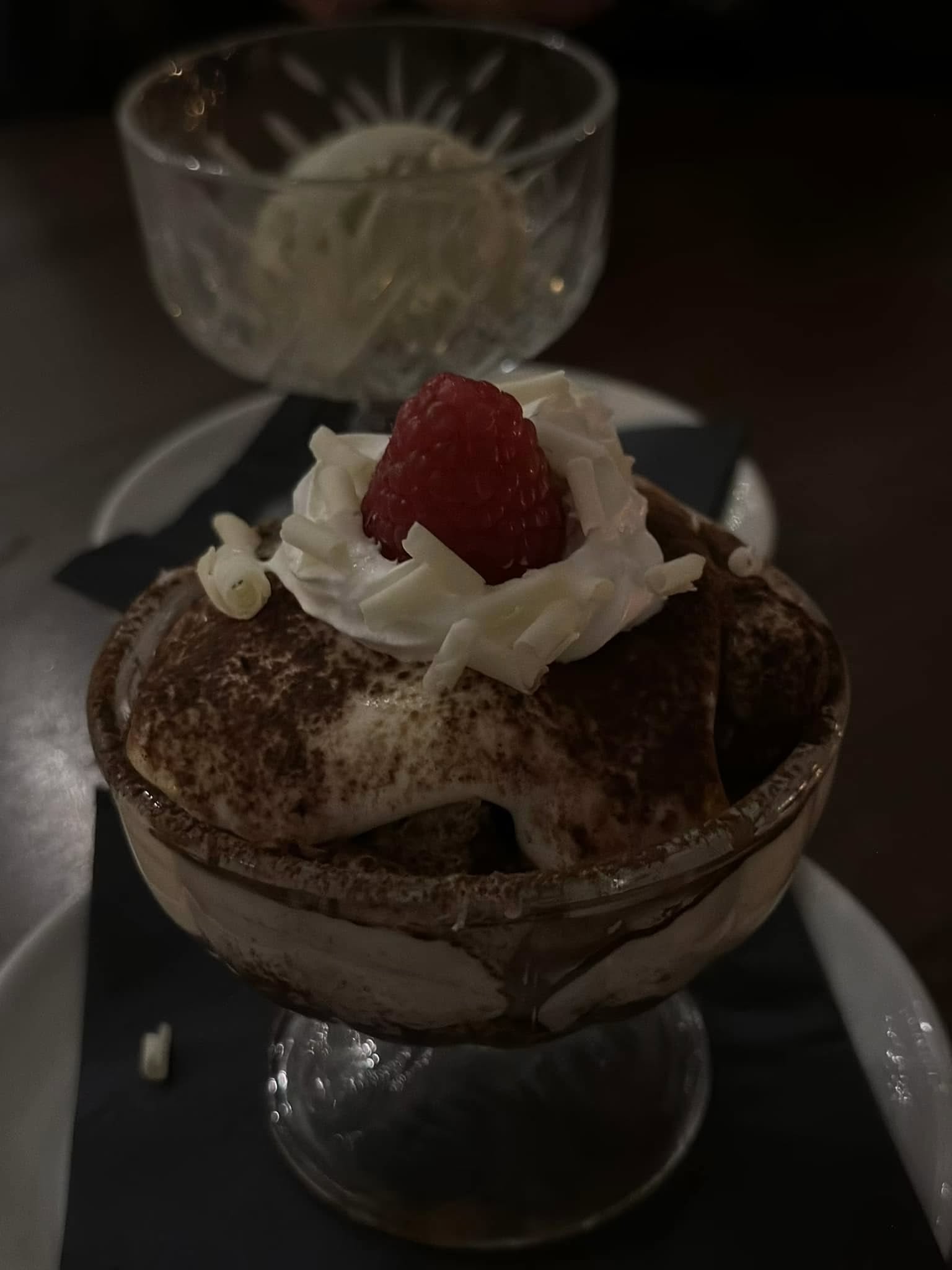
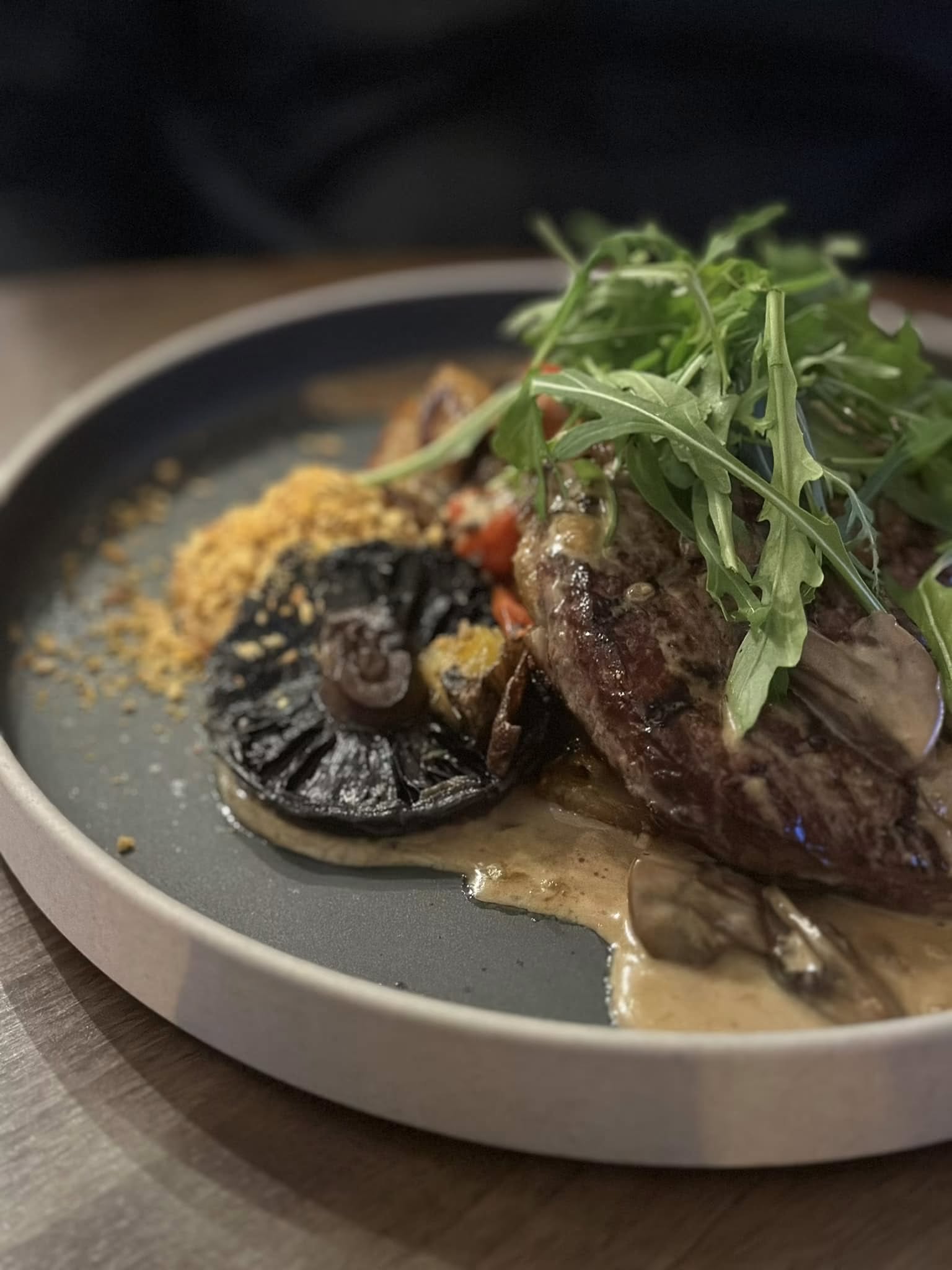
There is something lovely about a restaurant where you can settle into a conversation without feeling that the only purpose of the visit is to finish your food and leave. Italian dining is particularly suited to that kind of occasion, where a meal can stretch into an enjoyable evening. Fiume’s menu offers Italian favourites, and it is the sort of place I would consider for a celebration, a date, or simply an outing where the setting matters as much as the food.
I would recommend it to visitors who appreciate independent restaurants and want a dining experience that feels distinct from the usual chain options. The canal-side atmosphere is a pleasant bonus, though I would book ahead for busy evenings or special occasions. And if the weather is warm enough to enjoy the outdoor setting, all the better. I have lived in Britain long enough to know that outdoor dining is an opportunity worth accepting whenever the forecast permits it.
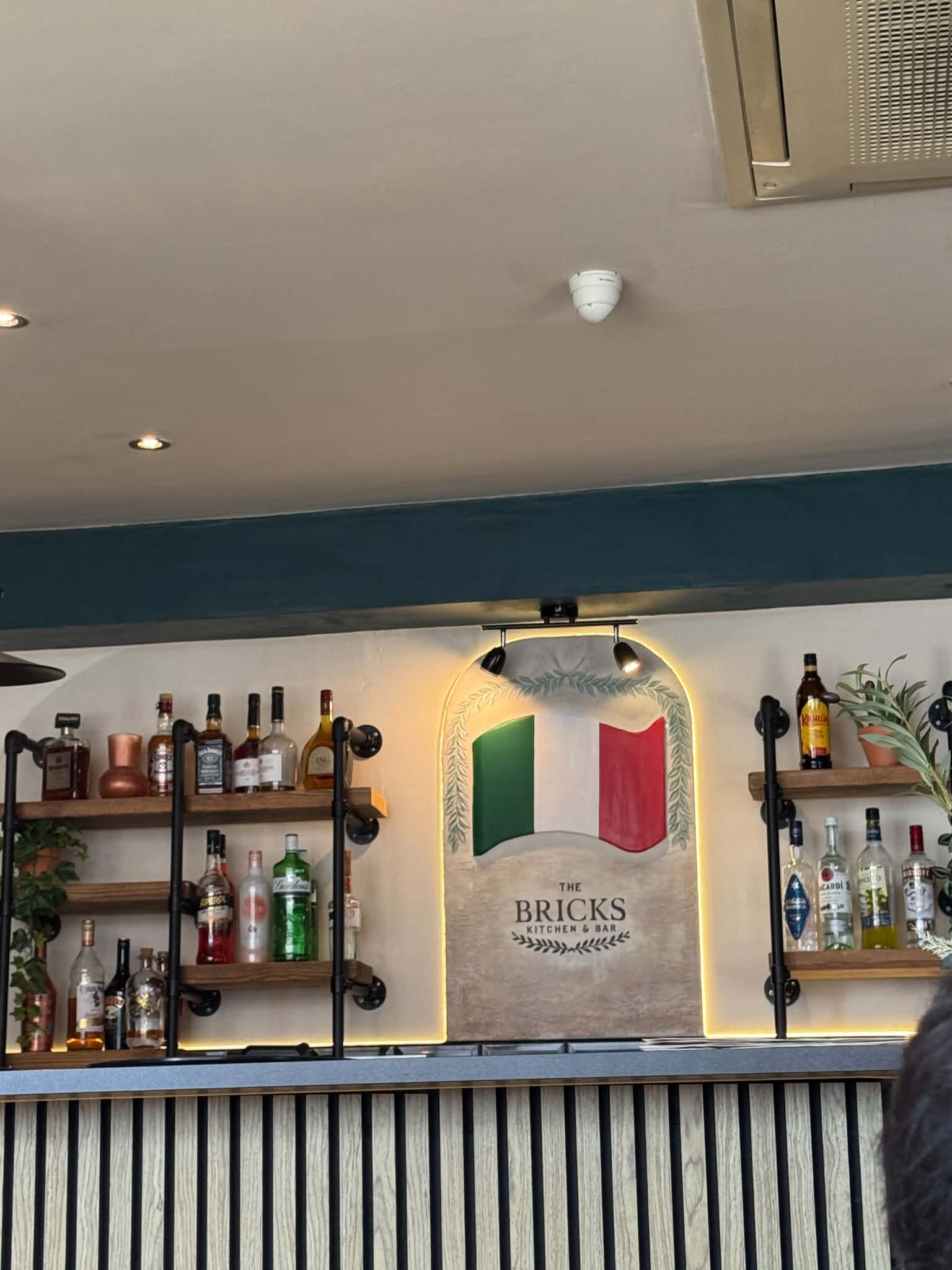
The Bricks Kitchen & Bar
The Bricks Kitchen & Bar, on Snow Hill, offers a different sort of appeal. It is a smaller, more informal city-centre restaurant, with a menu bringing together Italian favourites and Romanian-inspired comfort food. I find that combination interesting because it reflects how varied the food scene of a British city can become through the people and influences that settle there.

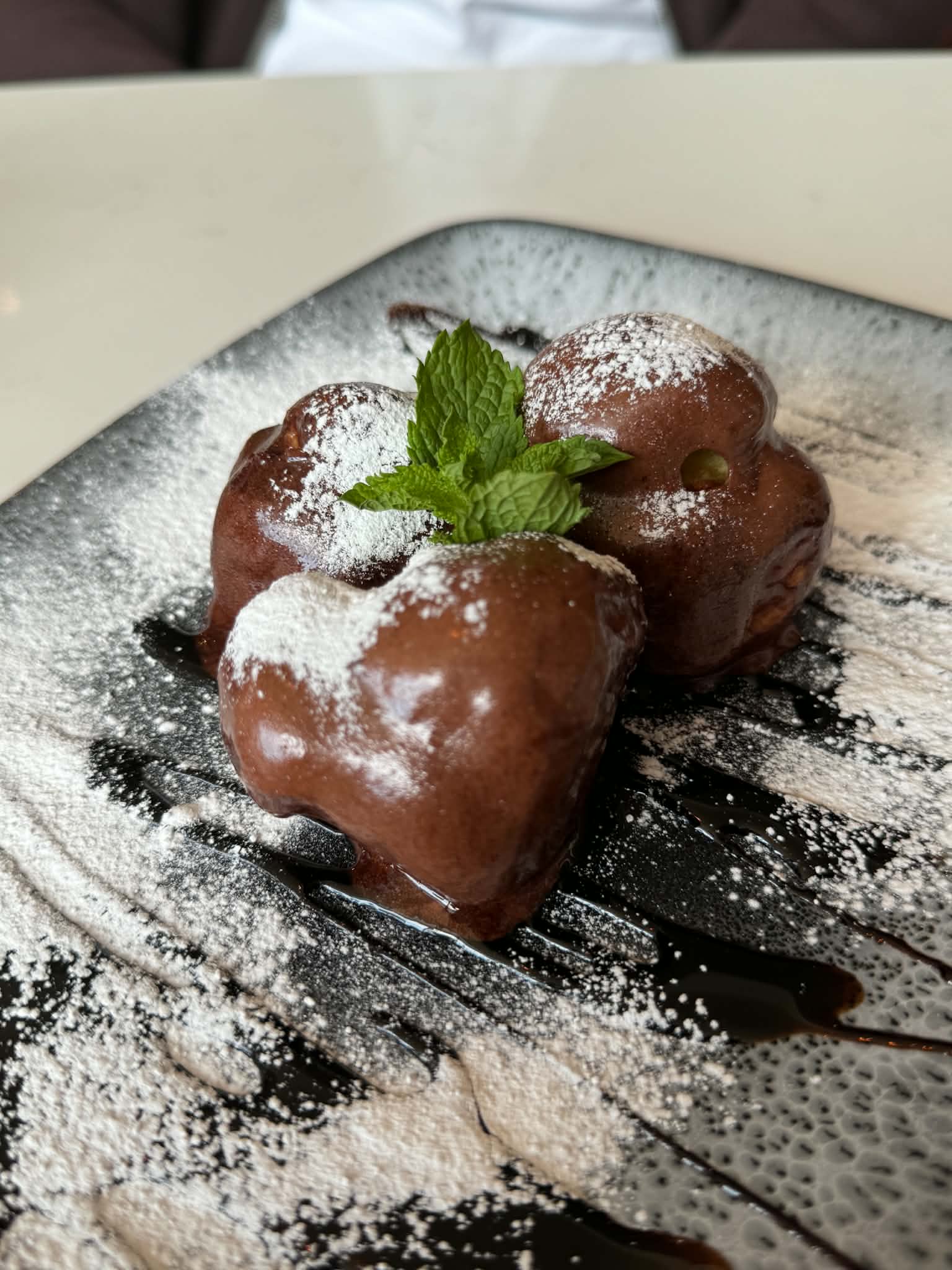
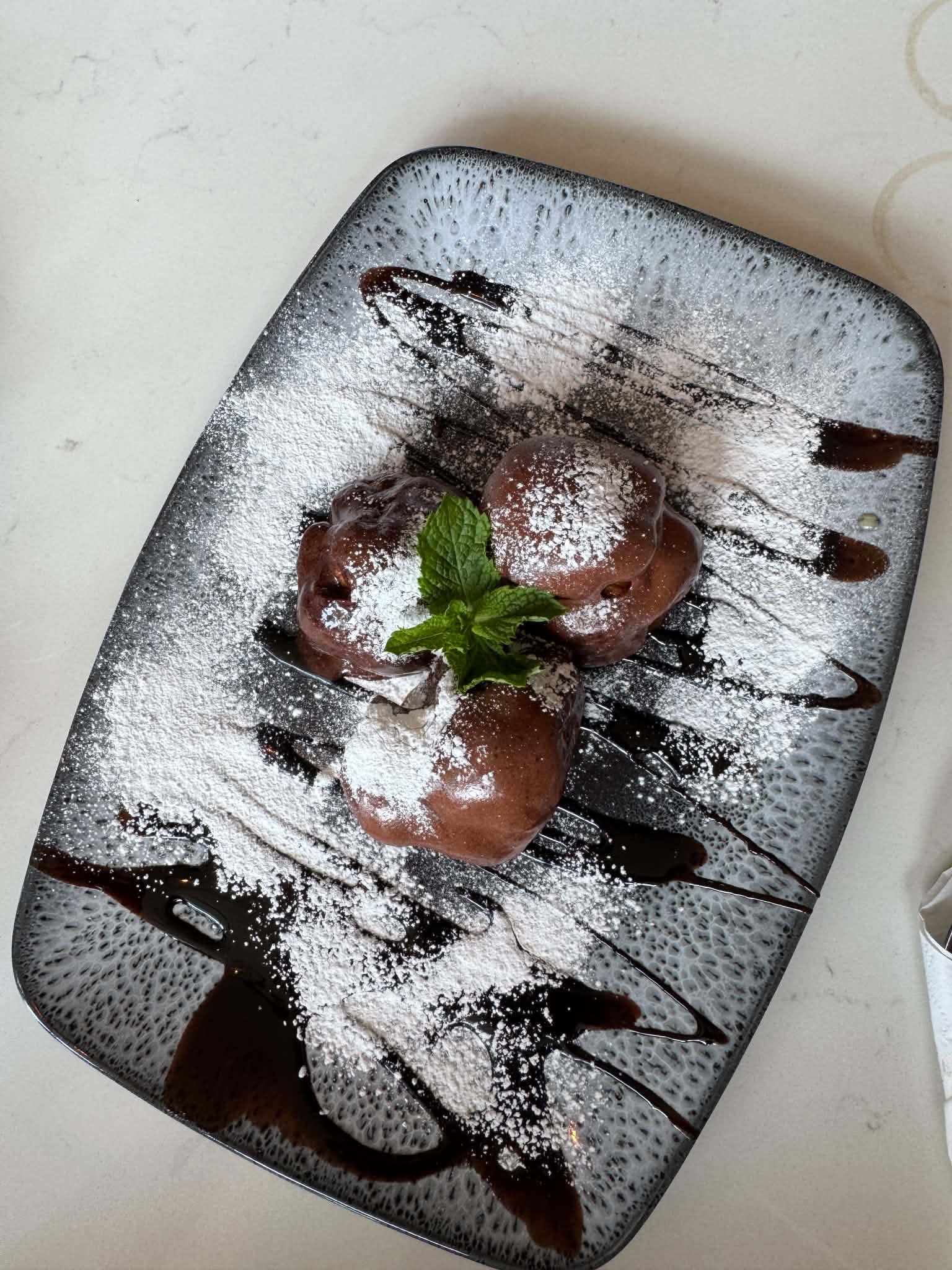
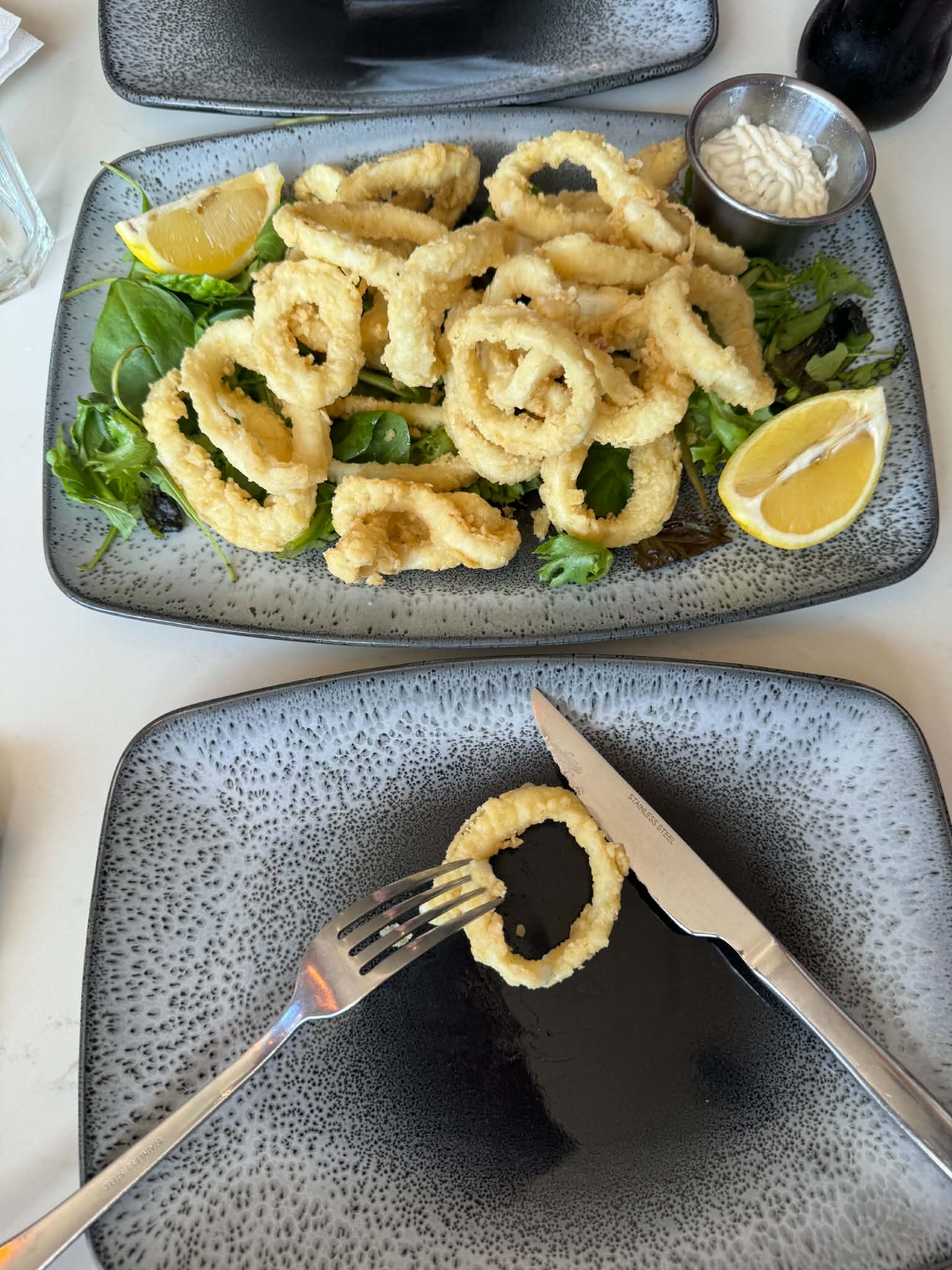
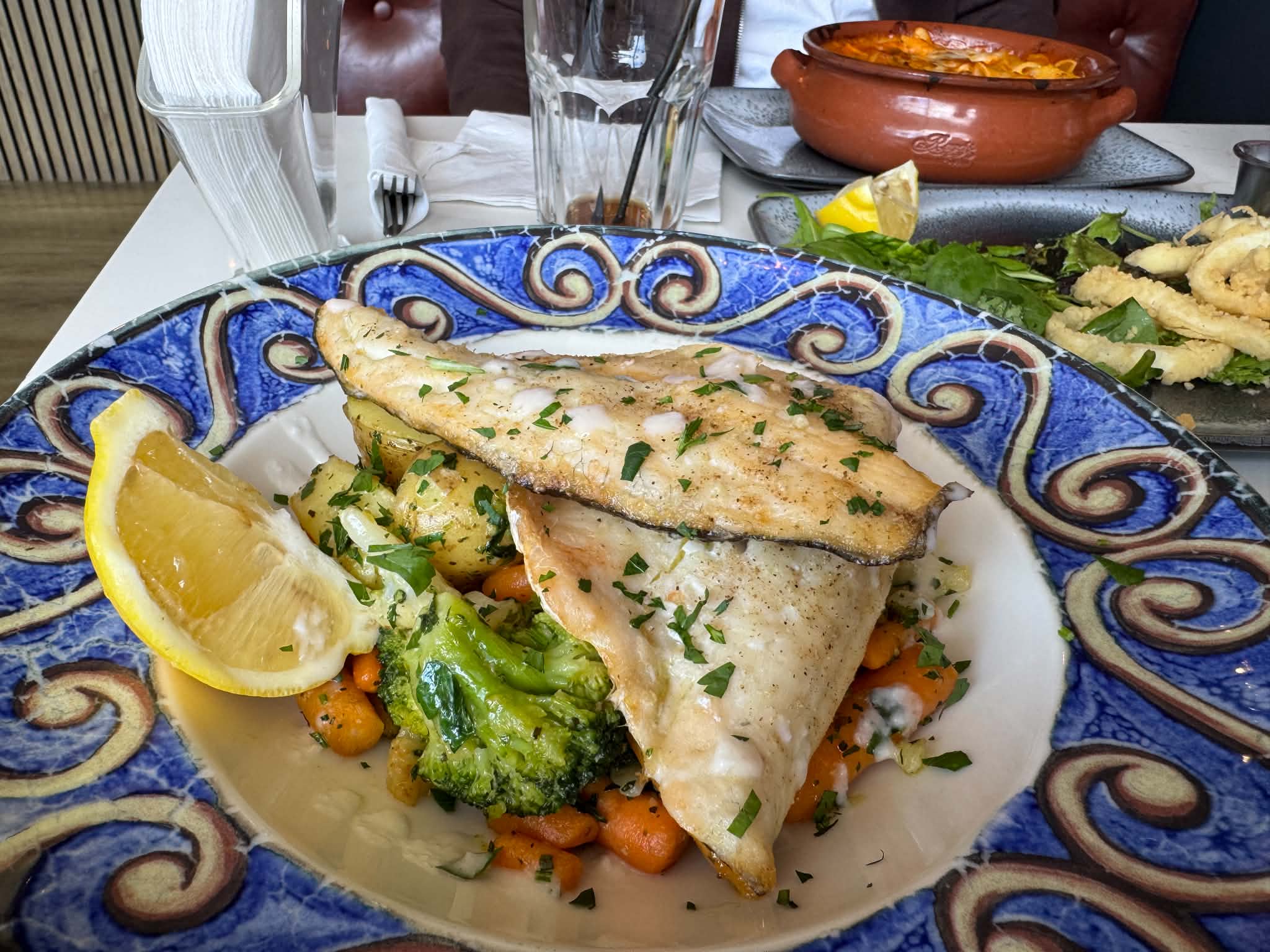
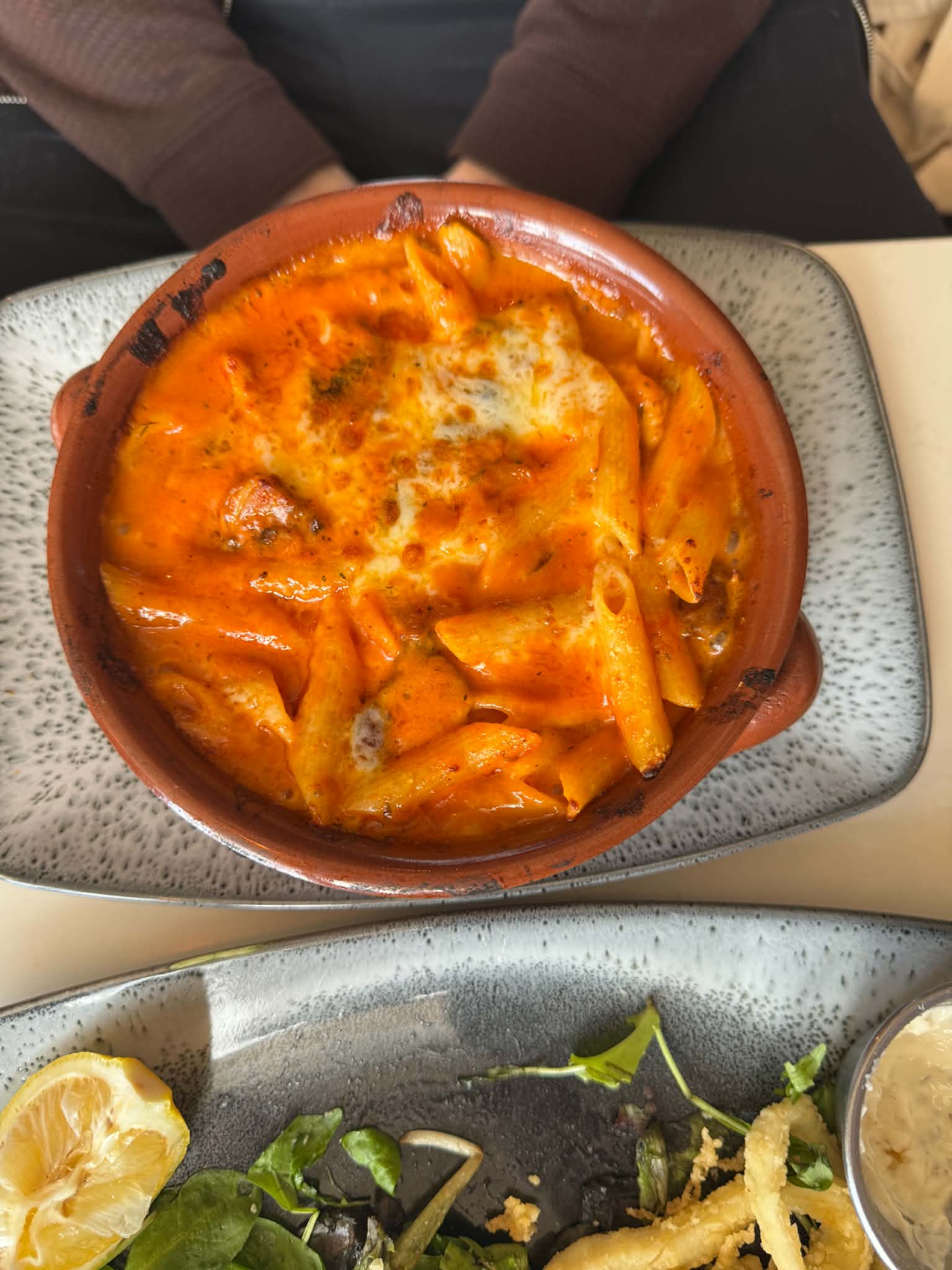
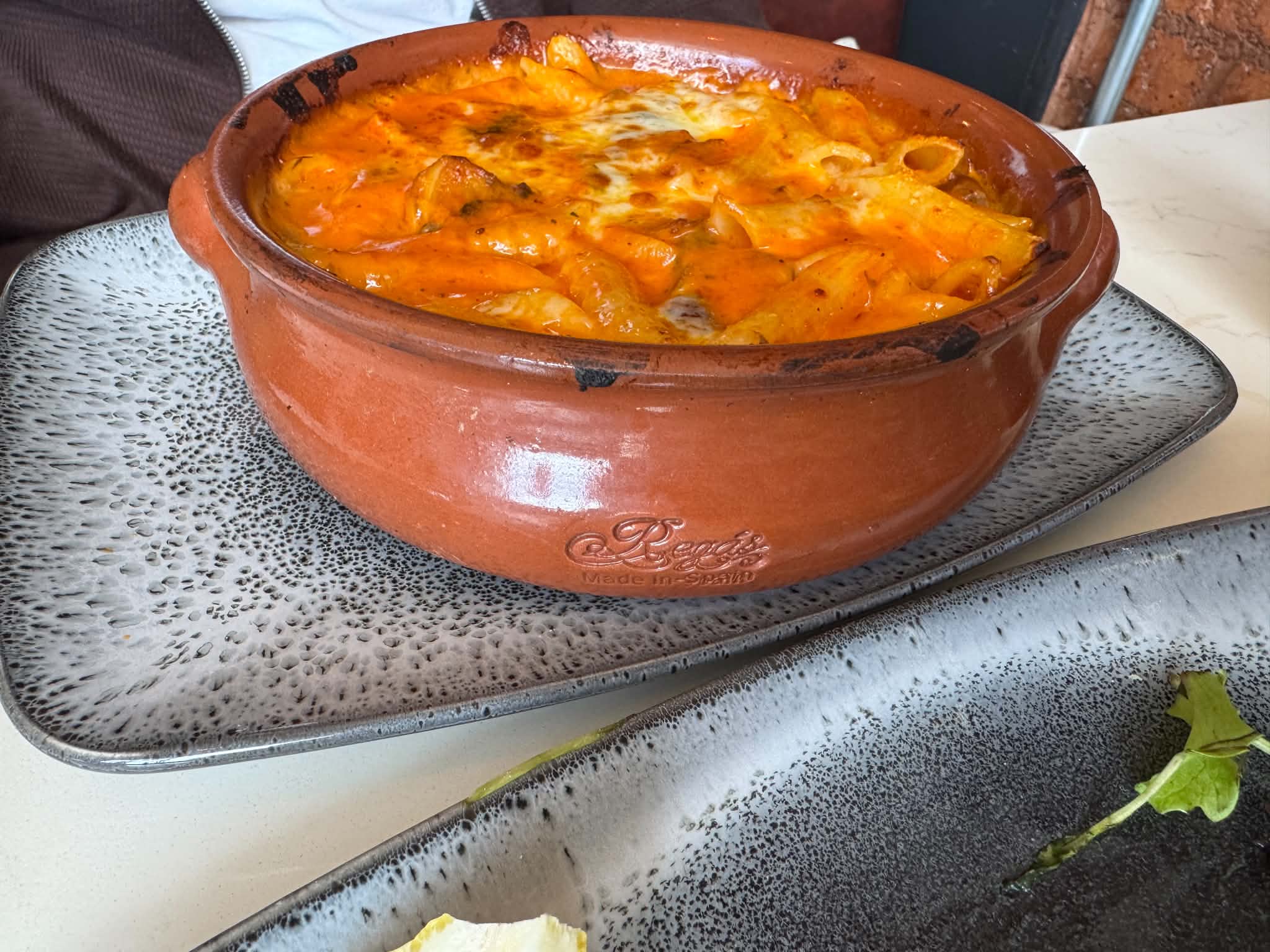
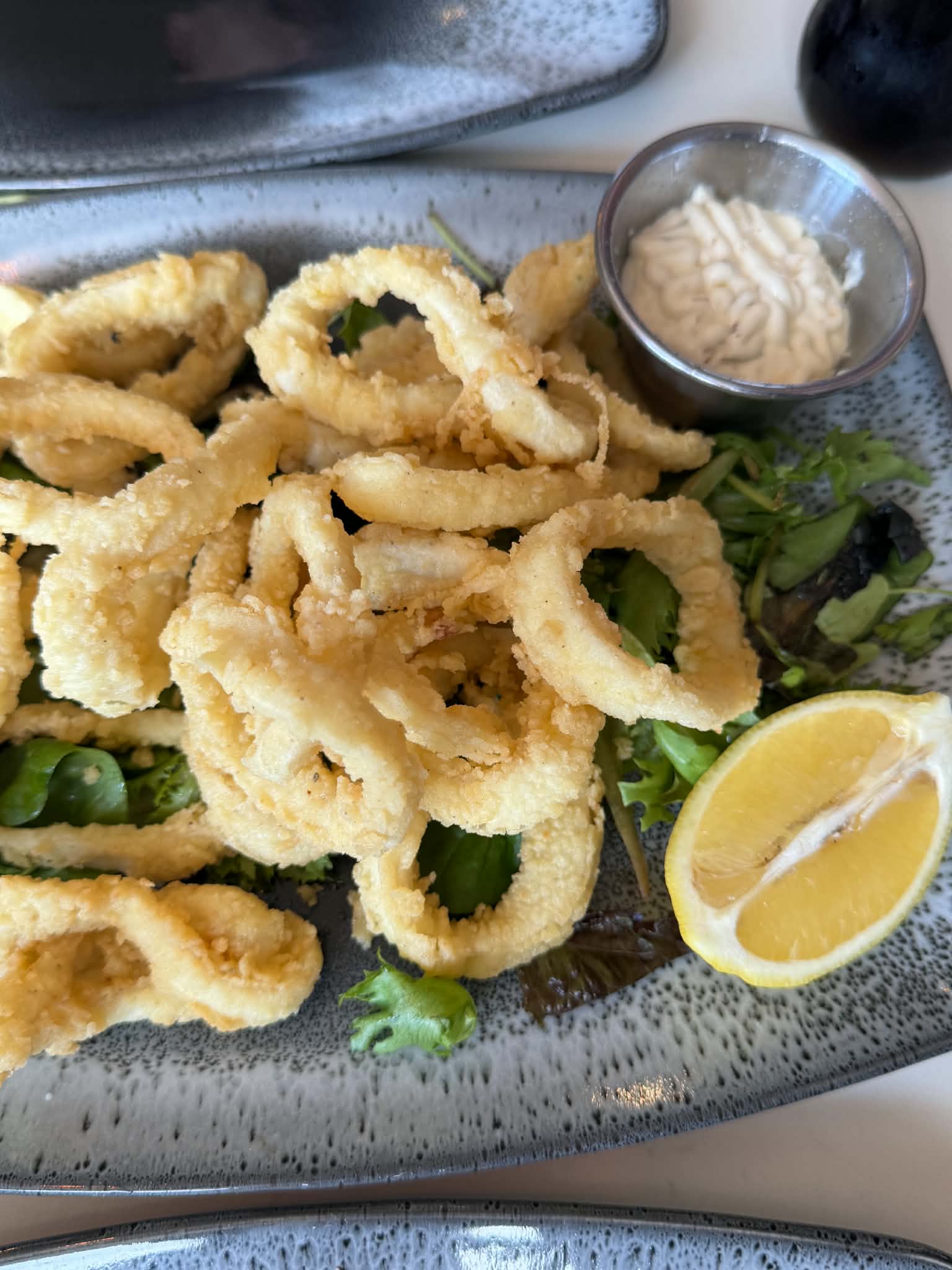
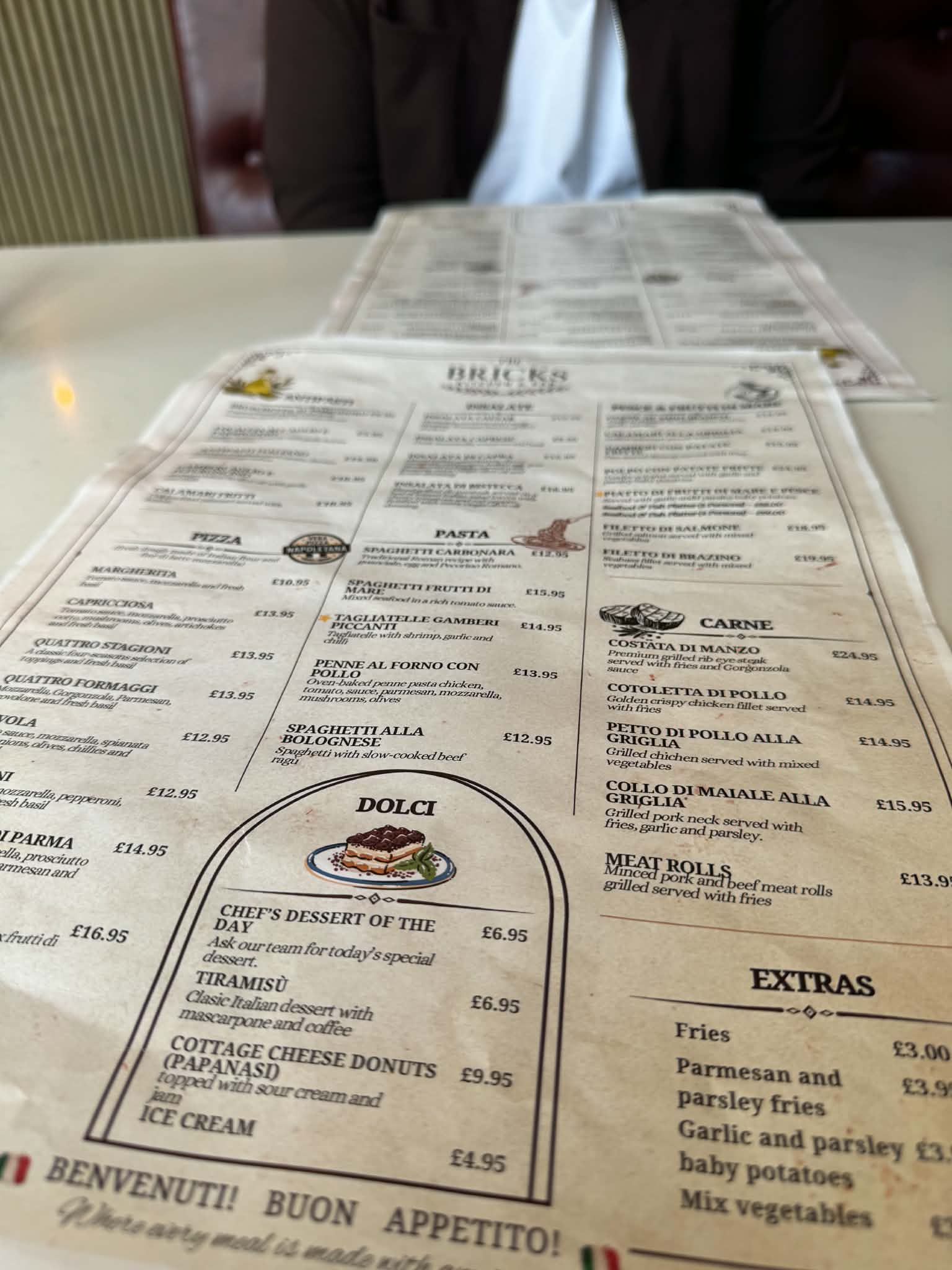
Not every memorable restaurant needs dramatic interiors or an elaborate menu. Sometimes the attraction is the feeling of finding somewhere unpretentious, where the focus is on a satisfying meal and comfortable surroundings. The Bricks seems well suited to that sort of outing. It is the kind of place I would recommend when meeting friends for a relaxed dinner, particularly if you want something more personal than a familiar national chain.
I also appreciate restaurants that introduce people to dishes they might not otherwise think to order. There is an enjoyment in exploring a menu shaped by different food traditions, especially when the atmosphere encourages conversation rather than making the whole occasion feel excessively formal. I would suggest checking the current opening days before visiting, as smaller independent restaurants can operate more limited schedules.
Rodeos BBQ
Rodeos BBQ, meanwhile, has absolutely no intention of offering the same atmosphere. Located at Canal Wharf, it embraces an American Wild West theme with rustic surroundings, barbecue dishes, and entertainment that can include music and dancing. Where Fiume might suit a more relaxed evening and The Bricks offers something intimate, Rodeos is for the occasion when you want a livelier experience.
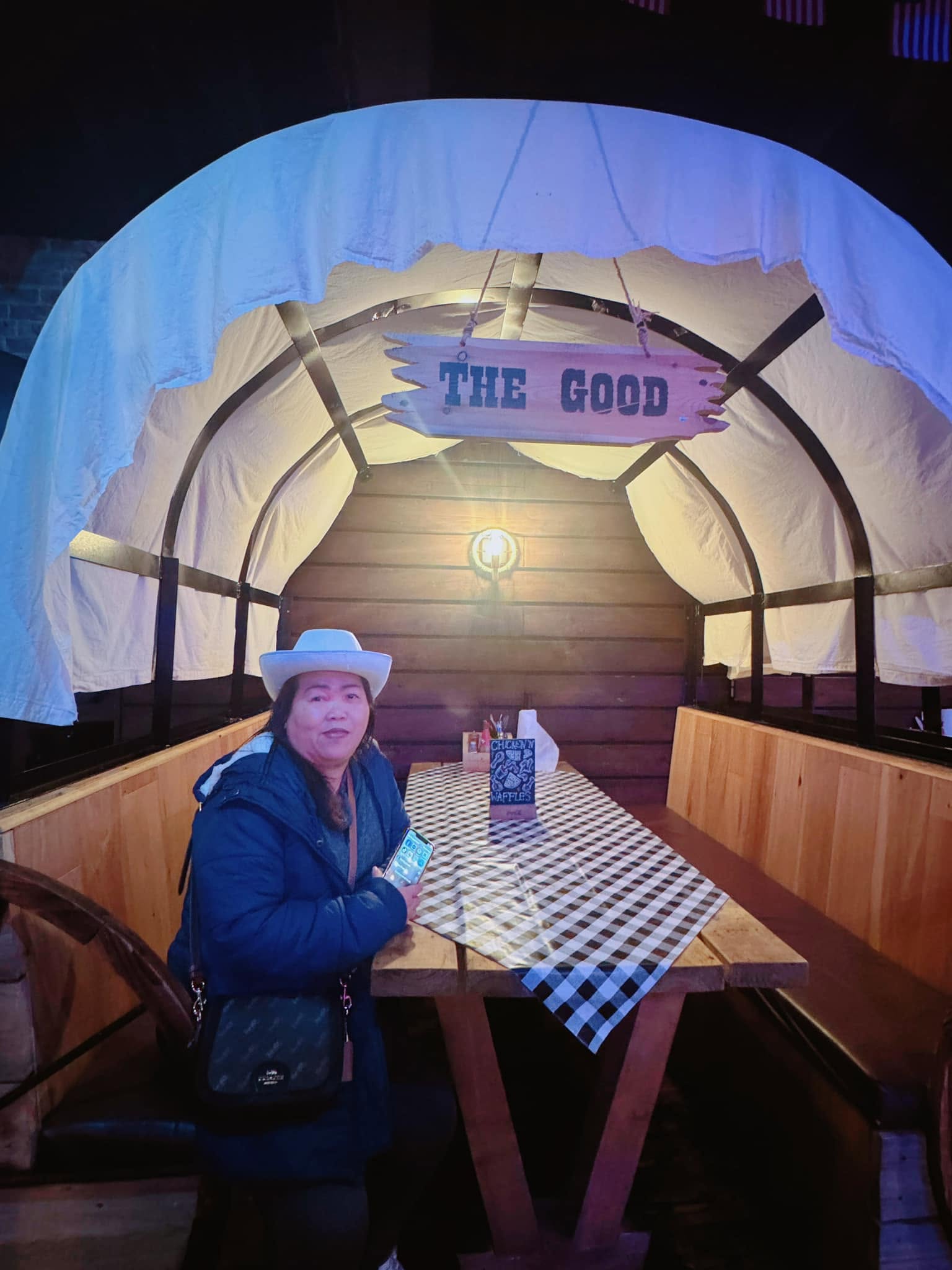

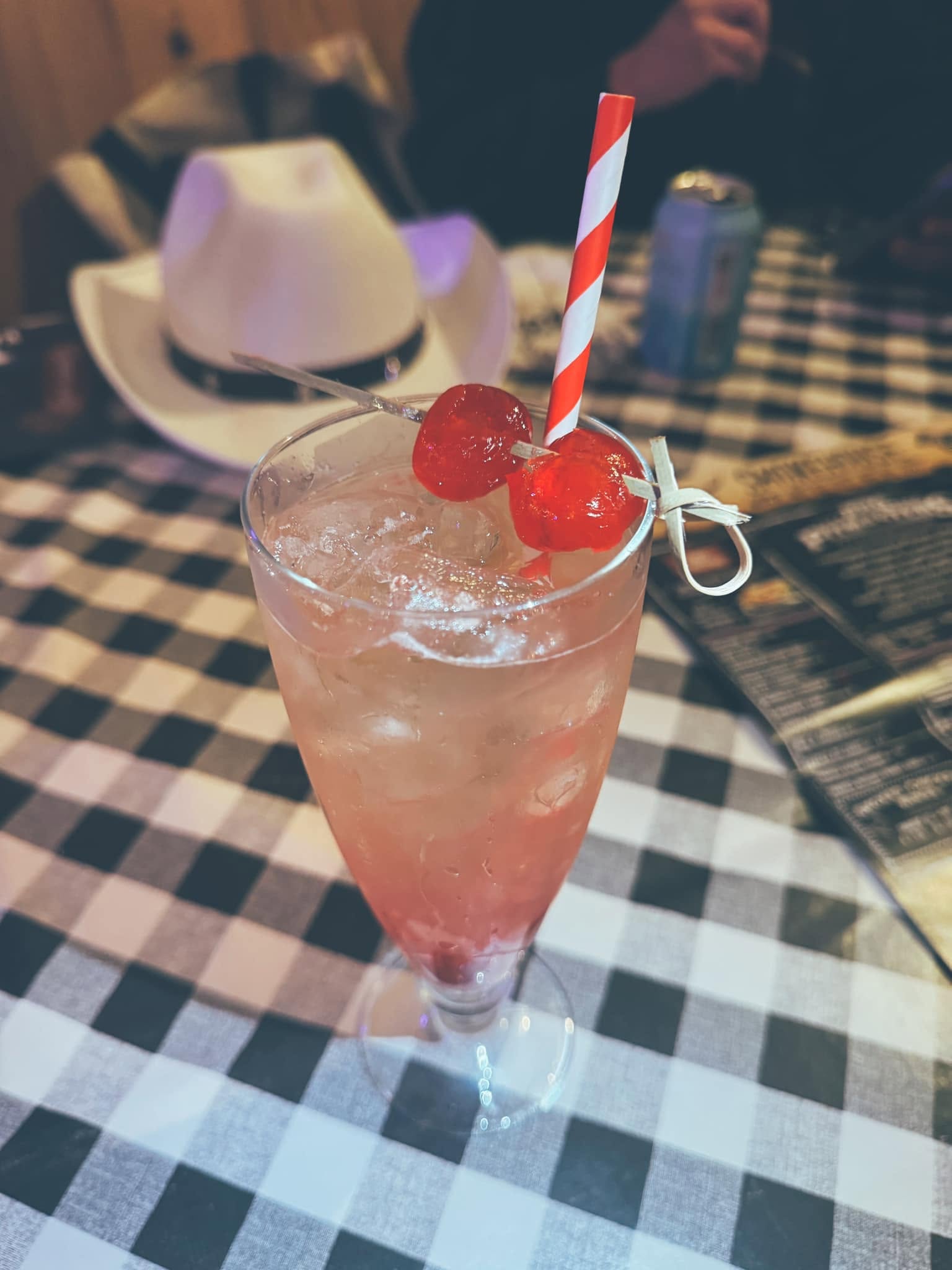



The appeal lies partly in the theatre of it all. American barbecue has its own culinary traditions, with slow-smoked meats, ribs, brisket, and hearty sides. Add Western-themed surroundings and the possibility of live entertainment, and the meal becomes part of a larger outing. I can see why it appeals to groups celebrating birthdays or arranging evenings where the atmosphere matters just as much as the menu.
For visitors, I would suggest deciding what sort of experience you want before going. A busy entertainment night can be lively and loud, while a quieter dining period may suit people who prefer to concentrate on the food and conversation. The programme changes, so it is worth checking which events are scheduled rather than assuming every visit includes the same entertainment. If you enjoy themed venues, it offers something quite different from Wolverhampton’s more traditional dining options.
And then there is Medicine Bakery, which appeals to my enthusiasm for attractive interiors, interesting buildings, and the belief that a pastry can improve an otherwise ordinary day.
Medicine’s Wolverhampton bakery
Medicine’s Wolverhampton bakery occupies part of the historic Chubb Buildings, where the industrial character of the setting becomes part of the experience. I like this combination of old architecture and contemporary food culture. The building has a history connected to manufacturing, while the bakery uses the space for something that feels distinctly modern yet still rooted in craftsmanship. There is something satisfying about seeing a former industrial setting continue to serve the city in a different way.

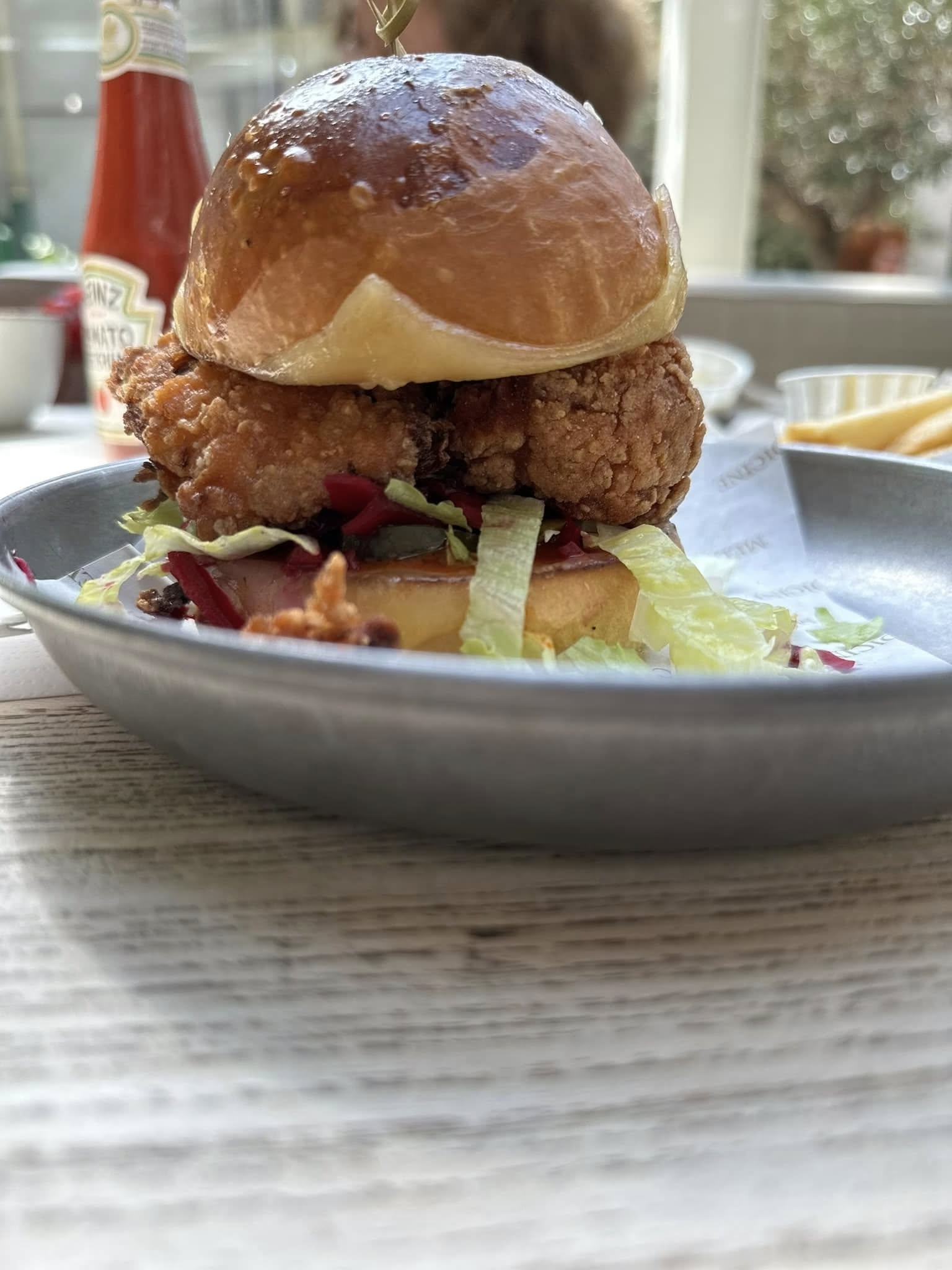

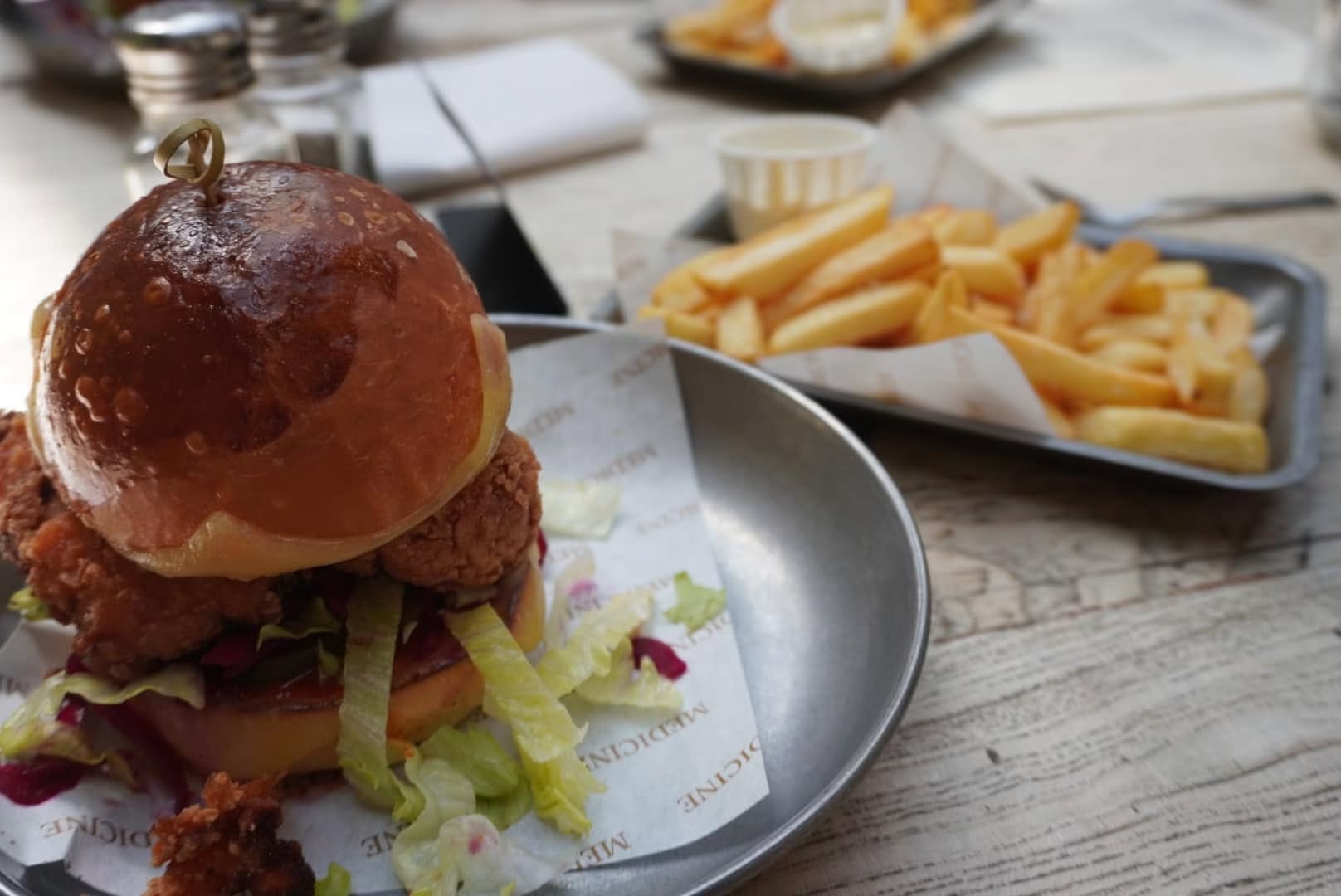
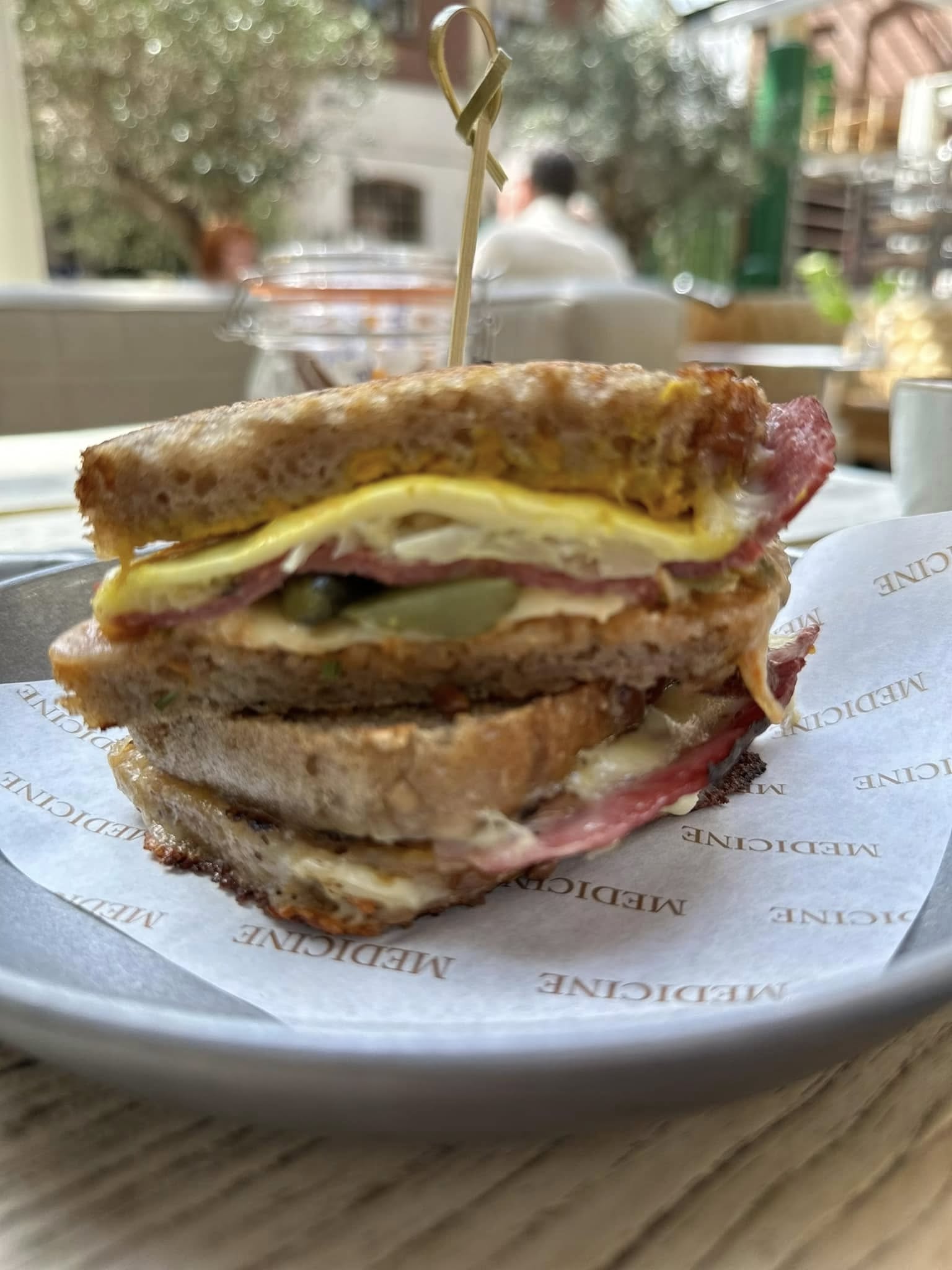
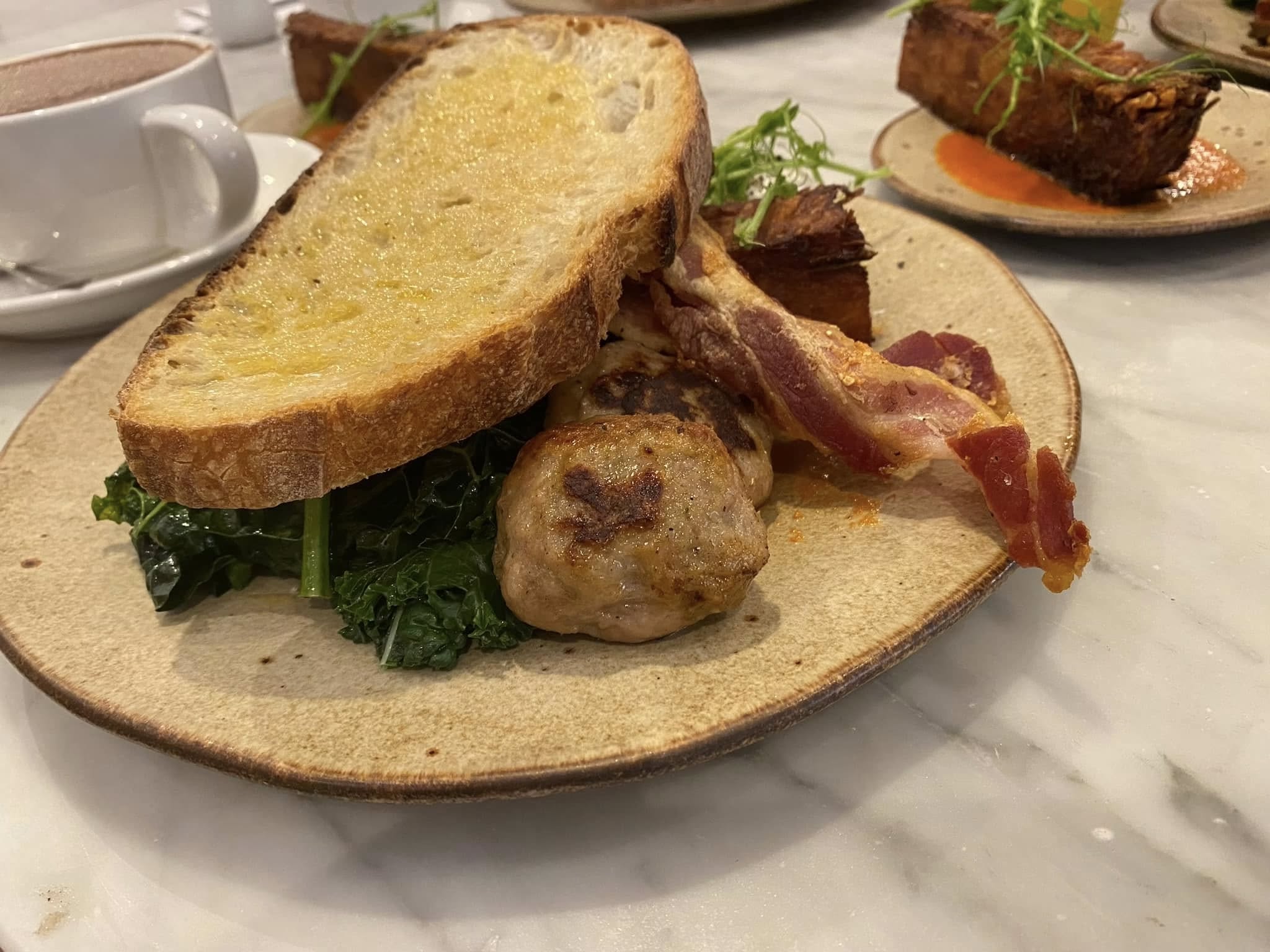
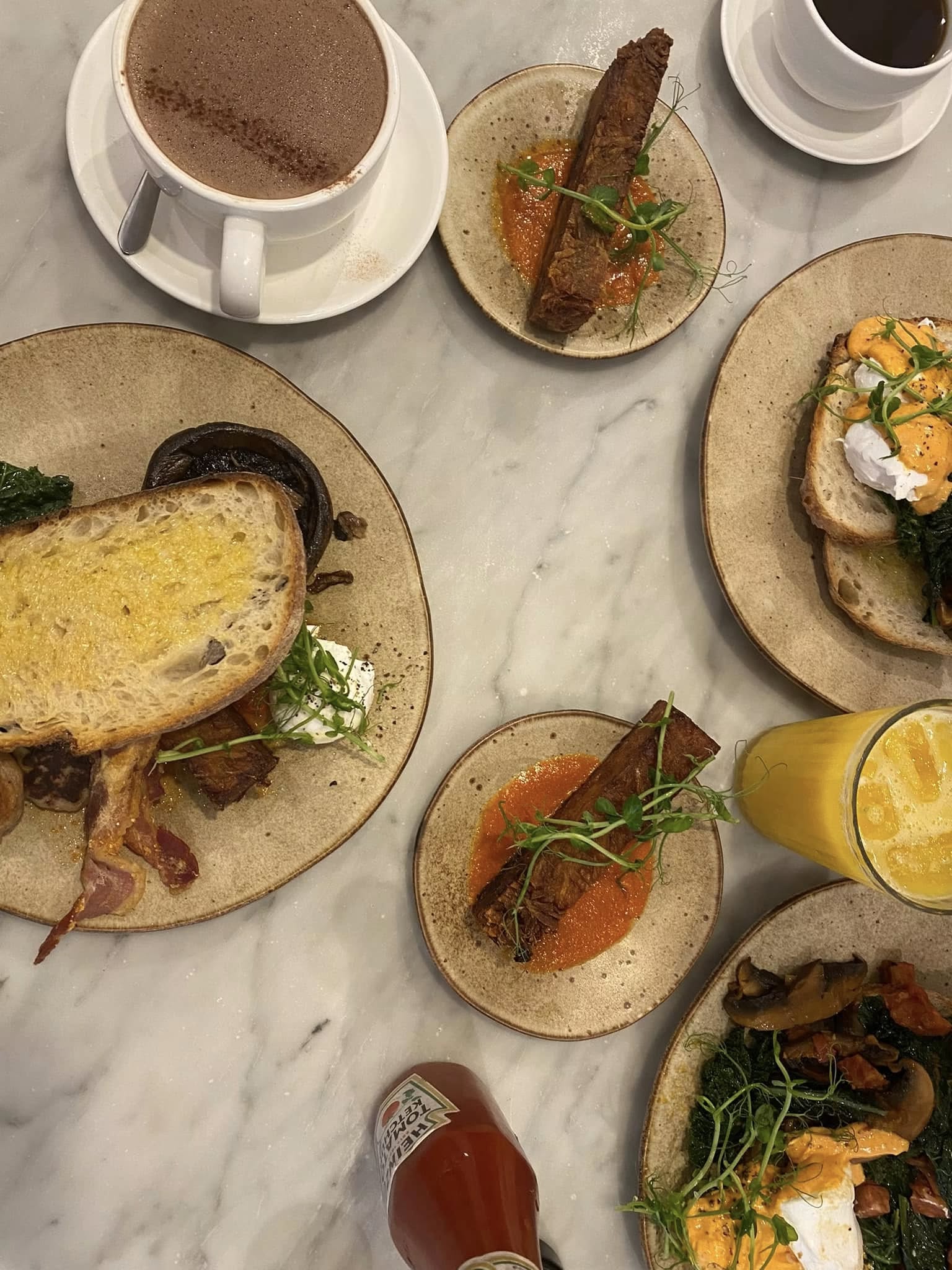
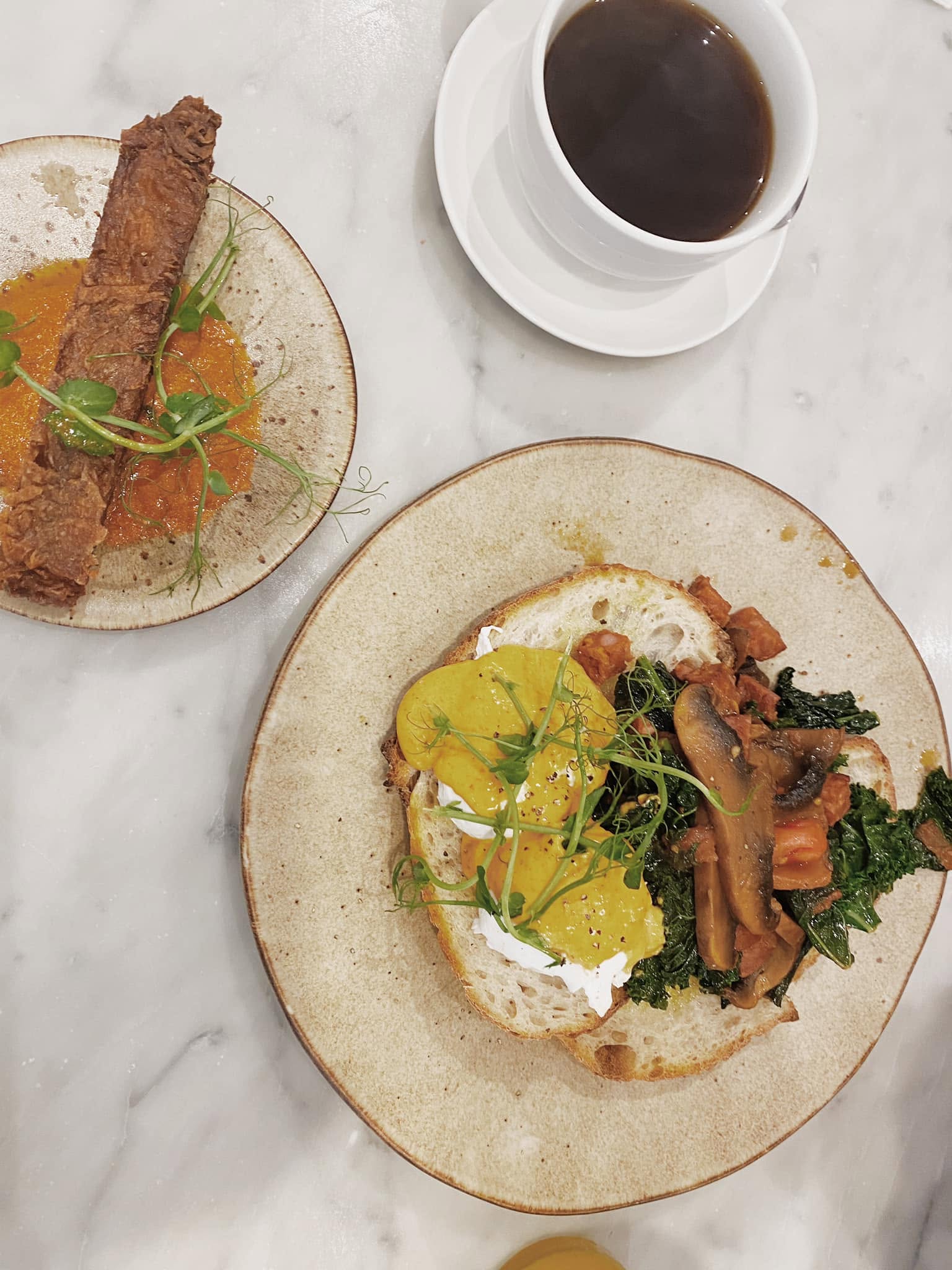
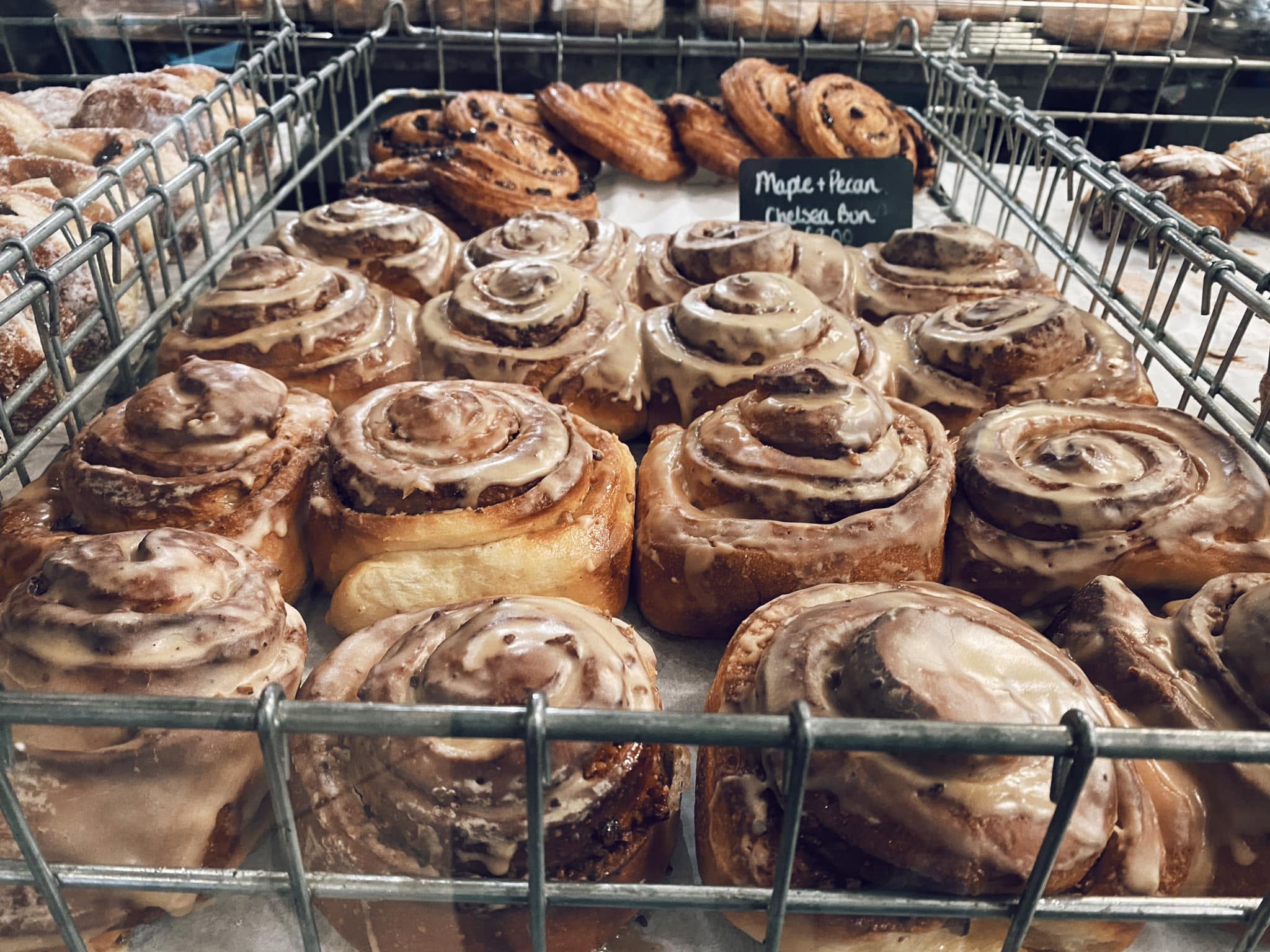
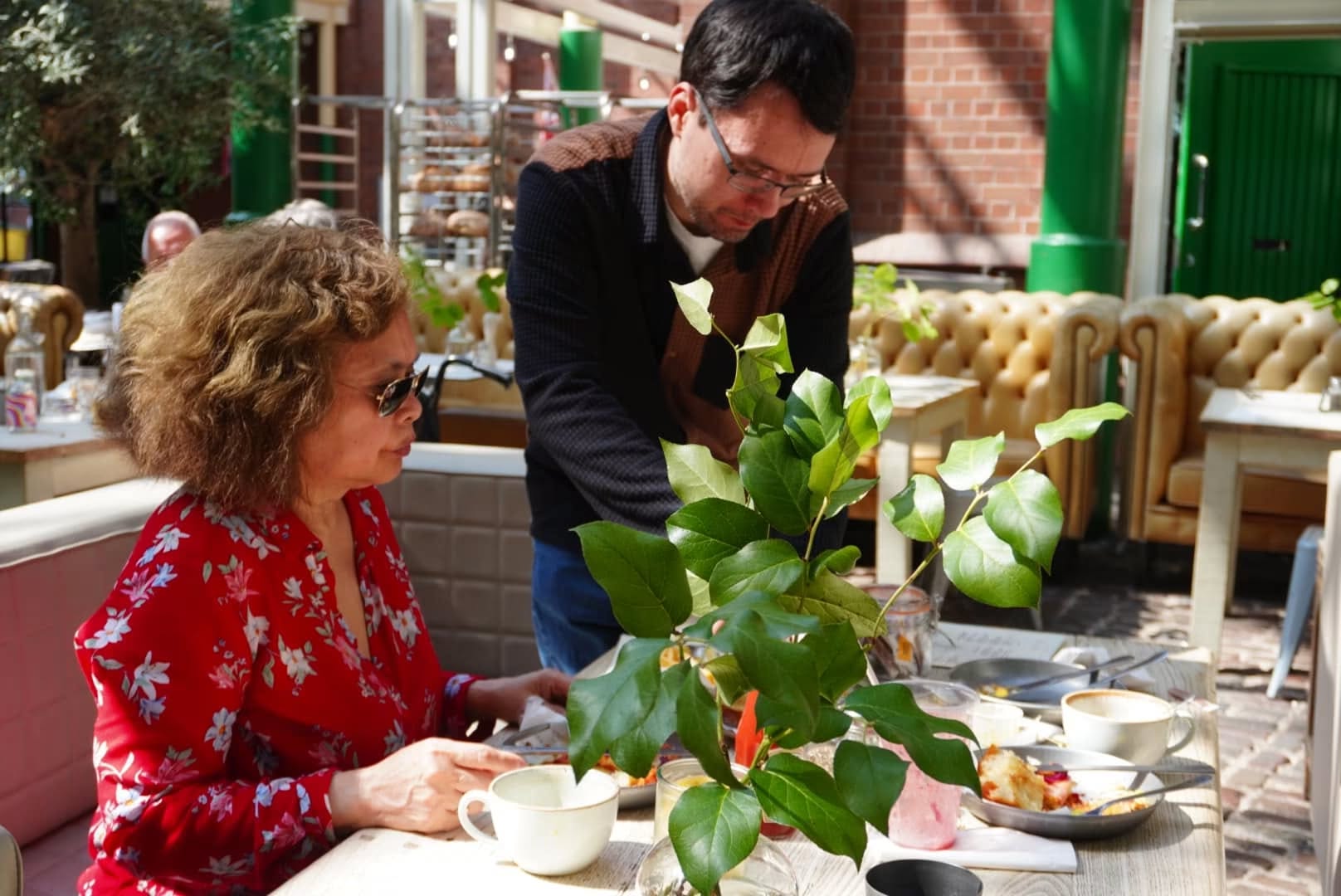
The Wolverhampton site is also the company’s production hub, where breads and pastries are prepared by hand. I find that particularly appealing because the process of making something well is often just as interesting as the finished product. There are sourdough loaves, pastries, cakes, and savoury options, with selections that may change. The setting has an informal, industrial-courtyard character that makes it rather different from a traditional high-street café.
I would recommend Medicine for a morning coffee, a pastry stop, or a casual meeting when you do not necessarily want a full restaurant meal. The historic surroundings are worth appreciating, particularly if you enjoy photography and architectural details. However, the Wolverhampton location is primarily a bakery and production site with walk-in seating, rather than the same kind of full-service brunch experience offered at some other Medicine locations, such as Codsall.
I admire the patience and expertise involved in baking, though I must confess that my contribution to this particular craft generally begins when somebody places the finished pastry on a plate. I consider myself an enthusiastic supporter of artisan baking, especially when the supporting activity involves eating something with several layers of buttery pastry.
Looking at these places together, I find it interesting how different they are. There is no single atmosphere or style that defines Wolverhampton’s dining scene. You can enjoy Italian food beside a canal, explore the comfort-food menu of a smaller restaurant, experience a lively themed barbecue venue, or stop for handmade pastries in a historic industrial building. Each offers a different reason to go out, which is precisely what I appreciate about living in a city rather than simply passing through it.
I have never believed that every good meal needs to take place somewhere fashionable. Sometimes the best dining experiences are connected to ordinary circumstances: meeting a friend after a demanding week, spending time with someone you love, or deciding that the day deserves something more interesting than whatever is currently waiting in the refrigerator.
After years of working nursing shifts, I have developed considerable respect for the civilised pleasure of sitting comfortably while somebody else prepares dinner.
But perhaps the greatest thing Wolverhampton has taught me has little to do with restaurants, parks, or historic buildings. It concerns the difference between a place that impresses us and a place that becomes meaningful to us.
When I travel to somewhere new, I arrive with curiosity already prepared. I look for beautiful architecture, unusual streets, interesting food, and places worth exploring. I am willing to spend time noticing small details because discovering them is part of the reason I travelled. At home, however, curiosity is easier to neglect. We become occupied by work, errands, responsibilities, and the familiar demands of daily life. The surroundings are always there, so we assume there will be another opportunity to appreciate them.
I think that is one reason we sometimes overlook the beauty of where we live. Familiarity can make something seem less interesting simply because we no longer have to work to find it.
Perhaps belonging begins when we stop asking a place to impress us and start paying attention to what it has been offering all along. I do not mean that we should pretend every city is beautiful or overlook problems that deserve improvement. Wolverhampton has its frustrations, less attractive streets, and ordinary inconveniences, as any resident knows. Affection does not require dishonesty. But I have learned that appreciating somewhere is different from insisting it must compete with the most famous destinations in the country.
Wolverhampton does not need to become Edinburgh or Bath to deserve a little attention. It has its own story, shaped by industry, working communities, creativity, migration, and the people who continue building lives here. Its historic manor houses and public parks exist alongside industrial waterways and ordinary neighbourhoods. The city is not arranged like a perfect travel photograph, and perhaps that is part of its character.
I find that especially meaningful as someone who came to Britain from the Philippines. Moving countries involves learning to recognise home in unfamiliar surroundings. At first, you notice everything that is different. The climate, the architecture, the language, the routines, and the little habits of everyday life require adjustment. Over time, the unfamiliar becomes ordinary. You develop favourite places, remember particular streets, and begin making associations that belong to your own experiences rather than to somebody else’s description of the country.
That is what Wolverhampton has become for me.
It is the city where I have built a professional life, developed routines, experienced changing seasons, and discovered that beauty does not always require a journey somewhere famous. I have travelled to beautiful places across Britain and beyond, and I intend to continue doing so. But I have also come to appreciate the quieter satisfaction of finding something worth photographing only a short distance from home.
If you are planning to visit, I would encourage you to choose the season as carefully as the attractions. Wightwick Manor is particularly lovely in spring, when its gardens bring colour and softness to the historic architecture. East Park offers beautiful seasonal changes, especially the fresh greenery of spring and the warm colours of autumn. West Park deserves a visit for its Victorian landscape, lake, and birdlife, with winter fog providing an especially atmospheric experience when conditions are suitable. Wolverhampton Art Gallery offers a cultural stop in the centre, while the canals reveal a different side of the city’s industrial past.
And make time to eat. Choose Fiume for Italian food and a canal-side setting, The Bricks for a smaller independent dining experience, Rodeos for barbecue and a livelier atmosphere, or Medicine Bakery for pastries in a historic building. You do not need to visit all of them in one day. In fact, I would strongly discourage trying to fit every restaurant into a single itinerary unless your principal objective is to spend the following afternoon recovering from an ambitious relationship with food.
What I would recommend most is leaving yourself time to notice the ordinary details between destinations. A historic building you had not expected to find. The reflection of trees in a canal. A little patch of colour beside an otherwise unremarkable street. A familiar park looking entirely different because the weather has changed.
Those are the things that have gradually made Wolverhampton memorable to me.
I began this story with a swan moving through the fog in West Park, apparently uninterested in the fact that I considered the moment worth photographing. I return to that morning because it captures something I had not expected to learn from living here. The view did not belong to a famous tourist attraction, and nobody had travelled across the country specifically to watch it happen. There was no ticket, no carefully planned itinerary, and no guarantee that the fog would remain long enough for a photograph.
For a few moments, the lake and the birds were simply beautiful, whether anybody noticed them or not.
I took my photographs and continued walking. The city beyond the park was still Wolverhampton, with its ordinary streets, workdays, traffic, and weather. Nothing particularly dramatic had happened, and the place had not transformed into one of Britain’s celebrated tourist destinations.
Yet I remember that morning with an affection I might once have reserved for somewhere much farther away.
Perhaps Wolverhampton has not become more beautiful since I arrived.
Perhaps I have become better at seeing it.
And the swan, I suspect, would be thoroughly unimpressed by the significance I have attached to its morning swim.
— Anj,
finding postcards where nobody thought to sell them.





















Leave a Reply